
Research lipid catalog
Ionizable Lipid Products
Explore 848 lipid and RNA delivery products. Search the full catalog or browse by research category.
Search covers product name, catalog number, synonyms, available CAS numbers and categories. Spaces, hyphens and common punctuation are ignored. Duplicate legacy records are consolidated under one canonical product result.
5177 products · Showing 4661–4680 · 20 per page
DC Chemicals lipid expertise
Built for ionizable-lipid discovery and RNA delivery research
DC Chemicals supports formulation and delivery research with a broad, searchable portfolio of cationic and ionizable lipids. The current directory brings together 848 unique research-use products, with product specifications, pricing, chemical structures and literature-linked formulation data added as each record is verified.
Our experience spans complex lipid synthesis, purification, analytical release and process development. For custom molecules or larger-scale requirements, our team can discuss route development, technical specifications and scale-up options for the intended research workflow.
Learn about cationic and ionizable lipids →Proprietary innovation · Co-development · GMP
From proprietary lipid design to GMP-grade custom synthesis
DC Chemicals has independently developed ionizable-lipid structures supported by company-owned intellectual property, and selected proprietary lipid programs have advanced to GMP-stage development.
We welcome joint development with customers—from molecular design and lipid synthesis through route and process development. We can also support custom synthesis of GMP-grade ionizable lipids to agreed technical specifications and quality requirements.
Discuss a co-development project →Proprietary ionizable-lipid structuresCollaborative molecular designCustom lipid synthesisProcess development and scale-upGMP-grade project support
Product quick links
Explore New ionizable lipids
Explore our five most recently added ionizable lipids, with specifications, pricing and literature-linked product information.
DCL0028HX1Brain RNA delivery researchView product →DCL0024A1I4R13C18-2Spleen-targeted RNA delivery researchView product →DCL0023A1I4R2C18-2Spleen-targeted RNA delivery researchView product →DCL0022FS01Local joint RNA delivery researchView product →DCL0020Lipid-392Lung RNA delivery and gene editing researchView product →
Cat. No.Product NameField of ApplicationChemical Structure
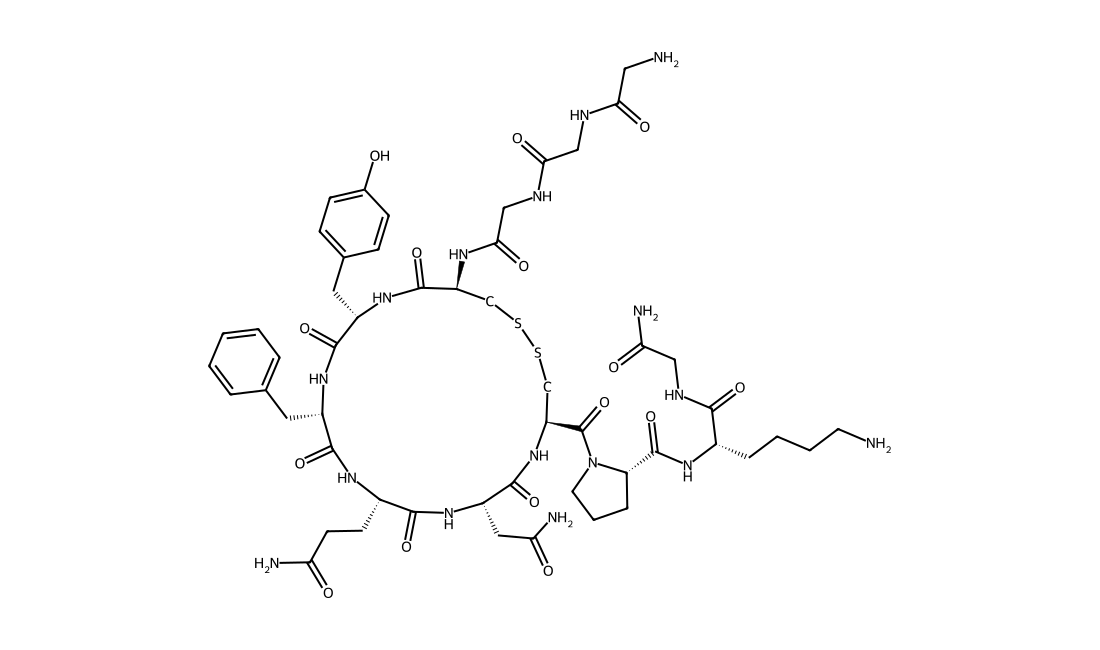
TerlipressinFeatured
Terlipressin is a potent vasoconstrictor that acts via V1 receptors on arteriolar smooth muscle cells. Terlipressin can result in splanchnic vasoconstriction augmenting systemic arterial blood pressure with beneficial circulatory and renal effects that would be expected to also ameliorate the key pathophysiological changes responsible for the development of refractory ascites
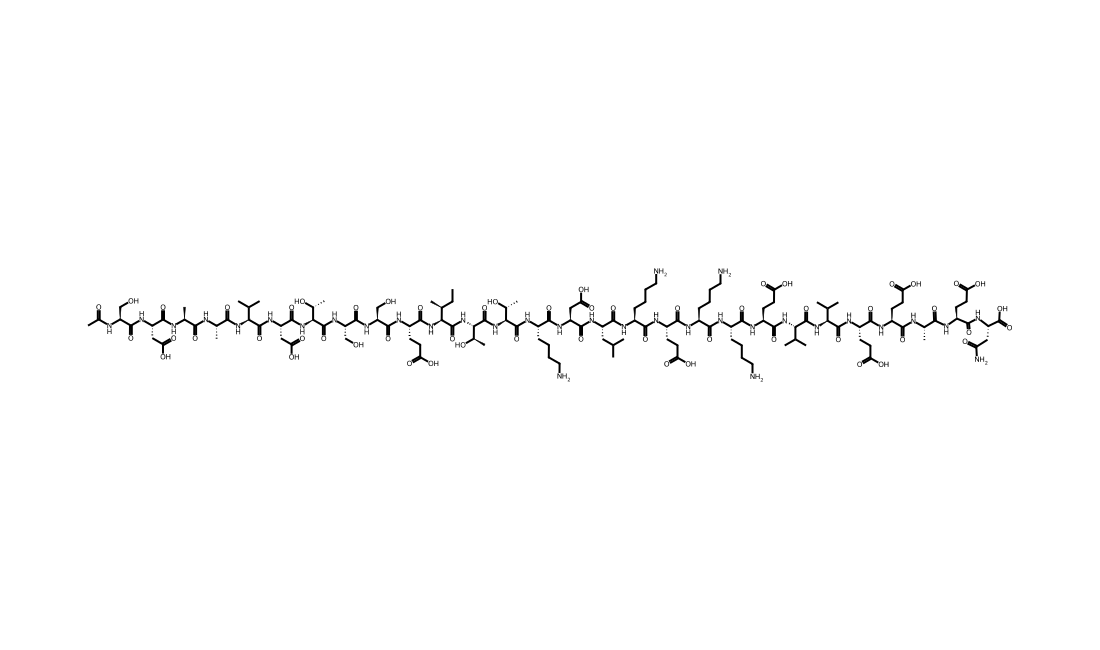
ThymalfasinFeatured
An immunoactive peptide that has been shown to inhibit cell proliferation and induce apoptosis in human leukemia, non-small cell lung cancer, melanoma, and other human cancers.
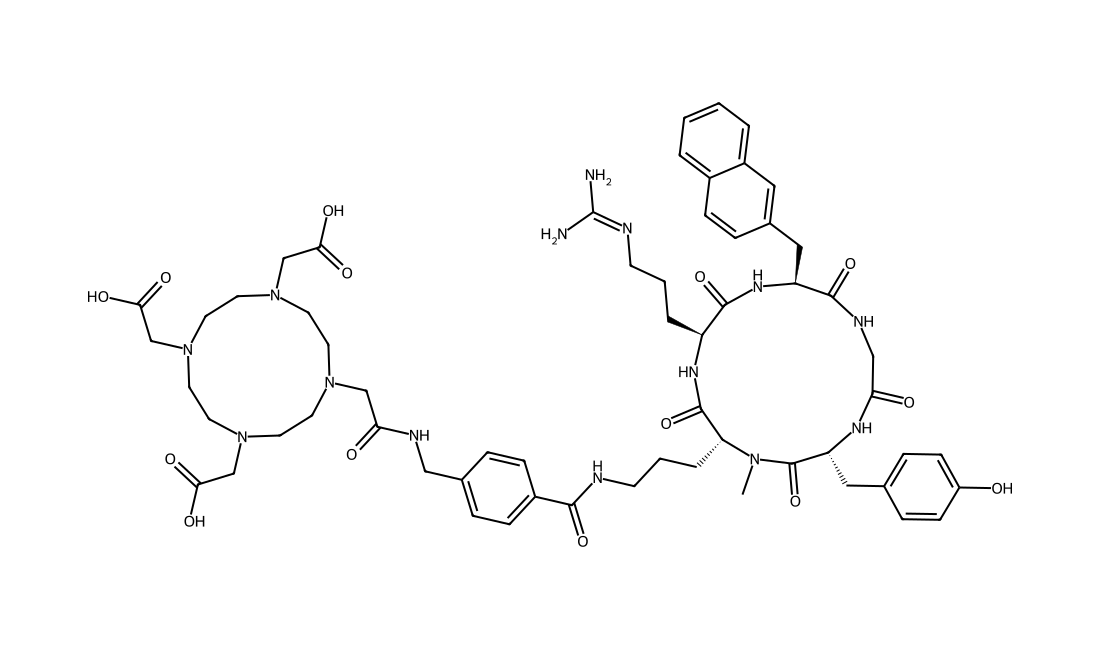
Pentixafor(CPCR4-2)Featured
Pentixafor is a synthetic, cyclic pentapeptide analog of stromal cell-derived factor-1 (SDF-1 or CXCL12), which is the natural ligand for the C-X-C chemokine receptor type 4 (CXCR4). CXCR4 is a chemokine receptor that plays a critical role in tumor growth, progression, invasiveness, and metastasis. Pentixafor is designed to target CXCR4, which is overexpressed in various cancers and is associated with poor differentiation and aggressive disease.
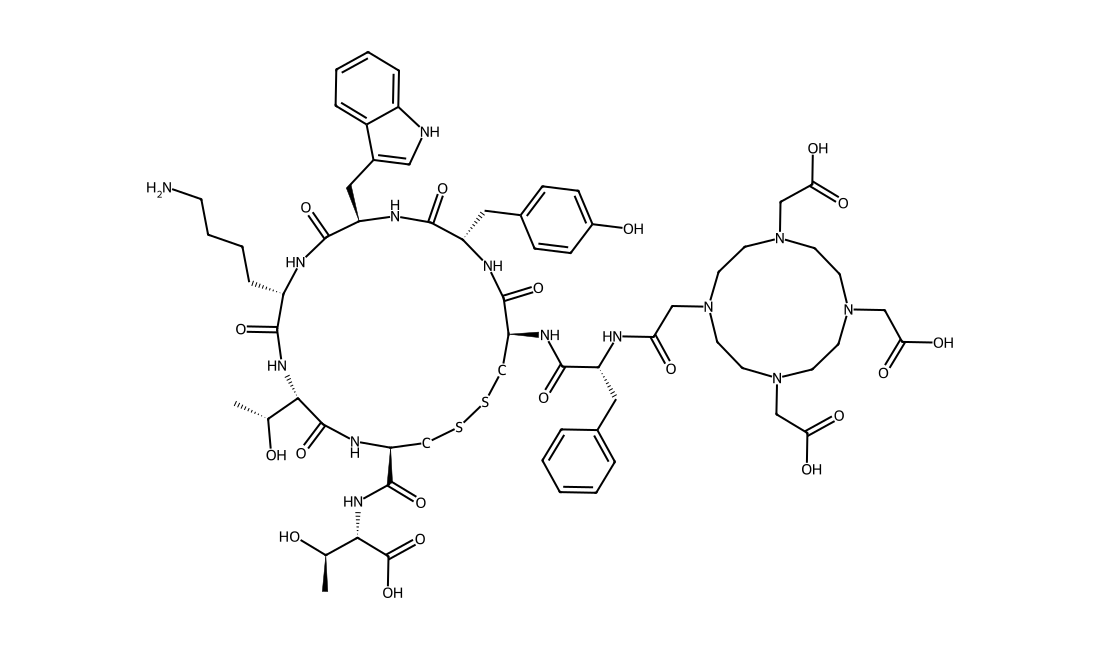
DOTATATEFeatured
DOTATATE is a powerful tool in nuclear medicine, enabling the diagnosis and treatment of somatostatin receptor-positive tumors, particularly neuroendocrine tumors. When labeled with radionuclides like Ga-68 or Lu-177, it provides highly sensitive imaging and targeted therapy, making it a cornerstone in the management of these cancers. Its theragnostic potential allows for personalized treatment strategies, improving patient outcomes.
PSMA11Featured
PSMA-11 is a critical tool in nuclear medicine, enabling the synthesis of Ga-68-PSMA-11 for PET imaging of PSMA-expressing tumors. Its high specificity for PSMA, combined with the favorable properties of Ga-68, makes it a valuable diagnostic agent in the management of prostate cancer and potentially other malignancies.
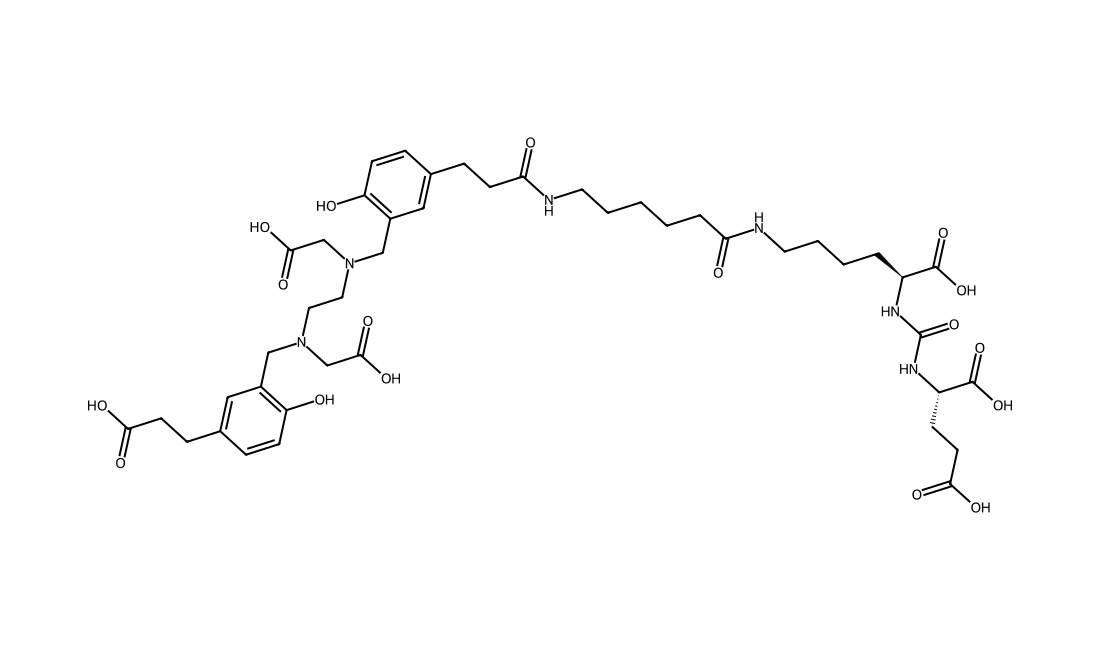
PSMA-617Featured
PSMA-617 is a high potent prostate-specific membrane antigen (PSMA) inhibitor, with a Ki of 0.37 nM.
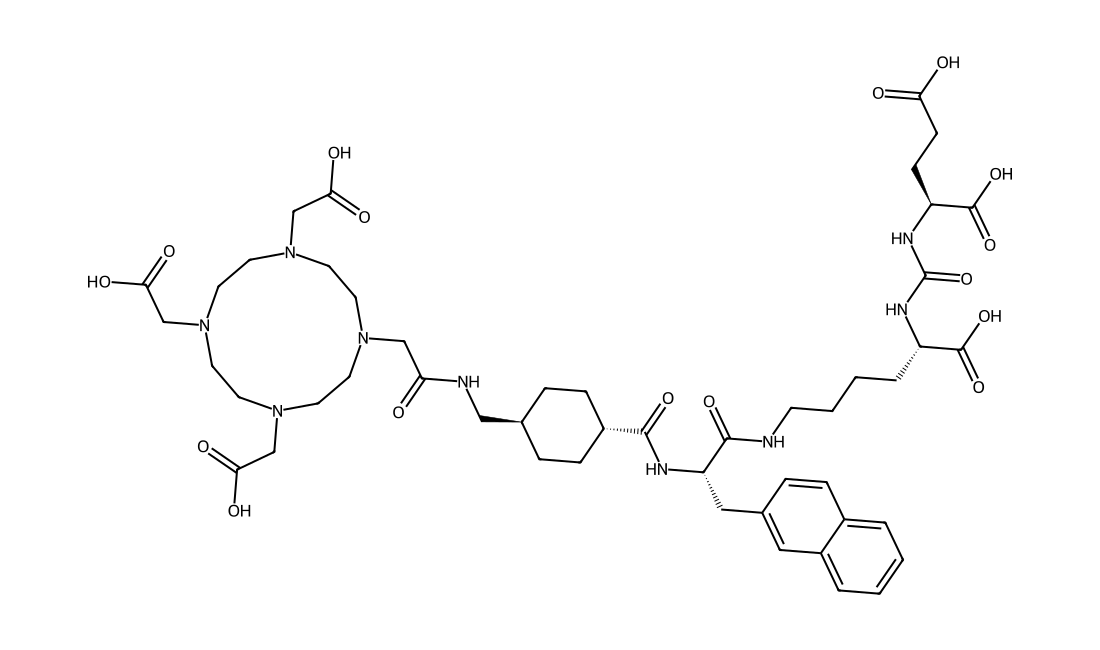
PSMA-1007Featured
PSMA-1007 is a novel Glu-Ureido-based prostate-specific membrane antigen (PSMA) inhibitor designed for use in positron emission tomography (PET) imaging of prostate cancer. It belongs to the class of small-molecule PSMA inhibitors that specifically target PSMA, a transmembrane protein highly expressed in prostate cancer cells and the neovasculature of other solid tumors. PSMA-1007 is particularly notable for its favorable pharmacokinetic properties, including high tumor uptake and low urinary excretion, making it an excellent tool for prostate cancer diagnosis and staging.
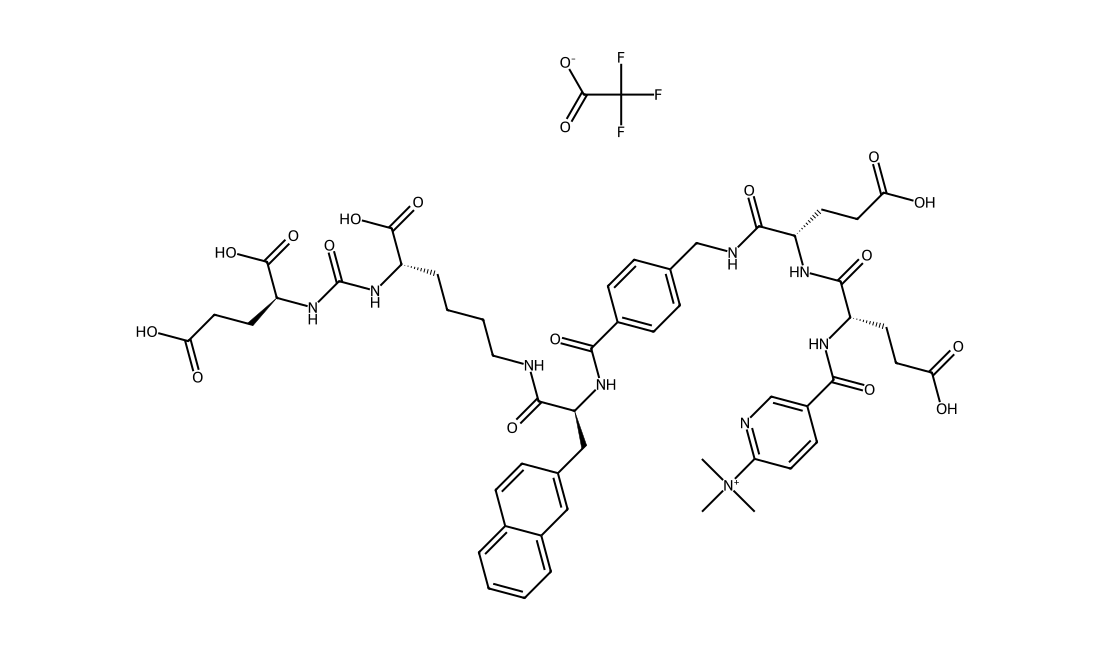
PentanedioateFeatured
Pentanedioate is a valuable starting material for the synthesis of PSMA inhibitors due to its flexible structure and functional groups that mimic natural PSMA ligands. By leveraging its chemical properties, researchers can develop potent and selective PSMA-targeting agents for diagnostic imaging, targeted therapy, and theranostic applications in prostate cancer and other PSMA-expressing malignancies. Its role in drug discovery highlights the importance of simple organic molecules in the development of advanced cancer therapies.
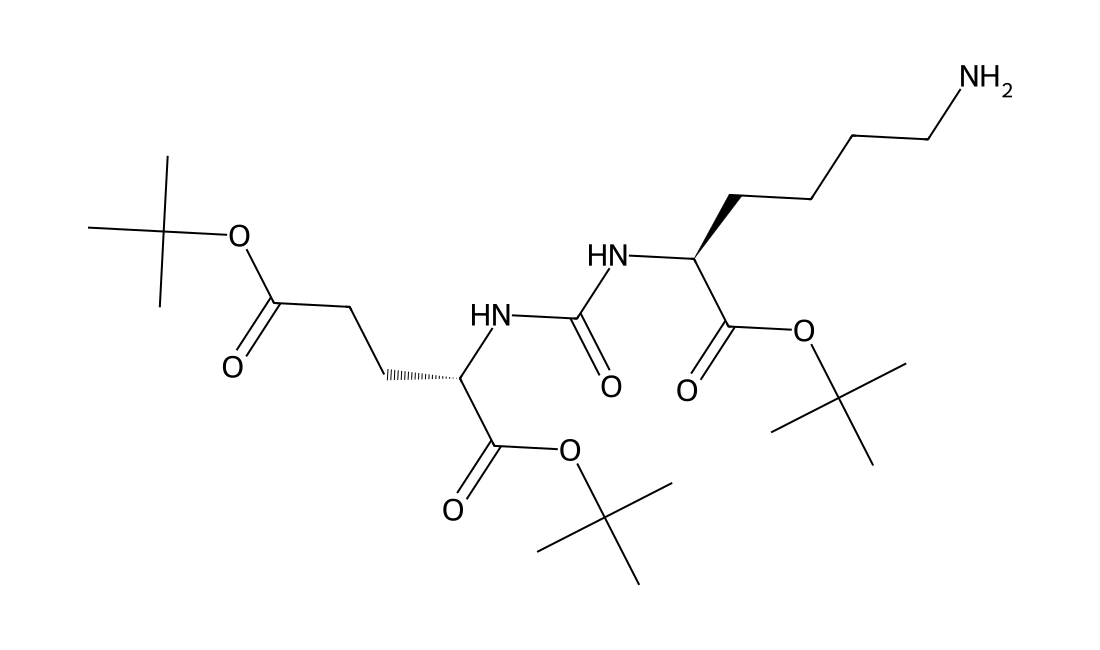
FAPI-46Featured
FAPI-46 is a highly promising FAP-targeted radiotracer with superior tumor uptake and prolonged accumulation, making it an excellent tool for imaging a wide range of cancers. Its versatility, combined with its potential for theragnostic applications, positions FAPI-46 as a valuable asset in the field of oncology, enabling improved diagnosis, staging, and treatment monitoring for patients with FAP-expressing tumors.
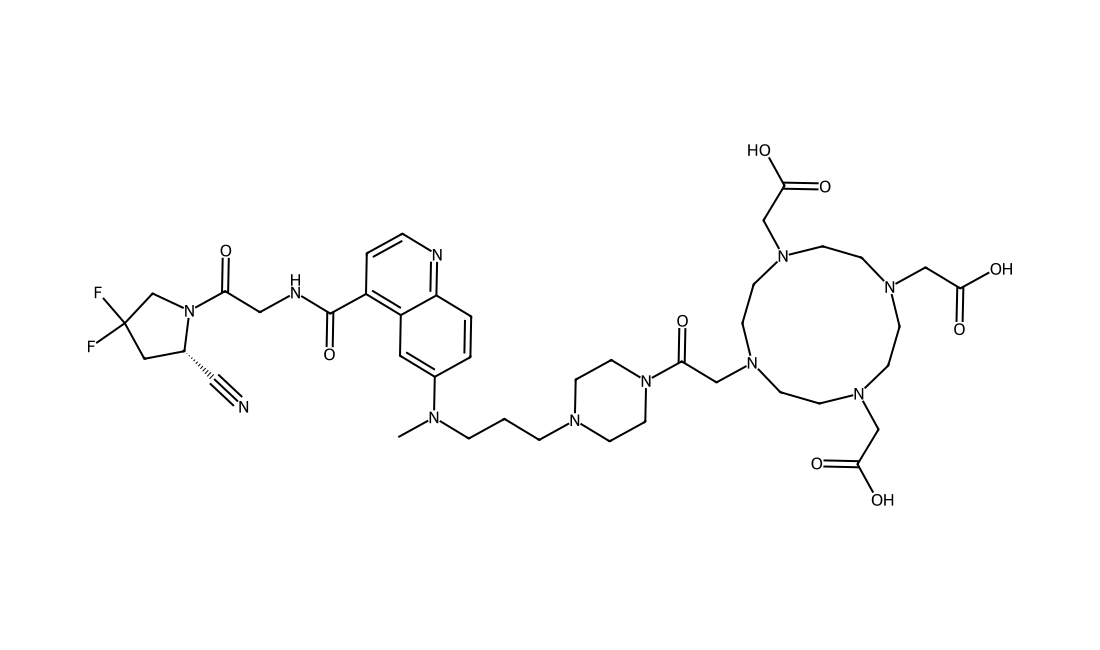
FAPI-4Featured
FAPI-4 is a potent FAP inhibitor with significant applications in cancer research and diagnostics. Its radiolabeled form, ⁶⁸Ga-FAPI-4, is a promising PET/CT imaging agent for visualizing FAP-expressing tumors with excellent tumor-to-background contrast. This makes it a valuable tool for cancer diagnosis, staging, treatment monitoring, and therapeutic development, particularly in cancers with a prominent stromal component.
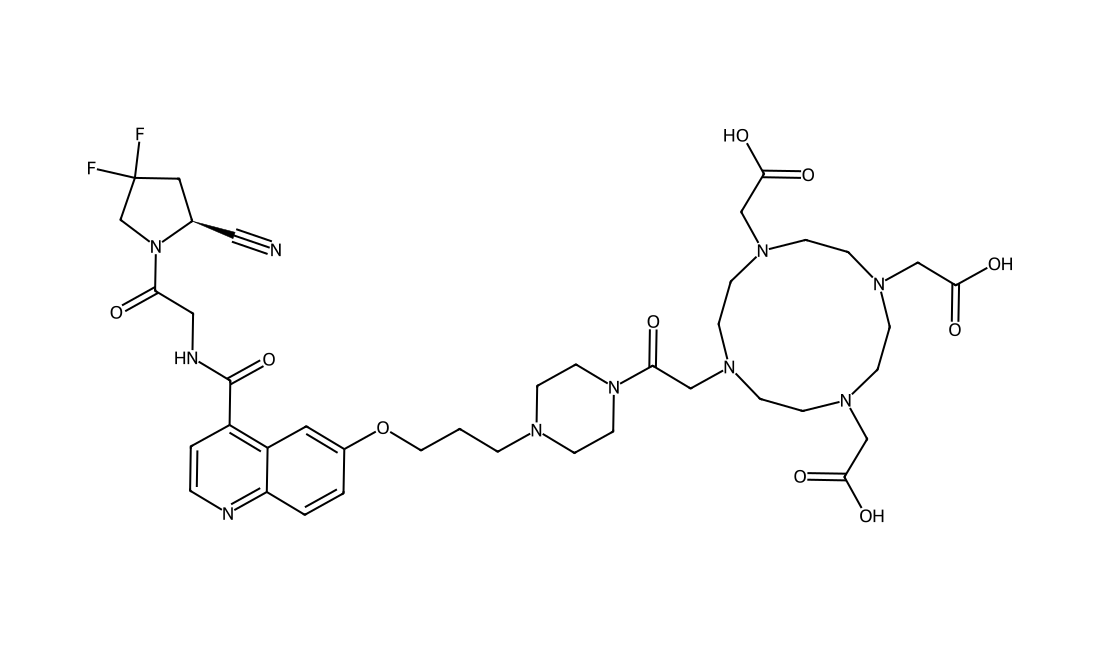
NOTA-FAPIFeatured
NOTA-FAPI is a FAP-targeted imaging probe with excellent tumor detection efficacy and imaging quality. Its high specificity for FAP, stable radiolabeling, and ability to visualize the tumor stroma make it a promising tool for tumor diagnosis, staging, and treatment monitoring. NOTA-FAPI has significant potential for advancing cancer imaging and therapy, particularly in cancers with a prominent stromal component.
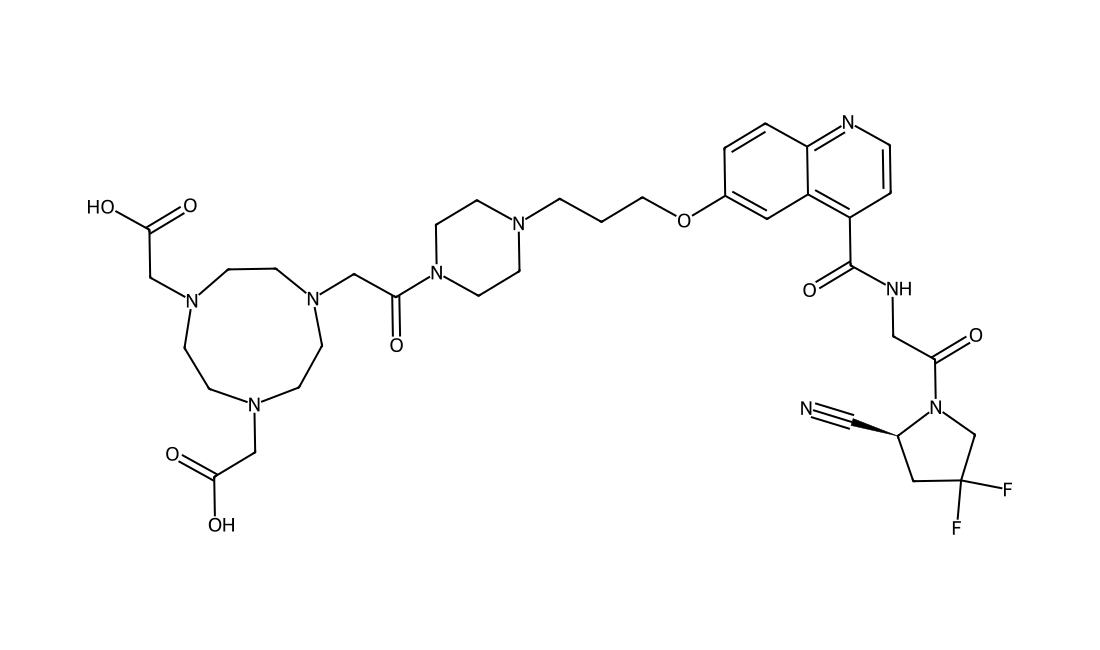
OAT-177Featured
OAT-177 is a potent, selective, orally active acidic mammalian chitinase (AMCase) inhibitor with IC50 of 14 and 19 nM against human and mouse AMCas, respectively, >150-fold selectivity over mCHIT1.
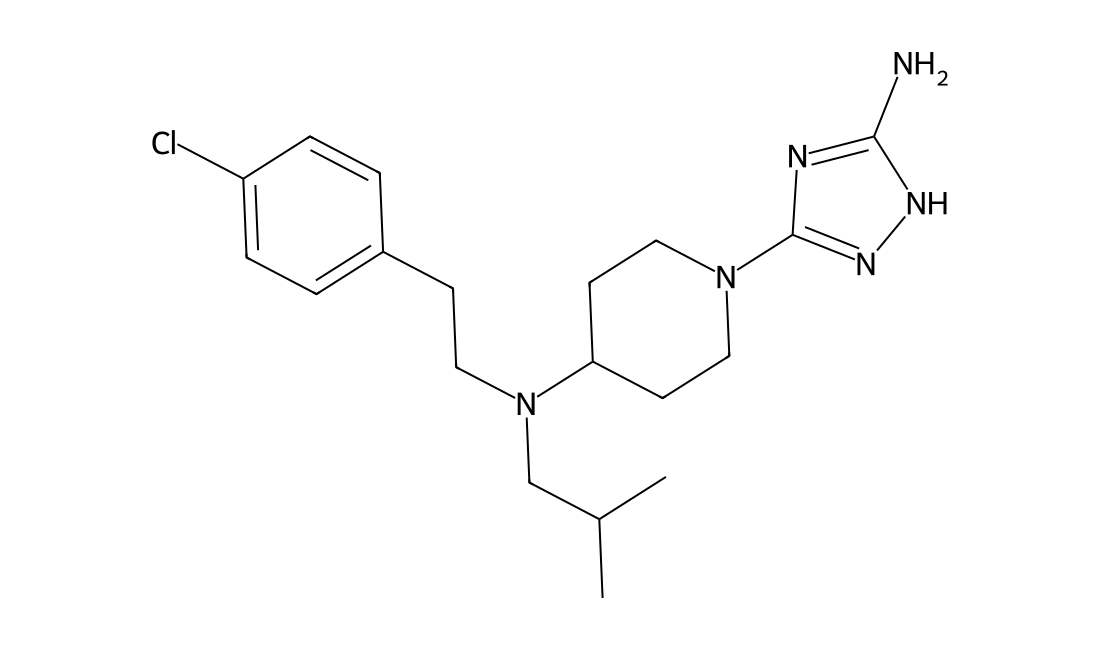
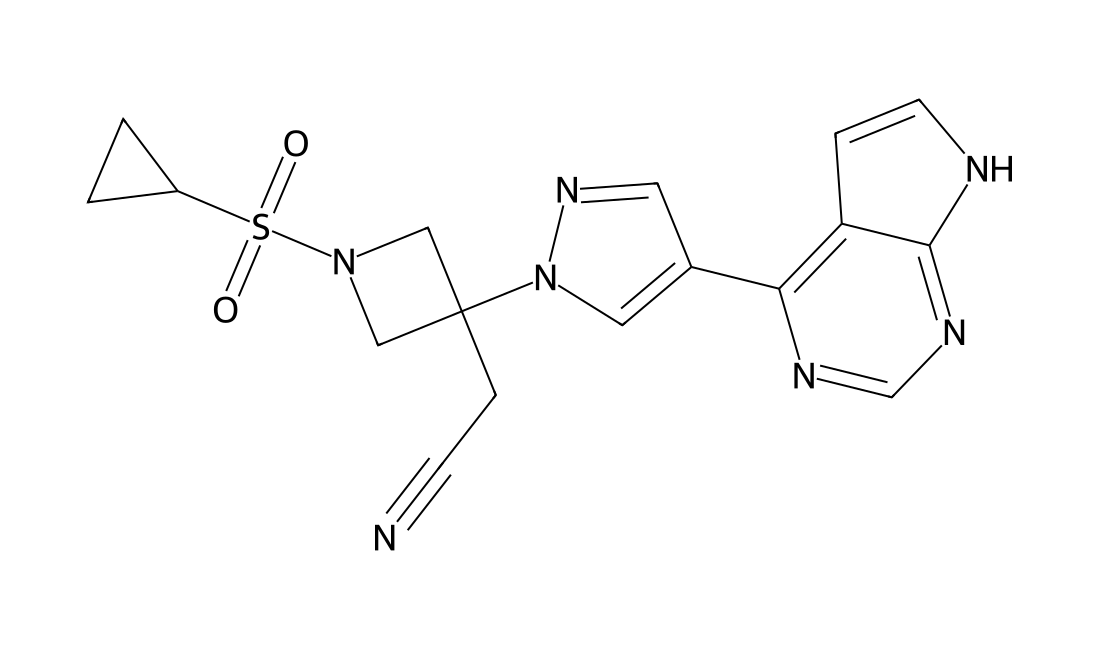
IlunocitinibFeatured
Ilunocitinib (compound 27) is a JAK inhibitor (extracted from patent WO2009114512A1).
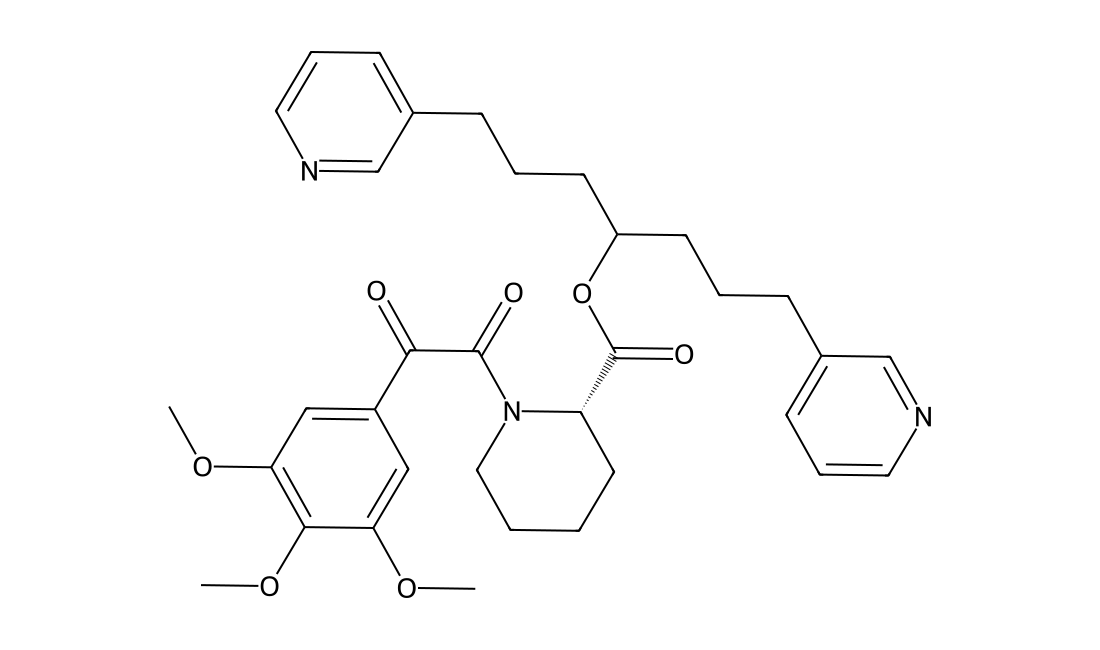
Biricodar(Vx-710)Featured
Biricodar (VX-710) is a multidrug resistance (MDR) modulator that targets two key drug efflux transporters: P-glycoprotein (Pgp) and multidrug resistance-associated protein 1 (MRP-1). These transporters are often overexpressed in cancer cells and contribute to multidrug resistance (MDR) by pumping chemotherapeutic drugs out of the cells, reducing their intracellular concentration and efficacy. Biricodar inhibits the function of Pgp and MRP-1, effectively chemosensitizing multidrug-resistant cancer cells and enhancing the effectiveness of chemotherapy agents. Its ability to reverse MDR makes it a promising candidate for improving cancer treatment outcomes.
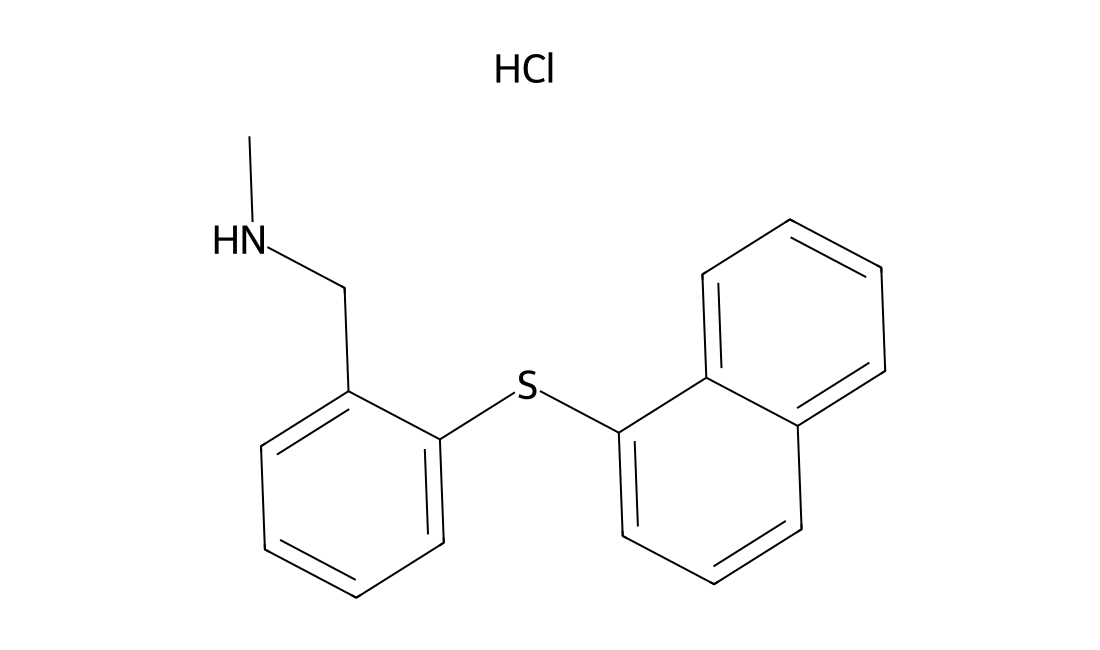
IFN-α/IFNAR-IN-1 hydrochlorideFeatured
IFN alpha-IFNAR-IN-1 hydrochloride is a nonpeptidic, low-molecular-weight inhibitor that specifically targets the interaction between interferon-alpha (IFN-α) and its receptor, interferon-alpha/beta receptor (IFNAR). This interaction is critical for initiating IFN-α signaling, which plays a key role in antiviral and immune responses. By blocking this interaction, IFN alpha-IFNAR-IN-1 hydrochloride inhibits IFN-α signaling and downstream responses, making it a valuable tool for studying IFN-α biology and its role in diseases such as autoimmune disorders and viral infections. It has demonstrated efficacy in inhibiting modified Vaccinia virus Ankara (MVA)-induced IFN-α responses in murine bone-marrow-derived, Flt3-L-differentiated plasmacytoid dendritic cell (pDC) cultures (BM-pDCs) with an IC50 of 2-8 µM.
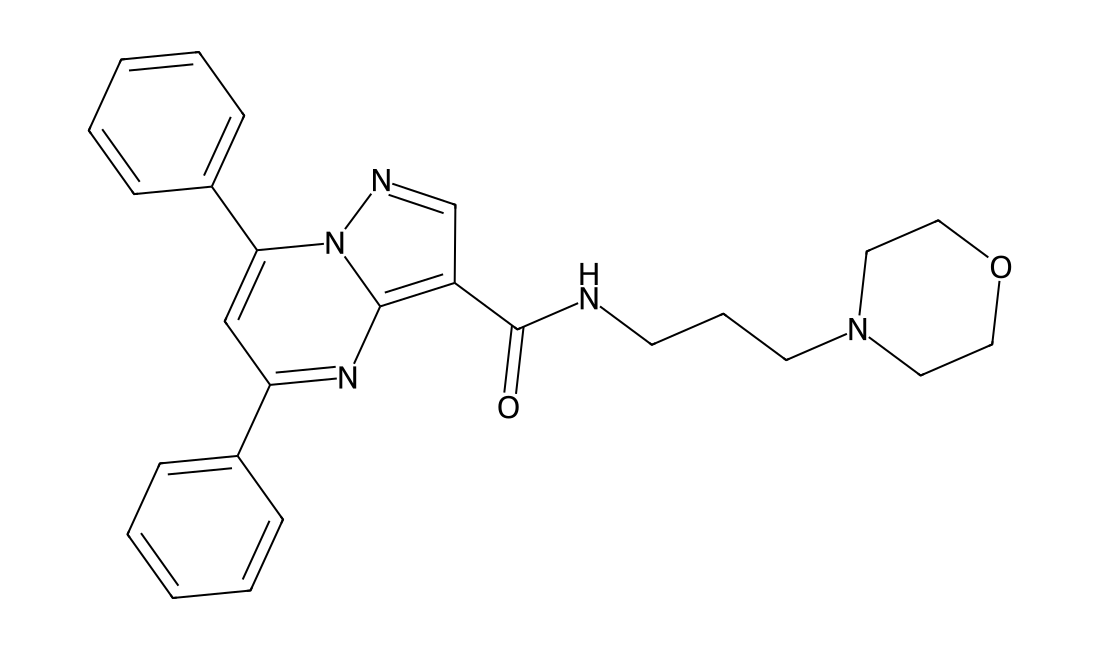
ReversanFeatured
Reversan (CBLC4H10) is a potent and nontoxic inhibitor of two major drug efflux transporters: multidrug resistance-associated protein 1 (MRP1) and P-glycoprotein (Pgp). These transporters are key players in multidrug resistance (MDR), a major obstacle in cancer chemotherapy, as they pump chemotherapeutic drugs out of cancer cells, reducing their intracellular concentration and efficacy. By inhibiting MRP1 and Pgp, Reversan can reverse drug resistance and enhance the effectiveness of chemotherapy agents. Its nontoxic profile makes it a promising candidate for overcoming MDR in cancer treatment.
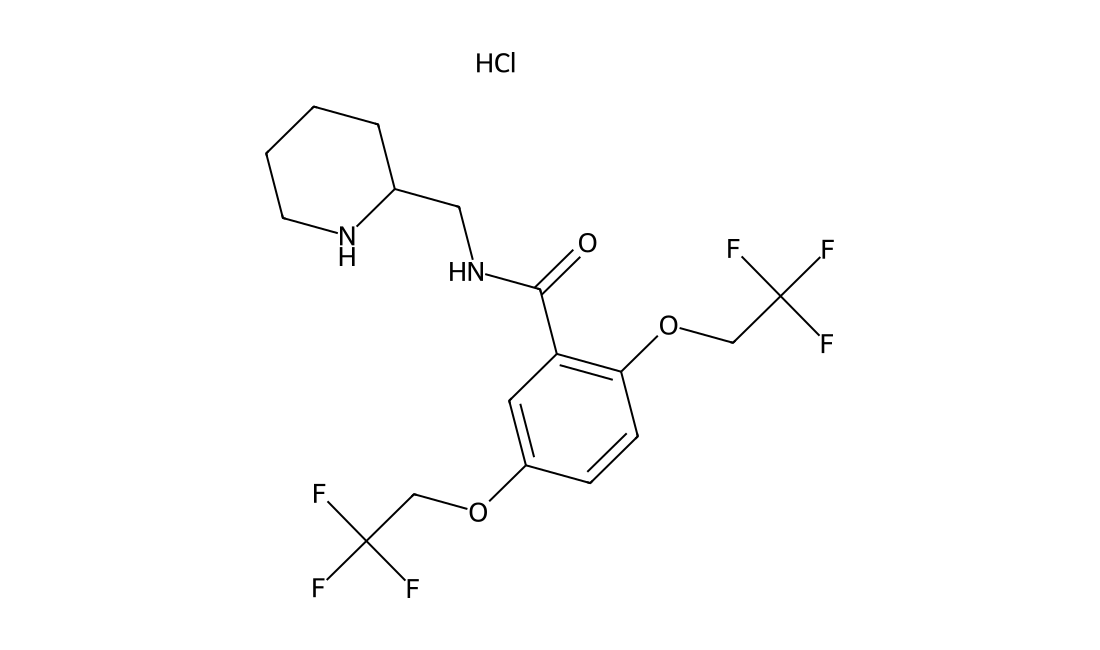
Flecainide hydrochlorideFeatured
Flecainide hydrochloride is a potent and orally active antiarrhythmic agent widely used in the treatment of various cardiac arrhythmias. It belongs to the class IC antiarrhythmic drugs, which are known for their strong sodium channel-blocking properties. Flecainide hydrochloride primarily works by inhibiting the cardiac fast inward sodium current (INa) and the rapid component of the delayed rectifier potassium current (IKr), leading to a prolongation of the action potential duration (APD) in both ventricular and atrial muscle fibers. Its unique electrophysiological effects make it particularly effective in managing certain types of arrhythmias, including fetal tachycardias.
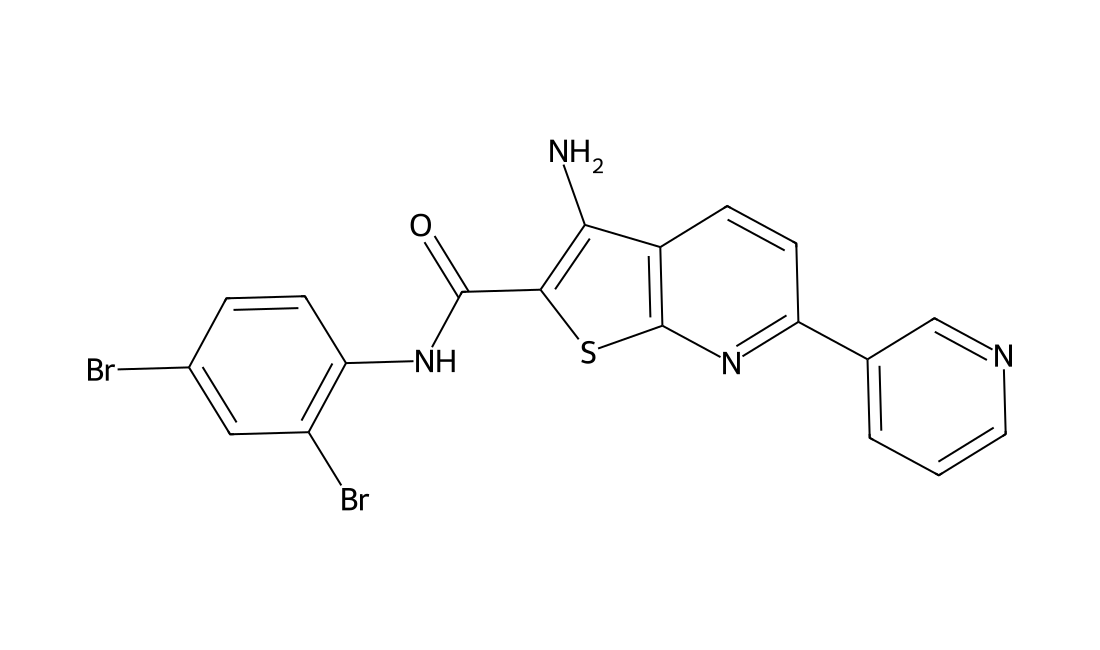
Sod1-derlin-1 Inhibitor 56-20Featured
SOD1-Derlin-1 inhibitor-1 (compound 56-20) is an inhibitor of SOD1-Derlin-1 interaction. SOD1-Derlin-1 inhibitor-1 inhibits SOD1G93A-Derlin-1 complex with an IC50 value of 7.11 μM.
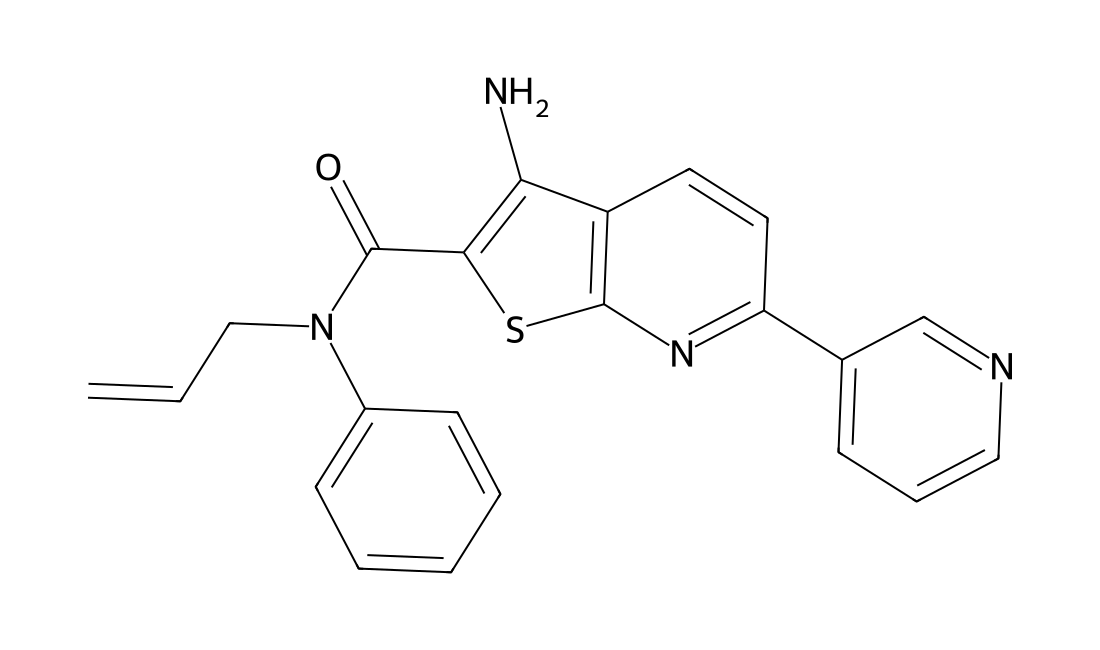
SOD1-Derlin-1 inhibitor 56-59Featured
SOD1-Derlin-1 inhibitor 56-59 is a cell-permeable, small molecule inhibitor of SOD1-Derlin-1 interaction, target SOD1 DBR and clearly attenuates the interactions of Derlin-1 with 122 types of SOD1mut in the cell-based co-immunoprecipitation assay.
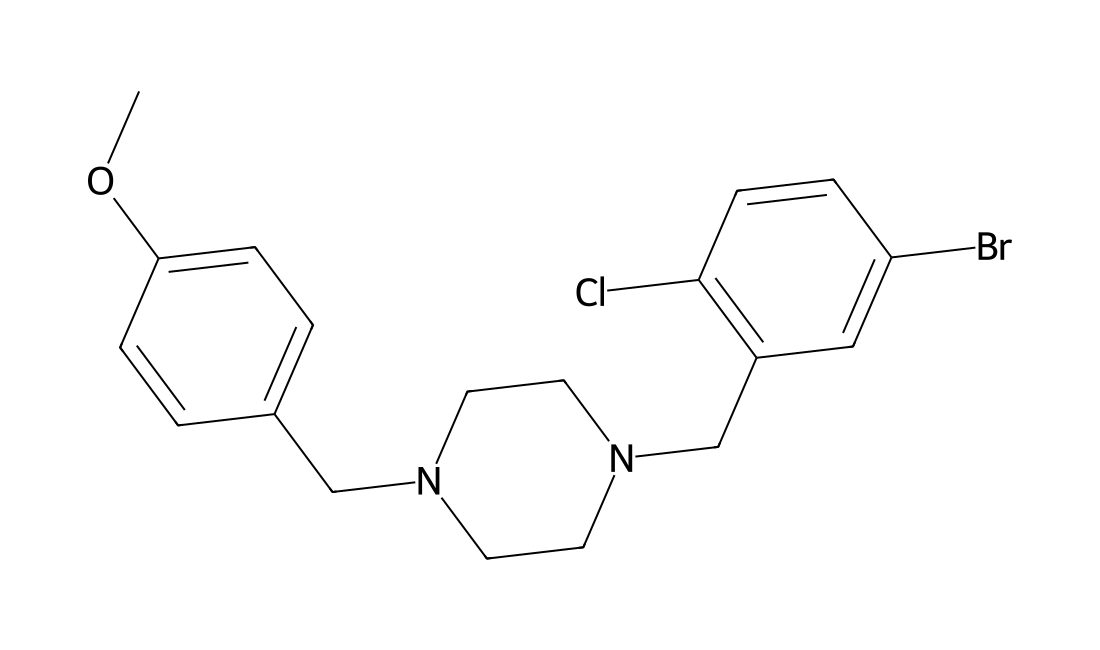
Sortin-3Featured
Sortin3 is a sorting inhibitor, blocking Vps16 function, one protein in the class C tethering complex, and increasing aflatoxin synthesis and export.
No products match this search.
Page 234 of 259 · Browse all 5177 products
Jump to a product page
Featured literature product: HX1 · DCL0028
HX1 is a hydroxyzine-derived ionizable lipid with acetal-containing tails, studied in lipid nanoparticles for brain mRNA delivery and CRISPR–Cas9 delivery. It was the lead in the reported in vivo brain-delivery screen; evidence is preclinical and formulation-dependent.
Read full formulation and performance →