
Research lipid catalog
Ionizable Lipid Products
Explore 848 lipid and RNA delivery products. Search the full catalog or browse by research category.
Search covers product name, catalog number, synonyms, available CAS numbers and categories. Spaces, hyphens and common punctuation are ignored. Duplicate legacy records are consolidated under one canonical product result.
3666 products · Showing 1681–1700 · 20 per page
DC Chemicals lipid expertise
Built for ionizable-lipid discovery and RNA delivery research
DC Chemicals supports formulation and delivery research with a broad, searchable portfolio of cationic and ionizable lipids. The current directory brings together 848 unique research-use products, with product specifications, pricing, chemical structures and literature-linked formulation data added as each record is verified.
Our experience spans complex lipid synthesis, purification, analytical release and process development. For custom molecules or larger-scale requirements, our team can discuss route development, technical specifications and scale-up options for the intended research workflow.
Learn about cationic and ionizable lipids →Proprietary innovation · Co-development · GMP
From proprietary lipid design to GMP-grade custom synthesis
DC Chemicals has independently developed ionizable-lipid structures supported by company-owned intellectual property, and selected proprietary lipid programs have advanced to GMP-stage development.
We welcome joint development with customers—from molecular design and lipid synthesis through route and process development. We can also support custom synthesis of GMP-grade ionizable lipids to agreed technical specifications and quality requirements.
Discuss a co-development project →Proprietary ionizable-lipid structuresCollaborative molecular designCustom lipid synthesisProcess development and scale-upGMP-grade project support
Product quick links
Explore ionizable lipids
Browse specifications, pricing and literature-linked product information.
Cat. No.Product NameField of ApplicationChemical Structure
EDP-305Featured
5 mg USD 700 · 50 mg USD 1,950EDP-305 is a novel and potent farnesoid X receptor (FXR) agonist, with no/minimal cross-reactivity to TGR5 or other nuclear receptors.

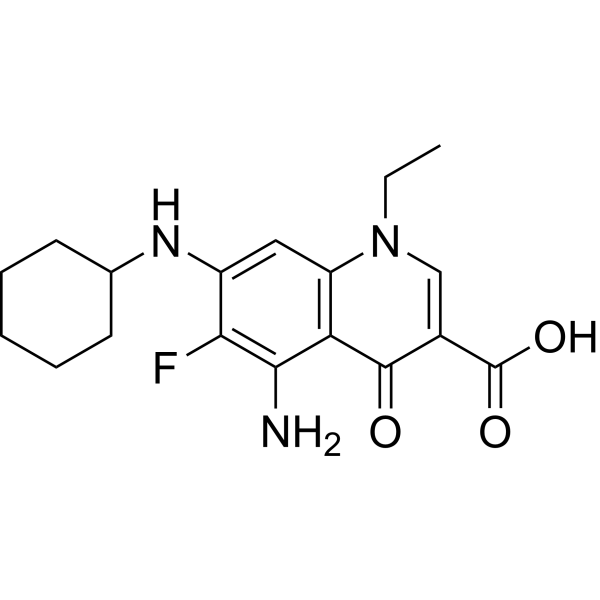
AS1842856Featured
100 mg USD 450 · 250 mg USD 800 · 1 g USD 1,600 · 10 mM * 1 mL in DMSO USD 220AS1842856 is a potent and cell-permeable Foxo1 inhibitor with an IC50 of 30 nM.
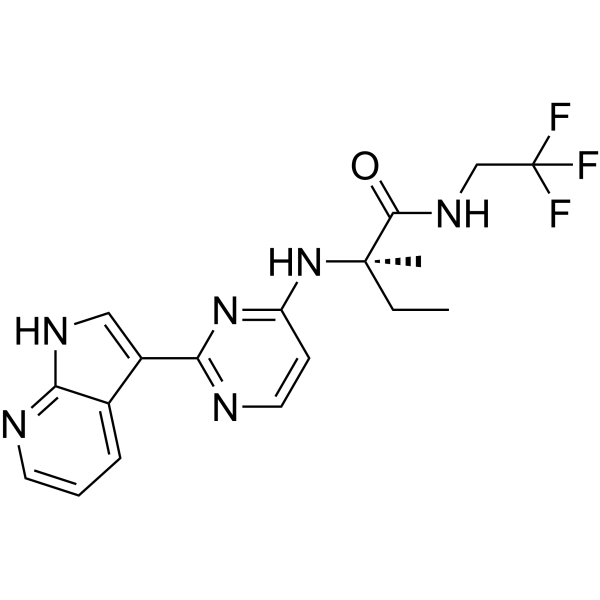
Decernotinib (VX-509,adelatinib)Featured
100 mg USD 550 · 250 mg USD 1,000 · 1 g USD 1,900 · 10 mM * 1 mL in DMSO USD 220Decernotinib is a potent, orally active JAK3 inhibitor, with Kis of 2.5, 11, 13 and 11 nM for JAK3, JAK1, JAK2, and TYK2, respectively.
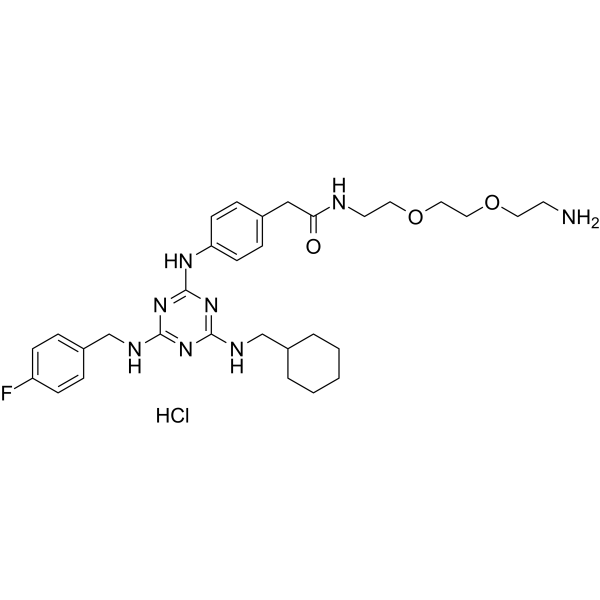
AP-III-a4 hydrochlorideFeatured
100 mg USD 800 · 250 mg USD 1,500 · 1 g USD 2,600 · 10 mM * 1 mL in DMSO USD 220ENOblock Hcl(AP-III-a4 Hcl) is a novel small molecule which is the first, nonsubstrate analogue that directly binds to enolase and inhibits its activity (IC50=0.576 uM); inhibit cancer cell metastasis in vivo.
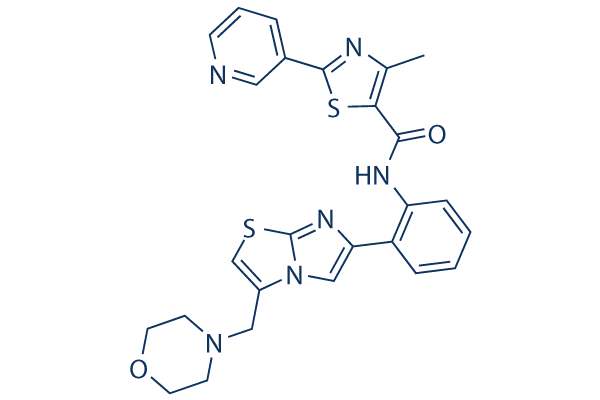
SRT2104Featured
100 mg USD 550 · 250 mg USD 1,000 · 1 g USD 1,900 · 10 mM * 1 mL in DMSO USD 220SRT 2104 is a brain-permeable activator of SIRT1, used for the research of type 2 diabetes mellitus and Huntington's disease.
RO0921Featured
100 mg USD 550 · 250 mg USD 1,000 · 1 g USD 2,100 · 10 mM * 1 mL in DMSO USD 220RO9021 is an orally bioavailable, novel ATP-competitive inhibitor of SYK, with an average IC50 of 5.6 nM.
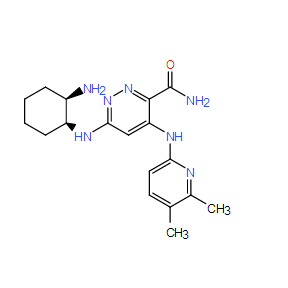
MRS1754Featured
100 mg USD 750 · 250 mg USD 1,200 · 1 g USD 2,500 · 10 mM * 1 mL in DMSO USD 220MRS 1754 is a selective antagonist radioligand for A2B adenosine receptor with very low affinity for A1 and A3 receptors of both humans and rats[1].
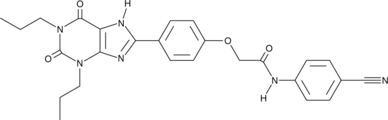
8-Hydroxy-efavirenzFeatured
10 mg USD 700 · 25 mg USD 1,200 · 50 mg USD 2,0008-hydroxy Efavirenz is a major oxidative metabolite of the non-nucleoside reverse transcriptase inhibitor efavirenz.8-hydroxy Efavirenz is formed when efavirenz is metabolized by the cytochrome P450 (CYP) isoform CYP2B6. It induces apoptosis in rat primary hippocampal neurons and loss of dendritic spines in rat primary hippocampal neuronal cultures when used at a concentration of 0.01 μM.In active antiretroviral therapy antiretroviral drugs are employed for the restoration of a functional immune system in patients suffering from the acquired immunodeficiency syndrome. However, potential adverse effects of such compounds to brain cells are discussed in connection with the development of neurocognitive impairments in patients. To investigate potential effects of antiretroviral drugs on cell viability and the glycolytic flux of brain cells, astrocyte-rich primary cultures were exposed to various antiretroviral compounds, including the non-nucleoside reverse transcriptase inhibitor efavirenz. In a concentration of 10 μM, neither efavirenz nor any of the other investigated antiretroviral compounds acutely compromised the cell viability nor altered glucose consumption or lactate production. In contrast, the primary metabolite of efavirenz, 8-hydroxy-efavirenz, stimulated the glycolytic flux in viable astrocytes in a time- and concentration-dependent manner with half-maximal and maximal effects at concentrations of 5 and 10 μM, respectively. The stimulation of glycolytic flux by 8-hydroxy-efavirenz was not additive to that obtained for astrocytes that were treated with the respiratory chain inhibitor rotenone and was abolished by removal of extracellular 8-hydroxy-efavirenz. In a concentration of 10 μM, 8-hydroxy-efavirenz and efavirenz did not affect mitochondrial respiration, while both compounds lowered in a concentration of 60 μM significantly the oxygen consumption by mitochondria that had been isolated form cultured astrocytes, suggesting that the stimulation of glycolytic flux by 8-hydroxy-efavrienz is not caused by direct inhibition of respiration. The observed alteration of astrocytic glucose metabolism by 8-hydroxy-efavirenz could contribute to the adverse neurological side effects reported for patients that are chronically treated with efavirenz-containing medications.
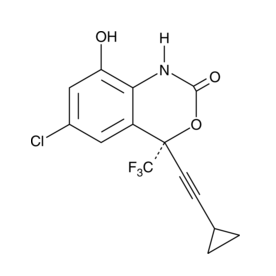
4-CPPCFeatured
100 mg USD 600 · 250 mg USD 1,200 · 1 g USD 2,400 · 10 mM * 1 mL in DMSO USD 2204-CPPC is the first reversible and selective inhibitor of pro-inflammatory protein macrophage migration inhibitory factor-2 (MIF-2) with Ki of 33 uM, 13-fold selectivity for human MIF-2 versus human MIF-1.
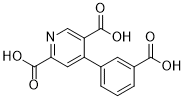
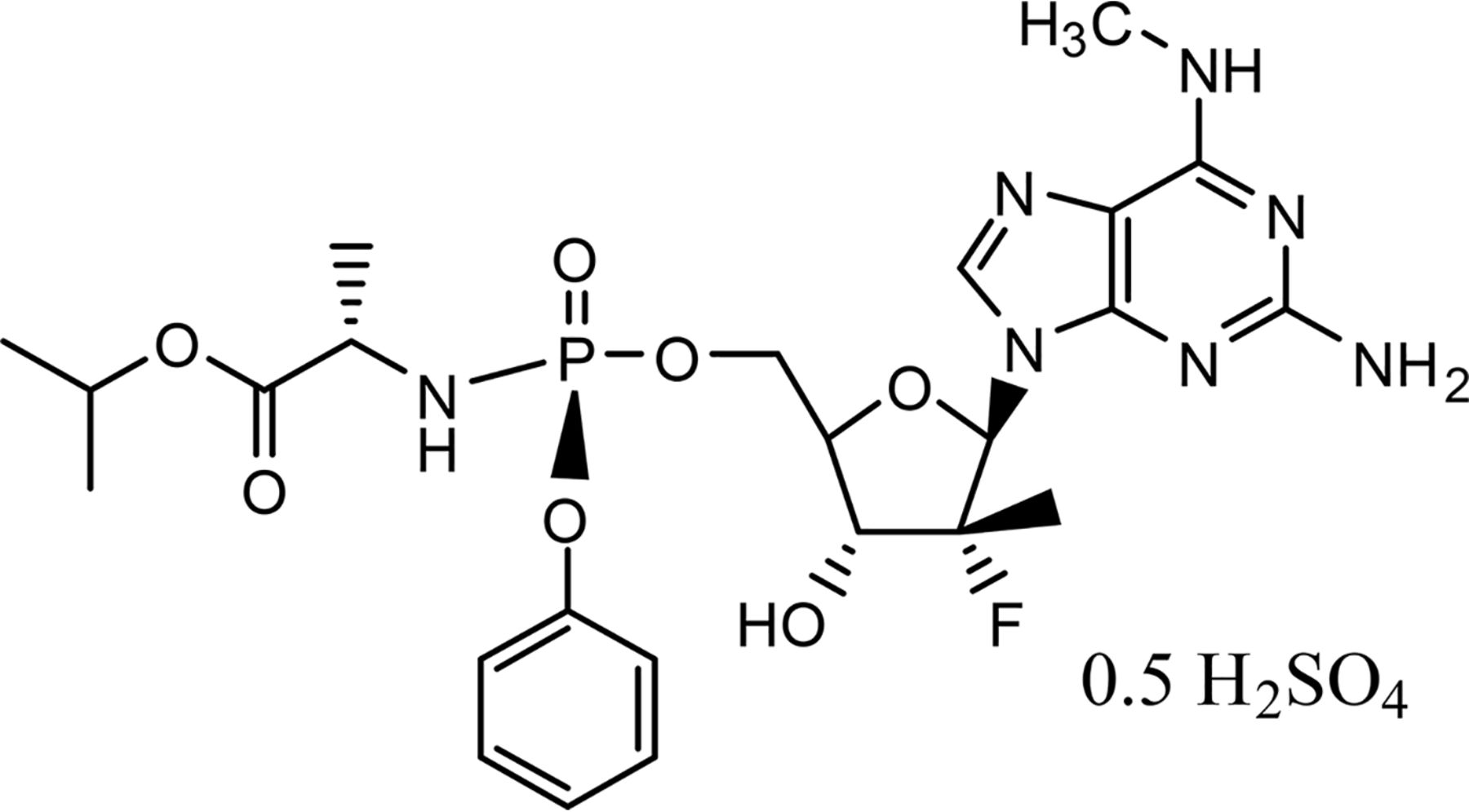
100mg USD 700 · 250mg USD 1,200 · 1g USD 2,500 · 10 mM * 1 mL in DMSO USD 220
AT-527, a hemisulfate salt of AT-511, a guanosine nucleotide prodrug, is a potent and orally active HCV viral replication inhibitor. AT-527 is highly effective in the control of SARS-CoV-2 (COVID-19) infection in vitro (EC90=0.47 μM). Bemnifosbuvir hemisulfate has pangenotypic antiviral activity[1][2][3].Bemnifosbuvir hemisulfate has pan-genotypic antiviral activities that inhibits HCV genotype 1a (HCV GT1a), HCV GT1b, HCV GT2a, HCV GT3a, HCV GT4a, and HCV GT5a replication with EC50 values of 12.8 nM, 12.5 nM, 9.2 nM, 10.3 nM, 14.7 nM, and 28.5 nM, respectively[1]. In normal human airway epithelial cells, the concentration of Bemnifosbuvir hemisulfate required to inhibit replication of SARS-CoV-2 by EC90 is 0.47 μM, very similar to its EC90 against HCoV-229E, HCoV-OC43 and SARS-CoV in Huh-7 cells[2].When given orally to rats (500 mg/kg) and monkeys (30 mg/kg, 100 mg/kg or 300 mg/kg), Bemnifosbuvir hemisulfate preferentially delivers high levels of AT-9010 in the liver in vivo[1].
MYCi975Featured
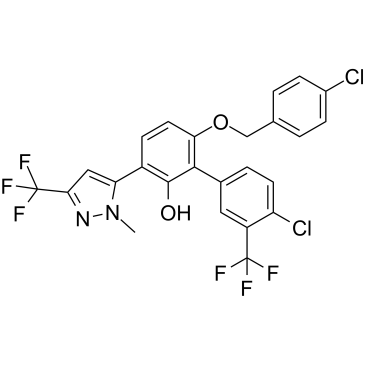
100 mg USD 700 · 250 mg USD 1,200 · 1g USD 2,400 · 10 mM * 1 mL in DMSO USD 220MYCi975 (NUCC-0200975) is an orally active MYC inhibitor, which disrupts MYC/MAX interaction, promotes MYC T58 phosphorylation and MYC degradation, and impairs MYC driven gene expression. MYCi975 (NUCC-0200975) exhibits potent anti-tumor efficacy with good tolerability, increases tumor immune cell infiltration, and sensitizes tumors to anti-PD1 immunotherapy[1].
DOTATATE acetateFeatured
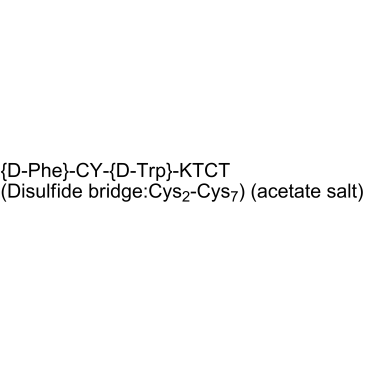
50mg USD 950DOTATATE acetate, a DOTA-conjugated peptide, and can be labelled with radionuclides for positron emission tomography (PET) imaging and peptide receptor radionuclide therapy (PRRT)[1][2][3][4].
AT-273Featured
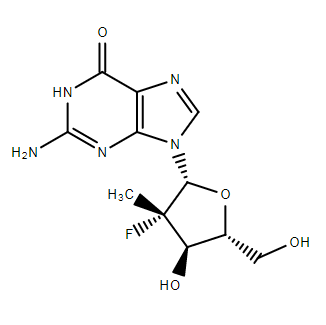
5mg USD 450AT-273 is the nucleoside metabolite of AT-527.
RBN-2397Featured
100mg USD 950 · 250mg USD 1,750 · 1g USD 3,500 · 10 mM * 1 mL in DMSO USD 220RBN-2397 is a potent, accross species and orally active NAD+ competitive inhibitor of PARP7 (IC50<3 nM). RBN-2397 selectively binds to PARP7 (Kd=0.001 μM) and restores interferon (Type I) signaling. RBN-2397 has the potential for the study of advanced or metastatic solid tumors[1][2].
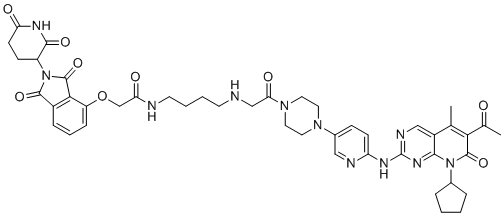
YX-2-107Featured
5mg USD 500YX-2-107 is a CRBN-recruiting and specific CDK6-degrading PROTAC with IC50 of 0.69 and 4.4 nM for CDK4 and CDK6 in vitro, selectively degardes CDK6 in Ph+ BV173 ALL cells with a degradation constant of 4 nM. YX-2-107 does not affect expression of IKZF1 and IKZF3, and does not degarde CDK4 protein. YX-2-107 inhibits S-phase entry, cell proliferation, RB phosphorylation, and FOXM1 expression and induces the selective degradation of CDK6 in Ph+ BV173 and SUP-B15 cells.| PROTAC YX-2-107 is bioavailable in mice and pharmacologically active in suppressing Ph+ ALL proliferation in a mouse xenograft of Ph+ ALL, comparable or superior to that of the CDK4/6 enzymatic inhibitor palbociclib.
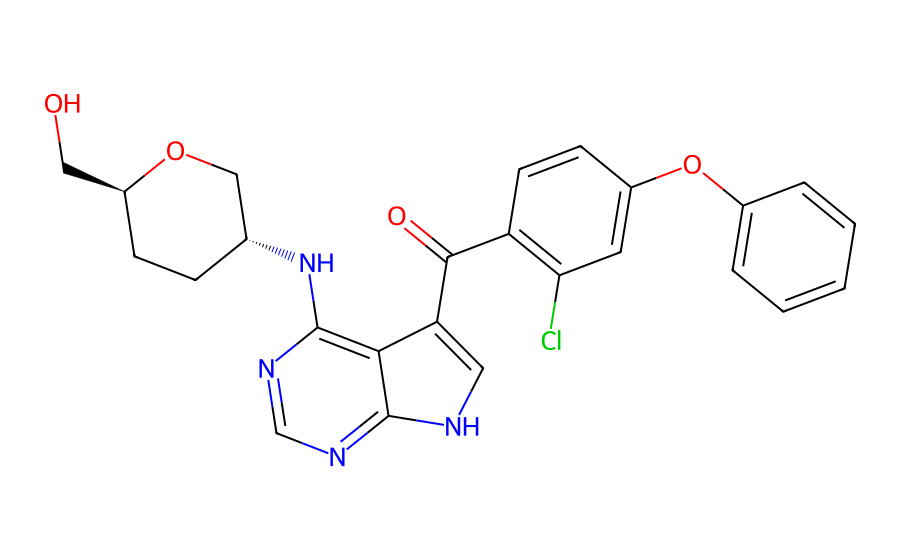
ARQ-531Featured
100 mg USD 900 · 250 mg USD 1,700 · 1 g USD 3,400 · 10 mM * 1 mL in DMSO USD 220ARQ 531 is a reversible non-covalent inhibitor of Bruton’s Tyrosine Kinase (BTK), with IC50s of 0.85 nM and 0.39 nM for WT-BTK and C481S-BTK, respectively.
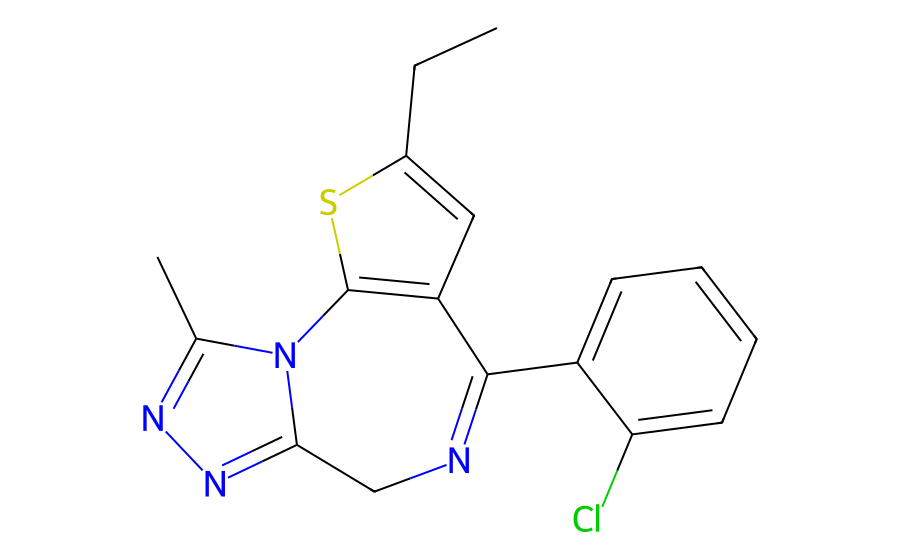
EtizolamFeatured
100 mg USD 350 · 250 mg USD 600 · 1 g USD 1,200 · 10 mM * 1 mL in DMSO USD 150Etizolam is a benzodiazepine analog. The etizolam molecule differs from a benzodiazepine in that the benzene ring has been replaced by a thiophene ring, making the drug a thienodiazepine. It possesses amnesic, anxiolytic, anticonvulsant, hypnotic, sedative and skeletal muscle relaxant properties.
ATF6 agonist compound A147Featured
100 mg USD 500 · 250 mg USD 900 · 1 g USD 1,800 · 10 mM * 1 mL in DMSO USD 220AA147, a small molecule endoplasmic reticulum (ER) proteostasis regulator, selectively activates ATF6 arm of the unfolded protein response (UPR) extracted from patent WO2017117430A1, compound 147*[1].
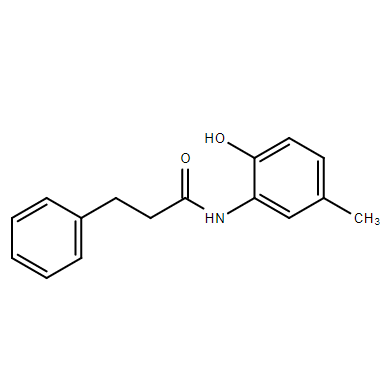
TCS 5861528Featured
100 mg USD 250 · 250 mg USD 500 · 1 g USD 1,100 · 10 mM * 1 mL in DMSO USD 150TCS 5861528 is a TRPA1 channel blocker that antagonizes AITC- and 4-HNE-evoked calcium influx (IC50 values are 14.3 and 18.7μM respectively).
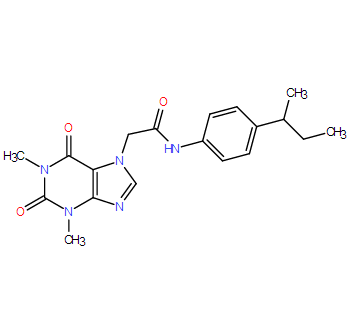
NG 52 (Compound 52 )Featured
100 mg USD 350 · 250 mg USD 650 · 1 g USD 1,600 · 10 mM * 1 mL in DMSO USD 150NG 52 (Compound 52 ) is a potent, cell-permeable, reversible, selective, and ATP-compatible inhibitor of the cell cycle-regulating kinase, Cdc28p (IC50 = 7 μM), and the related Pho85p kinase (IC50 = 2 μM).Compound 52 inhibited growth in a drug-sensitized yeast strainwith a GI 50 of 30 uM. In contrast, the closely related compound 52Me proved to be a significantly weaker inhibitor of yeast growth (GI50=200 uM).
No products match this search.
Page 85 of 184 · Browse all 3666 products