
Research lipid catalog
Ionizable Lipid Products
Explore 848 lipid and RNA delivery products. Search the full catalog or browse by research category.
Search covers product name, catalog number, synonyms, available CAS numbers and categories. Spaces, hyphens and common punctuation are ignored. Duplicate legacy records are consolidated under one canonical product result.
3666 products · Showing 1641–1660 · 20 per page
DC Chemicals lipid expertise
Built for ionizable-lipid discovery and RNA delivery research
DC Chemicals supports formulation and delivery research with a broad, searchable portfolio of cationic and ionizable lipids. The current directory brings together 848 unique research-use products, with product specifications, pricing, chemical structures and literature-linked formulation data added as each record is verified.
Our experience spans complex lipid synthesis, purification, analytical release and process development. For custom molecules or larger-scale requirements, our team can discuss route development, technical specifications and scale-up options for the intended research workflow.
Learn about cationic and ionizable lipids →Proprietary innovation · Co-development · GMP
From proprietary lipid design to GMP-grade custom synthesis
DC Chemicals has independently developed ionizable-lipid structures supported by company-owned intellectual property, and selected proprietary lipid programs have advanced to GMP-stage development.
We welcome joint development with customers—from molecular design and lipid synthesis through route and process development. We can also support custom synthesis of GMP-grade ionizable lipids to agreed technical specifications and quality requirements.
Discuss a co-development project →Proprietary ionizable-lipid structuresCollaborative molecular designCustom lipid synthesisProcess development and scale-upGMP-grade project support
Product quick links
Explore ionizable lipids
Browse specifications, pricing and literature-linked product information.
Cat. No.Product NameField of ApplicationChemical Structure
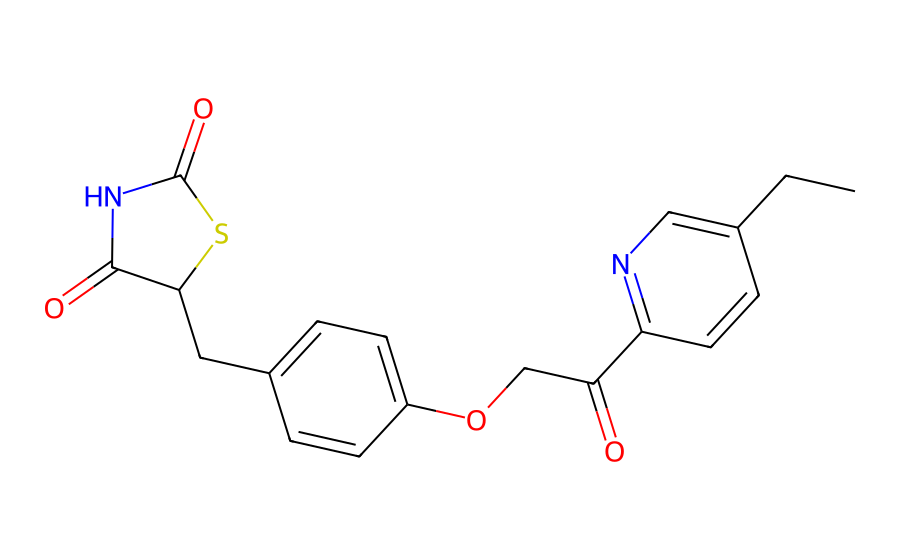
CAY10415(MSDC-0160)Featured
100 mg USD 400 · 250 mg USD 750 · 1 g USD 1,500 · 10 mM * 1 mL in DMSO USD 150Mitoglitazone, also known as CAY10415, is a novel peroxisome proliferator-activated receptor (PPAR)γ ligand. CAY10415 induced cell death and ROS generation in a PPARγ-independent manner. CAY10415 enhanced γ-radiation-induced apoptosis and caspase-3-mediated poly (ADP-ribose) polymerase (PARP) cleavage in vitro. The combined CAY10415 / γ-radiation treatment triggered caspase-8 activation, and this initiator caspase played an important role in the combination-induced apoptosis. The combined treatment of CAY10415 and γ-radiation synergistically induced DNA damage and apoptosis, which was regulated by ROS.
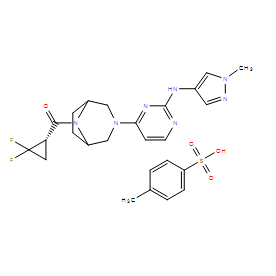
PF-06700841 tosylateFeatured
100 mg USD 850 · 250 mg USD 1,500 · 1 g USD 3,200 · 10 mM * 1 mL in DMSO USD 220PF-06700841 P-Tosylate is a dual JAK1 and TYK2 inhibitor with IC50s of 17 and 23 nM, respectively. Anti-inflammatory activity[1].
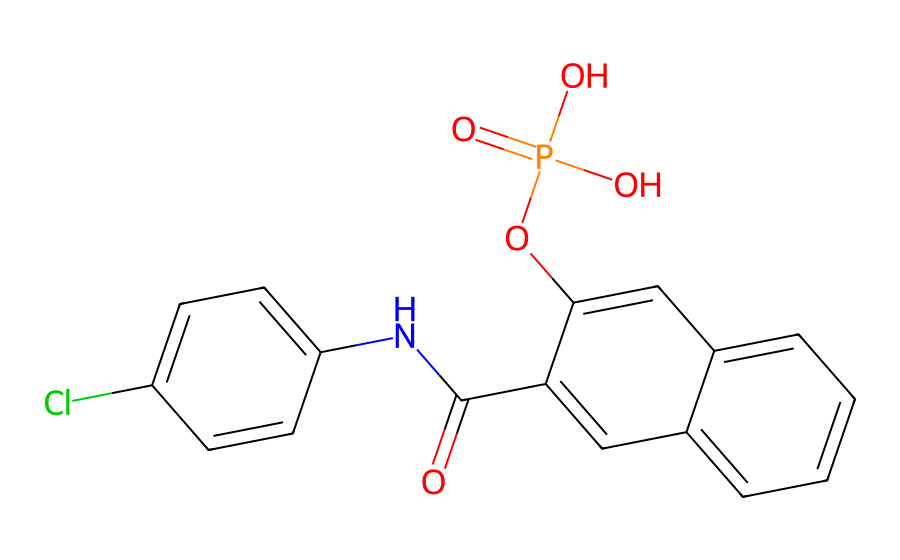
KG-501(Naphthol AS-E phosphate)Featured
10 mg USD 350KG-501 is a CREB inhibitor, with an IC50 of 6.89 μM.
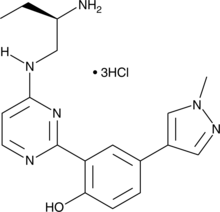
CRT-0066101 hydrochlorideFeatured
100 mg USD 700 · 250 mg USD 1,200 · 1 g USD 2,500 · 10 mM * 1 mL in DMSO USD 220Potent inhibitor of protein kinase D (PKD); inhibits all PKD isoforms (IC50 values are 1, 2 and 2.5 nM for PKD1, PKD3 and PKD2 respectively). Exhibits selectivity for PKD against a panel of >90 protein kinases, including PKCα, MEK, ERK, c-Raf and c-Src. Reduces proliferation and cell viability of pancreatic cancer cells expressing moderate levels of endogenous PKD1/2. Orally bioavailable.
XL-228Featured
100 mg USD 450 · 250 mg USD 900 · 1 g USD 1,800 · 10 mM * 1 mL in DMSO USD 220XL228 is a multi-targeted tyrosine kinase inhibitor with IC50s of 5, 3.1, 1.6, 6.1, 2 nM for Bcr-Abl, Aurora A, IGF-1R, Src and Lyn, respectively.
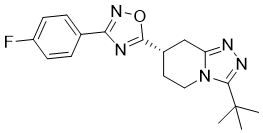
LSN2814617Featured
100 mg USD 600 · 250 mg USD 1,300 · 1 g USD 1,900 · 10 mM * 1 mL in DMSO USD 220LSN2814617 is a neurotoxic positive allosteric modulator. For the detailed information of LSN2814617, the solubility of LSN2814617 in water, the solubility of LSN2814617 in DMSO, the solubility of LSN2814617 in PBS buffer, the animal experiment (test) of LSN2814617, the cell expriment (test) of LSN2814617, the in vivo, in vitro and clinical trial test of LSN2814617, the EC50, IC50,and affinity,of LSN2814617, Please contact DC Chemicals.
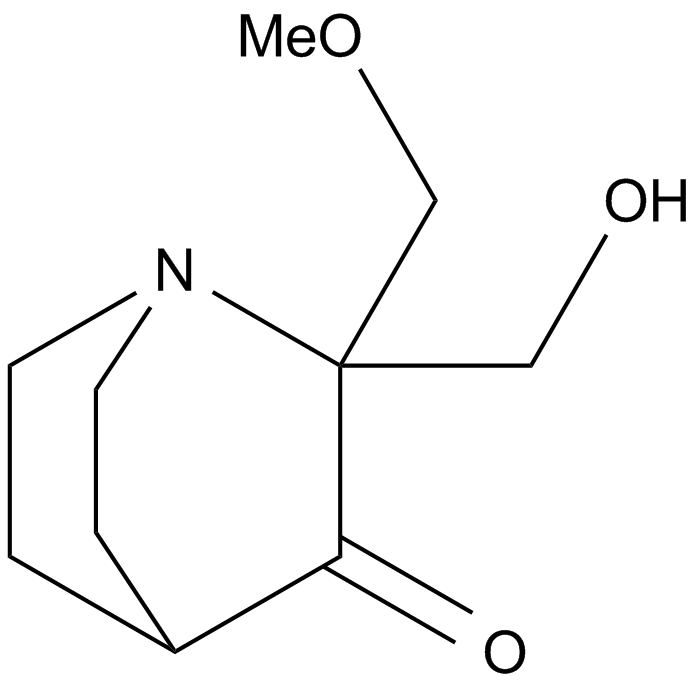
PRIMA-1MET(APR-246)Featured
100 mg USD 450 · 250 mg USD 800 · 1 g USD 1,500 · 10 mM * 1 mL in DMSO USD 220PRIMA-1MET restores wild-type conformation and function to mutant p53, and triggers apoptosis in tumor cells. PRIMA-1MET also targets the selenoprotein thioredoxin reductase 1 (TrxR1), a key regulator of cellular redox balance.
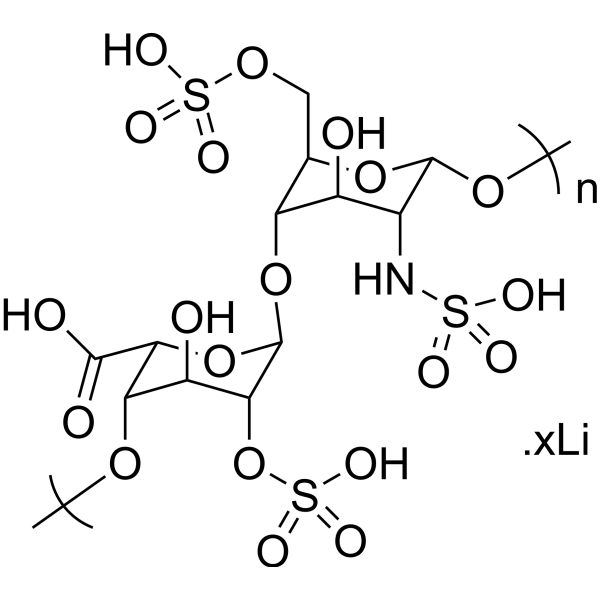
Heparin lithium saltFeatured
100 mg USD 100 · 250 mg USD 200 · 1 g USD 400 · 10 mM * 1 mL in DMSO USD 150Heparin Lithium salt is an anticoagulant which binds reversibly to antithrombin III (ATIII).
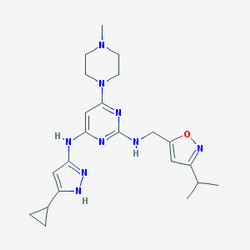
GlumetinibFeatured
100 mg USD 500 · 250 mg USD 850 · 1 g USD 1,500 · 10 mM * 1 mL in DMSO USD 220Glumetinib (SCC244) is a potent and highly selective c-Met kinase inhibitor with an IC50 of 0.42 nM. Glumetinib shows antitumor activity and a superior safety margin[1].
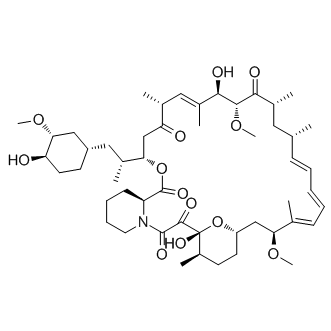
Rapamycin (Sirolimus)Featured
100 mg USD 100 · 250 mg USD 200 · 1 g USD 400 · 10 mM * 1 mL in DMSO USD 150Rapamycin (Sirolimus) is a potent and specific mTOR inhibitor with an IC50 of 0.1 nM.
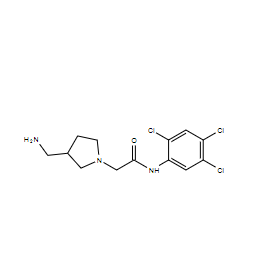
5mg USD 550
NMDAR/TRPM4 inhibitor 9 (Compound 9) is a neuroprotective NMDAR-TRPM4 interaction interface inhibitor but spare the critical healthy NMDAR function.
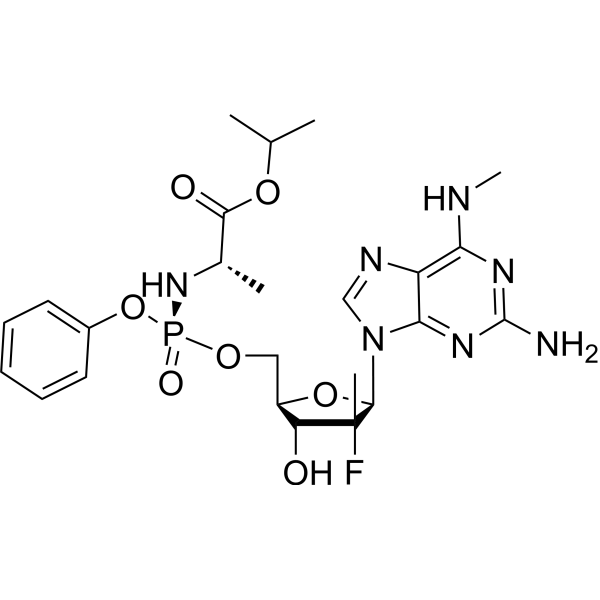
AT-511(Bemnifosbuvir free base)Featured
100mg USD 750 · 250mg USD 1,200 · 1g USD 2,500 · 10 mM * 1 mL in DMSO USD 220AT-511 is a novel phosphoramidate prodrug of 2'-fluoro-2'-C-methylguanosine-5'-monophosphate that has potent in vitro activity against HCV. The EC50 of AT-511, determined using HCV laboratory strains and clinical isolates with genotypes 1-5, ranged from 5
GSK8612Featured
100 mg USD 600 · 250 mg USD 1,100 · 1 g USD 1,950 · 10 mM * 1 mL in DMSO USD 220GSK8612 is a highly selective and potent Tank-binding Kinase-1 (TBK1) inhibitor, with a pIC50 of 6.8 for recombinant TBK1.
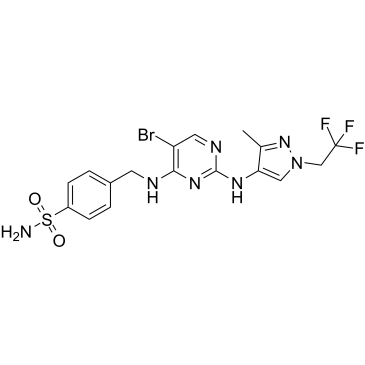
Idarubicin HydrochlorideFeatured
100 mg USD 800 · 250 mg USD 1,400 · 1 g USD 2,700Idarubicin hydrochloride is an anthracycline antileukemic drug. It inhibits the topoisomerase II interfering with the replication of DNA and RNA transcription.
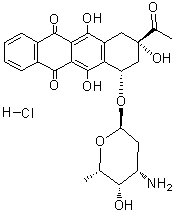
Sacubitril sodiumFeatured
100 mg USD 350 · 250 mg USD 700 · 1g USD 1,400 · 10 mM * 1 mL in DMSO USD 150Sacubitril, also known as AHU377, is angiotensin receptor neprilysin inhibitor being studied for use in combination with valsartan for heart failure. Sacubitril is a prodrug that is activated to LBQ657 by de-ethylation via esterases. LBQ657 inhibits the enzyme neprilysin, which is responsible for the degradation of atrial and brain natriuretic peptide, two blood pressure lowering peptides that work mainly by reducing blood volume.
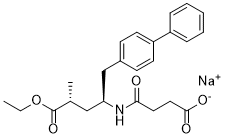
NUC-7738Featured
5mg USD 500NUC-7738 is a phosphoramidate transformation of cordycepin (3’-deoxyadenosine; 3’-dA), a derivative of adenosine that was first isolated from Cordyceps sinensis.
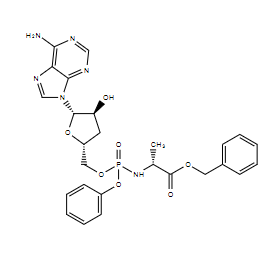
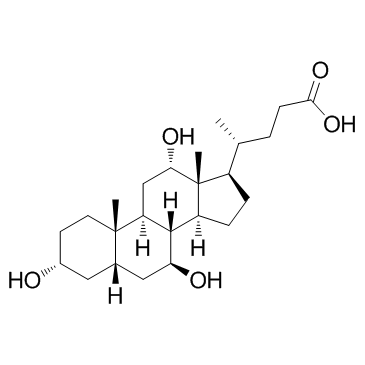
Ursocholic acidFeatured
100 mg USD 650 · 250 mg USD 1,300 · 1 g USD 2,600 · 10 mM * 1 mL in DMSO USD 220Ursocholic acid, a bile acid found predominantly in bile of mammals, is an inhibitor of 7α-hydroxysteroid dehydrogenase and hepatocyte nuclear factor 1α.
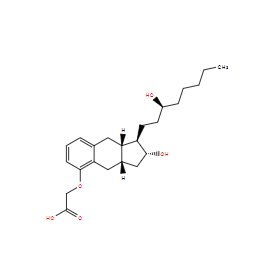
Treprostinil free acidFeatured
100 mg USD 750 · 250 mg USD 1,300 · 1 g USD 2,600 · 10 mM * 1 mL in DMSO USD 220Treprostinil is a potent DP1 and EP2 agonist with EC50 values of 0.6±0.1 and 6.2±1.2 nM, respectively.
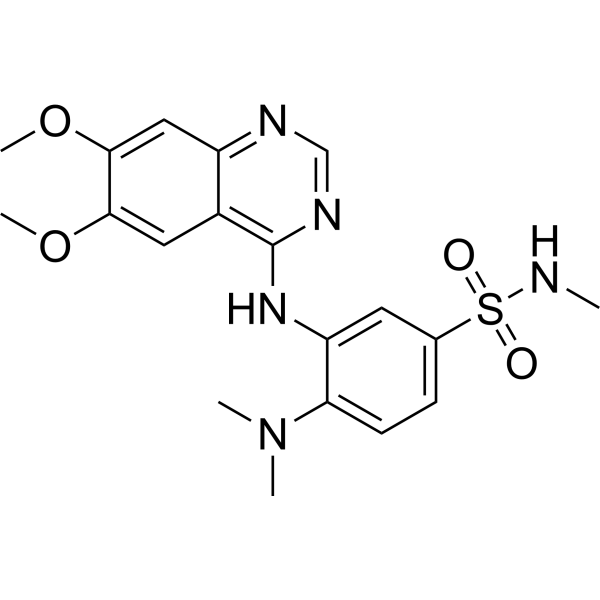
GSK-114Featured
100 mg USD 600 · 250 mg USD 1,100 · 1 g USD 1,950 · 10 mM * 1 mL in DMSO USD 220GSK-114 is a potent and selective selective TNNI3K inhibitor (TNNI3 IC50 = 25nM; B-RafV600E IC50 = 1000 nM). GSK-114 displays significant bias (40-fold) for TNNI3K over B-Raf, exceptional broad spectrum kinase selectivity, and adequate oral exposure to en
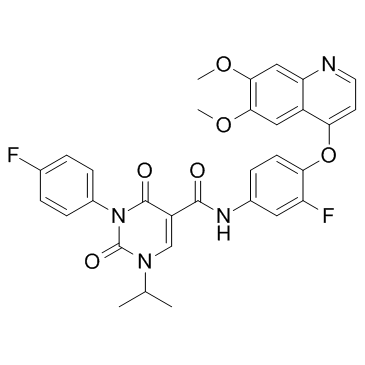
CEP-40783Featured
100 mg USD 550 · 250 mg USD 1,100 · 1 g USD 2,200 · 10 mM * 1 mL in DMSO USD 220CEP-40783 is a potent, selective and orally available inhibitor of AXL and c-Met with IC50 values of 7 nM and 12 nM, respectively.
No products match this search.
Page 83 of 184 · Browse all 3666 products