
Research lipid catalog
Ionizable Lipid Products
Explore 848 lipid and RNA delivery products. Search the full catalog or browse by research category.
Search covers product name, catalog number, synonyms, available CAS numbers and categories. Spaces, hyphens and common punctuation are ignored. Duplicate legacy records are consolidated under one canonical product result.
3666 products · Showing 1761–1780 · 20 per page
DC Chemicals lipid expertise
Built for ionizable-lipid discovery and RNA delivery research
DC Chemicals supports formulation and delivery research with a broad, searchable portfolio of cationic and ionizable lipids. The current directory brings together 848 unique research-use products, with product specifications, pricing, chemical structures and literature-linked formulation data added as each record is verified.
Our experience spans complex lipid synthesis, purification, analytical release and process development. For custom molecules or larger-scale requirements, our team can discuss route development, technical specifications and scale-up options for the intended research workflow.
Learn about cationic and ionizable lipids →Proprietary innovation · Co-development · GMP
From proprietary lipid design to GMP-grade custom synthesis
DC Chemicals has independently developed ionizable-lipid structures supported by company-owned intellectual property, and selected proprietary lipid programs have advanced to GMP-stage development.
We welcome joint development with customers—from molecular design and lipid synthesis through route and process development. We can also support custom synthesis of GMP-grade ionizable lipids to agreed technical specifications and quality requirements.
Discuss a co-development project →Proprietary ionizable-lipid structuresCollaborative molecular designCustom lipid synthesisProcess development and scale-upGMP-grade project support
Product quick links
Explore ionizable lipids
Browse specifications, pricing and literature-linked product information.
Cat. No.Product NameField of ApplicationChemical Structure
AG-270Featured
100 mg USD 550 · 250 mg USD 950 · 1 g USD 1,950AG-270 is an allosteric, noncompetitive, first-in-class, reversible and orally active MAT2A inhibitor, with an IC50 of 14 nM.
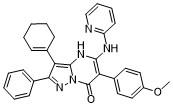
NuP-3Featured
5mg USD 450NuP-3 is a potent and selective MAPK13 and MAPK14 inhibitor (IC50 of 7 nM and 14 nM, respectively) that effectively targets respiratory inflammation and mucus overproduction. In human tracheal epithelial cell (hTEC) cultures, it markedly inhibits IL-13-induced MUC5AC and CLCA1 expression without causing cell toxicity, showing superior efficacy compared to the MAPK14 inhibitor NuP-43. Beyond its success in minipig models of airway disease and viral infection, NuP-3 also down-regulates biomarkers associated with basal-epithelial stem cell activation, demonstrating its role as a precise upstream therapeutic agent for chronic lung conditions.
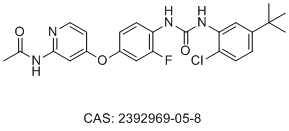
Danicamtiv (MYK-491)Featured
100 mg USD 850 · 250 mg USD 1,350 · 1 g USD 2,700 · 10 mM * 1 mL in DMSO USD 220Danicamtiv is a positive inotropic agent.
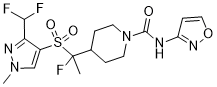
Navoximod (GDC-0919; NLG-919)Featured
250 mg USD 1,500 · 100 mg USD 900 · 1g USD 3,000 · 10 mM * 1 mL in DMSO USD 220Navoximod is a potent IDO (indoleamine-(2,3)-dioxygenase) pathway inhibitor with Ki/EC50 of 7 nM/75 nM.
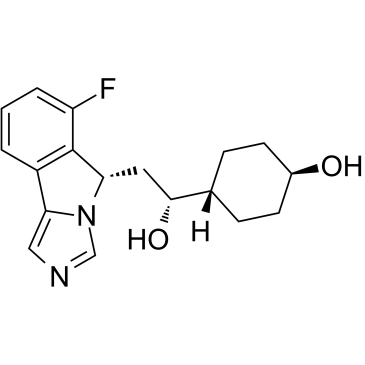
ParsaclisibFeatured
100 mg USD 950 · 250 mg USD 1,800 · 1 g USD 3,800 · 10 mM * 1 mL in DMSO USD 220Parsaclisib is a potent and selective PI3Kδ inhibitor, with an IC50 of 1 nM at 1 mM ATP, and shows appr 20,000-fold selectivity for PI3Kα, PI3Kβ, PI3Kγ and 57 other kinases.
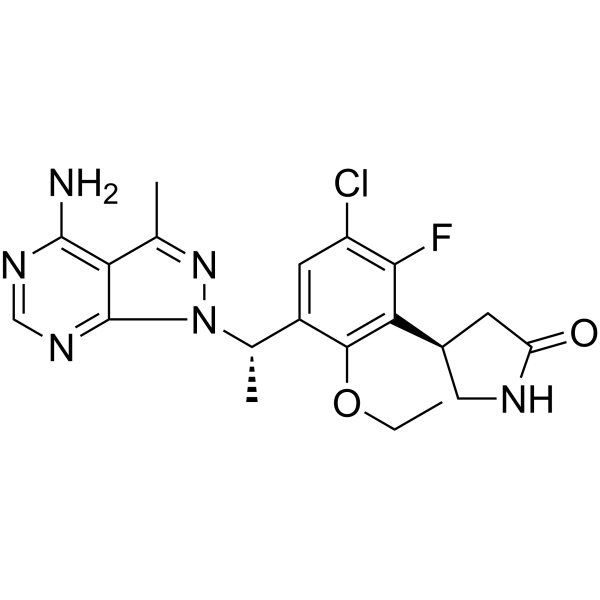
SB-334867 HClFeatured
100 mg USD 750 · 250 mg USD 1,200 · 1 g USD 2,300SB-334867 is a selective non-peptide orexin OX1 receptor antagonist with a pKb value of 7.2. IC50 value: 7.2 (pKb) Target: orexin OX1 receptor in vitro: SB-334867-A inhibited the orexin-A (10 nM) and orexin-B (100 nM)-induced calcium responses (pK(B)=7.27+/-0.04 and 7.23+/-0.03 respectively, n=8), but had no effect on the UTP (3 microM)-induced calcium response in CHO-OX(1) cells. SB-334867-A (10 microM) also inhibited OX(2) mediated calcium responses (32.7+/-1.9% versus orexin-A) . in vivo: Single-unit recordings in anesthetized rats demonstrated the central effects of the selective orexin-1 receptor antagonist SB-334867 (2 mg/kg, intravenous), as it reversed the excitatory effects of orexin-A administration (6 microg, intracerebroventricular) on the activity of locus coeruleus (LC) cells . The ICV injection of SB-334867 alone had no effect on the Formalin-induced nociceptive behaviors. Pre-treatment with SB-334867 at a dose of 0.5 nmol significantly attenuated the analgesia induced by morphine (at dose 1.5mg/kg of morphine; interphase and phase 2B and at dose 3mg/kg of morphine just phase 2B of Formalin test) . Administered alone, SB-334867 (30 mg/kg, but not lower doses) significantly reduced food intake and most active behaviours (eating, grooming, sniffing, locomotion and rearing), while increasing resting. Pretreatment with SB-334867 dose-dependently blocked these effects of orexin-A, with significant antagonism evident at dose levels (3-10 mg/kg) below those required to produce intrinsic behavioural effects under present test conditions in rats .For the detailed information of SB-334867, the solubility of SB-334867 in water, the solubility of SB-334867 in DMSO, the solubility of SB-334867 in PBS buffer, the animal experiment (test) of SB-334867, the cell expriment (test) of SB-334867, the in vivo, in vitro and clinical trial test of SB-334867, the EC50, IC50,and Affinity of SB-334867, Please contact DC Chemicals.
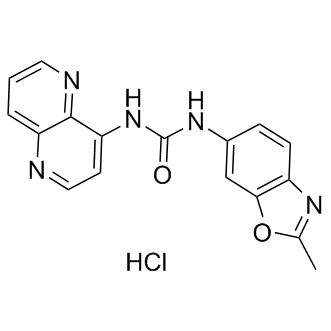
SolabegronFeatured
100mg USD 950 · 250mg USD 1,600 · 1g USD 3,200 · 10 mM * 1 mL in DMSO USD 220Solabegron (GW 427353) is a selective β3-adrenergic receptor agonist, stimulating cAMP accumulation in Chinese hamster ovary cells expressing the human β3-AR, with an EC50 value of 22 nM[1]. Solabegron (GW 427353) is being developed for the treatment of overactive bladder and irritable bowel syndrome[1].
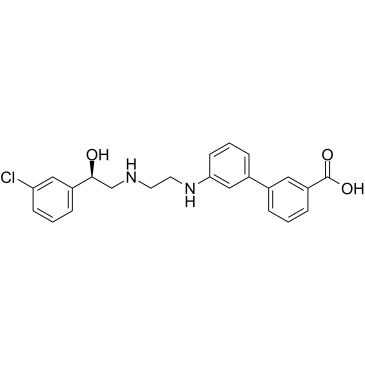
AmifostineFeatured
1 g USD 300 · 10 mM * 1 mL in DMSO USD 150Amifostine trihydrate (WR2721 trihydrate) is a broad-spectrum cytoprotective agent and a radioprotector. Amifostine trihydrate selectively protects normal tissues from damage caused by radiation and chemotherapy. Amifostine trihydrate is potent hypoxia-inducible factor-α1 (HIF-α1) and p53 inducer. Amifostine trihydrate protects cells from damage by scavenging oxygen-derived free radicals. Amifostine trihydrate reduces renal toxicity and has antiangiogenic action[1][2][3][4].
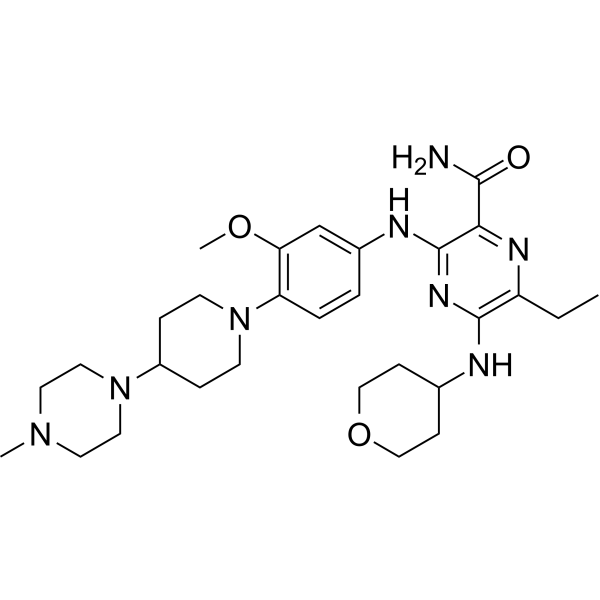
Gilteritinib(ASP2215)Featured
100 mg USD 450 · 250 mg USD 750 · 1 g USD 1,500 · 10 mM * 1 mL in DMSO USD 220Gilteritinib is a potent FLT3/AXL inhibitor with IC50s of 0.29 nM/0.73 nM, respectively.
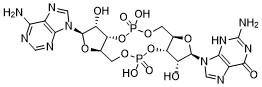
3'3'-cGAMP (sodium salt)Featured
5 mg USD 350 · 25 mg USD 990 · 10mg USD 550 · 100mg USD 2,2003’3’-cGAMP Fluorinated (c-2'FdGMP-2'FdAMP) is a synthetic analog of cyclic guanosine monophosphate- adenosine monophosphate (cyclic GMP-AMP, cGAMP) with a fluorine atom at 2’ position of the nucleosides. 3’3’-cGAMP is a cyclic di-nucleotide produced by bacteria. It is also referred to as "canonical" cGAMP due the presence of the classical 3’-5’ phosphodiester linkages between the guanosine and the adenosine. It has been reported that cGAMP binds STING (stimulator of IFN genes) and subsequently induces TBK1-IRF3-dependent production of IFN-β 1. The incorporation of fluorine into biologically active molecules is commonly used in medicinal chemistry to improve their metabolic stability or to modulate physicochemical properties such as lipophilicity 2, 3. Moreover, the introduction of a fluorine atom can change the biological activities of a molecule. Interestingly, when used at low concentrations in various cellular assays, 3’3’-cGAMP Fluorinated induces higher levels of type I IFNs than does cGAMP. STING ligands such as cGAMP induce type I IFNs and activate interferon stimulated genes (ISG) through IRFs. To facilitate their study, InvivoGen has developed stable reporter cells in two well established immune cell models: THP-1 human monocytes and RAW 264.7 murine macrophages. These cells express a reporter gene (SEAP or Lucia luciferase), under control of an IRF-inducible promoter.
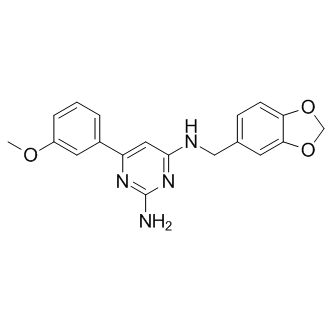
AMBMPFeatured
100 mg USD 450 · 250 mg USD 850 · 1 g USD 1,600 · 10 mM * 1 mL in DMSO USD 220AMBMP(BML-284) is potent selective, and cell-permeable Wnt signaling activator.in vitro: BML-284 induces the β-catenin/TCF-dependent reporter in a dose-dependent manner.
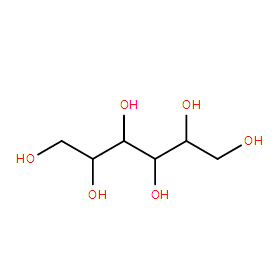
MannitolFeatured
20 mg USD 280For the detailed information of Mannitol, the solubility of Mannitol in water, the solubility of Mannitol in DMSO, the solubility of Mannitol in PBS buffer, the animal experiment(test) (test) of Mannitol, the cell expriment (test) of Mannitol, the in vivo, in vitro and clinical trial test of Mannitol, the EC50, IC50,and Affinity of Mannitol,, please contact DC Chemicals.
EMPAFeatured
100mg USD 600 · 250mg USD 1,100 · 1g USD 2,200 · 10 mM * 1 mL in DMSO USD 220EMPA is a high-affinity, reversible and selective orexin OX2 receptor antagonist. [3H]EMPA binds to human and rat OX2-HEK293 membranes with KD values of 1.1 and 1.4 nM respectively[1].
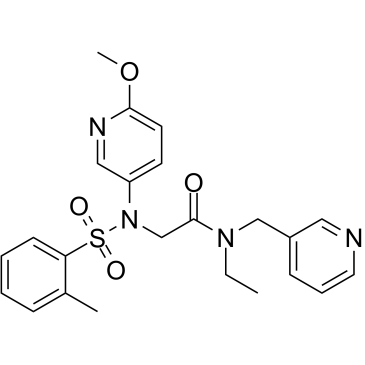
Monoethyl itaconateFeatured
Pack sizes and prices on requestNH2-PEG1-C1-Boc is a PEG-based PROTAC linker that can be used in the synthesis of PROTACs.

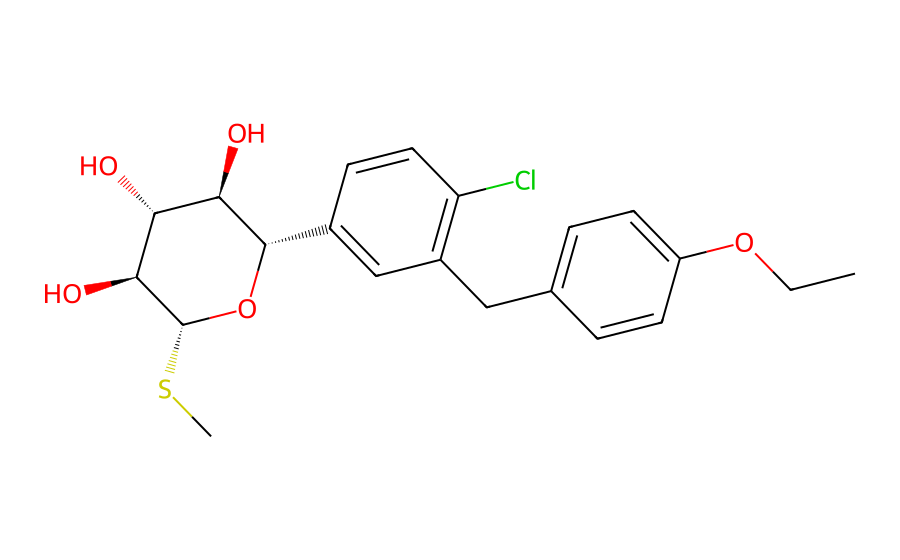
Sotagliflozin (LX-4211)Featured
100 mg USD 450 · 250 mg USD 900 · 1 g USD 1,700 · 10 mM * 1 mL in DMSO USD 220LX-4211 is a potent dual SGLT2/1 inhibitor; Antidiabetic agents.IC50 value:Target: SGLT1/2LX4211 enhanced urinary glucose excretion by inhibiting SGLT2-mediated renal glucose reabsorption; markedly and significantly improved multiple measures of glycemic control, including fasting plasma glucose, oral glucose tolerance, and HbA(1c); and significantly lowered serum triglycerides. LX4211 also mediated trends for lower weight, lower blood pressure, and higher glucagon-like peptide-1 levels. In a follow-up single-dose study in 12 patients with T2DM, LX4211 (300 mg) significantly increased glucagon-like peptide-1 and peptide YY levels relative to pretreatment values, probably by delaying SGLT1-mediated intestinal glucose absorption [1]. LX4211-treated mice and SGLT1-/- mice also had increased GLP-1 AUC values, decreased glucose-dependent insulinotropic polypeptide (GIP) AUC values, and decreased blood glucose excursions during the 6 hours after a challenge with oral glucose alone [2].
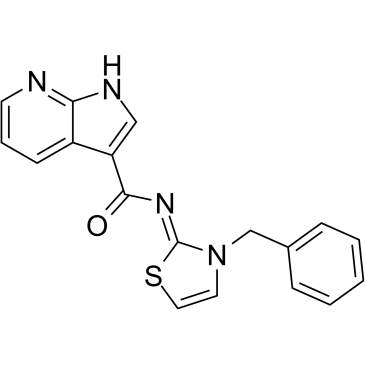
Lats-IN-1(TRULI )Featured
100mg USD 750 · 250mg USD 1,350 · 1g USD 2,700 · 10 mM * 1 mL in DMSO USD 220Lats-IN-1 is a potent and ATP-competitive inhibitor of Lats1 and Lats2 kinases. Lats-IN-1 promotes Yap-dependent proliferation in postmitotic mammalian tissues[1].
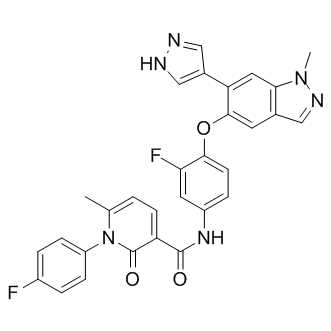
LY2801653Featured
100 mg USD 450 · 250 mg USD 800 · 1 g USD 1,500 · 10 mM * 1 mL in DMSO USD 220Merestinib (LY2801653) is a type-II ATP competitive, slow-off inhibitor of MET tyrosine kinase with a dissociation constant (Ki) of 2 nM.
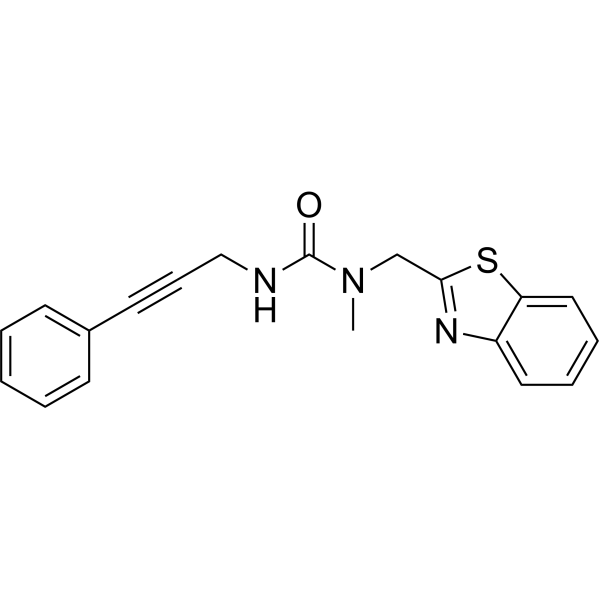
RU-TRAAK-2Featured
100mg USD 800 · 250mg USD 1,450 · 1g USD 2,800RU-TRAAK-2 is a completely reversible TRAAK inhibitor, shows no activity for non-K2P channels (Kv1.2, Slo1 and GIRK2).
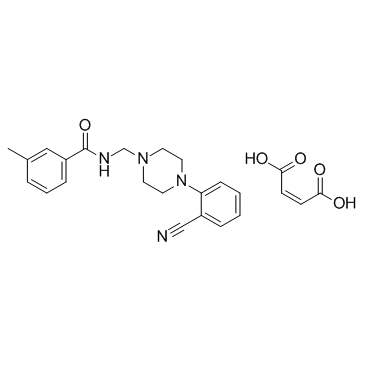
PD-168077 maleateFeatured
100 mg USD 550 · 250 mg USD 950 · 1 g USD 1,800 · 10 mM * 1 mL in DMSO USD 220PD-168077 maleate is a selective dopamine D4 receptor agonist, with a Ki of 9 nM.
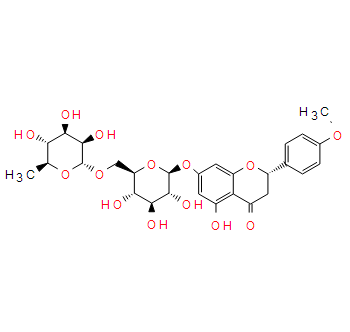
didyminFeatured
20 mg USD 280For the detailed information about the solubility of didymin in water, the solubility of didymin in DMSO, the solubility of didymin in PBS buffer, the animal experiment(test) of didymin,the in vivo,in vitro and clinical trial test of didymin,the cell experiment(test) of didymin,the IC50, EC50 and Affinity of didymin, please contact DC Chemicals.
No products match this search.
Page 89 of 184 · Browse all 3666 products