
Research lipid catalog
Ionizable Lipid Products
Explore 848 lipid and RNA delivery products. Search the full catalog or browse by research category.
Search covers product name, catalog number, synonyms, available CAS numbers and categories. Spaces, hyphens and common punctuation are ignored. Duplicate legacy records are consolidated under one canonical product result.
3666 products · Showing 1781–1800 · 20 per page
DC Chemicals lipid expertise
Built for ionizable-lipid discovery and RNA delivery research
DC Chemicals supports formulation and delivery research with a broad, searchable portfolio of cationic and ionizable lipids. The current directory brings together 848 unique research-use products, with product specifications, pricing, chemical structures and literature-linked formulation data added as each record is verified.
Our experience spans complex lipid synthesis, purification, analytical release and process development. For custom molecules or larger-scale requirements, our team can discuss route development, technical specifications and scale-up options for the intended research workflow.
Learn about cationic and ionizable lipids →Proprietary innovation · Co-development · GMP
From proprietary lipid design to GMP-grade custom synthesis
DC Chemicals has independently developed ionizable-lipid structures supported by company-owned intellectual property, and selected proprietary lipid programs have advanced to GMP-stage development.
We welcome joint development with customers—from molecular design and lipid synthesis through route and process development. We can also support custom synthesis of GMP-grade ionizable lipids to agreed technical specifications and quality requirements.
Discuss a co-development project →Proprietary ionizable-lipid structuresCollaborative molecular designCustom lipid synthesisProcess development and scale-upGMP-grade project support
Product quick links
Explore ionizable lipids
Browse specifications, pricing and literature-linked product information.
Cat. No.Product NameField of ApplicationChemical Structure
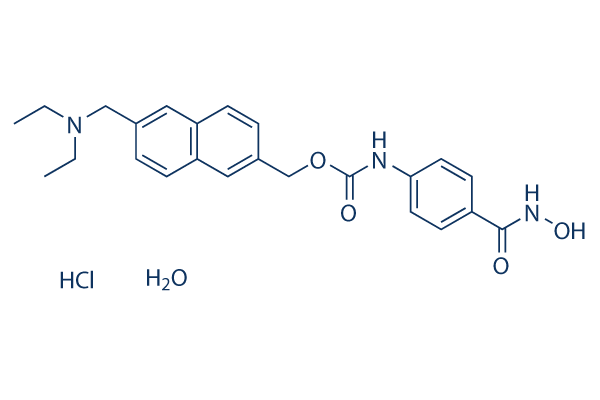
Givinostat (ITF2357)Featured
100 mg USD 600 · 250 mg USD 1,100 · 1 g USD 1,950 · 10 mM * 1 mL in DMSO USD 220Givinostat hydrochloride monohydrate is a HDAC inhibitor with an IC50 of 198 and 157 nM for HDAC1 and HDAC3, respectively.
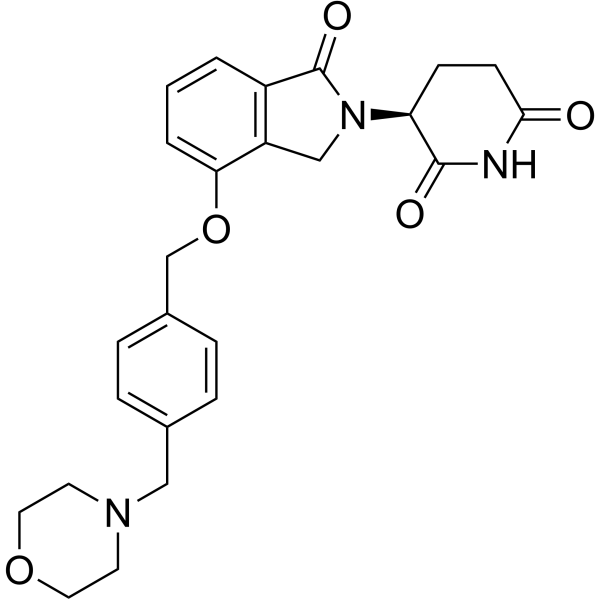
IberdomideFeatured
100 mg USD 500 · 250 mg USD 1,000 · 1 g USD 2,000 · 10 mM * 1 mL in DMSO USD 220Iberdomide (CC-220) is a cereblon modulator with an IC50 of 60 nM.
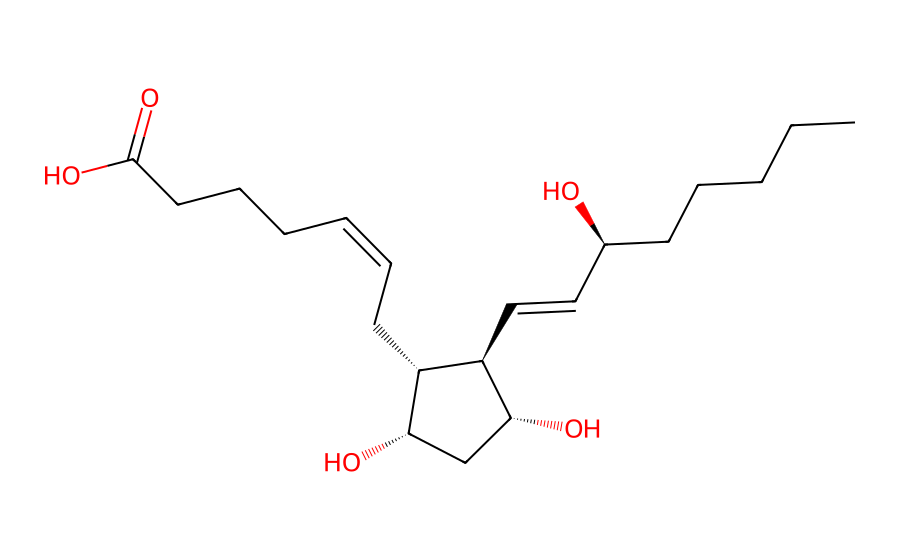
DinoprostFeatured
100 mg USD 450 · 250 mg USD 700 · 1 g USD 1,300 · 10 mM * 1 mL in DMSO USD 220Dinoprost(Prostaglandin F2α) is a naturally occurring prostaglandin used in medicine to induce labor and as an abortifacient.
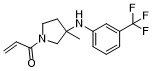
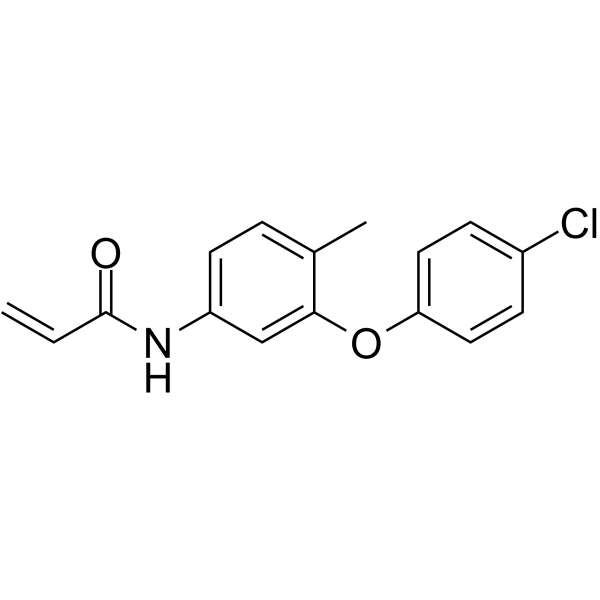
MYF-01-37Featured
100mg USD 750 · 250mg USD 1,400 · 1g USD 2,800 · 10 mM * 1 mL in DMSO USD 220MYF-01-37 is a covalent TEAD inhibitor targeting Cys380. MYF-01-37 has a reversible inhibition on YAP/TEAD interaction[1].
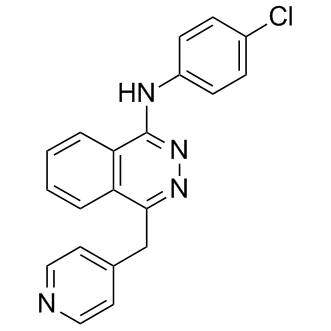
Vatalanib free baseFeatured
100 mg USD 200 · 250 mg USD 360 · 1 g USD 720 · 10 mM * 1 mL in DMSO USD 150Vatalanib free base (PTK787 free base) is an inhibitor of VEGFR2/KDR with IC50 of 37 nM, less potent against VEGFR1/Flt-1, 18-fold against VEGFR3/Flt-4.in vitro: Vatalanib also inhibits Flk, c-Kit and PDGFRβ with IC50 of 270 nM, 730 nM and 580 nM, respectively. Furthermore, Vatalanib shows the anti-proliferation effect by inhibiting thymidine incorporation induced by VEGF in HUVECs with and IC50 of 7.1 nM, and dose-dependently suppresses VEGF-induced survival and migration of endothelial cells in the same dose range without cytotoxic or antiproliferative effect on cells that do not express VEGF receptors. A recent study shows that Vatalanib significantly inhibits the growth of hepatocellular carcinoma cells and enhances the IFN/5-FU induced apoptosis by increasing proteins levels of Bax and reduced Bcl-xL and Bcl-2. in vivo: Vatalanib induces dose-dependent inhibition of the angiogenic response to VEGF and PDGF in both a growth factor implant model and a tumor cell-driven angiogenesis model after once-daily oral dosing (25-100 mg/kg). In the same dose range, Vatalanib also inhibits the growth and metastasesof several human carcinomas in nude mice without significant effect on circulating blood cells or bone marrow leukocytes.
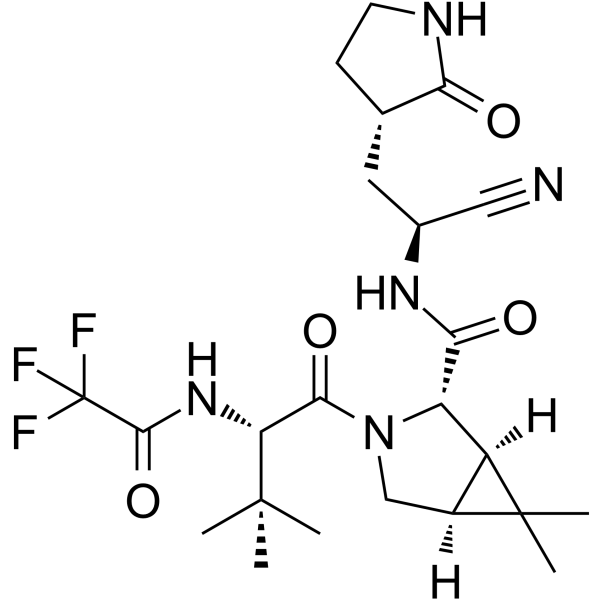
PF07321332(nirmatrelvir)Featured
100mg USD 500 · 250mg USD 900 · 1g USD 1,800 · 10mM in 1ml DMSO USD 220PF-07321332 is a potent and orally active SARS-CoV 3C-like protease (3CLPRO) inhibitor . PF-07321332 targets to the SARS-CoV-2 virus and can be used for COVID-19 reseacrch.
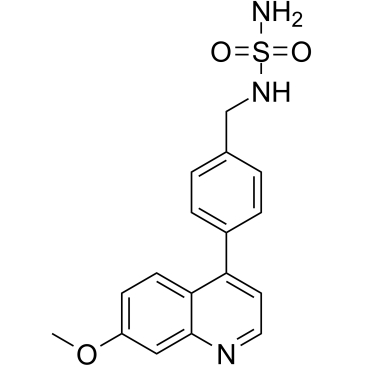
Enpp-1-IN-1Featured
100 mg USD 650 · 250 mg USD 1,200 · 1 g USD 2,400 · 10 mM * 1 mL in DMSO USD 220Enpp-1-IN-1 is a Ectonucleotide pyrophosphatase-phosphodiesterase 1 (enpp-1) inhibitor extracted from patent WO2019046778, Example 55[1].
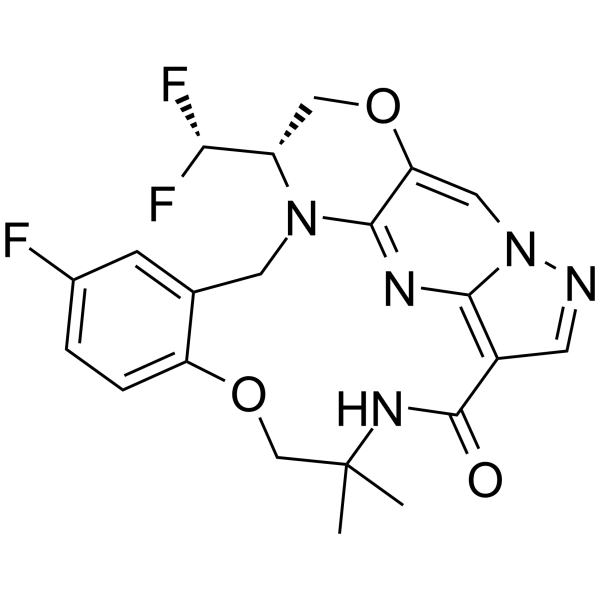
TPX-0131Featured
100mg USD 1,900 · 5mg USD 450 · 10mg USD 750 · 25mg USD 1,050 · 10 mM * 1 mL in DMSO USD 220TPX-0131 is a potent, selective, CNS-penetrant and orally active inhibitor of wild-type ALK (IC50 of 1.4 nM) and ALK-resistant mutation, e.g. G1202R (IC50 of 0.3 nM), L1196M (IC50 of 0.3 nM). TPX-0131 has strong antitumor activities[1].
ABT-702Featured
100 mg USD 500 · 250 mg USD 900 · 1 g USD 1,800 · 10 mM * 1 mL in DMSO USD 220ABT-702 dihydrochloride is a potent adenosine kinase (AK) inhibitor (IC50=1.7 nM).
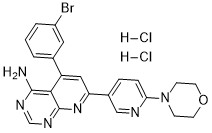
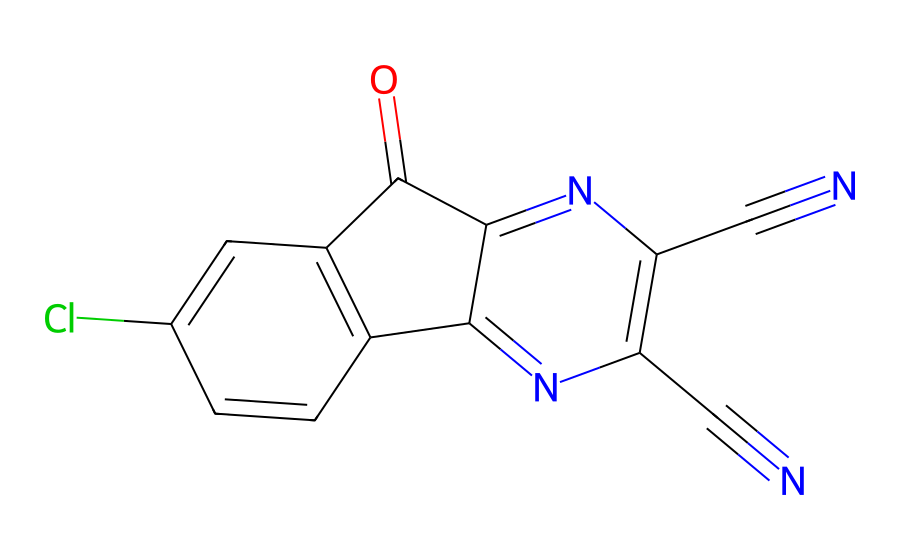
HBX41108Featured
100 mg USD 550 · 250 mg USD 900 · 1 g USD 1,800 · 10 mM * 1 mL in DMSO USD 220Inhibitor of ubiquitin-specific protease (USP) 7 activity (IC50 = 424 nM). Displays uncompetitive inhibition. Also inhibits USP7-mediated p53 deubiquitination (IC50 = 0.8 μM). Stabilizes p53 and inhibits cancer cell growth; induces p53-dependent apoptosis in p53 wild type and null isogenic cancer cell lines. For the detailed information of HBX41108 , the solubility of HBX41108 in water, the solubility of HBX41108 in DMSO, the solubility of HBX41108 in PBS buffer, the animal experiment (test) of HBX41108 , the cell expriment (test) of HBX41108 , the in vivo, in vitro and clinical trial test of HBX41108 , the EC50, IC50,and affinity,of HBX41108 , For the detailed information of HBX41108 , the solubility of HBX41108 in water, the solubility of HBX41108 in DMSO, the solubility of HBX41108 in PBS buffer, the animal experiment (test) of HBX41108 , the cell expriment (test) of HBX41108 , the in vivo, in vitro and clinical trial test of HBX41108 , the EC50, IC50,and affinity,of HBX41108 , Please contact DC Chemicals.
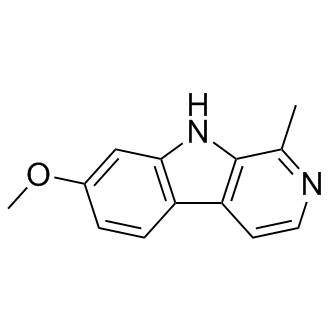
HarmineFeatured
20 mg USD 280For the detailed information of Harmine , the solubility of Harmine in water, the solubility of Harmine in DMSO, the solubility of Harmine in PBS buffer, the animal experiment(test) (test) of Harmine , the cell expriment (test) of Harmine , the in vivo, in vitro and clinical trial test of Harmine , the EC50, IC50,and Affinity of Harmine ,, please contact DC Chemicals.
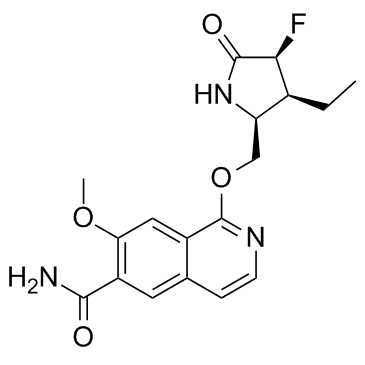
PF-06650833Featured
250mg USD 1,200 · 1g USD 2,500 · 100 mg USD 700 · 10 mM * 1 mL in DMSO USD 220PF06650833 is an inhibitor of Interleukin-1 receptor associated kinase 4 (IRAK4), and used to treat diseases such as rheumatoid arthritis, lupus, and lymphomas.
Ensitrelvir (S-217622)Featured
100mg USD 600 · 250mg USD 980 · 1g USD 1,850 · 10 mM * 1 mL in DMSO USD 220S-217622 is the first oral non-covalent, non-peptidic SARS-CoV-2 3CL protease inhibitor with IC50 of 0.096 μM. S-217622 displays antiviral activity in vitro towards a range of SARS-CoV-2 variants and coronavirus families, favorable drug metabolism and pharmacokinetic (DMPK) profiles.
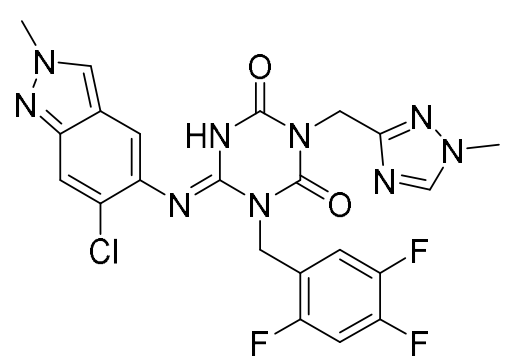
K-975Featured
100mg USD 650 · 250mg USD 1,250 · 1g USD 2,500 · 10 mM * 1 mL in DMSO USD 220K-975 is a first-in-class TEAD inhibitor, directly inhibiting YAP/TAZ-TEAD protein-protein interaction and showing a potent anti-tumor effect in malignant pleural mesothelioma. K-975 was covalently bound to an internal cysteine residue located in the palmitate-binding pocket of TEAD. K-975 had a strong inhibitory effect against protein-protein interactions between YAP1/TAZ and TEAD in cell-free and cell-based assays.
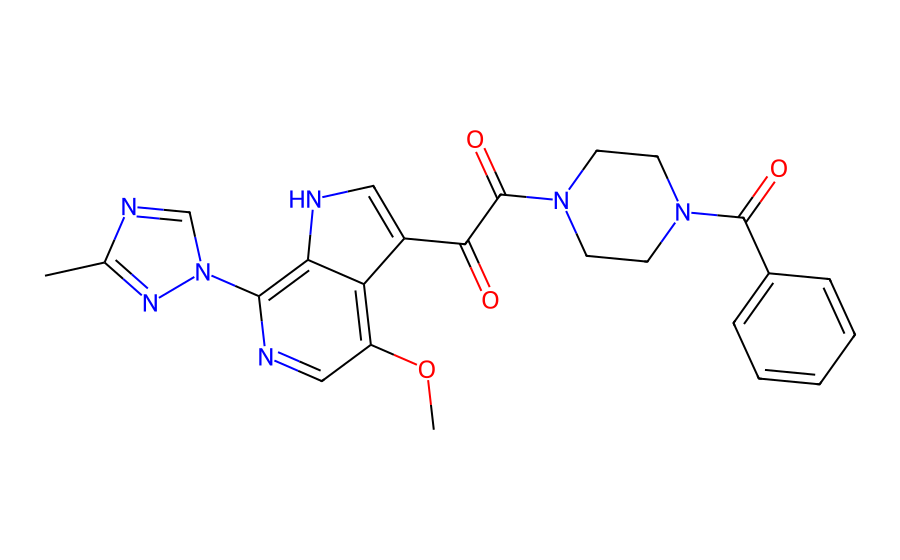
Temsavir(BMS-626529)Featured
100 mg USD 700 · 250 mg USD 1,200 · 1 g USD 2,200 · 10 mM * 1 mL in DMSO USD 220BMS-626529 is a novel attachment inhibitor that targets HIV-1 gp120 and prevents its binding to CD4+ T cells.
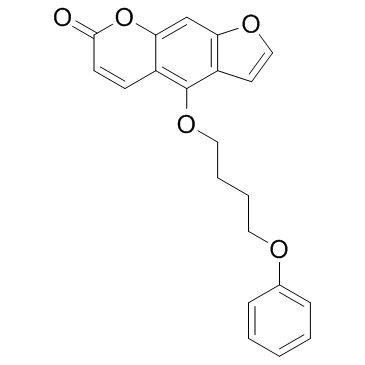
PAP-1Featured
50 mg USD 320 · 100mg USD 500 · 250mg USD 900 · 1g USD 1,800PAP-1 is a selective inhibitor of Kv1.3, voltage-gated K+ channel. PAP-1 (EC50=2 nM) potently inhibits human T effector memory cell proliferation and delayed hypersensitivity. IC50 value: 2 nM (EC50) [1]
ML221Featured
100 mg USD 500 · 250 mg USD 800 · 1 g USD 1,600 · 10 mM * 1 mL in DMSO USD 220ML221 is a potent apelin (APJ) functional antagonist, inhibiting apelin-13-mediated activation of APJ, with IC50s of 0.70 μM in the cAMP assay, and 1.75 μM in the β-arrestin assay, and EC80 of 10 nM in both assays.
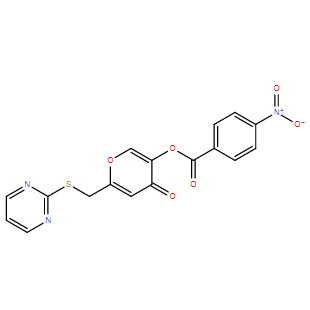
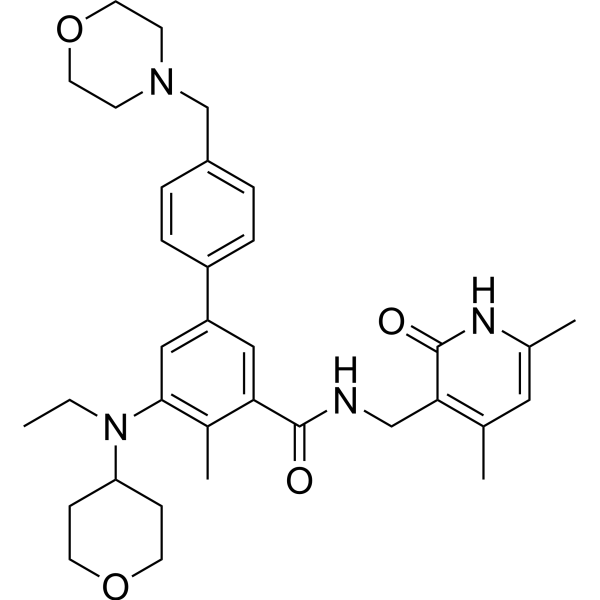
Tazemetostat(EPZ-6438)Featured
100 mg USD 350 · 250 mg USD 600 · 1 g USD 1,250 · 10 mM * 1 mL in DMSO USD 150Tazemetostat (EPZ-6438) is a potent, selective and orally available EZH2 inhibitor with Ki and IC50 of 2.5 and 11 nM, respectively.
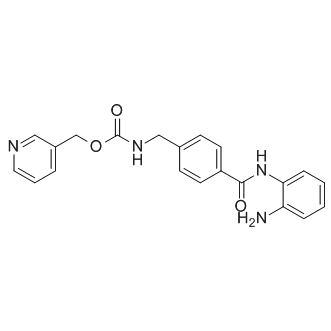
Entinostat (MS-275)Featured
100 mg USD 250 · 250 mg USD 500 · 1 g USD 950 · 10 mM * 1 mL in DMSO USD 150Entinostat is an oral and selective class I HDAC inhibitor, with IC50s of 243 nM, 453 nM, and 248 nM for HDAC1, HDAC2, and HDAC3, respectively.
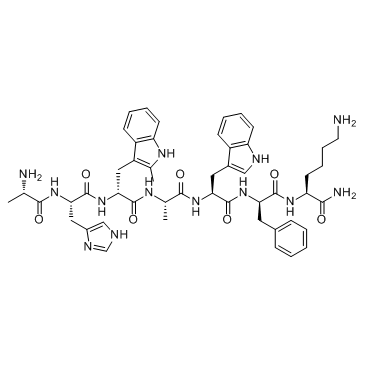
AlexamorelinFeatured
5 mg USD 688 · 10 mg USD 1,200Alexamorelin is a new synthetic heptapeptide which inhibits GHS binding in vitro.
No products match this search.
Page 90 of 184 · Browse all 3666 products