
Research lipid catalog
Ionizable Lipid Products
Explore 848 lipid and RNA delivery products. Search the full catalog or browse by research category.
Search covers product name, catalog number, synonyms, available CAS numbers and categories. Spaces, hyphens and common punctuation are ignored. Duplicate legacy records are consolidated under one canonical product result.
3666 products · Showing 1821–1840 · 20 per page
DC Chemicals lipid expertise
Built for ionizable-lipid discovery and RNA delivery research
DC Chemicals supports formulation and delivery research with a broad, searchable portfolio of cationic and ionizable lipids. The current directory brings together 848 unique research-use products, with product specifications, pricing, chemical structures and literature-linked formulation data added as each record is verified.
Our experience spans complex lipid synthesis, purification, analytical release and process development. For custom molecules or larger-scale requirements, our team can discuss route development, technical specifications and scale-up options for the intended research workflow.
Learn about cationic and ionizable lipids →Proprietary innovation · Co-development · GMP
From proprietary lipid design to GMP-grade custom synthesis
DC Chemicals has independently developed ionizable-lipid structures supported by company-owned intellectual property, and selected proprietary lipid programs have advanced to GMP-stage development.
We welcome joint development with customers—from molecular design and lipid synthesis through route and process development. We can also support custom synthesis of GMP-grade ionizable lipids to agreed technical specifications and quality requirements.
Discuss a co-development project →Proprietary ionizable-lipid structuresCollaborative molecular designCustom lipid synthesisProcess development and scale-upGMP-grade project support
Product quick links
Explore ionizable lipids
Browse specifications, pricing and literature-linked product information.
Cat. No.Product NameField of ApplicationChemical Structure
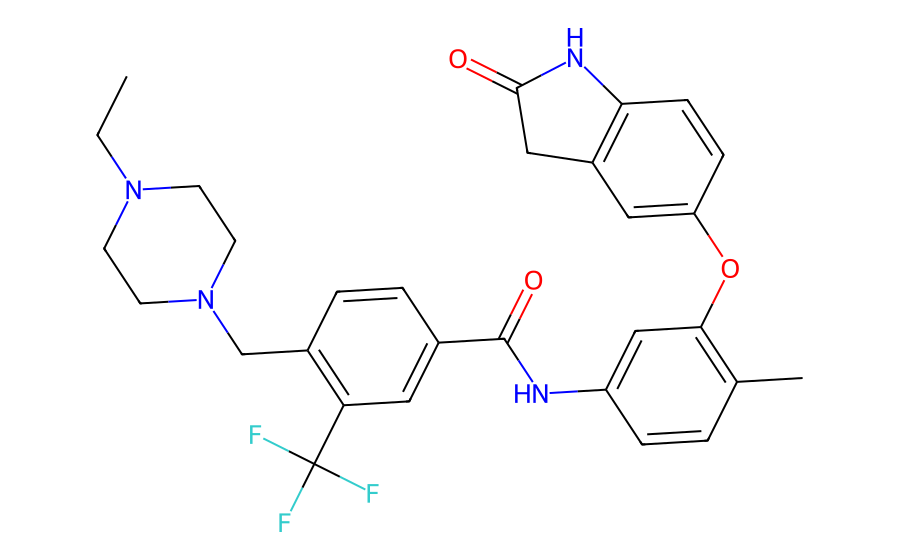
DDR1-IN-1Featured
100 mg USD 680 · 250 mg USD 1,300 · 1 g USD 2,400 · 10 mM * 1 mL in DMSO USD 220DDR1-IN-1 is a potent and selective DDR1 receptor tyrosine kinaseinhibitor with IC50/EC50 of 105 nM/87 nM; 4-fold less potent for DDR2 (IC50= 413 nM).
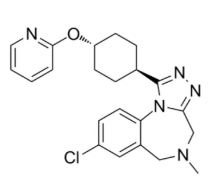
BalovaptanFeatured
100 mg USD 750 · 250 mg USD 1,350 · 1 g USD 2,700 · 10 mM * 1 mL in DMSO USD 220Balovaptan is a highly potent and selective brain-penetrant vasopressin 1a (hV1a) receptor antagonist, with Kis of 1 and 39 nM for human (hV1a) and mouse (mV1a) receptors, and is used for the research of autism.
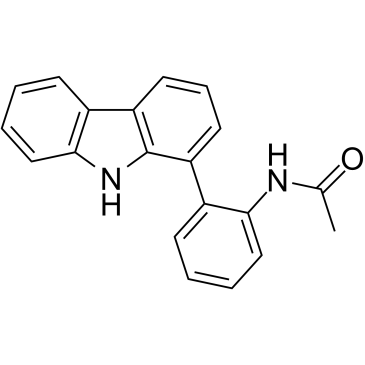
GeA-69Featured
100 mg USD 450 · 250 mg USD 800 · 1 g USD 1,500 · 10 mM * 1 mL in DMSO USD 220GeA-69 is a selective, highly cell permeable allosteric inhibitor of poly-adenosine-diphosphate-ribose polymerase 14 (PARP14) targeting macrodomain 2, with a Kd of 2.1 µM[1].
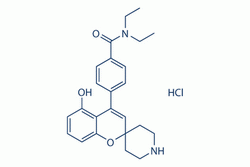
ADL5859 HClFeatured
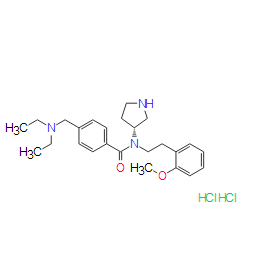
100 mg USD 550 · 250 mg USD 900 · 1 g USD 1,950 · 10 mM * 1 mL in DMSO USD 220ADL5859 is a δ-opioid receptor agonist with Ki of 0.8 nM, selectivity against opioid receptor κ, μ, and weak inhibitory activity at the hERG channel. IC50 value: 0.8 nM(Ki)Target: δ-opioid receptorADL-5859 (ADL5859) is an δ-opioid receptor agonist (Ki=0.84 nM, EC50=20 nM). ADL-5859 (ADL5859) is an agonist agent that selectively stimulates the δ-opioid receptor with potential application in a wide range of inflammatory, neuropathic and acute pain conditions. In addition, Delta agonists are thought to modulate other biological processes that may manifest themselves in disease states or conditions such as overactive bladder and depression.ADL-5859 (ADL5859) is useful for inflammatory, neuropathic and acute pain conditions.
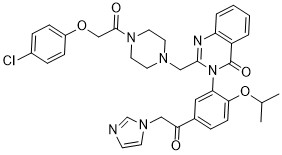
Imidazole ketone erastin(IKE)Featured
100 mg USD 700 · 250 mg USD 1,200 · 1 g USD 2,500 · 10 mM * 1 mL in DMSO USD 220Imidazole ketone erastin (IKE) s a potent, selective, and metabolically stable inhibitor of the cystine-glutamate antiporter, system Xc- and an activator of ferroptosis.
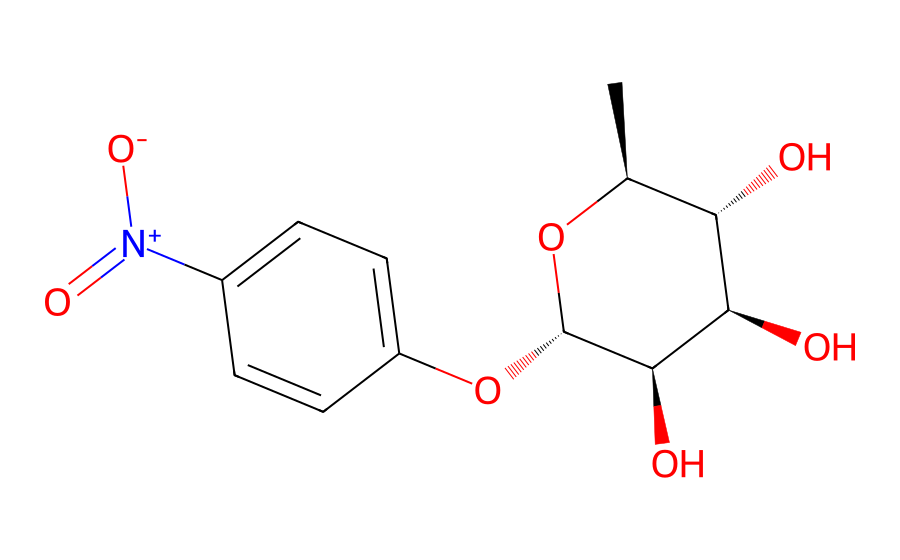
4-NitrophenylrhamnosideFeatured
100mg USD 350 · 250mg USD 600 · 1g USD 1,200 · 10 mM * 1 mL in DMSO USD 1504-Nitrophenyl α-L-rhamnopyranoside is a chromogenic substrate for naringinase.
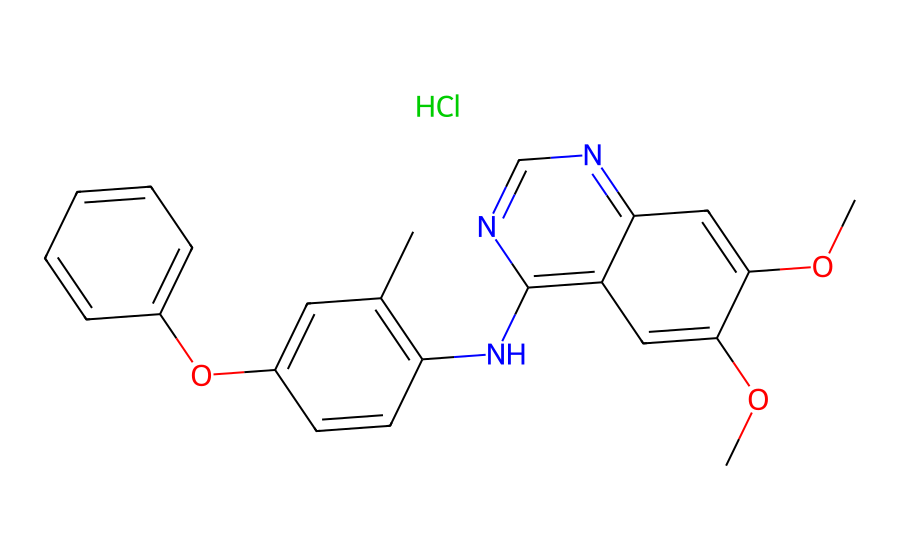
APS-2-79 hydrochlorideFeatured
100 mg USD 400 · 250 mg USD 700 · 1 g USD 1,300 · 10 mM * 1 mL in DMSO USD 150APS-2-79 hydrochloride behaves as a kinase suppressor of Ras (KSR)-dependent antagonist of RAF-mediated MEK phosphorylation. APS-2-79 binds directly to KSR2 within the KSR2-MEK1 complex with an IC 50 of 120±23 nM for KSR2.
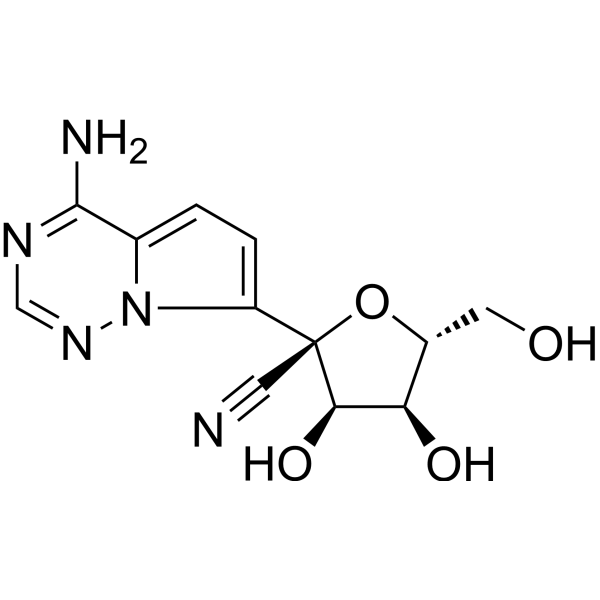
Remdesivir metabolite(GS-441524)Featured
100 mg USD 200 · 250 mg USD 400 · 1 g USD 800GS-441524 could strongly inhibits feline infectious peritonitis virus (FIPV), with an EC50 of 0.78 μM.
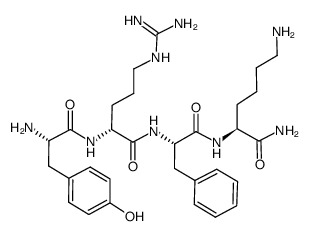
DALDAFeatured
100mg USD 550 · 250mg USD 850 · 1g USD 1,700 · 10 mM * 1 mL in DMSO USD 220DALDA (H-Tyr-D-Arg-Phe-Lys-NH2) is a potent μ-opioid peptide agonist, affecting various patterns of locomotor activities.
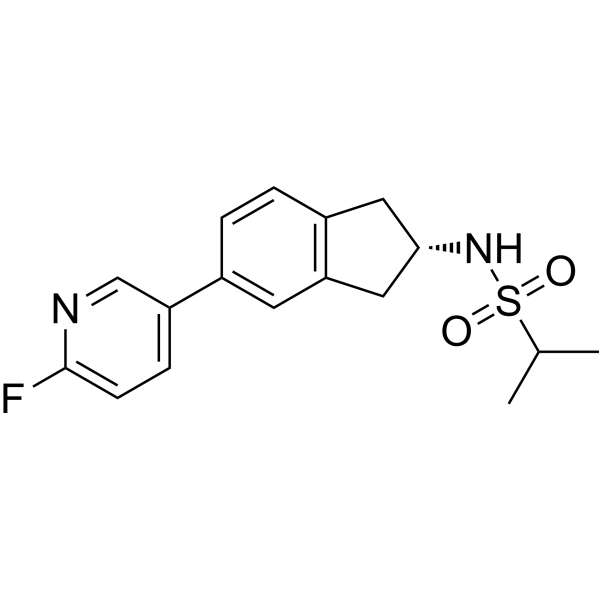
UoS12258Featured
100 mg USD 700 · 250 mg USD 1,300 · 1 g USD 2,700 · 10 mM * 1 mL in DMSO USD 220UoS12258 (UoS-12258) is a selective, positive allosteric modulator of the AMPA receptor with pEC50 of 5.6; displays excellent wide selectivity against a wide range of other ion channels (including hERG, NMDA, and kainate channels), enzymes, and GPCRs; displays a minimum effective concentration of approximately 10 nM in vitro and enhances AMPA receptor-mediated synaptic transmission at an estimated free brain concentration of approximately 15 nM in vivo; exhibits cognition enhancing properties in several rat behavioural models.
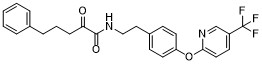
LEI 110Featured
100 mg USD 850 · 250 mg USD 1,500 · 1 g USD 3,000 · 10 mM * 1 mL in DMSO USD 220LEI110 (LEI-110) is a potent Phospholipase A2 group XVI (PLA2G16) inhibitor with Ki of 20 nM, also has activity on HRASLS2, RARRES3 and iNAT (pIC50=6.8-7.6); reduces cellular arachidonic acid levels and oleic acid-induced lipolysis in human HepG2 cells; LEI110 is a selective pan-inhibitor of the HRASLS-family of thiol hydrolases (i.e. PLA2G16, HRASLS2, RARRES3 and iNAT).
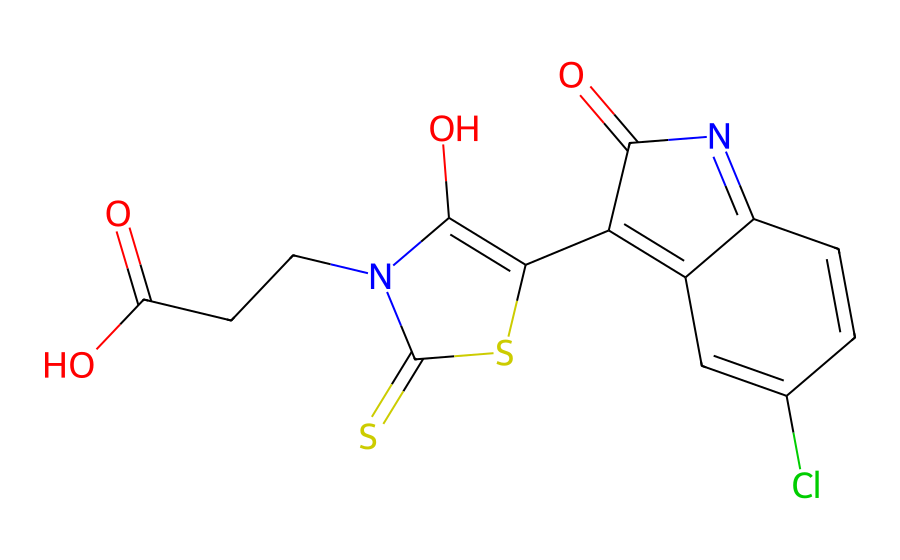
FX1Featured
100 mg USD 550 · 250 mg USD 950 · 1 g USD 1,850 · 10 mM * 1 mL in DMSO USD 220FX1 is a potent and specific BCL6 inhibitor, with an IC50 of around 35 μM.
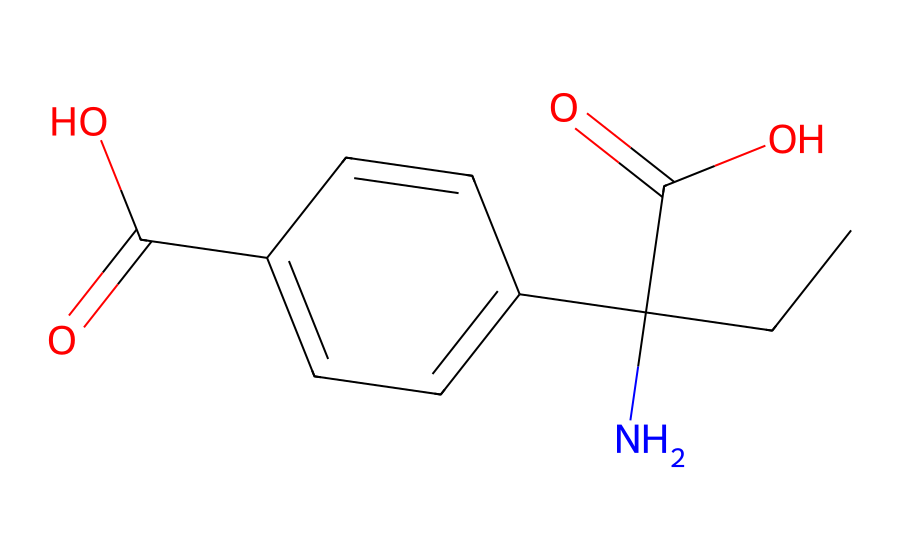
E4CPGFeatured
100 mg USD 650 · 250 mg USD 1,100 · 1 g USD 2,300 · 10 mM * 1 mL in DMSO USD 220E4CPG is a novel group I/group II metabotropic glutamate receptor antagonist, more potent than (RS)-MCPG .
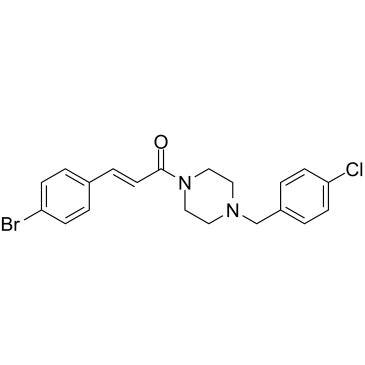
ML401 (CID73169083)Featured
100 mg USD 550 · 250 mg USD 950 · 1 g USD 1,800 · 10 mM * 1 mL in DMSO USD 220ML401, a potent chemical probe, selectively antagonizes EBI2 (also known as GPR183) with an IC50 of 1.03 nM. ML401 displays activity in a chemotaxis assay (IC50=6.24 nM). ML401 shows good stability and no toxicity[1].
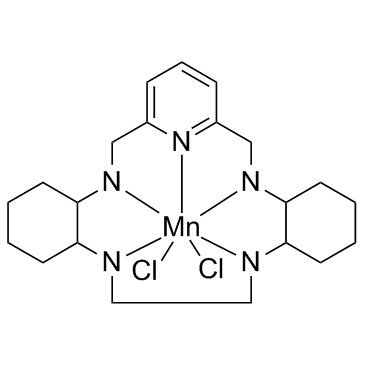
Imisopasem manganeseFeatured
100 mg USD 550 · 250 mg USD 1,100 · 1 g USD 2,200 · 10 mM * 1 mL in DMSO USD 220M40403 is a small molecule, synthetic manganese containing superoxide dismutase mimetic (SODm) that removes superoxide anions without interfering with other reactive species known to be involved in inflammatory responses (e.g. nitric oxide, NO and peroxynitrite, ONOO-).M40403 is a small-molecule superoxide dismutase mimetic that has shown efficacy in animal model disease states in which superoxide anions are thought to play a key role. M40403 inhibits the inflammatory response following the intrapleural injection of carrageenan in rats. All parameters of inflammation are attenuated by M40403 except for NOx, PGE2 and IL-10 which remains unaltered. Decreased apoptosis of the large and particularly the small bowel and marked recovery of both lymphoid and hematopoietic tissues occurs in the M40403 pre-treated mice. M40403 is effective in reducing TBI-induced tissue destruction and has potential as a new radioprotective agent.
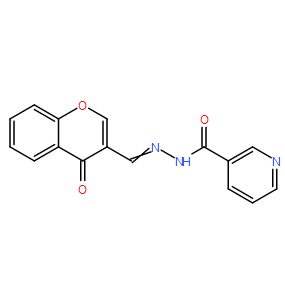
Stat5 Inhibitor(STAT5-IN-1)Featured
100 mg USD 400 · 250 mg USD 700 · 1 g USD 1,350 · 10 mM * 1 mL in DMSO USD 150Stat5 Inhibitor(STAT5-IN-1) is a STAT5 inhibitor with an IC50 of 47 μM for STAT5β isoform.
PF 429242Featured
100 mg USD 600 · 250 mg USD 1,100 · 1 g USD 2,000 · 10 mM * 1 mL in DMSO USD 220PF-429242 is a potent inhibitor of S1P (cellular proprotein convertase sterol regulatory element-binding protein (SREBP) site 1 protease) that reduces expression levels of hepatic SREBP target genes and lower rates of cholesterol and fatty acid synthesis in mice. PF-429242 is a potent antiviral agent against prototypic arenavirus lymphocytic choriomeningitis virus (LCMV) and LASV in cultured cells. PF-429242 efficiently prevented the processing of GPC from the LCMV and LASV. PF-429242 is expected to be active against CCHFV.
ML-SI3Featured
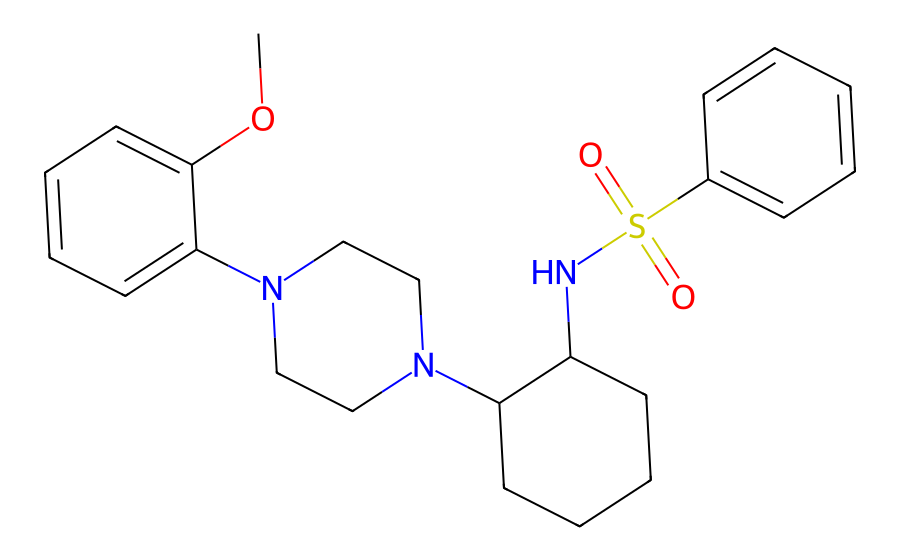
100 mg USD 400 · 250 mg USD 750 · 1 g USD 1,500 · 10 mM * 1 mL in DMSO USD 150ML-SI3 is a potent TRPML channel inhibitor with IC50s of 4.7 µM and 1.7 µM for TRPML1 and TRPML2, respectively.
KU-55933Featured
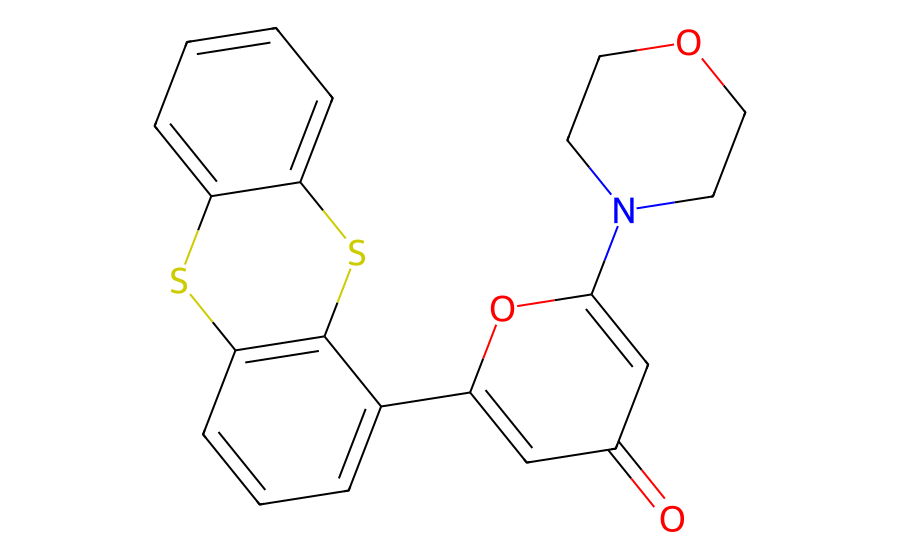
100 mg USD 400 · 250 mg USD 800 · 1 g USD 1,600 · 10 mM * 1 mL in DMSO USD 150KU-55933 is a potent ATM inhibitor with an IC50 and Ki of 12.9 and 2.2 nM, respectively, and is highly selective for ATM as compared to DNA-PK, PI3K/PI4K, ATR and mTOR.
GiredestrantFeatured
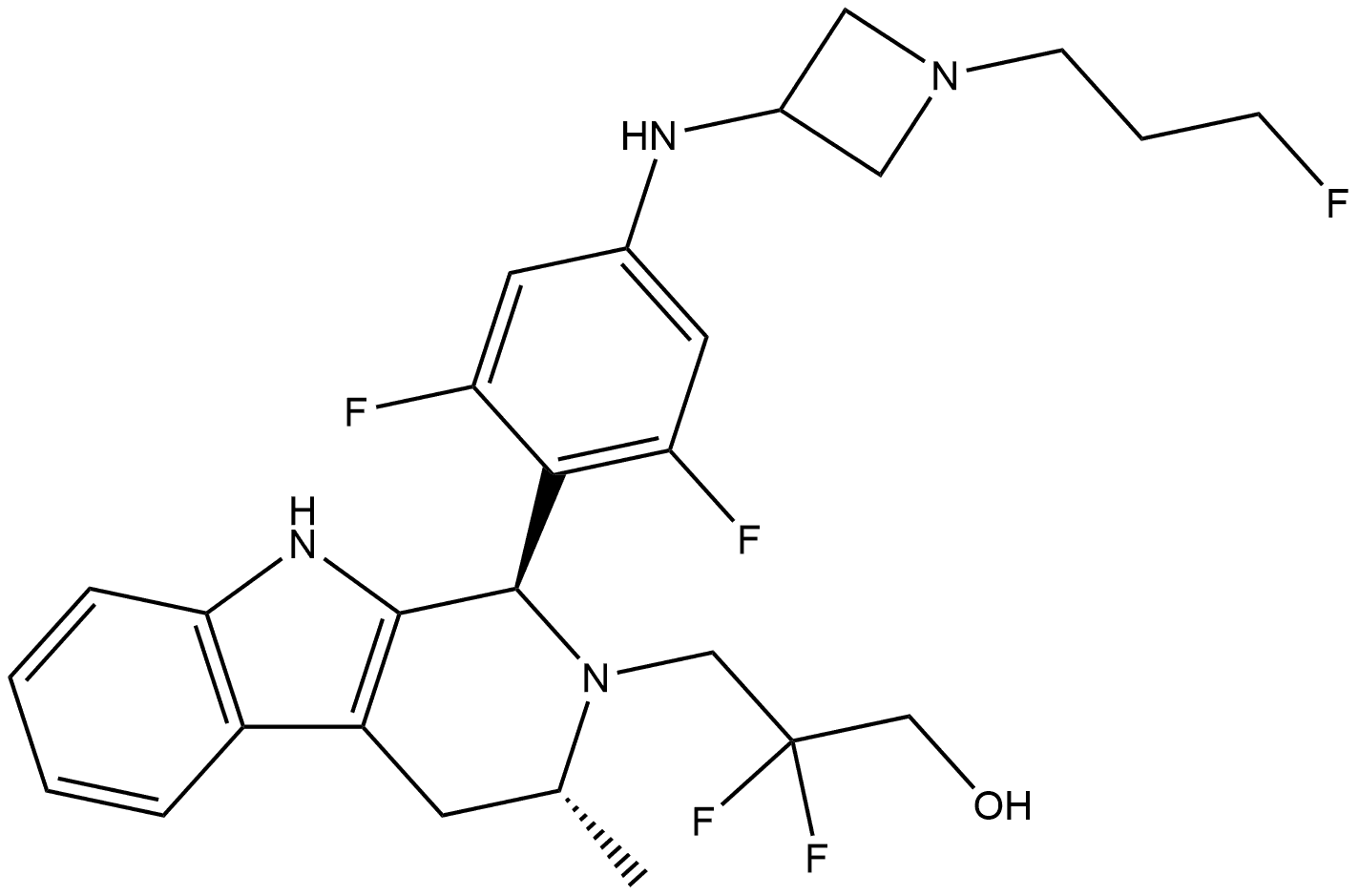
250 mg USD 1,450 · 100 mg USD 980 · 1 g USD 3,500 · 10 mM * 1 mL in DMSO USD 220Giredestrant (GDC-9545), a non-steroidal ER ligand, is an orally active and selective estrogen receptor (ER) antagonist. Giredestrant potently competes with estradiol for binding and induces a conformational change within the ER ligand binding domain. Giredestrant has anti-tumor activity[1].
No products match this search.
Page 92 of 184 · Browse all 3666 products