
Research lipid catalog
Ionizable Lipid Products
Explore 848 lipid and RNA delivery products. Search the full catalog or browse by research category.
Search covers product name, catalog number, synonyms, available CAS numbers and categories. Spaces, hyphens and common punctuation are ignored. Duplicate legacy records are consolidated under one canonical product result.
3666 products · Showing 1861–1880 · 20 per page
DC Chemicals lipid expertise
Built for ionizable-lipid discovery and RNA delivery research
DC Chemicals supports formulation and delivery research with a broad, searchable portfolio of cationic and ionizable lipids. The current directory brings together 848 unique research-use products, with product specifications, pricing, chemical structures and literature-linked formulation data added as each record is verified.
Our experience spans complex lipid synthesis, purification, analytical release and process development. For custom molecules or larger-scale requirements, our team can discuss route development, technical specifications and scale-up options for the intended research workflow.
Learn about cationic and ionizable lipids →Proprietary innovation · Co-development · GMP
From proprietary lipid design to GMP-grade custom synthesis
DC Chemicals has independently developed ionizable-lipid structures supported by company-owned intellectual property, and selected proprietary lipid programs have advanced to GMP-stage development.
We welcome joint development with customers—from molecular design and lipid synthesis through route and process development. We can also support custom synthesis of GMP-grade ionizable lipids to agreed technical specifications and quality requirements.
Discuss a co-development project →Proprietary ionizable-lipid structuresCollaborative molecular designCustom lipid synthesisProcess development and scale-upGMP-grade project support
Product quick links
Explore ionizable lipids
Browse specifications, pricing and literature-linked product information.
Cat. No.Product NameField of ApplicationChemical Structure
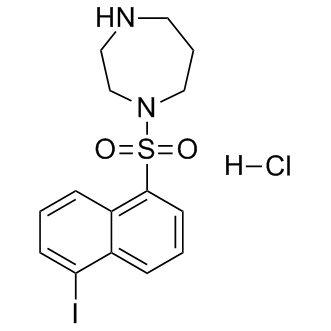
ML-7 HydrochlorideFeatured
100 mg USD 550 · 250 mg USD 950 · 1 g USD 1,850 · 10 mM * 1 mL in DMSO USD 220ML-7 hydrochloride is a naphthalene sulphonamide derivative, potently inhibits MLCK (IC50=300 nM) and TRPC6 channel (IC50>10 μM).
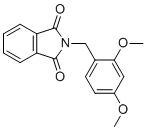
IRES-J007Featured
5 mg USD 300IRES-J007 ia an improved IRES inhibitor that blocks IRES-hnRNP A1 binding; binds to a small pocket structure within the RRM-containing fragment of hnRNP A1 (UP1 fragment), inhibits cyclin D1 and c-MYC IRES activity to a greater extent compared with C11 (IRES-C11); significantly reduces tumor growth of GBM xenografts in mice, and markedly reduces the mRNA translational state of cyclin D1 and c-MYC transcripts combined with PP242.
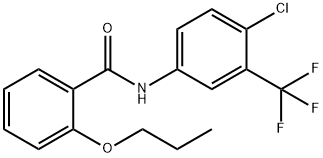
TTK21(CBP-p300 activator TTK21)Featured
100 mg USD 550 · 250 mg USD 980 · 1g USD 1,950 · 10 mM * 1 mL in DMSO USD 220TTK21 (CBP-p300 activator TTK21) is a small molecule activator of CBP/p300 histone acetyltransferase activity with a maximal effect at a concentration of 275 uM; induces acetylation of histones H3 and H4 in vitro but not H2B and H2A; promotes neurogenesis and extends memory duration in adult mice, promotes regeneration and sprouting of sensory and motor axons, as well as recovery of sensory and motor functions in both the mouse and rat model of spinal cord injury.
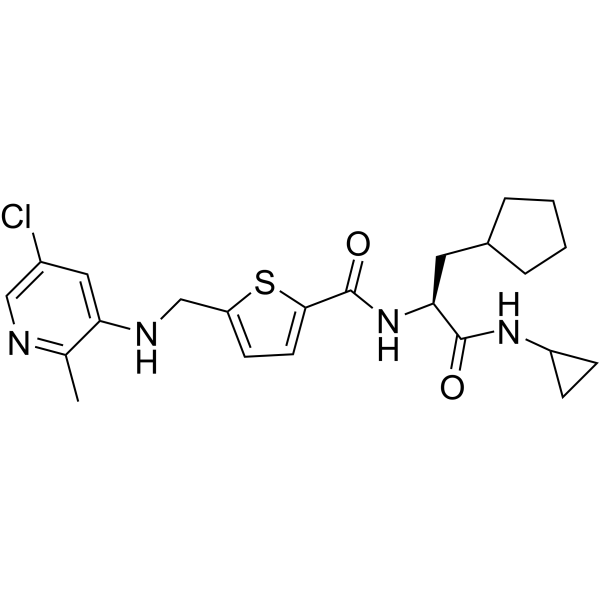
GSK 2830371Featured
100 mg USD 550 · 250 mg USD 950 · 1g USD 1,900 · 10 mM * 1 mL in DMSO USD 220GSK 2830371 is a highly selective Wip1 phosphatase inhibitor with IC50 of 6 nM.
ChlorotoxinFeatured
10 mg USD 650Chlorotoxin is a 36 amino-acid peptide from the venom of the Israeli scorpion Leiurus quinquestriatus with anticancer activity. Chlorotoxin is a chloride channel blocker.
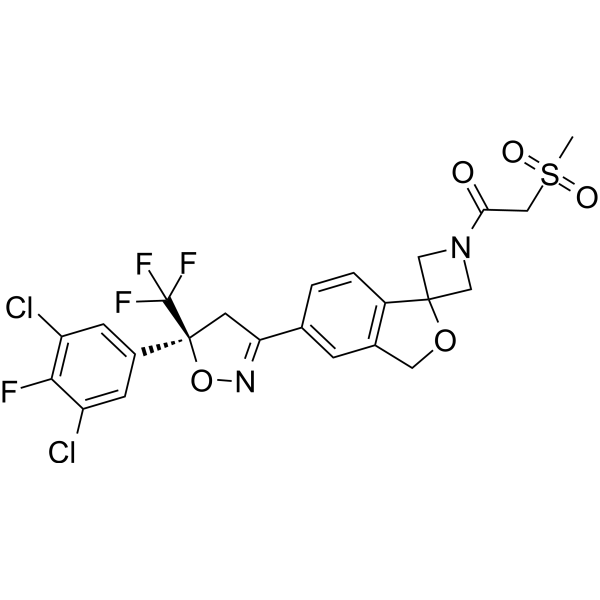
Sarolaner(PF-6450567)Featured
100 mg USD 450 · 250 mg USD 800 · 1 g USD 1,600Sarolaner (PF-6450567) is an orally active, broad-spectrum ectoparasiticide, has efficacy against fleas and ticks on dogs, with LC80 of 0.3 μg/mL against C. felis and an LC100 of 0.003 μg/mL against O. turicata[1].
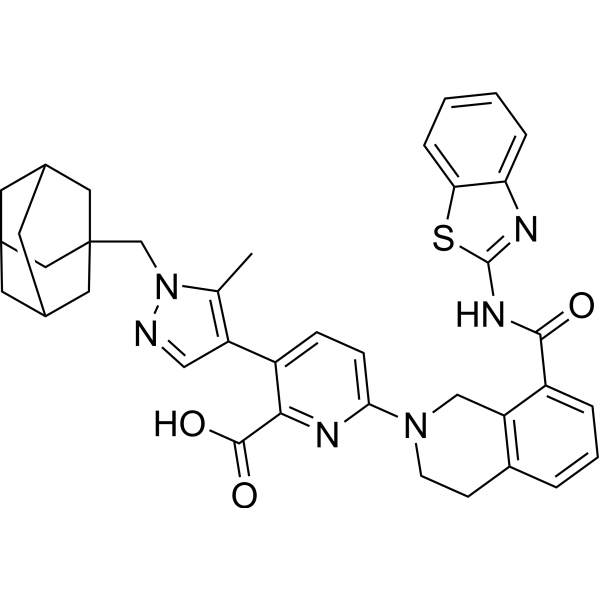
A-1331852Featured
100 mg USD 550 · 250 mg USD 950 · 1 g USD 2,200A-1331852 is an orally available BCL-XL selective inhibitor with a Ki of less than 10 pM.
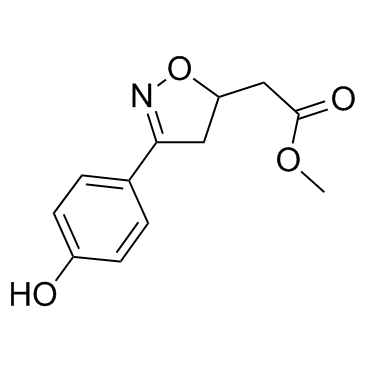
ISO-1Featured
50 mg USD 470.4 · 100mg USD 600 · 250mg USD 1,000 · 1g USD 2,000ISO-1 is a macrophage migration inhibitory factor (MIF) antagonist with an IC50 of 7 μM.
DNL343Featured
100mg USD 750 · 250mg USD 1,350 · 1g USD 2,700DNL343 is a potent, selective, and brain-penetrant eukaryotic translation initiation factor 2B (eIF2B) activator with ATF4 IC50 of 9.8 nM.
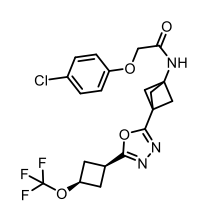
Yhhu-3792Featured
5 mg USD 400 · 10mg USD 650 · 25mg USD 950Yhhu-3792 is a novel small molecule that enhances the self-renewal capability of neural stem cells (NSCs) in vitro and in vivo via activating the Notch signaling pathway; activates Notch signaling pathway and promotes the expression of Notch target genes, Hes3 and Hes5; expands the NSCs pool and promotes endogenous neurogenesis in the hippocampal dentate gyrus (DG) after chronic administration in mice.
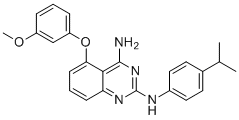
Cetirizine 2HClFeatured
1 g USD 300 · 10 mM * 1 mL in DMSO USD 150Cetirizine 2Hcl, a second-generation antihistamine, is a major metabolite of hydroxyzine, and a racemic selective H1 receptor inverse agonist used in the treatment of allergies, hay fever, angioedema, and urticaria.Cetirizine crosses the blood-brain barrier only slightly, reducing the sedative side-effect common with older antihistamines. It has also been shown to inhibit eosinophil chemotaxis and LTB4 release. At a dosage of 20 mg, Boone et al. found that it inhibited the expression of VCAM-1 in patients with atopic dermatitis. The levorotary enantiomer of cetirizine, known as levocetirizine, is the more active form. From Wikipedia.
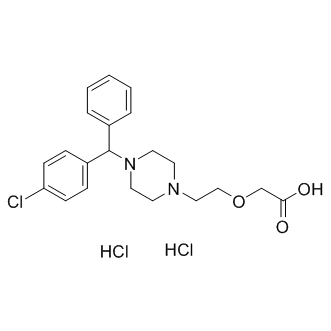
EPZ-719Featured
5 mg USD 750 · 10mg USD 1,100 · 25mg USD 1,800EPZ-719 is a novel and potent SETD2 inhibitor ( IC50 = 0.005 μM) with a high selectivity over other histone methyltransferases.
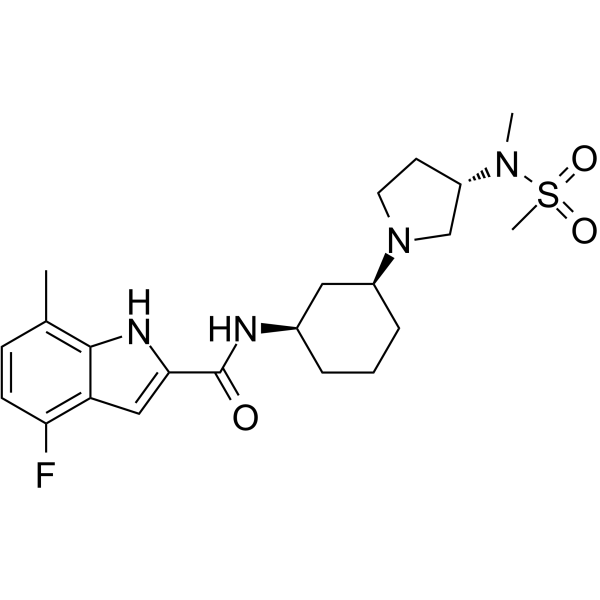
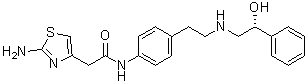
MirabegronFeatured
100 mg USD 150 · 250 mg USD 300 · 1 g USD 600 · 10 mM * 1 mL in DMSO USD 150Mirabegron is a selective β3-adrenoceptor agonist with EC50 of 22.4 nM.
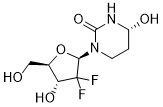
CedazuridineFeatured
5mg USD 650Cedazuridine (E7727) is a Cytidine Deaminase (CDA) inhibitor with an IC50 value of 0.4 μM[1].
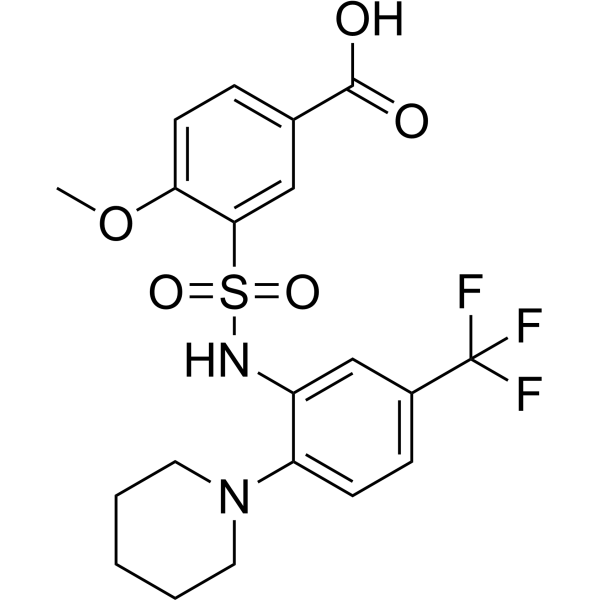
ERAP1-IN-1Featured
100mg USD 550 · 250mg USD 850 · 1g USD 1,800ERAP1-IN-1 is an endoplasmic reticulum aminopeptidase 1 (ERAP1) inhibitor. ERAP1-IN-1 competitively inhibits ERAP1 activity towards a nonamer peptide representative of physiological substrates.
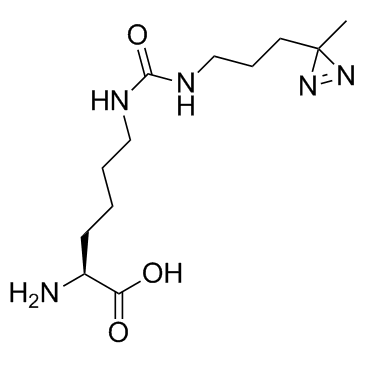
DiZPKFeatured
100 mg USD 800 · 250 mg USD 1,400 · 1 g USD 2,800 · 10 mM * 1 mL in DMSO USD 220DiZPK is a photocrosslinker for identifying direct protein-protein interactions in living prokaryotic and eukaryotic cells.
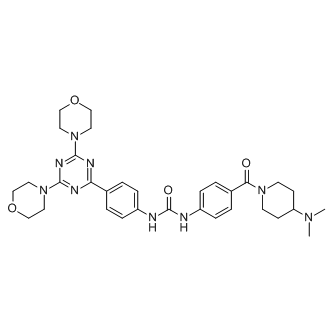
Gedatolisib(PKI-587)Featured
100 mg USD 450 · 250 mg USD 800 · 1 g USD 1,600 · 10 mM * 1 mL in DMSO USD 220Gedatolisib (PKI-587) is a highly potent dual inhibitor of PI3Kα, PI3Kγ, and mTOR with IC50s of 0.4 nM, 5.4 nM and 1.6 nM, respectively. PKI-587 is equally effective in both complexes of mTOR, mTORC1 and mTORC2.
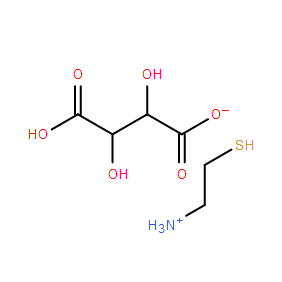
Cysteamine bitartrateFeatured
100 mg USD 300 · 250 mg USD 450 · 1 g USD 800 · 10 mM * 1 mL in DMSO USD 300Cysteamine bitartrate is available from DC Chemicals for laboratory research. Contact us for application-specific product information.
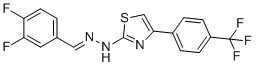
EGPI-1Featured
5 mg USD 450EGPI-1 is a potent small molecule that inhibits the translation initiation factors eIF4E/eIF4G interaction.EGPI-1 has potent antiproliferative and proapoptotic activity in multiple myeloma cells, Jurkat cells, and A549 lung cancer cell lines, inhibts A549 proliferation with IC50 of 2.61 uM, which is better than that of 4EGI-1 (IC50=58.6 uM), inhibits cancer cell growth by inhibiting eIF4E phosphorylation and inhibiting PI3K/Akt/mTOR signal pathway.EGPI-1 induces autophagy, apoptosis, G0/G1 cell cycle arrest and ROS generation in A549 cells, disrupts the mitochondrial membrane potential (∆ψ m).EGPI-1 demonstrated in vivo anti-tumor activities in A549-xenografted athymic mice (25 mg/kg/day, 50 mg/kg/day, i.p.).
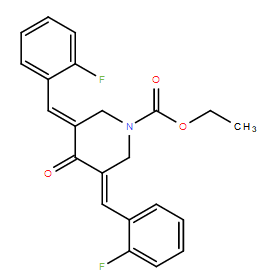
JAK2 inhibitor G5-7Featured
100 mg USD 550 · 250 mg USD 950 · 1 g USD 1,900 · 10 mM * 1 mL in DMSO USD 220JAK2 inhibitor G5-7 is a small molecule, allosteric JAK2 inhibitor that selectively inhibits JAK2-mediated phosphorylation and activation of EGFR and STAT3 by binding to JAK2; demonstrates inhibitor of U87MG/EGFR and U87MG/EGFRvIII with IC50 of 0.75 and 1.0 uM, arrests cell cycle at G2 phase in both U87MG/EGFRvIII and U87MG/EGFRvIII/PTEN cells; significantly inhibits EGFR Tyr1068 phosphorylation but has no effect on EGFR Tyr1045 phosphorylation; decreases GBM tumor volume and extends the life span of tumor-bearing nude mice after oral administration.
No products match this search.
Page 94 of 184 · Browse all 3666 products