
Research lipid catalog
Ionizable Lipid Products
Explore 848 lipid and RNA delivery products. Search the full catalog or browse by research category.
Search covers product name, catalog number, synonyms, available CAS numbers and categories. Spaces, hyphens and common punctuation are ignored. Duplicate legacy records are consolidated under one canonical product result.
4176 products · Showing 3681–3700 · 20 per page
DC Chemicals lipid expertise
Built for ionizable-lipid discovery and RNA delivery research
DC Chemicals supports formulation and delivery research with a broad, searchable portfolio of cationic and ionizable lipids. The current directory brings together 848 unique research-use products, with product specifications, pricing, chemical structures and literature-linked formulation data added as each record is verified.
Our experience spans complex lipid synthesis, purification, analytical release and process development. For custom molecules or larger-scale requirements, our team can discuss route development, technical specifications and scale-up options for the intended research workflow.
Learn about cationic and ionizable lipids →Proprietary innovation · Co-development · GMP
From proprietary lipid design to GMP-grade custom synthesis
DC Chemicals has independently developed ionizable-lipid structures supported by company-owned intellectual property, and selected proprietary lipid programs have advanced to GMP-stage development.
We welcome joint development with customers—from molecular design and lipid synthesis through route and process development. We can also support custom synthesis of GMP-grade ionizable lipids to agreed technical specifications and quality requirements.
Discuss a co-development project →Proprietary ionizable-lipid structuresCollaborative molecular designCustom lipid synthesisProcess development and scale-upGMP-grade project support
Product quick links
Explore New ionizable lipids
Explore our five most recently added ionizable lipids, with specifications, pricing and literature-linked product information.
DCL0028HX1Brain RNA delivery researchView product →DCL0024A1I4R13C18-2Spleen-targeted RNA delivery researchView product →DCL0023A1I4R2C18-2Spleen-targeted RNA delivery researchView product →DCL0022FS01Local joint RNA delivery researchView product →DCL0020Lipid-392Lung RNA delivery and gene editing researchView product →
Cat. No.Product NameField of ApplicationChemical Structure
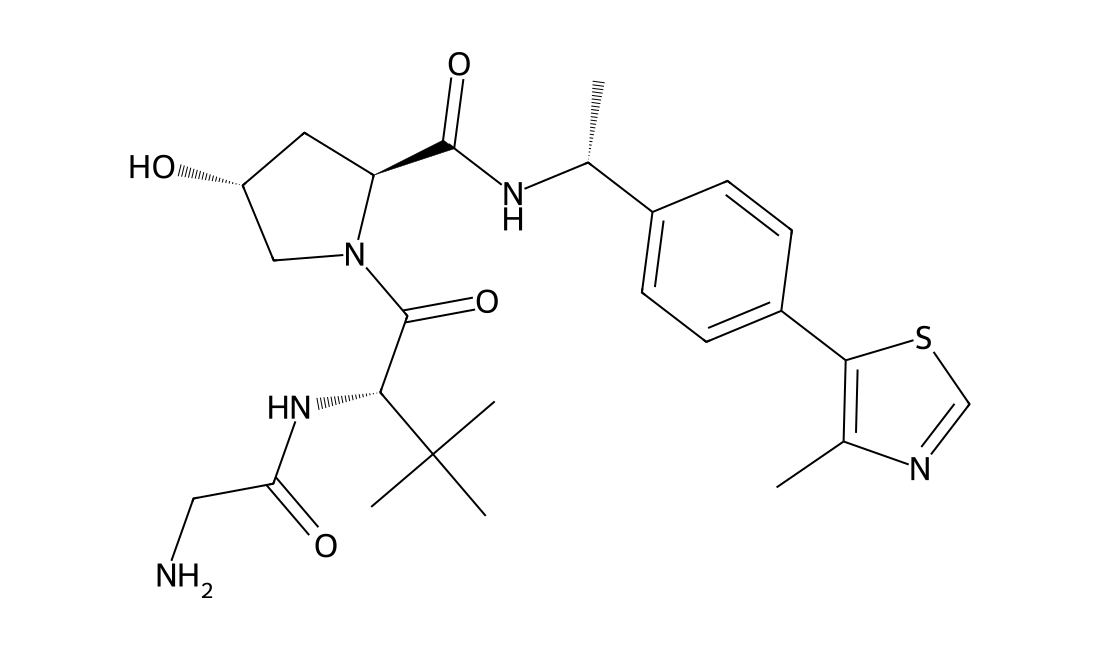
(S,R,S)-AHPC-Me-C1-NH2 is a novel PROTAC Building block.
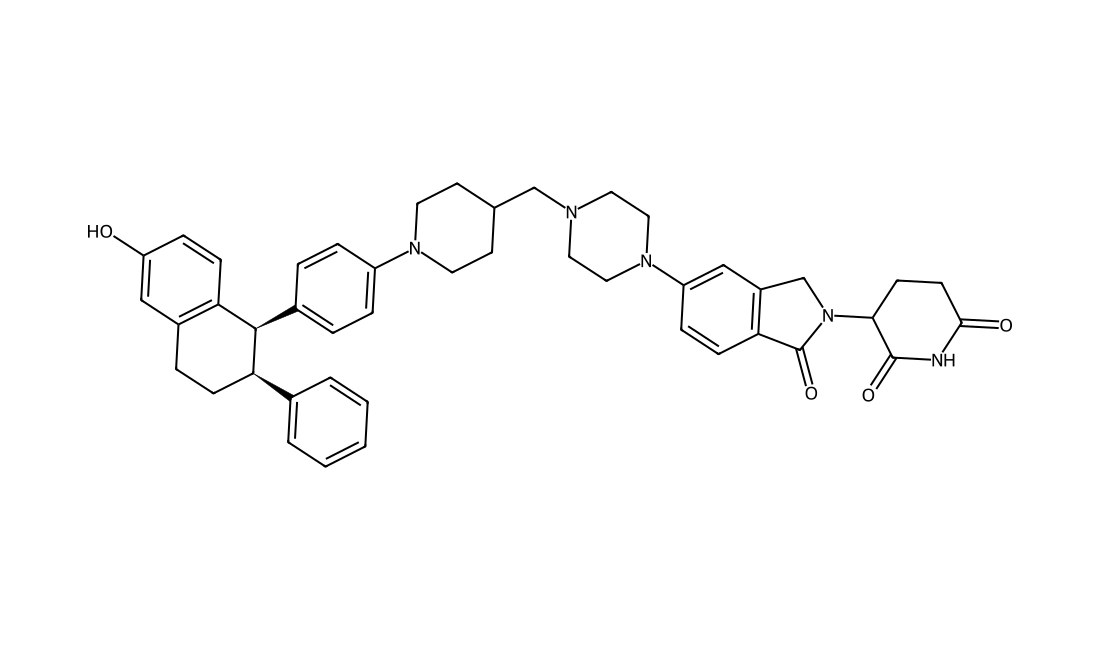
ARV471 is an orally bioavailable estrogen receptor-targeting (ER-targeting) PROTAC for the treatment of patients with locally advanced or metastatic ER+/HER2- breast cancer.
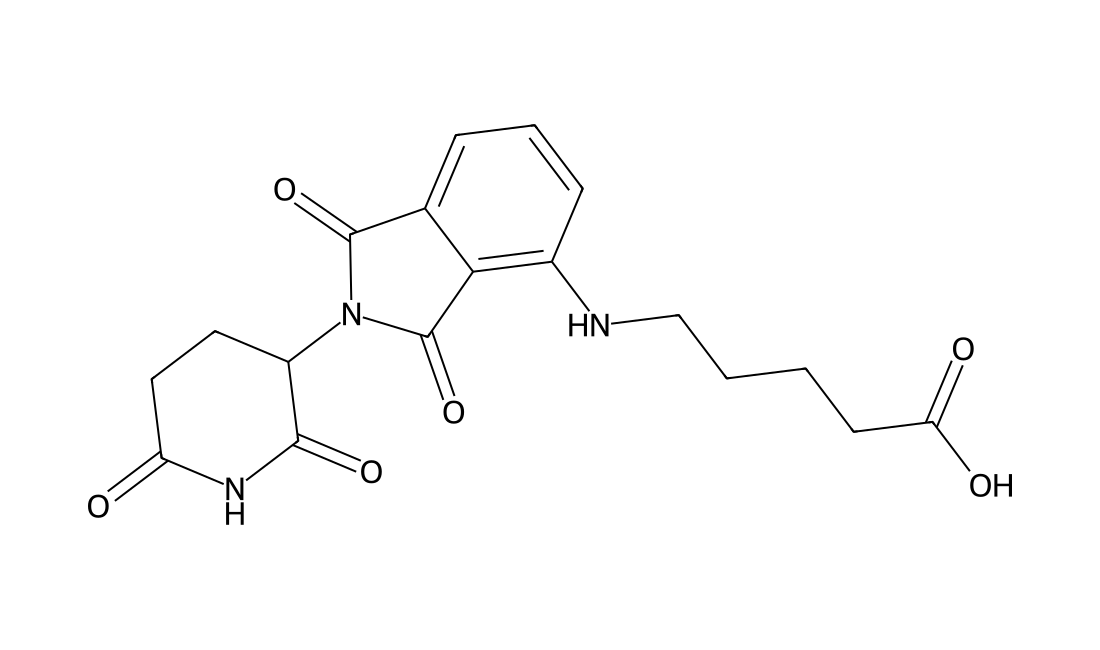
Pomalidomide 4'-alkylC4-acid (linker 16) is a E3 ligase ligand-linker conjugate. Pomalidomide 4'-alkylC4-acid contains a cereblon ligand, an alkylC4 chain, and a terminal acid. Pomalidomide 4'-alkylC4-acid can be used to couple with target protein ligands to synthesize PROTAC.
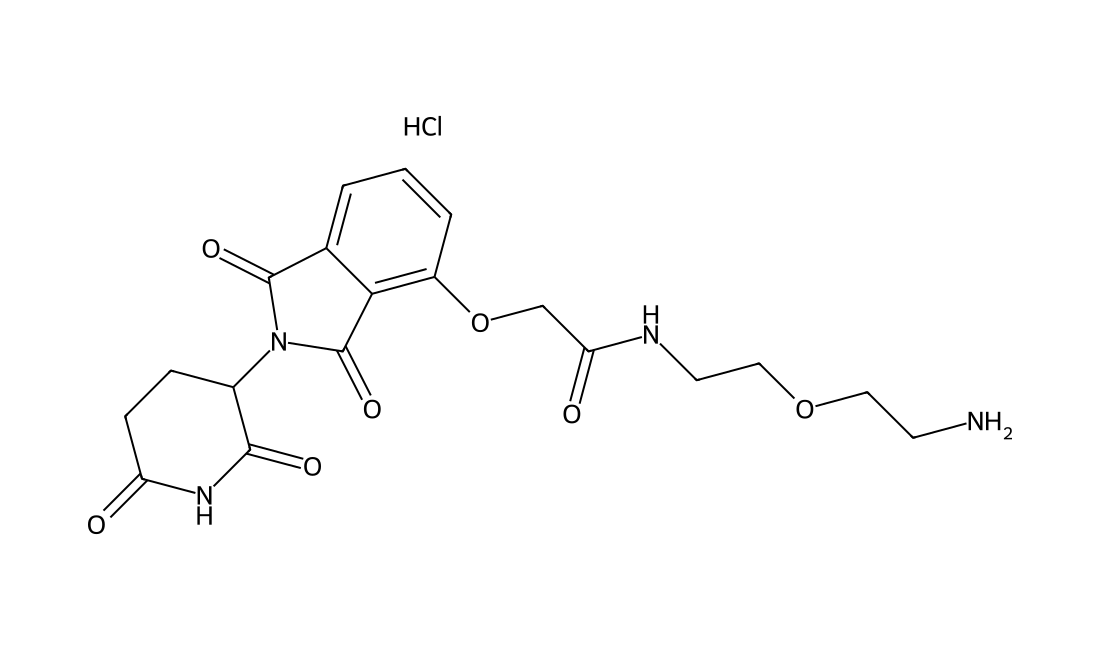
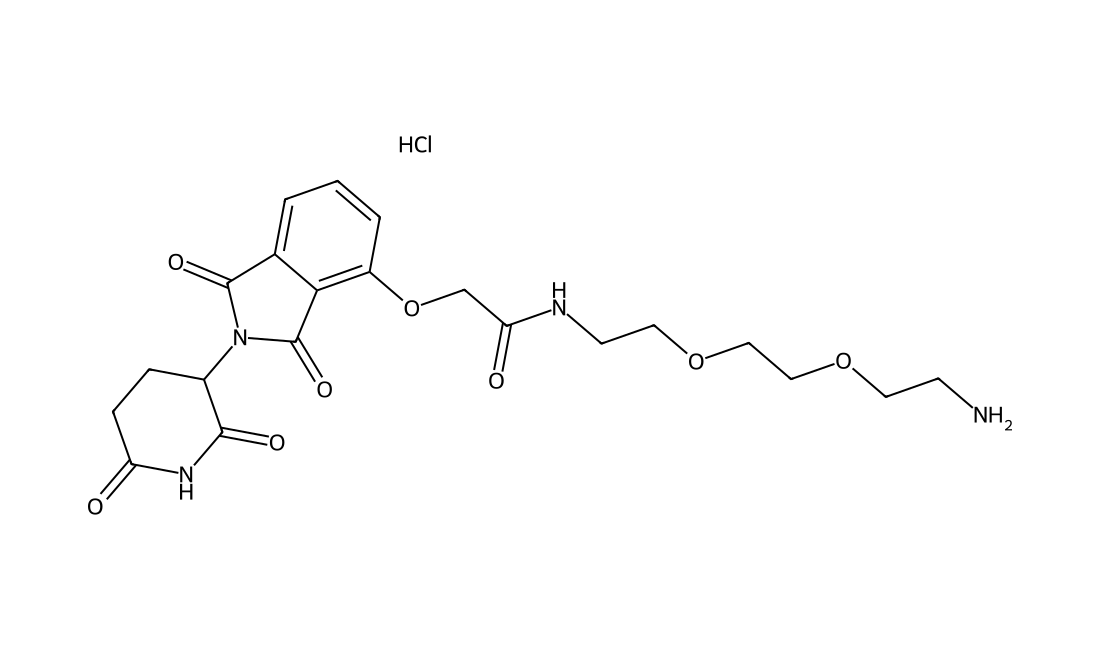
Thalidomide-O-amido-PEG-C2-NH2 hydrochloride, a synthesized E3 ligase ligand-linker conjugate that incorporates the Thalidomide based cereblon ligand and a linker, can be used in the synthesis of PROTACs.
Thalidomide-linker 14 is an E3 ligase ligand-linker conjugate used as a building block for PROTAC synthesis research.
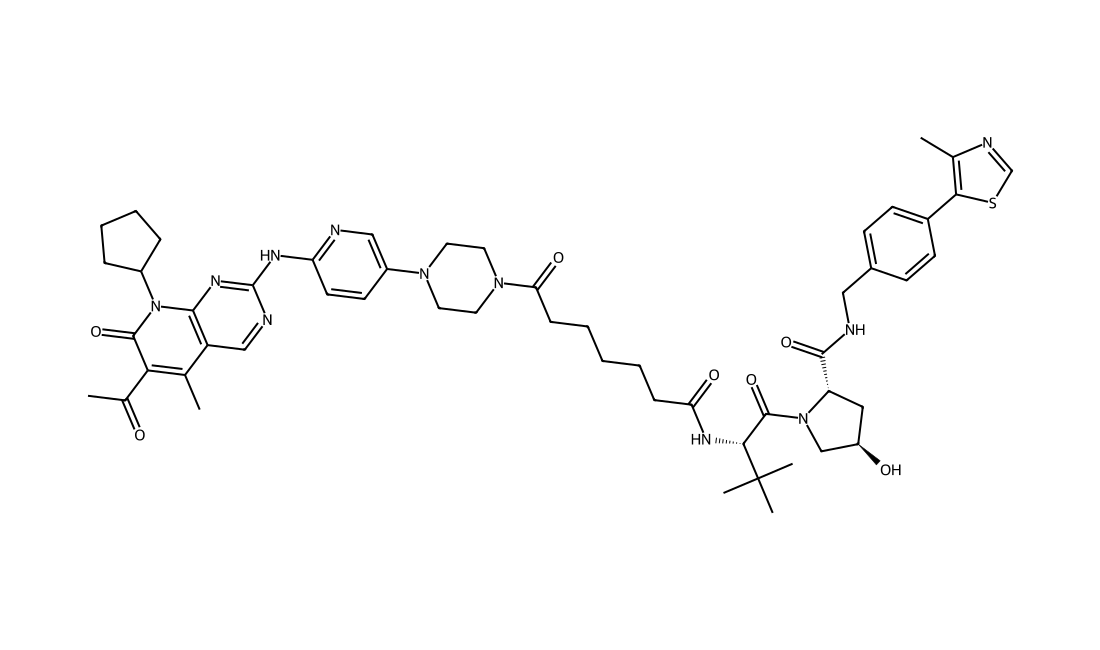
XY028-133 (example 14) is a PROTAC-based CDK4/6 degrader with anti-tumor activity, extracted from patent WO2018106870A1.
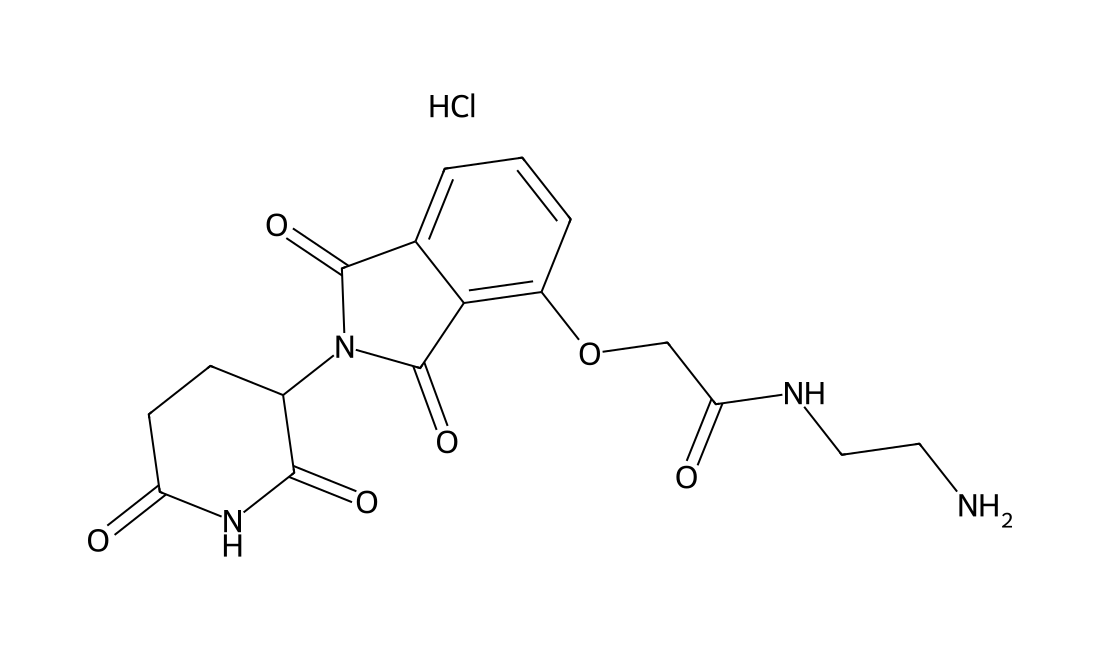
Thalidomide 4'-oxyacetamide-alkyl-C2-amine hydrochloride incorporates a cereblon (CRBN) ligand for the E3 ubiquitin ligase, and a linker. Thalidomide 4'-oxyacetamide-alkyl-C2-amine hydrochloride can be used to design the PROTACs.
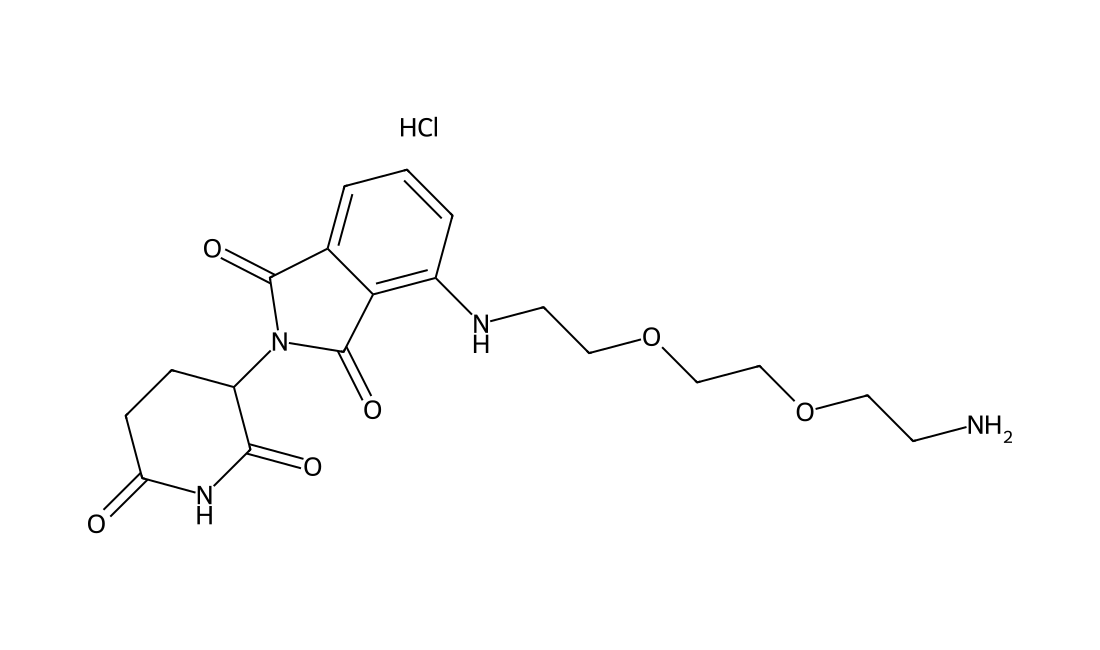
Thalidomide-PEG2-C2-NH2 hydrochloride is a synthesized E3 ligase ligand-linker conjugate that incorporates the Thalidomide based cereblon ligand and 2-unit PEG linker used in PROTAC technology.
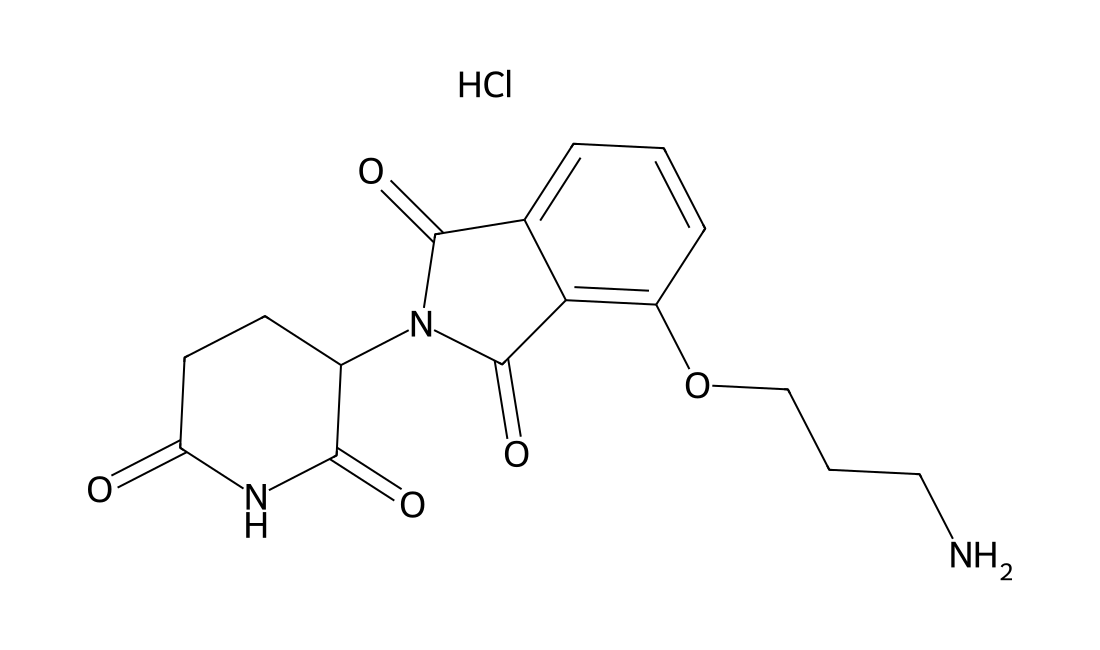
Thalidomide-4-O-C3-NH2 hydrochloride is a synthesized E3 ligase ligand-linker conjugate that incorporates the Thalidomide based cereblon ligand and a linker used in PROTAC technology.
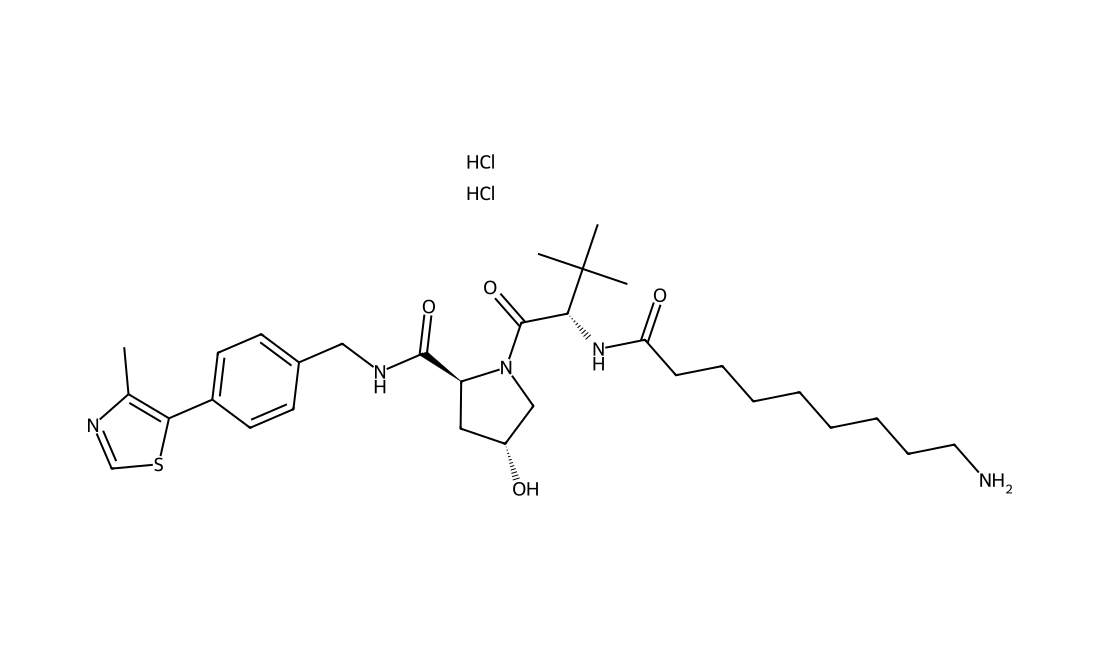
(S,R,S)-AHPC-C8-NH2 dihydrochloride (VH032-C8-NH2 dihydrochloride) is a synthesized E3 ligase ligand-linker conjugate that incorporates the VH032 based VHL ligand and a linker used for AKT PROTAC degrader. (S,R,S)-AHPC-C8-NH2 is XF038-164A, example 8, extracted from patent WO2019173516A1.
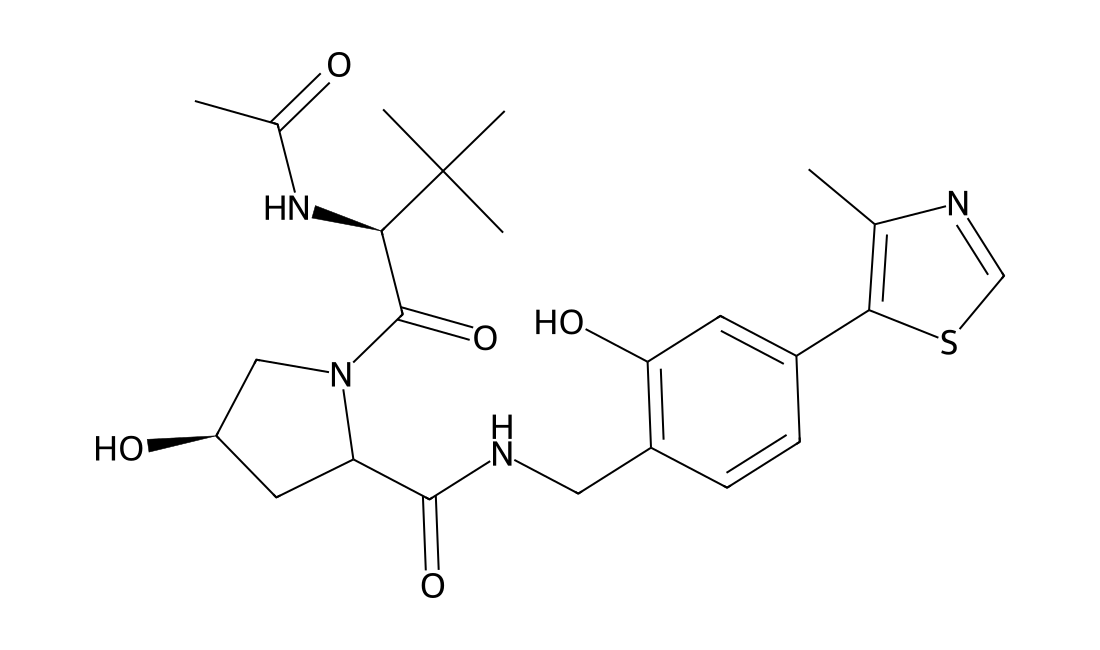
VH032-OH is the VH032-based VHL ligand. VH032-OH can be connected to the ligand for protein by a linker to form PROTACs.
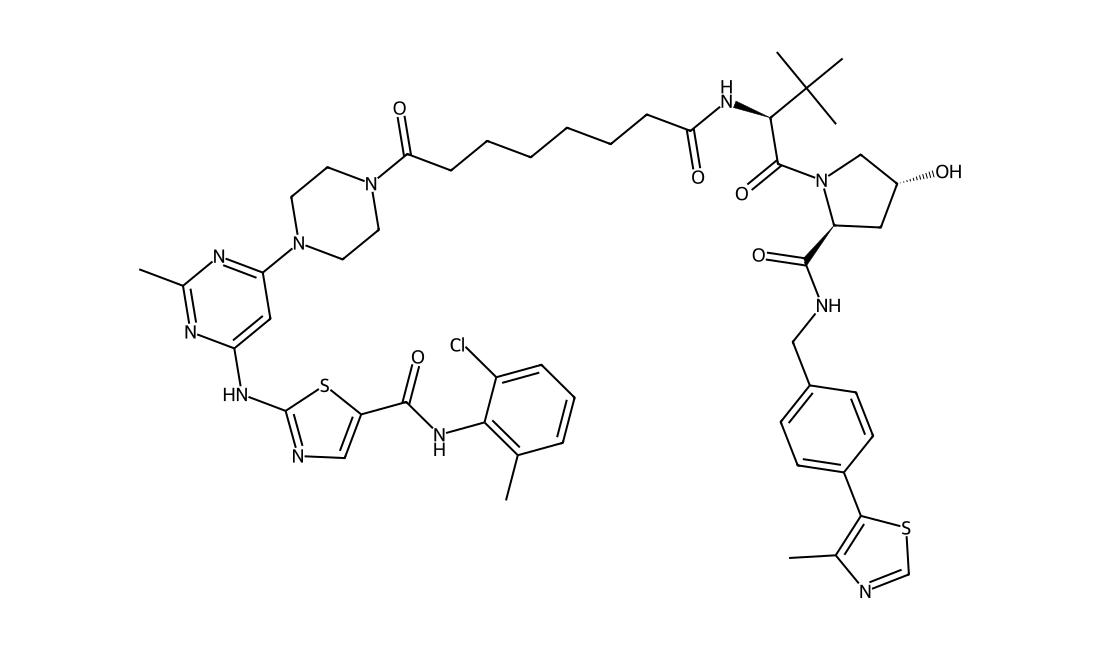
SIAIS178 is a potent and selective BCR-ABL degrader based on PROTAC technology with an IC50 of 24 nM. SIAIS178 causes effective degradation of BCR-ABL protein by recruiting Von Hippel-Lindau (VHL) E3 ubiquitin ligase. SIAIS178 has anticancer activity.
SK2188 is a highly efficient and selective PROTAC degrader targeting AURKA (DC50 = 3.9 nM). SK2188 induces DNA damage and cell apoptosis. SK2188 indirectly degrades MYCN, inhibits tumor cell proliferation, and provides insights into the study of MYCN-amplified neuroblastoma.
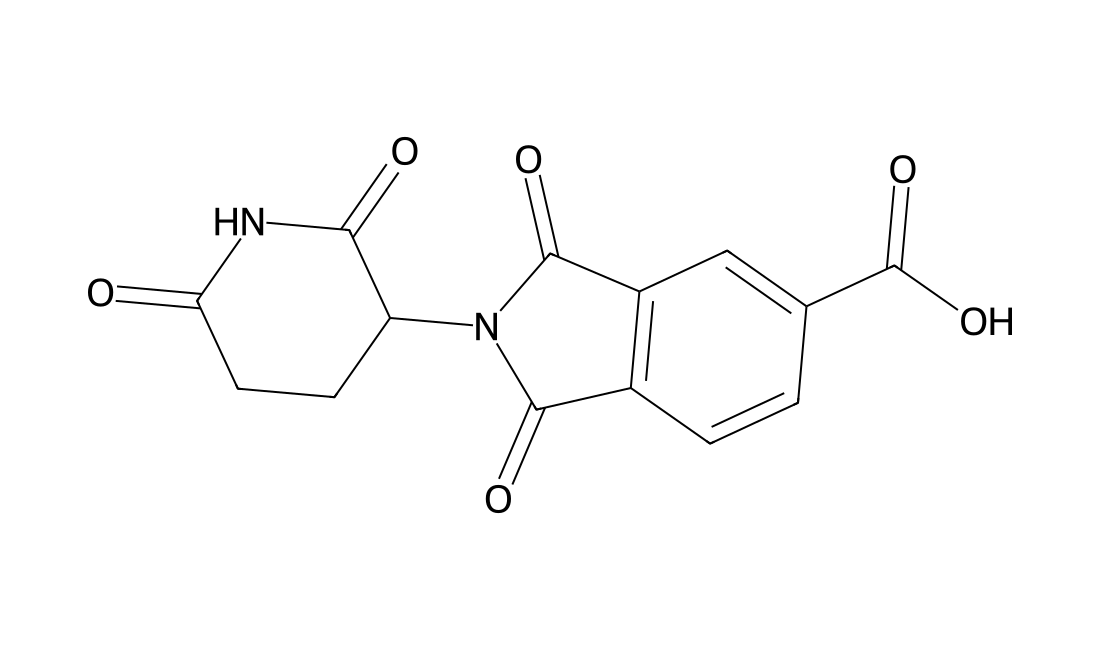
Thalidomide-5-COOH is the Thalidomide-based cereblon ligand used in the recruitment of CRBN protein. Thalidomide-5-COOH can be connected to the ligand for protein by a linker to form PROTACs.
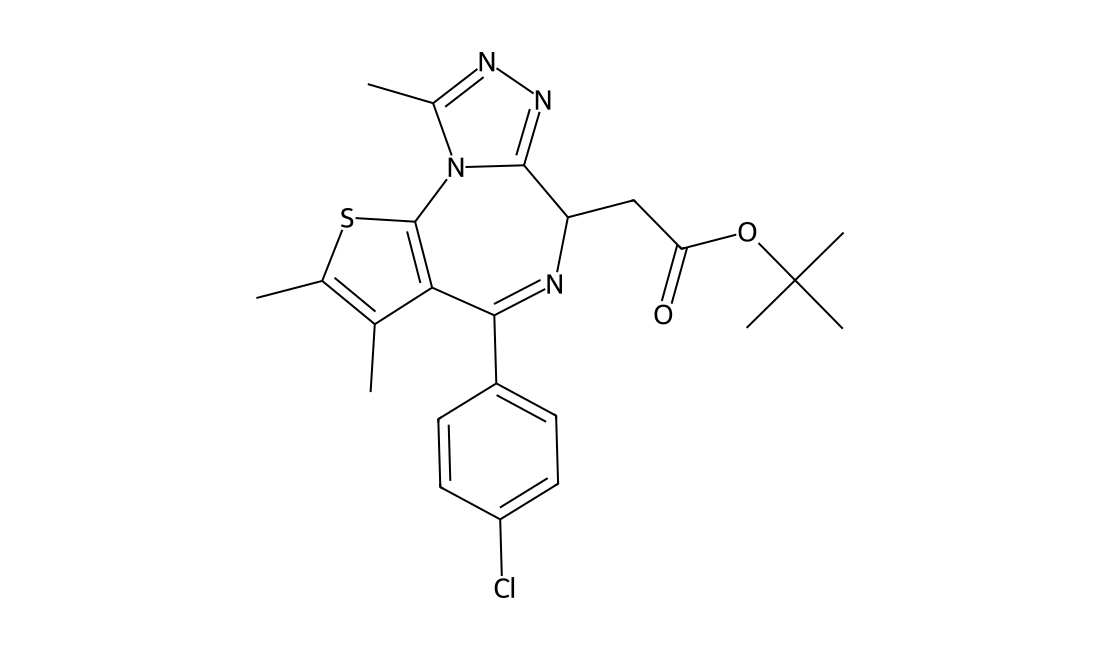
(±)-JQ1 is the racemate of (+)-JQ-1 (HY-13030).
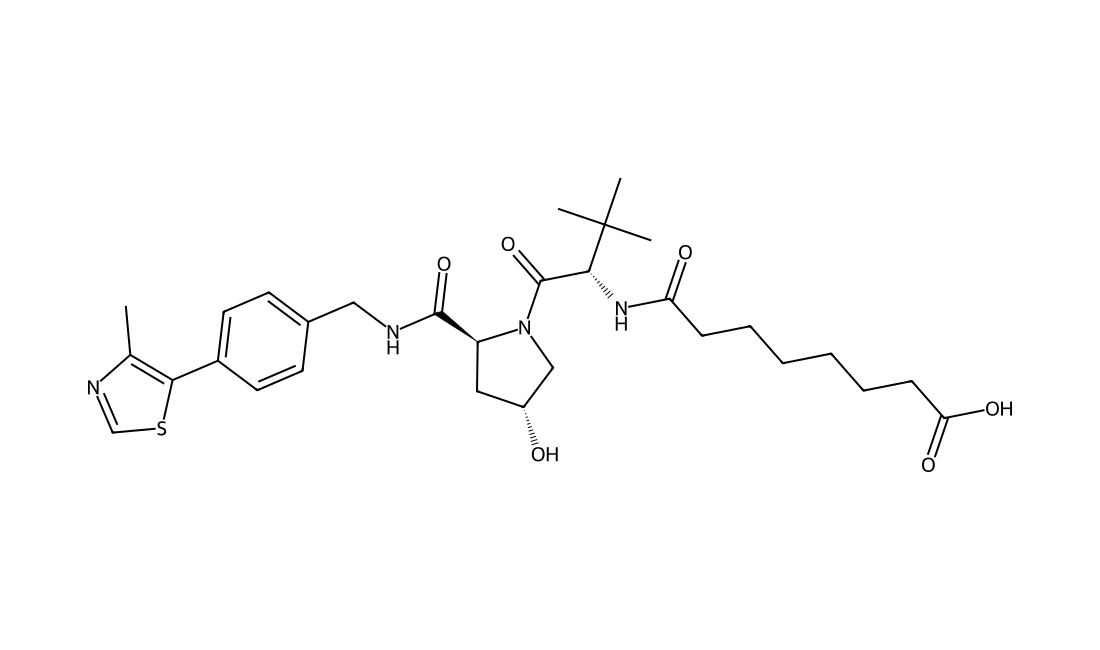
VH 032 amide-alkylC6-acid ((S,R,S)-AHPC-CO-C6-COOH) is a VH032 analog that acts as a ligand for VHL, recruiting von Hippel-Lindau (VHL) protein. VH 032 amide-alkylC6-acid can be used in the synthesis of PROTACs.
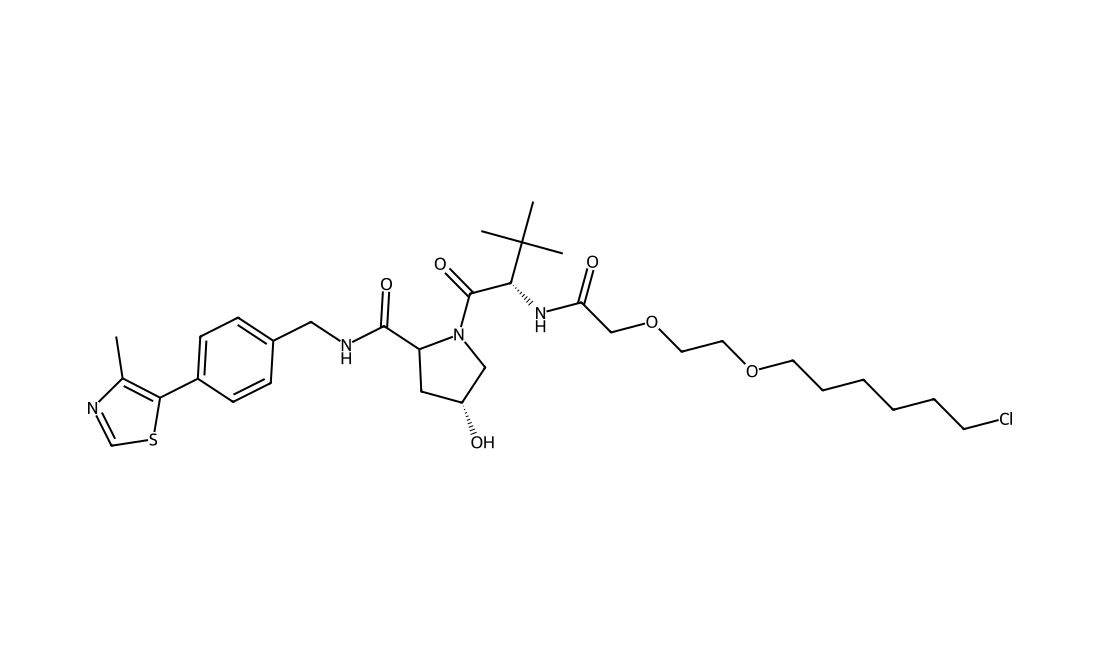
(S,R,S)-AHPC-PEG2-C4-Cl (VH032-PEG2-C4-Cl) is a conjugate of ligands for E3 and 13-atom-length linker. The connector of linker is Halogen group. (S,R,S)-AHPC-PEG2-C4-Cl incorporates the (S,R,S)-AHPC based VHL ligand and an alkyl/ether-based linker. (S,R,S)-AHPC-PEG2-C4-Cl is capable of inducing the degradation of GFP-HaloTag7 in cell-based assays.
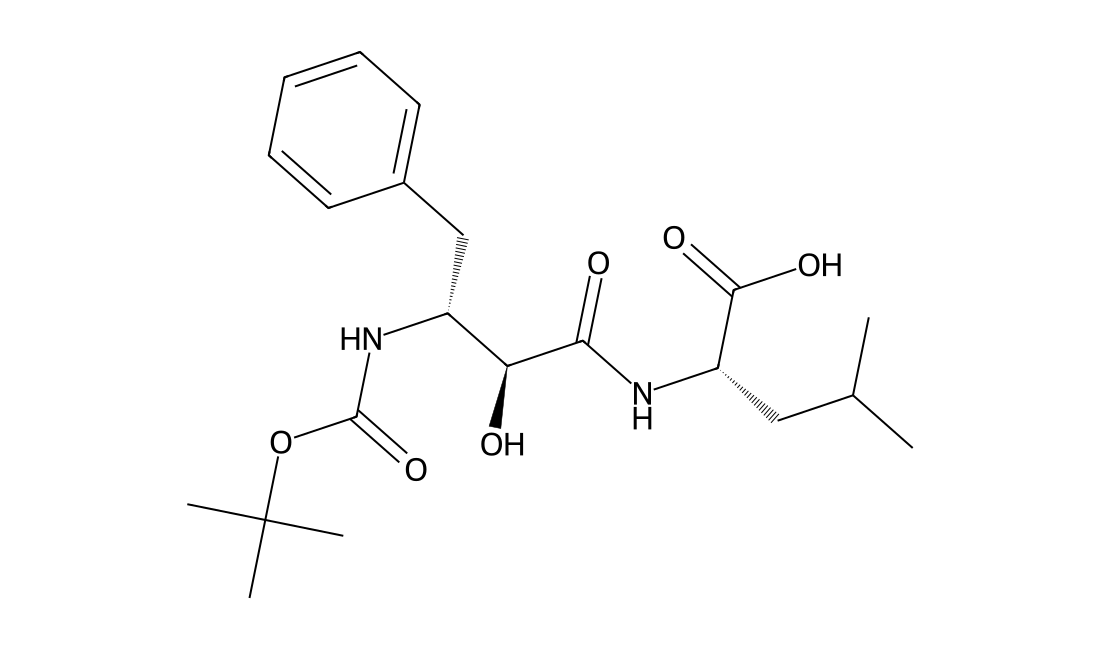
E3 ligase Ligand 9 is a ligand for E3 ubiquitin ligase. E3 ligase Ligand 9 can be connected to the ligand for protein by a linker to form PROTACs or SNIPERs. PROTACs are inducers of ubiquitination-mediated degradation of cancer-promoting proteins.
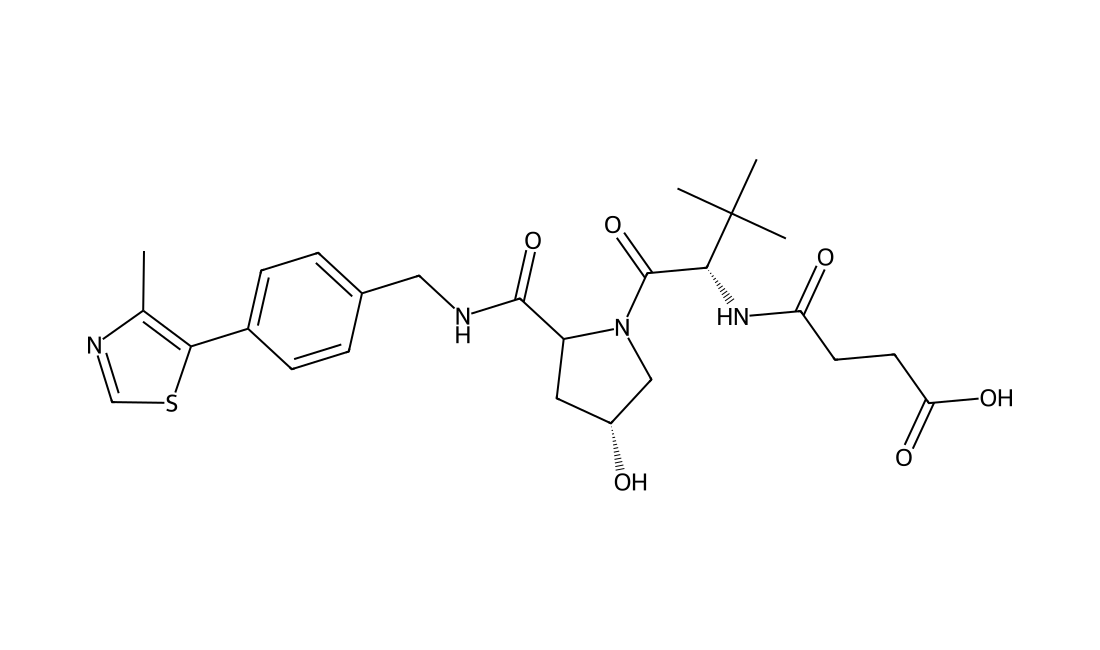
(S,R,S)-CO-C2-acid (VH 032 amide-alkylC2-acid) is a functionalized von-Hippel-Lindau (VHL) protein ligand that can be used in PROTAC research and development. (S,R,S)-CO-C2-acid contains an E3 ligand alkyl ligand for conjugation of target protein ligands.
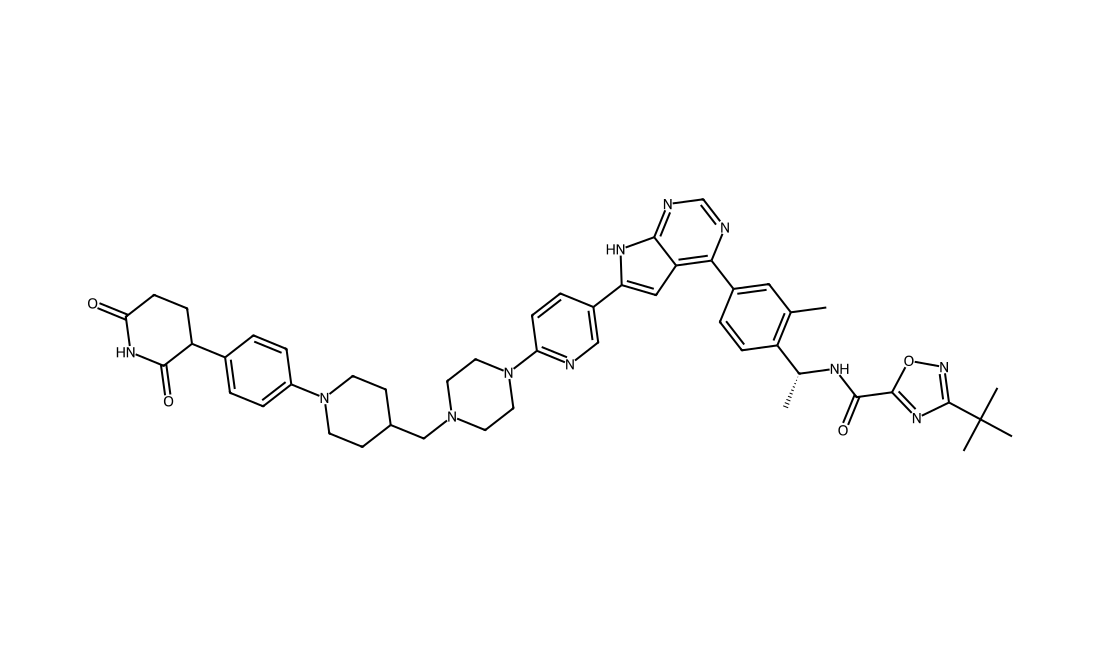
PROTAC BTK Degrader-11 is a PROTAC degrader that can break down BTK, with a DC50 of 1.7 nM.
No products match this search.
Page 185 of 209 · Browse all 4176 products
Jump to a product page
Featured literature product: HX1 · DCL0028
HX1 is a hydroxyzine-derived ionizable lipid with acetal-containing tails, studied in lipid nanoparticles for brain mRNA delivery and CRISPR–Cas9 delivery. It was the lead in the reported in vivo brain-delivery screen; evidence is preclinical and formulation-dependent.
Read full formulation and performance →