
Research lipid catalog
Ionizable Lipid Products
Explore 848 lipid and RNA delivery products. Search the full catalog or browse by research category.
Search covers product name, catalog number, synonyms, available CAS numbers and categories. Spaces, hyphens and common punctuation are ignored. Duplicate legacy records are consolidated under one canonical product result.
4677 products · Showing 4401–4420 · 20 per page
DC Chemicals lipid expertise
Built for ionizable-lipid discovery and RNA delivery research
DC Chemicals supports formulation and delivery research with a broad, searchable portfolio of cationic and ionizable lipids. The current directory brings together 848 unique research-use products, with product specifications, pricing, chemical structures and literature-linked formulation data added as each record is verified.
Our experience spans complex lipid synthesis, purification, analytical release and process development. For custom molecules or larger-scale requirements, our team can discuss route development, technical specifications and scale-up options for the intended research workflow.
Learn about cationic and ionizable lipids →Proprietary innovation · Co-development · GMP
From proprietary lipid design to GMP-grade custom synthesis
DC Chemicals has independently developed ionizable-lipid structures supported by company-owned intellectual property, and selected proprietary lipid programs have advanced to GMP-stage development.
We welcome joint development with customers—from molecular design and lipid synthesis through route and process development. We can also support custom synthesis of GMP-grade ionizable lipids to agreed technical specifications and quality requirements.
Discuss a co-development project →Proprietary ionizable-lipid structuresCollaborative molecular designCustom lipid synthesisProcess development and scale-upGMP-grade project support
Product quick links
Explore New ionizable lipids
Explore our five most recently added ionizable lipids, with specifications, pricing and literature-linked product information.
DCL0028HX1Brain RNA delivery researchView product →DCL0024A1I4R13C18-2Spleen-targeted RNA delivery researchView product →DCL0023A1I4R2C18-2Spleen-targeted RNA delivery researchView product →DCL0022FS01Local joint RNA delivery researchView product →DCL0020Lipid-392Lung RNA delivery and gene editing researchView product →
Cat. No.Product NameField of ApplicationChemical Structure
TP0427736Featured
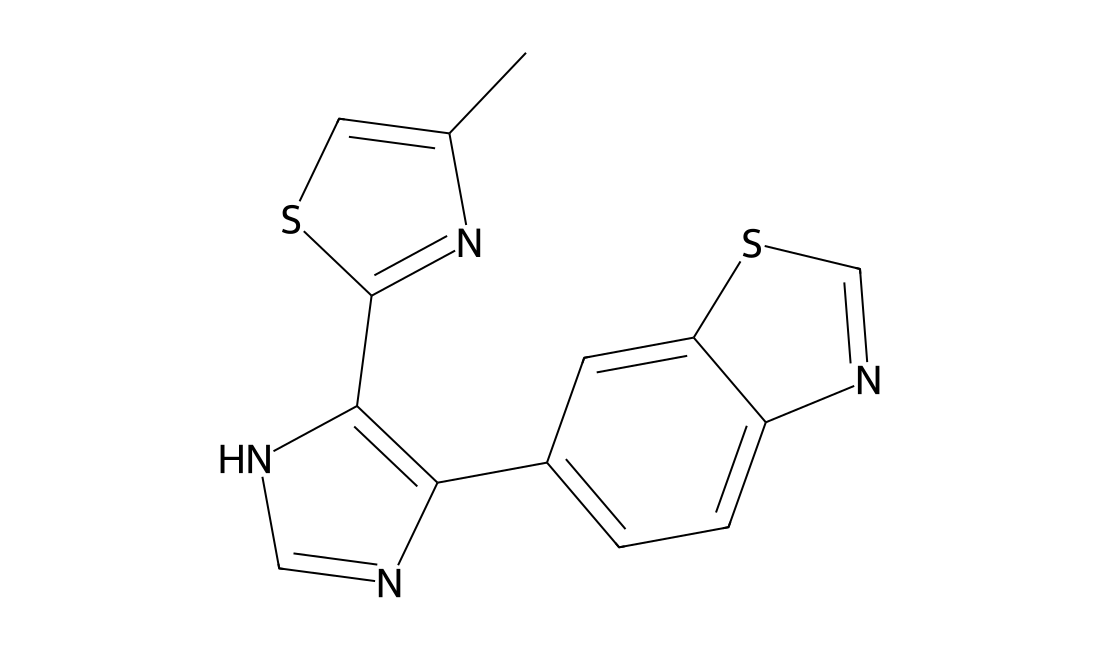
TP0427736 is a highly selective inhibitor of ALK5, demonstrating potent activity with an IC50 of 2.72 nM. It effectively suppresses Smad2/3 phosphorylation in A549 cells, highlighting its ability to modulate TGF-β signaling pathways. Additionally, TP0427736 has been shown to reduce the growth inhibition of human outer root sheath cells, suggesting its potential therapeutic utility in conditions where ALK5-mediated signaling plays a critical role. This compound represents a promising tool for investigating ALK5-related biological processes and developing targeted treatments for diseases involving aberrant TGF-β signaling.
3-sucCAFeatured
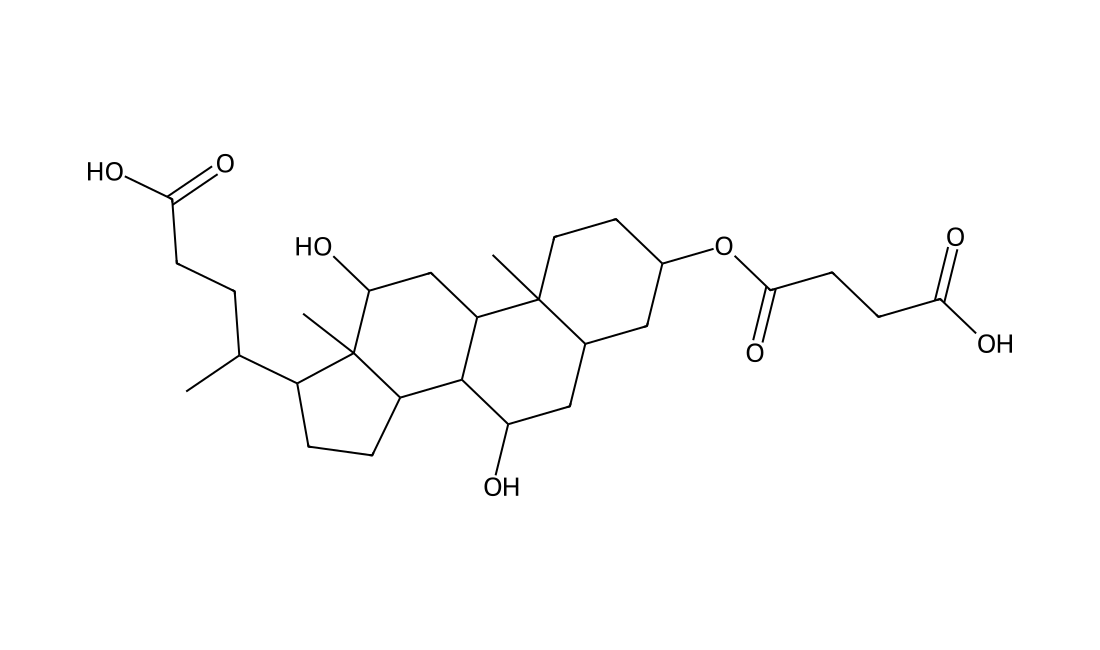
3-Succinylated cholic acid (3-sucCA) is a microbially derived bile acid that plays a significant role in gut health and metabolic regulation. As a lumen-restricted metabolite, 3-sucCA has been shown to mitigate the progression of metabolic-associated fatty liver disease (MAFLD) to metabolic-associated steatohepatitis (MASH) in mouse models. Its protective effects are primarily attributed to its ability to reshape the gut microbiota, particularly by enhancing the growth of Akkermansia muciniphila, a beneficial bacterium associated with improved metabolic health. Notably, patients with biopsy-confirmed MAFLD exhibit reduced levels of 3-sucCA, underscoring its potential as a biomarker and therapeutic target for managing metabolic liver diseases. This unique metabolite highlights the intricate interplay between gut microbiota and liver health, offering promising avenues for intervention.
BBO-8520Featured
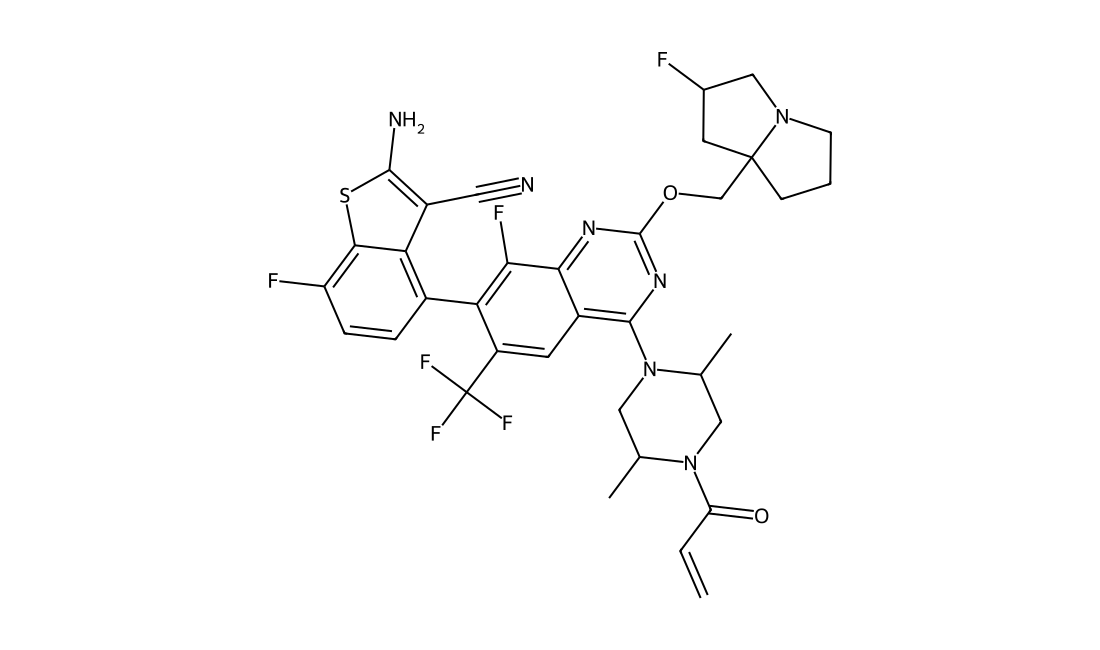
BBO-8520 represents a groundbreaking first-in-class covalent inhibitor that uniquely targets both the active (ON) and inactive (OFF) states of KRAS-G12C. Through comprehensive global cysteine proteome analysis, BBO-8520 demonstrates exceptional binding specificity to KRAS-G12C, showcasing a remarkable selectivity of over 100-fold compared to wild-type KRAS and other mutant isoforms. Notably, BBO-8520 exhibits no detectable activity against N-RAS or H-RAS, underscoring its precision in selectively inhibiting KRAS-G12C. This distinctive profile positions BBO-8520 as a promising therapeutic candidate for addressing KRAS-G12C-driven cancers, offering a novel approach to targeting this historically challenging oncogenic mutation.
JNJ-28583113Featured
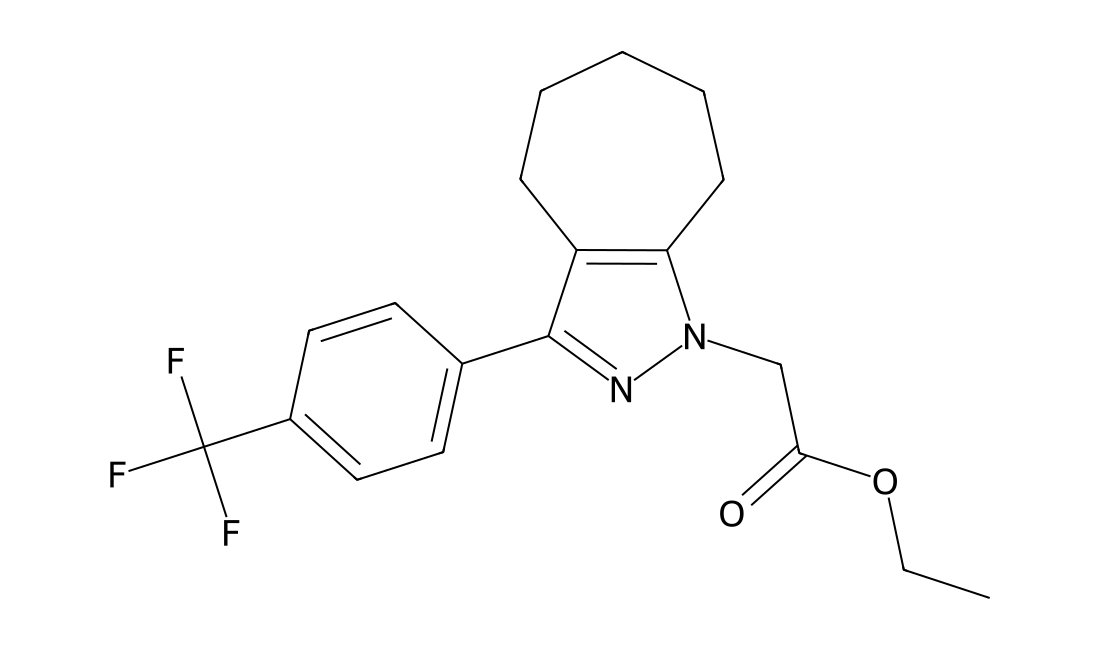
JNJ-28583113 (JNJ28583113) a potent, selective, brain penetrant TRPM2 antagonist with IC50 of 126 nM (hTRPM2).JNJ-28583113 shows similar potency against species chimpanzee and rat TRPM2 with IC50 of 100 and 25 nM, respectively.JNJ-28583113 shows no significant (IC50>10 uM) reactivity towards PARP or PARG and a panel for multiple known kinases GPCRs and ion channels, nine other TRP channels with exception of TRPM5 (IC50<1 uM).Blocking TRPM2 via JNJ-28583113 caused phosphorylation of GSK3α and β subunits in cell assays.JNJ-28583113 also protected cells from oxidative stress induced cell death as well as morphological changes induced by non-cytotoxic concentrations of H2O2。JNJ-28583113 blunted cytokine release in response to pro-inflammatory stimuli in microglia.JNJ-28583113 was brain penetrant but not suitable for systemic dosing as it was rapidly metabolized in vivo, but the in-vitro pharmacology of JNJ-28583113 is the best in class.
SABA1Featured
SABA1 is an antibacterial agent effective against Pseudomonas aeruginosa and Escherichia coli. It works by inhibiting biotin carboxylase (BC), an enzyme that catalyzes the first step of the acetyl-CoA carboxylase (ACC) reaction, a process essential for bacterial fatty acid synthesis. What makes SABA1 particularly notable is its atypical inhibition mechanism: it binds to the biotin binding site of BC in the presence of ADP. This unique mode of action distinguishes SABA1 as a promising candidate for the development of new antibiotics, offering a potential solution to the growing challenge of antimicrobial resistance.
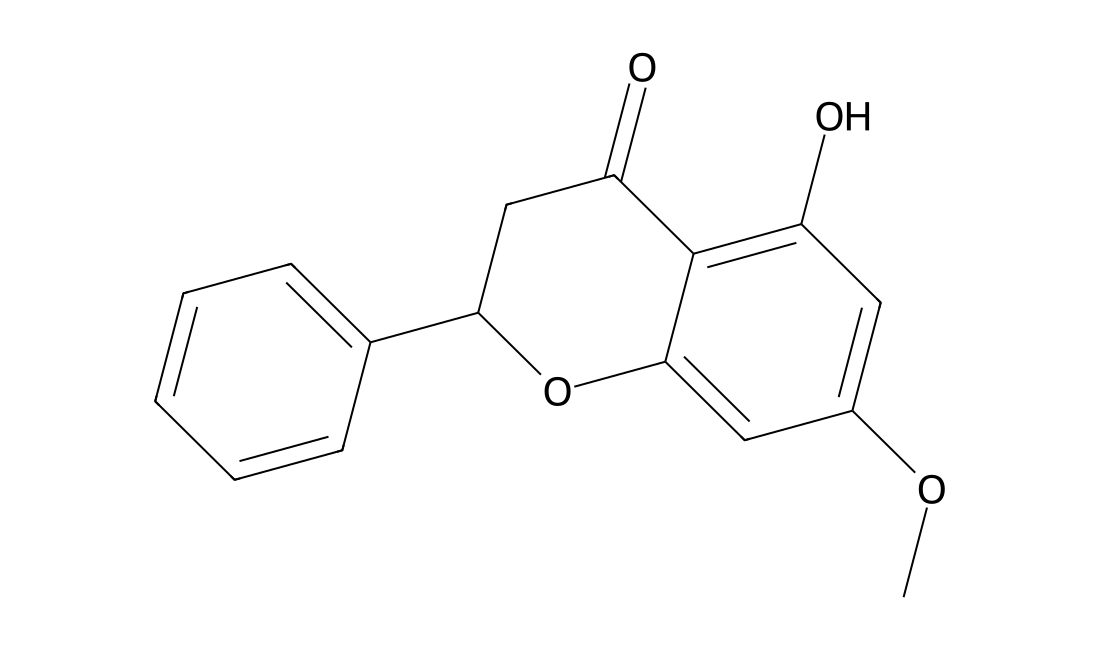
PinostrobinFeatured
Pinostrobin is a flavonoid with diverse biological activities, including antioxidant, anti-inflammatory, and anticancer properties. Pinostrobin is a dietary bioflavonoid discovered more than 6 decades ago in the heart-wood of pine (Pinus strobus). Pinostrobin has depicted many pharmacological activities including anti-viral, anti-oxidant, anti-leukaemic, anti-inflammatory and anti-aromatase activities. It is an inhibitor of sodium channel and Ca(2+) signalling pathways and also inhibits intestinal smooth muscle contractions.
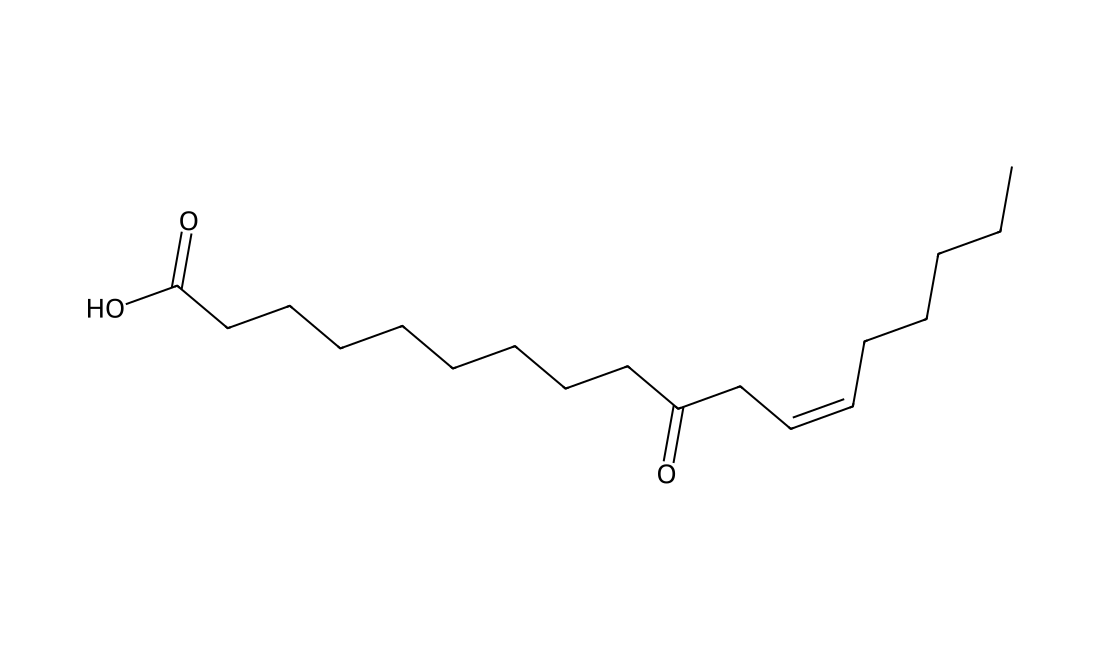
10-Oxo-12(Z)-octadecenoic acidFeatured
10-oxo-12(Z)-Octadecenoic acid is a metabolite of linoleic acid and an activator of transient receptor potential vanilloid 1 (TRPV1). It is formed from linoleic acid by conjugated linoleic acid dehydrogenase (CLA-DH) via a 10-hydroxy-12(Z)-octadecenoic acid intermediate and can also be produced from linoleic acid by gut microbiota.1 10-oxo-12(Z)-Octadecenoic acid (100 µM) selectively increases calcium levels in HEK293 cells expressing TRPV1 over those expressing TRPV2, TRPV3, TRPV4, and TRP melastatin 8 (TRPM8). It also induces inward currents in HEK293 cells expressing TRPV1, an effect that can be blocked by the TRPV1 antagonist capsazepine (Item No. 10007518). Dietary administration of 10-oxo-12(Z)-octadecenoic acid (0.1% w/w) reduces weight gain and adipose tissue weight and increases the expression of the gene encoding mitochondrial uncoupling protein 1 (Ucp1) in wild-type, but not Trpv1 knockout, mice fed a high-fat diet. It also decreases plasma glucose and triglyceride levels in diabetic KKAy mice fed a high-fat diet.
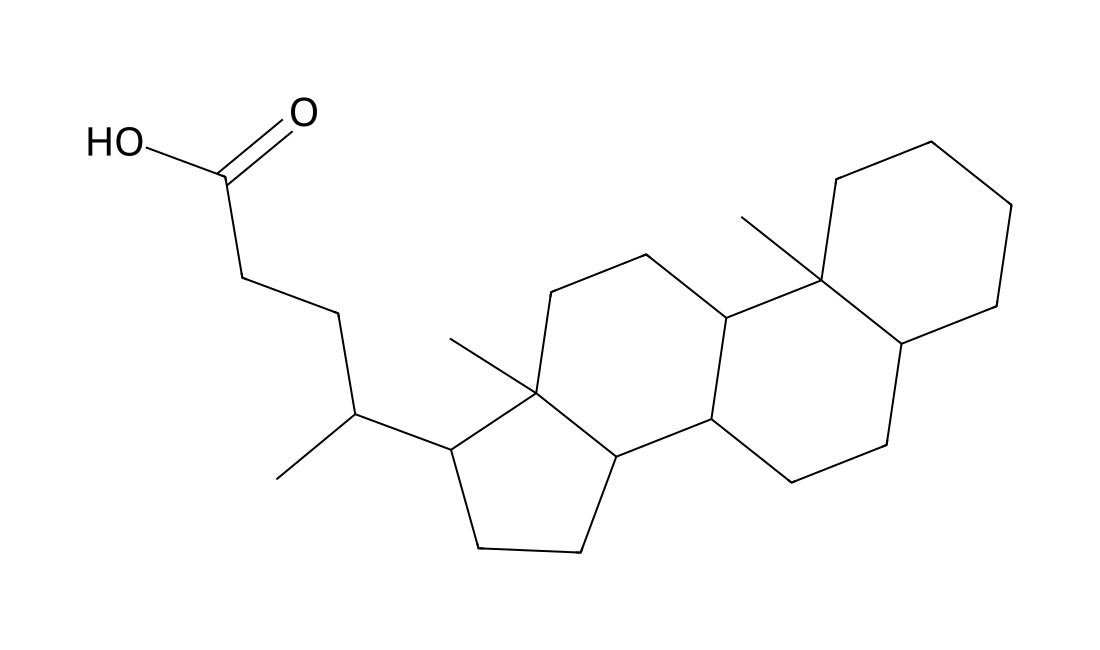
5β-Cholanic acidFeatured
5β-Cholanic acid can be used for 5β-Cholanic acid derivatives synthesis.
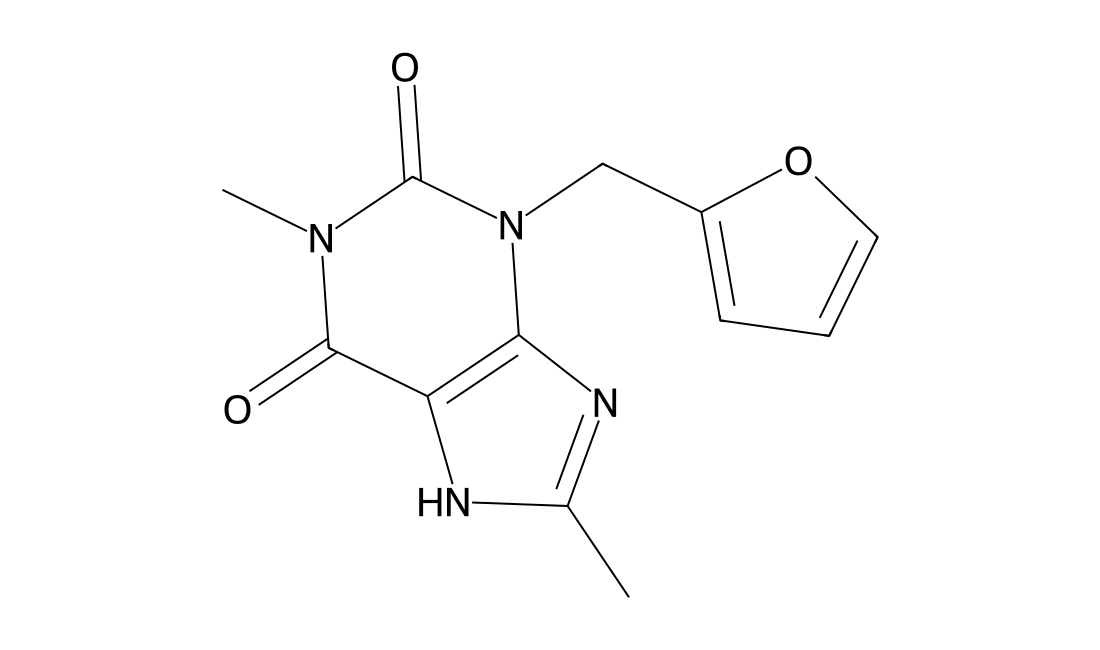
FurafyllineFeatured
Furafylline is a potent and selective inhibitor of human cytochrome P450IA2 with an IC50 of 0.07 μM.
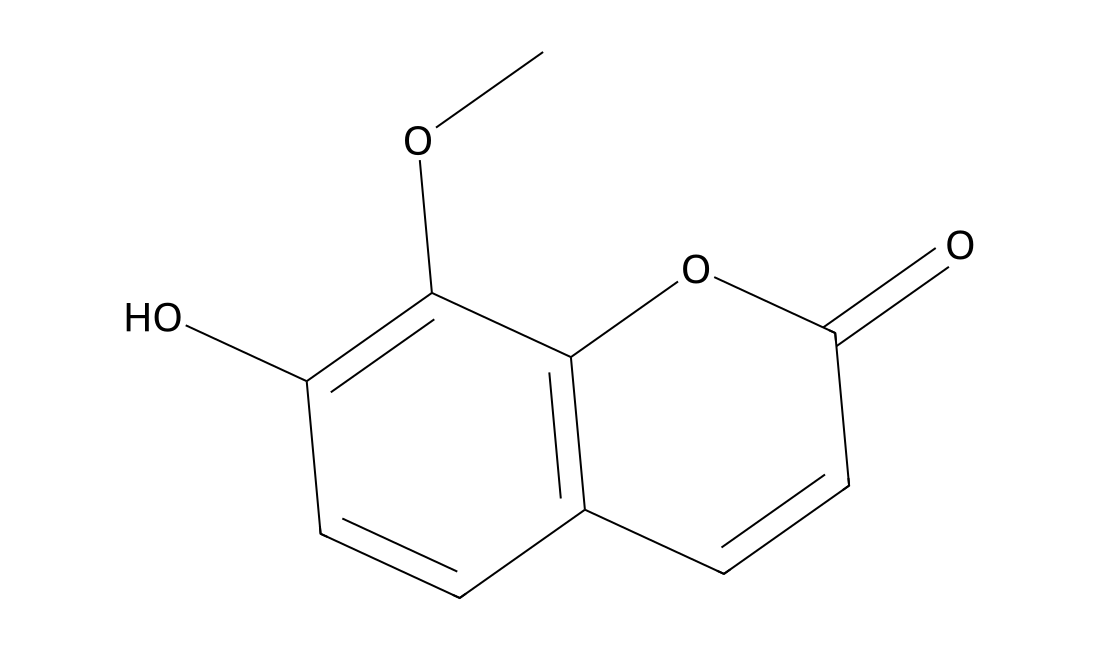
HydrangetinFeatured
Hydrangetin is a bioactive compound that has been identified as having antiplatelet aggregation properties, meaning it can help prevent blood clots by inhibiting the clumping together of platelets. This compound can be isolated from Zanthoxylum schinifolium, a plant commonly known as the Sichuan pepper or Korean pepper, which is used in traditional medicine and culinary practices in East Asia.
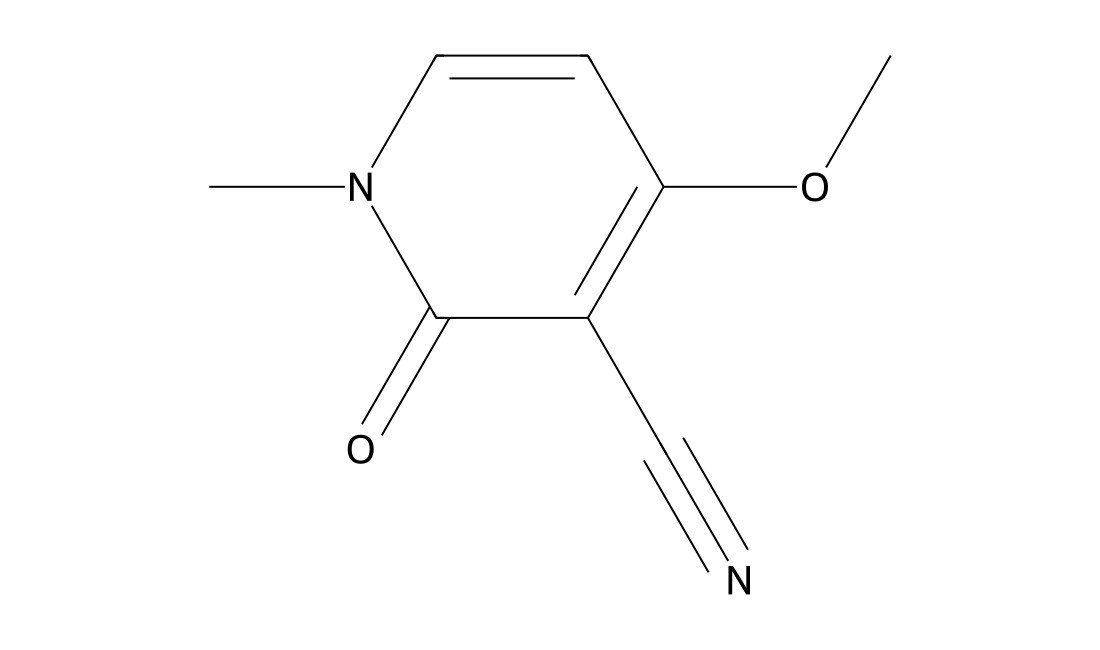
RicinineFeatured
Ricinine is a pyridine alkaloid found in the seeds and leaves of the castor oil plant (Ricinus communis). While Ricinus communis is primarily known for producing ricin, a highly toxic protein, ricinine itself is a less toxic compound and has been studied for its potential pharmacological properties, including hepatoprotective effects.
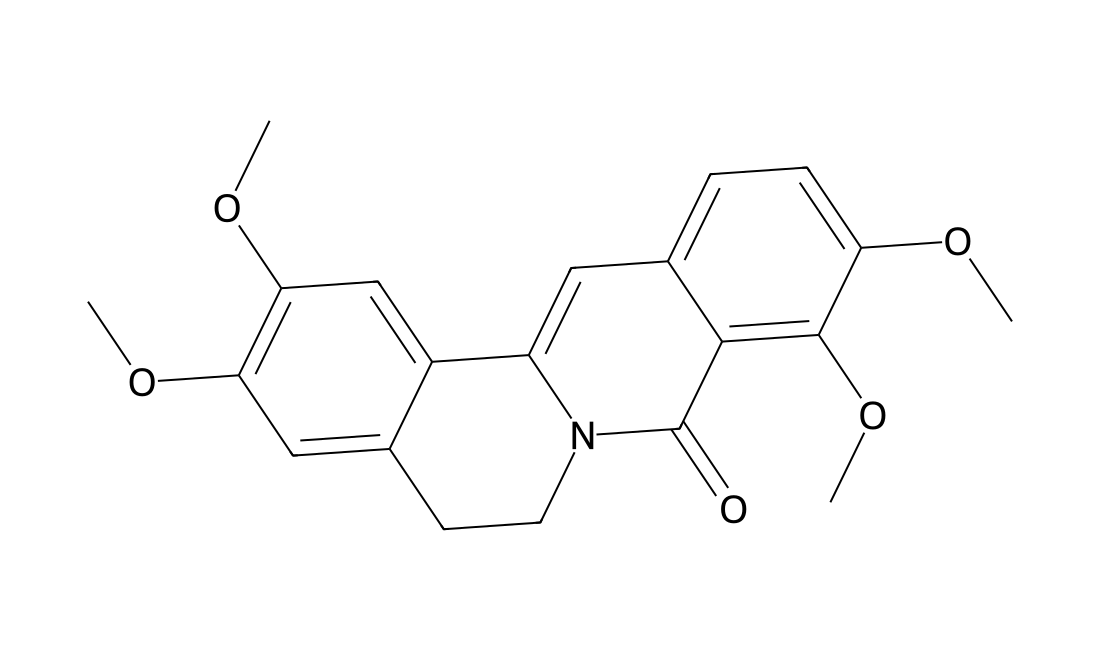
OxypalmatineFeatured
Oxypalmatine is a bioactive alkaloid compound isolated from Phellodendron amurense, a plant commonly known as Amur cork tree. Phellodendron amurense is a traditional medicinal plant widely used in East Asian medicine, particularly in China, Japan, and Korea, for its anti-inflammatory, antimicrobial, and antipyretic properties. Oxypalmatine is one of the many alkaloids found in this plant, contributing to its pharmacological effects.
BU99008Featured
BU99008 is non-radiolabled compound. 11C-BU99008 is a PET Ligand for the imidazoline2 Binding Sites in Rhesus Brain.
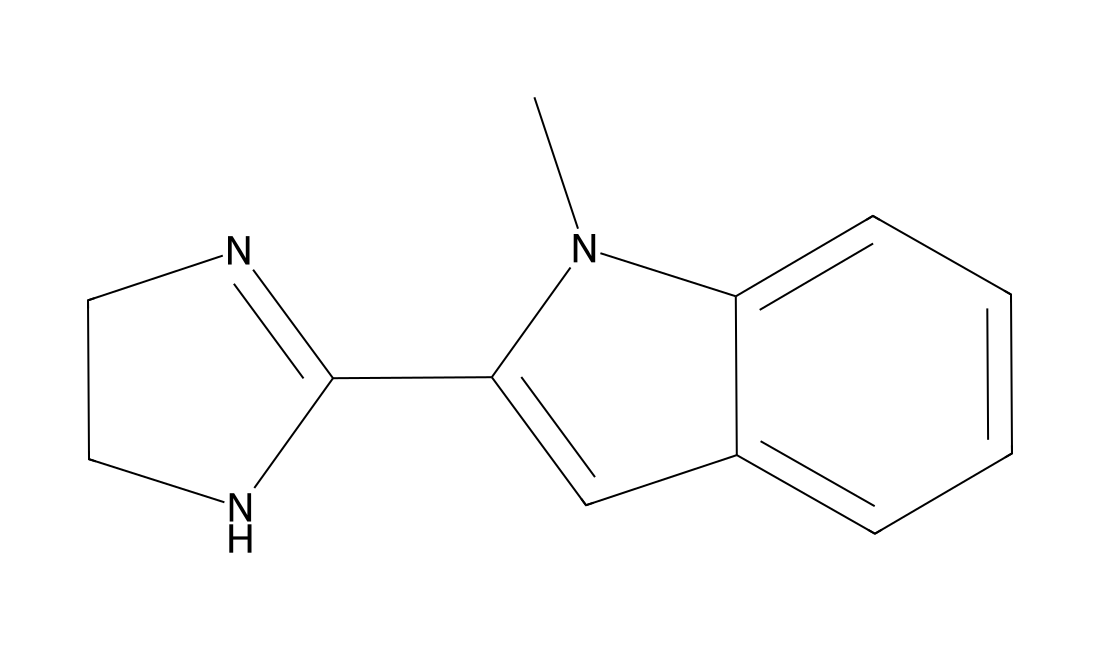
ATX968Featured
ATX968 is a potent and selective inhibitor of DHX9 with IC50 of 8 nM and Kd of 1.3 nM, respectively. ATX968 induces robust and durable responses in an MSI-H/dMMR xenograft model but not in a microsatellite stable (MSS)/proficient mismatch repair (pMMR) model.
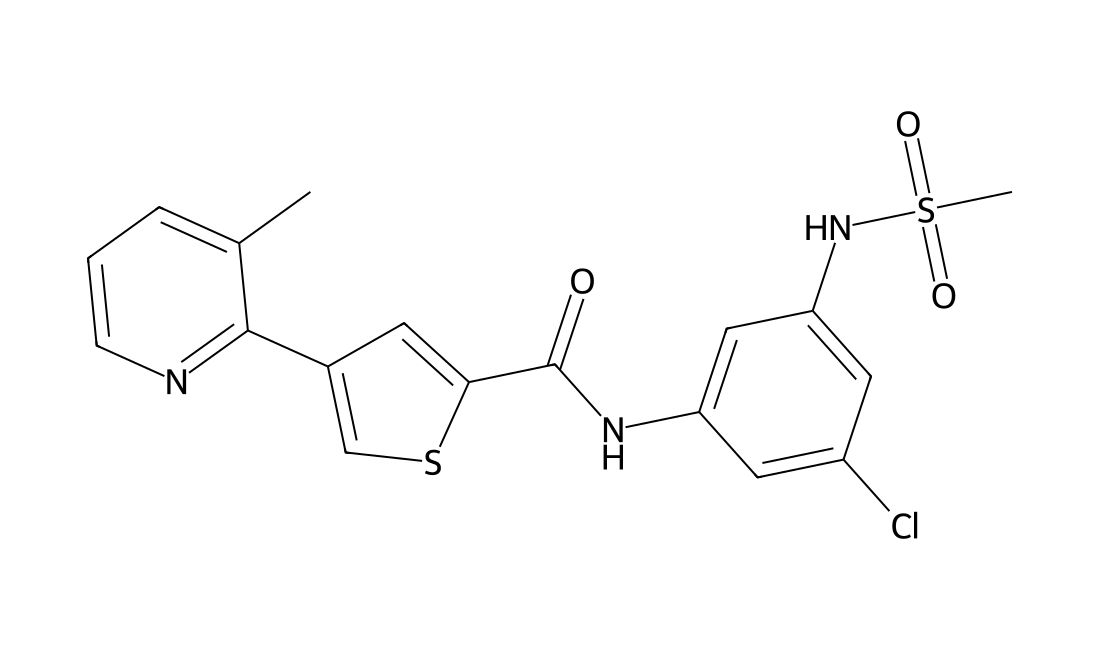
STC15Featured
STC-15 is a groundbreaking, orally bioavailable, highly selective inhibitor of METTL3, an RNA methyltransferase enzyme that plays a critical role in regulating gene expression through N6-methyladenosine (m6A) modification of RNA. METTL3 is implicated in the pathogenesis of various cancers, including acute myeloid leukemia (AML) and solid tumors. STC-15 represents the first molecule specifically targeting an RNA methyltransferase enzyme to enter clinical development, marking a significant milestone in the field of epitranscriptomics and cancer therapy.
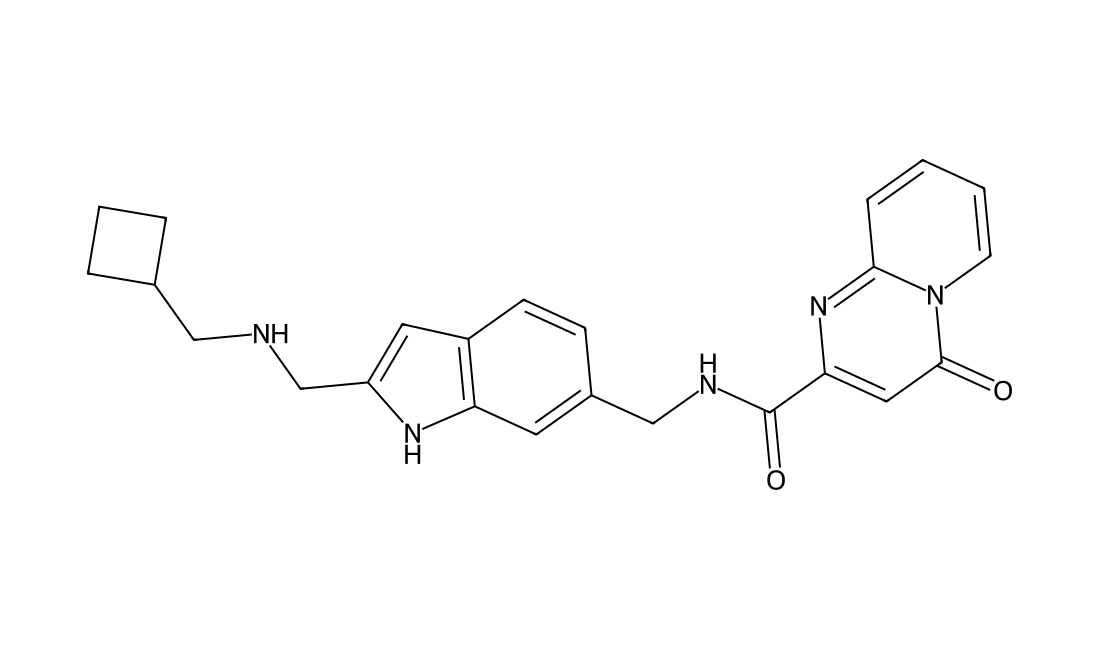
CMP-5Featured
CMP-5 (PRMT5-IN-5) is a first-in-class, small-molecule inhibitor that specifically targets protein arginine methyltransferase 5 (PRMT5), an enzyme involved in epigenetic regulation and cellular signaling. PRMT5 catalyzes the symmetric dimethylation of arginine residues on histones and other proteins, playing a critical role in gene expression, cell proliferation, and survival. CMP-5 has shown remarkable specificity in blocking Epstein-Barr virus (EBV)-driven B-lymphocyte transformation and survival, while sparing normal B cells, making it a promising therapeutic candidate for EBV-associated cancers and other PRMT5-dependent diseases.
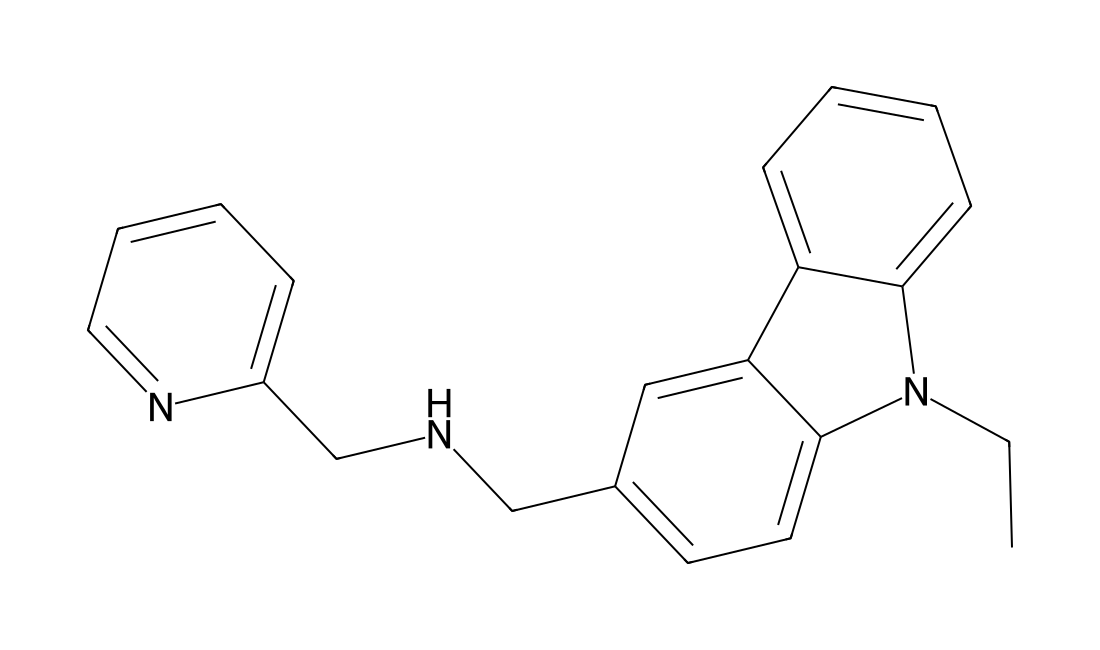
Kif18A-IN-6Featured
KIF18A-IN-6 (Compound 134) is a highly potent and orally active KIF18A inhibitor with significant potential for cancer therapy. Its ability to disrupt mitosis and induce apoptosis in cancer cells makes it a promising candidate for targeting chromosomally unstable tumors and advancing cancer research.
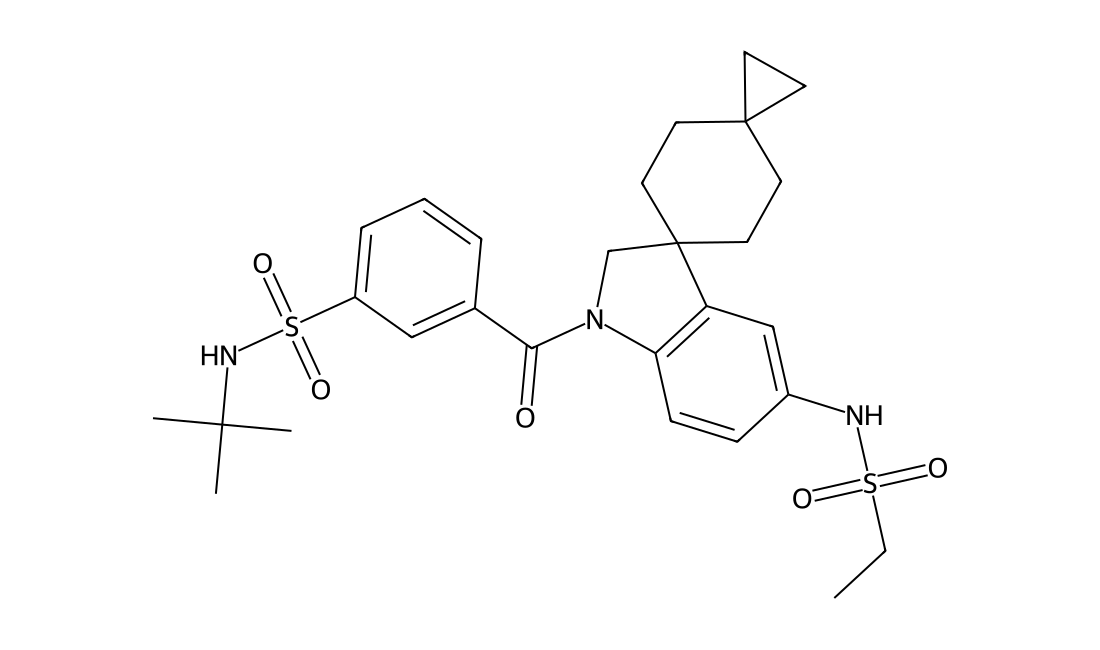
TD-1Featured
Hemoglobin modulator TD-1 (TD-1) is a novel allosteric effector of hemoglobin that increases hemoglobin oxygen affinity and reduces SS erythrocyte sickling.
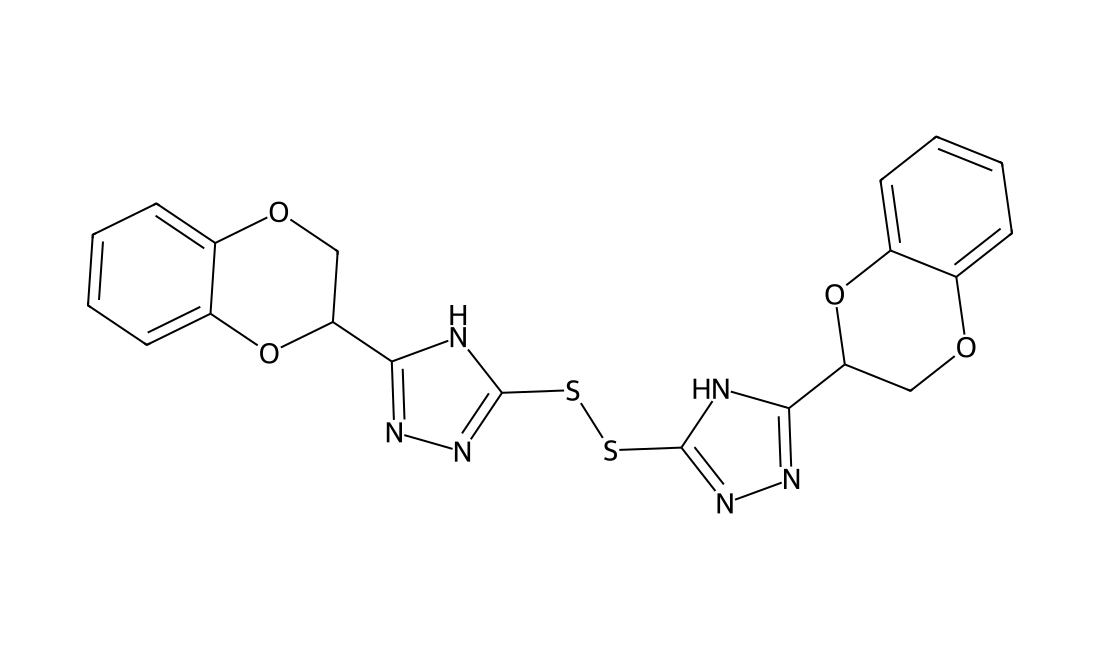
GGsTop (Nahlsgen)Featured
GGsTop (Nahlsgen) is a potent, non-toxic, highly selective and irreversible γ-GGT inhibitor, with a Ki of 170 μM for Human GGT. GGsTop shows a pKa of 9.71, also exhibits Kons of 150 and 51 M-1 s-1 against E.coli GGT and human GGT, respectively. GGsTop protects hepatic ischemia-reperfusion injury in rat model.
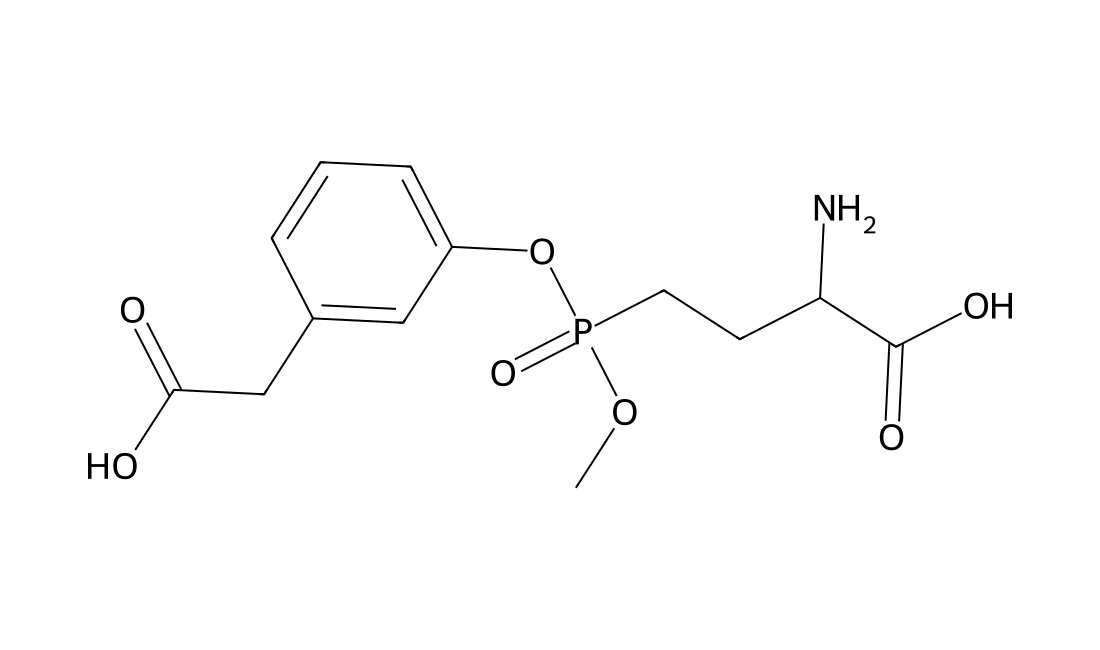
WLB-89462Featured
WLB-89462 (WLB89462) is a potent, highly selective sigma-2 receptor (σ2R) ligand with Ki of 13 nM, >100-fold selective over σ1R (Ki=1777 nM).
No products match this search.
Page 221 of 234 · Browse all 4677 products
Jump to a product page
Featured literature product: HX1 · DCL0028
HX1 is a hydroxyzine-derived ionizable lipid with acetal-containing tails, studied in lipid nanoparticles for brain mRNA delivery and CRISPR–Cas9 delivery. It was the lead in the reported in vivo brain-delivery screen; evidence is preclinical and formulation-dependent.
Read full formulation and performance →