
Research lipid catalog
Ionizable Lipid Products
Explore 848 lipid and RNA delivery products. Search the full catalog or browse by research category.
Search covers product name, catalog number, synonyms, available CAS numbers and categories. Spaces, hyphens and common punctuation are ignored. Duplicate legacy records are consolidated under one canonical product result.
3666 products · Showing 3501–3520 · 20 per page
DC Chemicals lipid expertise
Built for ionizable-lipid discovery and RNA delivery research
DC Chemicals supports formulation and delivery research with a broad, searchable portfolio of cationic and ionizable lipids. The current directory brings together 848 unique research-use products, with product specifications, pricing, chemical structures and literature-linked formulation data added as each record is verified.
Our experience spans complex lipid synthesis, purification, analytical release and process development. For custom molecules or larger-scale requirements, our team can discuss route development, technical specifications and scale-up options for the intended research workflow.
Learn about cationic and ionizable lipids →Proprietary innovation · Co-development · GMP
From proprietary lipid design to GMP-grade custom synthesis
DC Chemicals has independently developed ionizable-lipid structures supported by company-owned intellectual property, and selected proprietary lipid programs have advanced to GMP-stage development.
We welcome joint development with customers—from molecular design and lipid synthesis through route and process development. We can also support custom synthesis of GMP-grade ionizable lipids to agreed technical specifications and quality requirements.
Discuss a co-development project →Proprietary ionizable-lipid structuresCollaborative molecular designCustom lipid synthesisProcess development and scale-upGMP-grade project support
Product quick links
Explore ionizable lipids
Browse specifications, pricing and literature-linked product information.
Cat. No.Product NameField of ApplicationChemical Structure
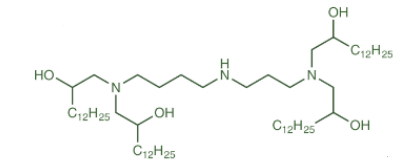
S14 is listed as a ionizable lipid for laboratory research use.
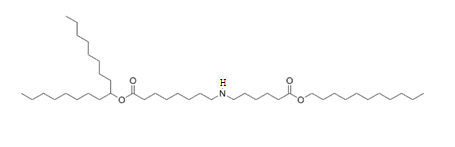
SM-102 IMPURITY 1 is listed as a ionizable lipid for laboratory research use.
Price on request
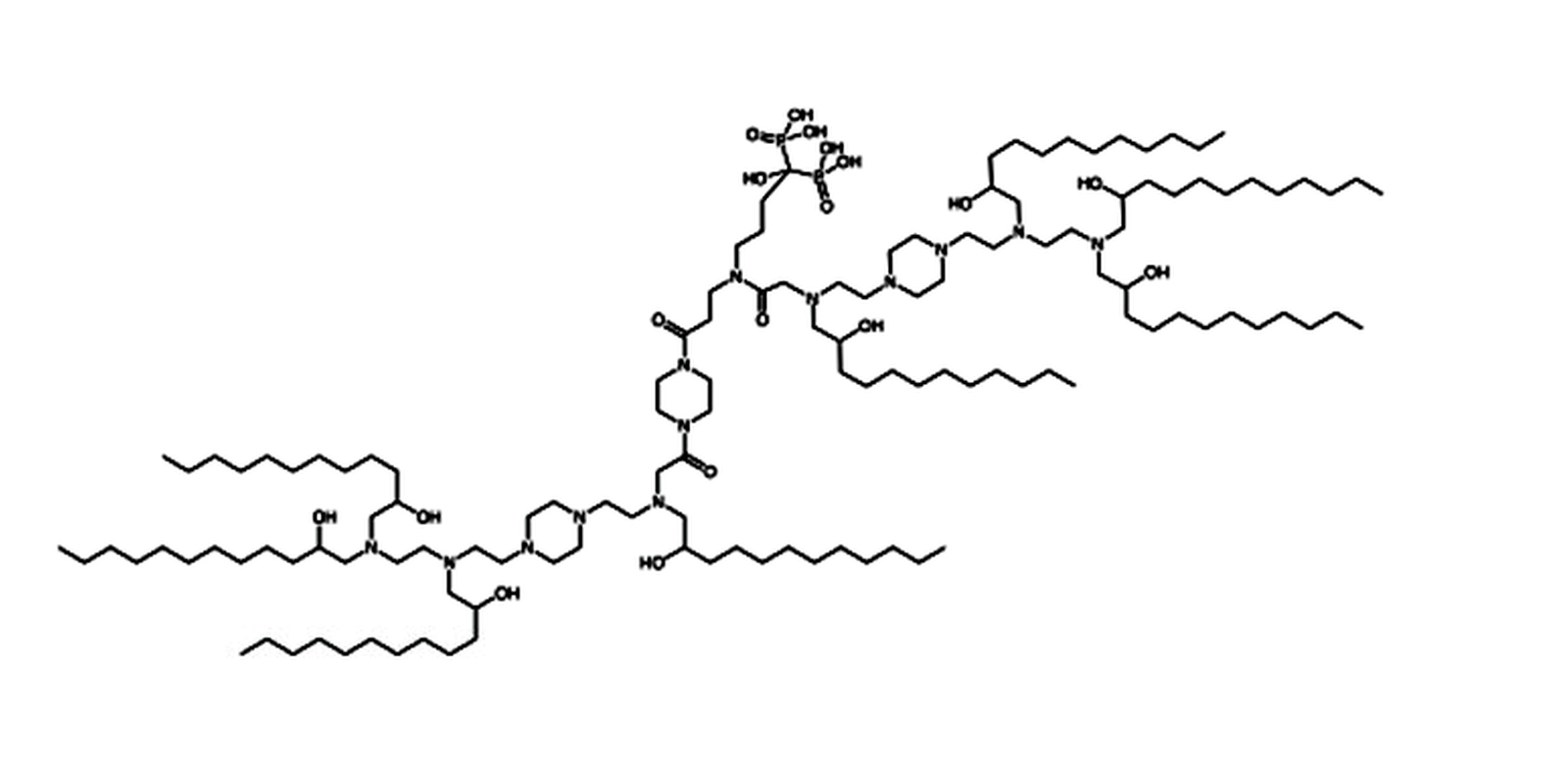
BP-200-C12 is a bisphosphonate-linked ionizable lipid selected from a 21-member library in Liu et al. for local RNA delivery at mineralized tissue interfaces.
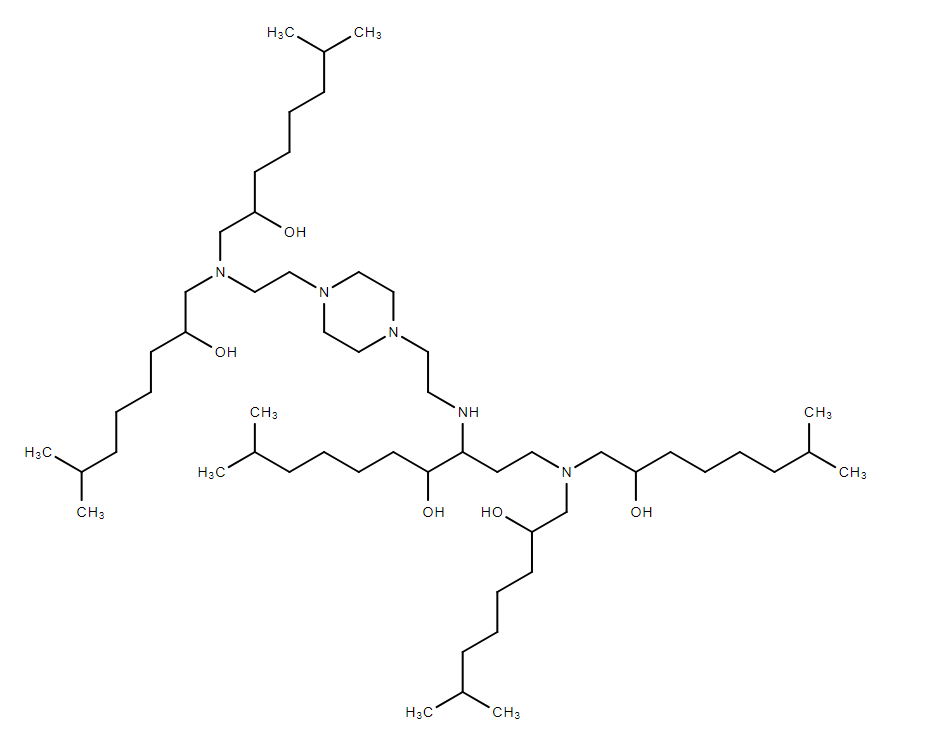
E4i-200 is a branched ionizable lipid designed for efficient mRNA and CRISPR-Cas9 delivery. It features a 4-carbon (C4) lipid tail with an isopropyl (i) branch at the terminal position, enhancing its ability to disrupt endosomal membranes. The lipid is built around the 200 core, a polyamine structure (N1-(2-(4-(2-aminoethyl)piperazin-1-yl)ethyl)ethane-1,2-diamine), which facilitates mRNA encapsulation and delivery. E4i-200 excels in liver-targeted delivery, significantly improving mRNA translation and gene editing efficiency in vivo. In experiments, it outperformed linear lipids, achieving 1.5-fold higher liver luminescence compared to the gold standard C12-200. Its isopropyl branch promotes deeper membrane penetration, enhancing endosomal escape and cargo release. This lipid is particularly effective for hepatic gene editing, reducing target gene expression (e.g., TTR) by up to 90% in mouse models. Its modular design and low toxicity make it a promising candidate for mRNA-based therapies and CRISPR applications in the liver.
E8i-200 is a novel Branched Endosomal Disruptor (BEND) ionizable lipid, designed to enhance the efficiency of lipid nanoparticles (LNPs) in drug delivery, particularly for mRNA and protein delivery. Its unique structure, featuring terminal branching, improves endosomal escape, a critical step in the delivery of therapeutic cargo into cells.E8i-200 is designed to enhance endosomal escape, a key bottleneck in mRNA and protein delivery. Its terminal branching structure provides several advantages:Improved Endosomal Membrane Penetration: The branched structure allows E8i-200 to more effectively disrupt endosomal membranes, facilitating the release of mRNA and proteins into the cytoplasm.Enhanced Gene Editing Efficiency: E8i-200 has been shown to significantly improve the delivery of CRISPR-Cas9 ribonucleoprotein (RNP) complexes, enabling efficient gene editing in vivo.E8i-200 significantly enhanced mRNA expression in the liver, outperforming traditional linear lipids like C12-200 in mouse models.E8i-200 effectively delivered CRISPR-Cas9 RNP complexes, achieving high editing efficiency in the liver, surpassing that of linear lipids.E8i-200 also showed high transfection efficiency and low cytotoxicity in T cells, making it a promising candidate for CAR-T cell engineering and other immunotherapies.
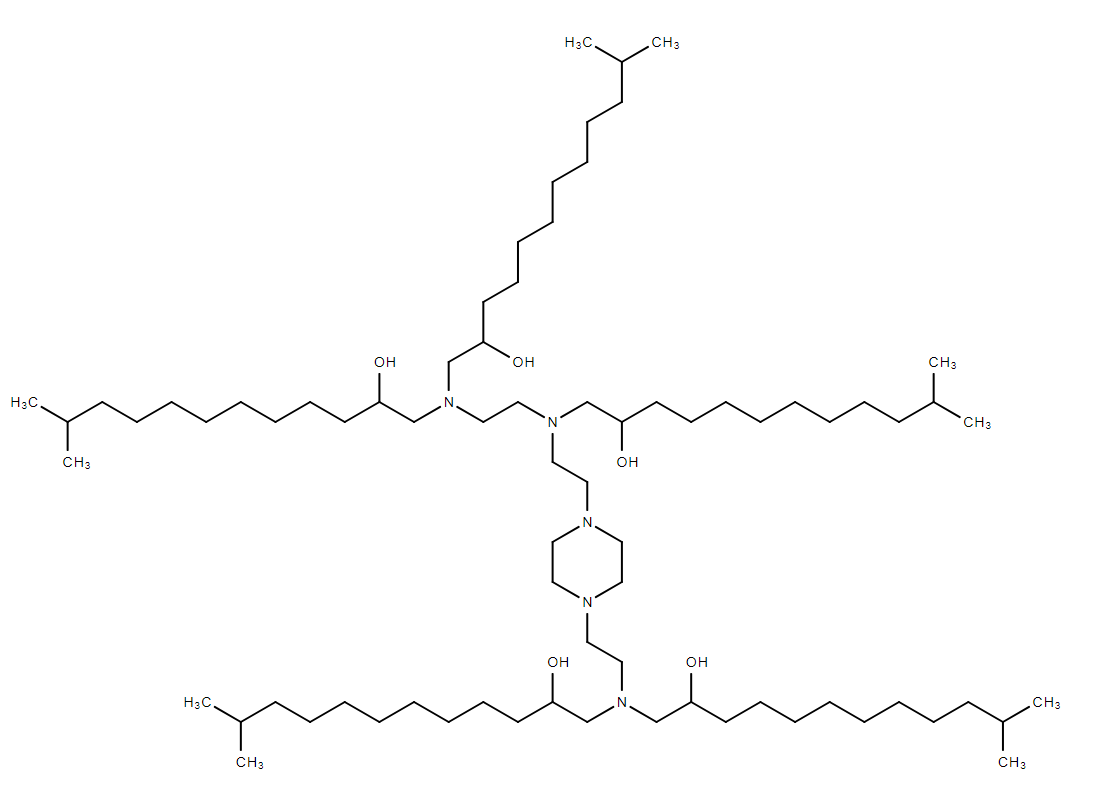
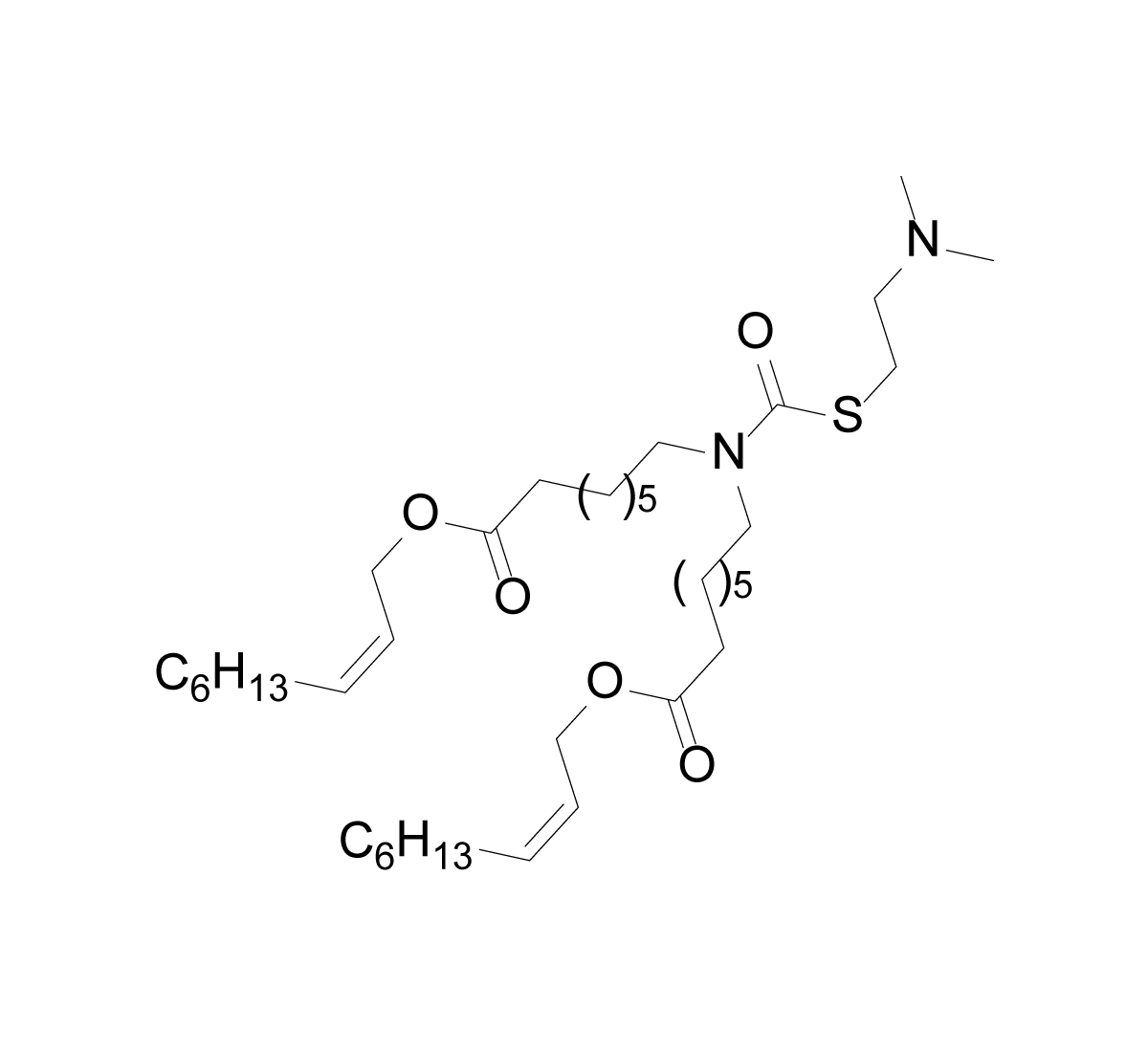
ATX-002 is a property-tunable lipid for RNA drug delivery.
DODAP (hydrochloride) is an ionizable lipid. DODAP (hydrochloride) has the potential for the research of gene delivery.

DMRIE is a cationic lipid, suitable for transfecting DNA and RNA into eukaryotic cells, and is particularly effective for transfecting suspension cells (e.g., Jurkat) and other lymphoid-derived cell lines.

DLin-K-DM4 is listed as a pegn for laboratory research use.
DlenDMA is a lipid for RNA and vaccine delivery. DLenDMA showed better siRNA transfection efficiency than DODMA.

BGTC is listed as a ionizable lipid for laboratory research use.
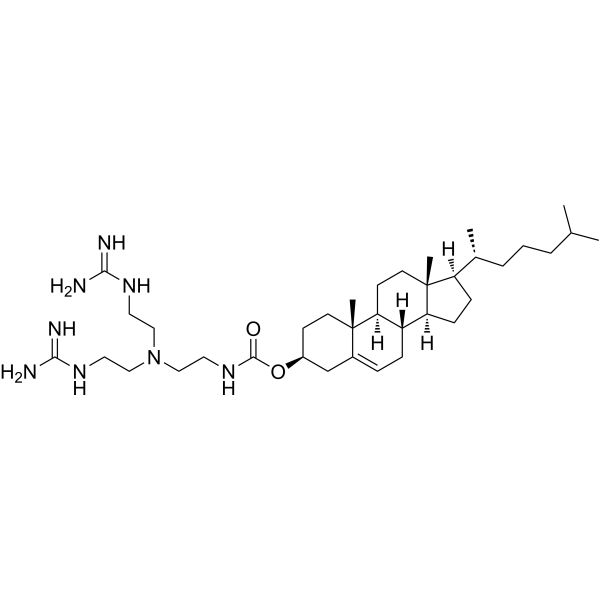
DLinDAP is listed as a ionizable lipid for laboratory research use.
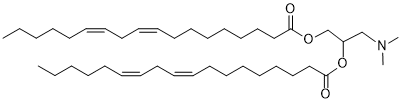
C2-DLinDMA is listed as a ionizable lipid for laboratory research use.
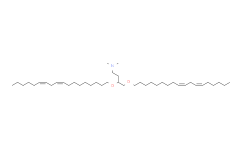
DLin-K-C4-DMA is listed as a ionizable lipid for laboratory research use.
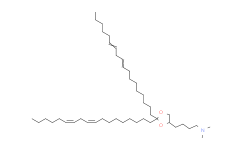
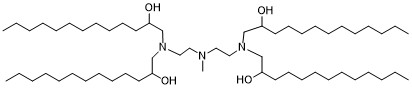
C13-112-tri-tail is a synthetic ionizable lipid molecule designed for use in lipid nanoparticles (LNPs) for the delivery of anionic substrates, such as nucleic acids (e.g., siRNA, mRNA) and proteins.

C13-113-tri tail is an ionizable lipid molecule containing a polar amino alcohol head group, three hydrophobic carbon-13 tails, and a tertiary amine linker. The lipoid can be formulated into a lipid nanoparticle (LNP) to deliver anionic substrates in vitro and in vivo. This includes siRNA to induce gene silencing in a sequence-specific manner, CAS9 mRNA, and cytotoxic proteins. Reagent grade, for research purpose. Please contact us for GMP-grade inquiries.
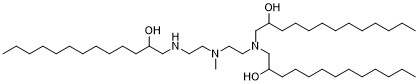
C13-113-tetra-tail is an ionizable lipid molecule designed for use in lipid nanoparticles (LNPs) for the delivery of therapeutic payloads, such as nucleic acids (e.g., siRNA, mRNA) or proteins.
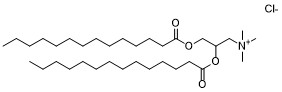
TAP (14:0) A cationic lipids that can be used for drug delivery, gene transfection and vaccine delivery. TAP has been proven to be efficient for in vitro and in vivo transfection applications, which makes it one of the most widely used cationic lipids for gene transfection applications. Reagent grade, for research use only.
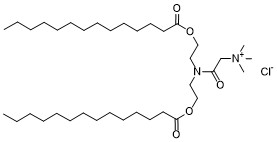
DC-6-14 is a cationic lipid that can be used for drug delivery, gene transfection and vaccine delivery. DC-6-14 may be used for research into in vitro and in vivo nucleic acid and protein delivery. Reagent grade, for research use only.
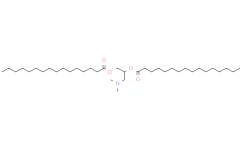
16:0 DAP, 1,2-dipalmitoyl-3-dimethylammonium-propane, is a cationic lipid that can be used to formulate lipid nanoparticles (LNPs). 18:0 DAP also serves as a pH-sensitive transfection reagent. Reagent grade, for research use only.
No products match this search.
Page 176 of 184 · Browse all 3666 products