
Research lipid catalog
Ionizable Lipid Products
Explore 848 lipid and RNA delivery products. Search the full catalog or browse by research category.
Search covers product name, catalog number, synonyms, available CAS numbers and categories. Spaces, hyphens and common punctuation are ignored. Duplicate legacy records are consolidated under one canonical product result.
3666 products · Showing 2181–2200 · 20 per page
DC Chemicals lipid expertise
Built for ionizable-lipid discovery and RNA delivery research
DC Chemicals supports formulation and delivery research with a broad, searchable portfolio of cationic and ionizable lipids. The current directory brings together 848 unique research-use products, with product specifications, pricing, chemical structures and literature-linked formulation data added as each record is verified.
Our experience spans complex lipid synthesis, purification, analytical release and process development. For custom molecules or larger-scale requirements, our team can discuss route development, technical specifications and scale-up options for the intended research workflow.
Learn about cationic and ionizable lipids →Proprietary innovation · Co-development · GMP
From proprietary lipid design to GMP-grade custom synthesis
DC Chemicals has independently developed ionizable-lipid structures supported by company-owned intellectual property, and selected proprietary lipid programs have advanced to GMP-stage development.
We welcome joint development with customers—from molecular design and lipid synthesis through route and process development. We can also support custom synthesis of GMP-grade ionizable lipids to agreed technical specifications and quality requirements.
Discuss a co-development project →Proprietary ionizable-lipid structuresCollaborative molecular designCustom lipid synthesisProcess development and scale-upGMP-grade project support
Product quick links
Explore ionizable lipids
Browse specifications, pricing and literature-linked product information.
Cat. No.Product NameField of ApplicationChemical Structure
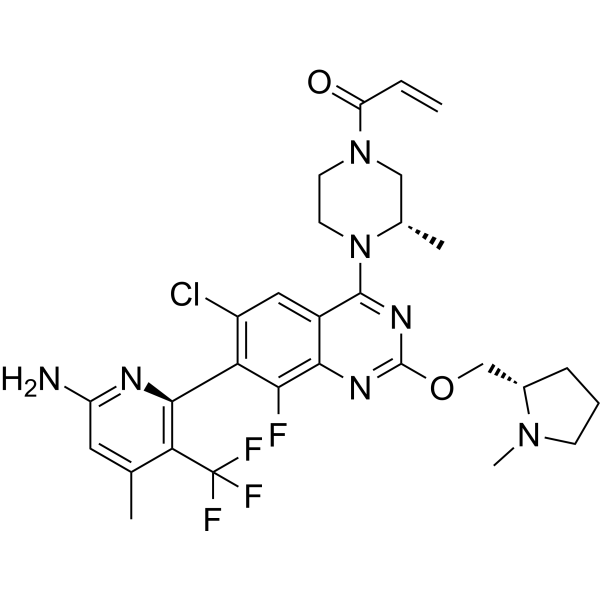
DivarasibFeatured
100mg USD 800 · 250mg USD 1,350 · 1g USD 2,800GDC-6036 is a novel oral KRAS G12C inhibitor.
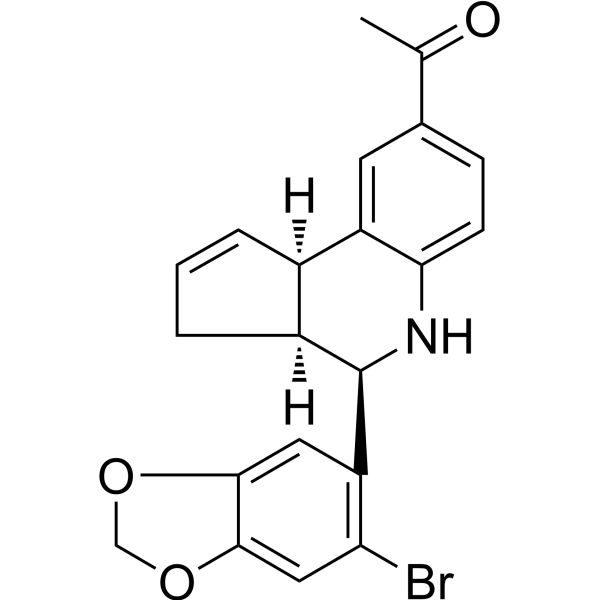
GPR30 inhibitor G1Featured
100 mg USD 450 · 250 mg USD 800 · 1 g USD 1,600A potent and selective GPER/GPR30 agonist with Ki of 11 nM, EC50 of 2 nM; displays no activity at ERα and ERβ at concentrations up to 10 uM; increases cytosolic Ca2+ and inhibits migration of SKBr3 cells and MCF-7 cells in response to chemoattractants with IC50 of 0.7 and 1.6 nM respectively; induces cell cycle arrest, DNA damage and cell death by the activation of the intrinsic apoptotic mechanism in H295R cells.
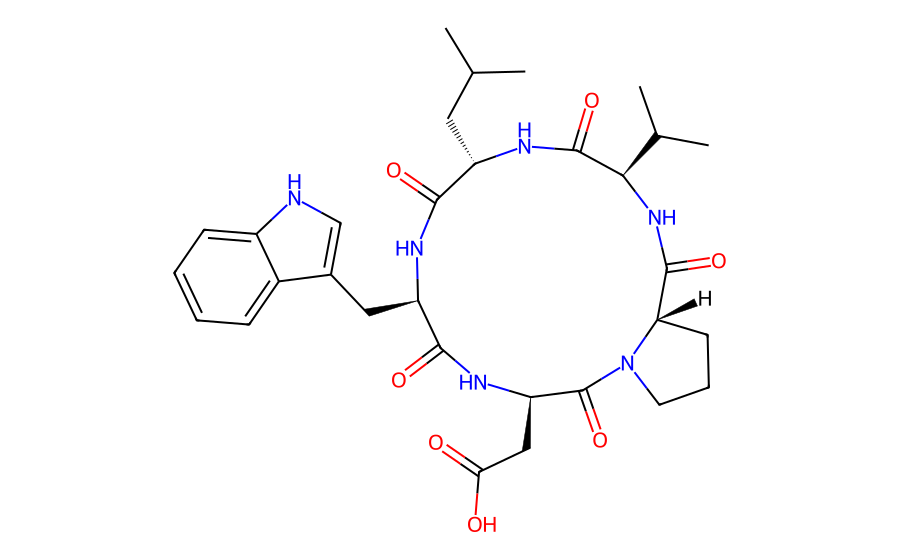
BQ-123Featured
100 mg USD 1,500 · 250 mg USD 2,500 · 1 g USD 5,000BQ-123 is an ETA endothelin receptor antagonist (Ki values are 1.4 and 1500 nM at ETA and ETB receptors respectively) . 1) Reduces ischemia-induced ventricular arrhythmias in a rat model.2) BQ-123 prevents LPS-induced preterm birth in mice via the induction of uterine and placental IL-10.3) The reference for animal injections is 6.7 mg/kg. 4) BQ-123 decreased IL-1β and TNFα in the placenta while also decreasing transcription of ET-1 in the uterus.
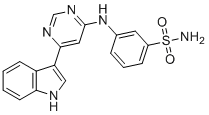
AC3573Featured
5mg USD 400AC3573 (AC-3573) is a potent, specific small molecule inhibitor of HER3.AC3573 abrogates HER2–HER3 signalling in cells and is more specific for HER3, inhibits NRG (heregulin)-induced HER3 phosphorylation with IC50 of 10 uM, abrogates the formation of the active HER2-HER3 heterodimer, inhibits oncogenic downstream signalling in SK-BR-3 breast cancer cells.
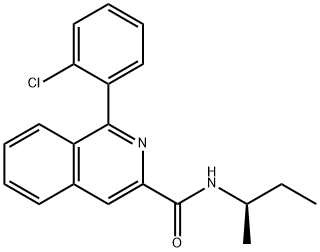
(R)-N-Desmethyl PK11195Featured
5mg USD 450Precursor for (R)-N-Methyl-11C-PK11195
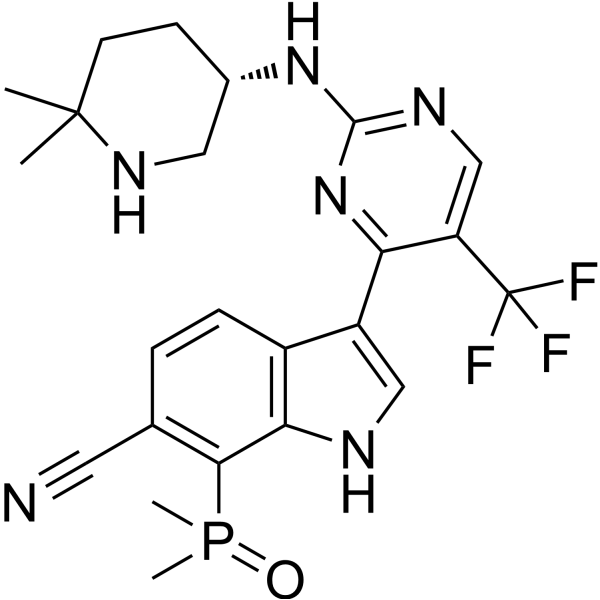
SY-5609 (CDK7-IN-3)Featured
Pack sizes and prices on requestSY-5609 (CDK7-IN-3) is a selective CDK7 inhibitor with a KD of 0.059 nM. CDK7-IN-3 shows poor inhibition on CDK2 (Ki=390 nM), CDK9 (Ki=290 nM), CDK12 (Ki=78 nM). CDK7-IN-3 induce apoptosis in tumor cells and has antitumor activity.
ACE-083Featured
100mg USD 450 · 250mg USD 800 · 1g USD 1,600ACE083 is a Locally acting muscle-promoting agent
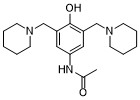
N-65828Featured
5mg USD 400NCI-65828 (designated as N 65828) is a small-molecule inhibitor targeting angiogenin (ANG), a protein critical for angiogenesis and cellular proliferation. Its therapeutic potential stems from selective suppression of ANG's ribonucleolytic function, a biochemical activity essential for mediating downstream biological effects. By disrupting ANG's enzymatic capacity to cleave RNA substrates, NCI-65828 attenuates the protein's pro-angiogenic signaling pathways. Preclinical evaluations highlight its multifaceted antitumor properties. In vitro studies using diverse cancer cell models—including bladder carcinoma (T24; IC₅₀ = 1.3 ± 0.5 μM), cervical adenocarcinoma (HeLa; IC₅₀ = 1.9 ± 0.4 μM), and urothelial carcinoma (UROtsa; IC₅₀ = 3.2 ± 0.8 μM)—demonstrate dose-dependent antiproliferative effects, with potency variations reflecting tissue-specific sensitivity. Parallel experiments in human umbilical vein endothelial cells (HUVECs) reveal significant inhibition of capillary-like tube formation, confirming its antiangiogenic efficacy in disrupting endothelial morphogenesis. Notably, in vivo investigations using transgenic murine models demonstrate that NCI-65828 effectively suppresses the development of prostatic intraepithelial neoplasia (PIN) lesions. Mechanistic analysis indicates this activity arises from direct enzymatic inhibition rather than interference with ANG's intracellular trafficking, as nuclear translocation remains unaffected—a distinguishing feature that differentiates it from other ANG-targeted agents. This selective mode of action positions NCI-65828 as a precision tool for studying ANG-dependent pathologies.
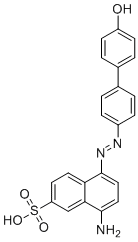
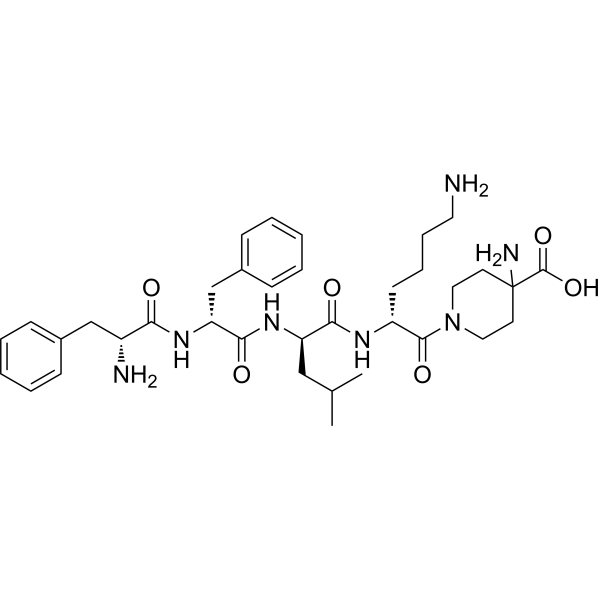
Difelikefalin (CR845)Featured
100 mg USD 700 · 250 mg USD 1,200 · 1 g USD 2,400 · 25mg USD 450Difelikefalin (CR-845; FE-202845) is a peripherally restricted and selective agonist of kappa opioid receptor (KOR). Difelikefalin produces anti-inflammatory effects and has the potential in modulating pruritus in conditions such as chronic kidney disease[1][2].
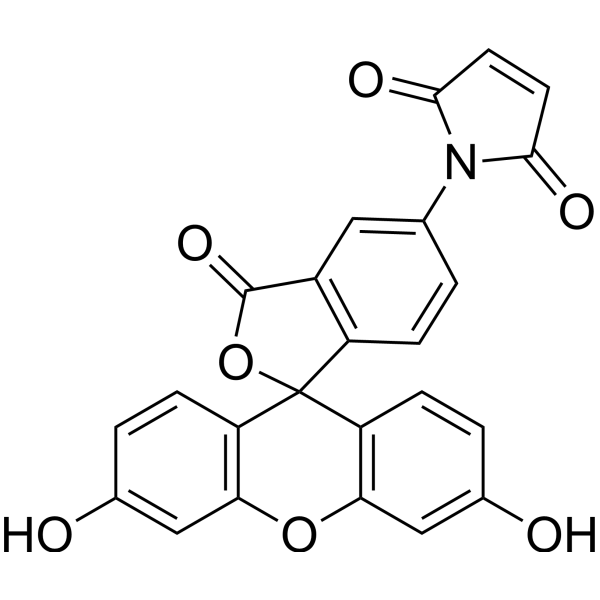
Fluorescein-5-maleimideFeatured
100 mg USD 350 · 250 mg USD 550 · 1 g USD 1,100Fluorescein-5-maleimide is a fluorescent thiol-reactive dye used to conjugate fluorescein to proteins (excitation: 494 nm, emission: 519 nm).
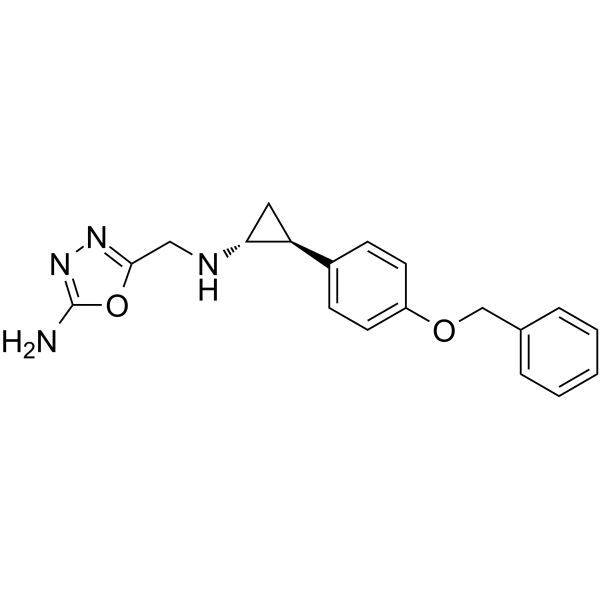
Vafidemstat (ORY-2001)Featured
5mg USD 600 · 10mg USD 900Vafidemstat is a dual lysine-specific histone demethylase (LSD1)/MAO-B inhibitor.
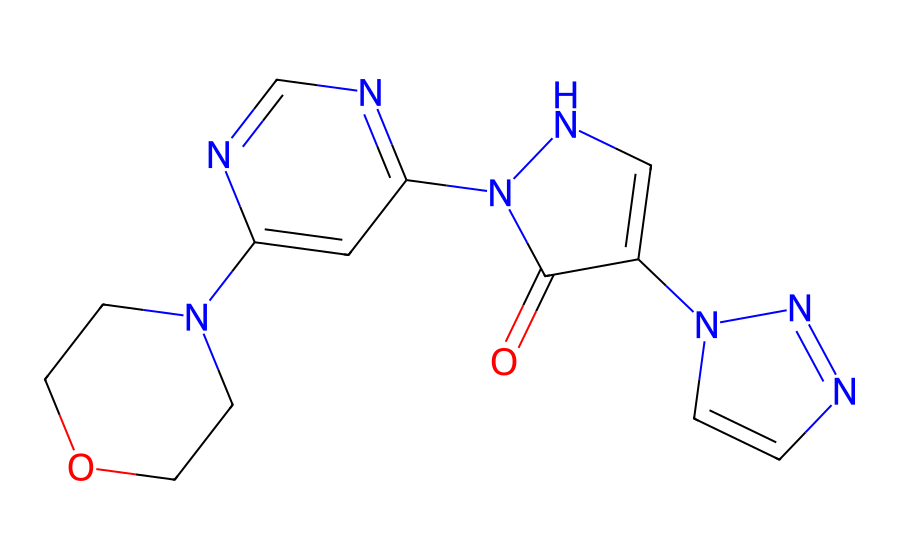
Molidustat(BAY 85-3934)Featured
100 mg USD 450 · 250 mg USD 750 · 1 g USD 1,400 · 10 mM * 1 mL in DMSO USD 220Molidustat (BAY 85-3934) is a novel inhibitor of hypoxia-inducible factor prolyl hydroxylase (HIF-PH) with mean IC50 values of 480 nM for PHD1, 280 nM for PHD2, and 450 nM for PHD3.
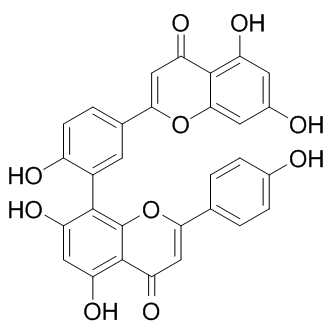
AmentoflavoneFeatured
20 mg USD 280For the detailed information of Amentoflavone, the solubility of Amentoflavone in water, the solubility of Amentoflavone in DMSO, the solubility of Amentoflavone in PBS buffer, the animal experiment(test) (test) of Amentoflavone, the cell expriment (test) of Amentoflavone, the in vivo, in vitro and clinical trial test of Amentoflavone, the EC50, IC50,and Affinity of Amentoflavone,, please contact DC Chemicals.
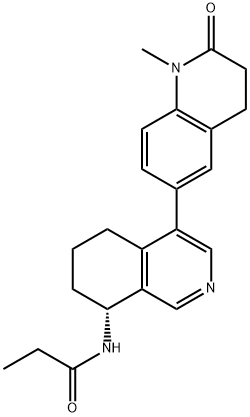
BaxdrostatFeatured
100 mg USD 600 · 250mg USD 1,100 · 1g USD 2,200Baxdrostat is a aldosterone synthase inhibitor.
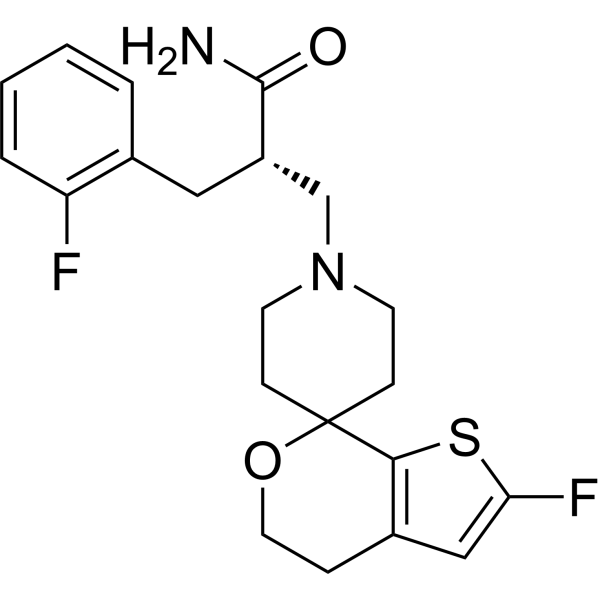
NOP-1A PrecursorFeatured
5mg USD 600The Precursor of NOP-1A. (11)C-NOP-1A is a useful radioligand for quantifying NOP receptors in the monkey brain, and its radiation dose is similar to that of other (11)C-labeled ligands for neuroreceptors.
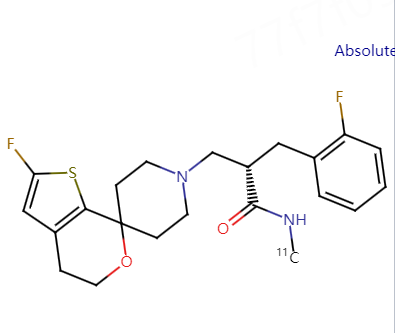
NOP-1AFeatured
5mg USD 600NOP-1A standard. 11C-NOP-1A is a new radioligand for thenociceptin/orphanin FQ peptide (NOP) receptor, with high affinity (Ki, 0.15 nM) and appropriate lipophilicity (measured logD, 3.4) for PET brain imaging. 11C-NOP-1A is the the first successful radioligand to image NOP receptors in rat and monkey brain. 11C-NOP-1A is a selective antagonist at the NOP receptor and has high affinity and appropriate lipophilicity for blood–brain barrier permeability. 11C-NOP-1A imaging in rhesus monkeys showed high brain uptake and a large receptor-specific signal and could be quantified with the gold standard method of compartmental modeling. In humans 1C-NOP-1A reliably quantified NOP receptors in human brain both in large brain regions and at a voxelwise level using parametric imaging. The radiation absorbed dose in humans was similar to that observed with other 11C-labeled ligands and would allow multiple scans of a single subject. Thus, 11C-NOP-1A is a promising radioligand for reliably quantifying NOP receptors in human brain.
ExarafenibFeatured
100 mg USD 500 · 250 mg USD 900 · 1 g USD 1,800Exarafenib (RAF/KIN_2787) is a potent, orally active pan-RAF inhibitor. Exarafenib has anticancer activity by suppression of downstream MAPK pathway signaling. Exarafenib can be used for cancer research.
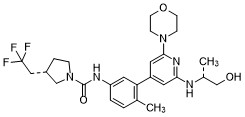
NVS-ZP7-4Featured
100mg USD 750 · 1g USD 2,500 · 250mg USD 1,200NVS-ZP7-4 is a potent ZIP7 Inhibitor, which inhibits Notch signaling with IC50 of 0.13 uM in HES-Luc reporter gene assays, selectively induces apoptosis and ER stress. NVS-ZP7-4 altered zinc in the ER, and an analog of the compound photoaffinity labeled ZIP7 in cells, suggesting a direct interaction between the compound and ZIP7. NVS-ZP7-4 is the first reported chemical tool to probe the impact of modulating ER zinc levels and investigate ZIP7 as a novel druggable node in the Notch pathway.
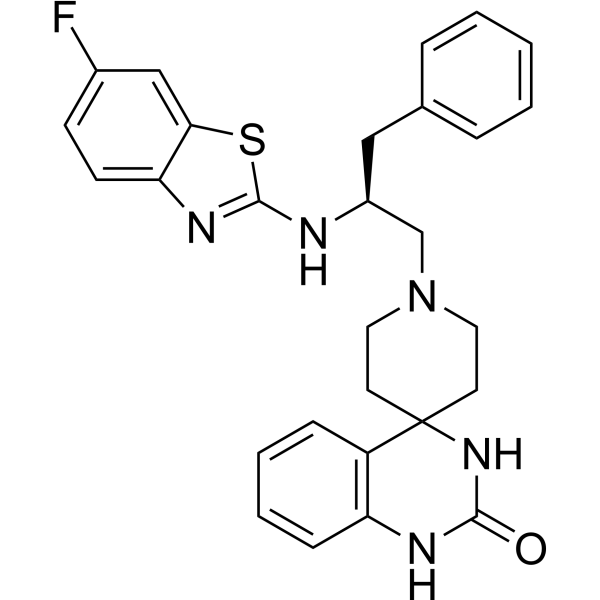
Hypocrellin BFeatured
100 mg USD 500 · 250 mg USD 950 · 1 g USD 1,850Hypocrellin B, a pigment isolated from the fungi Hypocrella bambusae and Shiraia bambusicola, is an apoptosis inducer. Hypocrellin B can be used as a photosensitizer for photodynamic therapy of cancer. Hypocrellin B also has antimicrobial and antileishmanial activities[1][2][3].
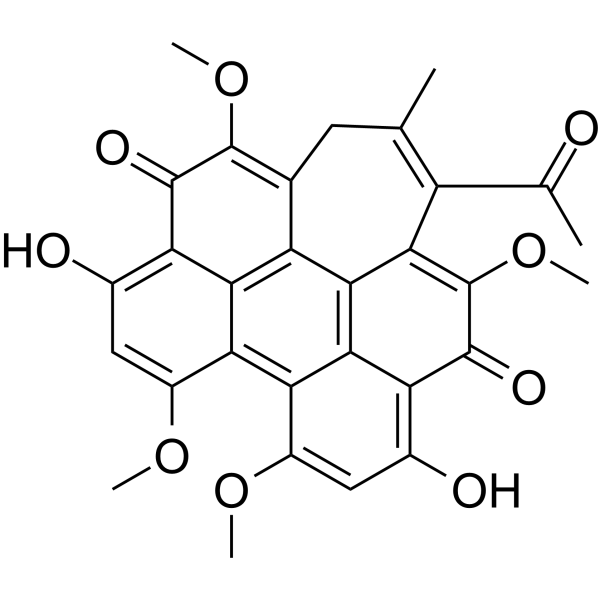
GENZ-644282 TFA saltFeatured
100 mg USD 750 · 250 mg USD 1,300 · 1 g USD 2,600Genz-644282, also known as SAR402674, is a non-camptothecin inhibitor of topoisomerase I with potential antineoplastic activity. Topoisomerase I inhibitor Genz-644282 binds to and inhibits the enzyme topoisomerase I, which may result in the inhibition of repair of single-strand DNA breaks, DNA replication, and tumor cell growth in susceptible tumor cell populations.
No products match this search.
Page 110 of 184 · Browse all 3666 products