
Research lipid catalog
Ionizable Lipid Products
Explore 848 lipid and RNA delivery products. Search the full catalog or browse by research category.
Search covers product name, catalog number, synonyms, available CAS numbers and categories. Spaces, hyphens and common punctuation are ignored. Duplicate legacy records are consolidated under one canonical product result.
3666 products · Showing 2221–2240 · 20 per page
DC Chemicals lipid expertise
Built for ionizable-lipid discovery and RNA delivery research
DC Chemicals supports formulation and delivery research with a broad, searchable portfolio of cationic and ionizable lipids. The current directory brings together 848 unique research-use products, with product specifications, pricing, chemical structures and literature-linked formulation data added as each record is verified.
Our experience spans complex lipid synthesis, purification, analytical release and process development. For custom molecules or larger-scale requirements, our team can discuss route development, technical specifications and scale-up options for the intended research workflow.
Learn about cationic and ionizable lipids →Proprietary innovation · Co-development · GMP
From proprietary lipid design to GMP-grade custom synthesis
DC Chemicals has independently developed ionizable-lipid structures supported by company-owned intellectual property, and selected proprietary lipid programs have advanced to GMP-stage development.
We welcome joint development with customers—from molecular design and lipid synthesis through route and process development. We can also support custom synthesis of GMP-grade ionizable lipids to agreed technical specifications and quality requirements.
Discuss a co-development project →Proprietary ionizable-lipid structuresCollaborative molecular designCustom lipid synthesisProcess development and scale-upGMP-grade project support
Product quick links
Explore ionizable lipids
Browse specifications, pricing and literature-linked product information.
Cat. No.Product NameField of ApplicationChemical Structure
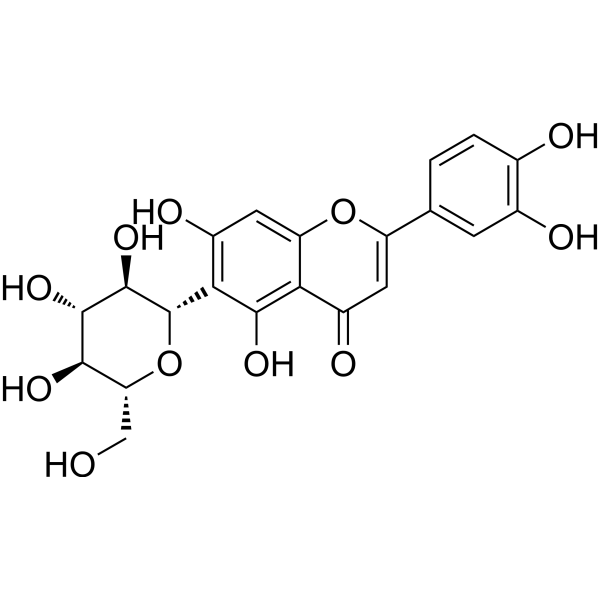
HomoorientinFeatured
20 mg USD 280For the detailed information about the solubility of Homoorientin in water, the solubility of Homoorientin in DMSO, the solubility of Homoorientin in PBS buffer, the animal experiment(test) of Homoorientin,the in vivo,in vitro and clinical trial test of Homoorientin,the cell experiment(test) of Homoorientin,the IC50, EC50 and Affinity of Homoorientin, please contact DC Chemicals.
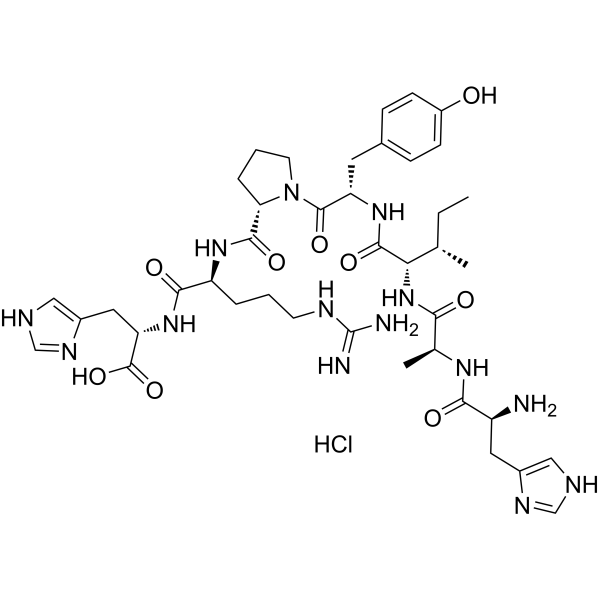
HAIYPRH hydrochlorideFeatured
100 mg USD 950 · 250 mg USD 1,350 · 1 g USD 2,700HAIYPRH hydrochloride, a targeting ligand, can specially bind to transferrin receptor (TfR). HAIYPRH hydrochloride can mediate the transport of nanocarriers across the blood-brain barrier.
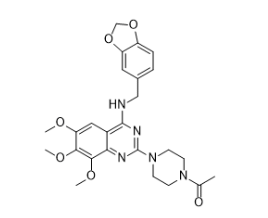
ER-001135935Featured
5mg USD 550ER-001135935 is a potent selective inhibitor of aldehyde dehydrogenase family 1 member A3 (ALDH1A3) with IC50 of 64 nM, Ki value of 106 nM.
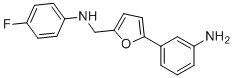
ORM-11372Featured
5mg USD 500ORM‐11372 is a potent and highly selective NCX 1.1 inhibitor, inhibits human NCX 1.1 reverse and forward currents with IC50 of 5 and 6 nM respectively.ORM‐11372 weakly inhibits human cardiac sodium 1.5 (I Na) and hERG KV11.1 currents (I hERG) with IC50 of 23.2 and 10.0 uM.ORM‐11372 decreased both the outward and inward currents of hiPSC‐CMs with IC50 of 4.8 and 5.6 nM respectively, reduced the magnitude of outward I NCX (the reverse mode) in rat primary ventricular CMs with IC50 of 11.3 nM.ORM‐11372 concentration‐dependently inhibited the calcium efflux signa with an IC50 of 142 and 164 nM for experimental conditions increasing intracellular calcium and eliciting NCX forward mode activity, repectively.ORM‐11372 induced positive inotropic effects of 18 ± 6% and 35 ± 8% in anaesthetized rats with myocardial infarctions and in healthy rabbits respectively with no other haemodynamic effects.
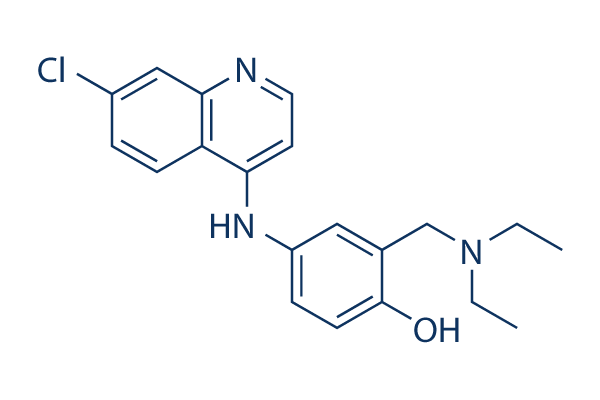
AmodiaquineFeatured
100 mg USD 450 · 250 mg USD 900 · 1 g USD 1,800Amodiaquine is a synthetic aminoquinoline that acts by binding to the protozoal or parasitic DNA and preventing DNA and RNA production and subsequent protein synthesis. It is used for the therapy of malaria.
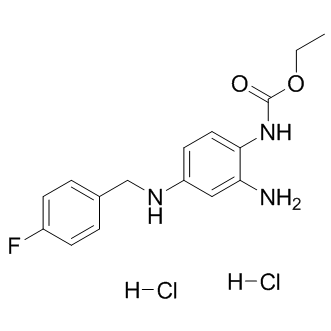
Retigabine dihydrochlorideFeatured
100 mg USD 250 · 250 mg USD 500 · 1 g USD 1,000Retigabine (D-23129) is a novel antiepileptic compound with broad spectrum and potent anticonvulsant properties, both in vitro and in vivo. The compound was shown to activate a K+ current in neuronal cells. The pharmacology of the induced current displays concordance with the published pharmacology of the M-channel, which recently was correlated to the KCNQ2/3 K+ channel heteromultimere. Retigabine is a novel anticonvulsant with an unknown mechanism of action. Application of 10 μM retigabine to oocytes expressing the KCNQ2/3 heteromeric channel shifted both the activation threshold and voltage for half-activation by approximately 20 mV in the hyperpolarizing direction, leading to an increase in current amplitude at test potentials between ?80 mV and +20 mV. Retigabine also had a marked effect on KCNQ current kinetics, increasing the rate of channel activation but slowing deactivation at a given test potential. Retigabine shifted the voltage dependence of channel activation with an EC50value of 1.6 ± 0.3 μM (slope factor was 1.2 ± 0.1,n = 4 to 5 cells per concentration). Retigabine (0.1 to 10 μM) also slowed the rate of channel deactivation, predominantly by increasing the contribution of a slowly deactivating tail current component. Administration of centrally acting M-channel opener retigabine (2.5 and 7.5 mg/kg) can dose-dependently raise the head withdrawal threshold of mechanical allodynia, and this analgesic effect can be reversed by the specific KCNQ channel blocker XE991 (3 mg/kg). Food intake was increased significantly by the administration of retigabine (2.5 and 7.5 mg/kg), and this effect was reversed by XE991 (3 mg/kg). Furthermore, intracerebralventricular injection of retigabine further confirmed the analgesic effect of central retigabine on inflammatory TMJ. Retigabine exerted both antiepileptogenic and antiictogenic effects under conditions of rapid kindling model.
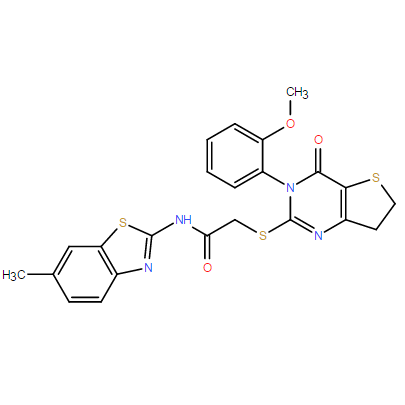
IWP-4Featured
100 mg USD 500 · 250 mg USD 950 · 1 g USD 1,900 · 10 mM * 1 mL in DMSO USD 220IWP-4 is a small molecule Wnt inhibitor with an IC50 of 25 nM.
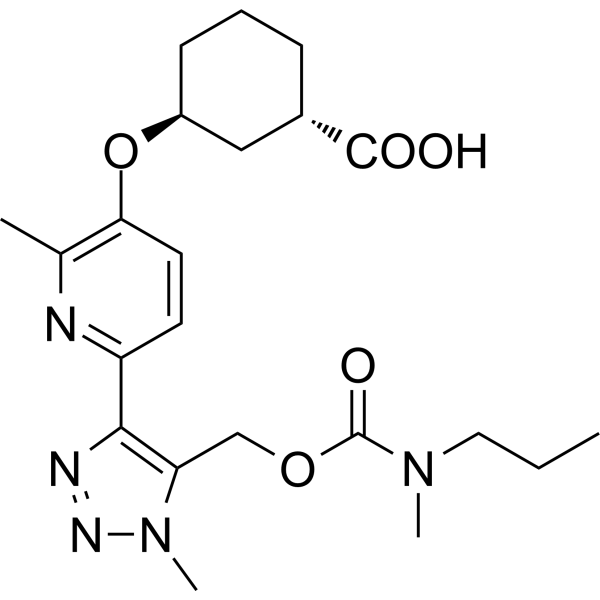
BMS-986278Featured
100mg USD 550 · 250mg USD 950 · 1g USD 1,900BMS-986278 is a potent lysophosphatidic acid receptor 1 (LPA1) antagonist, with a human LPA1 Kb of 6.9 nM.
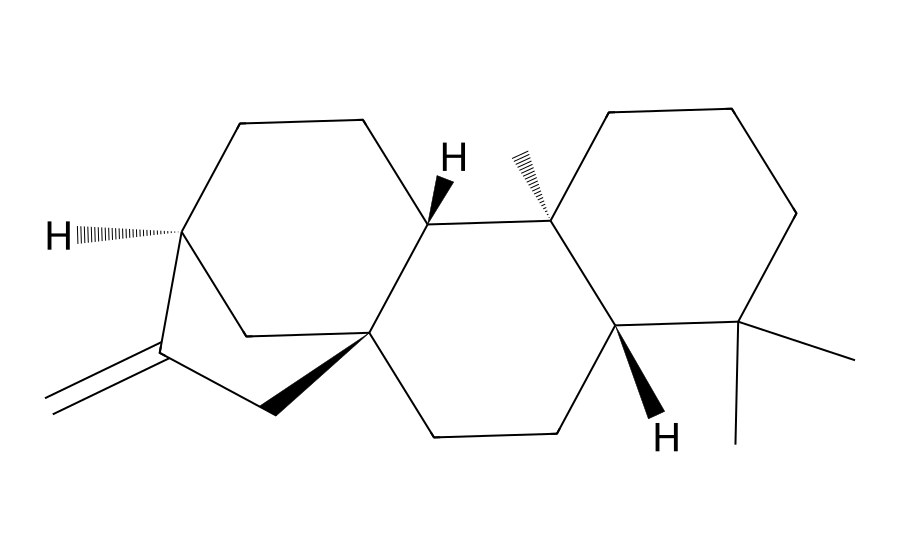
Ent-kaureneFeatured
2 mg USD 1,000Ent-kaurene is a tetracyclic diterpene consisting of ent-kaurane, where the 6-methyl group is replaced by methylene. It derives from a hydride of an ent-kaurane.
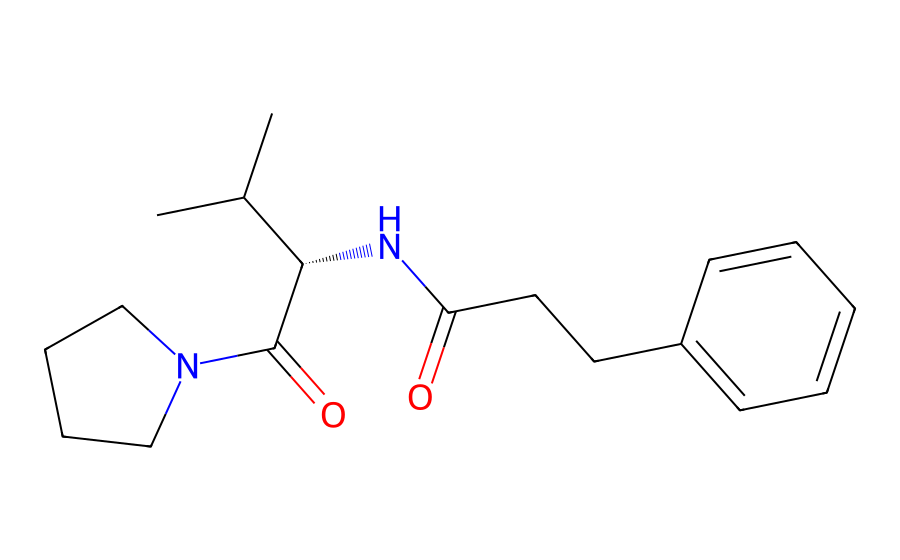
IL-1R antagonist(TLR1)Featured
100mg USD 550 · 250mg USD 850 · 1g USD 1,550 · 10 mM * 1 mL in DMSO USD 220TLR1 (compound 4a) is a low molecular weight, cell-penetrating Toll/IL-1 receptor/resistance (TIR) domain/BB-Loop mimic. TLR1 inhibits IL-1 receptor-mediated responses[1].
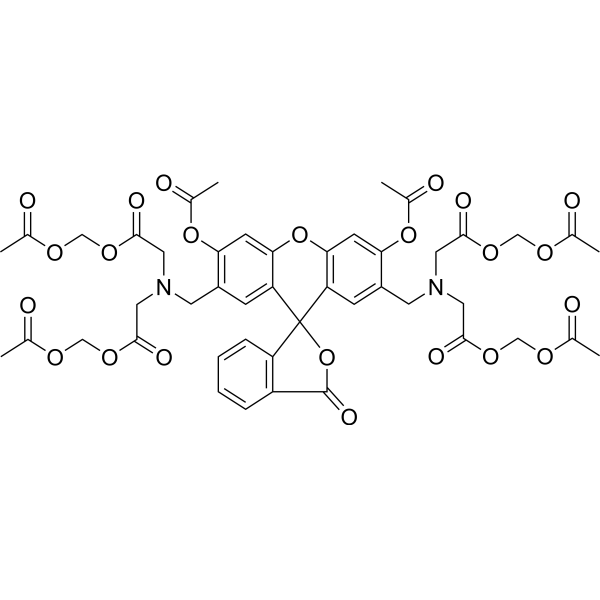
Calcein-amFeatured
5 mg USD 950Cell permeable derivative of calcein, becoming fluorescent on hydrolysis
LMT-28Featured
100 mg USD 416LMT-28 (LMT28) is a specific blocker of IL-6 signaling via inhibits IL-6Rβ (gp130) with IC50 of 5.9 uM (IL-6–induced luciferase activity), selectively inhibits IL-6–induced phosphorylation of STAT3, JAK2, and gp130; does not affect LIF-induced STAT3 activation and not inhibit IL-11 stimulation on HepG2 cells; binds directly and specifically to gp130, and thereby inhibits the interaction of gp130 with the IL-6/IL-6Rα complex; inhibits IL-6–induced proliferation of the human erythroleukemic cell line TF-1 with IC50 of 7.5 uM; inhibits IL-6–induced TNF-α production, ameliorates the progression of pancreatitis in mice.
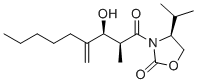
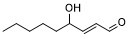
4-HydroxynonenalFeatured
100mg USD 980 · 250mg USD 1,300 · 1g USD 2,6004-Hydroxynonenal (4-HNE) is an α,β unsaturated hydroxyalkenal and an oxidative/nitrosative stress biomarker. 4-Hydroxynonenal is a substrate and an inhibitor of acetaldehyde dehydrogenase 2 (ALDH2). 4-Hydroxynonenal can modulate a number of signaling processes mainly through forming covalent adducts with nucleophilic functional groups in proteins, nucleic acids, and membrane lipids. 4-Hydroxynonenal plays an important role in cancer through mitochondria[1][2][3].
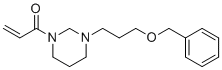
DC-TEAD3in03Featured
5mg USD 450DC-TEAD3in03 is a potent, selective, covalent TEAD3 inhibitor with IC50 of 0.16 uM, 100-fold selectivity over other TEAD isoforms (IC50>20 uM) in ABPP assays.DC-TEAD3in03 could significantly improve the thermal stability of TEAD3 protein, while it had minimal effect on widetype TEAD1, TEAD1 C359S and TEAD3 C371A mutants, demonstrated selective cellular engagement with Cys371 of TEAD3.DC-TEAD3in03 showed selective inhibitory effect on TEAD3 in GAL4-TEAD (1–4) reporter assays with IC50 of 1.15 uM in cellular assays.DC-TEAD3in03 reduced the growth rate of zebrafish caudal fins when administered to zebrafish juveniles.In the Hippo signaling pathway, the transcription factor TEA domains (TEADs) family proteins (TEAD1‒4) are the most important terminal regulators, which play an important role in development, cell proliferation, cell differentiation, tissue homeostasis, and regeneration.
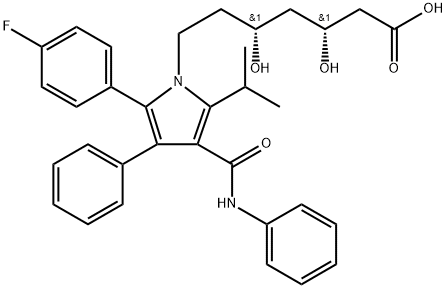
AtorvastatinFeatured
100 mg USD 100 · 250 mg USD 200 · 1 g USD 400A competitive inhibitor of HMG-CoA reductase that acts as a lipid-lowering agent for prevention of events associated with cardiovascular disease.DyslipidemiaApproved
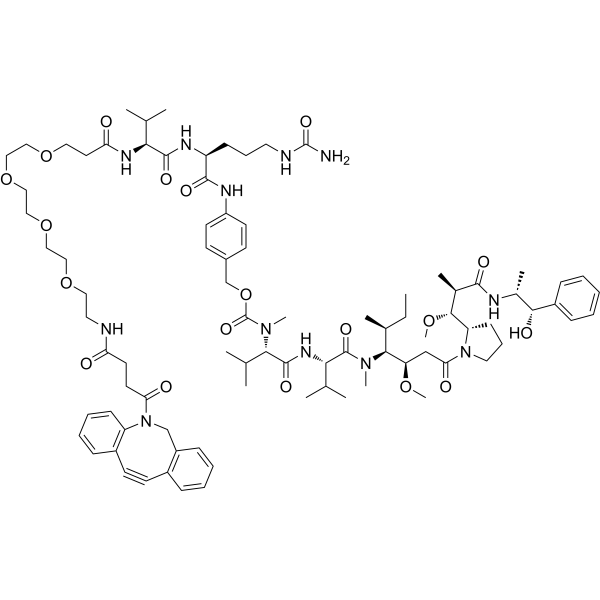
DBCO-PEG4-VC-PAB-MMAEFeatured
10mg USD 450 · 25mg USD 650 · 50mg USD 1,100 · 100mg USD 1,400DBCO-PEG4-VC-PAB-MMAE consists a ADC linker (DBCO-PEG4-VC-PAB) and a tubulin polymerization inhibitor MMAE (HY-15162). DBCO-PEG4-VC-PAB-MMAE can be used in the synthesis of antibody-agent conjugates (ADCs). MMAE is a synthetic derivative of dolastatin 10 and functions as a potent mitotic inhibitor by inhibiting tubulin polymerization. DBCO-PEG4-VC-PAB-MMAE is a click chemistry reagent, it contains a DBCO group that can undergo strain-promoted alkyne-azide cycloaddition (SPAAC) with molecules containing Azide groups.
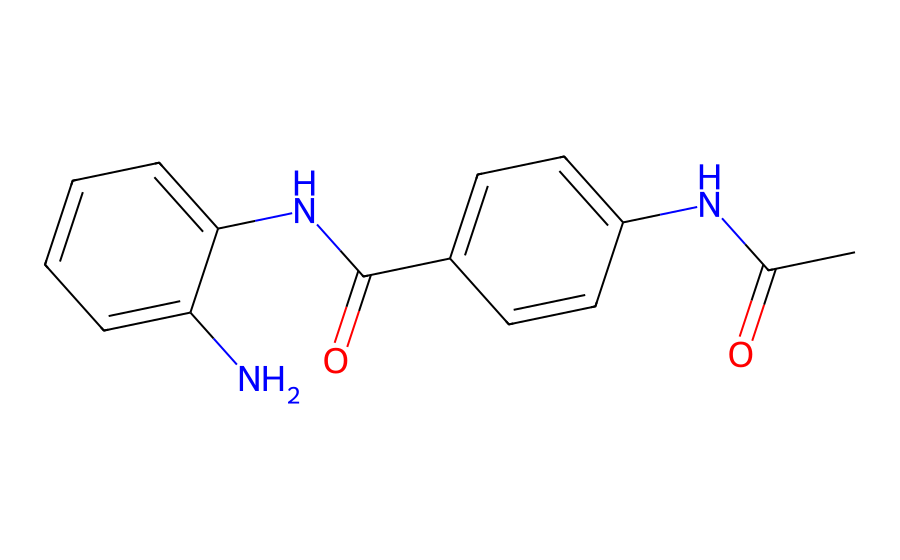
CI994 (Tacedinaline)Featured
100 mg USD 300 · 250 mg USD 600 · 1 g USD 1,200 · 10 mM * 1 mL in DMSO USD 150CI-994 (Tacedinaline) is an inhibitor of the histone deacetylase (HDAC) with IC50s of 0.9, 0.9, 1.2 μM for recombinant HDAC 1, 2 and 3 respectively.
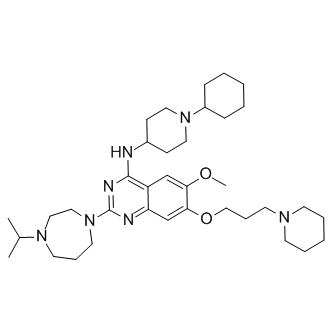
UNC0646Featured
100 mg USD 650 · 250 mg USD 1,300 · 1 g USD 2,500 · 10 mM * 1 mL in DMSO USD 220UNC0646 is a potent and selective G9a inhibitor with IC50 of 6 nM.UNC0646 is a potent and selective inhibitor of the homologous protein lysine methyltransferases, G9a and GLP (IC50 values are 6 nM and 15 nM for G9a and GLP, respectively). UNC0646 potently blocks G9a/GLP methyltransferase activity in cells (IC50 = 10 nM in MCF7 cells); exhibits low cellular toxicity (EC50 = 4.7 μM in MCF7 cells). UNC0646 is selective for G9a/GLP over a range of other protein lysine methyltransferases and protein arginine methyltransferases.
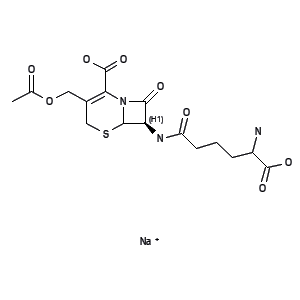
Cephalosporin C Na saltFeatured
100 mg USD 300 · 250 mg USD 600 · 1 g USD 1,200 · 10 mM * 1 mL in DMSO USD 150Cephalosporin C Na salt is used to study the effect of transpeptidase expression, binding, and inhibition on bacterial cell wall mucopeptide synthesis. Cephalosporin C has been used to determine activity during stopped-flow Fuorescence spectrometric measurements of association . It is also used as a substrate to detect Cephalosporinase activity . Cephalosporin C Na salt is used to study the effect of transpeptidase expression, binding, and inhibition on bacterial cell wall mucopeptide synthesis.For the detailed information of Cephalosporin C Na salt, the solubility of Cephalosporin C Na salt in water, the solubility of Cephalosporin C Na salt in DMSO, the solubility of Cephalosporin C Na salt in PBS buffer, the animal experiment (test) of Cephalosporin C Na salt, the cell expriment (test) of Cephalosporin C Na salt, the in vivo, in vitro and clinical trial test of Cephalosporin C Na salt, the EC50, IC50,and Affinity of Cephalosporin C Na salt, Please contact DC Chemicals.
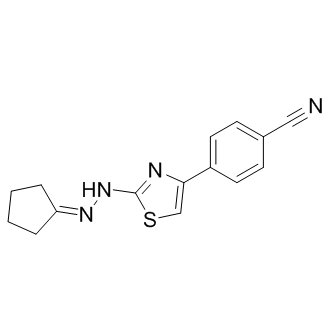
RemodelinFeatured
100 mg USD 400 · 250 mg USD 750 · 1 g USD 1,500 · 10 mM * 1 mL in DMSO USD 150Remodelin is a novel potent and selective inhibitor of the acetyl-transferase protein NAT10.Remodelin can improve nuclear architecture, chromatin organization, and fitness of both human lamin A/C-depleted cells and HGPS-derived patient cells, and decrease markers of DNA damage in these cells. Using a combination of chemical, cellular, and genetic approaches, acetyl-transferase protein NAT10 was identified as the target of Remodelin that mediated nuclear shape rescue in laminopathic cells via microtubule reorganization. Down-regulation and mutations of the nuclear-architecture proteins lamin A and C cause misshapen nuclei and altered chromatin organization associated with cancer and laminopathies, including the premature-aging disease Hutchinson-Gilford progeria syndrome (HGPS). Remodelin is a useful chemical tool to study how NAT10 affects nuclear architecture and suggest alternative strategies for treating laminopathies and aging.
No products match this search.
Page 112 of 184 · Browse all 3666 products