
Research lipid catalog
Ionizable Lipid Products
Explore 848 lipid and RNA delivery products. Search the full catalog or browse by research category.
Search covers product name, catalog number, synonyms, available CAS numbers and categories. Spaces, hyphens and common punctuation are ignored. Duplicate legacy records are consolidated under one canonical product result.
3666 products · Showing 2241–2260 · 20 per page
DC Chemicals lipid expertise
Built for ionizable-lipid discovery and RNA delivery research
DC Chemicals supports formulation and delivery research with a broad, searchable portfolio of cationic and ionizable lipids. The current directory brings together 848 unique research-use products, with product specifications, pricing, chemical structures and literature-linked formulation data added as each record is verified.
Our experience spans complex lipid synthesis, purification, analytical release and process development. For custom molecules or larger-scale requirements, our team can discuss route development, technical specifications and scale-up options for the intended research workflow.
Learn about cationic and ionizable lipids →Proprietary innovation · Co-development · GMP
From proprietary lipid design to GMP-grade custom synthesis
DC Chemicals has independently developed ionizable-lipid structures supported by company-owned intellectual property, and selected proprietary lipid programs have advanced to GMP-stage development.
We welcome joint development with customers—from molecular design and lipid synthesis through route and process development. We can also support custom synthesis of GMP-grade ionizable lipids to agreed technical specifications and quality requirements.
Discuss a co-development project →Proprietary ionizable-lipid structuresCollaborative molecular designCustom lipid synthesisProcess development and scale-upGMP-grade project support
Product quick links
Explore ionizable lipids
Browse specifications, pricing and literature-linked product information.
Cat. No.Product NameField of ApplicationChemical Structure
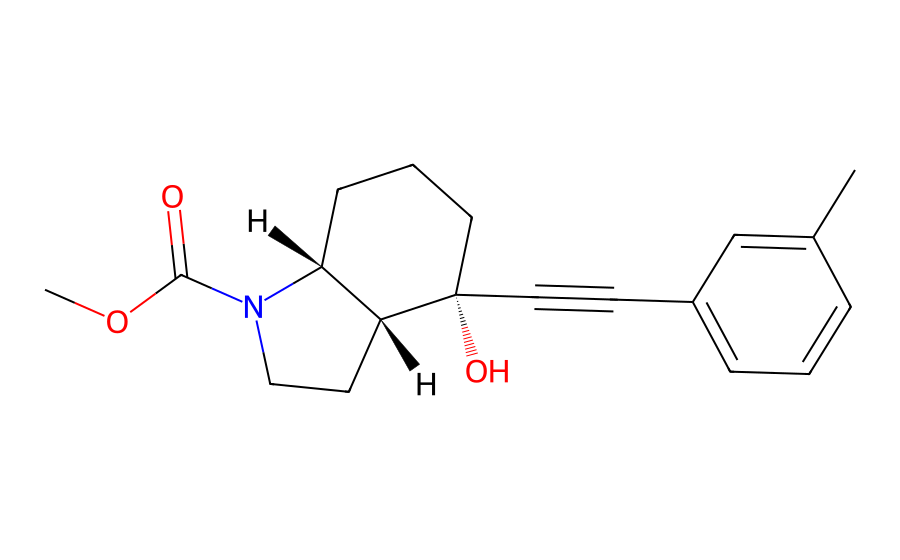
Mavoglurant (AFQ 056)Featured
10 mg USD 350 · 25 mg USD 600 · 100 mg USD 1,100Mavoglurant is a structurally novel, non-competitive mGlu5 receptor antagonist, has an IC50 of 30 nM in a functional assay with human mGluR5.IC50 value: 30 nMTarget: mGluR5in vitro: Mavoglurant is a selective non-competitive antagonist which showed efficacy in the treatment of L-dopa induced dyskinesias in Parkinson's disease and Fragile X mental retardation in proof of principle studies. Mavoglurant is selective over the other mGluR subtypes, iGluRs and a panel of 238 CNS relevant receptors, transporter or enzymes. [1]In vivo: Mavoglurant shows an improved pharmacokinetic profile in rat and efficacy in the stress-induced hyperthermia test in mice as compared to the prototypic mGluR5 antagonist MPEP.[1]
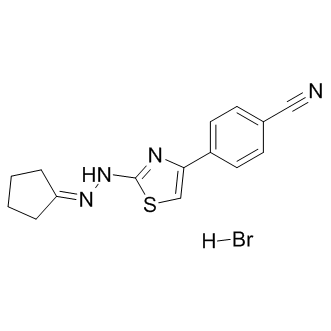
Remodelin (hydrobromide)Featured
100 mg USD 400 · 250 mg USD 750 · 1 g USD 1,500 · 10 mM * 1 mL in DMSO USD 150Remodelin HBr salt is a novel potent and selective inhibitor of the acetyl-transferase protein NAT10.Remodelin can improve nuclear architecture, chromatin organization, and fitness of both human lamin A/C-depleted cells and HGPS-derived patient cells, and decrease markers of DNA damage in these cells. Using a combination of chemical, cellular, and genetic approaches, acetyl-transferase protein NAT10 was identified as the target of Remodelin that mediated nuclear shape rescue in laminopathic cells via microtubule reorganization. Down-regulation and mutations of the nuclear-architecture proteins lamin A and C cause misshapen nuclei and altered chromatin organization associated with cancer and laminopathies, including the premature-aging disease Hutchinson-Gilford progeria syndrome (HGPS). Remodelin is a useful chemical tool to study how NAT10 affects nuclear architecture and suggest alternative strategies for treating laminopathies and aging.
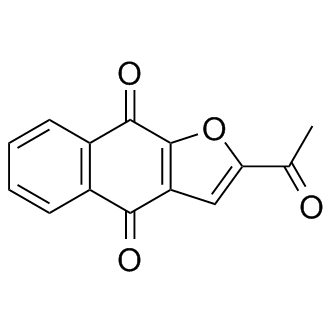
Napabucasin (BBI608)Featured
100 mg USD 200 · 250 mg USD 400 · 1 g USD 800 · 10 mM * 1 mL in DMSO USD 150Napabucasin is a STAT3 inhibitor which blocks stem cell activity in cancer cells.
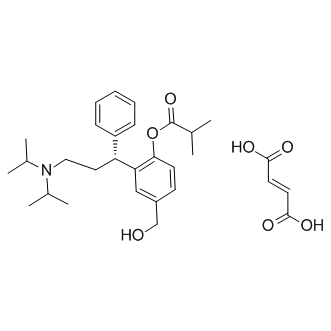
Fesoterodine fumarateFeatured
100 mg USD 250 · 250 mg USD 500 · 1 g USD 950 · 10 mM * 1 mL in DMSO USD 150Fesoterodine Fumarate is an antimuscarinic agent and is rapidly de-esterified to its active metabolite 5-hydroxymethyl tolterodine that is a muscarinic receptor antagonist.IC50 value:Target: mAChRFesoterodine has the advantage of allowing more flexible dosage than other muscarinic antagonists. Its tolerability and side effects are similar to other muscarinic antagonists and as a new drug seems unlikely to make great changes in practices of treatment for overactive bladder.
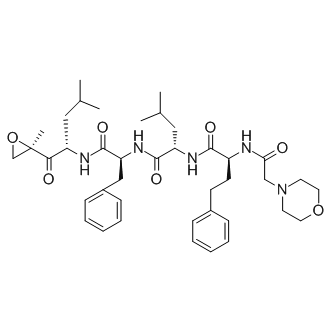
Carfilzomib (PR-171)Featured
100 mg USD 300 · 250 mg USD 600 · 1 g USD 1,200 · 10 mM * 1 mL in DMSO USD 150Carfilzomib is an irreversible proteasome inhibitor with an IC50 of 5 nM in ANBL-6 and RPMI 8226 cells.
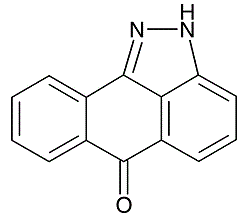
SP600125Featured
100 mg USD 150 · 250 mg USD 300 · 1 g USD 600 · 10 mM * 1 mL in DMSO USD 150SP600125 is a reversible and ATP-competitive JNK inhibitor with IC50s of 40, 40 and 90 nM for JNK1, JNK2 and JNK3, respectively.
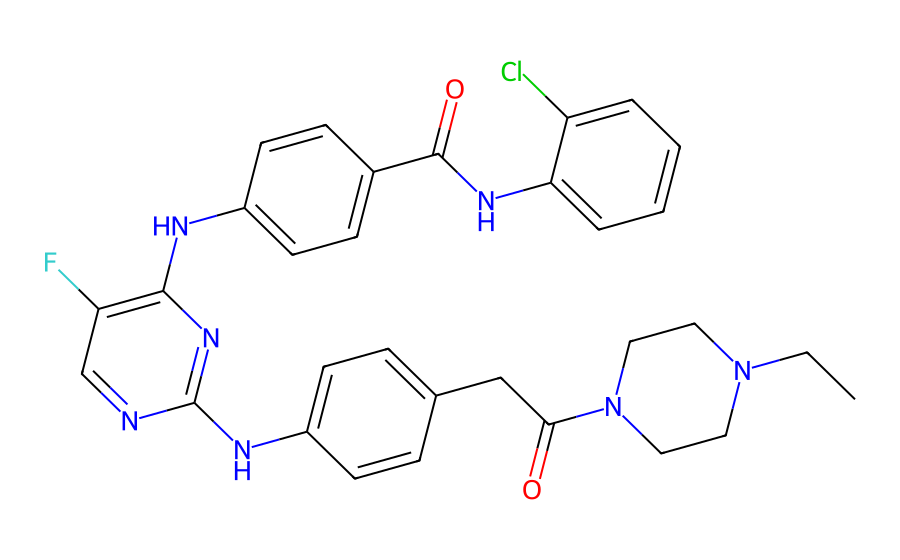
Aurora A Inhibitor IFeatured
100 mg USD 448 · 250 mg USD 880 · 1 g USD 1,600 · 10 mM * 1 mL in DMSO USD 220Aurora A inhibitor I is a potent and highly selective Aurora A inhibitor with with an IC50 of 3.4 nM.
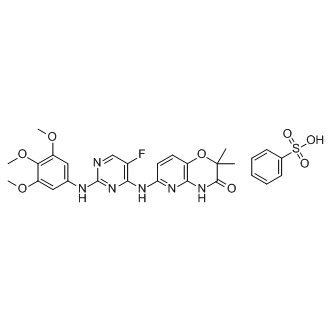
R406Featured
100 mg USD 300 · 250 mg USD 600 · 1 g USD 1,200 · 10 mM * 1 mL in DMSO USD 150R406 is a competitive Syk inhibitor for ATP binding with a Ki of 30 nM, potently inhibits Syk kinase activity in vitro with an IC50 of 41 nM, measured at an ATP concentration corresponding to its Km value.
SAR-20347Featured
100 mg USD 600 · 250 mg USD 1,100 · 1 g USD 2,200 · 10 mM * 1 mL in DMSO USD 220SAR-20347 is an inhibitor of TYK2, JAK1, JAK2 and JAK3 with IC50s of 0.6, 23, 26 and 41 nM, respectively.
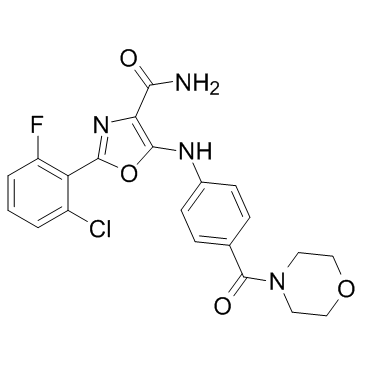
Tofacitinib (CP-690550) CitrateFeatured
100 mg USD 150 · 250 mg USD 300 · 1 g USD 700 · 10 mM * 1 mL in DMSO USD 150Tofacitinib citrate is a JAK1/2/3 inhibitor with IC50s of 1, 20, and 112 nM, respectively.
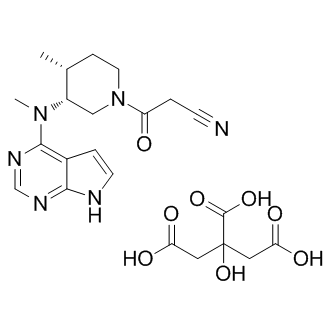
IndiplonFeatured
100 mg USD 350 · 250 mg USD 700 · 1 g USD 1,300 · 10 mM * 1 mL in DMSO USD 150Potent GABAA receptor positive allosteric modulator that acts at the benzodiazepine site (Ki values are 1.2 and 1.7 nM in rat frontal cortex and cerebellum respectively). Displays ~ 10-fold selectivity for α1 subunit-containing receptors (EC50 values are 2.6, 24, 60 and 77 nM for α1β2γ2, α2β2γ2, α3β3γ2 and α5β2γ2 receptors respectively). Exhibits sedative, hypnotic, anxiolytic and anticonvulsant activity in vivo and is orally active. For the detailed information about the solubility of Indiplon in water, the solubility of Indiplon in DMSO, the solubility of Indiplon in PBS buffer, the animal experiment(test) of Indiplon,the in vivo,in vitro and clinical trial test of Indiplon,the cell experiment(test) of Indiplon,the IC50, EC50 and Affinity of Indiplon, please contact DC Chemicals.
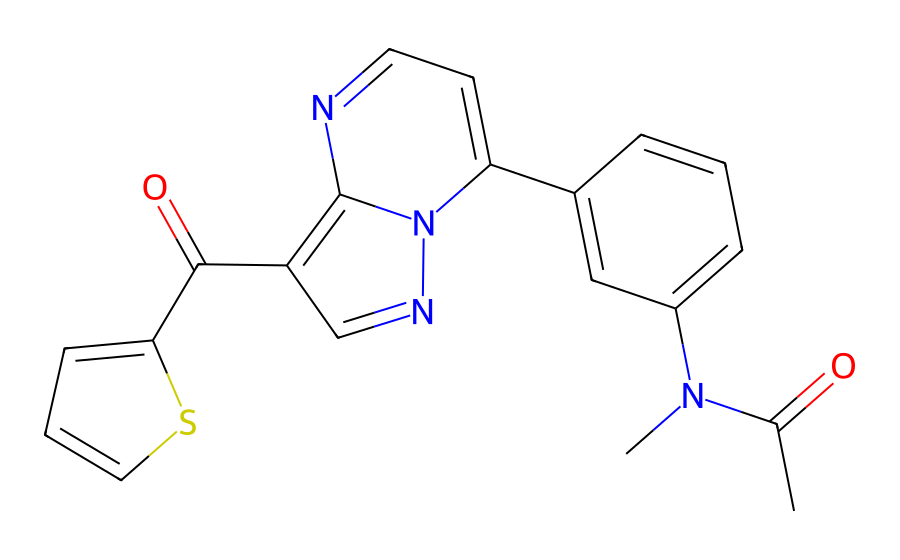
NSC59984Featured
100 mg USD 350 · 250 mg USD 700 · 1 g USD 1,500 · 10 mM * 1 mL in DMSO USD 150NSC59984 induces mutant p53 protein degradation via MDM2 and the ubiquitin-proteasome pathway. The EC50 of NSC59984 in most cancer cells is significantly lower than those of normal cells, with EC50 of 8.38 μM for p53-null HCT116 cells.
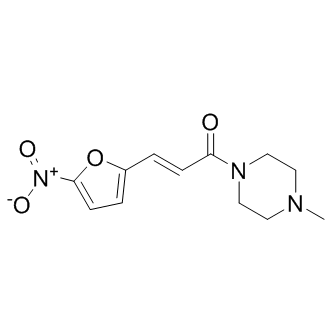
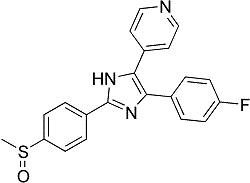
SB-203580Featured
100 mg USD 300 · 250 mg USD 600 · 1 g USD 1,200 · 10 mM * 1 mL in DMSO USD 150SB 203580 is a widely used p38 MAPK inhibitor with an IC50 of 0.3-0.5 μM. It shows more than 100-fold selectivity over PKB, LCK, and GSK-3β.
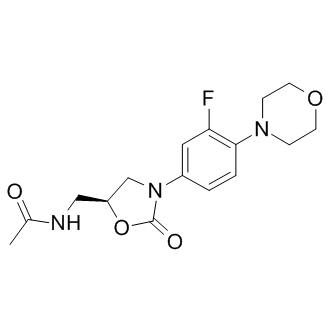
Linezolid (PNU-100766)Featured
100 mg USD 200 · 250 mg USD 450 · 1 g USD 800 · 10 mM * 1 mL in DMSO USD 150Linezolid (PNU-100766) is a synthetic antibiotic used for the treatment of serious infections caused by Gram-positive bacteria that are resistant to several other antibiotics.
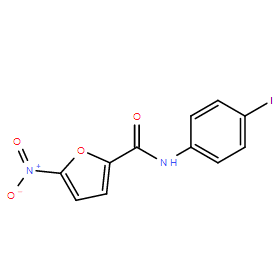
STING inhibitor C-176Featured
100 mg USD 450 · 250 mg USD 700 · 1 g USD 1,300 · 10 mM * 1 mL in DMSO USD 220C-176 is a strong and covalent mouse STING inhibitor.
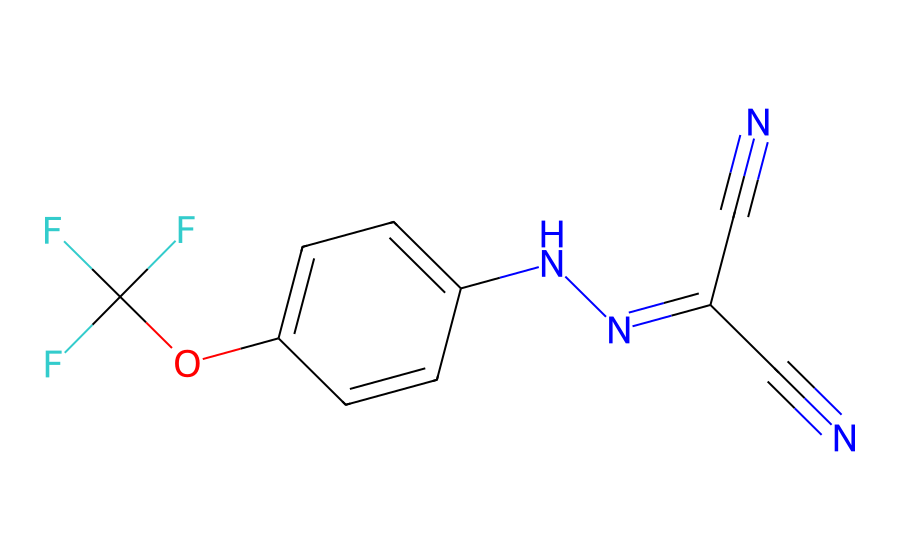
FCCPFeatured
100 mg USD 250 · 250 mg USD 450 · 1 g USD 1,100 · 10 mM * 1 mL in DMSO USD 150FCCP is an uncoupler of oxidative phosphorylation in mitochondria.
CHIR-99021 HClFeatured
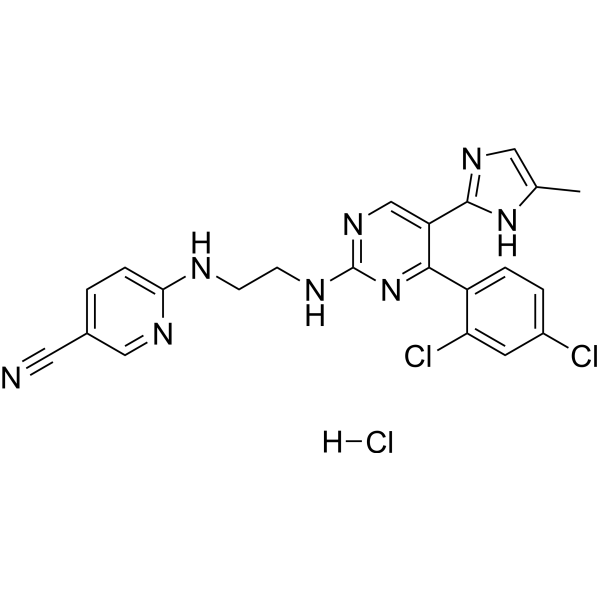
100 mg USD 350 · 250 mg USD 650 · 1 g USD 1,200 · 10 mM * 1 mL in DMSO USD 150CHIR-99021 monohydrochloride is a GSK-3α/β inhibitor with IC50 of 10 nM/6.7 nM; > 500-fold selectivity for GSK-3 versus its closest homologs CDC2 and ERK2, as well as other protein kinases.
JD5037Featured
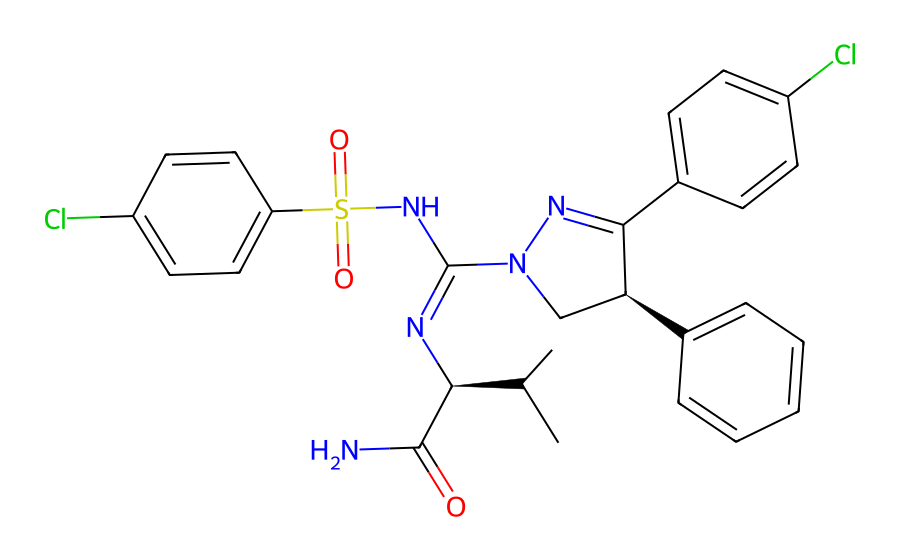
100 mg USD 700 · 250 mg USD 1,350 · 1 g USD 2,700 · 10 mM * 1 mL in DMSO USD 220JD-5037 is a novel, peripherally restricted CB1R antagonist with an IC50 of 1.5 nM.
BMS-687453Featured
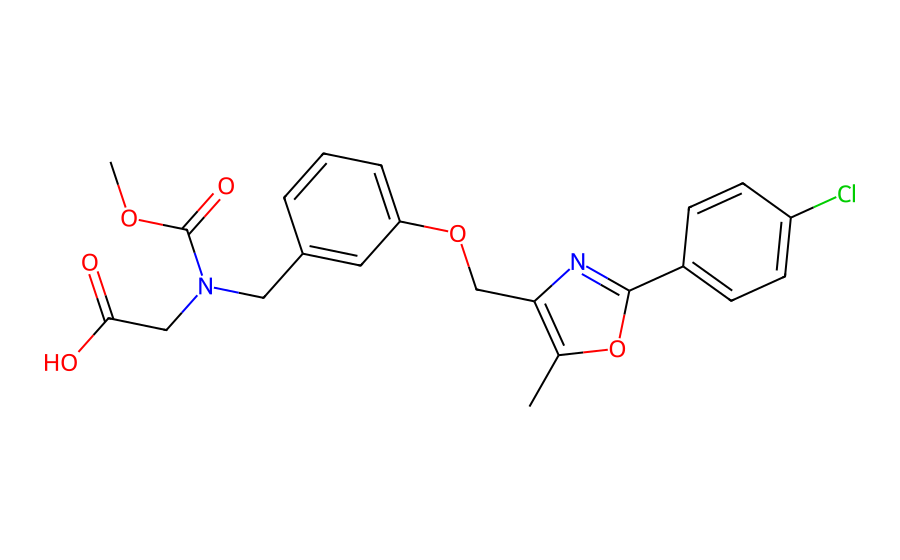
100 mg USD 500 · 250 mg USD 900 · 1 g USD 1,800 · 10 mM * 1 mL in DMSO USD 220BMS-687453 is a potent and selective PPARα agonist, with an EC50 and IC50 of 10 nM and 260 nM for human PPARα and 4100 nM and >15000 nM for PPARγ in PPAR-GAL4 transactivation assays.
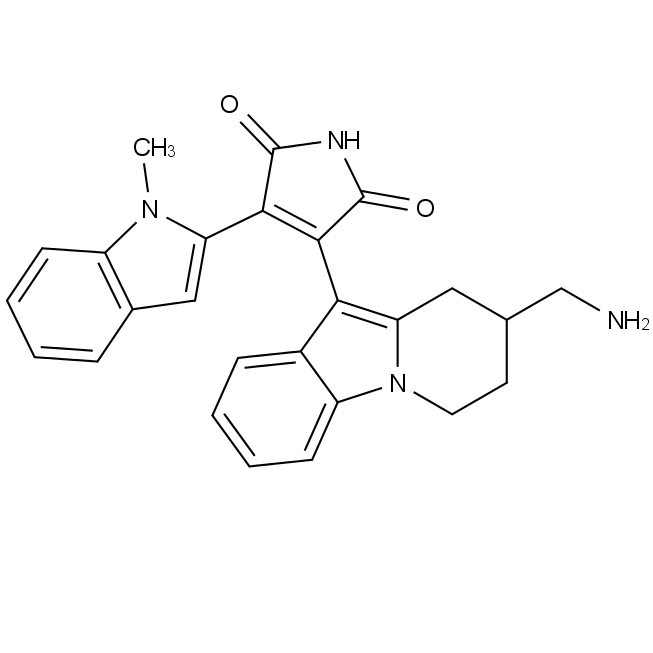
100 mg USD 750 · 250 mg USD 1,350 · 1 g USD 2,700 · 10 mM * 1 mL in DMSO USD 220
Bisindolylmaleimide X is a cell-permeable, reversible, ATP-competitive protein kinase C (PKC) inhibitor (IC50 = 15 nM, rat brain PKC).
No products match this search.
Page 113 of 184 · Browse all 3666 products