
Research lipid catalog
Ionizable Lipid Products
Explore 848 lipid and RNA delivery products. Search the full catalog or browse by research category.
Search covers product name, catalog number, synonyms, available CAS numbers and categories. Spaces, hyphens and common punctuation are ignored. Duplicate legacy records are consolidated under one canonical product result.
4677 products · Showing 4221–4240 · 20 per page
DC Chemicals lipid expertise
Built for ionizable-lipid discovery and RNA delivery research
DC Chemicals supports formulation and delivery research with a broad, searchable portfolio of cationic and ionizable lipids. The current directory brings together 848 unique research-use products, with product specifications, pricing, chemical structures and literature-linked formulation data added as each record is verified.
Our experience spans complex lipid synthesis, purification, analytical release and process development. For custom molecules or larger-scale requirements, our team can discuss route development, technical specifications and scale-up options for the intended research workflow.
Learn about cationic and ionizable lipids →Proprietary innovation · Co-development · GMP
From proprietary lipid design to GMP-grade custom synthesis
DC Chemicals has independently developed ionizable-lipid structures supported by company-owned intellectual property, and selected proprietary lipid programs have advanced to GMP-stage development.
We welcome joint development with customers—from molecular design and lipid synthesis through route and process development. We can also support custom synthesis of GMP-grade ionizable lipids to agreed technical specifications and quality requirements.
Discuss a co-development project →Proprietary ionizable-lipid structuresCollaborative molecular designCustom lipid synthesisProcess development and scale-upGMP-grade project support
Product quick links
Explore New ionizable lipids
Explore our five most recently added ionizable lipids, with specifications, pricing and literature-linked product information.
DCL0028HX1Brain RNA delivery researchView product →DCL0024A1I4R13C18-2Spleen-targeted RNA delivery researchView product →DCL0023A1I4R2C18-2Spleen-targeted RNA delivery researchView product →DCL0022FS01Local joint RNA delivery researchView product →DCL0020Lipid-392Lung RNA delivery and gene editing researchView product →
Cat. No.Product NameField of ApplicationChemical Structure
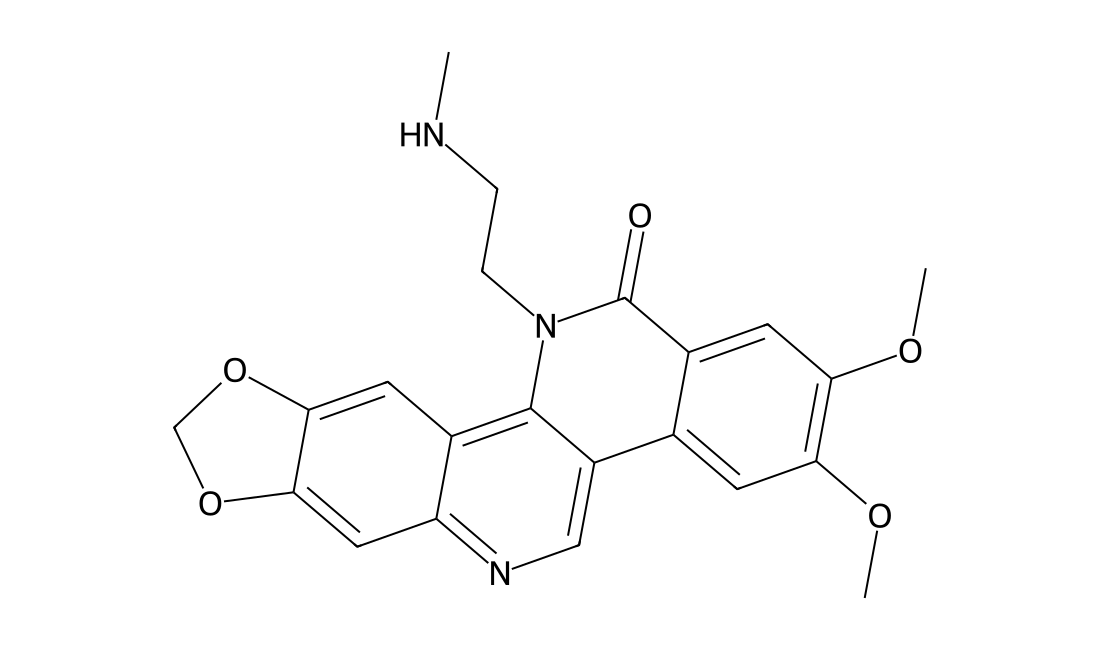
GENZ-644282Featured
Genz-644282 is a non-camptothecin inhibitor of topoisomerase I with potential antineoplastic activity(IC50=1.2 nM).
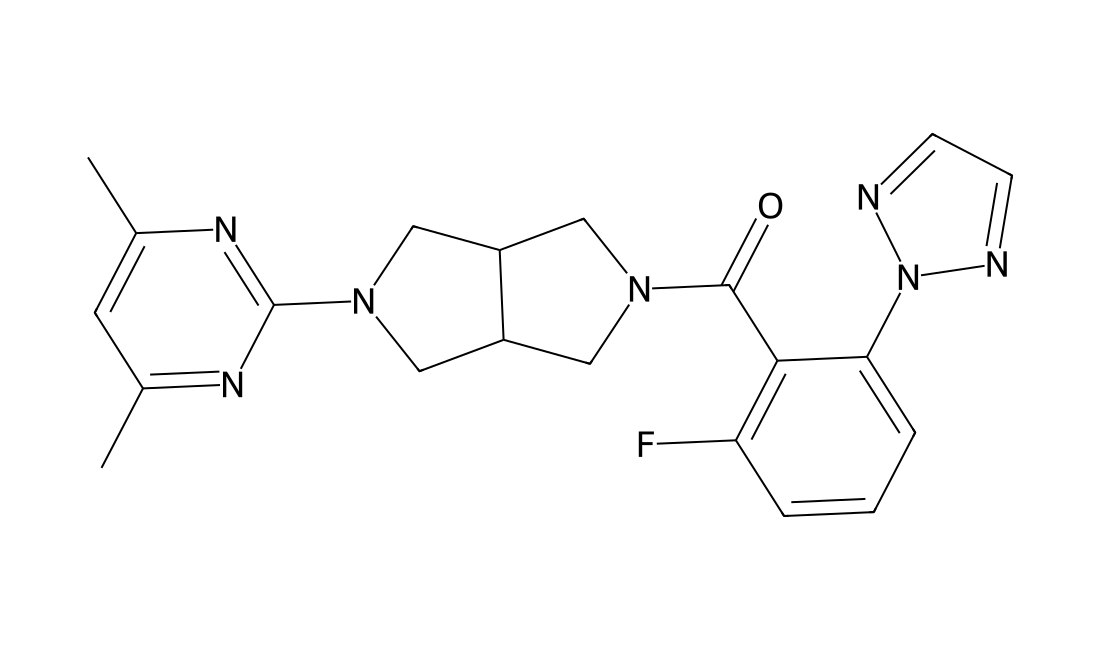
SeltorexantFeatured
A potent, selective, orally active orexin-2 receptor (OX2R) antagonist with pKi of 8.0 and 8.1 for human and rat OX2R, respectively.
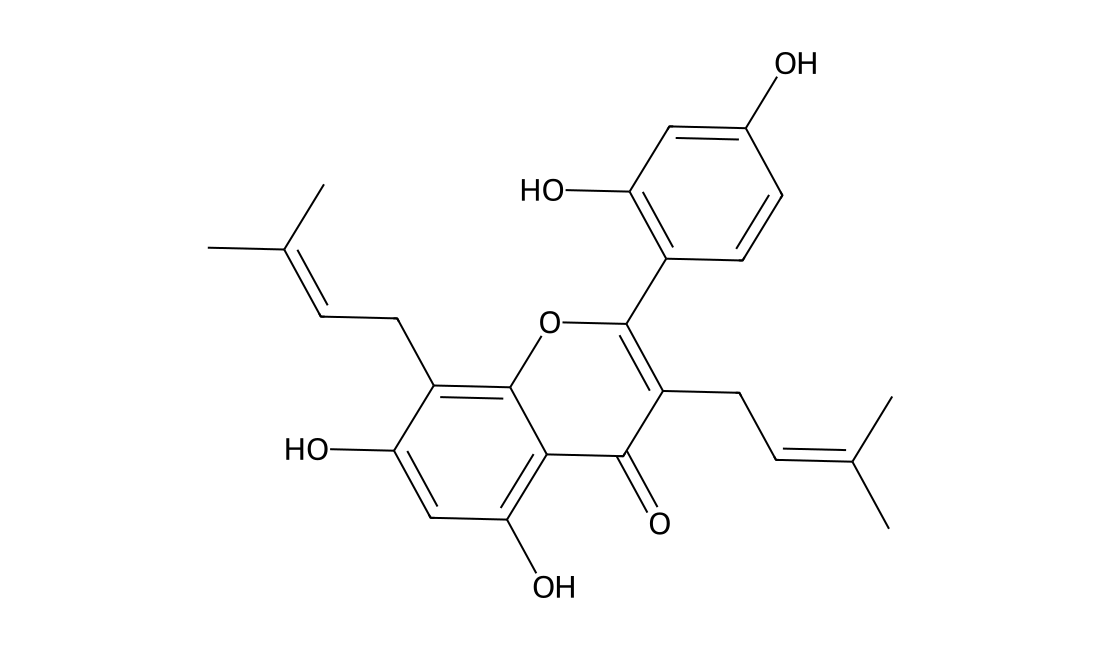
Mulberrin (Kuwanon C)Featured
Mulberrin is a strong inhibitor of organic anion-transporting polypeptide 2B1 (OATP2B1)-mediated estrone-3-sulfate (E3S) uptake with an IC50 value being 1.8 ±1.5 μM.
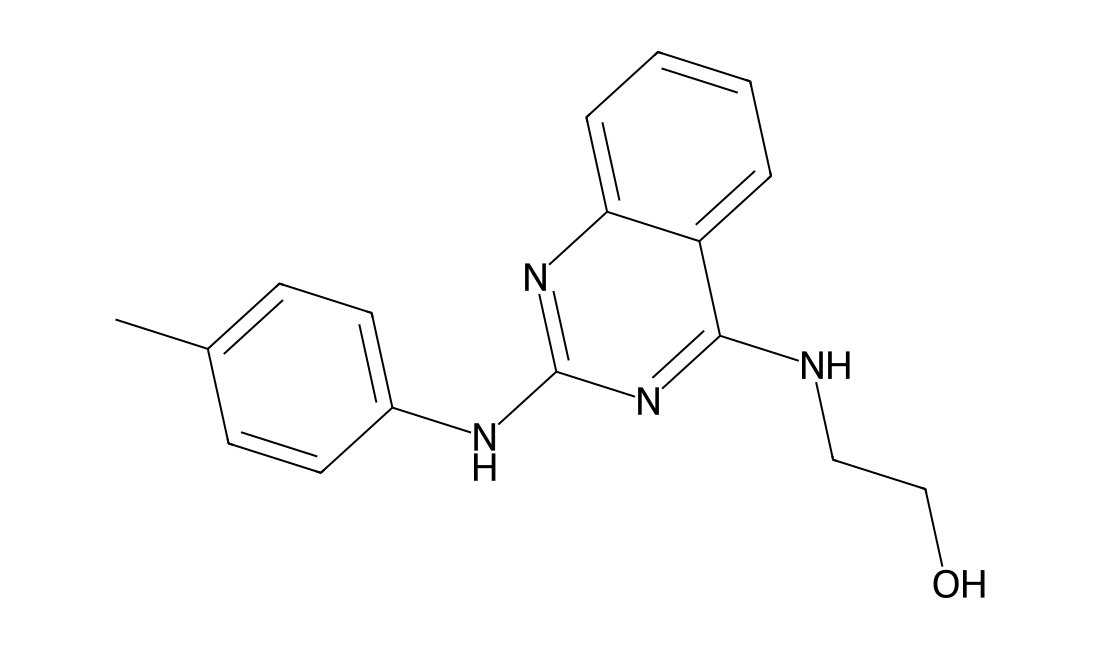
Z57346765Featured
Z57346765 is a PGK1-specific inhibitor that reduces the activity of metabolic enzymes in PGK1 glycolysis and inhibits PGK1-dependent cell proliferation. Z57346765 exerts inhibitory effects against clear cell renal cell carcinoma (KIRC).
GTP14564Featured
GTP-14564 is a specific kinase inhibitor for ITD-FLT3. GTP-14564 inhibited the growth of interleukin-3-independent Ba/F3 expressing ITD-FLT3 at 1 microM, whereas a 30-fold higher concentration of GTP-14564 was required to inhibit FLT3 ligand-dependent growth of Ba/F3 expressing wild type FLT3 (wt-FLT3).
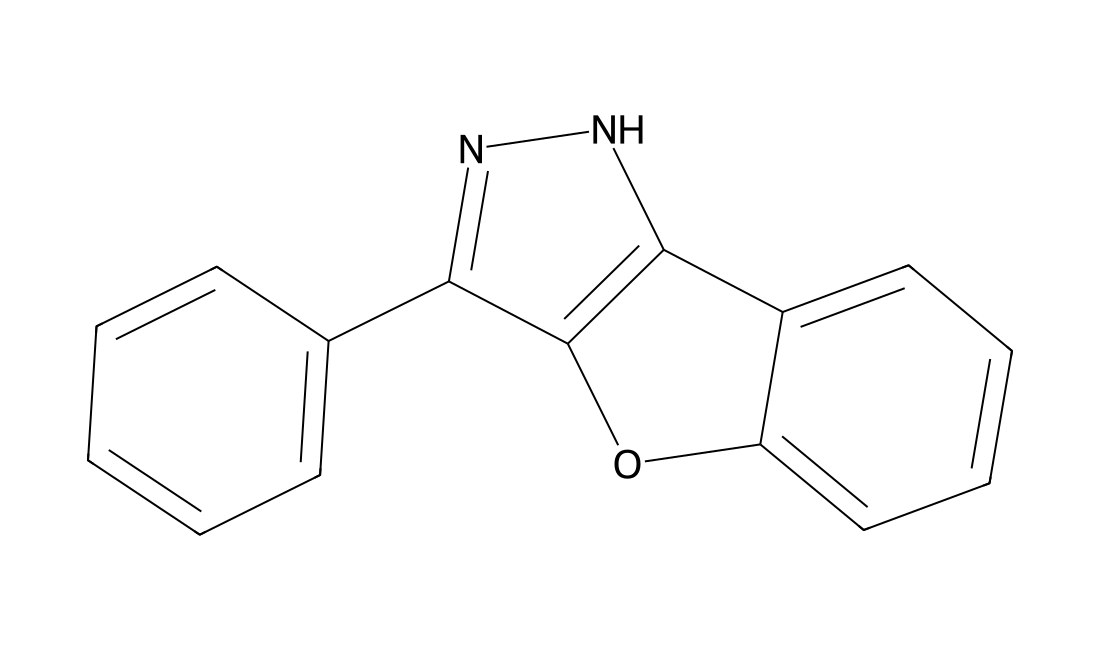
TWS119Featured
TWS119 is a GSK-3β inhibitor with IC50 of 30 nM.
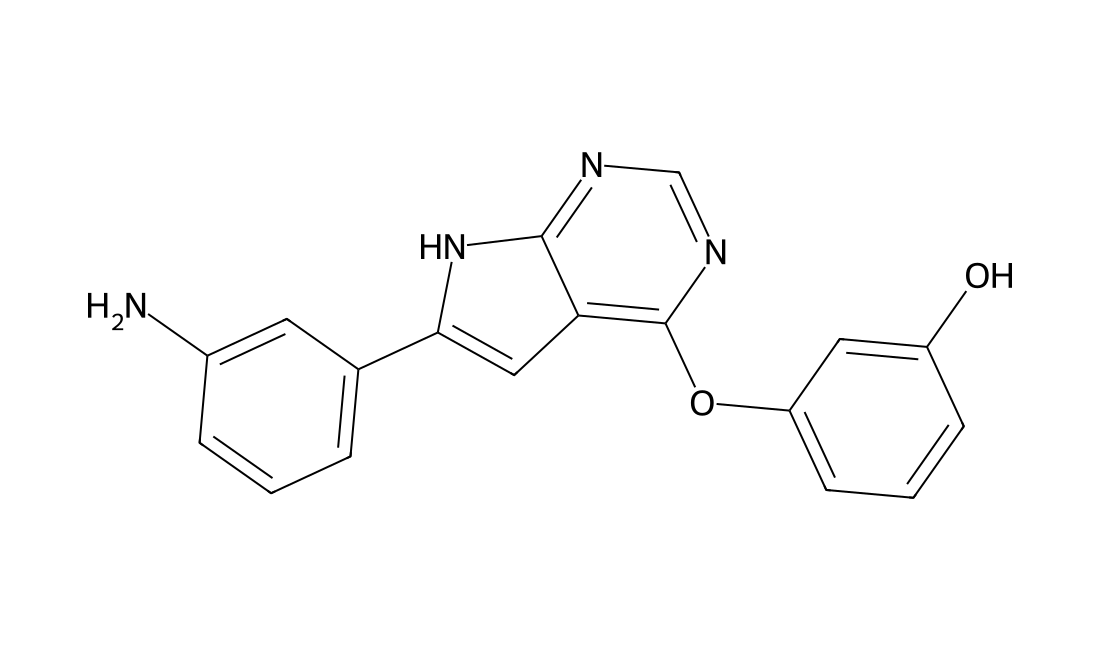
TUG-469Featured
TUG-469 is a selective free fatty acid receptor 1 (FFA1/GPR40) agonist with an EC50 value of 19 nM. TUG-469 is >200-fold selective for FFA1 over FFA4. TUG-469 significantly improves glucose tolerance in pre-diabetic mice. TUG-469 can be used for the research of diabetes.
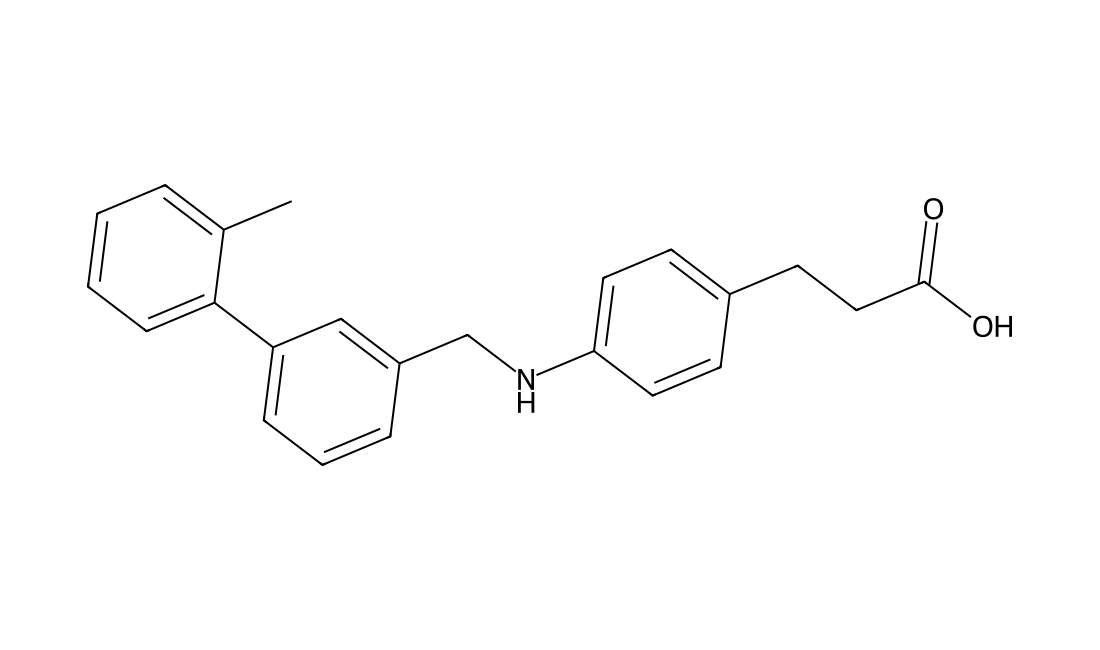
AZ-7371(TBA-7371)Featured
TBA-7371 (TBA7371, AZ 7371) is a potent, non-covalent inhibitor of decaprenylphosphoryl-β-D-ribose 2'-epimerase (DprE1) with IC50 of 10 nM, an enzyme involved in mycobacterial cell wall biogenesis.TBA-7371 also inhibits PDE6 with an IC50 value of 4 uM.TBA-7371 is active against M. tuberculosis with an MIC range of 0.78-3.12 µM and demonstrates efficacy in a rodent model of tuberculosis.
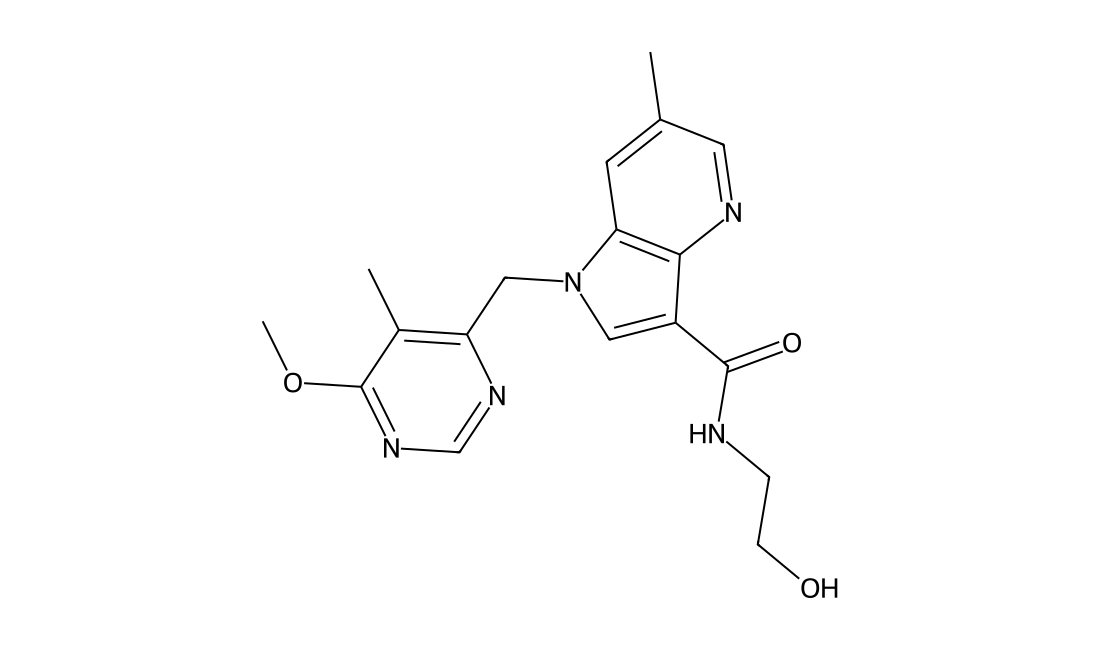
O4I4Featured
O4I4 (compound 23) is a OCT4-inducing compound with metabolical stability.
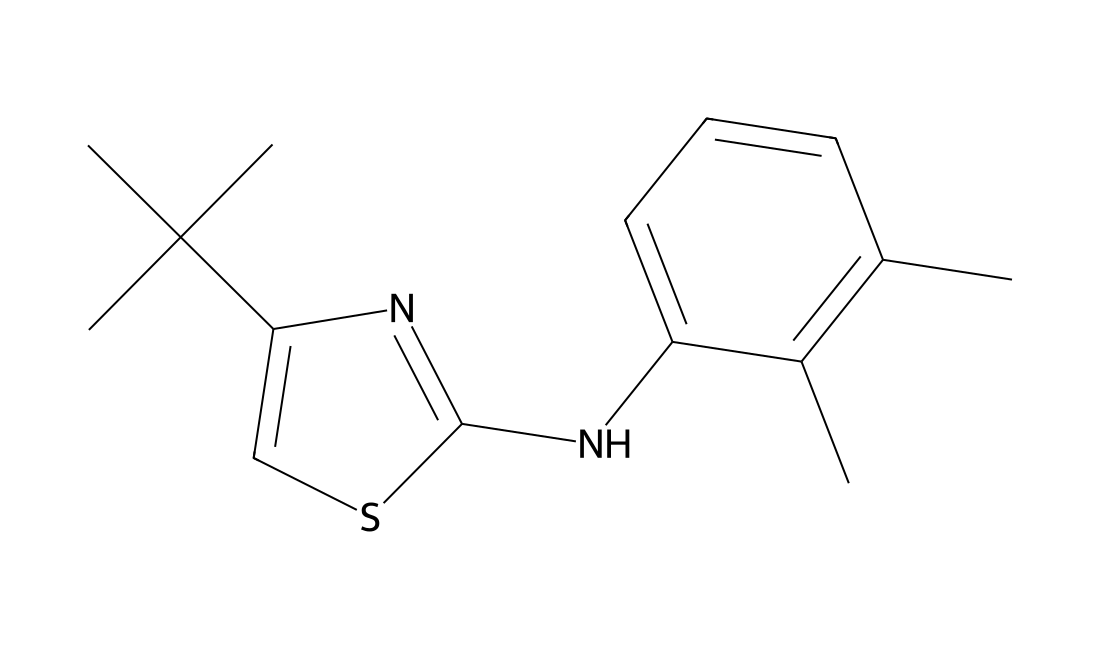
AM-1882Featured
AM-1882 (AM1882) is a potent, selective mitotic kinesin KIF18A inhibitor with IC50 of 230 nM in kinesin-8 microtubule (MT)-ATPase motor assays.
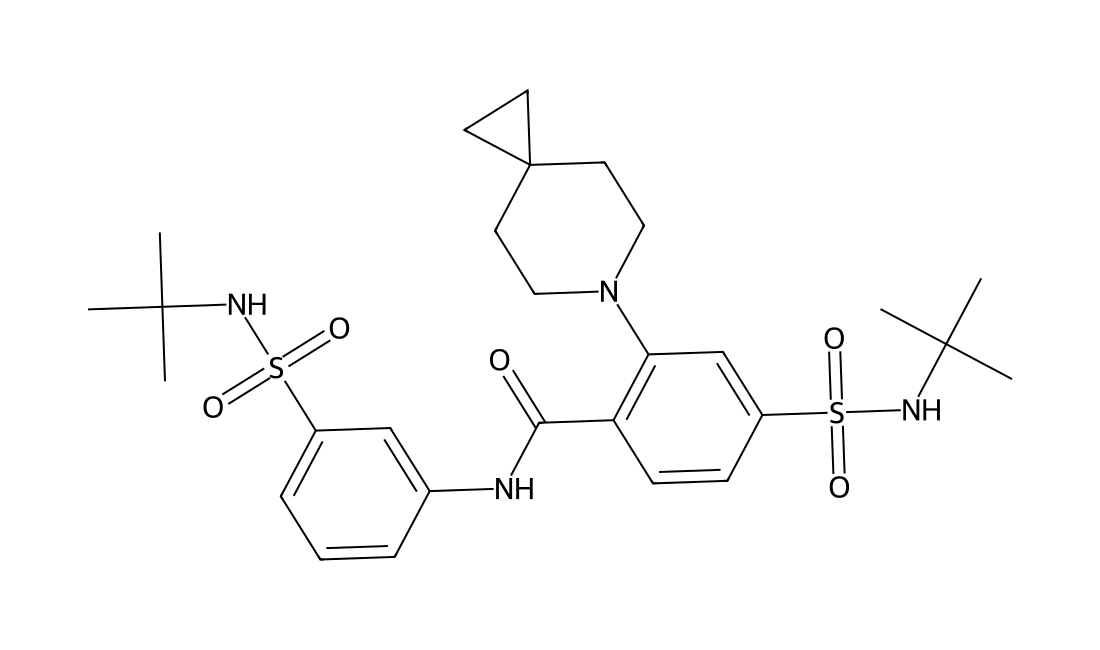
Rtioxa-43Featured
RTIOXA-43 is a dual orexin receptor agonist exhibiting potent activity at both OX1 and OX2 receptors, with EC₅₀ values of 24 nM for each . In vivo studies involving 12-month-old mice have demonstrated that peripheral administration of RTIOXA-43 significantly increases wakefulness, reduces total sleep time, and enhances sleep/wake consolidation by decreasing the number of sleep episodes and extending their duration . These findings suggest that RTIOXA-43 holds promise as a therapeutic candidate for treating orexin-deficient conditions such as narcolepsy.
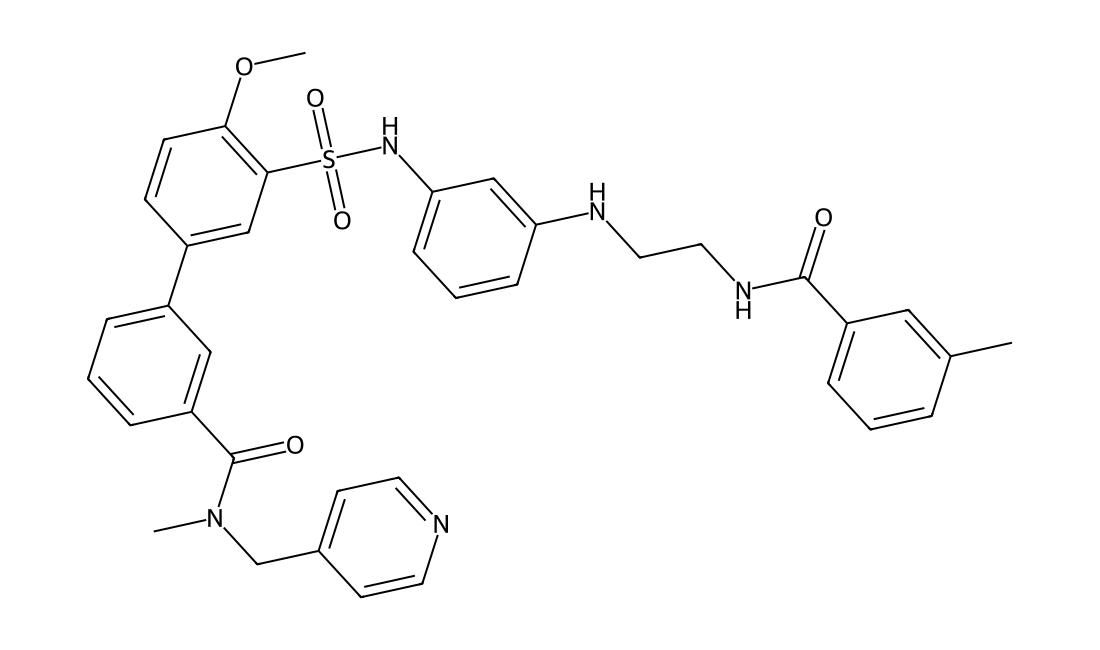
L-674573Featured
L-674573 is a quinoline-based compound that specifically blocks 5-lipoxygenase cellular translocation, thereby inhibiting leukotriene biosynthesis.
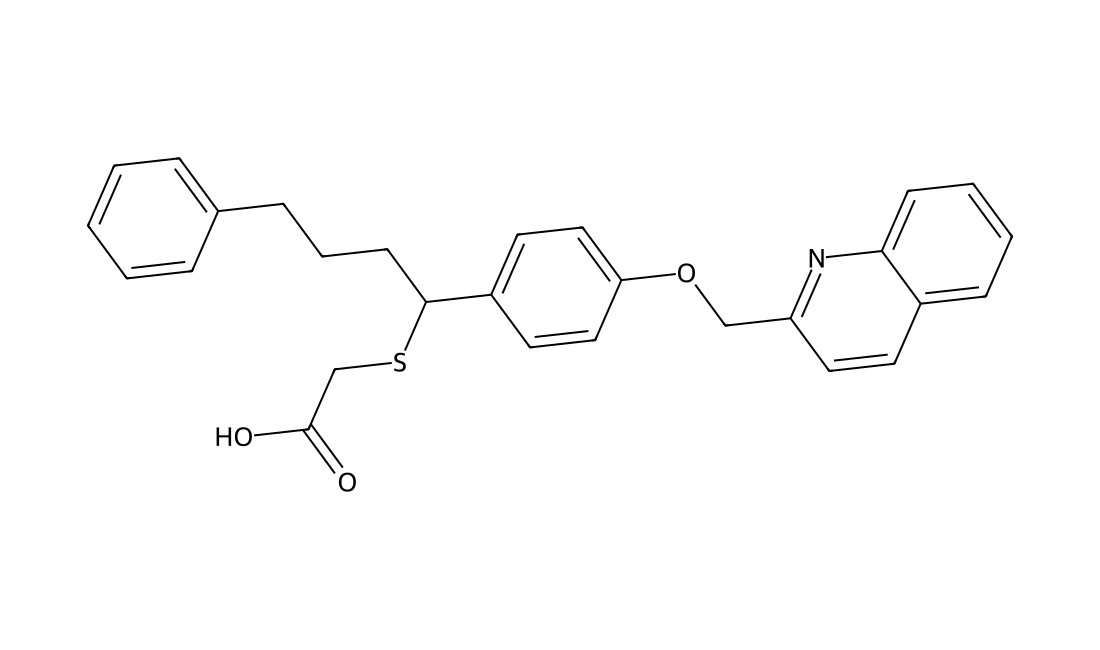
MI-3 (Menin-MLL Inhibitor)Featured
MI-3 (Menin-MLL Inhibitor) is a potent menin-MLL interaction inhibitor with IC50 of 648 nM.
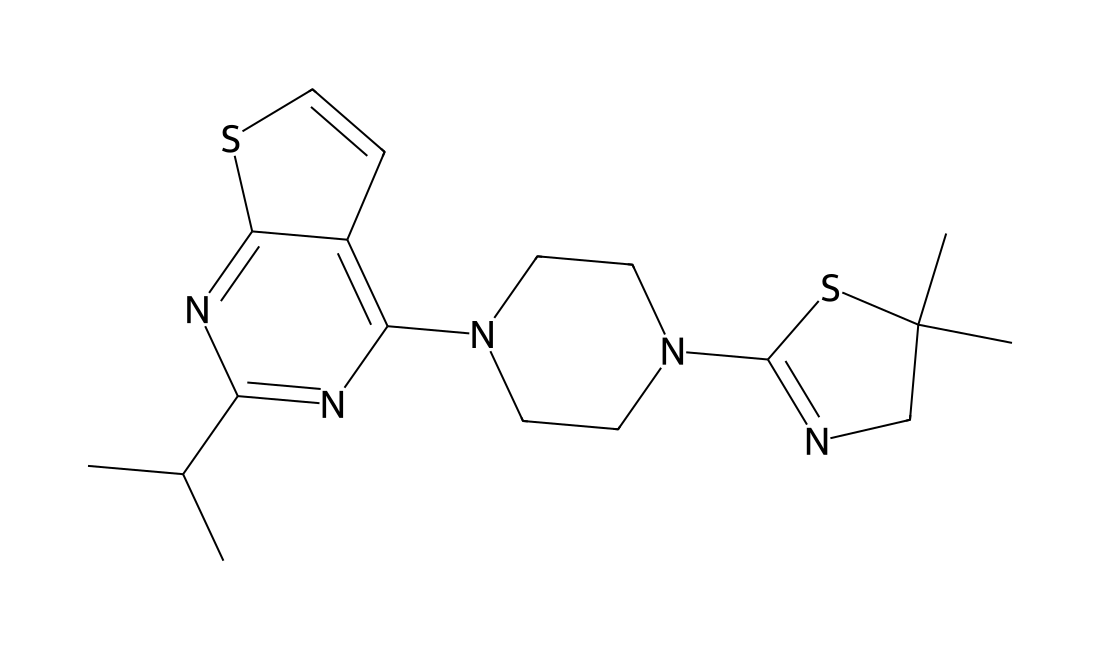
PIP-199Featured
PIP-199 is a selective inhibitor of RMI (RecQ-mediated genome instability protein) core complex/MM2 interaction, with an IC50 of 36 μM. MM2 is the binding site of RMI complex on Fanconi anemia complementation group M protein (FANCM). PIP-199 can be used for the research of sensitizing resistant tumors to DNA crosslinking chemotherapeutics.
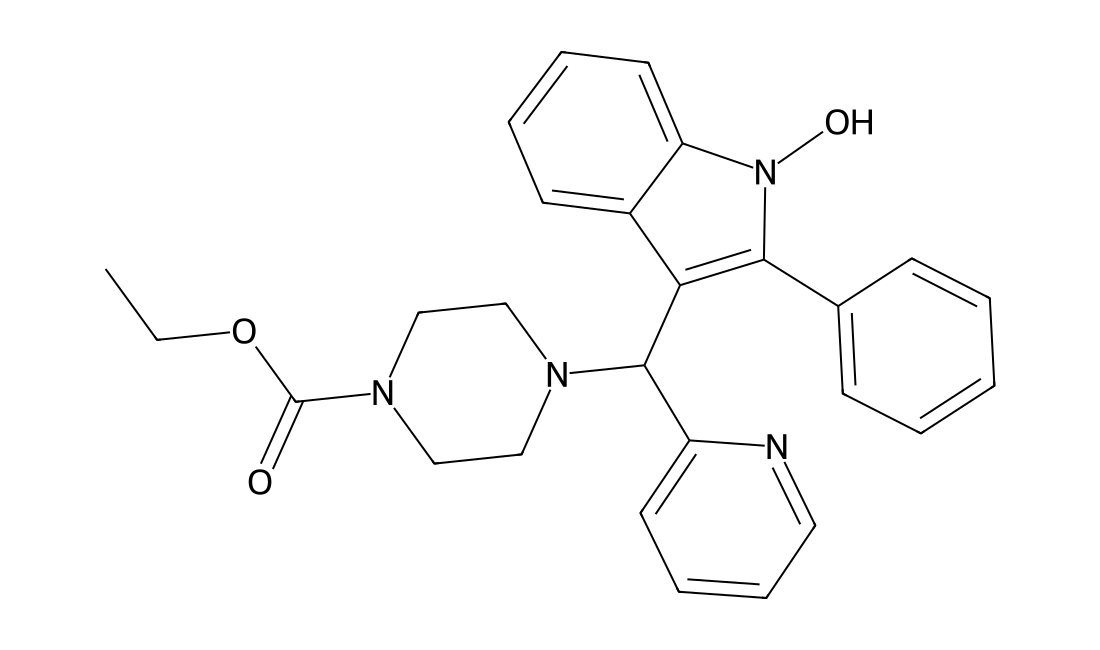
Lysophosphatidylcholine 18:2Featured
Lysophosphatidylcholine 18:2 (1-Linoleoyl-2-Hydroxy-sn-glycero-3-PC), a lysophospholipid, is a potential biomarker identified from insulin resistance (IR) polycystic ovary syndrome (PCOS). Low plasma Lysophosphatidylcholine 18:2 also has been shown to predict impaired glucose tolerance, insulin resistance, type 2 diabetes, coronary artery disease, and memory impairment.
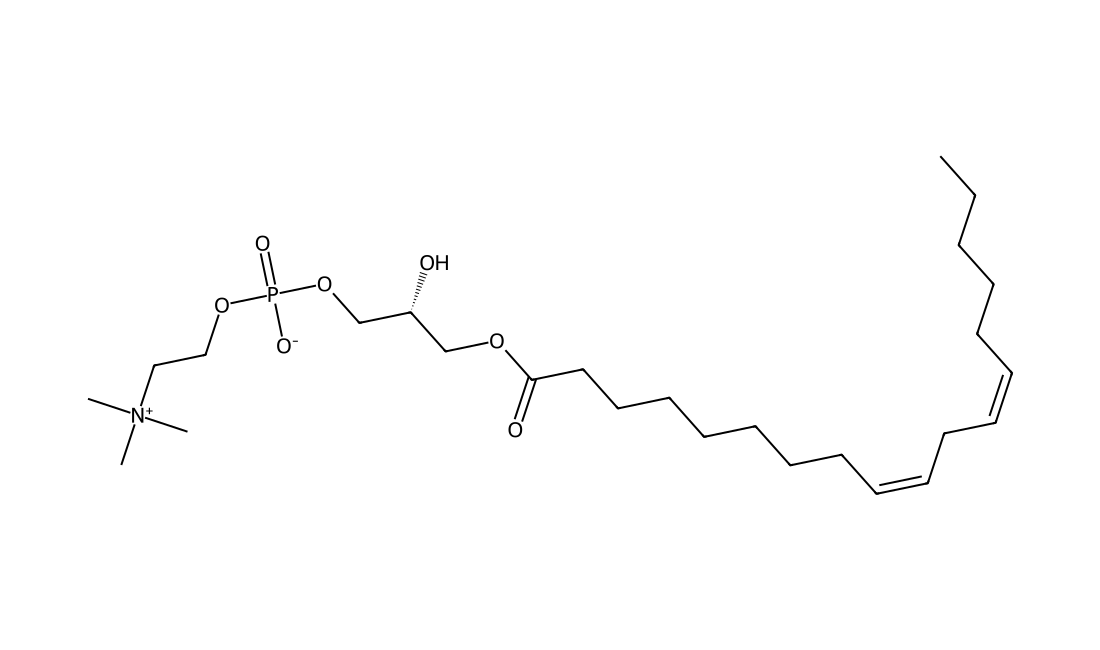
(±)-H3RESCA-TFPFeatured
(±)-H3RESCA-TFP ((±)-H3L28) is a tetrafluorophenyl ester derivative of restrained complexing agent (RESCA). (±)-H3RESCA-TFP can be used to conjugate the chelator with a biomolecule via amine coupling (e.g., N terminus and/or the ε-amino groups of lysine).
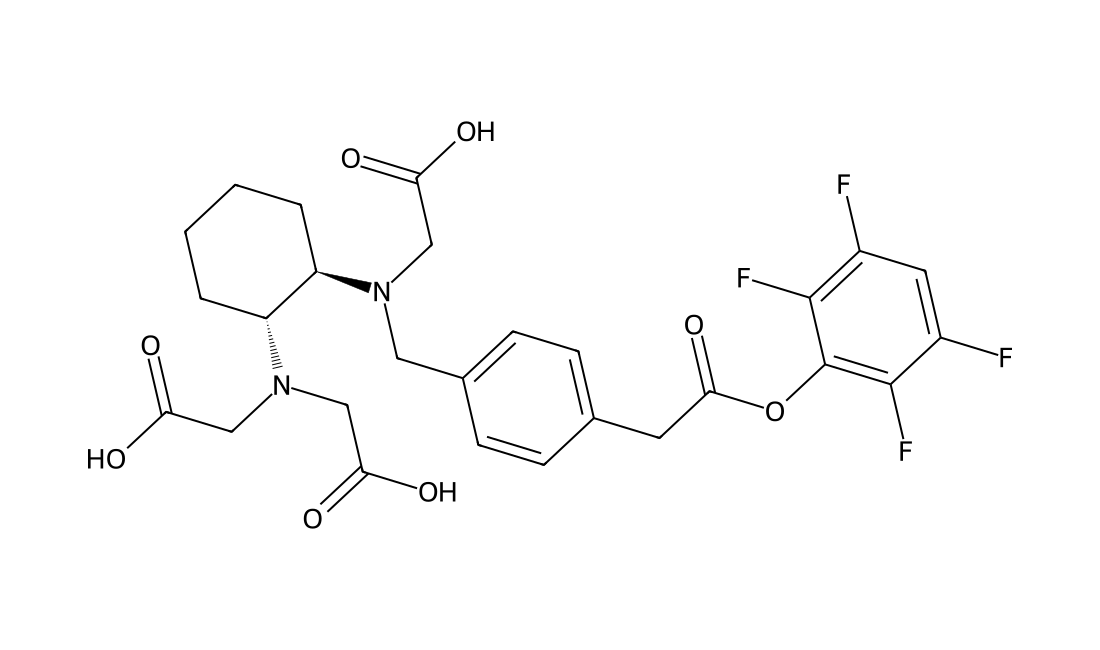
LX-1031Featured
LX-1031 is a potent, orally active tryptophan 5-hydroxylase (TPH) inhibitor with potency of 10-100 nM, reduces 5-HT synthesis peripherally.
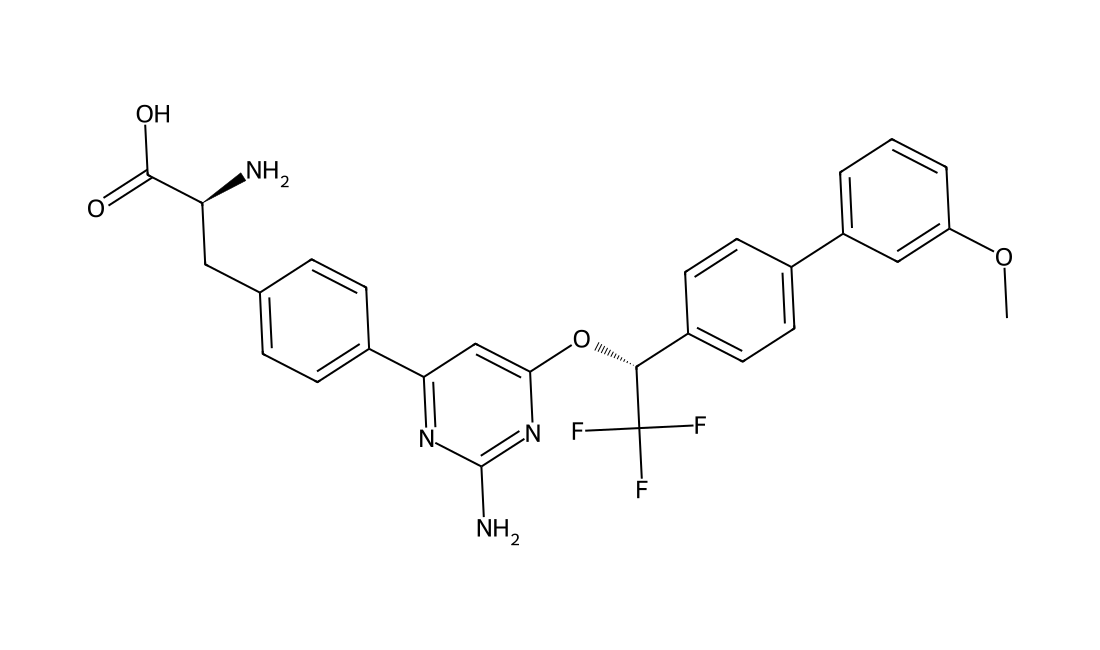
IBT6AFeatured
IBT6A is an impurity of Ibrutinib. IBT6A can be used in synthesis of IBT6A Ibrutinib dimer and IBT6A adduct. Ibrutinib is a selective, irreversible Btk with an IC50 of 0.5 nM.
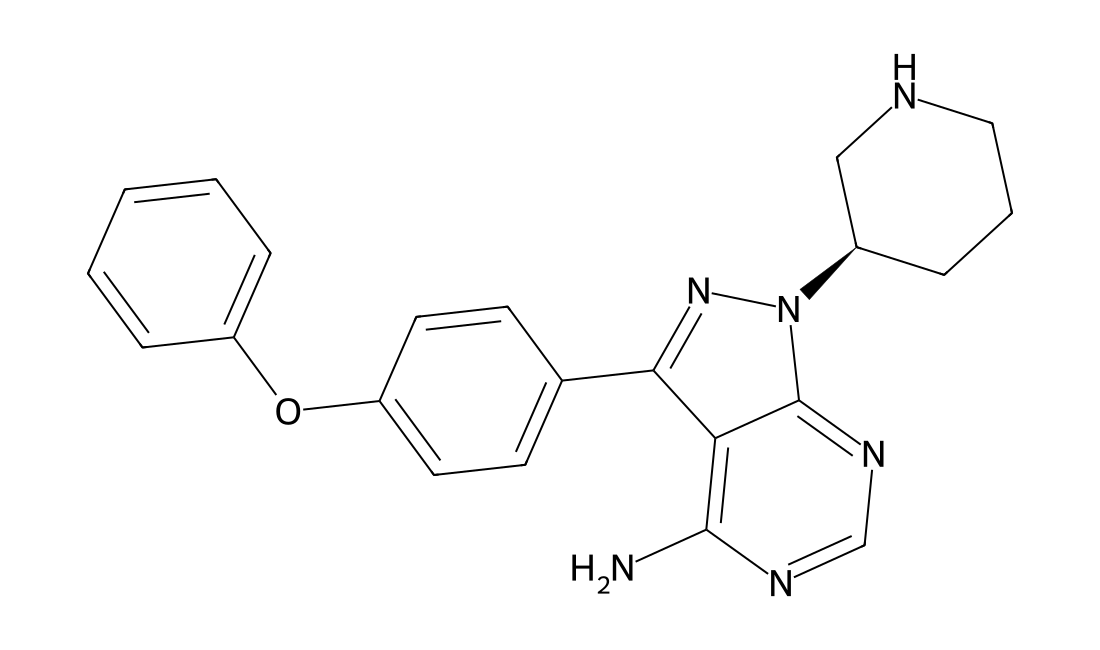
GNE551Featured
GNE551 is a potent, selective, non-covalent agonist of TRPA1 ion channel with EC50 of 254 nM in Ca2+ influx assays.
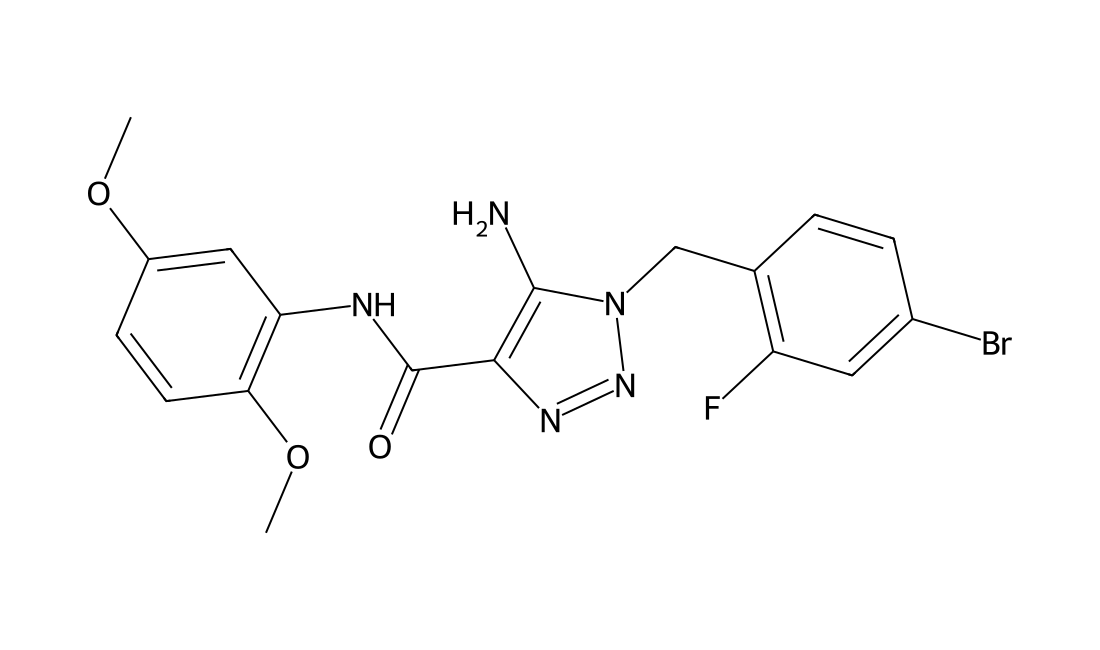
Cyclosporin DFeatured
Cyclosporin D, a metabolite of Cyclosporin A, is a weak immunosuppressant. Cyclosporin D is used as internal standard for quantification of Cyclosporin A. Cyclosporin A is a potent immunosuppressant drug, suppress T cell activation by inhibiting calcineurin and the calcineurin-dependent transcription factors nuclear factor of activated T cells (NFAc).
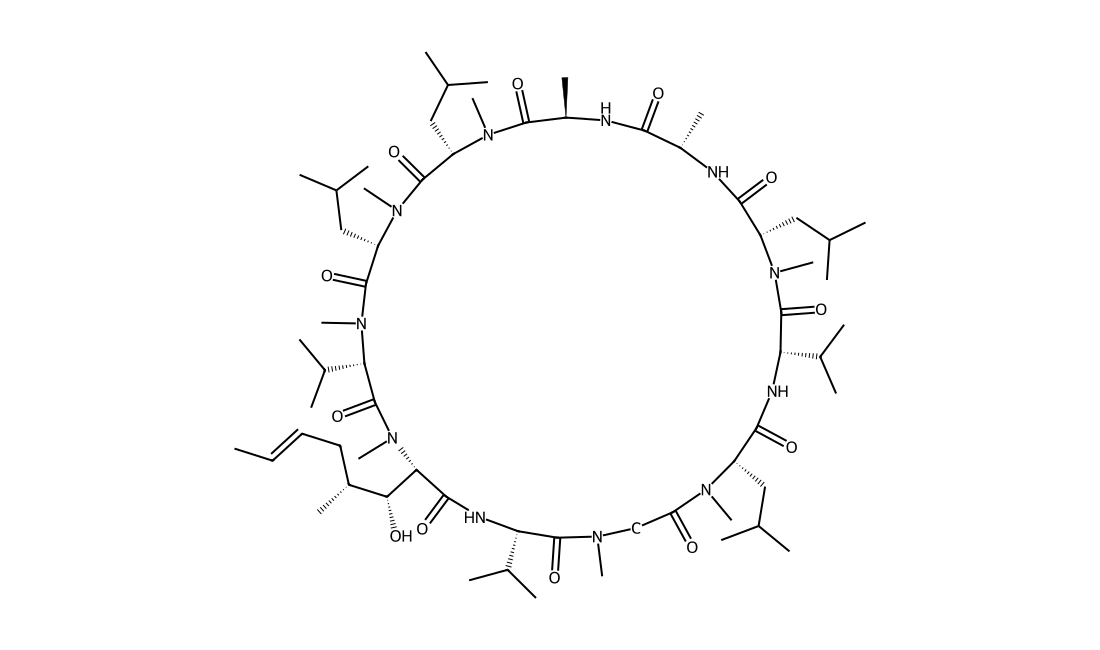
No products match this search.
Page 212 of 234 · Browse all 4677 products
Jump to a product page
Featured literature product: HX1 · DCL0028
HX1 is a hydroxyzine-derived ionizable lipid with acetal-containing tails, studied in lipid nanoparticles for brain mRNA delivery and CRISPR–Cas9 delivery. It was the lead in the reported in vivo brain-delivery screen; evidence is preclinical and formulation-dependent.
Read full formulation and performance →