
Research lipid catalog
Ionizable Lipid Products
Explore 848 lipid and RNA delivery products. Search the full catalog or browse by research category.
Search covers product name, catalog number, synonyms, available CAS numbers and categories. Spaces, hyphens and common punctuation are ignored. Duplicate legacy records are consolidated under one canonical product result.
3666 products · Showing 2941–2960 · 20 per page
DC Chemicals lipid expertise
Built for ionizable-lipid discovery and RNA delivery research
DC Chemicals supports formulation and delivery research with a broad, searchable portfolio of cationic and ionizable lipids. The current directory brings together 848 unique research-use products, with product specifications, pricing, chemical structures and literature-linked formulation data added as each record is verified.
Our experience spans complex lipid synthesis, purification, analytical release and process development. For custom molecules or larger-scale requirements, our team can discuss route development, technical specifications and scale-up options for the intended research workflow.
Learn about cationic and ionizable lipids →Proprietary innovation · Co-development · GMP
From proprietary lipid design to GMP-grade custom synthesis
DC Chemicals has independently developed ionizable-lipid structures supported by company-owned intellectual property, and selected proprietary lipid programs have advanced to GMP-stage development.
We welcome joint development with customers—from molecular design and lipid synthesis through route and process development. We can also support custom synthesis of GMP-grade ionizable lipids to agreed technical specifications and quality requirements.
Discuss a co-development project →Proprietary ionizable-lipid structuresCollaborative molecular designCustom lipid synthesisProcess development and scale-upGMP-grade project support
Product quick links
Explore ionizable lipids
Browse specifications, pricing and literature-linked product information.
Cat. No.Product NameField of ApplicationChemical Structure
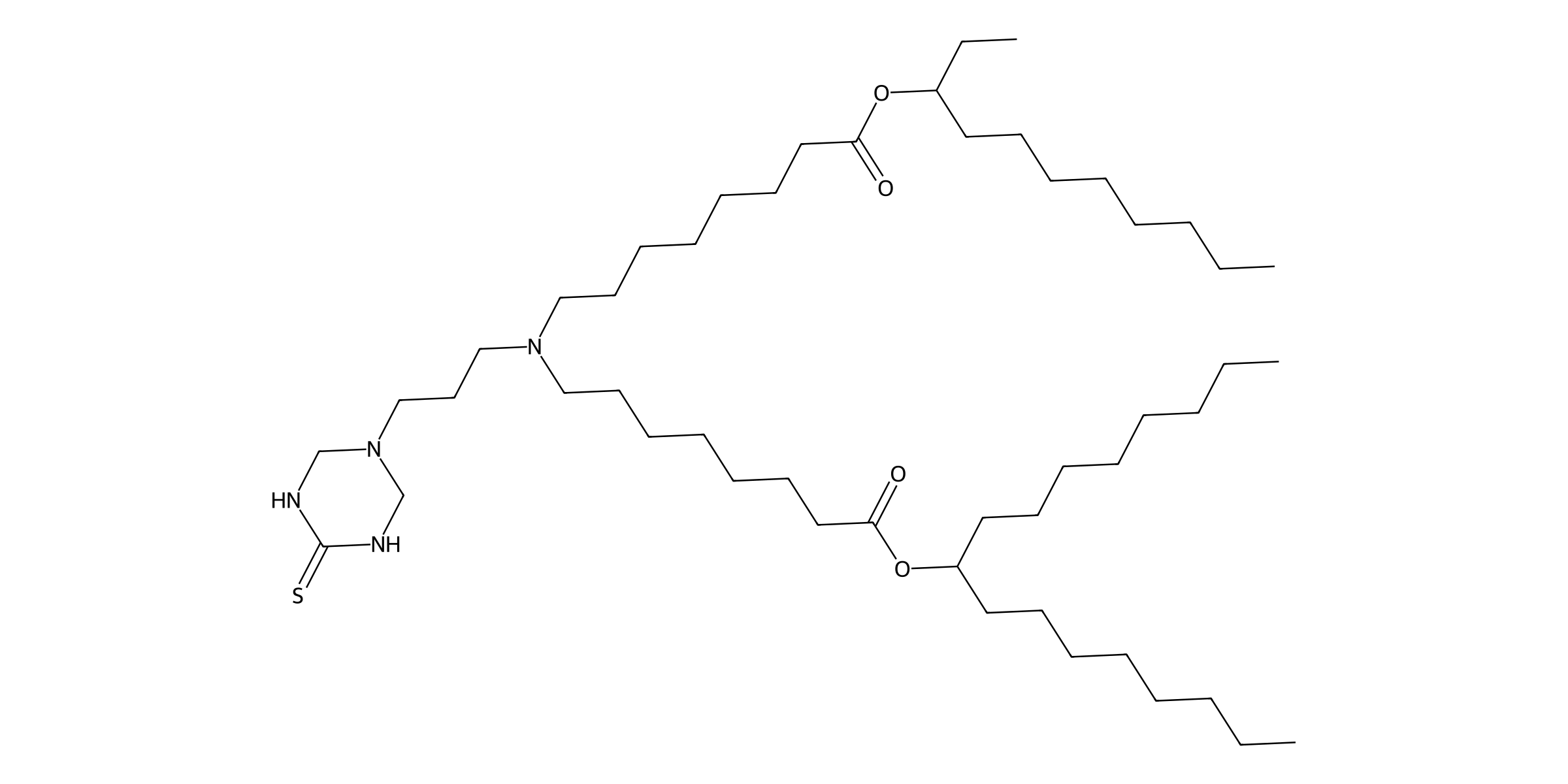
HI-62 is a cyclic-thiourea ionizable lipid reported as a lead component of onion-like multilamellar mRNA-LNPs. In the cited preprint, its E21 formulation supported high mRNA encapsulation, sustained reporter expression, frozen-storage stability and antitumor activity in a preclinical mRNA-vaccine model.
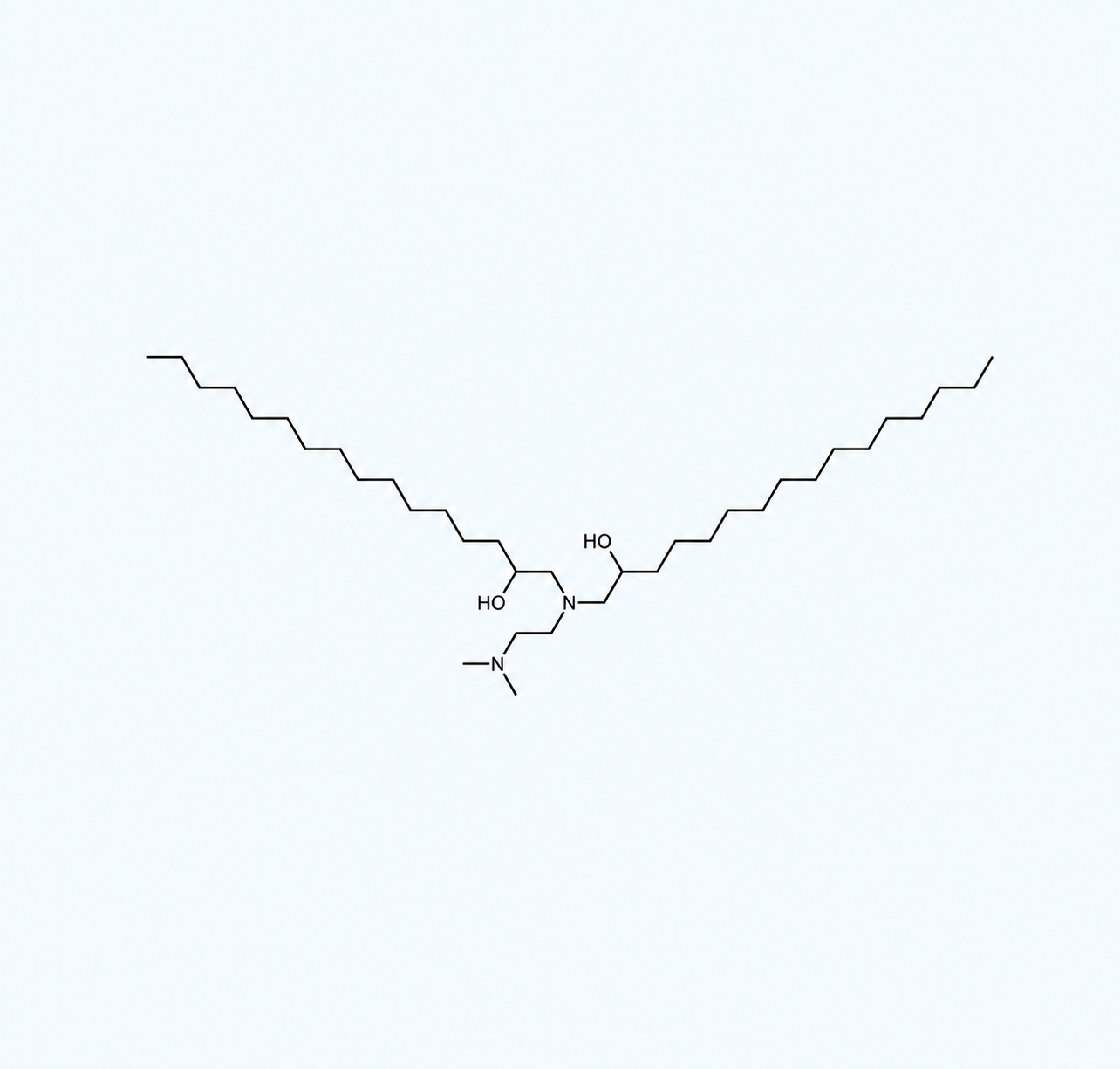
Lipid SG5 is a dual-amine ionizable lipid developed for systemic, lung-selective mRNA delivery. Its two tertiary amines and two C16 β-hydroxy tails support stepwise protonation in the reported fSG5 LNP system. The cited preclinical study evaluated pulmonary luciferase expression, functional Cre mRNA delivery and Nrf2 mRNA delivery in an acute lung-injury model.
LUMI6Featured
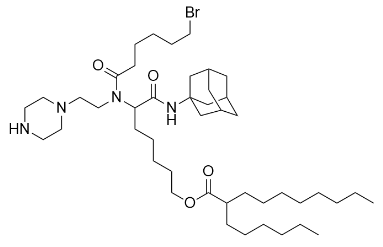
LUMI-6 is a brominated ionizable lipid studied for cellular mRNA delivery and intratracheal lung reporter editing in Cell (2026). The pulmonary formulation uses LUMI-6/DOTAP/cholesterol/DMG-PEG2000 at 30:39:30:1 mol%. See the product page for study-specific efficacy and tolerability data.
503O8,12Featured
503O8,12 is a branched-tail ionizable lipidoid prepared from amine head 503 and saturated 2-octyldodecyl acrylate. In a four-component, DOPE-containing LNP, it produced predominantly splenic reporter expression after intravenous mRNA administration in mice. It is a research candidate for extrahepatic mRNA formulation screening; cell-specific spleen delivery and therapeutic efficacy were not established in this study.
lipid 11-10-8Featured
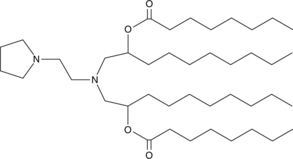
25mg $350 · 50mg $600 · 100mg $95011-10-8 is a degradable, branched ionizable lipidoid identified in a combinatorial screen for mRNA delivery. In the cited mouse study, its optimized LNP formulation supported liver-directed reporter mRNA expression, TTR gene editing with Cas9 mRNA and sgRNA, and FGF21 mRNA expression in a diet-induced obesity model.
AMG514Featured
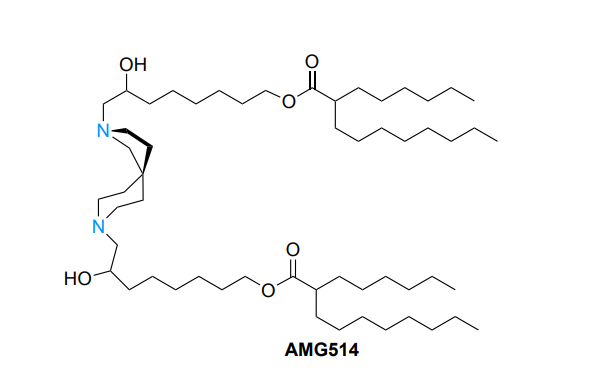
AMG514 is a novel ionizable lipid designed for formulating spleen-targeting lipid nanoparticles (LNPs) to deliver immune‑remodeling mRNAs (IR‑mRNAs). Its key advantage lies in the formation of a unique “protein corona” enriched with vitronectin, coagulation factors, and specific apolipoproteins (e.g., ApoA‑IV), together with its relatively high apparent pKa (~7.5), which actively redirects LNPs to the spleen instead of the liver. This precise spleen‑targeting property enables efficient transfection of splenic antigen‑presenting cells (APCs). As a vaccine adjuvant, AMG514‑LNPs therefore elicit a more robust activation of adaptive immunity compared to conventional LNPs (e.g., cKK‑E12), generating significantly enhanced antigen‑specific CD8⁺ T‑cell and antibody responses, and inducing durable anti‑tumor immune memory in preclinical models.
Antioxidant lipid AO16Featured
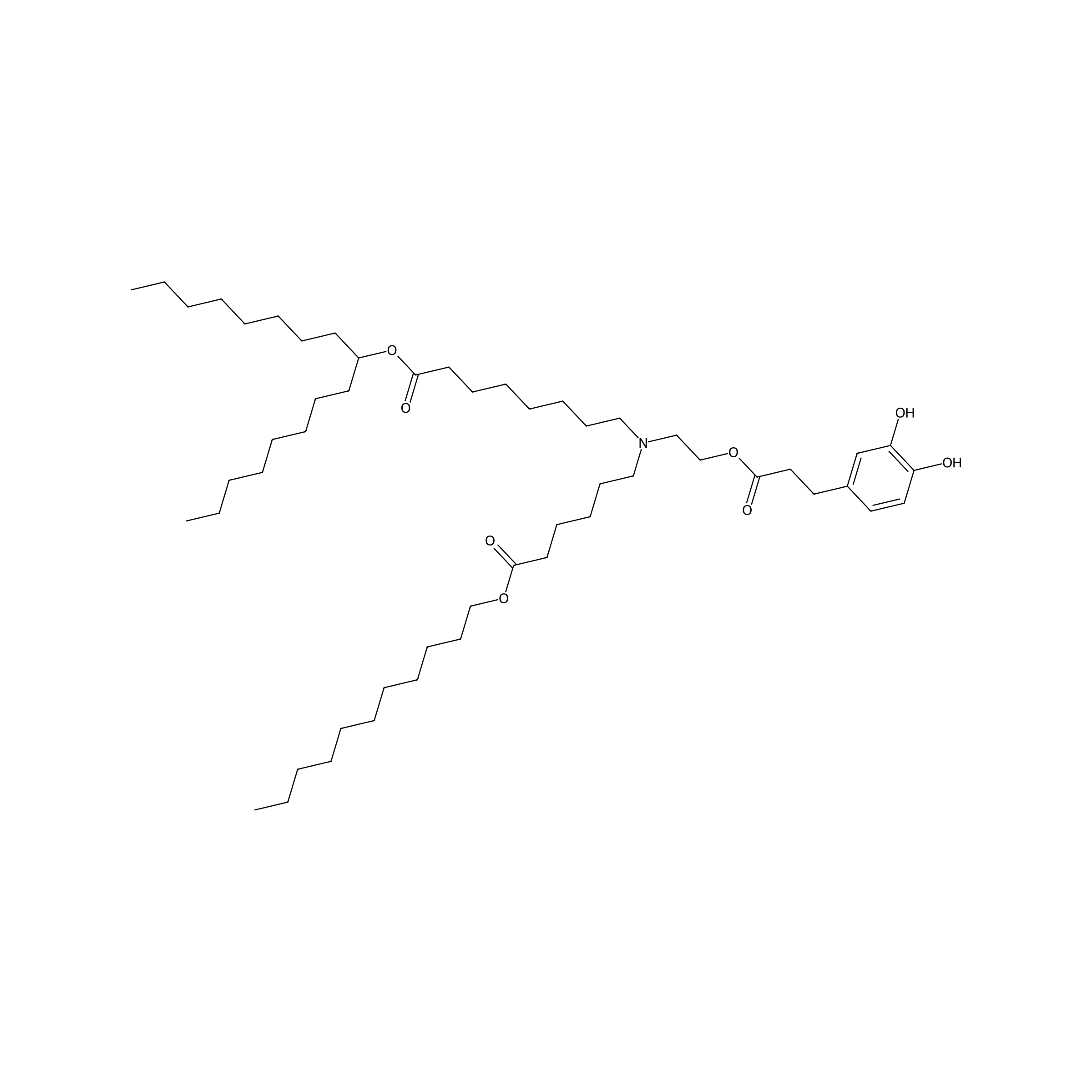
25mg $650 · 50mg $900 · 100mg $1,400AO16 is a literature-reported antioxidant ionizable lipid derived from the SM-102 scaffold.
CQ-12Featured
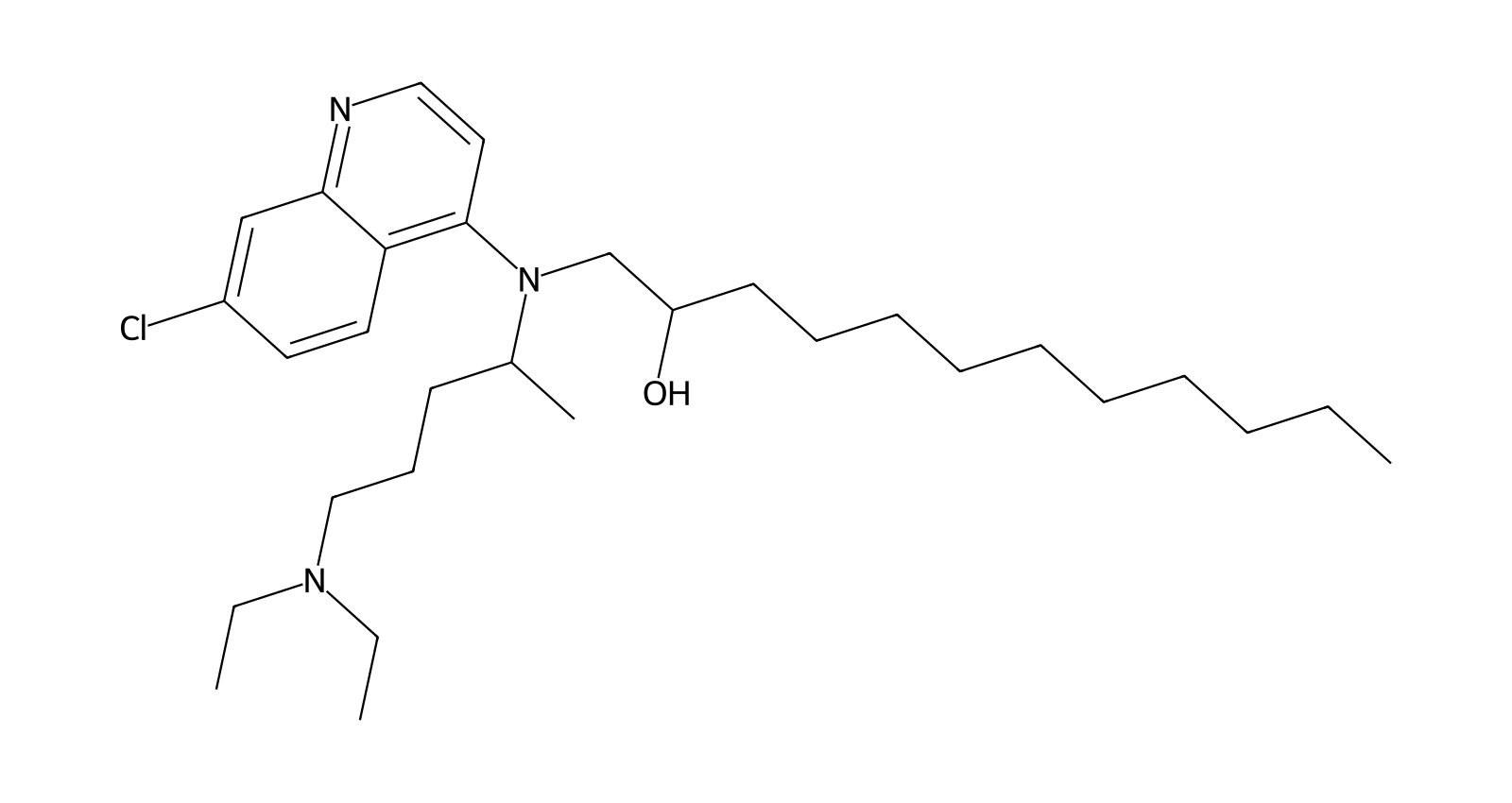
25mg $650 · 50mg $990 · 100mg $1,450CQ-12 (CQ12) is a chloroquine-derived, autophagy-inhibitory lipidoid containing a 7-chloroquinoline headgroup and a hydroxyl-bearing C12 lipid chain. It was selected from the CQ6–CQ18 series for incorporation into autolysosomal degradation-inhibitory lipid nanoparticles (AUDI-LNPs). Replacing 30% of the SM-102 molar fraction with CQ-12 produced a five-component formulation containing 15 mol% CQ-12 and increased luciferase expression approximately 5.3-fold in HEK293T cells under the reported conditions. The study also evaluated CQ-12-substituted MC3 and ALC-0315 formulations, subcutaneous and intravenous mRNA delivery, and local intratracheal delivery. IL-10 and TGF-β mRNA formulations were investigated in mouse models of psoriasis and acute lung injury, respectively. CQ-12 supports research into autophagy-modulating LNPs and cytokine mRNA delivery.
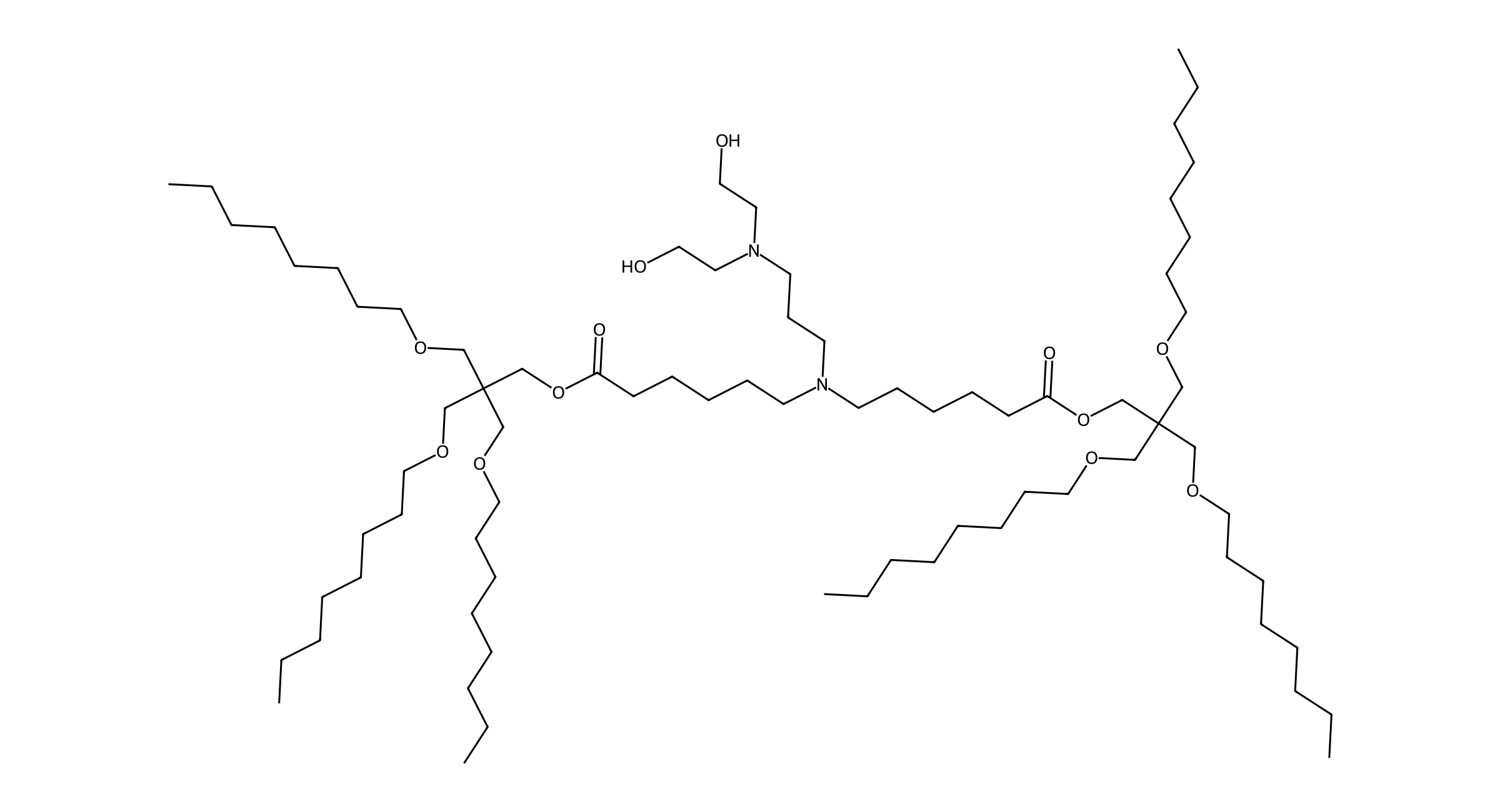
U-502Featured
Price on requestU-502 is a Janus dendritic ionizable lipid with two tertiary amines, two hydroxyl groups and six C8 alkyl tails attached through ether-containing dendrons and ester linkers. In a 16-lipid study, U-502 and U-503 were the leading intravenous mRNA-expression candidates, with modestly higher luciferase signals than ALC-0315 in BALB/c mice at 0.5 mg/kg mRNA and a 3-hour readout. The U-502 formulation had a reported size of 108 nm, PDI of 0.125, apparent LNP pKa of 6.36 and mRNA encapsulation efficiency of 91.83%. U-502 also underwent cell transfection, lysosomal colocalization and representative tissue-histology studies. It supports preclinical research into liver-dominant systemic mRNA delivery and headgroup–tail structure–activity relationships.
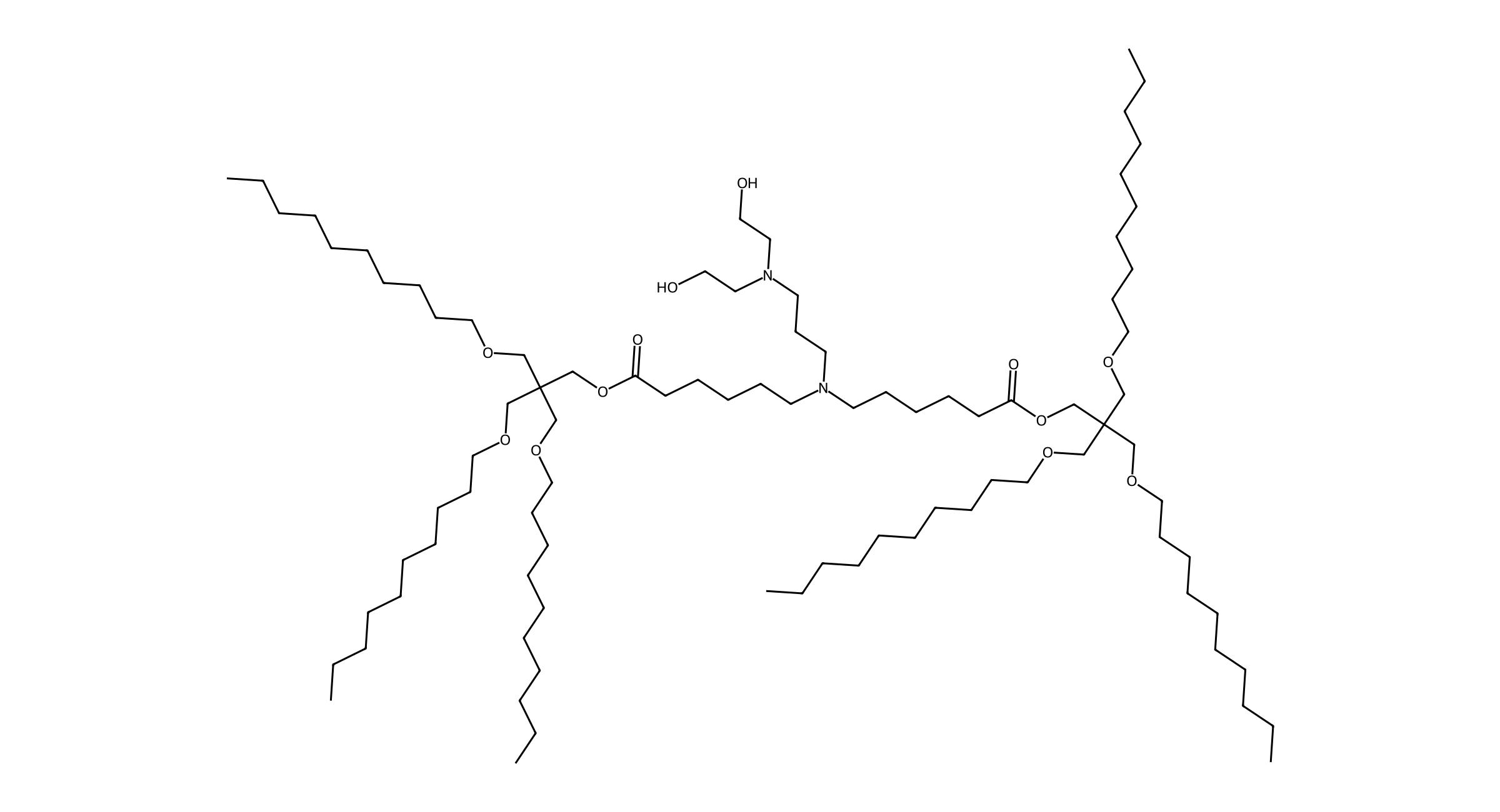
U-503Featured
Price on requestU-503 is a Janus dendritic ionizable lipid with two tertiary amines, two hydroxyl groups, two ester linkers and six C10 alkyl tails connected to dendritic cores through ether bonds. It was identified alongside the C8-tail analogue U-502 as a leading intravenous mRNA-expression candidate in a 16-lipid study. In BALB/c mice given 0.5 mg/kg luciferase mRNA, U-503 produced a modestly higher 3-hour expression signal than the ALC-0315 comparator under the reported formulation conditions. Its LNP formulation had a size of 114 nm, PDI of 0.122, apparent LNP pKa of 6.31 and encapsulation efficiency of 89.36%. U-503 is a preclinical research candidate for systemic mRNA delivery and matched tail-length comparisons with U-502.
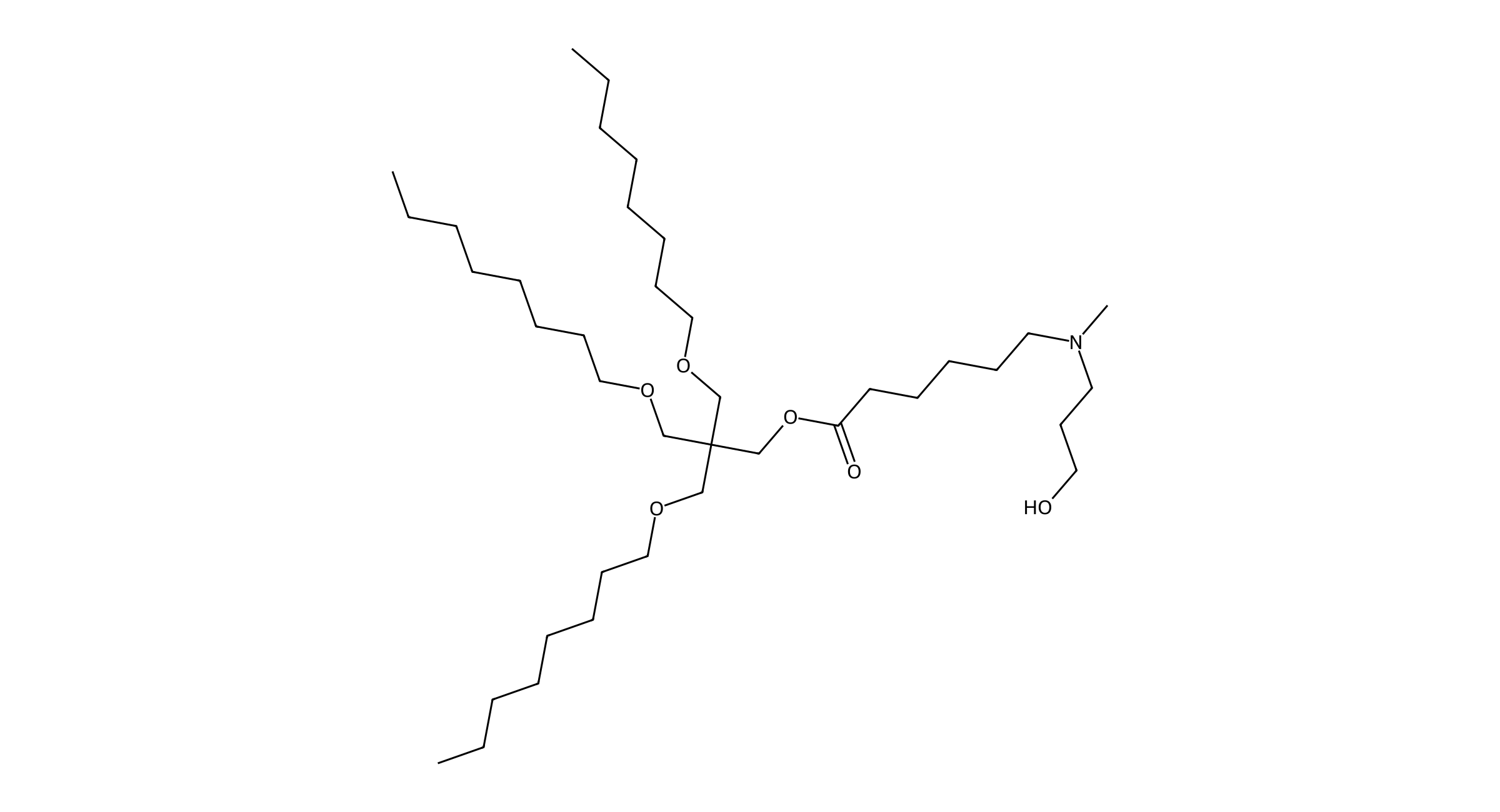
U-510Featured
Price on requestU-510 is a three-tail Janus dendritic ionizable lipid containing an N-methyl tertiary amine, a hydroxypropyl head segment, an ester linker and three C8 ether-linked hydrophobic tails. In an intravenous luciferase-mRNA study in BALB/c mice, it showed a spleen-biased organ-expression profile within the U-509–U-512 series. The authors reported 52% spleen-targeting efficiency in the context of liver and spleen luminescence at 3 hours after 0.5 mg/kg mRNA; this is not a percentage of transfected spleen cells or injected dose. The U-510 LNP formulation had a reported size of 113 nm, PDI of 0.146, apparent LNP pKa of 6.38 and encapsulation efficiency of 87.88%. It supports preclinical evaluation of splenic mRNA expression rather than maximum whole-animal expression.
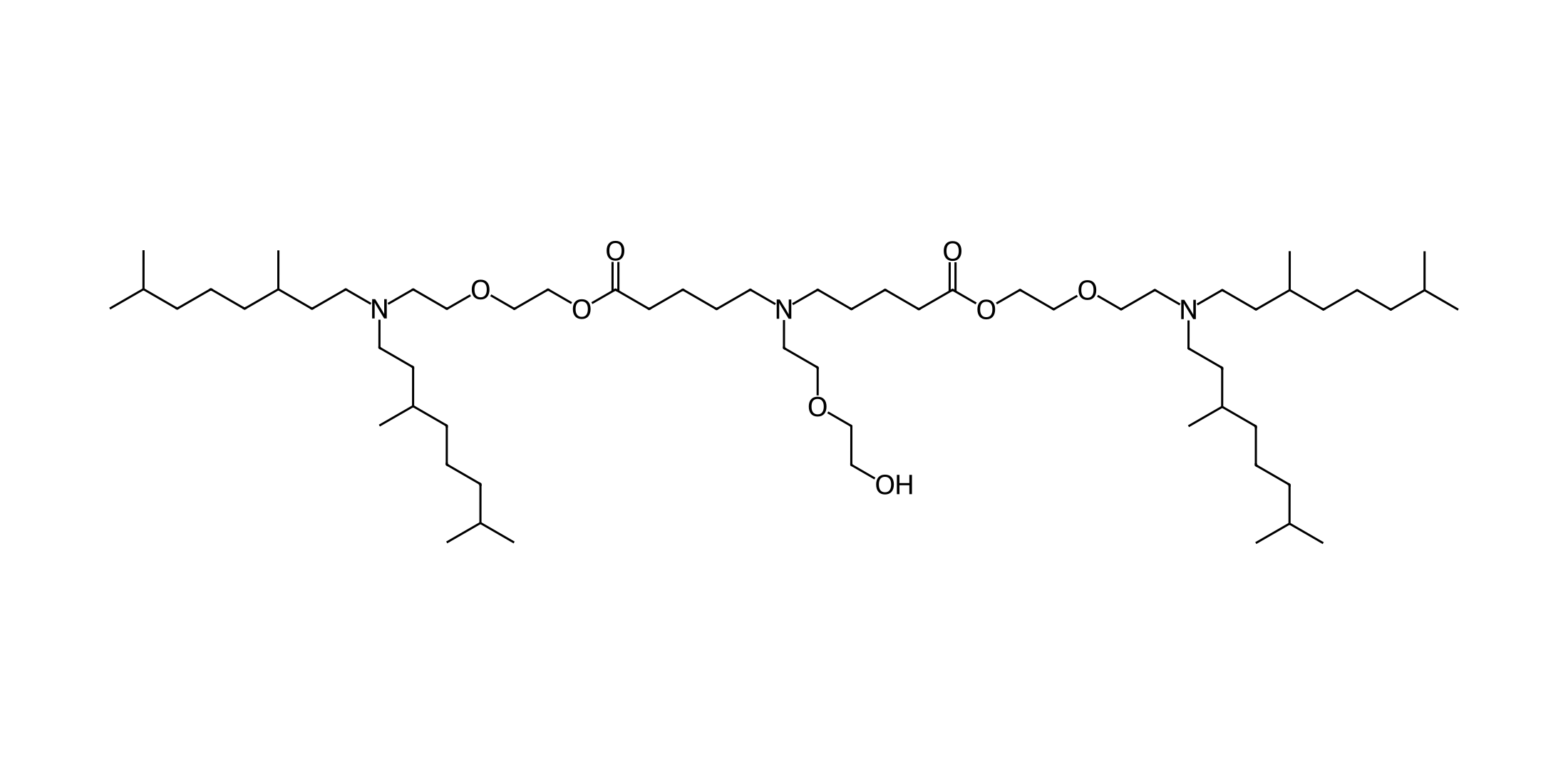
iL-19Featured
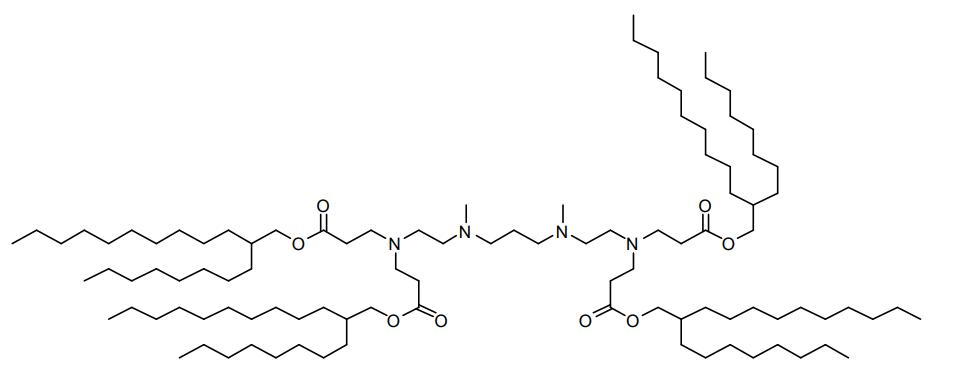
Price on requestiL-19 is an aminoethoxy-functionalized ionizable lipid with a triamine scaffold, two ester linkages and four doubly branched hydrophobic tails. It was identified as the overall lead for circular RNA delivery in a 2026 JACS study. With circRNA encoding firefly luciferase, iL-19 LNPs produced approximately 28-fold higher expression than the SM-102 benchmark in C2C12 cells and approximately 2.5-fold higher expression after intramuscular administration in BALB/c mice under the reported conditions. The reported circRNA formulation uses iL-19, DSPC, cholesterol and DMG-PEG2000 at 50:10:38.5:1.5 mol%. It supports preclinical investigation of circular RNA delivery to muscle; comprehensive safety and immunogenicity evaluation remains outstanding.
PA97MD101Featured
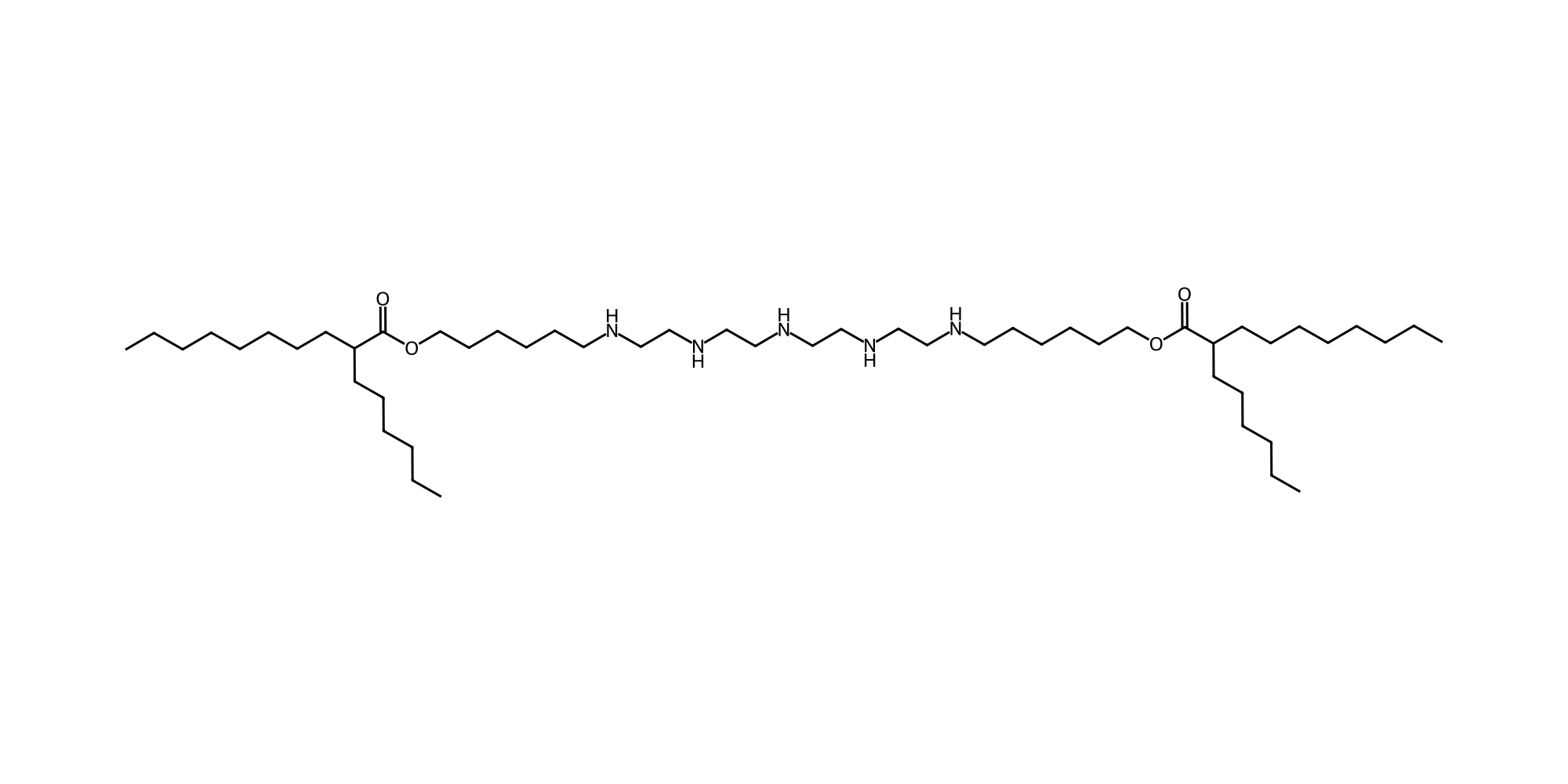
Price on requestPA97MD101 is an ester-containing ionizable lipid with a tetraethylenepentamine-derived headgroup and two branched hydrophobic ester arms. Identified through machine-learning-guided screening and independent animal validation, its LNPs produced approximately fourfold higher hepatic luciferase expression than SM-102 in mice after intravenous Fluc mRNA delivery at 0.1 mg/kg. The study also demonstrated Cre-dependent liver recombination and Cas9/sgTtr-mediated TTR suppression. Formulation-dependent activity was associated with acidic-pH membrane activity and reduced lysosomal colocalization. PA97MD101 is a preclinical research candidate for hepatic mRNA and CRISPR cargo delivery.
DSPE-PEG2000-SCFeatured
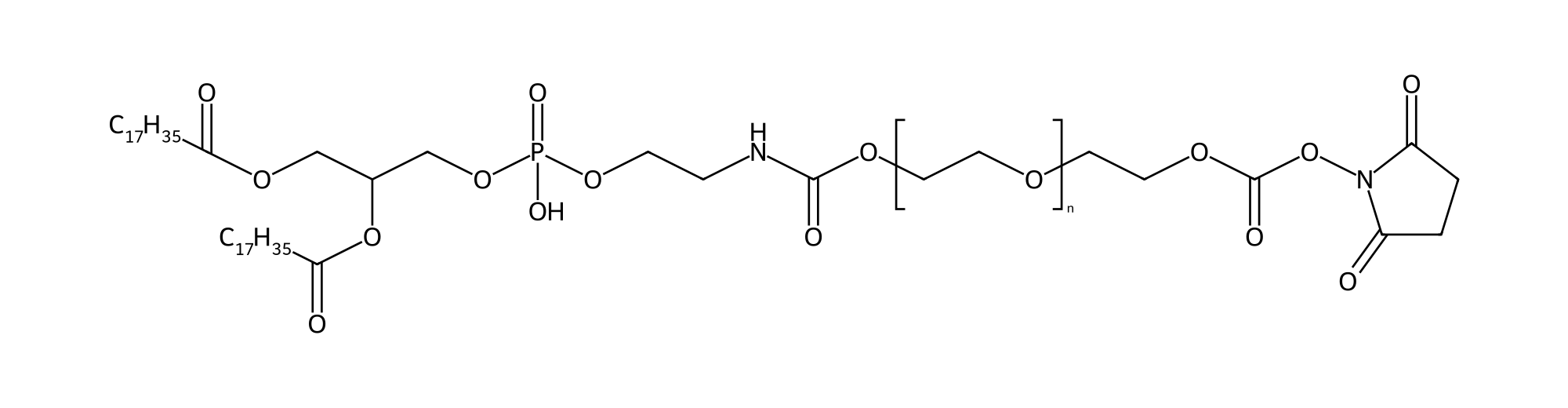
100 mg $450 · 250 mg $850 · 1 g $1,750DSPE-PEG2000-SC is a functionalized PEG lipid comprising a DSPE anchor, a PEG2000 spacer and a terminal succinimidyl carbonate group for conjugation with amine-containing molecules. It is suitable for bioconjugation and the development of ligand-functionalized lipid delivery systems. For research use only.
HAPC-CholFeaturedFeatured
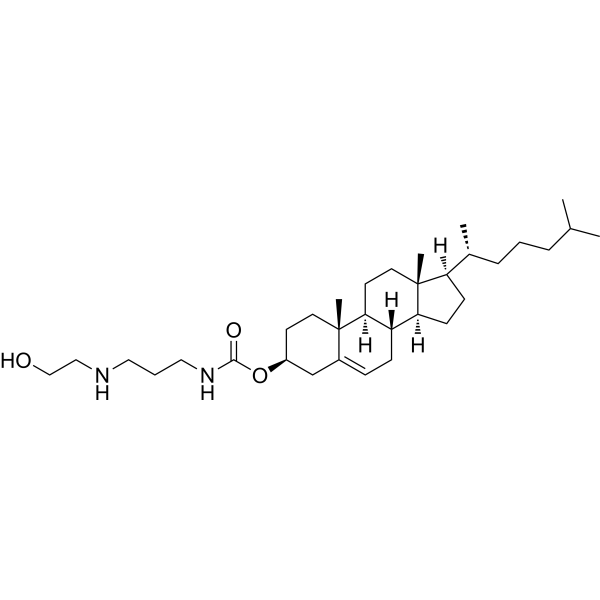
HAPC-Chol is a cationic cholesterol. HAPC-Chol, as part of a lipoplex with DOPE, has been used for siRNA delivery and gene silencing in MCF-7 cells in a luciferase assay without affecting cell viability. It has also been used to deliver siRNA into mice via intravenous injection, resulting in HAPC-chol accumulation in the lungs.
CampesterolFeaturedFeatured
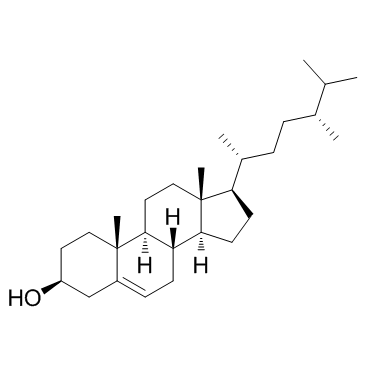
Campesterol is a plant sterol with cholesterol lowering and anticarcinogenic effects.
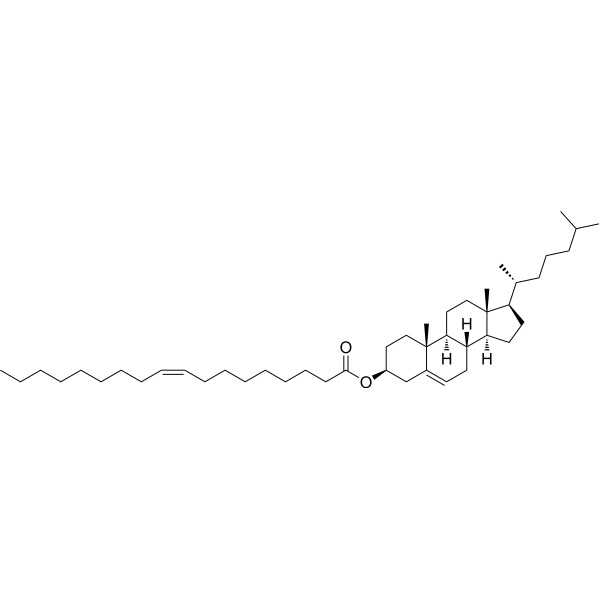
Cholesteryl oleateFeaturedFeatured
Cholesteryl oleate is an ester compound formed from Cholesterol (HY-N0322) and Oleic acid (HY-N1446), which is involved in lipid transport, storage and cell membrane formation in living organisms. Cholesteryl oleate may serve as a potential biomarker for prostate cancer. Cholesteryl oleate can also prepare cationic solid lipid nanoparticles (SLNs) for efficient gene silencing.
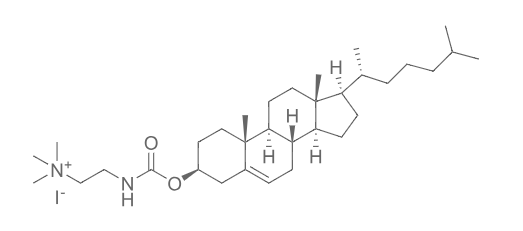
NMDC-CholesterolFeaturedFeatured
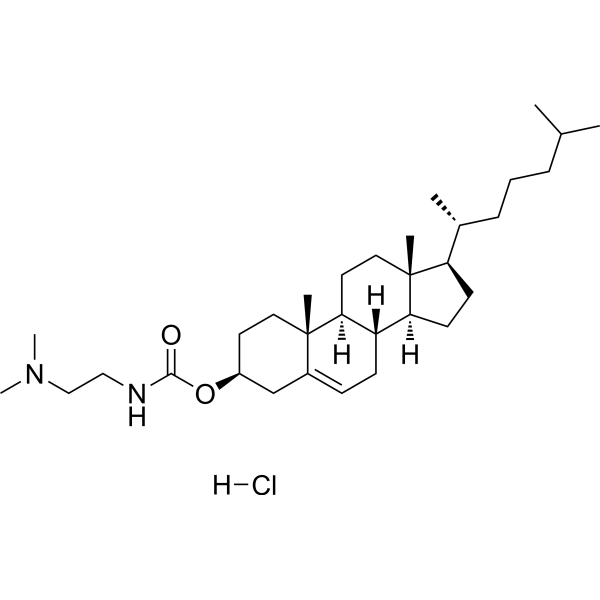
DC-Chol hydrochlorideFeaturedFeatured
DC-Chol hydrochloride is a cationic lipid. DC-Chol hydrochloride could inhibit Aβ40 fibril formation under appropriate experimental conditions. DC-Chol hydrochloride strongly inhibits amyloidogenesis of oxidized hCT in a dose-dependent manner. DC-Chol hydrochloride induces the production of Th1 (IL-2 and IFN-γ) and Th2 (IL-5) cytokines. DC-Chol hydrochloride can enhance the body's immune response to antigens. DC-Chol hydrochloride is used as a gene delivery vector. DC-Chol hydrochloride can be used in research in areas such as hepatitis B vaccines to improve vaccine immunity.
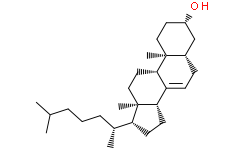
LathosterolFeaturedFeatured
Lathosterol is a cholesterol-like molecule. Serum Lathosterol concentration is an indicator of whole-body cholesterol synthesis.
No products match this search.
Page 148 of 184 · Browse all 3666 products