
Research lipid catalog
Ionizable Lipid Products
Explore 848 lipid and RNA delivery products. Search the full catalog or browse by research category.
Search covers product name, catalog number, synonyms, available CAS numbers and categories. Spaces, hyphens and common punctuation are ignored. Duplicate legacy records are consolidated under one canonical product result.
3666 products · Showing 2921–2940 · 20 per page
DC Chemicals lipid expertise
Built for ionizable-lipid discovery and RNA delivery research
DC Chemicals supports formulation and delivery research with a broad, searchable portfolio of cationic and ionizable lipids. The current directory brings together 848 unique research-use products, with product specifications, pricing, chemical structures and literature-linked formulation data added as each record is verified.
Our experience spans complex lipid synthesis, purification, analytical release and process development. For custom molecules or larger-scale requirements, our team can discuss route development, technical specifications and scale-up options for the intended research workflow.
Learn about cationic and ionizable lipids →Proprietary innovation · Co-development · GMP
From proprietary lipid design to GMP-grade custom synthesis
DC Chemicals has independently developed ionizable-lipid structures supported by company-owned intellectual property, and selected proprietary lipid programs have advanced to GMP-stage development.
We welcome joint development with customers—from molecular design and lipid synthesis through route and process development. We can also support custom synthesis of GMP-grade ionizable lipids to agreed technical specifications and quality requirements.
Discuss a co-development project →Proprietary ionizable-lipid structuresCollaborative molecular designCustom lipid synthesisProcess development and scale-upGMP-grade project support
Product quick links
Explore ionizable lipids
Browse specifications, pricing and literature-linked product information.
Cat. No.Product NameField of ApplicationChemical Structure
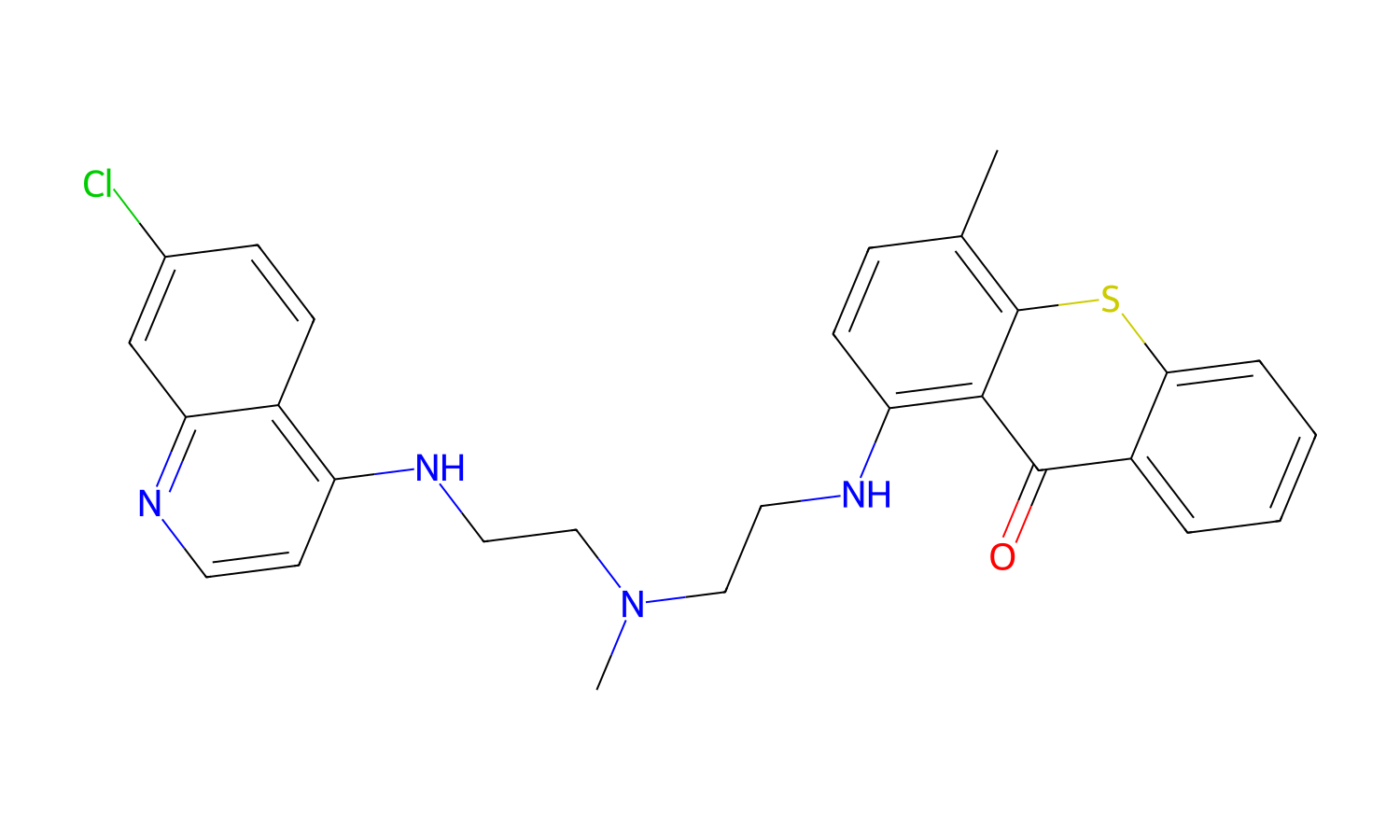
ROC-325Featured
100 mg USD 550 · 250 mg USD 950 · 1 g USD 1,900 · 10 mM * 1 mL in DMSO USD 220ROC-325 is a novel inhibitor of autophagy.
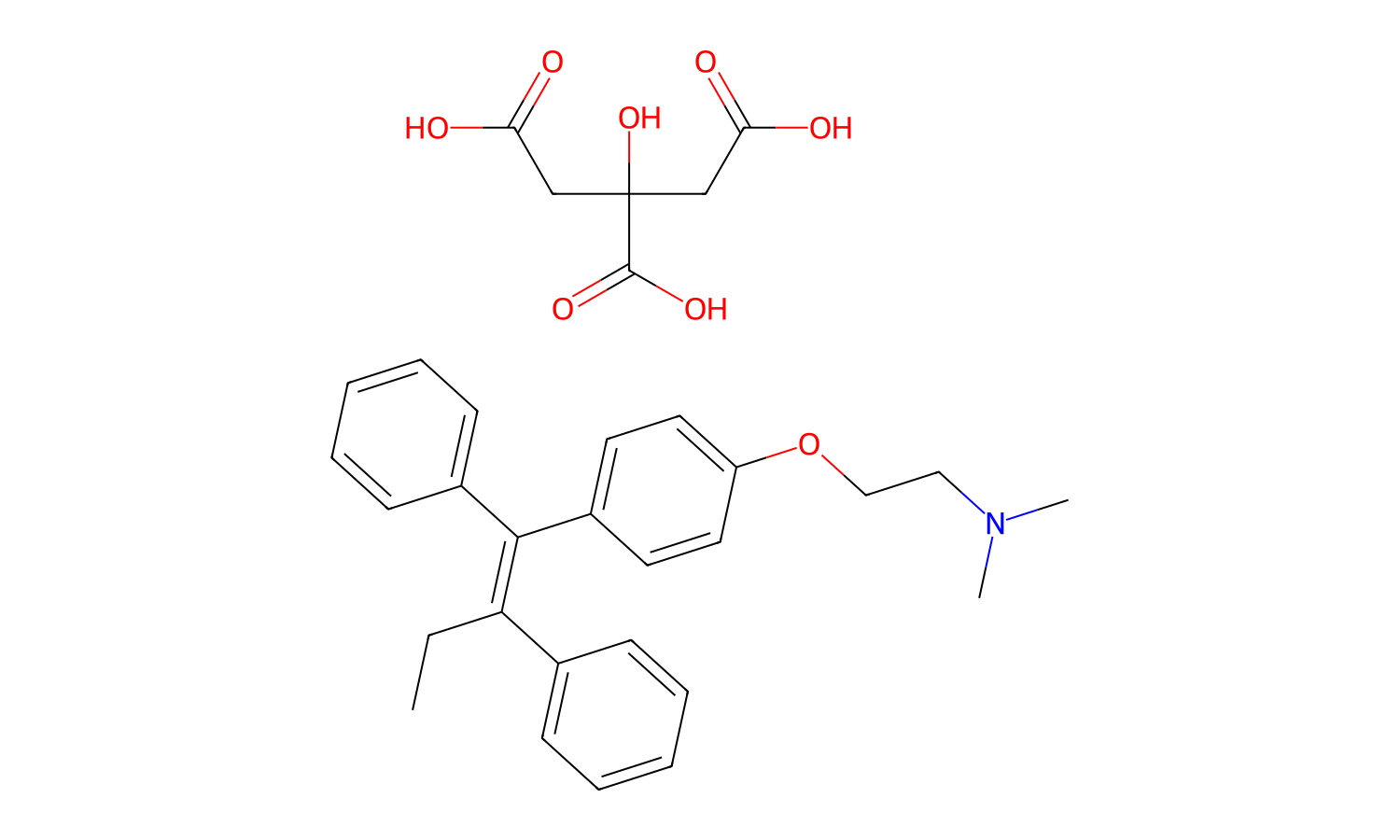
Tamoxifen CitrateFeatured
1 g USD 500Tamoxifen Citrate is a selective estrogen receptor modulator (SERM).
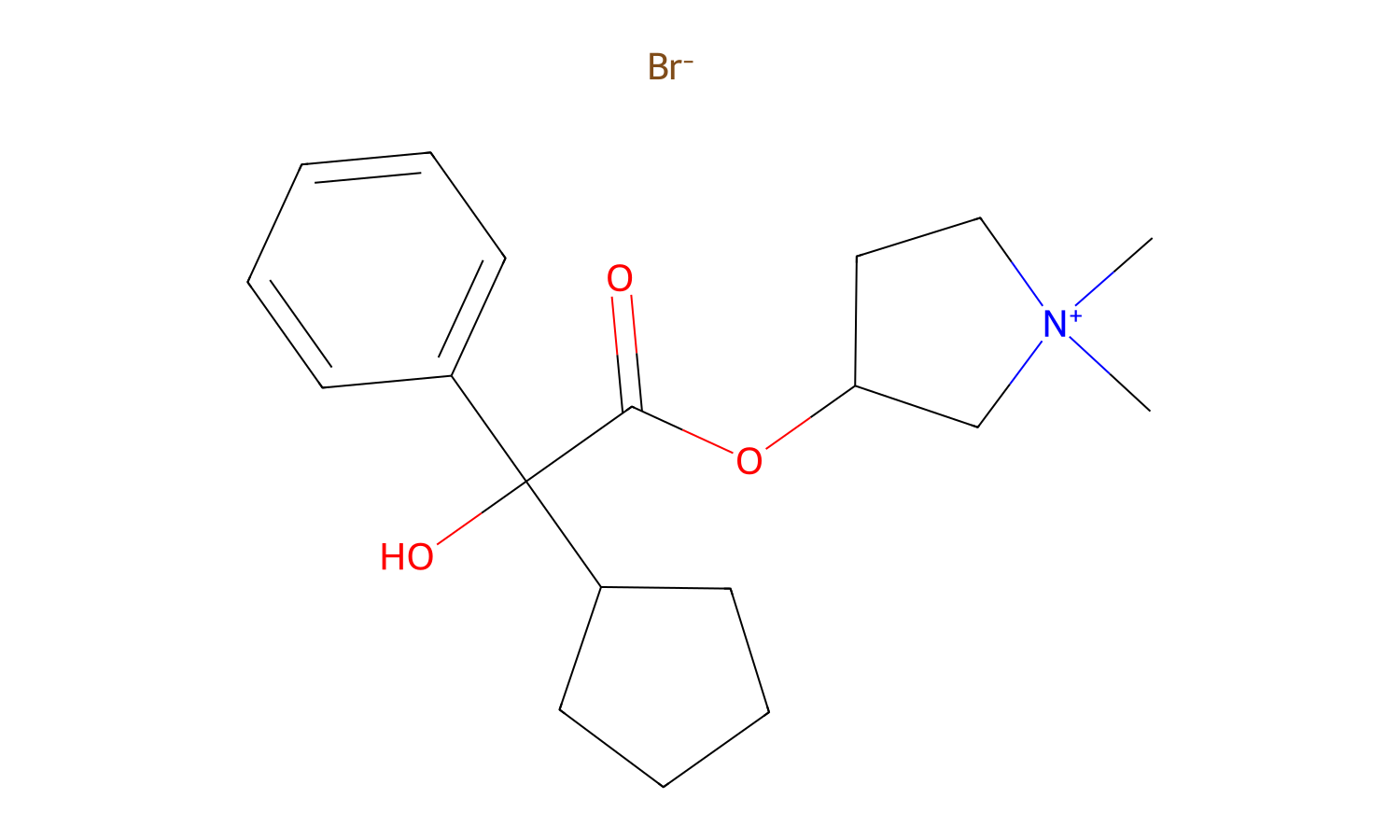
GlycopyrrolateFeatured
100 mg USD 100 · 250 mg USD 180 · 1 g USD 380 · 10 mM * 1 mL in DMSO USD 150Glycopyrrolate(Glycopyrronium Br) is a muscarinic competitive antagonist used as an antispasmodic.
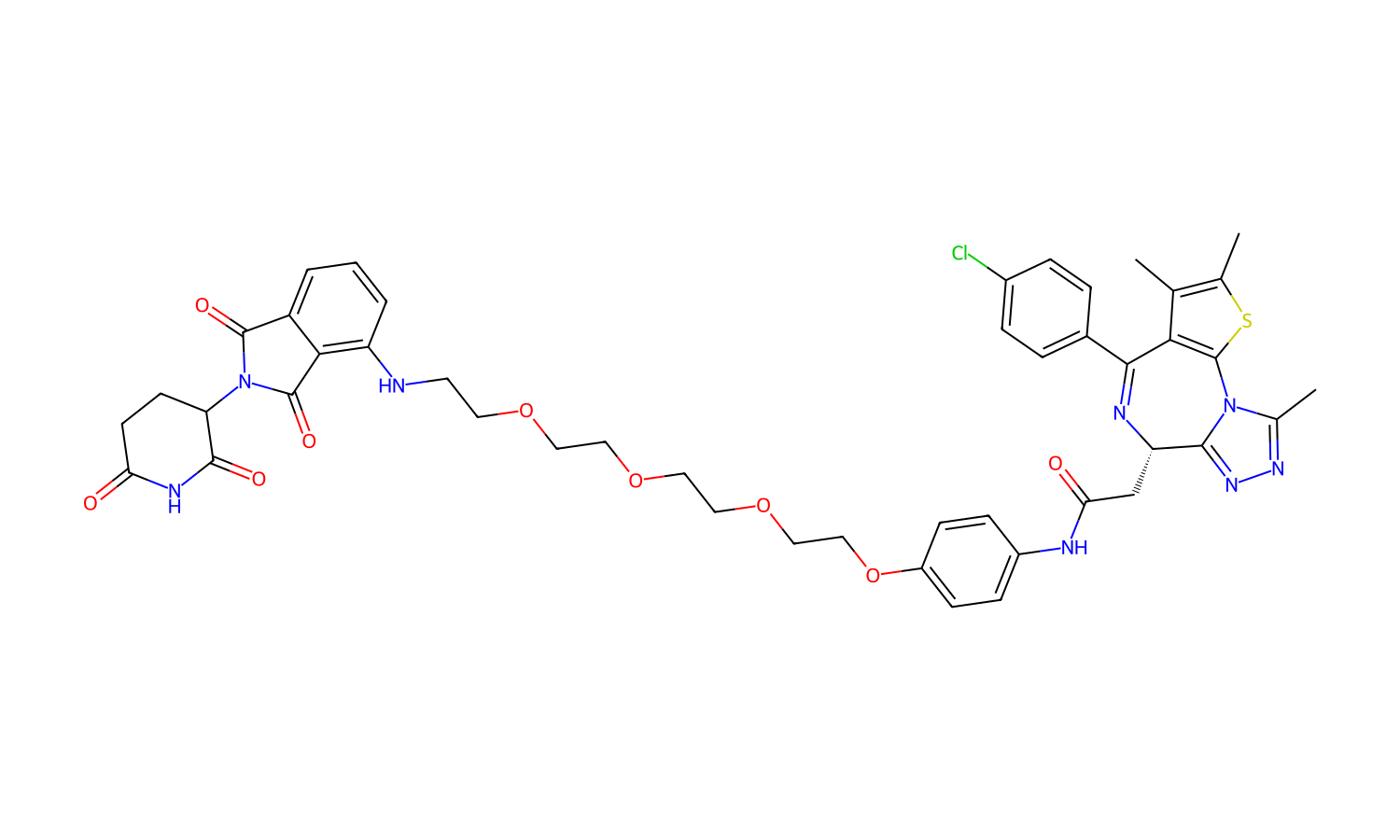
ARV-825Featured
100 mg USD 600 · 250 mg USD 1,100 · 1 g USD 2,200ARV-825 is a hetero-bifunctional proteolysis-targeting chimera (PROTAC) that recruits BRD4 to the E3 ubiquitin ligase cereblon. ARV-825 actively recruits BRD4 to cereblon, resulting in the rapid and efficient degradation of the former via the proteasome. Given that BRD4 and cereblon binding moieties in ARV-825 have Kds of 28-90 nM and ~3 µM to their respective targets, this suggests that ARV-825 acts in a substoichiometric way in mediating BRD4 degradation. ARV-825 treatment results in prolonged BRD4 down-regulation and downstream signaling suppression compared to BRD4 inhibitors.
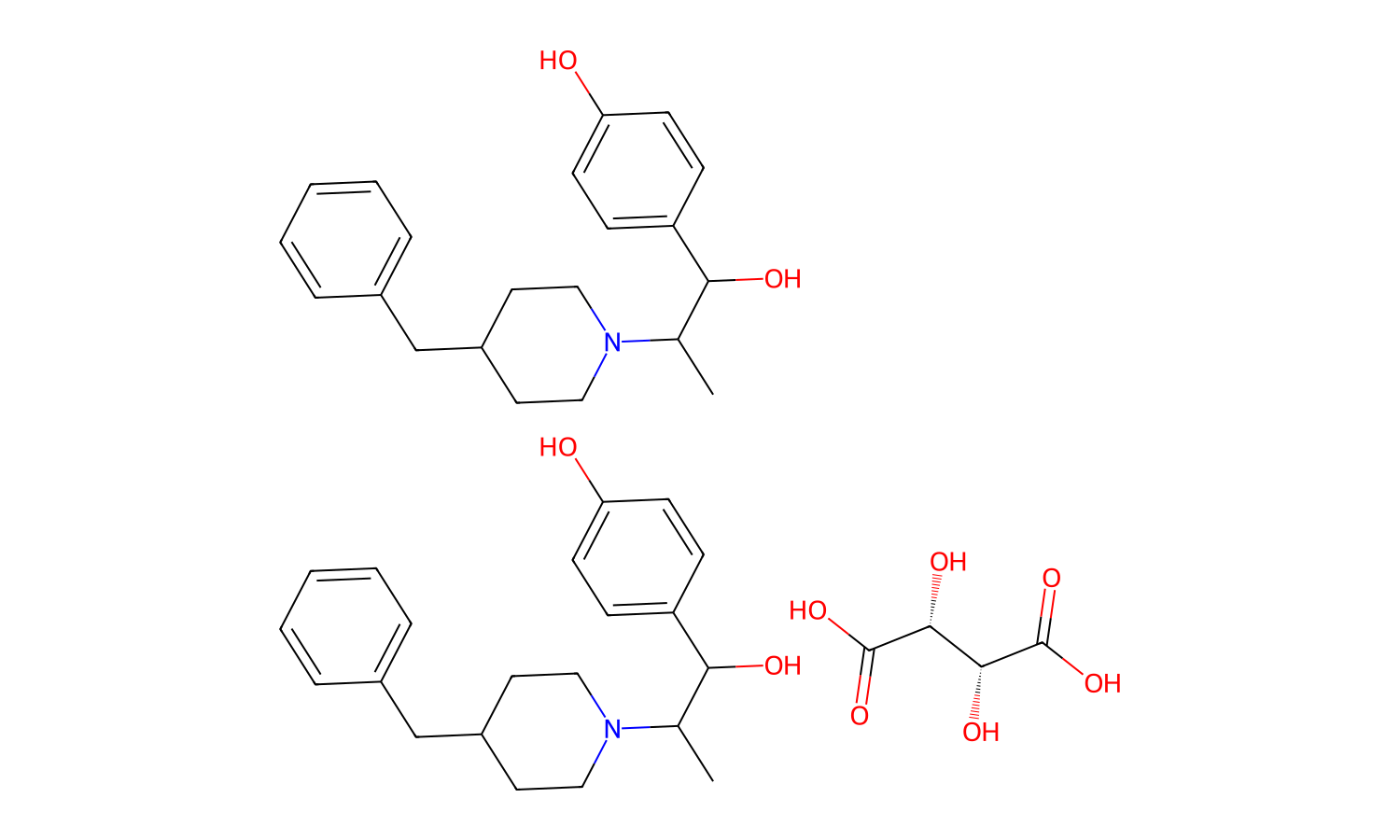
Ifenprodil tartrate (2:1)Featured
100 mg USD 150 · 250 mg USD 300 · 1 g USD 500 · 10 mM * 1 mL in DMSO USD 150Ifenprodil tartrate is a novel N-methyl-D-aspartate (NMDA) receptor antagonist that selectively inhibits receptors containing the NR2B subunit.
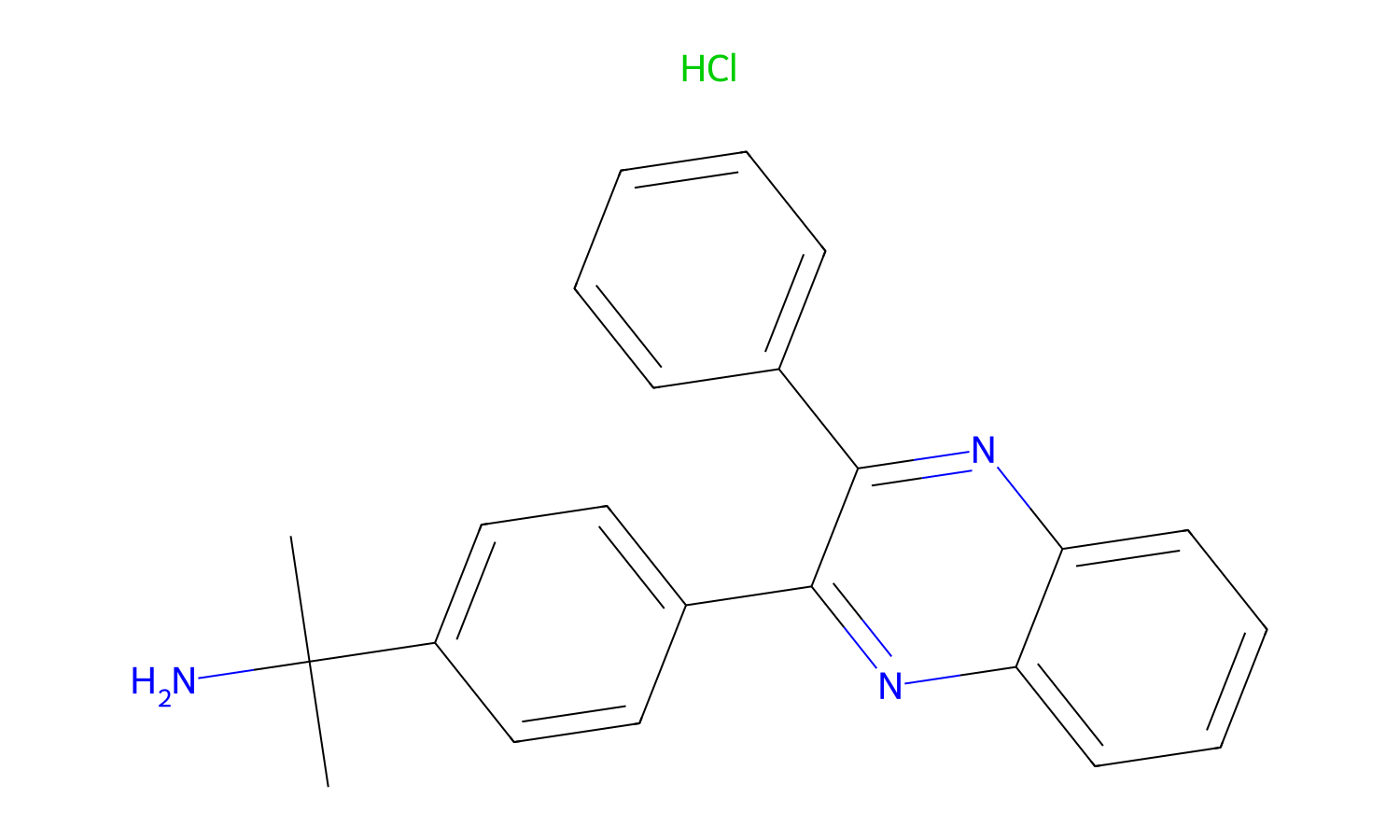
Akt-I-1,2 HClFeatured
100 mg USD 950 · 10 mM * 1 mL in DMSO USD 220The compound (Akt-I-1,2) inhibited both Akt1 and Akt2 with IC50 values of 2.7 and 21 μM respectively. It does not inhibit AKT3. The compound is a reversible inhibitor, and exhibits a linear mixed-type inhibition against ATP and peptide substrate. In addition to inhibiting kinase activity of AKT1 and AKT2 isoforms, AKT-I-1,2 blocked the phosphorylation and activation of AKT1 and AKT2 by PDK1 (phosphoinositide-dependent kinase 1). The inhibitor was found to be cell-active and to block phosphorylation of Akt at Thr308 and Ser473, reduce the levels of active Akt in cells, block the phosphorylation of known Akt substrates and promote TRAIL (tumour-necrosis-factor-related apoptosis-inducing ligand)-induced apoptosis in LNCap prostate cancer cells.
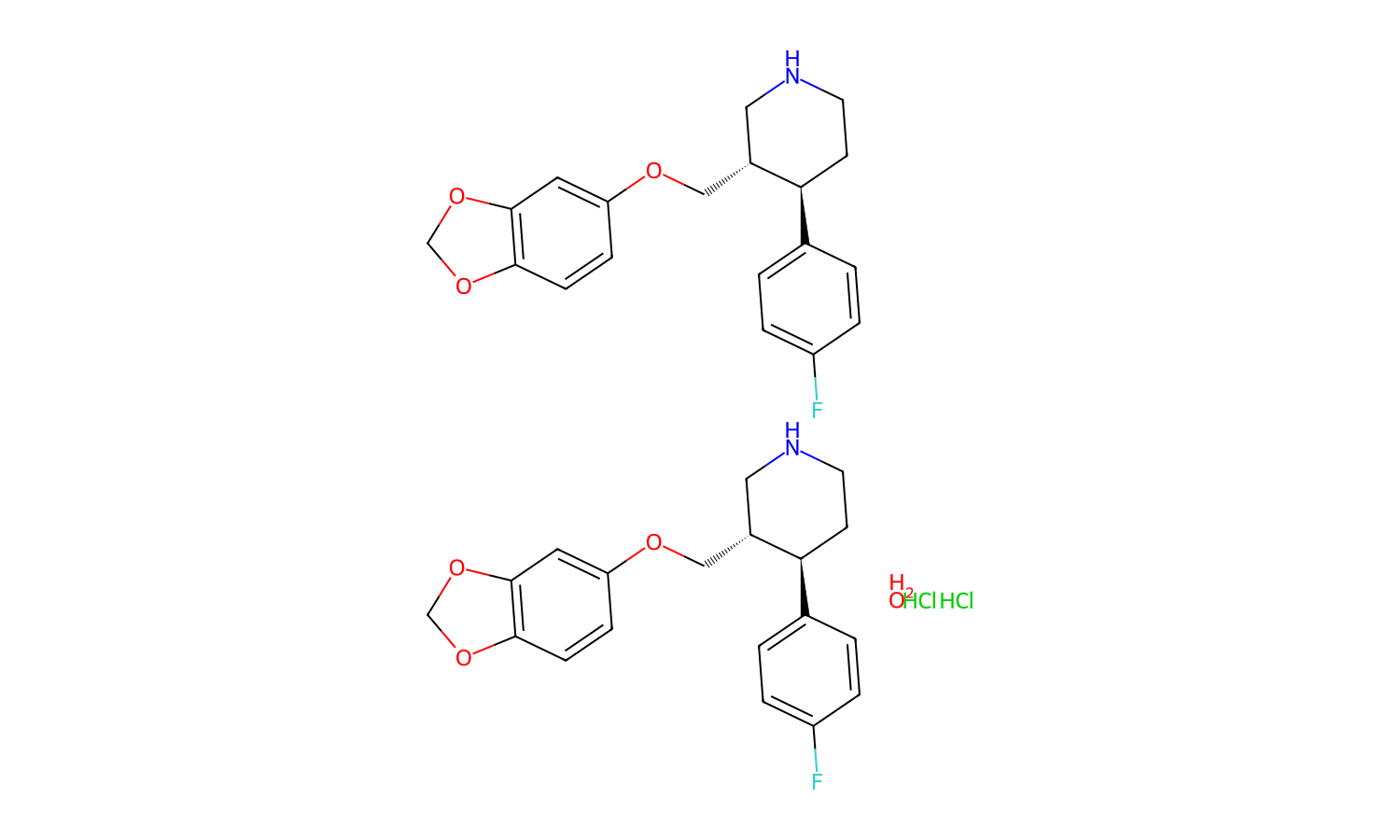
1 g USD 300 · 10 mM * 1 mL in DMSO USD 150
Paroxetine hydrochloride hemihydrate is a potent selective serotonin-reuptake inhibitor, commonly prescribed as an antidepressant and has GRK2 inhibitory ability with IC50 of 14 μM.
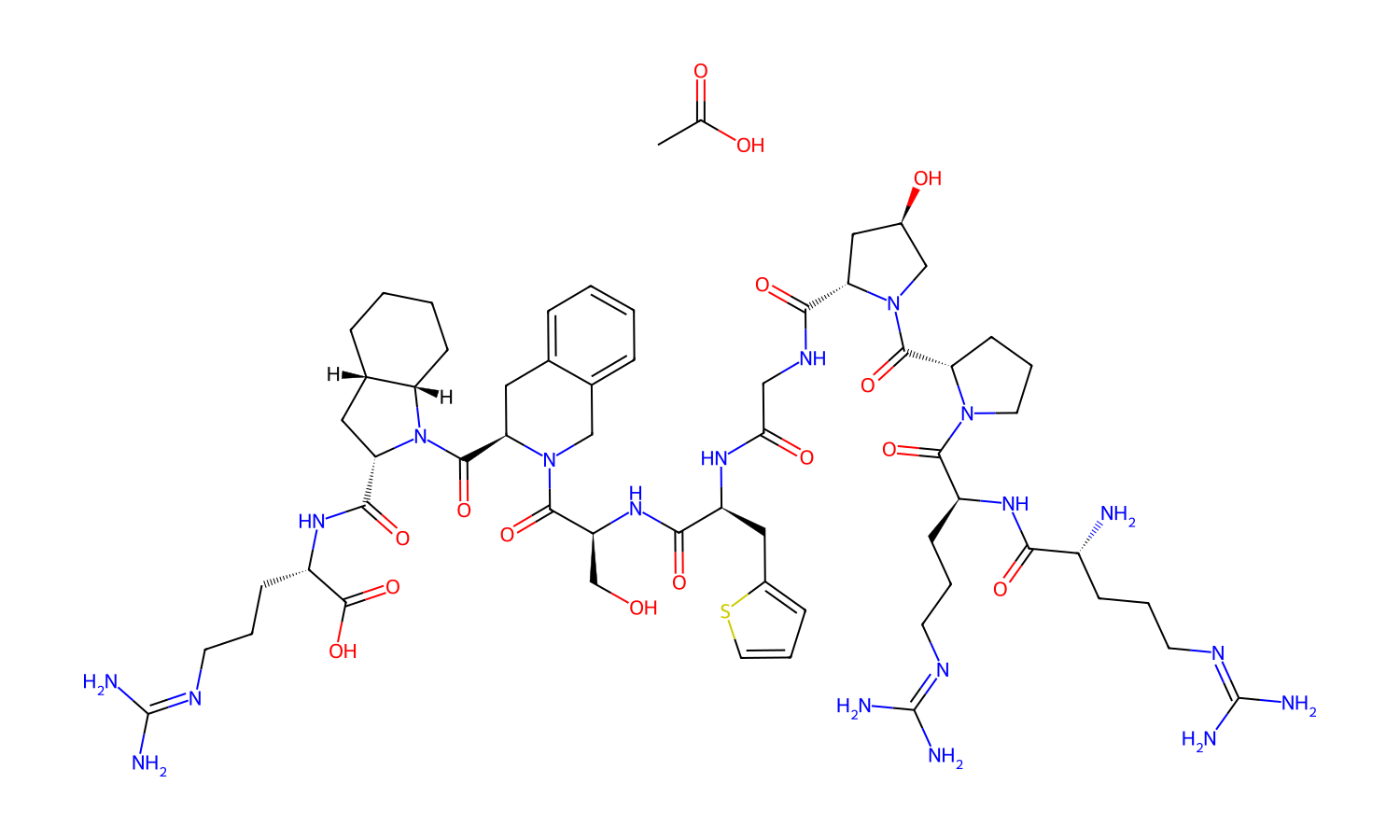
Icatibant acetateFeatured
100 mg USD 700 · 250 mg USD 1,300 · 1 g USD 2,600 · 10 mM * 1 mL in DMSO USD 220Icatibant acetate (HOE-140 acetate) is a potent and specific peptide antagonist of bradykinin B2 receptor with IC50 and Ki of 1.07 nM and 0.798 nM respectively[1][2][3].
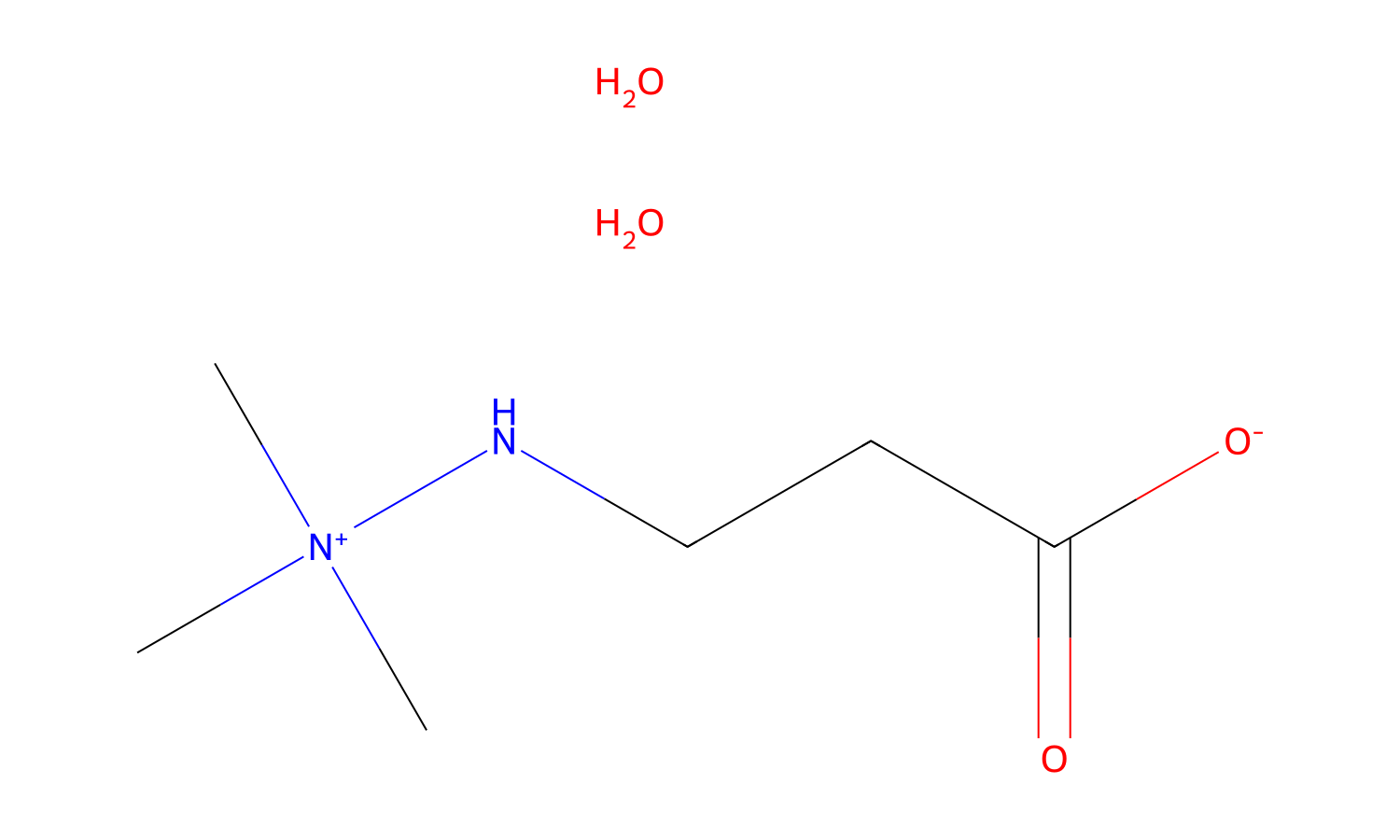
Meldonium dihydrate (Mildronate)Featured
1 g USD 300 · 10 mM * 1 mL in DMSO USD 300Meldonium dihydrate (Mildronate) is available from DC Chemicals for laboratory research. Contact us for application-specific information.
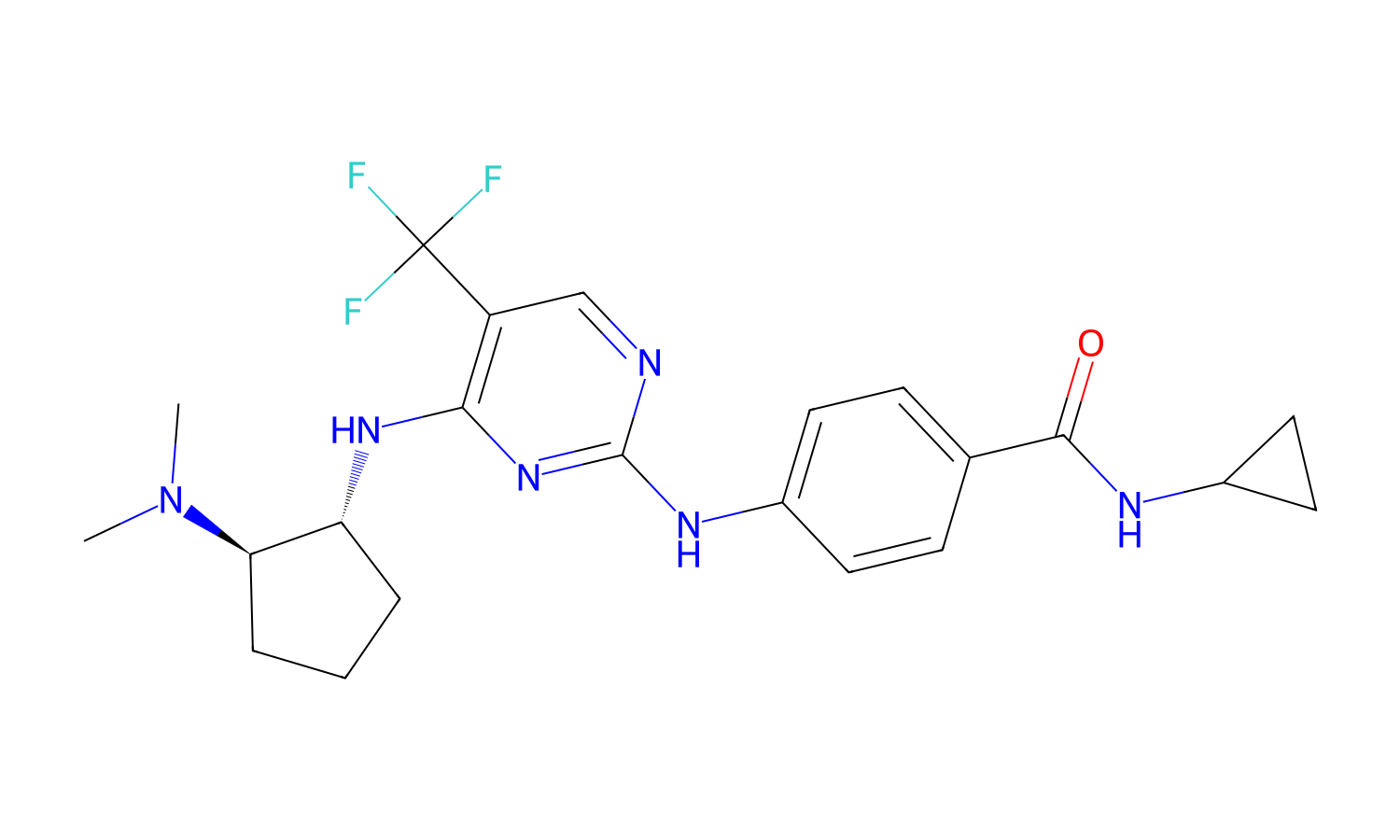
PF-719Featured
5mg USD 550PF-719 (PF719) is a potent, selective Pyk2 inhibitor with IC50 of 17 nM, displays 25-fold selectvity over FAK (IC50=469 nM); does not have significant inhibitory effects on recombinant MLCK2, p38, Akt1, or ROCK1, and very little inhibtion at Src family kinases (IC50>5 uM); selectively inhibits tyrosine phosphorylation of Pyk2 at 1 uM, but blocks both Pyk2 and FAK phosphorylation at 2.5 uM in A20 cells; reduces chemoattractant-induced migration of B-2 and MZ B cells.
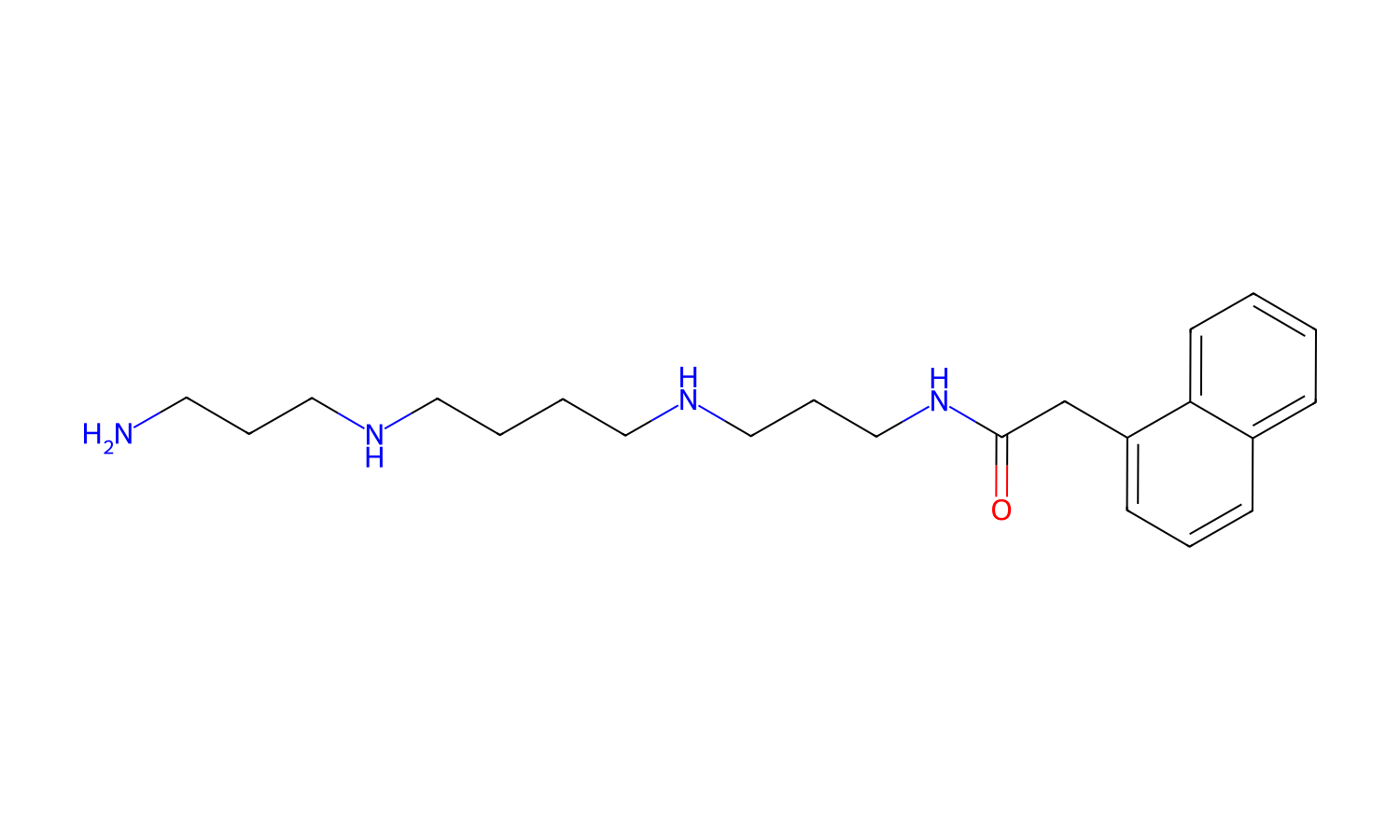
NaspmFeatured
100 mg USD 405 · 250 mg USD 810 · 1 g USD 1,620 · 10 mM * 1 mL in DMSO USD 150Naspm (1-Naphthyl acetyl spermine), a synthetic analogue of Joro spider toxin, is a calcium permeable AMPA (CP-AMPA) receptors antagonist.
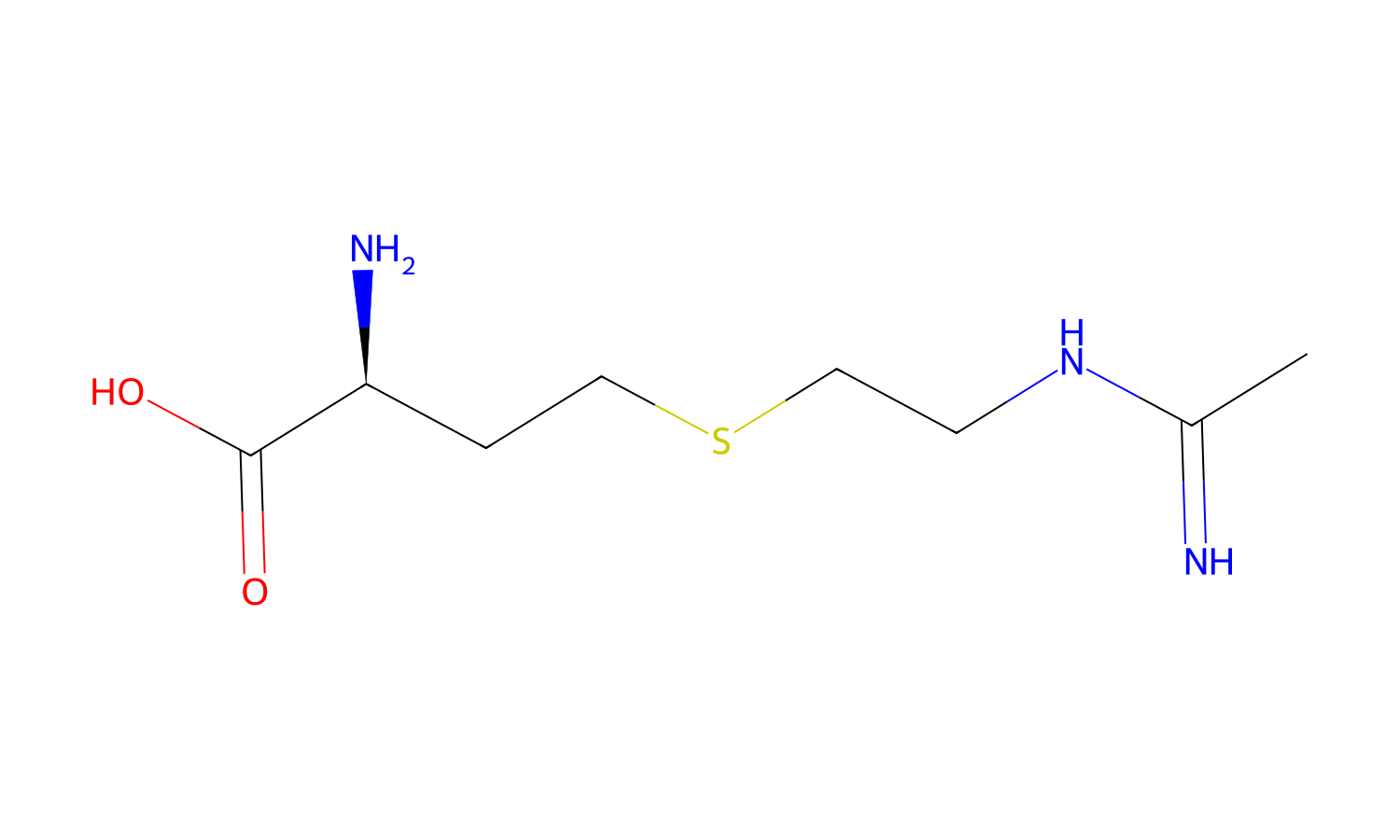
GW274150Featured
5 mg USD 600GW274150 is a novel arginine-competitive, NADPH-dependent iNOS inhibitor that has been identified from a series of acetamide amino acids that have a high selectivity for iNOS vs both eNOS (> 260-fold) and nNOS (> 219-fold) and high bioavailability (> 90%) after oral administration.Target: iNOSin vivo: GW274150 demonstrates a narrow neuroprotective therapeutic window against the toxic actions of 6-OHDA. GW274150 administration leads to a dose-dependent decrease in the number of iNOS-positive cells in the SNc of the 6-OHDA-lesioned animals. The iNOS inhibitor GW274150 fails to produce long-term neuroprotection after its withdrawal in the 6-OHDA-lesioned rat. [1]
Org 34167 hydrochlorideFeatured
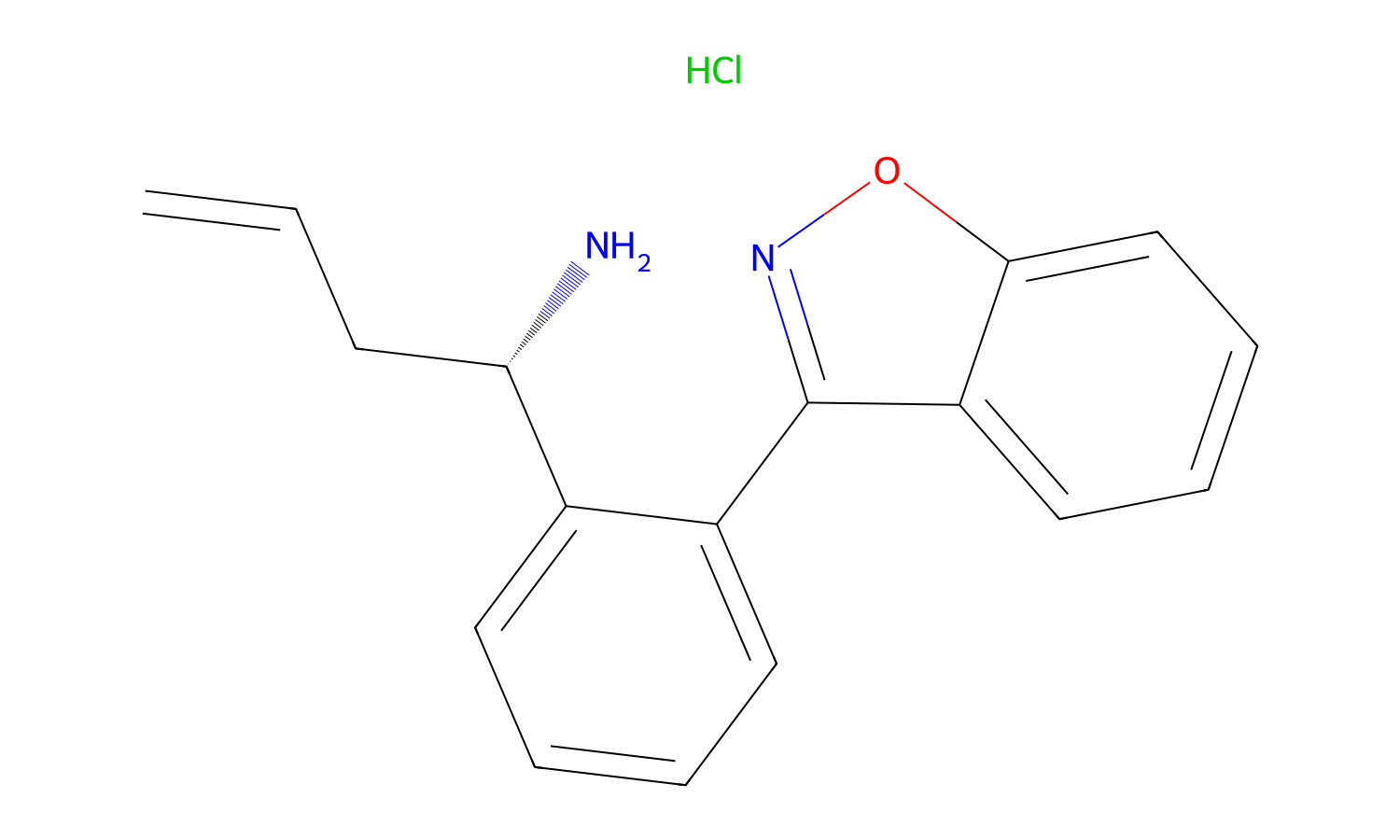
5mg USD 450Org 34167 HCl salt is a broad-spectrum inhibitor of HCN channels with IC50 of 23.4, 8.2 and 9.2 uM for HCN1, HCN2 and HCN4 channels, respectively, slowing activation and causing a hyperpolarising shift in voltage-dependence of activation.
Bisoprolol fumarate (2:1)Featured
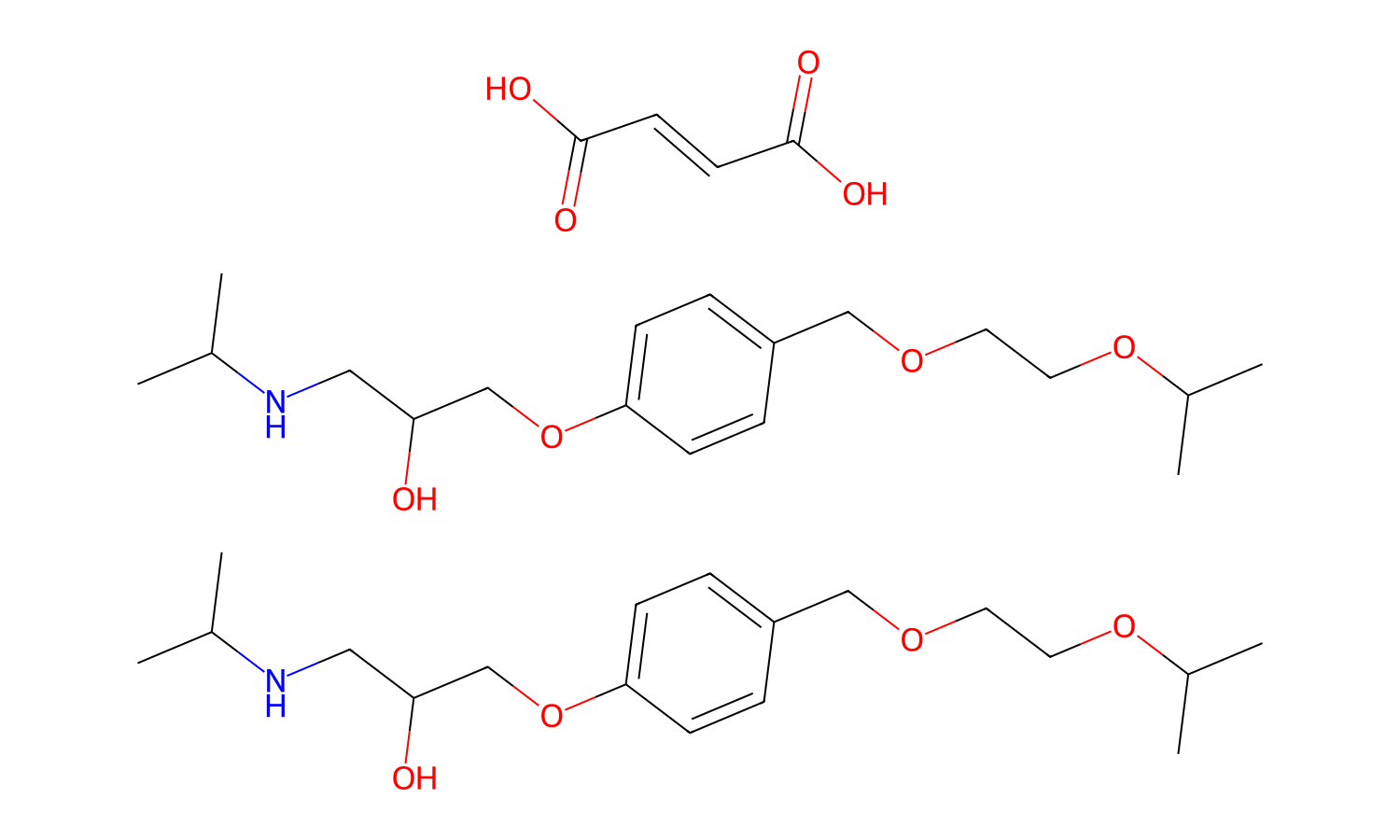
100mg USD 150 · 250mg USD 250 · 1g USD 500Bisoprolol, on beta 1-adrenoceptor pBisoprolol is a selective type β1 adrenergic receptor blocker.Approved: July 31, 1992Bisoprolol, on beta 1-adrenoceptor peptide induced autoimmune myocardial damage. In the animal model of autoimmune cardiomyopathy induced by active immunization of rabbits with beta 1-adrenoceptor peptide, bisoprolol was given at a dose of 3 mg/day throughout the study period. Our results showed high titer of anti-beta 1-adrenoceptor antibody in the immunized group throughout the study but not in the group receiving only bisoprolol [1]. Bisoprolol administration resulted in a significant reduction in HR reaching 60.3 +/- 1.4 bpm at VT of 500 mL (compared to 70.5 +/- 1.8 bpm with placebo, P < 0.001). Changes in HP were also significant with an increase in HP reaching 1004.5 +/- 22.2 msec at this controlled VT (compared to 860.3 +/- 21.5 msec with placebo, P < 0.001) [2].Toxicity: Oral, mouse: LD50 = 100 mg/kg; Skin, rabbit: LD50 = 200 mg/kg; Skin, rat: LD50 = 500 mg/kg. Symptoms of overdose include congestive heart failure (marked by sudden weight gain, swelling of the legs, feet, and ankles, fatigue, and shortness of breath), difficult or labored breathing, low blood pressure, low blood sugar, and slow heartbeat.
MC-Val-Cit-PABFeatured
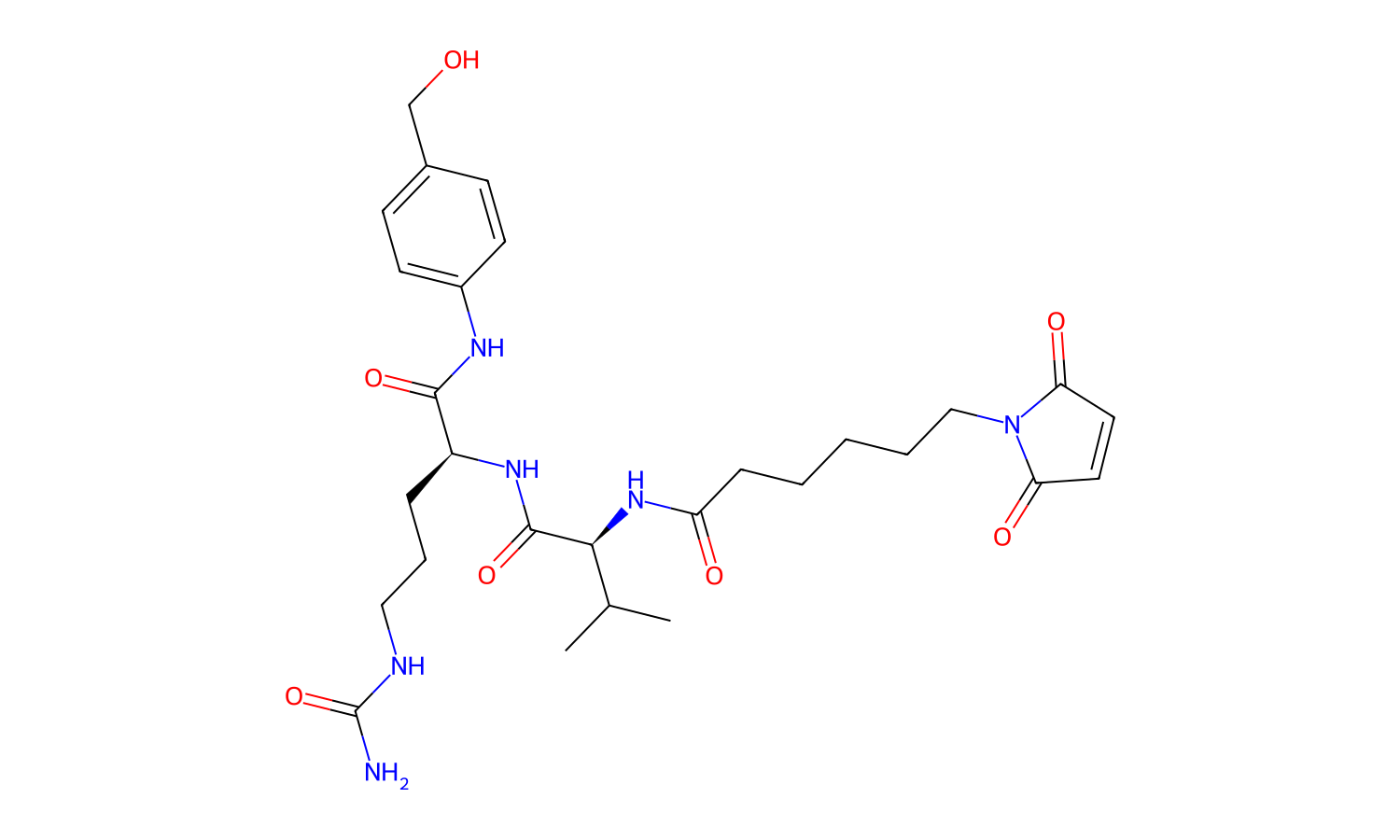
100 mg USD 350 · 250 mg USD 650 · 1 g USD 1,200 · 10 mM * 1 mL in DMSO USD 150MC-Val-Cit-PAB is a cathepsin cleavable ADC linker that is used for making antibody-drug conjugate. FDA approved drugs such as brentuximab vedotin use this linker.
Doxycycline HyclateFeatured
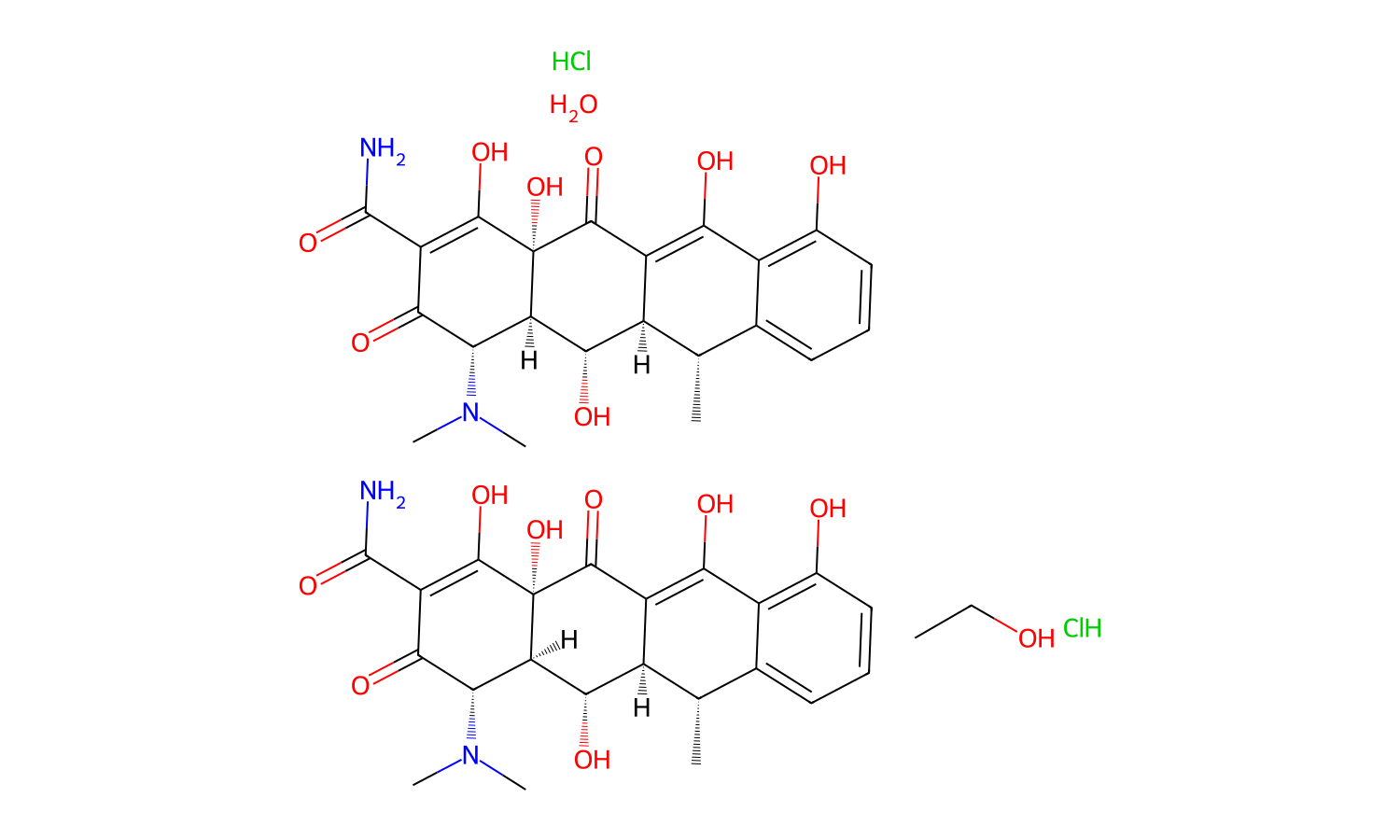
Pack sizes and prices on requestDoxycycline Hyclate is the hyclate salt form of a synthetic, broad-spectrum tetracycline antibiotic exhibiting antimicrobial activity. It is an antimicrobial tetracycline that acts as an inhibitor of a wide range of matrix metalloproteinases (MMPs) of MMP-1 and MMP-8. Doxycycline hyclate binds reversibly to the 30S ribosomal subunit, possibly to the 50S ribosomal subunit as well, thereby blocking the binding of aminoacyl-tRNA to the mRNA-ribosome complex. This leads to an inhibition of protein synthesis.
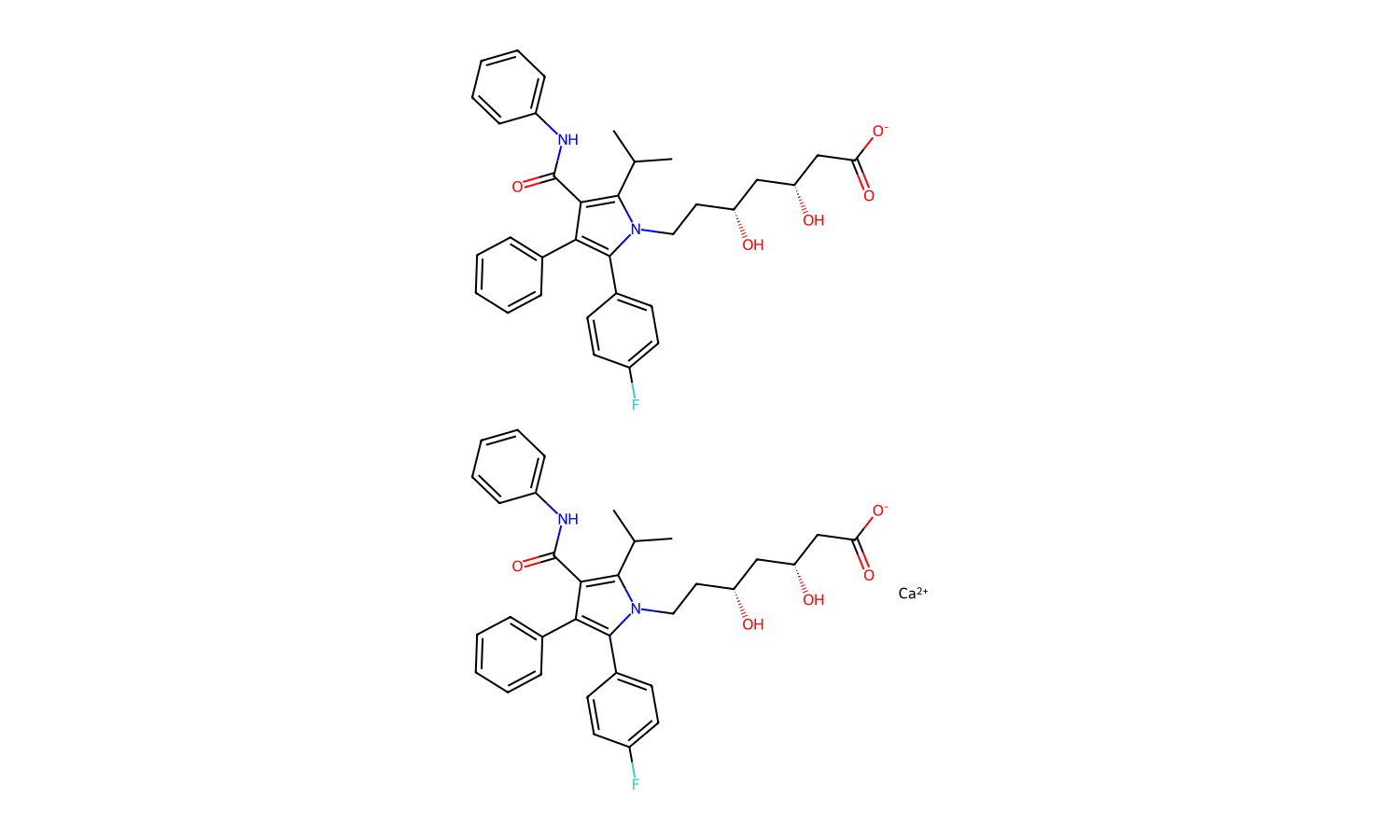
Atorvastatin calciumFeatured
100 mg USD 200 · 250 mg USD 400 · 1 g USD 800For the detailed information of Atorvastatin Calcium, the solubility of Atorvastatin Calcium in water, the solubility of Atorvastatin Calcium in DMSO, the solubility of Atorvastatin Calcium in PBS buffer, the animal experiment(test) (test) of Atorvastatin Calcium, the cell expriment (test) of Atorvastatin Calcium, the in vivo, in vitro and clinical trial test of Atorvastatin Calcium, the EC50, IC50,and Affinity of Atorvastatin Calcium,, please contact DC Chemicals.
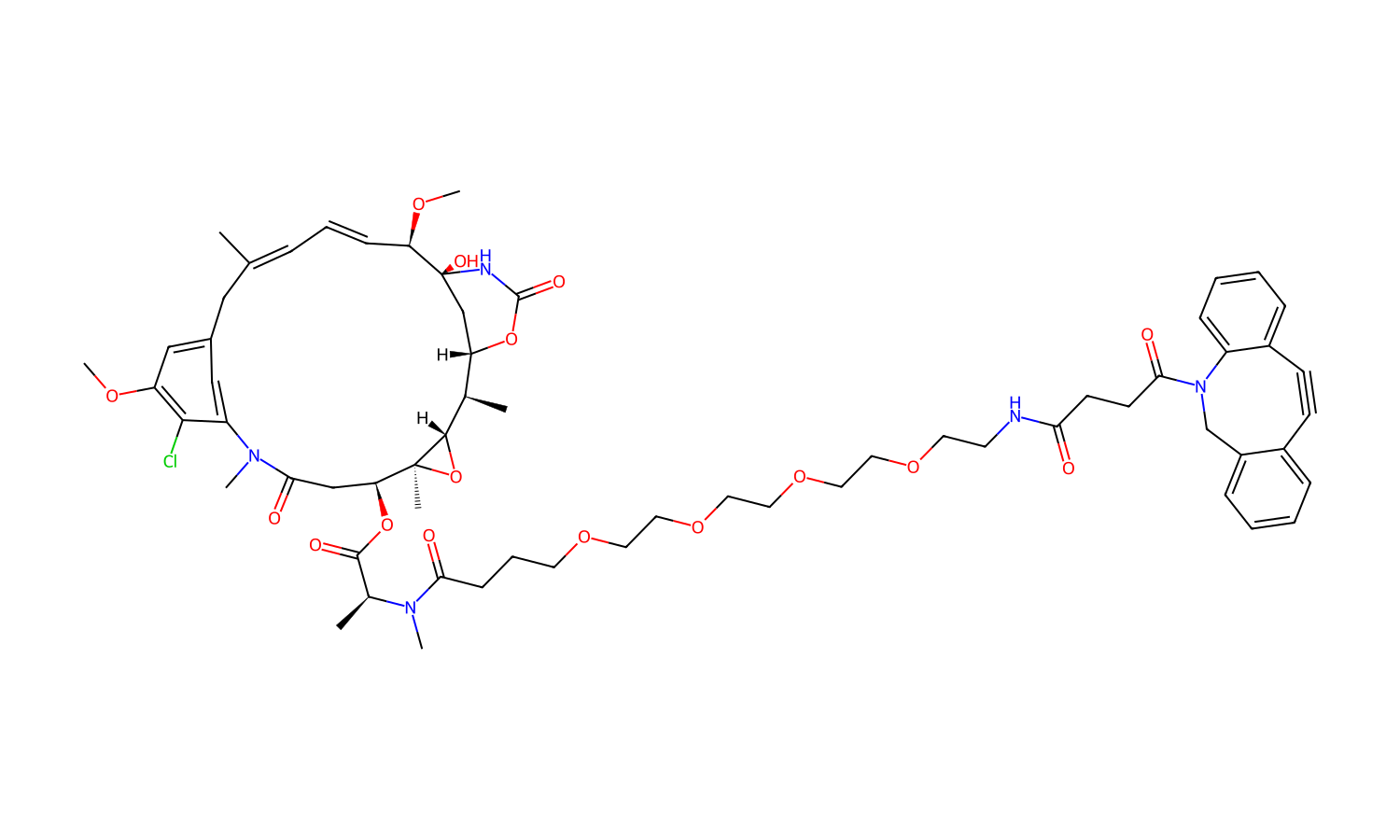
DM1-PEG4-DBCOFeatured
5 mg USD 1,000DM1-(PEG)4-DBCO (DBCO-PEG4-DM1) is made by DM1 conjugated to DBCO-(PEG)4 linker.DM1 (mertansine), a thiol-containing maytansinoid, is a potent microtubule-disrupting agent.
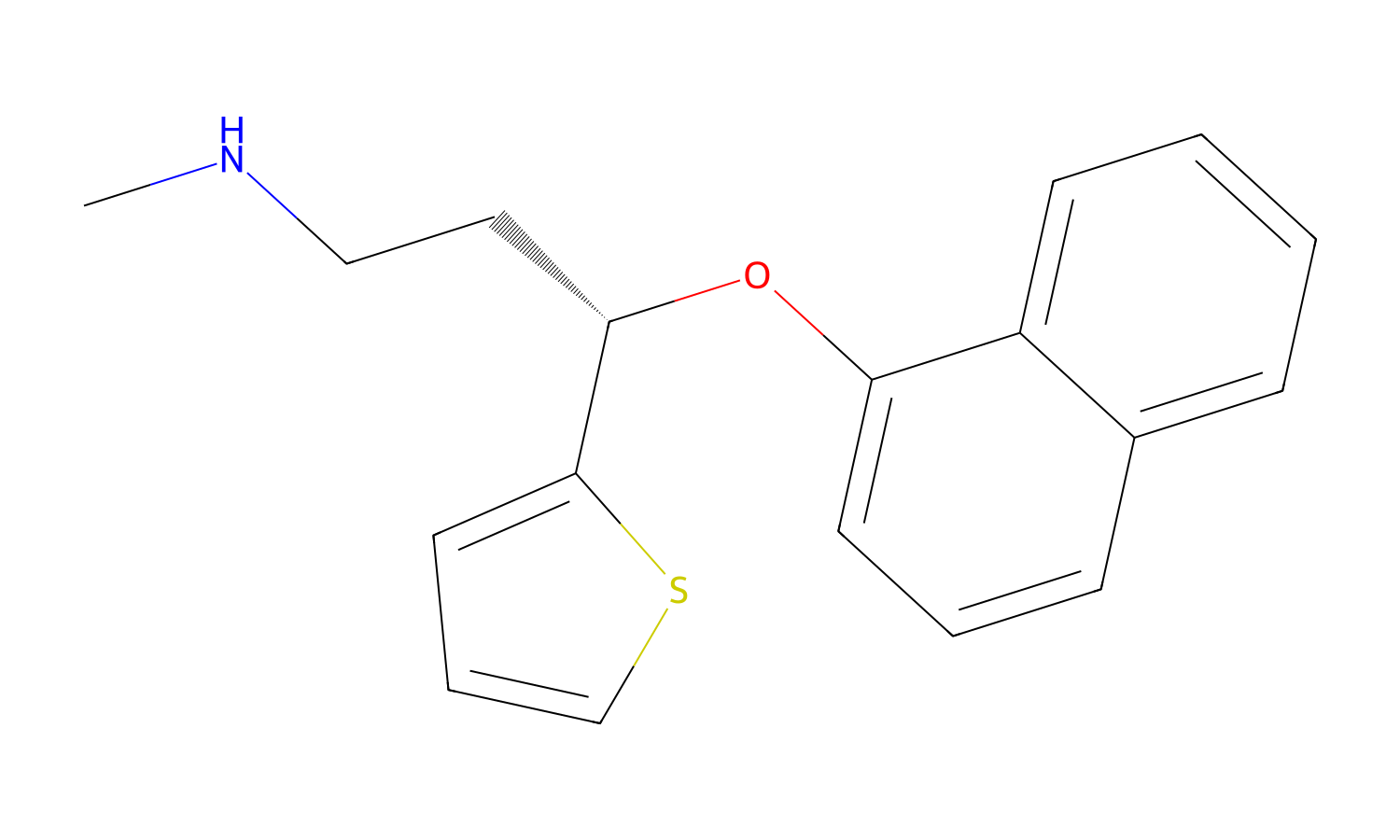
DuloxetineFeatured
100 mg USD 200 · 250 mg USD 400 · 1 g USD 800 · 10 mM * 1 mL in DMSO USD 150Duloxetine is a serotonin-norepinephrine reuptake inhibitor with Ki of 4.6 nM, used for treatment of major depressive disorder and generalized anxiety disorder (GAD). Duloxetine inhibits the reuptake of serotonin and norepinephrine in the central nervous system. Duloxetine is also considered a less potent inhibitor of dopamine reuptake. However, duloxetine has no significant affinity for dopaminergic, adrenergic, cholinergic, histaminergic, opioid, glutamate, and GABA receptors and can therefore be considered to be a selective reuptake inhibitor at the 5-HT and NA transporters. Duloxetine undergoes extensive metabolism, but the major circulating metabolites do not contribute significantly to the pharmacologic activity. Major depressive disorder is believed to be due in part to an increase in pro-inflammatory cytokines within the central nervous system. Antidepressants including ones with a similar mechanism of action as duloxetine, i.e. serotonin metabolism inhibition, cause a decrease in proinflammatory cytokine activity and an increase in anti-inflammatory cytokines; this mechanism may apply to duloxetine in its effect on depression but research on cytokines specific to duloxetine therapy is lacking [1]. The analgesic properties of duloxetine in the treatment of diabetic neuropathy and central pain syndromes such as fibromyalgia are believed to be due to sodium ion channel blockade [2].
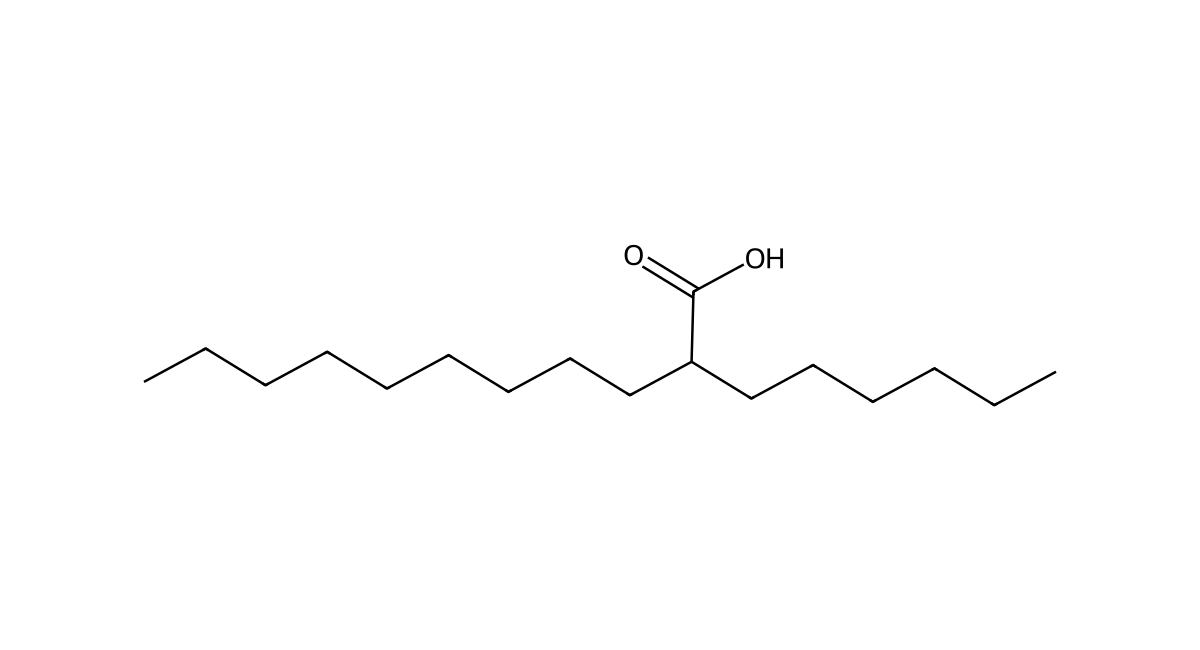
2-Hexylundecanoic acidFeatured
1 g · US$1,0002-Hexylundecanoic acid is an alpha-branched C17 carboxylic acid building block for lipid synthesis. Its carboxyl group provides a site for ester or amide coupling, while the branched hydrocarbon segment can be incorporated into hydrophobic lipid tails. Supplied for chemical synthesis and research.
No products match this search.
Page 147 of 184 · Browse all 3666 products