
Research lipid catalog
Ionizable Lipid Products
Explore 848 lipid and RNA delivery products. Search the full catalog or browse by research category.
Search covers product name, catalog number, synonyms, available CAS numbers and categories. Spaces, hyphens and common punctuation are ignored. Duplicate legacy records are consolidated under one canonical product result.
3666 products · Showing 2961–2980 · 20 per page
DC Chemicals lipid expertise
Built for ionizable-lipid discovery and RNA delivery research
DC Chemicals supports formulation and delivery research with a broad, searchable portfolio of cationic and ionizable lipids. The current directory brings together 848 unique research-use products, with product specifications, pricing, chemical structures and literature-linked formulation data added as each record is verified.
Our experience spans complex lipid synthesis, purification, analytical release and process development. For custom molecules or larger-scale requirements, our team can discuss route development, technical specifications and scale-up options for the intended research workflow.
Learn about cationic and ionizable lipids →Proprietary innovation · Co-development · GMP
From proprietary lipid design to GMP-grade custom synthesis
DC Chemicals has independently developed ionizable-lipid structures supported by company-owned intellectual property, and selected proprietary lipid programs have advanced to GMP-stage development.
We welcome joint development with customers—from molecular design and lipid synthesis through route and process development. We can also support custom synthesis of GMP-grade ionizable lipids to agreed technical specifications and quality requirements.
Discuss a co-development project →Proprietary ionizable-lipid structuresCollaborative molecular designCustom lipid synthesisProcess development and scale-upGMP-grade project support
Product quick links
Explore ionizable lipids
Browse specifications, pricing and literature-linked product information.
Cat. No.Product NameField of ApplicationChemical Structure
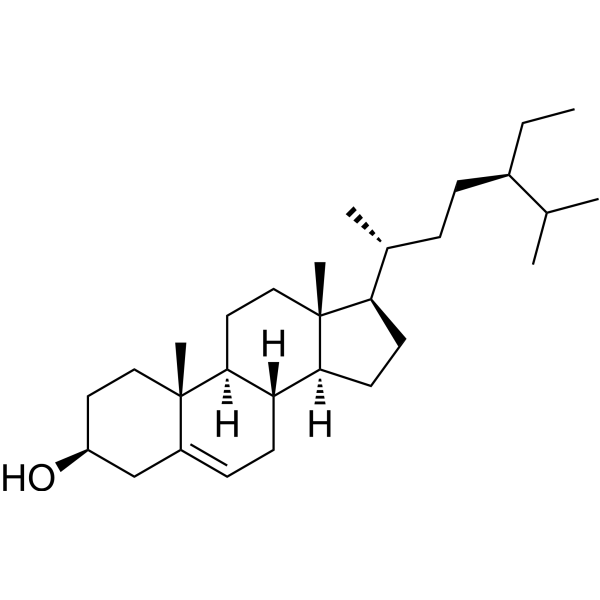
β-SitosterolFeaturedFeatured
β-Sitosterol is orally active. Beta-Sitosterol exhibits multiple activities, including anti-inflammatory, anticancer, antioxidant, antimicrobial, antidiabetic, antioxidant enzyme, and analgesic. Beta-Sitosterol inhibits inflammation and impaired adipogenesis in bovine mammary epithelial cells by reducing levels of ROS, TNF-α, IL-1β, and NF-κB p65 and restoring the activity of the HIF-1α/mTOR signaling pathway. Beta-Sitosterol induces apoptosis in cancer cells through ROS-mediated mitochondrial dysregulation and p53 activation. Beta-Sitosterol exerts its anticancer effects in cancer cells by activating caspase-3, caspase-8, and caspase-9, mediating PARP inactivation, MMP loss, altered Bcl-2-Bax ratio, and cytochrome c release. Beta-Sitosterol modulates macrophage polarization and reduces rheumatoid inflammation in mice. Beta-Sitosterol inhibits tumor growth in multiple mouse cancer models. Beta-Sitosterol can be used in the research of arthritis, lung cancer, breast cancer and other cancers, diabetes, etc.
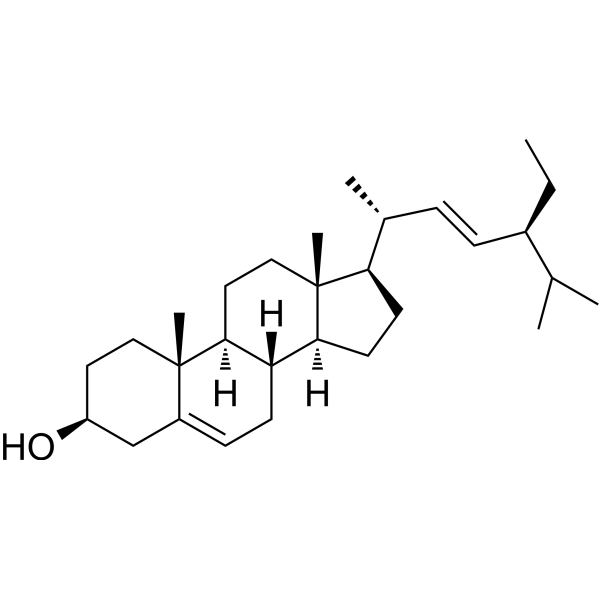
StigmasterolFeaturedFeatured
Stigmasterol is an orally acitve, immunomodulatory agent with anti-inflammatory and neuroprotective effect, as well as able to cross the blood-brain barrier. Stigmasterol activates AMPK, which in turn inhibits NF-κB and NLRP3 signaling pathways, reduces microglia-mediated neuroinflammation, and alleviates cognitive impairment and Alzheimer's disease. Stigmasterol regulates M1/M2 polarization of microglia through the TLR4/ NF-κB pathway, thereby reducing neuropathic pain. Stigmasterol can be used for neurodegenerative diseases, inflammatory diseases, and pain management, among others.
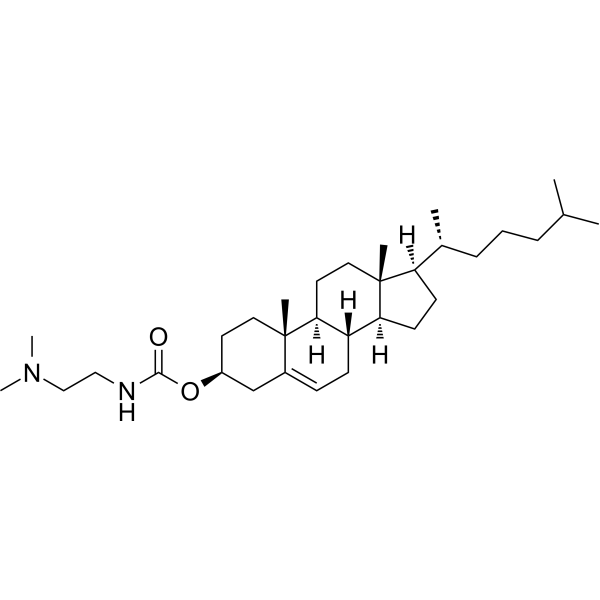
DC-cholesterolFeaturedFeatured
DC-cholesterol(3β-[N-(N′,N′-Dimethylaminoethyl)carbamoyl]cholesterol), a lipid, has been investigated in cancer gene therapy and vaccine delivery system.
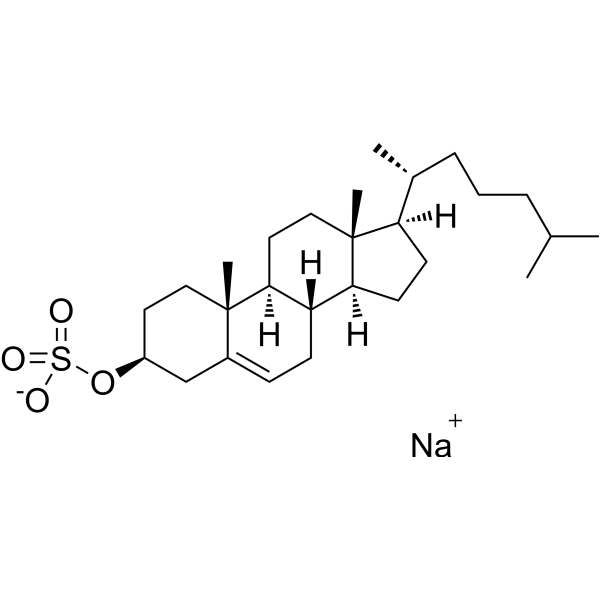
SCSFeaturedFeatured
SCS is an orally active cholesterol biosynthesis agonist that targets NPC2. It activates SREBP2 by competitively binding to NPC2, thereby promoting cholesterol synthesis (EC50 = 50 μM).
MP2FeaturedFeatured
MP2 is a methylprednisolone-derived ionizable lipid studied for local colonic mRNA delivery. Its IL-35 mRNA LNP formulation was evaluated in acute and chronic colitis mouse models and ex vivo human colonic biopsies.
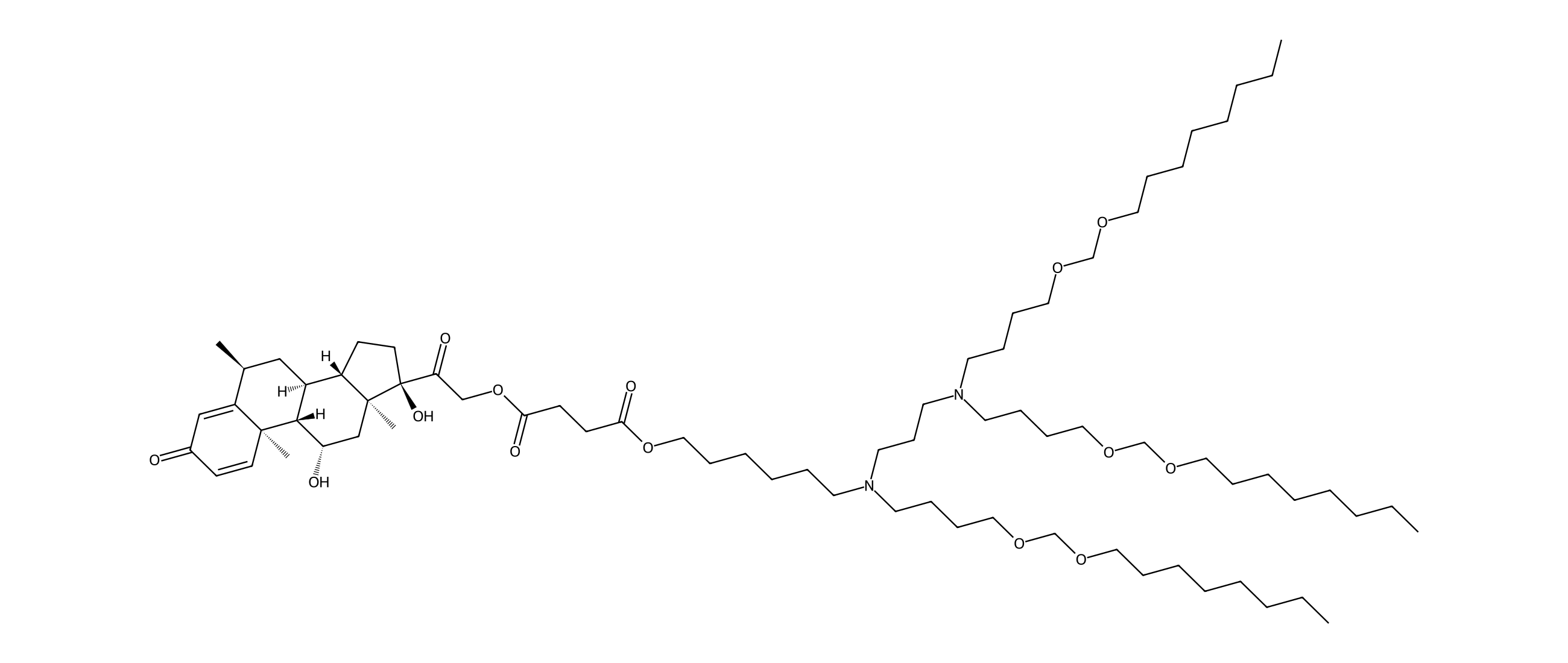
Lipid 03-135Featured
Price on requestLipid 03-135 is an ionizable lipid investigated for lipid nanoparticle delivery of mRNA encoding a CD19/CD3 bispecific T-cell engager developed by Abogen. In WO2024131874A1, its formulation showed the highest plotted serum antibody concentrations at 24 and 48 hours among five tested lipids after a single intravenous dose of mRNA1 in NOD/SCID mice.
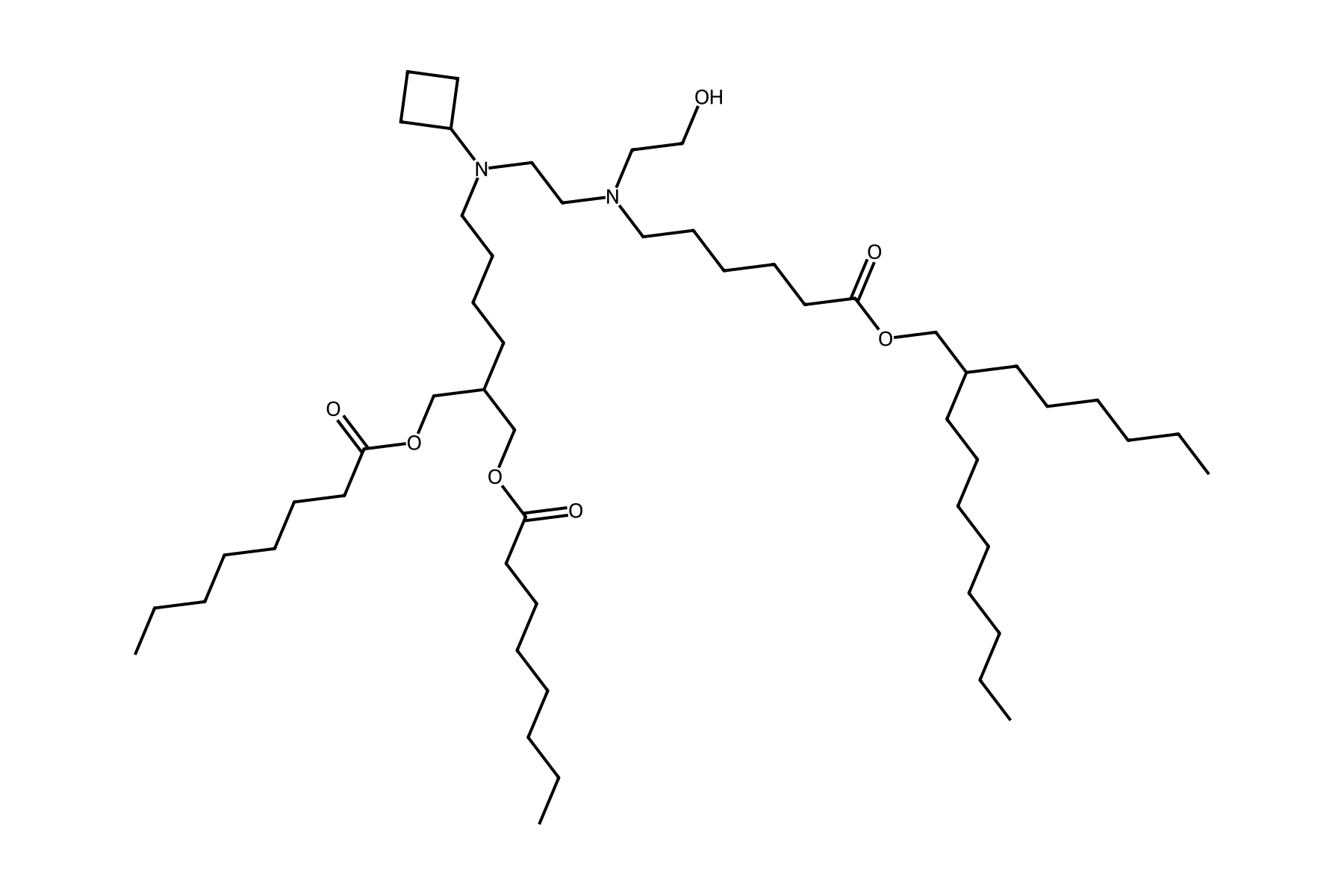
Lipid 01-1Featured
Price on requestIonizable lipid used for intravenous mRNA-encoded CD19/CD3 bispecific antibody delivery and an antitumor study in a human PBMC / Nalm6 leukemia model.
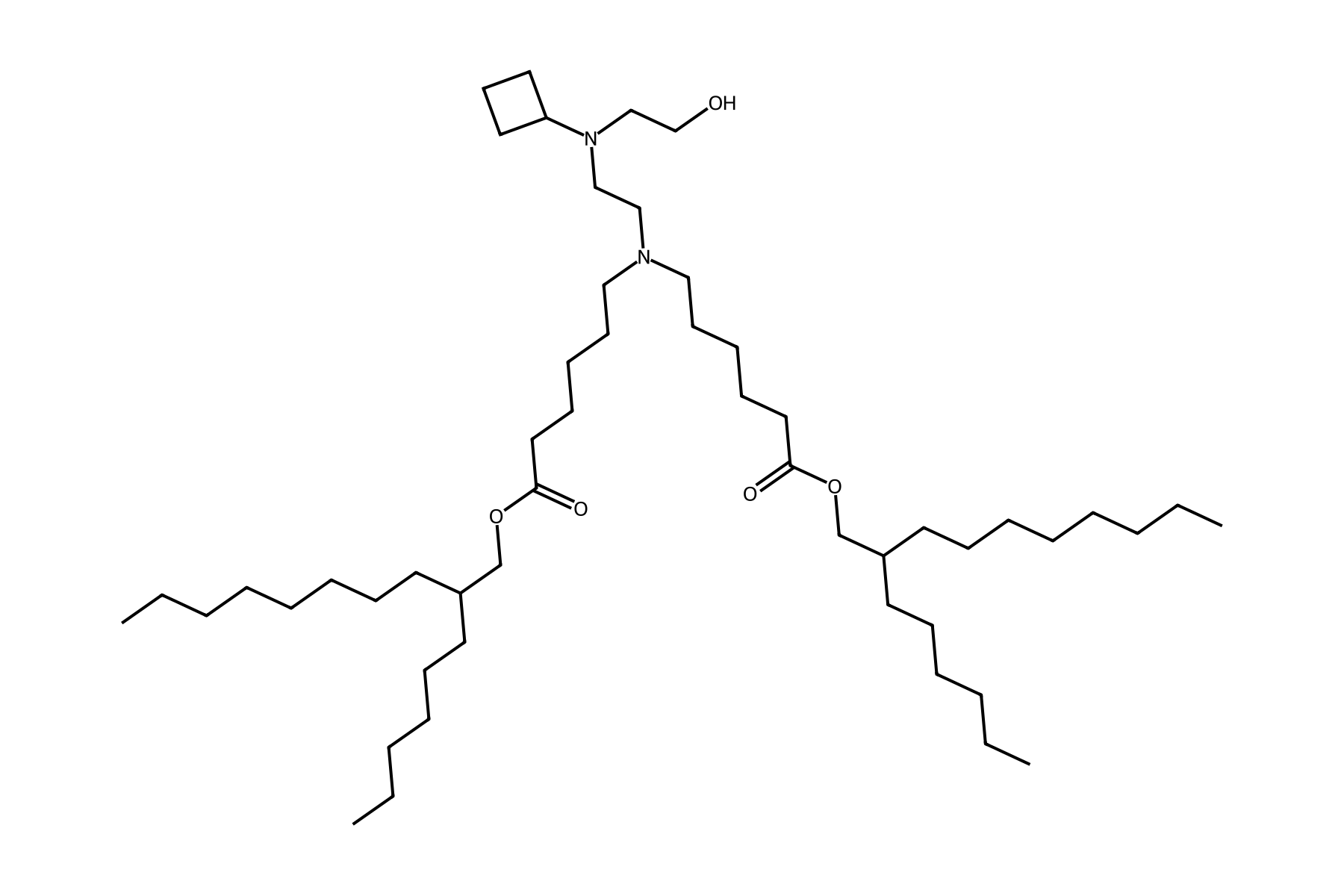
Lipid 6 (Gao et al., 2026)Featured
Price on requestLipid 6 is a literature-reported ionizable lipid for ex vivo mRNA delivery to primary human T cells. In Gao et al. (2026), LNPs containing Lipid 6 generated MUC1-CAR T cells that were assessed against MUC1-positive cancer cell lines in vitro.
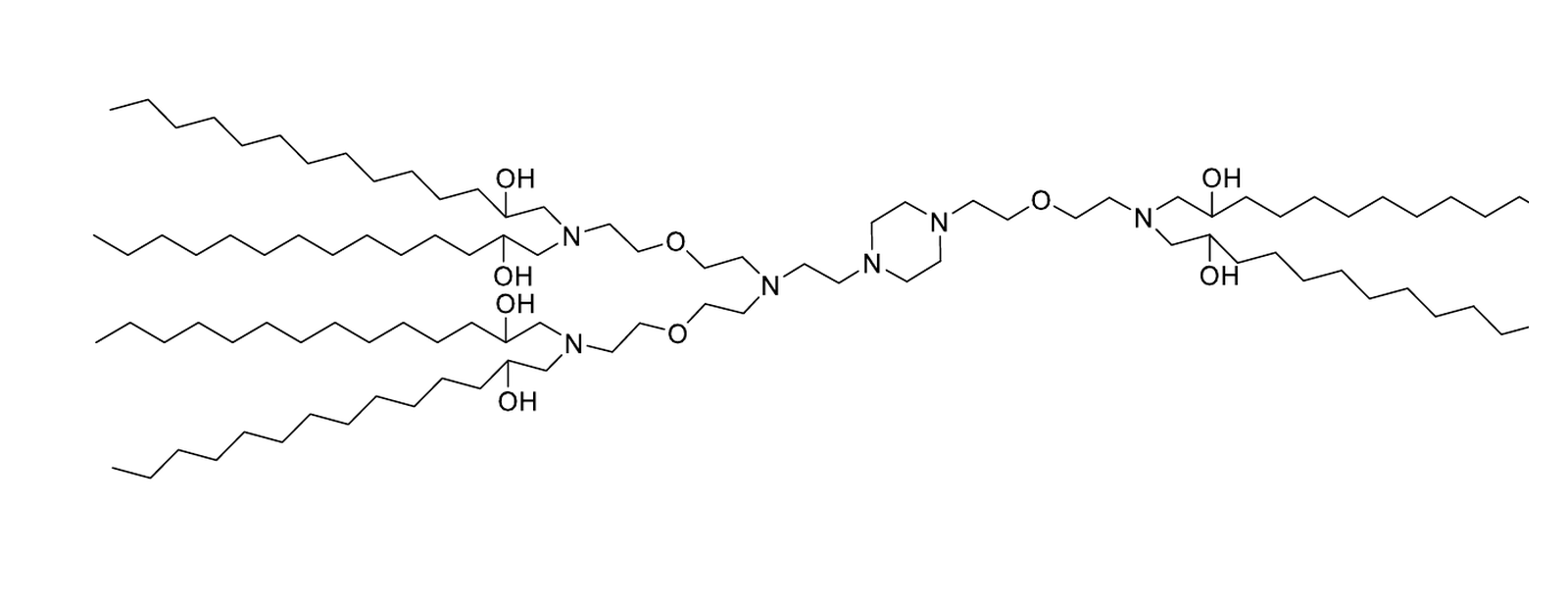
DODMAFeatured
A titratable amino lipid used in nucleic-acid delivery systems and comparative LNP studies.
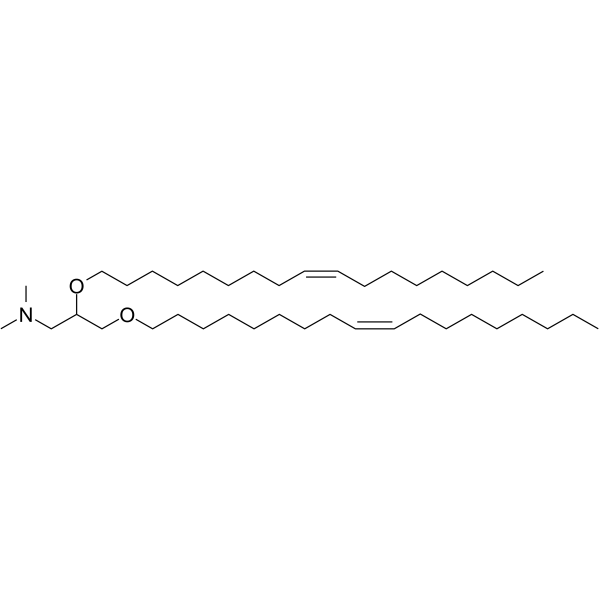
DODAPFeatured
An early ionizable lipid used as a comparator in nucleic-acid delivery and mRNA-LNP studies.

DOTAPFeatured
DOTAP, also known as 1,2-Dioleoyl-3-trimethylammoniumpropane, is a cationic liposome-forming compound used for transfection of DNA, RNA, and other negatively charged molecules into eukaryotic cells. It has been used in gene delivery vectors for gene ther

NT1-O12BFeatured
25mg $350 · 50mg $550 · 100mg $850NT1-O12B is a tryptamine-derived bioreducible lipidoid evaluated as a brain-delivery component. The cited study identified NT1-O12B as the strongest DiR brain-delivery member of the tested NT-lipidoid series and used it with PBA-Q76-O16B at a 3:7 weight ratio for optimized DiR and amphotericin B delivery. Results apply to these formulations and must not be extended to the NT1-O14B systems used for Tau-ASO and Cre protein delivery.

FTT5Featured
FTT5 is a lipid-like compound for efficient delivery of long mRNAs in vivo.

LIPID C24Featured
C24 is a novel multiprotic ionizable lipid. C24 lipid nanoparticle (LNP) has a multistage protonation behavior resulting in greater endosomal protonation and greater translation compared to the standard reference MC3 LNP. C24 LNP also lower injection site inflammation and higher stability compared to MC3 LNP.
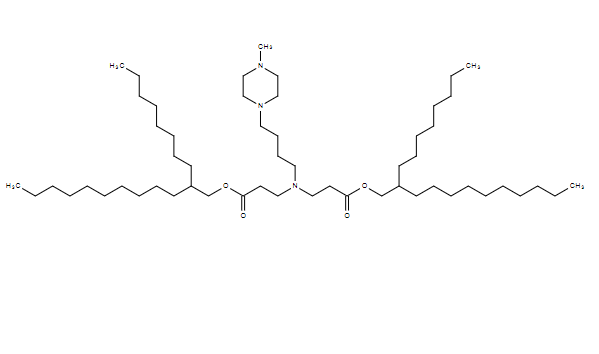
L319Featured
A biodegradable ionizable lipid reference for systemic siRNA delivery and lipid-clearance research.

Acuitas A9Featured
Lipid A9 is an ionizable cationic lipid (pKa = 6.27) that has been used in the generation of lipid nanoparticles (LNPs) for the delivery of mRNA and siRNA in vivo. LNPs containing lipid A9 and encapsulating non-stimulatory siRNA increase plasma levels of chemokine (C-C motif) ligand 2 (CCL2), indicating activation of the innate immune response, and decrease body weight in mice.
C12-200Featured
A widely studied lipidoid for siRNA and mRNA delivery, including hepatic delivery comparisons.
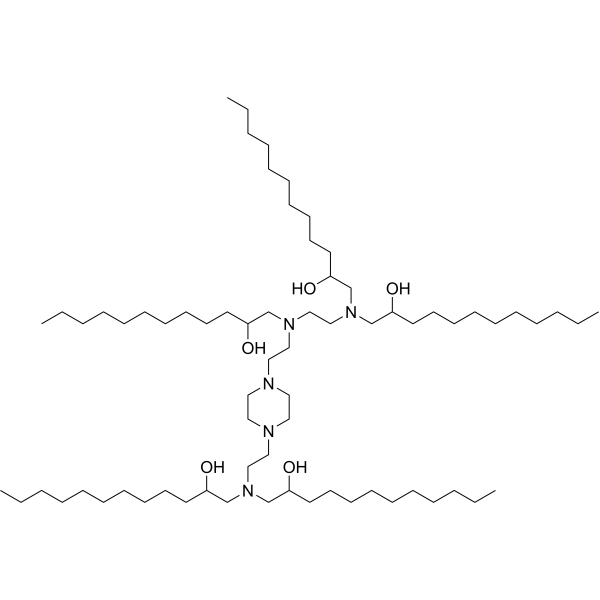
C14-4Featured
An ionizable lipid studied for mRNA delivery to primary human T cells and ex vivo CAR-T engineering.
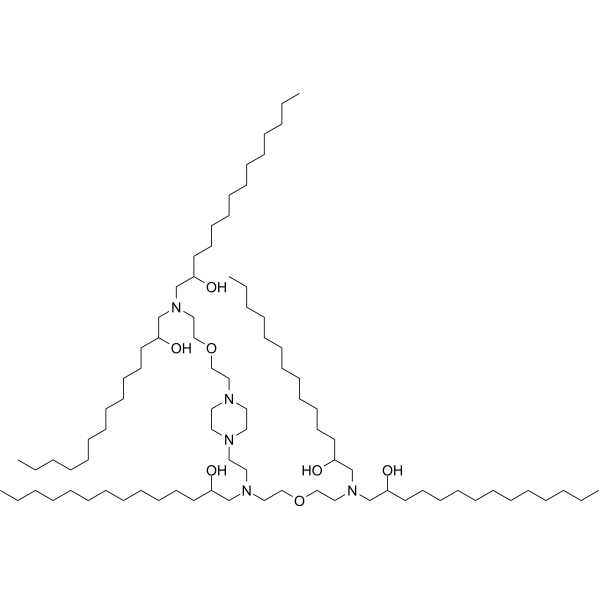
NT1-O14BFeatured
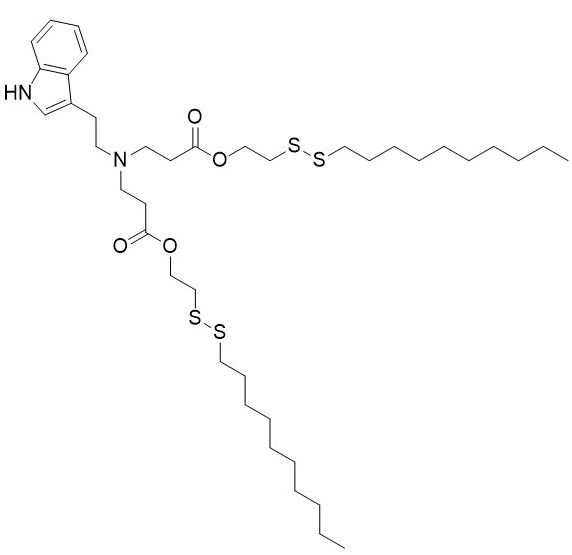
NT1-O14B is a tryptamine-containing cationic lipidoid.1 It has been used in combination with other lipids in the formation of lipid nanoparticles (LNPs). Intravenous administration of LNPs containing NT1-O14B and encapsulating antisense nucleotides against tau decreases tau brain levels in mice.
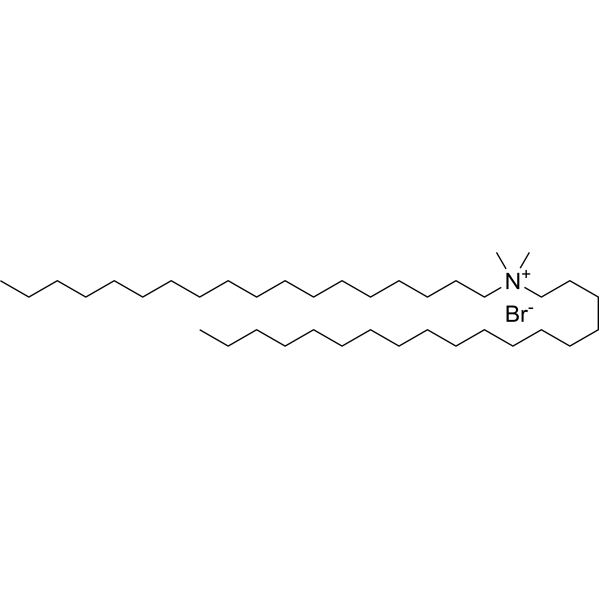
DDAB is listed as a ionizable lipid for laboratory research use.
No products match this search.
Page 149 of 184 · Browse all 3666 products