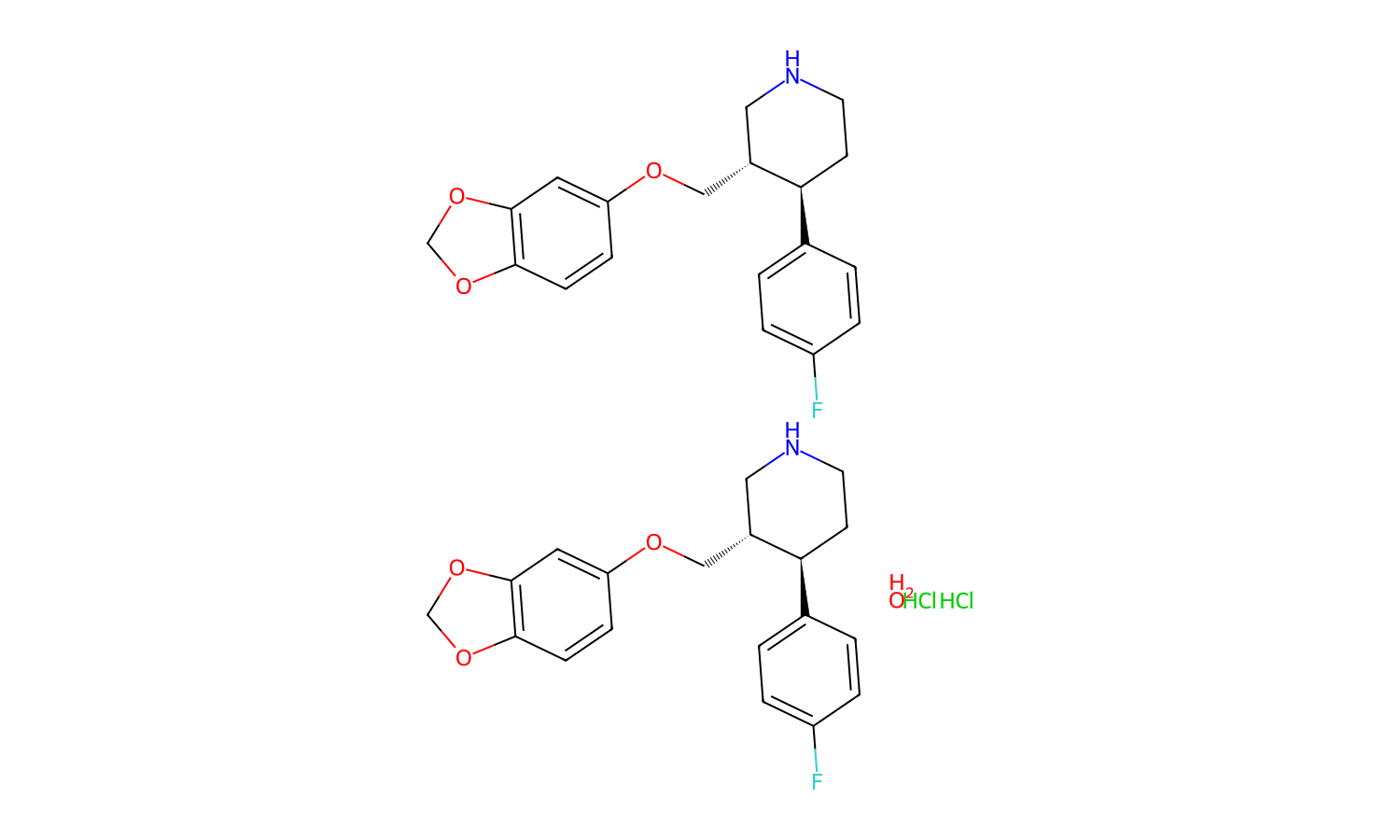
Paroxetine hydrochloride hemihydrate chemical structure
Chemical structureResearch use onlyView full-size structure
CAT. NO. DC9098Featured

Paroxetine hydrochloride hemihydrate

Pack Sizes & Prices

TotalUS$300
We match the best price and quality on market.
Product overview

Description & Application

Paroxetine hydrochloride hemihydrate is a potent selective serotonin-reuptake inhibitor, commonly prescribed as an antidepressant and has GRK2 inhibitory ability with IC50 of 14 μM.

ParameterValue
Chemical NameParoxetine hydrochloride hemihydrate
CAS No.110429-35-1
SynonymsParoxetine HCl
FormulaC38H44Cl2F2N2O7
M.Wt749.68
SMILESCl.Cl.Fc1ccc([C@@H]2CCNC[C@H]2COc2ccc3c(c2)OCO3)cc1.Fc1ccc([C@@H]2CCNC[C@H]2COc2ccc3c(c2)OCO3)cc1.O
Purity>98%
Storage2 years -20°C Powder, 2 weeks 4°C in DMSO, 6 months -80°C in DMSO
Structure and molecular-weight basisHydrochloride hemihydrate: the complete integer unit contains 2 paroxetine molecules, 2 HCl and 1 water. M.Wt 749.68 refers to this complete unit; the value per paroxetine equivalent is 374.84.

Chemical identity references

Biological Activity

Paroxetine hydrochloride hemihydrate is a potent selective serotonin-reuptake inhibitor, commonly prescribed as an antidepressant and has GRK2 inhibitory ability with IC50 of 14 μM.

In Vitro

Paroxetine (1 μM and 10 μM) distinctly restrains T cell migration induced by CX3CL1 through inhibiting GRK2. Paroxetine inhibits GRK2 induced activation of ERK[1]. Paroxetine (10 μM) reduces pro-inflammatory cytokines in LPS-stimulated BV2 cells. Paroxetine (0-5 μM) leads to a dose-dependent inhibition on LPS-induced production of TNF-α and IL-1β in BV2 cells. Paroxetine also inhibits lipopolysaccharide (LPS)-induced nitric oxide (NO) production and inducible nitric oxide synthase (iNOS) expression in BV2 cells. Paroxetine (5 μM) blocks LPS-induced JNK activation and attenuates baseline ERK1/2 activity in BV2 cells. Paroxetine relieves microglia-mediated neurotoxicity, and suppresses LPS-stimulated pro-inflammatory cytokines and NO in primary microglial cells[4].

In Vivo

Paroxetine treatment obviously attenuates the symptoms of CIA rats. Paroxetine treatment clearly prevents the histological damage of joints and alleviates T cells infiltration into synovial tissue. Paroxetine reveals a strong effect on inhibiting CX3CL1 production in synovial tissues[1]. Paroxetine (20 mg/kg/day) reduces the myocyte cross-sectional area in rat and ROS formation in the remote myocardium. Paroxetine reduces the susceptibility to ventricular tachycardia. Paroxetine treatment following MI decreases LV remodeling and susceptibility to arrhythmias, probably by reducing ROS formation[2]. In CCI paroxetine-treated group, paroxetine (10 mg/kg, i.p.) produces hyperalgesia at days 7 and 10 (P<0.01), but a decrease in pain behavior is seen at day 14. Moreover, paroxetine (10 mg/kg) significantly attenuates tactile hypersensitivity when compared to CCI vehicle-treated group[5].

References & source

DC Chemicals original product information

Published experimental findings depend on the model and assay conditions. They do not guarantee equivalent performance in every application. For laboratory research use only.
Product documentation

Refer to the certificate supplied with your lot for batch-specific release results.

Handling guide

2 years -20°C Powder, 2 weeks 4°C in DMSO, 6 months -80°C in DMSO

Solution calculator

Related research products

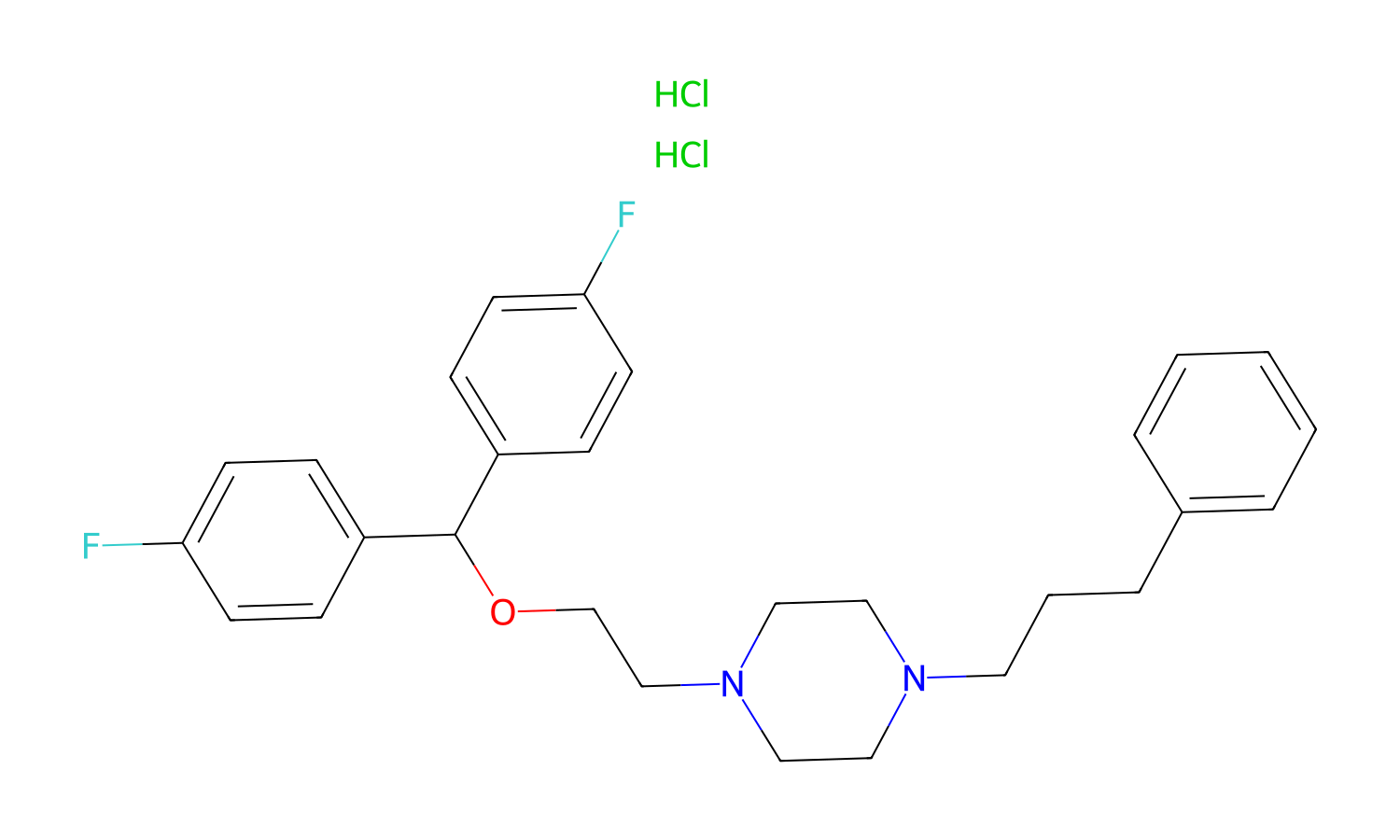
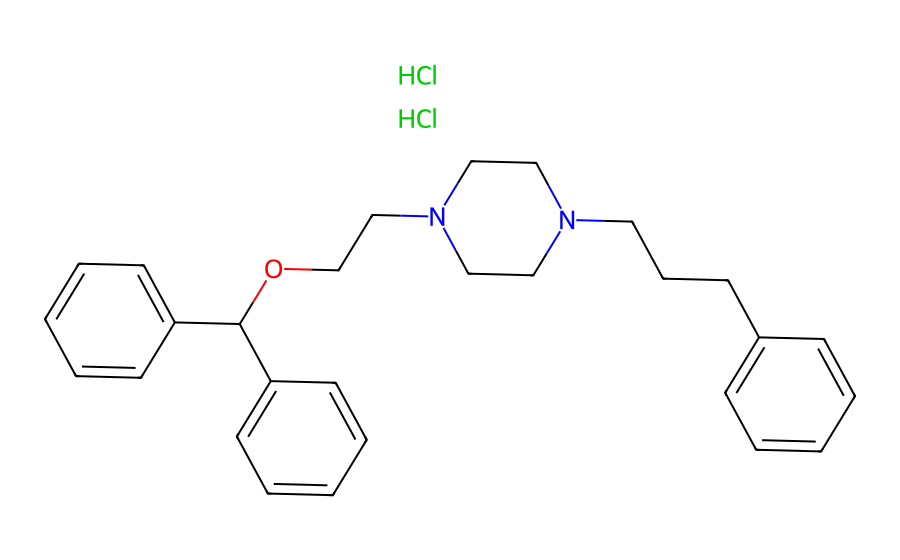
GBR 12935 dihydrochloride chemical structureDC7130

GBR 12935 dihydrochloride

GBR 12935 2Hcl is a potent, and selective dopamine reuptake inhibitor.IC50 value: Target: dopamine reuptake inhibitorin vitro: The calculated Kd of [3H]GBR-12935 binding to CYP2D6 was 42.2 nM, indicating that GBR-12935…

View activity & prices
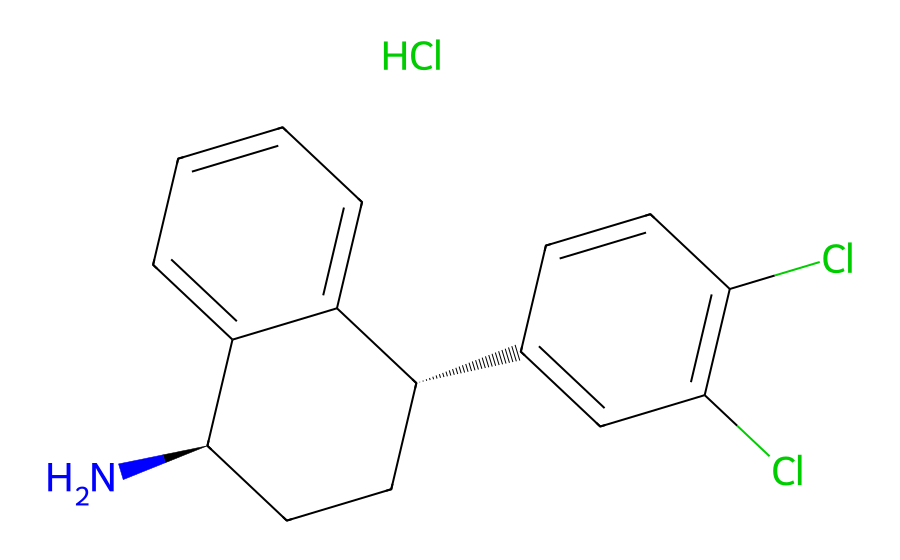
Dasotraline Hydrochloride chemical structureDC10073

Dasotraline Hydrochloride

Dasotraline hydrochloride (SEP-225289 hydrochloride) is a triple reuptake inhibitor that blocks dopamine, norepinephrine, and serotonin transporters with IC50 values of 4, 6, and 11 nM, respectively.

View activity & prices
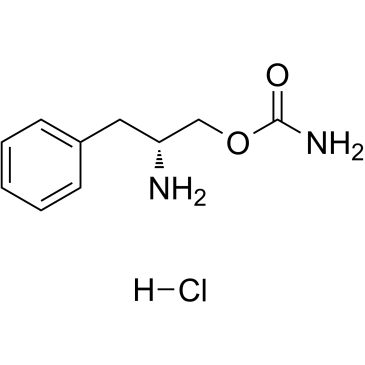
Solriamfetol hydrochloride chemical structureDC11529

Solriamfetol hydrochloride

Solriamfetol (JZP-110) is a selective dopamine and norepinephrine reuptake inhibitor with robust wake-promoting effects. Solriamfetol binds to dopamine and norepinephrine transporters, so it can inhibit reuptake of…

View activity & prices
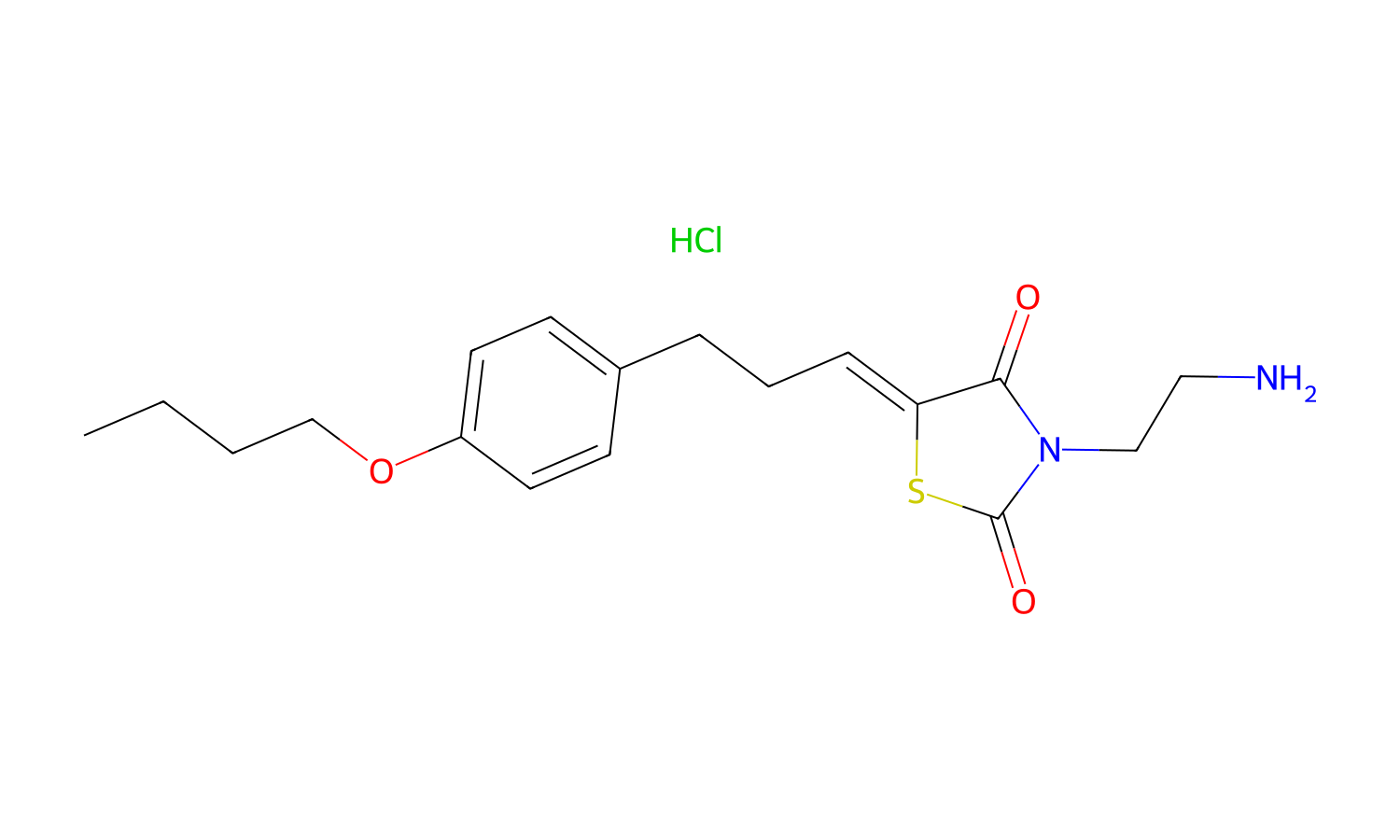
K145 (hydrochloride) chemical structureDC9625

K145 (hydrochloride)

K145 is a selective SphK2 inhibitor with an IC50 of 4.30±0.06 μM , while no inhibition of SphK1 at concentrations up to 10 μM.IC50 value: 4.3 uM [1]Target: SphK2in vitro: K145 inhibited the activity of SphK2 in a…

View activity & prices
Reversine chemical structureDC7260

Reversine

Reversine is a novel class of ATP-competitive Aurora kinase inhibitor with IC50s of 400, 500 and 400 nM for Aurora A, Aurora B and Aurora C, respectively.

View activity & prices
ND-646 chemical structureDC9810

ND-646

ND-646 is an orally bioavailable and steric inhibitor of acetyl-CoA carboxylase (ACC) with IC50s of 3.5 nM and 4.1 nM for recombinant hACC1 and hACC2, respectively.

View activity & prices

Cart

Request quotation