
Research lipid catalog
Ionizable Lipid Products
Explore 848 lipid and RNA delivery products. Search the full catalog or browse by research category.
Search covers product name, catalog number, synonyms, available CAS numbers and categories. Spaces, hyphens and common punctuation are ignored. Duplicate legacy records are consolidated under one canonical product result.
3666 products · Showing 3581–3600 · 20 per page
DC Chemicals lipid expertise
Built for ionizable-lipid discovery and RNA delivery research
DC Chemicals supports formulation and delivery research with a broad, searchable portfolio of cationic and ionizable lipids. The current directory brings together 848 unique research-use products, with product specifications, pricing, chemical structures and literature-linked formulation data added as each record is verified.
Our experience spans complex lipid synthesis, purification, analytical release and process development. For custom molecules or larger-scale requirements, our team can discuss route development, technical specifications and scale-up options for the intended research workflow.
Learn about cationic and ionizable lipids →Proprietary innovation · Co-development · GMP
From proprietary lipid design to GMP-grade custom synthesis
DC Chemicals has independently developed ionizable-lipid structures supported by company-owned intellectual property, and selected proprietary lipid programs have advanced to GMP-stage development.
We welcome joint development with customers—from molecular design and lipid synthesis through route and process development. We can also support custom synthesis of GMP-grade ionizable lipids to agreed technical specifications and quality requirements.
Discuss a co-development project →Proprietary ionizable-lipid structuresCollaborative molecular designCustom lipid synthesisProcess development and scale-upGMP-grade project support
Product quick links
Explore ionizable lipids
Browse specifications, pricing and literature-linked product information.
Cat. No.Product NameField of ApplicationChemical Structure
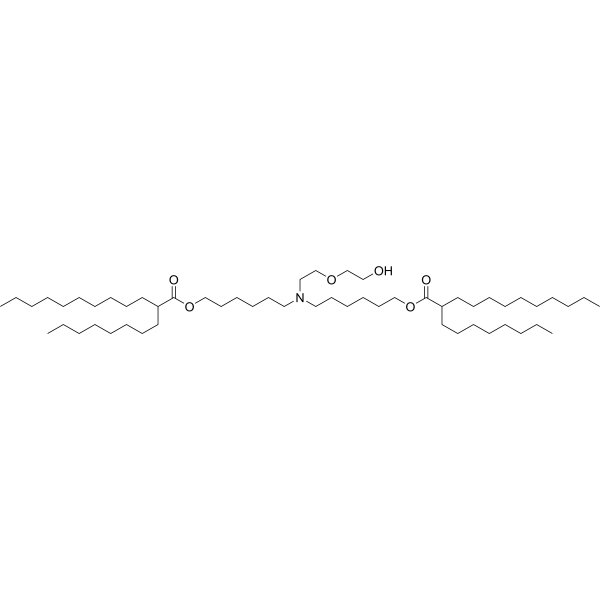
ALC-0315 analogue-1 (compound P-10) is a cationic lipid. ALC-0315 analogue-1 is the raw material for synthesis of cationic liposome.
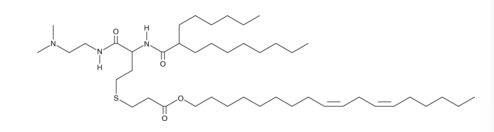
Lipid CP-LC-1143 is an ionizable cationic amino lipid derived from homocysteine, a naturally occurring amino acid. This lipid has demonstrated an efficient delivery and high protein expression of different kinds of RNA (mRNA, cRNA and saRNA) in vivo, with no signs of toxicity.
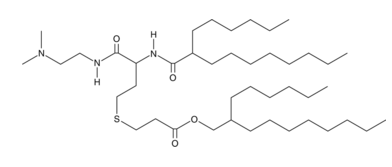
Lipid CP-LC-0729, an ionizable cationic amino lipid synthesized from homocysteine—a naturally occurring amino acid—has been shown to exhibit superior efficacy in the delivery and subsequent protein expression of various RNA modalities, including messenger RNA (mRNA), circular RNA (cRNA), and self-amplifying RNA (saRNA) in vivo. Importantly, CP-LC-0729 demonstrates an exemplary safety profile, with no observable toxicological effects in preclinical studies. Comparative analyses reveal that CP-LC-0729 significantly surpasses MC3, a widely utilized benchmark lipid nanoparticle formulation, in terms of protein expression efficiency. Specifically, CP-LC-0729 achieves a striking 32-fold enhancement in protein expression within lung tissue relative to MC3, underscoring its pronounced tissue selectivity and targeting efficacy for pulmonary applications. These findings suggest that CP-LC-0729 represents a highly promising candidate for the development of RNA-based therapeutics, particularly in the context of lung-targeted delivery systems, where its combination of high efficiency and low toxicity offers significant translational potential.
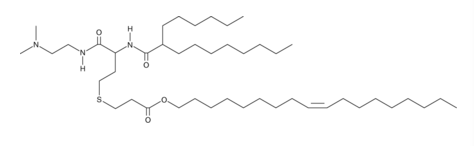
Lipid CP-LC-0743 is an ionizable cationic amino lipid derived from homocysteine, a naturally occurring amino acid. This lipid has demonstrated an efficient delivery and high protein expression of different kinds of RNA (mRNA, cRNA and saRNA) in vivo, with no signs of toxicity.
CP-LC-0867 is listed as a ionizable lipid for laboratory research use.
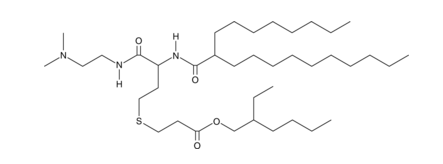
C9-200 is an ionizable cationic lipid that has been used in the formation of lipid nanoparticles (LNPs). LNPs containing C9-200 and encapsulating mRNA encoding erythropoietin (EPO) increase serum EPO levels in mice. LNPs containing C9-200 and encapsulating mRNA encoding the Cas9 nuclease and small-guide RNA (sgRNA) targeting transthyretin (TTR) induce 3-fold higher hepatic insertion and deletion (indel) formation than LNPs containing C12-200 and encapsulating mRNA encoding Cas9 in mice.
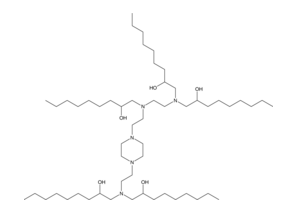
YHS-12 is an ionizable cationic lipid (pKa = 6.506) that has been used in the generation of lipid nanoparticles (LNPs) for the delivery of siRNA and mRNA in vitro and in vivo.1 LNPs containing YHS-12 and the macrophage targeting peptide CRVLRSGSC and encapsulating mRNA encoding chimeric antigen receptor targeting methicillin-resistant S. aureus (MRSA) and siRNA targeting caspase-11 increase the phagocytosis rate of MRSA in RAW 264.7 macrophages and primary mouse bone marrow-derived macrophages (BMDMs). Intravenous administration of these LNPs decreases blood bacterial burden and increases survival in a model of sepsis using cyclophosphamide-induced immunosuppressed mice.
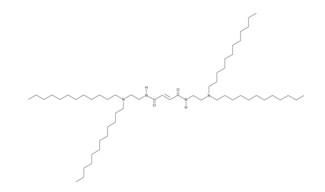
113-N16B is an ionizable cationic lipid used for the generation of lipid nanoparticles (LNPs). 113-N16B delivers mRNA preferentially to pulmonary endothelial cells.
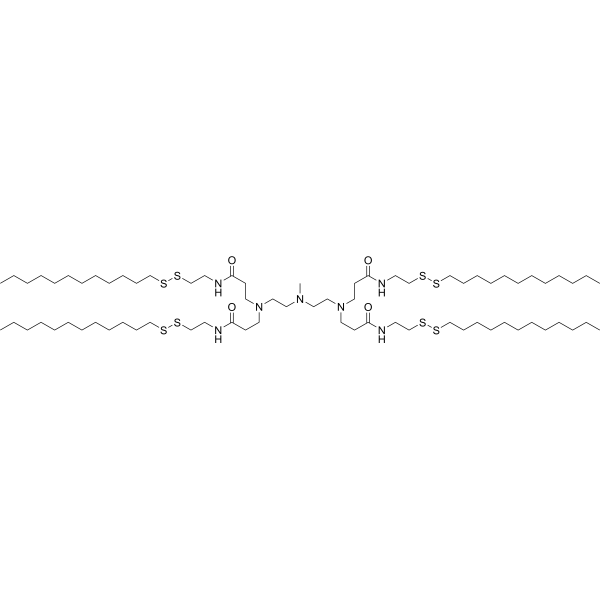
1-A-N is a lipid nanoparticle (LNP) used for in vivo delivery of siRNA. 1-A-N can regulate immune response by delivering siCD45 (siRNA targeting CD45) to T cells and silencing the CD45 gene.
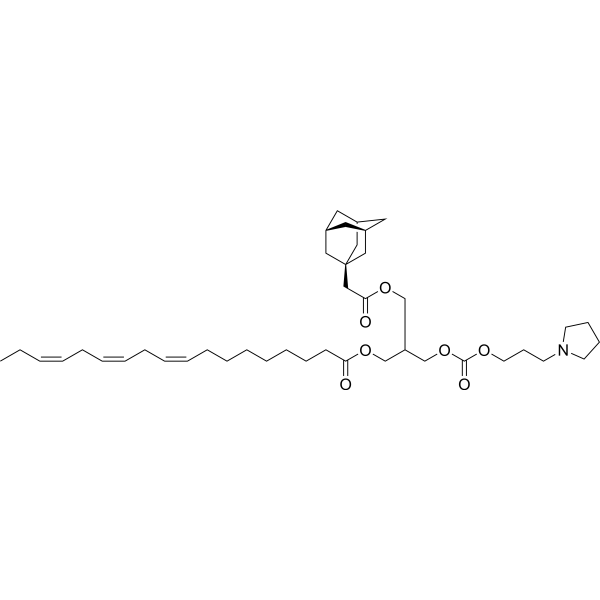
Lipid 50 (compound 50) is an ionizable lipid that can be used for the generation of lipid nanoparticles (LNPs). Lipid 50 is a carrier for both siRNA and mRNA.
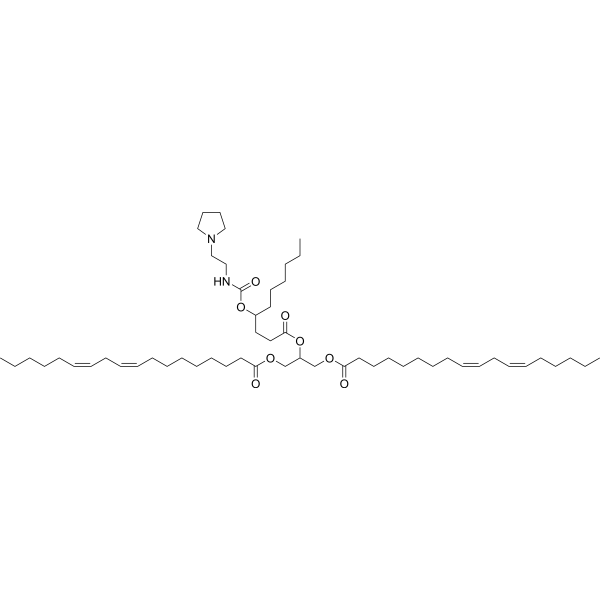
Ionizable lipid Az1 is listed as a ionizable lipid for laboratory research use.
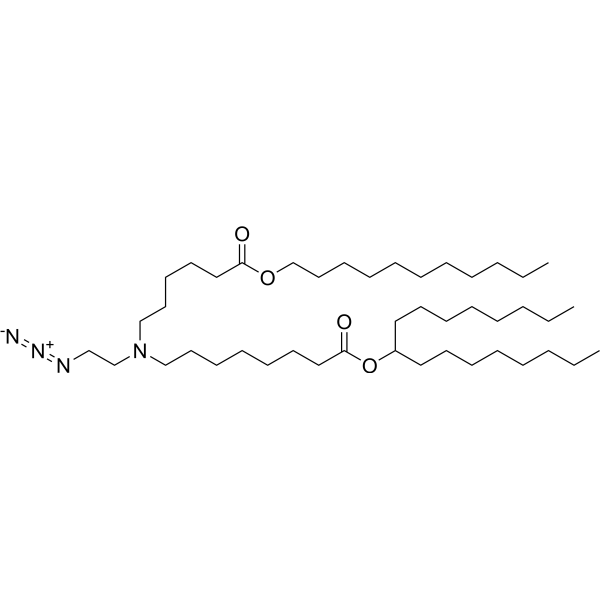
Lipid DIM1 is an ionizable cationic lipid that has been used in combination with other lipids in the formation of lipid nanoparticles (LNPs) for mRNA delivery in vitro.1 LNPs containing lipid DIM1 and encapsulating mRNA encoding a luciferase reporter induce luminescence in primary mouse adipose stem cells (ASCs).
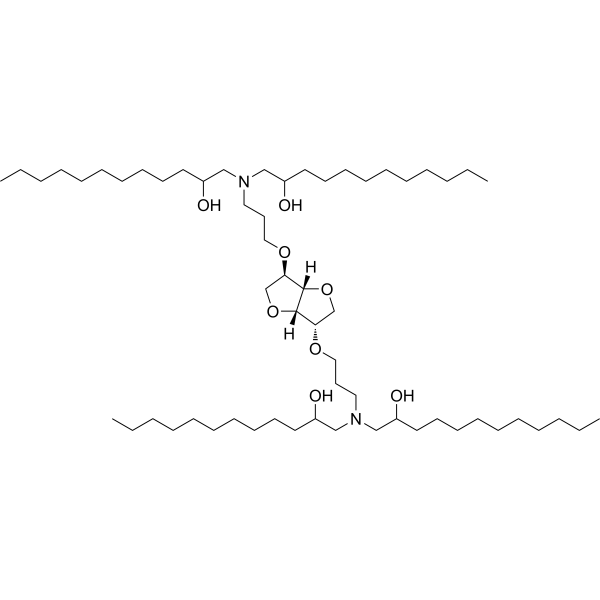
IZ-Chol (IZ-Cholesterol) is an ionizable cationic lipid containing cholesterol. IZ-Chol-LNPs is highly potential to effectively complex with DNA, and endosome escape mechanisms mediated by proton sponge effect.
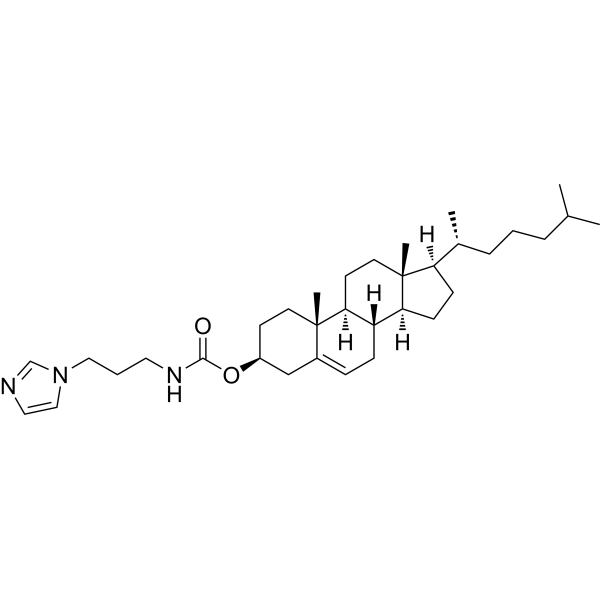
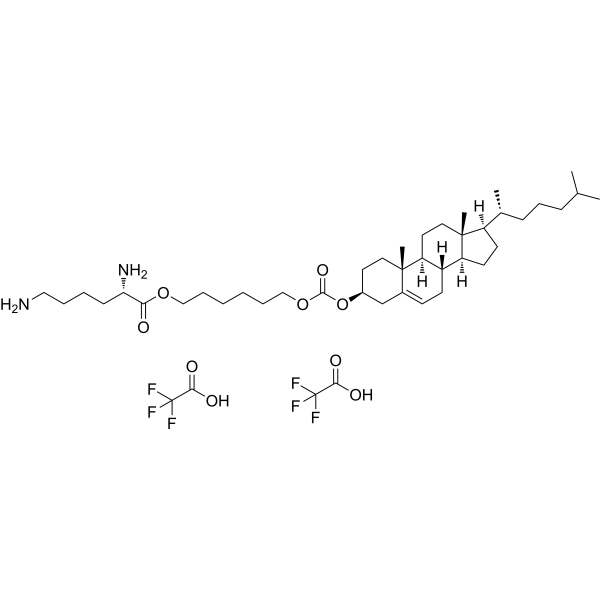
Cho-es-Lys is listed as a ionizable lipid for laboratory research use.
Lipid B37 (B37) is an ionizable amino lipid, which can be used to form lipid nanoparticles and deliver mRNA.
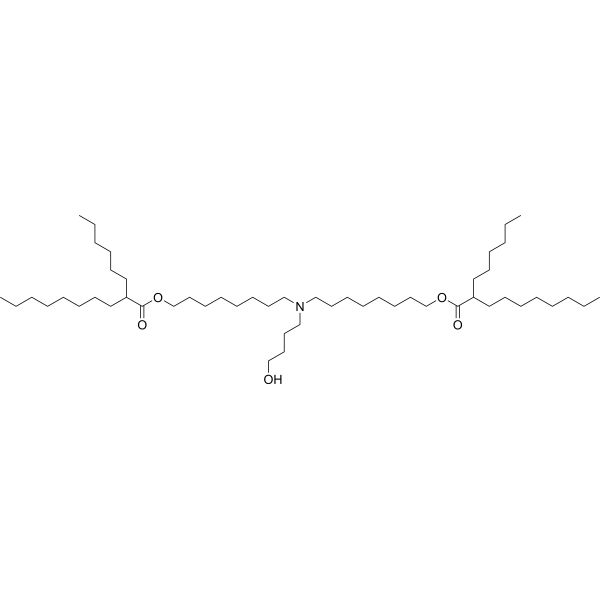
4-O10b1 is an ionizable lipid used to generate lipid nanoparticles (LNPs) for delivering RNA to cells. LNPs comprised of 4-O10b1 and conjugated with the macrophage antibody F4/80 were able to delivery siRNA targeting TAK1 to RAW264.7 cells resulting in suppressed activation of NF-kB. Intranasal administration reduced lung injury in an influenza mouse model.

Lipid 35 is an novel ionizable lipid designed to enhance the delivery of mRNA to specific tissues, particularly the lungs.Lipid 35 demonstrates superior chemical stability, especially in storage conditions. This stability ensures that the lipid maintains its integrity over extended periods, making it ideal for long-term storage and large-scale production.Lipid 35 exhibits high transfection efficiency in various cell types, including nonimmune cells, endothelial cells, and epithelial cells. Lipid 35 has demonstrated excellent biocompatibility and safety in preclinical studies. It does not cause significant liver damage or adverse immune responses, making it a safer alternative for therapeutic applications.
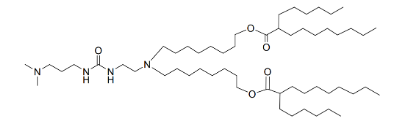
L-608 is a novel ionizable amino lipid designed for formulating lipid nanoparticles (LNPs) to enable efficient subcutaneous (s.c.) delivery of mRNA therapeutics. Engineered to address inflammation associated with mRNA LNPs, L608 integrates seamlessly with steroid prodrugs, such as budesonide-C16 and budesonide-C18:1, to suppress local and systemic inflammatory responses while prolonging therapeutic protein expression. Preclinical studies demonstrate that L608 LNPs significantly reduce injection-site edema (>80% improvement) and lower systemic inflammatory markers (e.g., haptoglobin), while achieving 2–3× higher plasma AUC for proteins like hFGF21 compared to non-steroid LNPs.
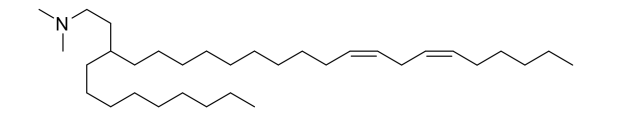
C14-490 is an ionizable cationic lipid (pKa = 5.94).1 It has been used in the generation of lipid nanoparticles (LNPs) for the delivery of mRNA in vivo.C14-490-containing LNPs accumulate primarily in the fetal mouse liver and, to a lesser extent, in the lungs, intestine, and brain after vitelline vein injection on gestational day 16 (E16).1 CD45-functionalized LNPs containing C14-490 and encapsulating mRNA encoding GFP transfect Jurkat cells, which constitutively express the CD45 receptor (CD45R).C14-490-containing CD45-functionalized LNPs encapsulating Cre mRNA mediate genome modulation in bone marrow hematopoietic stem cells (HSCs) for at least four months after in utero injection in R26mT/mG mice at E13.5.
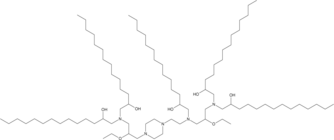
ATX-231 which is from Arcturus RNA delivery platform, is a novel ionizable lipid used in the formulation of lipid nanoparticles (LNPs) for the delivery of RNA.
No products match this search.
Page 180 of 184 · Browse all 3666 products