
Research lipid catalog
Ionizable Lipid Products
Explore 848 lipid and RNA delivery products. Search the full catalog or browse by research category.
Search covers product name, catalog number, synonyms, available CAS numbers and categories. Spaces, hyphens and common punctuation are ignored. Duplicate legacy records are consolidated under one canonical product result.
4677 products · Showing 4281–4300 · 20 per page
DC Chemicals lipid expertise
Built for ionizable-lipid discovery and RNA delivery research
DC Chemicals supports formulation and delivery research with a broad, searchable portfolio of cationic and ionizable lipids. The current directory brings together 848 unique research-use products, with product specifications, pricing, chemical structures and literature-linked formulation data added as each record is verified.
Our experience spans complex lipid synthesis, purification, analytical release and process development. For custom molecules or larger-scale requirements, our team can discuss route development, technical specifications and scale-up options for the intended research workflow.
Learn about cationic and ionizable lipids →Proprietary innovation · Co-development · GMP
From proprietary lipid design to GMP-grade custom synthesis
DC Chemicals has independently developed ionizable-lipid structures supported by company-owned intellectual property, and selected proprietary lipid programs have advanced to GMP-stage development.
We welcome joint development with customers—from molecular design and lipid synthesis through route and process development. We can also support custom synthesis of GMP-grade ionizable lipids to agreed technical specifications and quality requirements.
Discuss a co-development project →Proprietary ionizable-lipid structuresCollaborative molecular designCustom lipid synthesisProcess development and scale-upGMP-grade project support
Product quick links
Explore New ionizable lipids
Explore our five most recently added ionizable lipids, with specifications, pricing and literature-linked product information.
DCL0028HX1Brain RNA delivery researchView product →DCL0024A1I4R13C18-2Spleen-targeted RNA delivery researchView product →DCL0023A1I4R2C18-2Spleen-targeted RNA delivery researchView product →DCL0022FS01Local joint RNA delivery researchView product →DCL0020Lipid-392Lung RNA delivery and gene editing researchView product →
Cat. No.Product NameField of ApplicationChemical Structure
CYM 5442 hydrochlorideFeatured
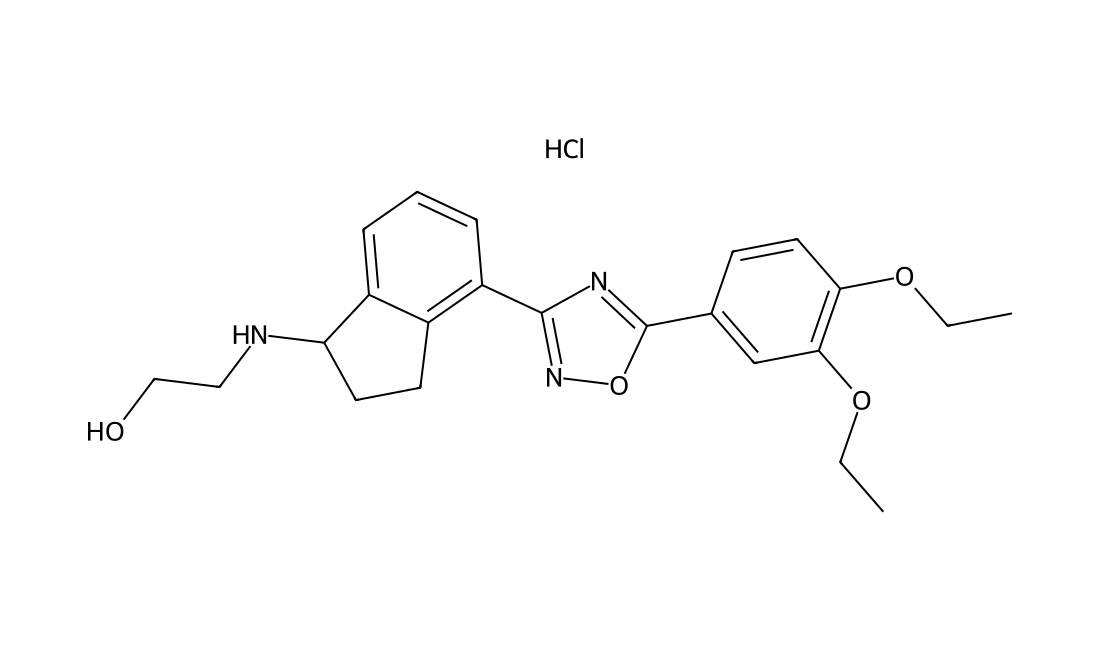
CYM5442 hydrochloride is a potent, highly-selective and orally active sphingosine 1-phosphate (S1P1) receptor agonist with an EC50 of 1.35 nM. CYM5442 hydrochloride is inactive against S1P2, S1P3, S1P4, and S1P5. CYM5442 hydrochloride activates S1P1-dependent p42/p44-MAPK phosphorylation. CYM5442 exerts retinal neuroprotection. CYM5442 hydrochloride can easily penetrate the central nervous system (CNS).
T-10418Featured
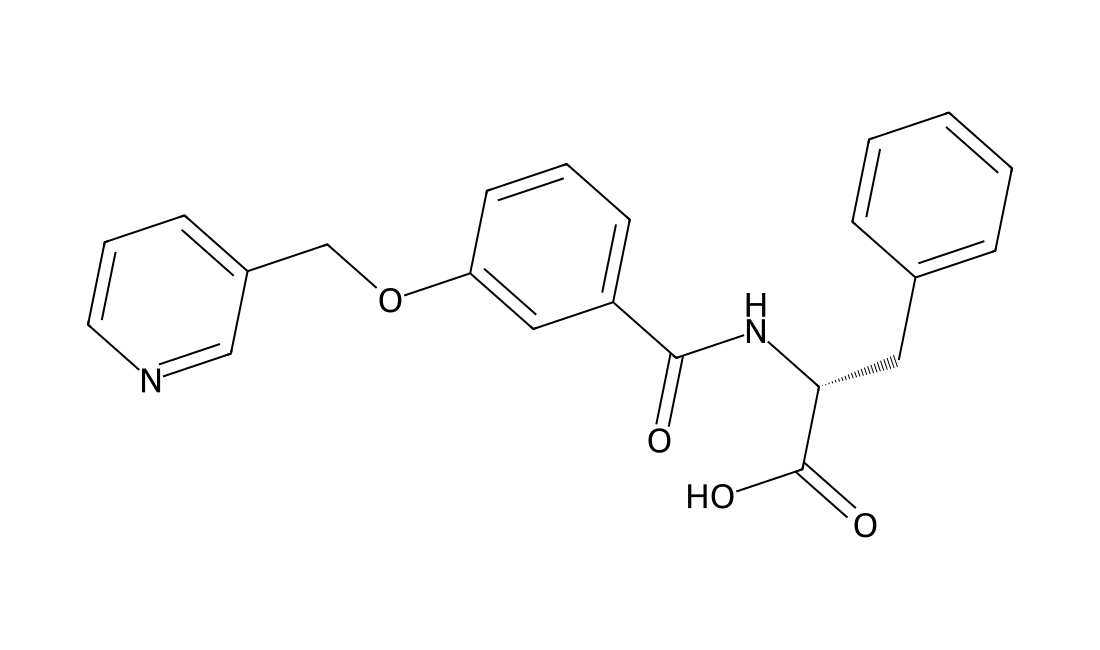
T-10418 is a potent and selective G2A agonist with EC50 of 0.82 μM. T-10418 exhibits higher potency than the reference and natural ligand 9-HODE and high selectivity among G protein-coupled receptors. T-10418 is a suitable candidate for in vivo studies on therapeutic potential of G2A agonism.
PF-04455242 hydrochlorideFeatured
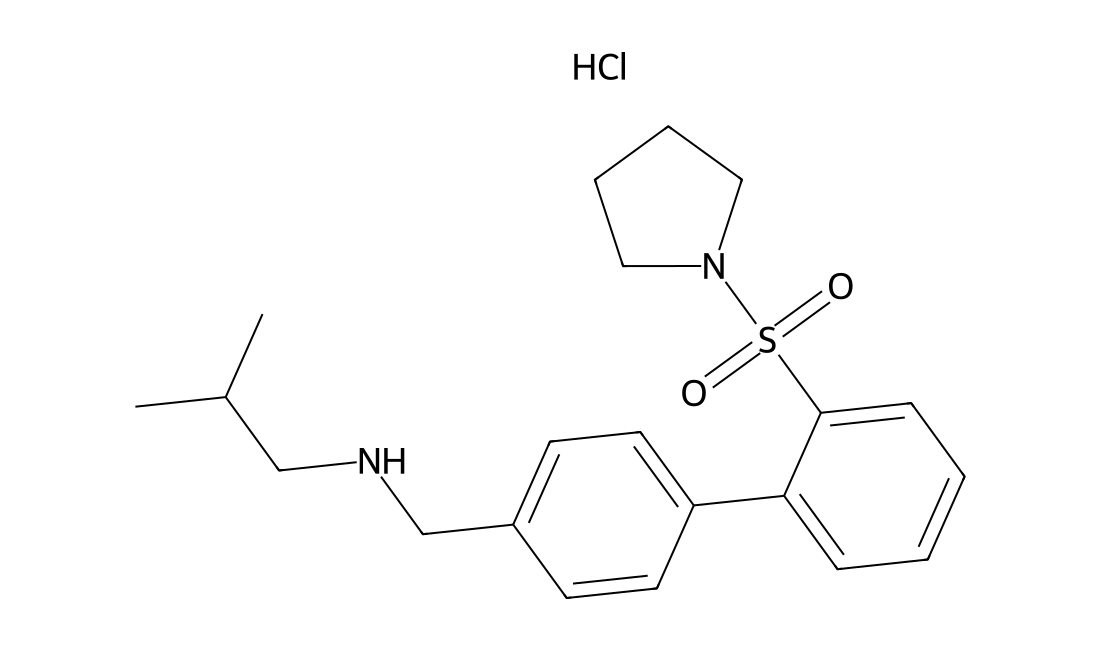
PF-04455242 is a potent, selective κ-opioid receptor (KOR) antagonist with Ki of 3 nM/21 nM/22 nM for hKOR/rKOR/mKOR, respectively.
AkaLumine hydrochlorideFeatured
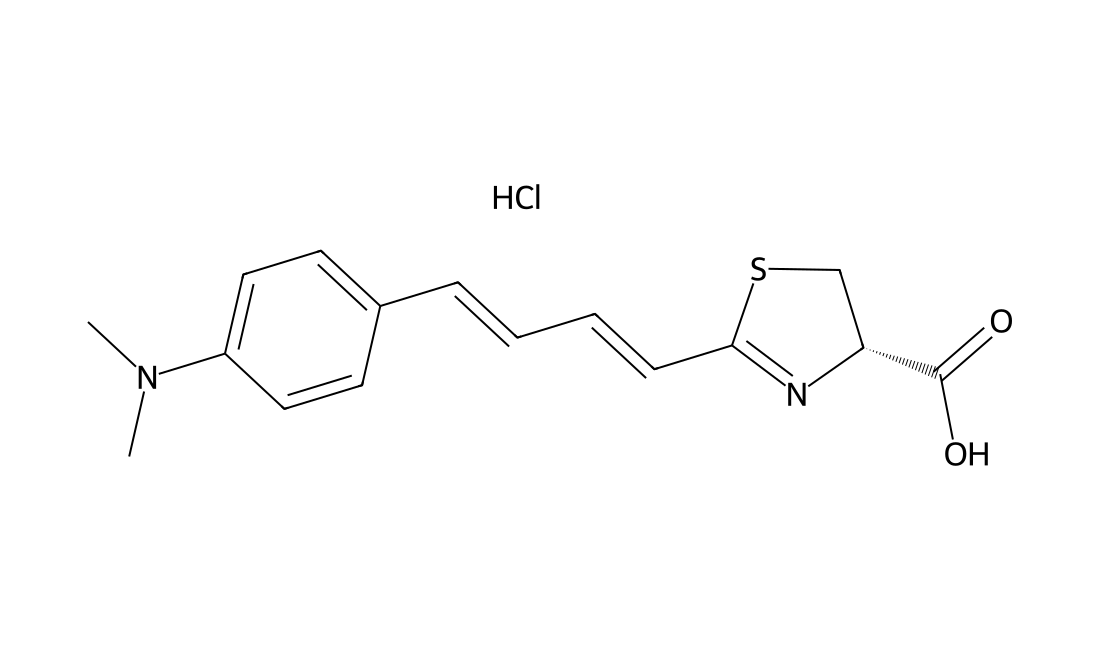
AkaLumine hydrochloride is a luciferin analogue, with a Km of 2.06 μM for recombinant Fluc protein.
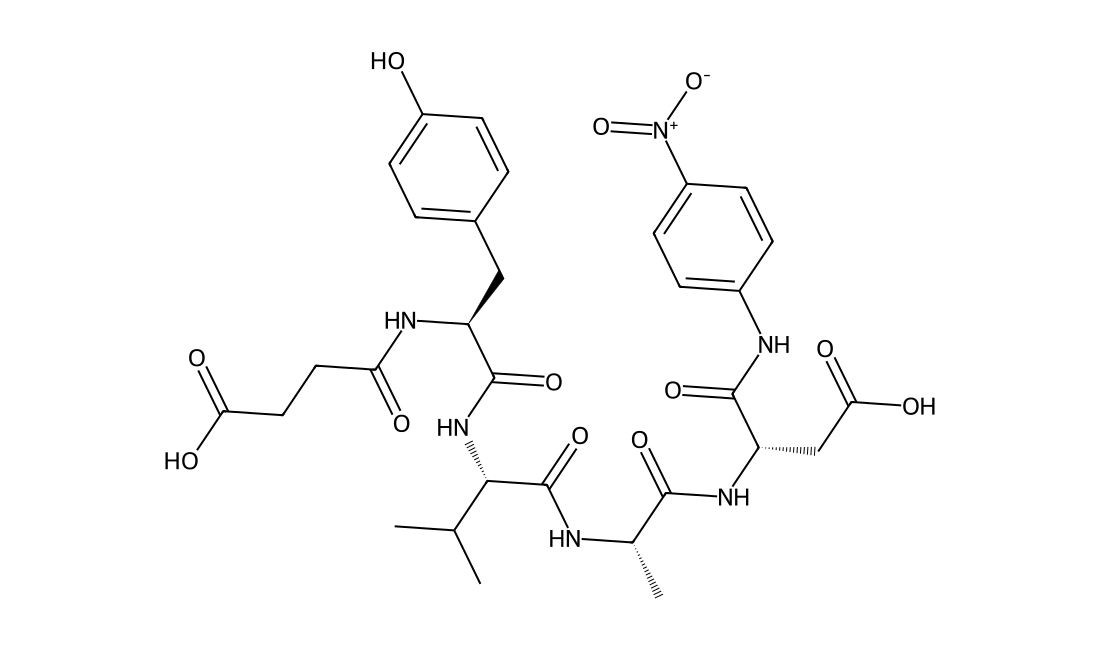
Suc-YVAD-pNA is a colorimetric substrate for caspase-1/interleukin-1β-converting enzyme (ICE) and caspase-4.
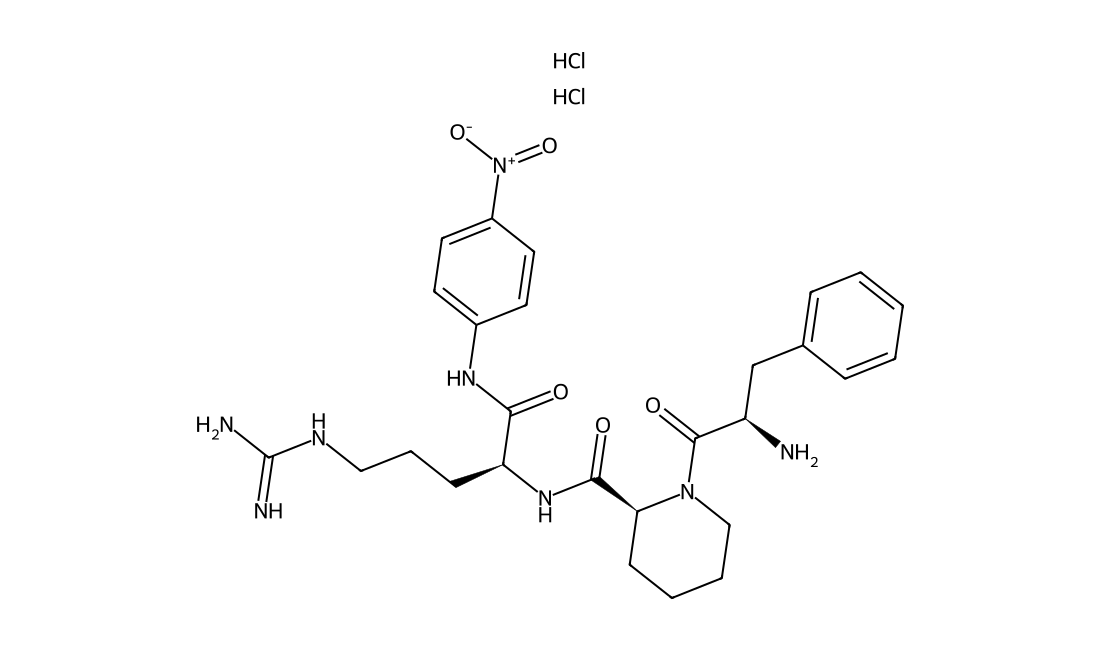
H-D-Phe-Pip-Arg-pNA (S-2238) dihydrochloride, a chromogenic substrate, is patterned after the N-terminal portion of the A alpha chain of fibrinogen, which is the natural substrate of thrombin. H-D-Phe-Pip-Arg-pNA dihydrochloride is specific for thrombin and is used to measure antithrombin-heparin cofactor (AT-III). The AT-III assay using H-D-Phe-Pip-Arg-pNA dihydrochloride is sensitive, accurate, and easy to perform.
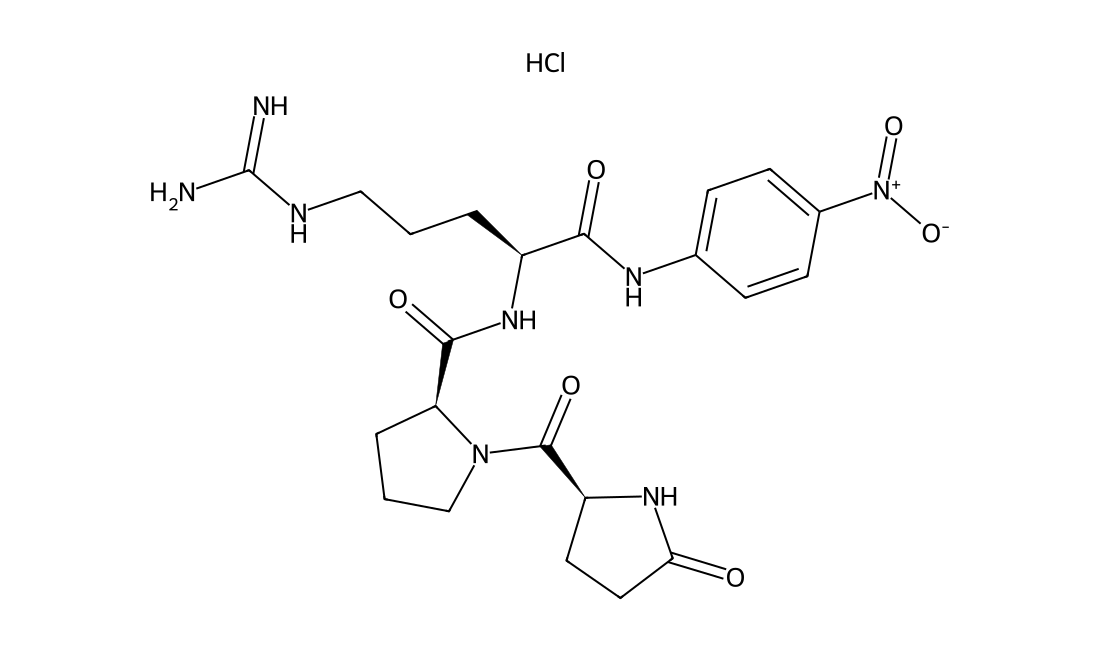
S2366 HCl is a chromogenic substrate for Factor XI in plasma.
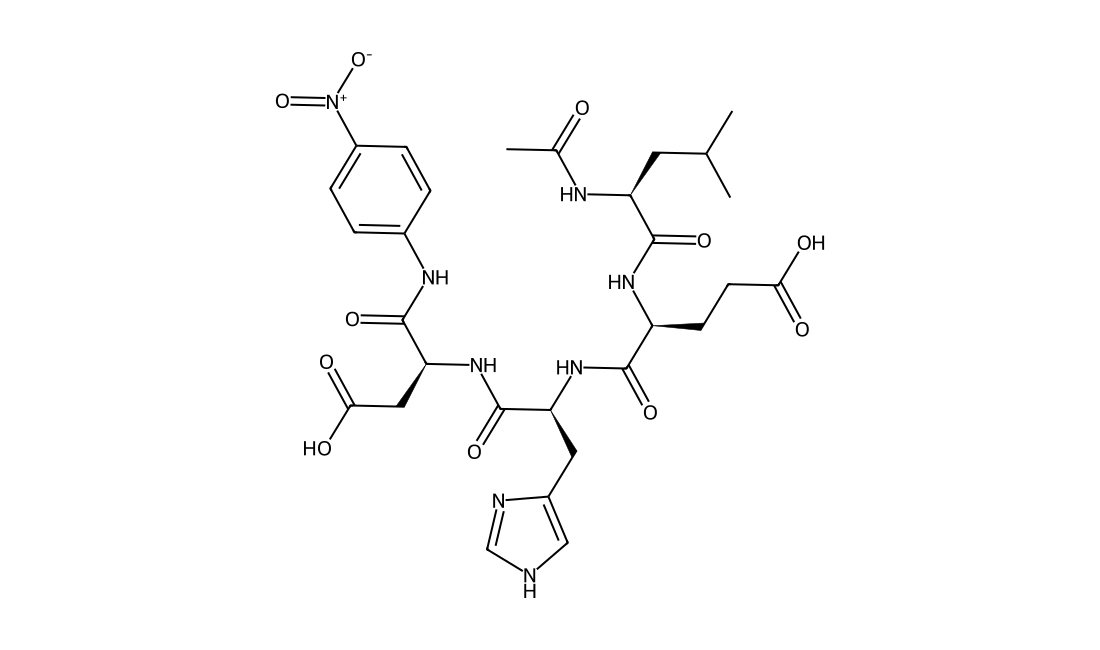
Ac-LEHD-pNA(Caspase-9 substrate)Featured
Ac-LEHD-pNA is a biological active peptide. (Caspase-9 substrate; pNA (4-nitroaniline)-derived caspase substrates are widely used for the colorimetric detection of various caspase activities. Cleavage of pNA peptides by caspases generates pNA that is monitored colorimetrically at ~405 nm. pNA has maximum absorption around 408 nm.)
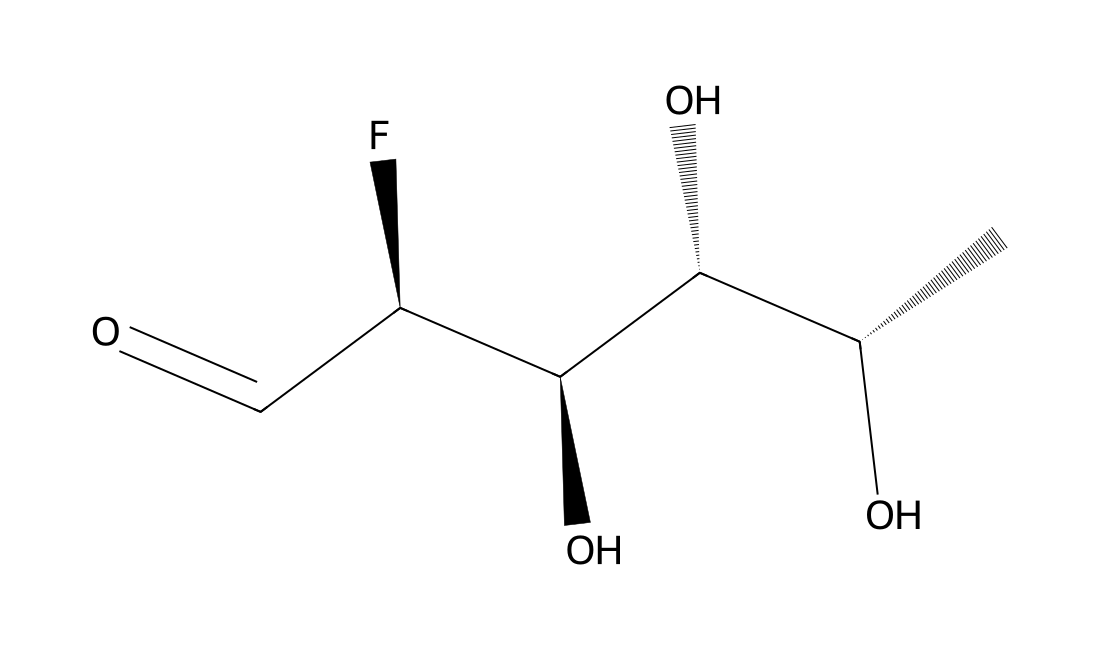
2-Deoxy-2-fluoro-L-fucoseFeatured
2-Deoxy-2-fluoro-L-fucose, an L-fucose analog, is a fucosylation inhibitor. 2-Deoxy-2-fluoro-L-fucose inhibits de novo synthesis of GDP-fucose in mammalian cells. Fucosylation is a relatively well-defined biomarker for progression in many human cancers; for example, pancreatic and hepatocellular carcinoma.
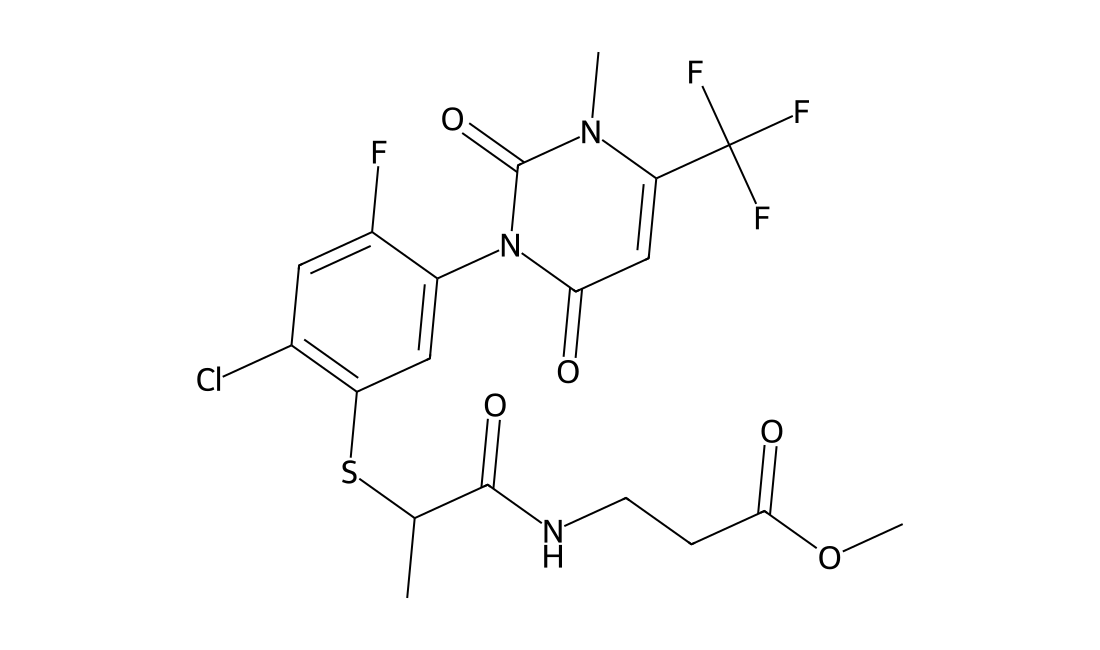
TiafenacilFeatured
Tiafenacil is a new protoporphyrinogen IX oxidase (PPO)-inhibiting herbicide, with IC50 values of 22 to 28 nM for various plant species, including amaranth (Amaranthus tuberculatus), soybean (Glycine max), arabidopsis (Arabidopsis thaliana), and rapeseed (Brassica napus).
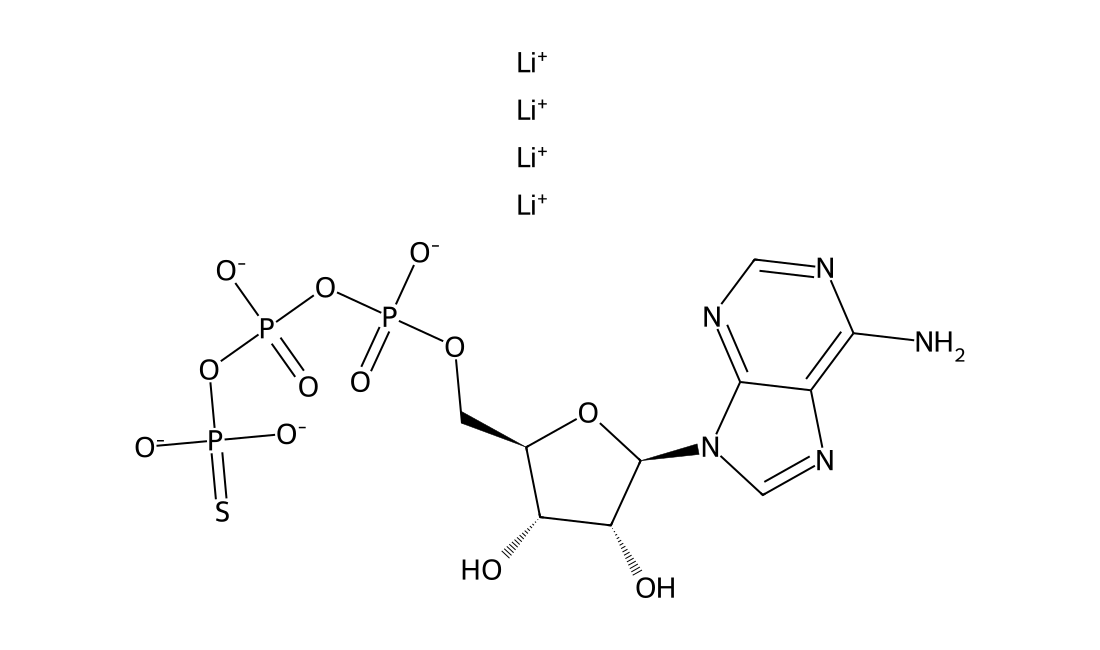
ATPγS tetralithium saltFeatured
ATPγS (tetralithium salt) is a substrate for the nucleotide hydrolysis and RNA unwinding activities of eukaryotic translation initiation factor eIF4A.
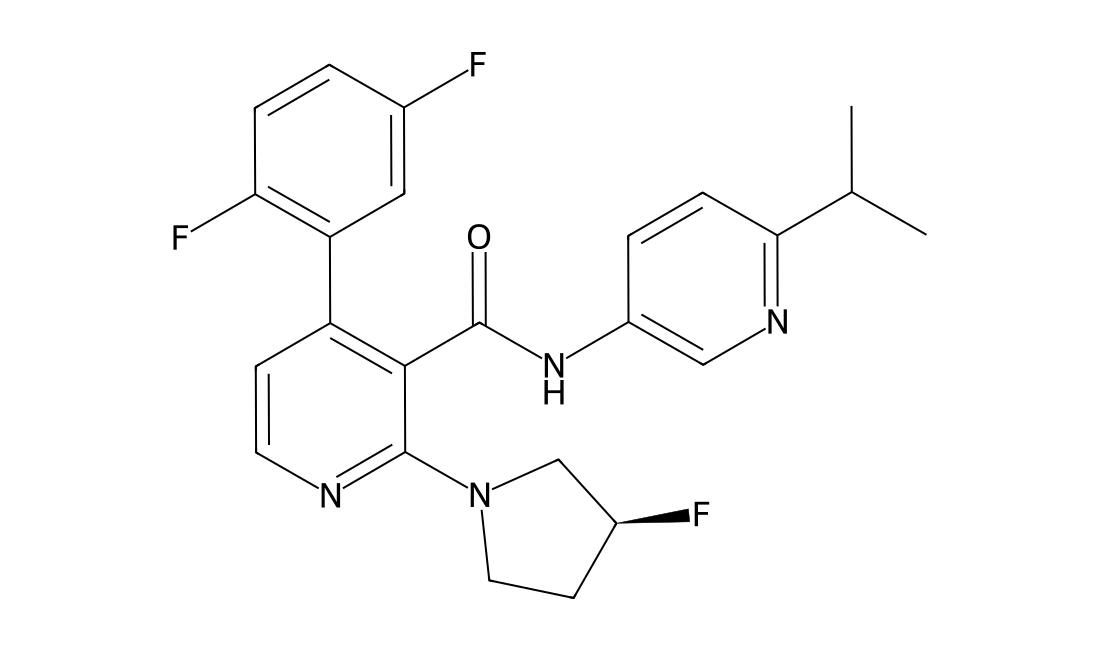
Nav1.1 activator 1Featured
Nav1.1 activator 1 (compound 4), a highly potent Nav1.1 activator with BBB penetration, increases decay time constant (tau) of Nav1.1 currents at 0.03 μM along with significant selectivity against Nav1.2, Nav1.5, and Nav1.6.
ABT-239Featured
A potent and selective Histamine H3 receptor antagonist with Ki of 0.1-5.8 nM (human, rat H3).
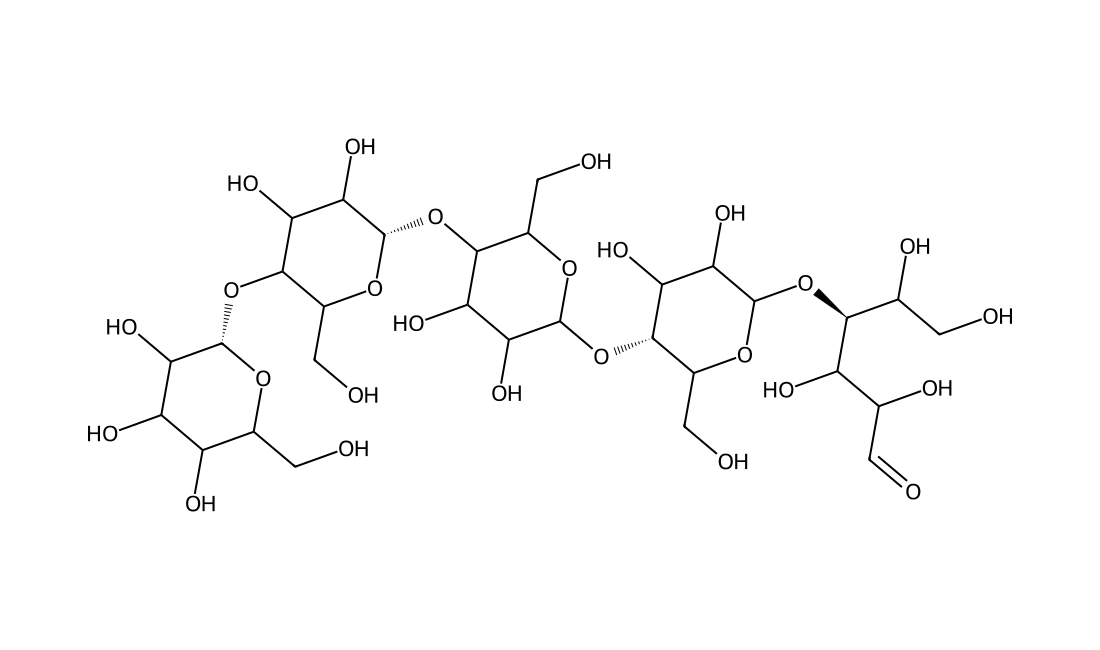
Maltopentaose (Maltopentose)Featured
Maltopentaose is the shortest chain oligosaccharide that can be classified as maltodextrin and is also used in a study to investigate glycation and phosphorylation of α-lactalbumin.
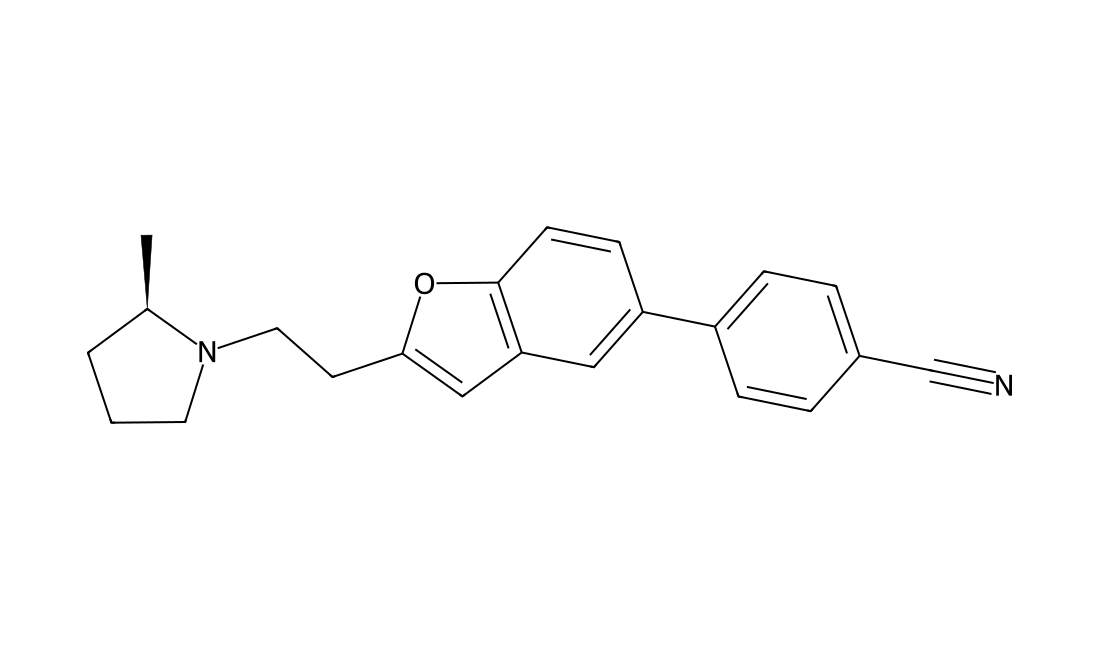
Galvestine-1Featured
Galvestine-1 is a potent small-molecule inhibitor of monogalactosyldiacylglycerol (MGDG) synthase that competitively binds to the diacylglycerol substrate site with an IC50 of 10 μM. This bioactive compound demonstrates excellent plant mobility, being efficiently absorbed through roots and systemically distributed via xylem transport to mesophyll tissues. In Arabidopsis thaliana, Galvestine-1 treatment leads to significant reduction of MGDG content and disrupts chloroplast development, likely through impairment of thylakoid membrane biogenesis. These unique properties establish Galvestine-1 as a valuable chemical tool for investigating MGDG-dependent processes and studying lipid homeostasis mechanisms in plants.
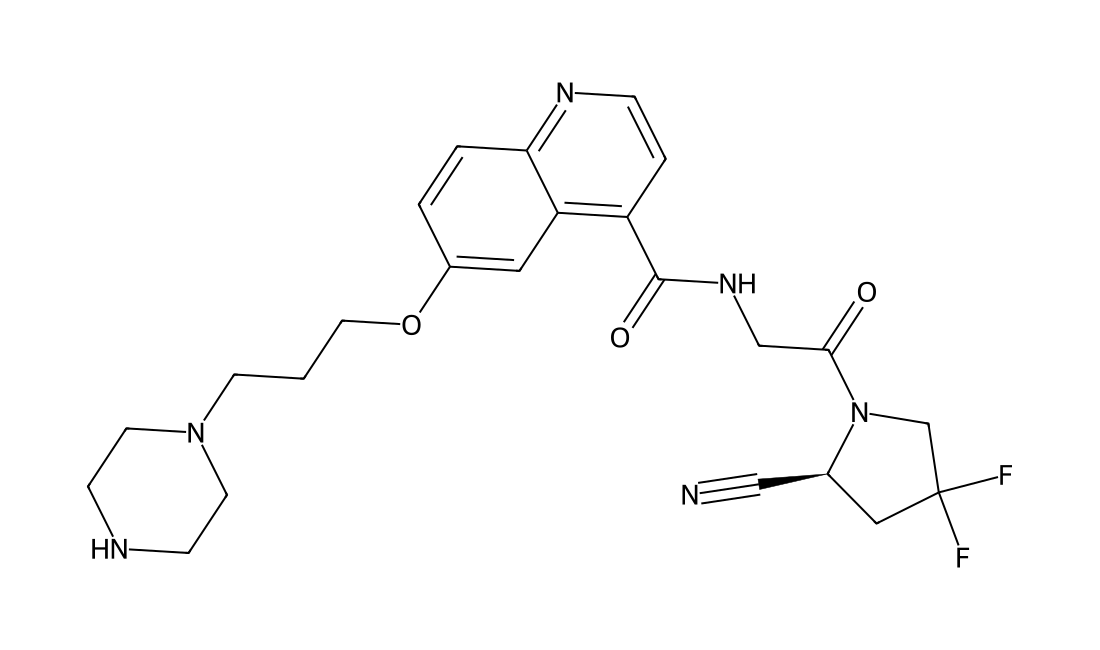
FAP-IN-2Featured
FAP-IN-2 is a derivative of 99mTc-labeled isonitrile-containing fibroblast activation protein (FAPI) inhibitor. FAP-IN-2 can be used for tumor imaging. FAP-IN-2 has good stability, high uptake and good retention in the tumor site of mouse model.
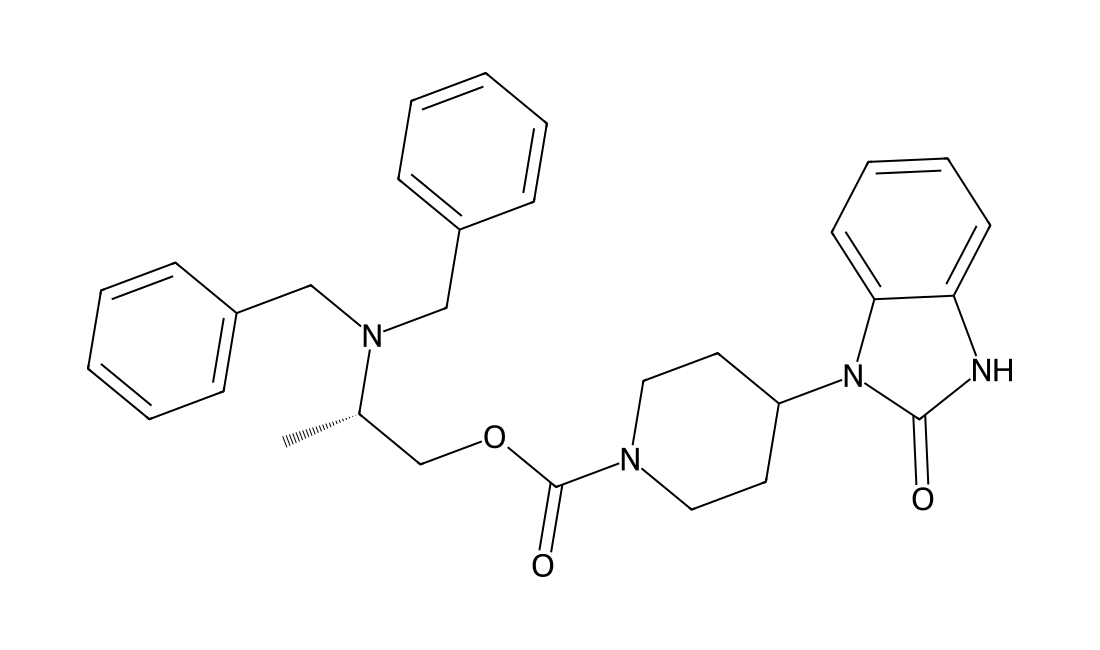
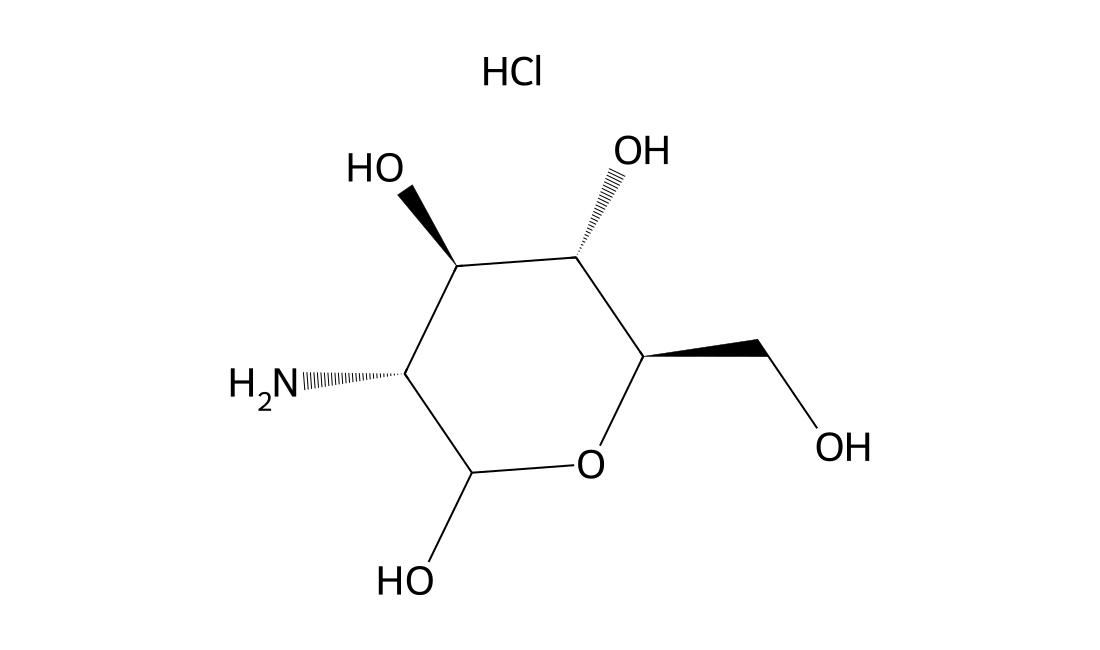
2-Amino-2-deoxyglucose hydrochloride is a hexosamine hydrochloride can be used in the synthesis of cyclopropene-modified hexosamine derivative Ac4GlcNCyoc and Ac4GalNCyoc.
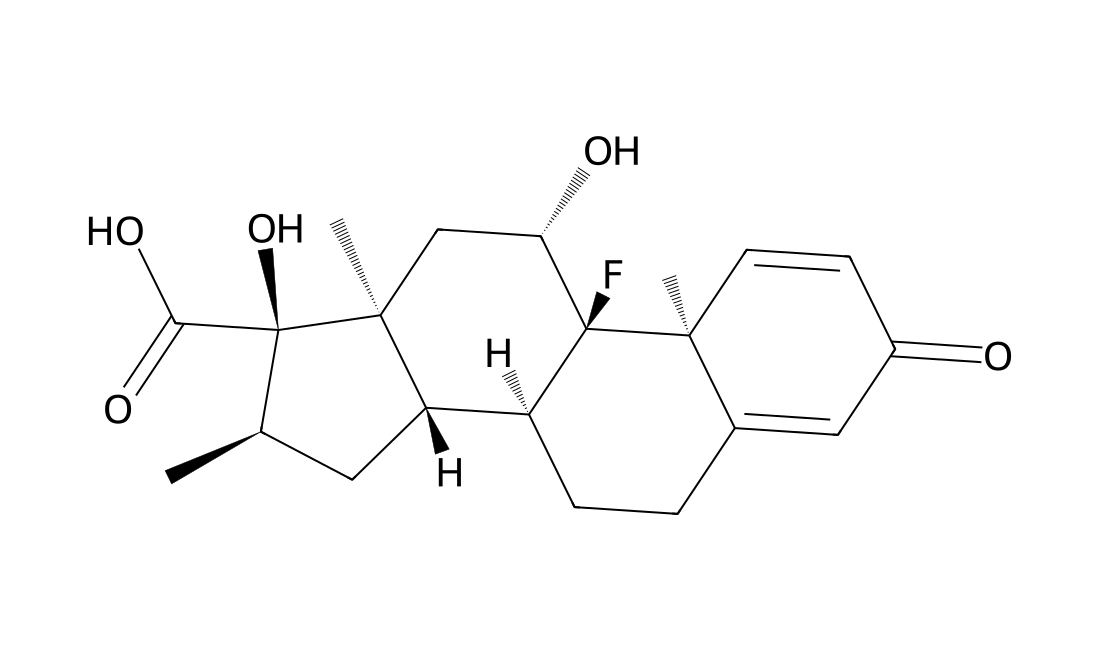
Dexamethasone AcidFeatured
(-)-Dexamethasone Acid, also known as (11β,16α,17α)-9-Fluoro-11,17-dihydroxy-16-methyl-3-oxoandrosta-1,4-diene-17-carboxylic acid, is a synthetic glucocorticoid. It is a fluorinated steroid and a key intermediate in the synthesis of dexamethasone, a widely used anti-inflammatory and immunosuppressant medication.
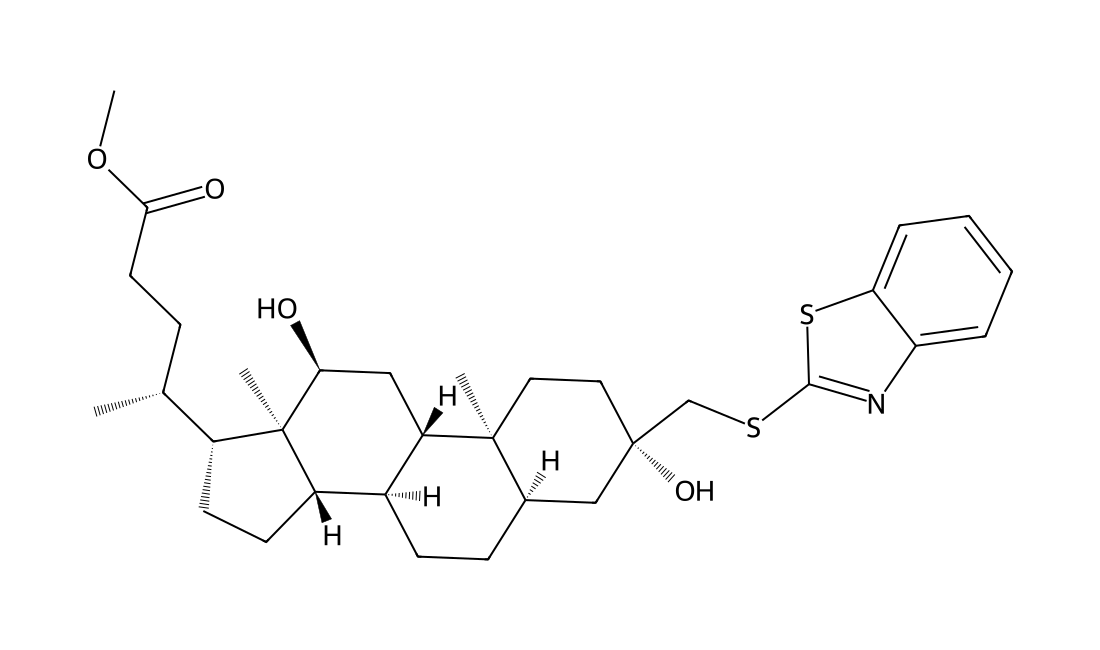
TDP1 Inhibitor-3Featured
TDP1 Inhibitor-3 (Compound 4E) is a (TDP1) inhibitor with an IC50 value of 0.63 μM.
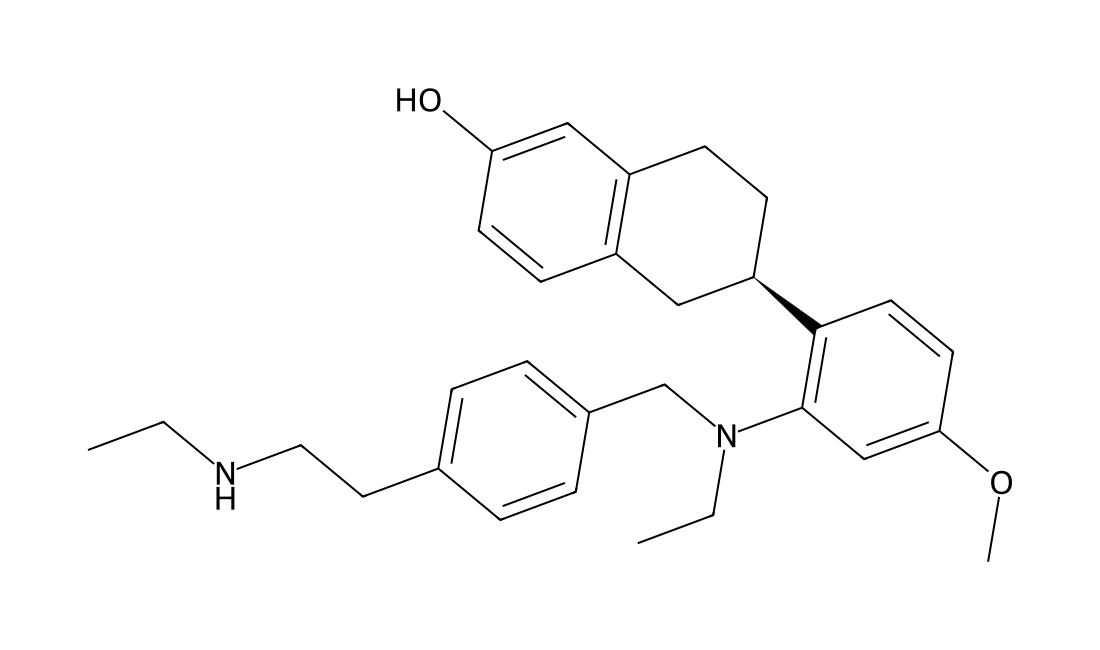
ElacestrantFeatured
Elacestrant (RAD-1901) is a novel, orally bioavailable small-molecule selective estrogen receptor degrader (SERD).
No products match this search.
Page 215 of 234 · Browse all 4677 products
Jump to a product page
Featured literature product: HX1 · DCL0028
HX1 is a hydroxyzine-derived ionizable lipid with acetal-containing tails, studied in lipid nanoparticles for brain mRNA delivery and CRISPR–Cas9 delivery. It was the lead in the reported in vivo brain-delivery screen; evidence is preclinical and formulation-dependent.
Read full formulation and performance →