
Research lipid catalog
Ionizable Lipid Products
Explore 848 lipid and RNA delivery products. Search the full catalog or browse by research category.
Search covers product name, catalog number, synonyms, available CAS numbers and categories. Spaces, hyphens and common punctuation are ignored. Duplicate legacy records are consolidated under one canonical product result.
4677 products · Showing 4621–4640 · 20 per page
DC Chemicals lipid expertise
Built for ionizable-lipid discovery and RNA delivery research
DC Chemicals supports formulation and delivery research with a broad, searchable portfolio of cationic and ionizable lipids. The current directory brings together 848 unique research-use products, with product specifications, pricing, chemical structures and literature-linked formulation data added as each record is verified.
Our experience spans complex lipid synthesis, purification, analytical release and process development. For custom molecules or larger-scale requirements, our team can discuss route development, technical specifications and scale-up options for the intended research workflow.
Learn about cationic and ionizable lipids →Proprietary innovation · Co-development · GMP
From proprietary lipid design to GMP-grade custom synthesis
DC Chemicals has independently developed ionizable-lipid structures supported by company-owned intellectual property, and selected proprietary lipid programs have advanced to GMP-stage development.
We welcome joint development with customers—from molecular design and lipid synthesis through route and process development. We can also support custom synthesis of GMP-grade ionizable lipids to agreed technical specifications and quality requirements.
Discuss a co-development project →Proprietary ionizable-lipid structuresCollaborative molecular designCustom lipid synthesisProcess development and scale-upGMP-grade project support
Product quick links
Explore New ionizable lipids
Explore our five most recently added ionizable lipids, with specifications, pricing and literature-linked product information.
DCL0028HX1Brain RNA delivery researchView product →DCL0024A1I4R13C18-2Spleen-targeted RNA delivery researchView product →DCL0023A1I4R2C18-2Spleen-targeted RNA delivery researchView product →DCL0022FS01Local joint RNA delivery researchView product →DCL0020Lipid-392Lung RNA delivery and gene editing researchView product →
Cat. No.Product NameField of ApplicationChemical Structure
FX2149Featured
FX2149 (FX 2149) is a potent, BBB permeable inhibitor of LRRK2 GTP binding activity with IC90 of 10 nM, reduces PD-linked mutant LRRK2 variants (G2019S and R1441C) that bound with GTP.
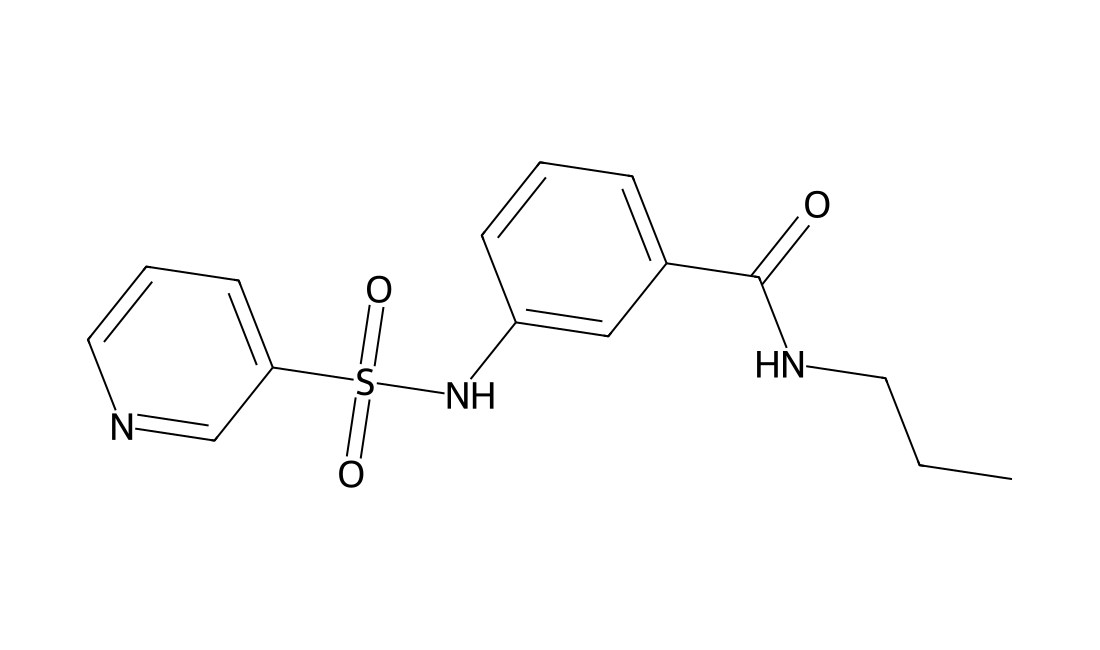
Anti-Trypanosoma cruzi agent-4Featured
Anti-Trypanosoma cruzi agent-4 (compound 5c) is an inhibitor of Trypanosoma cruzi. Anti-Trypanosoma cruzi agent-4 can be used for the research of infection.
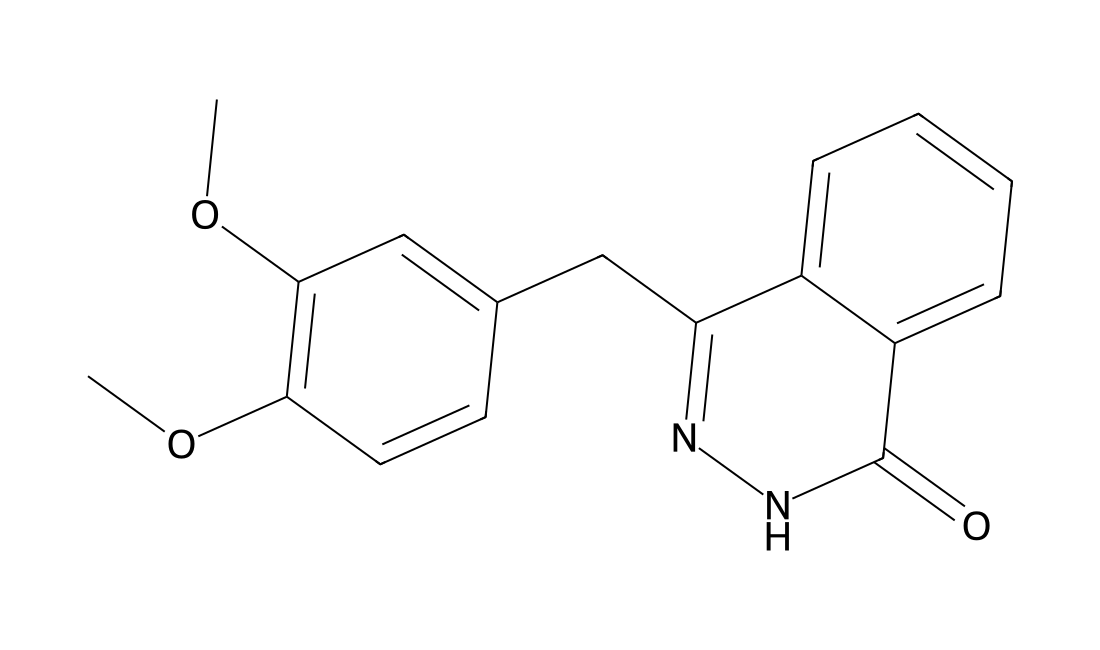
Neuropeptide Y5 receptor ligand-1 (compound 54), a carbazole derivative, is a potent neuropeptide Y5 (NPY-5) receptor antagonist.
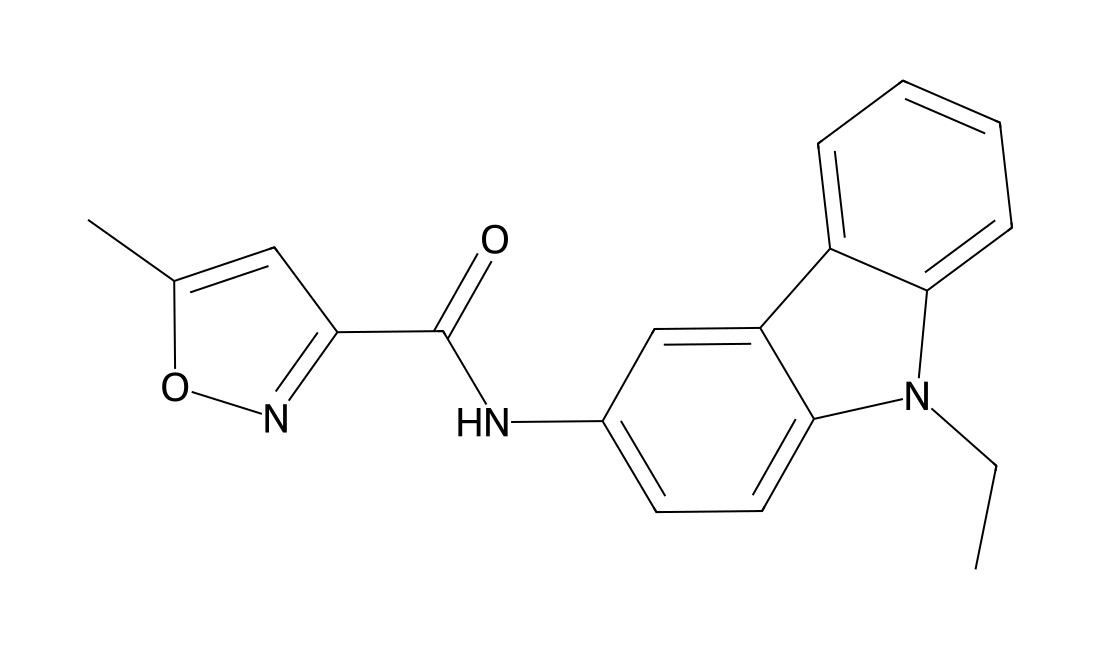
Antitrypanosomal agent 9Featured
Antitrypanosomal agent 9 (compound 1) is a potent antitrypanosomal agent. Antitrypanosomal agent 9 shows inhibitory activity against T. b. brucei, with an IC50 of 1.15 μM. Antitrypanosomal agent 9 can be used for human African trypanosomiasis (HAT) research.
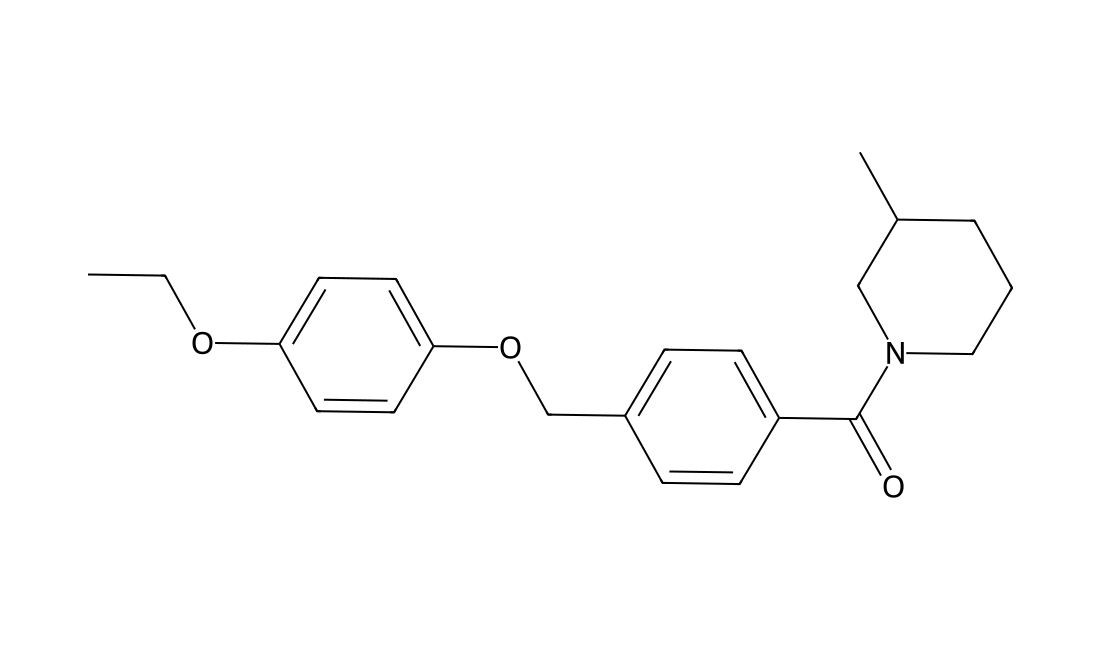
Anti-Influenza agent 4Featured
Anti-Influenza agent 4 is a potent and selective influenza virus inhibitor with EC50s of 150 nM and 62 nM for strains A/Roma and A/Parma, respectively.
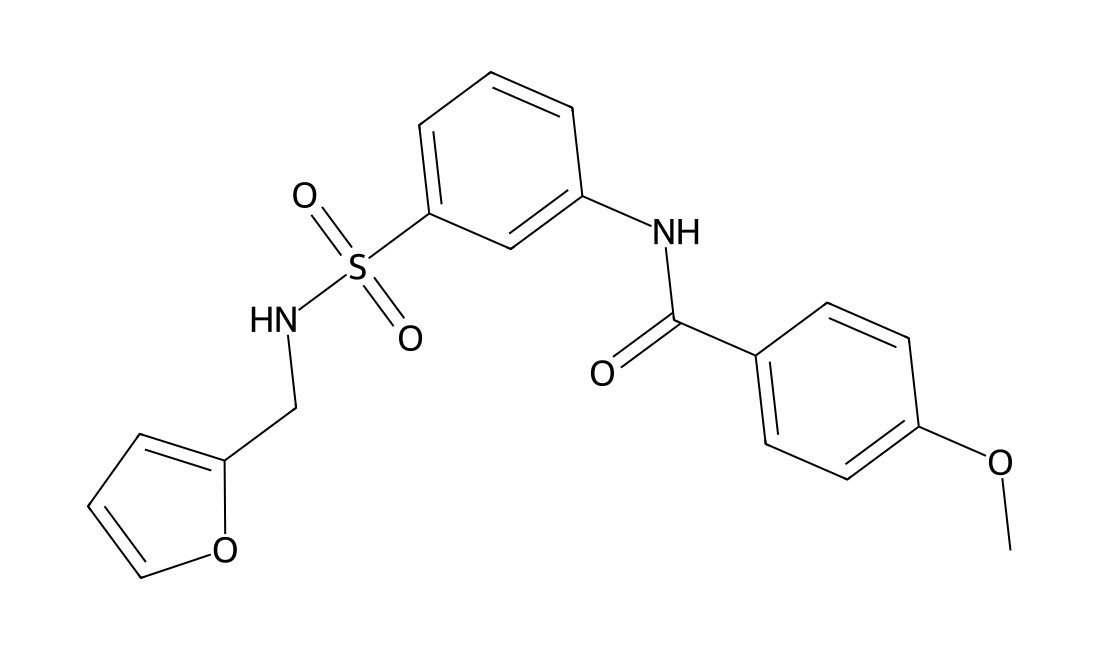
NDH-1 inhibitor-1Featured
NDH-1 inhibitor-1 (compound 27) is a potent NDH-1 inhibitor with pI50 values of <4, 5.40, 6.15 µM for Bovine SMP (submitochondrial particles), Potato SMP and E. coli, respectively.
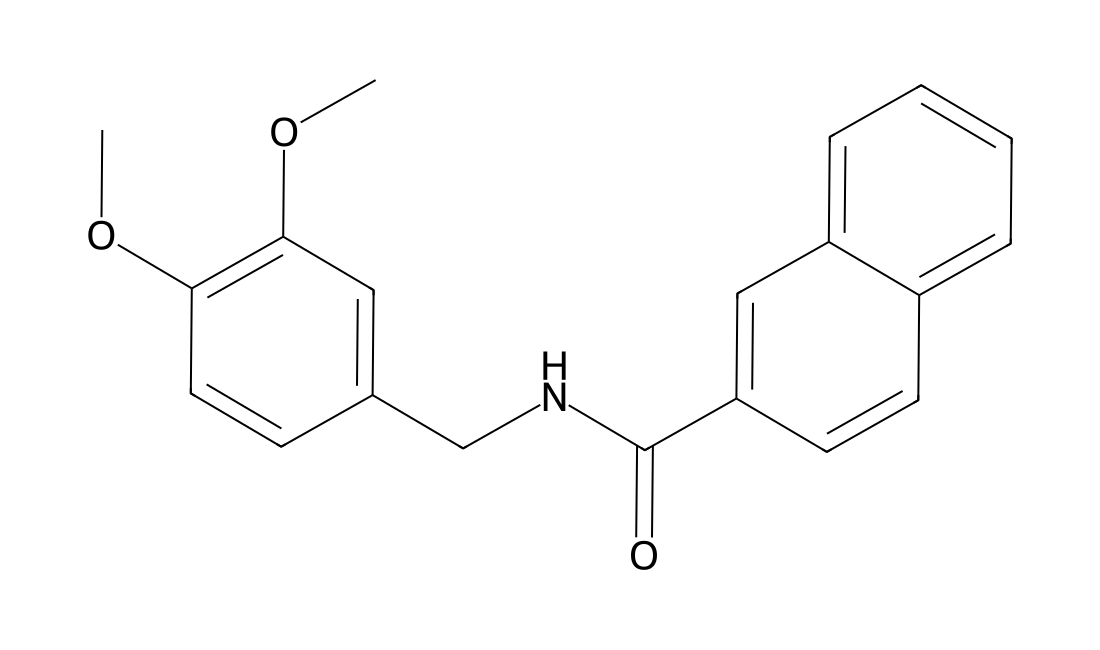
TASK-1-IN-1Featured
TASK-1-IN-1 is a potent and selective TASK-1 (Potassium Channel) inhibitor with an IC50 of 148 nM. TASK-1-IN-1 shows a reduced inhibition of TASK-3 channels (IC50 of 1750 nM) and not a significant effect on other K+ channels. TASK-1-IN-1 has anticancer effects.
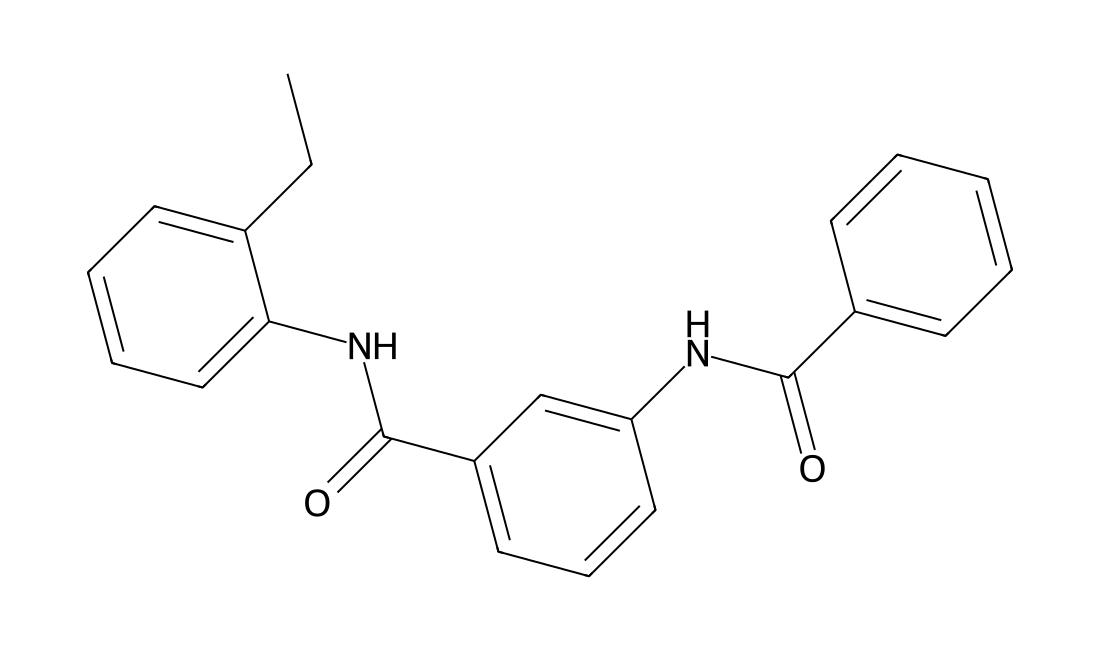
Tubulin inhibitor 11Featured
Tubulin inhibitor 11 is a potent and orally active tubulin inhibitor. Tubulin inhibitor 11 targets the Colchicine binding site on tubulin, inhibits tubulin polymerization, promotes mitotic blockade and apoptosis.
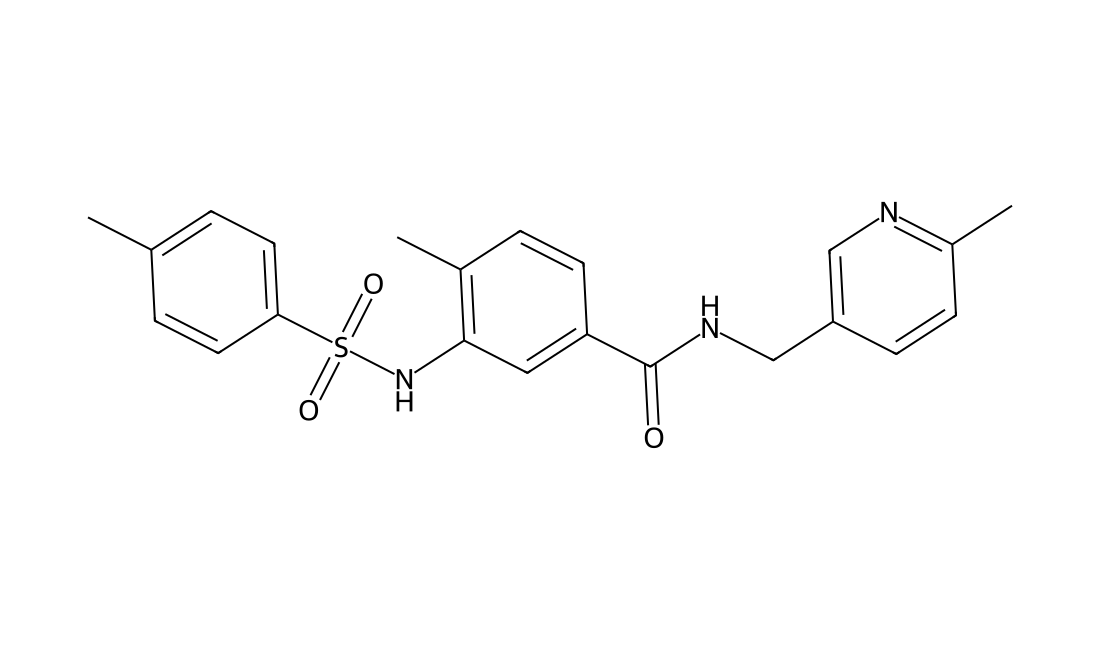
Firefly luciferase-IN-1Featured
Firefly luciferase-IN-1 (compound 48) is a highly potent and reversible inhibitor of firefly luciferase with an IC50 value of 0.25 nM.
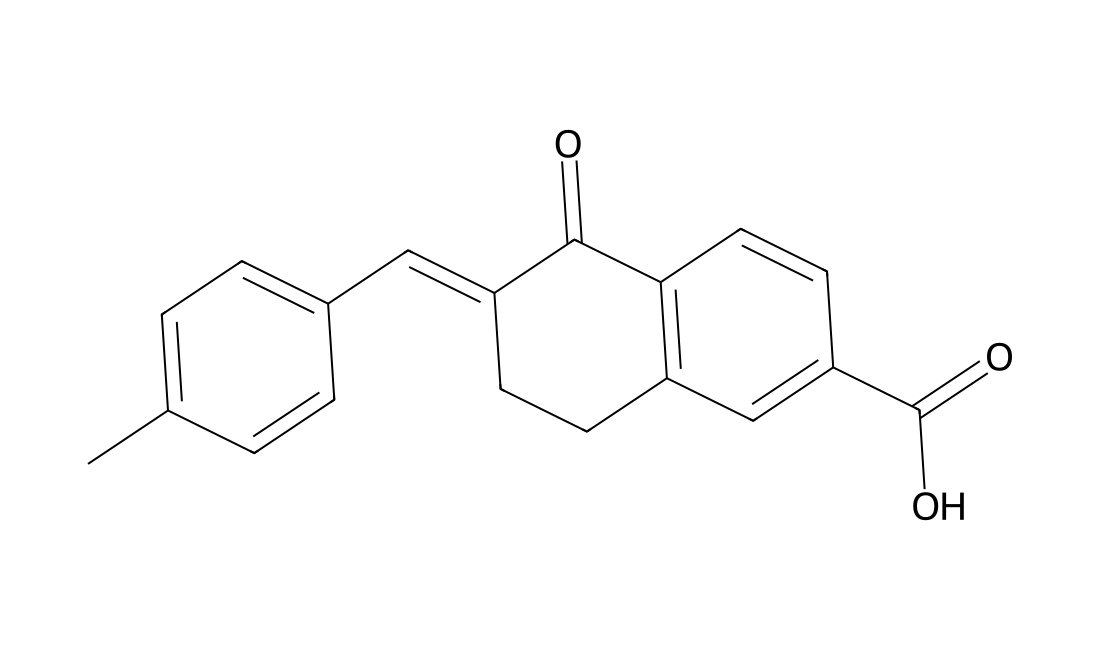
Tamibarotene(Am-80)Featured
Tamibarotene(Am-80) is a retinoic acid receptor α (RARα) agonist that induces differentiation (ED50 = 0.79 nM) and apoptosis of HL-60 cells in vitro.
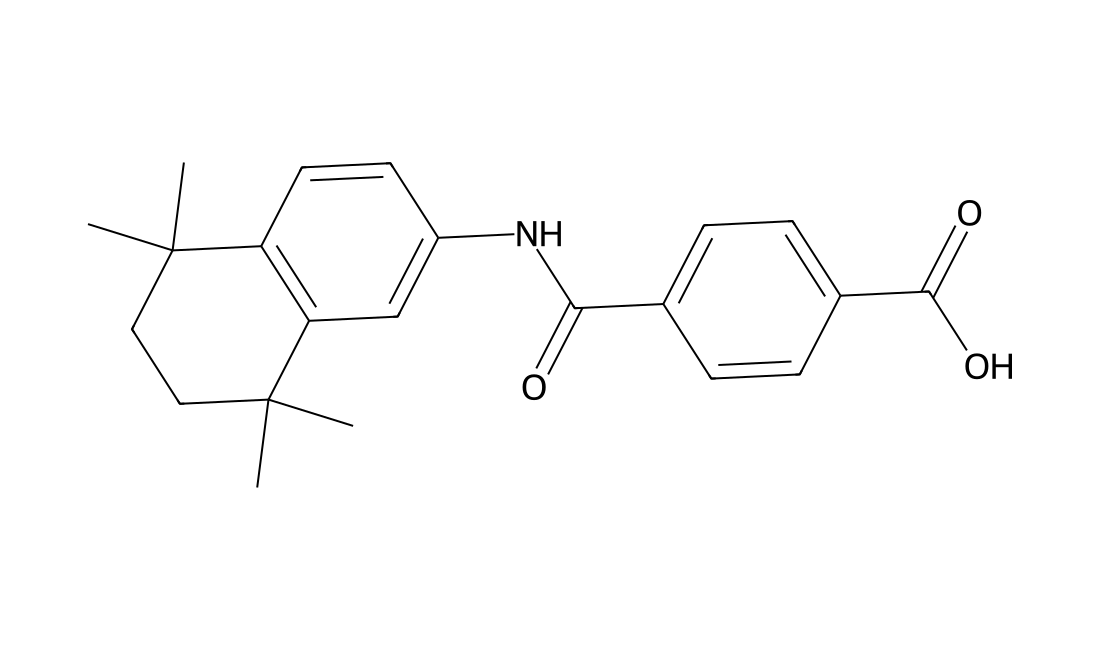
ML190Featured
ML 190 is a selective κ opioid receptor (KOR) antagonist with an IC50 of 120 nM and an EC50 of 129 nM, respectively.
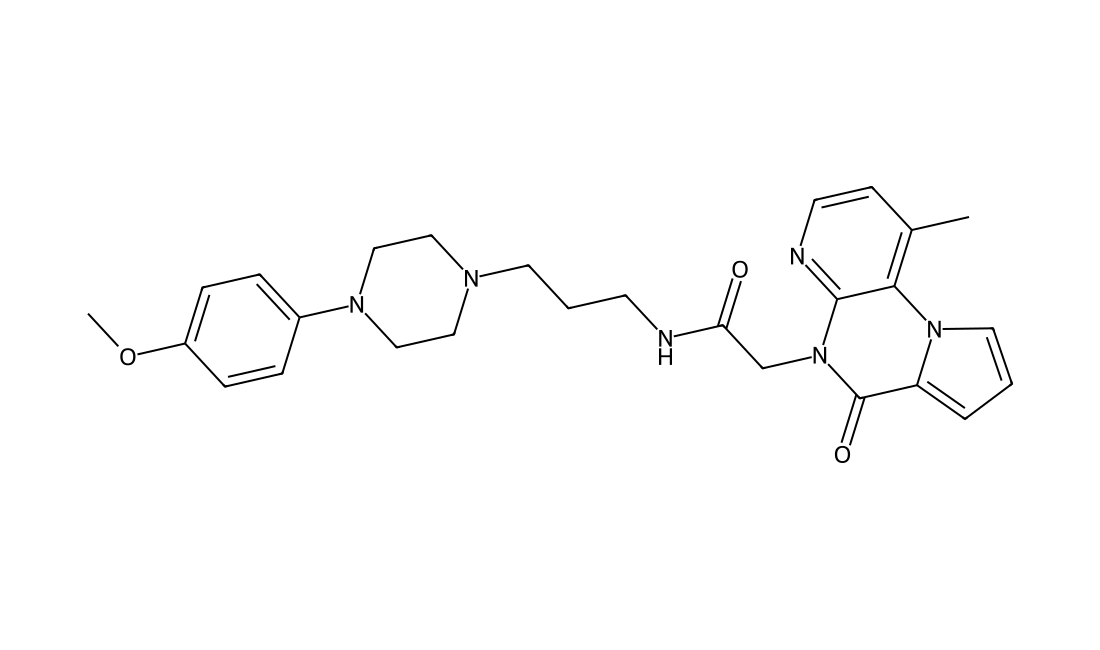
INH14Featured
INH14 is a cell permeable inhibitor of IKKα/IKKβ, with IC50s of 8.97 and 3.59 μM, respectively. INH14 inhibits the IKKα/β-dependent TLR inflammatory response. INH14 also inhibits downstream of TAK1/TAB1 and NF-kB pathways. Anti-inflammatory and anti-cancer activity.
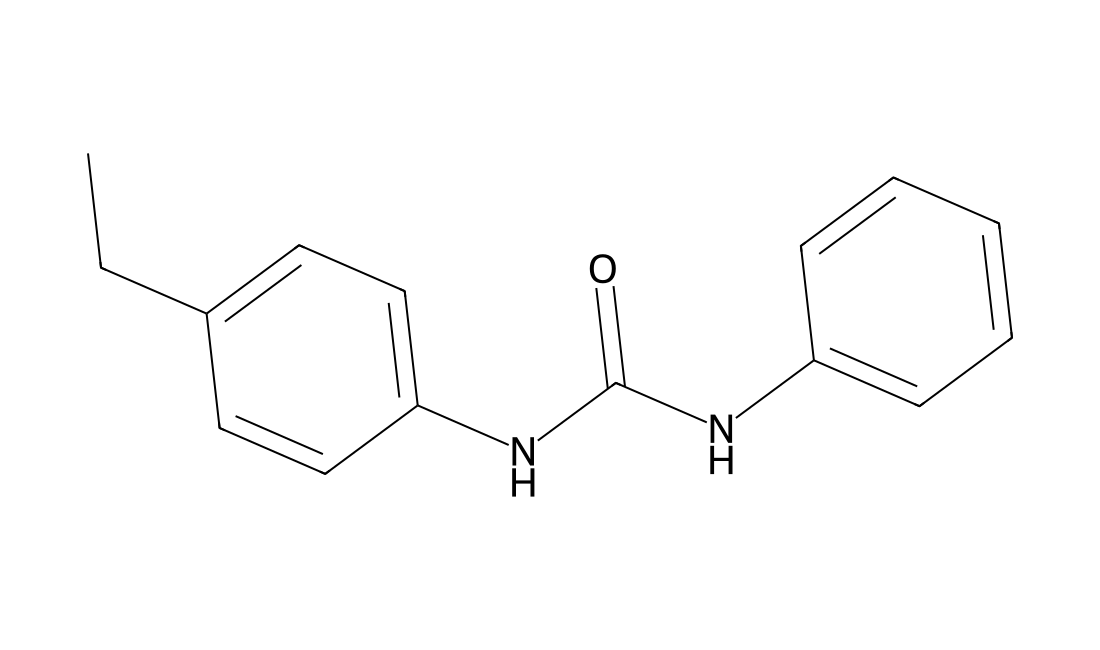
NS1652Featured
NS1652 is a reversible anion conductance inhibitor, blocks chloride channel, with an IC50 of 1.6 μM in human and mouse red blood cells.
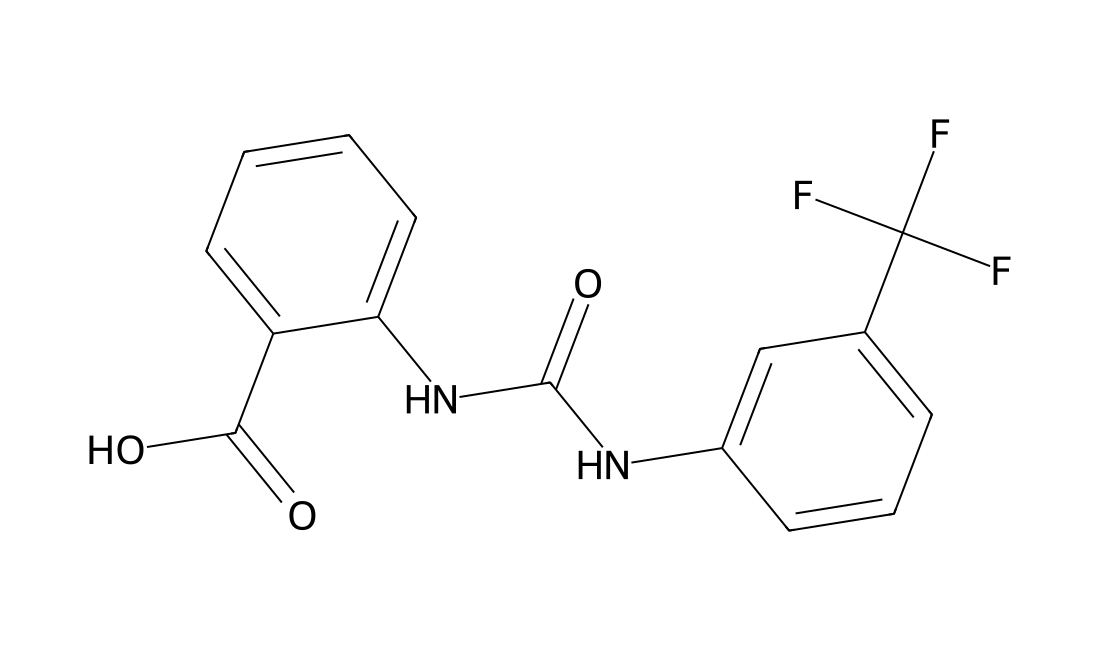
EF24Featured
EF24 is a curcumin analogue with greater anti-tumor efficacy and oral bioavailability via deactivation of the MAPK/ERK signaling pathway in oral squamous cell carcinoma (OSCC). EF24 treatment increases the levels of activated caspase 3 and 9, and decreases the phosphorylated forms of MEK1 and ERK.
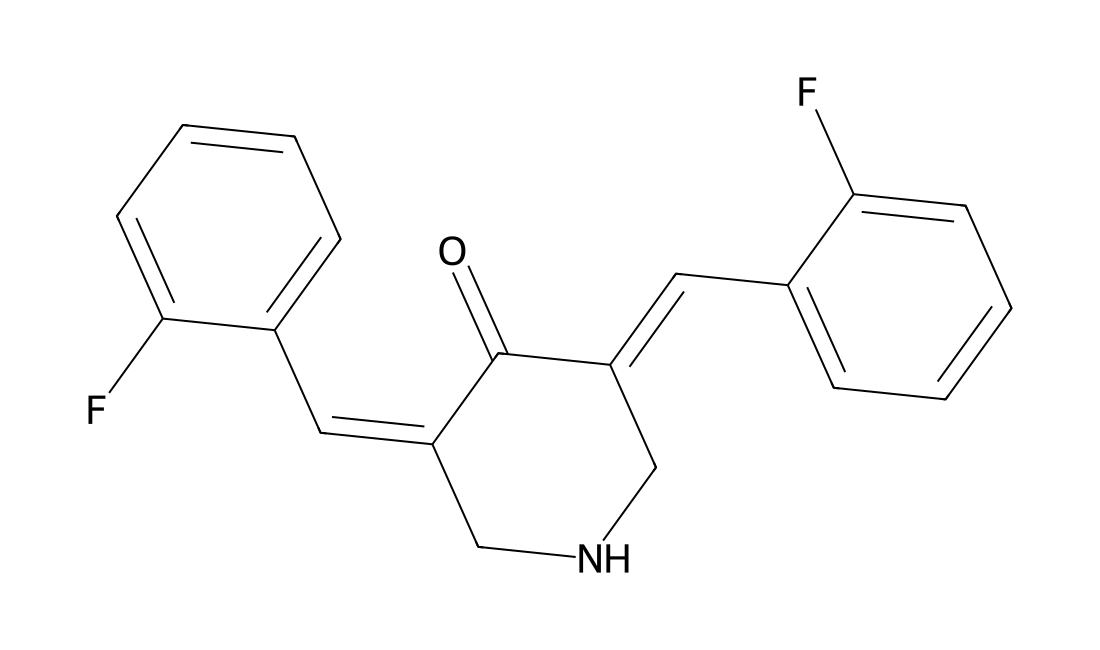
MCHR1 antagonist 2Featured
MCHR1 antagonist 2 is an antagonist of melanin concentrating hormone receptor 1, with an IC50 of 65 nM; MCHR1 antagonist 2 also inhibits hERG, with an IC50 of 4.0 nM in IMR-32 cells.
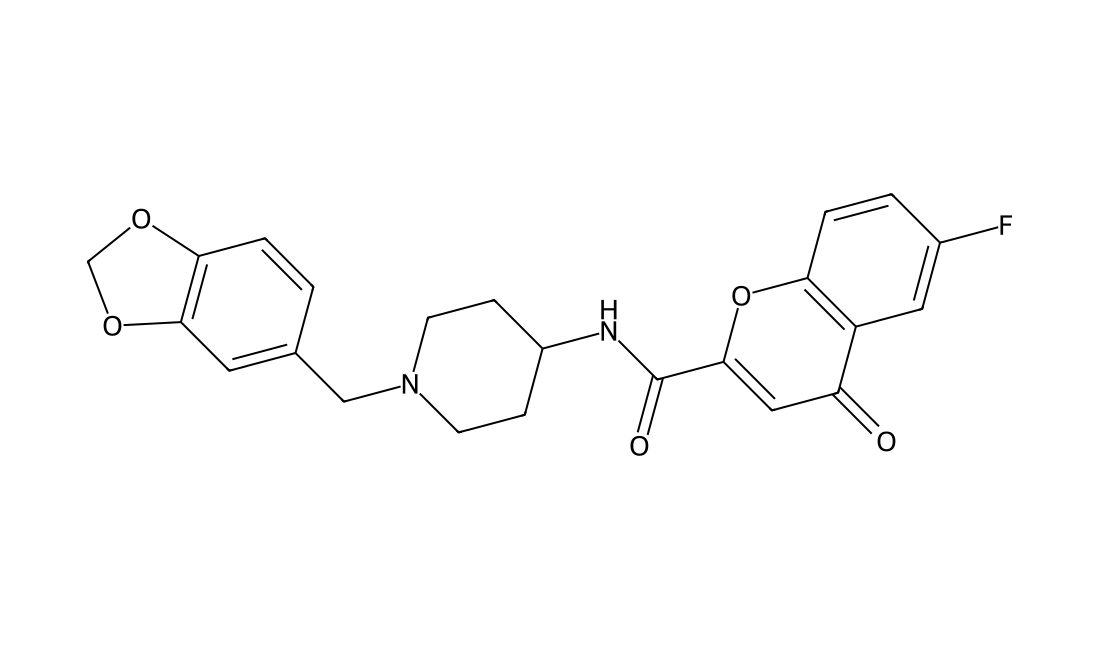
BPKDiFeatured
BPKDi is a potent bipyridyl PKD inhibitor with IC50s of 1 nM, 9 nM and 1 nM for PKD1, PKD2 and PKD3, respectively. BPKDi blocks signal-dependent phosphorylation and nuclear export of class IIa HDACs in cardiomyocytes.
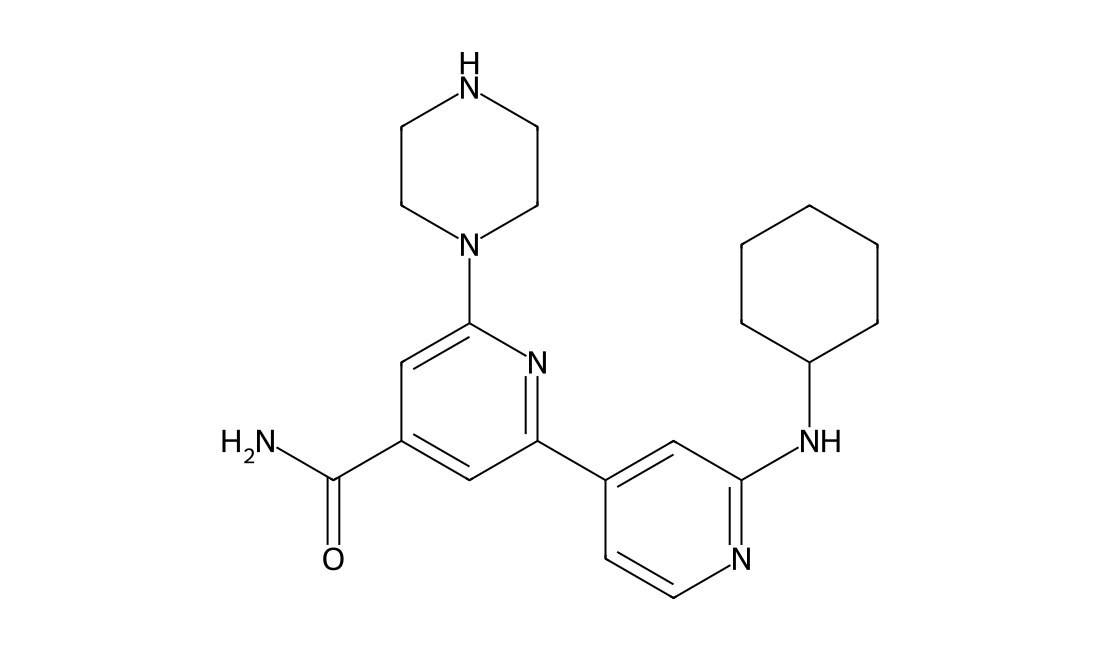
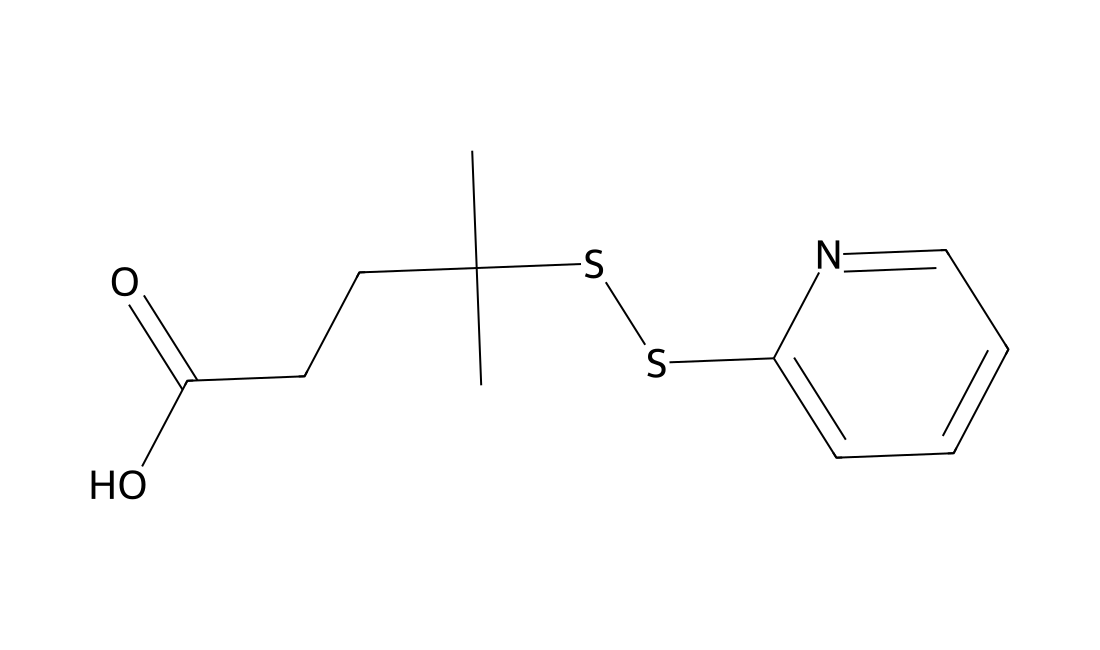
4-Methyl-4-(pyridin-2-yldisulfanyl)pentanoic acid is a cleavable ADC linker used in the synthesis of antibody-drug conjugates (ADCs).
RXC004Featured
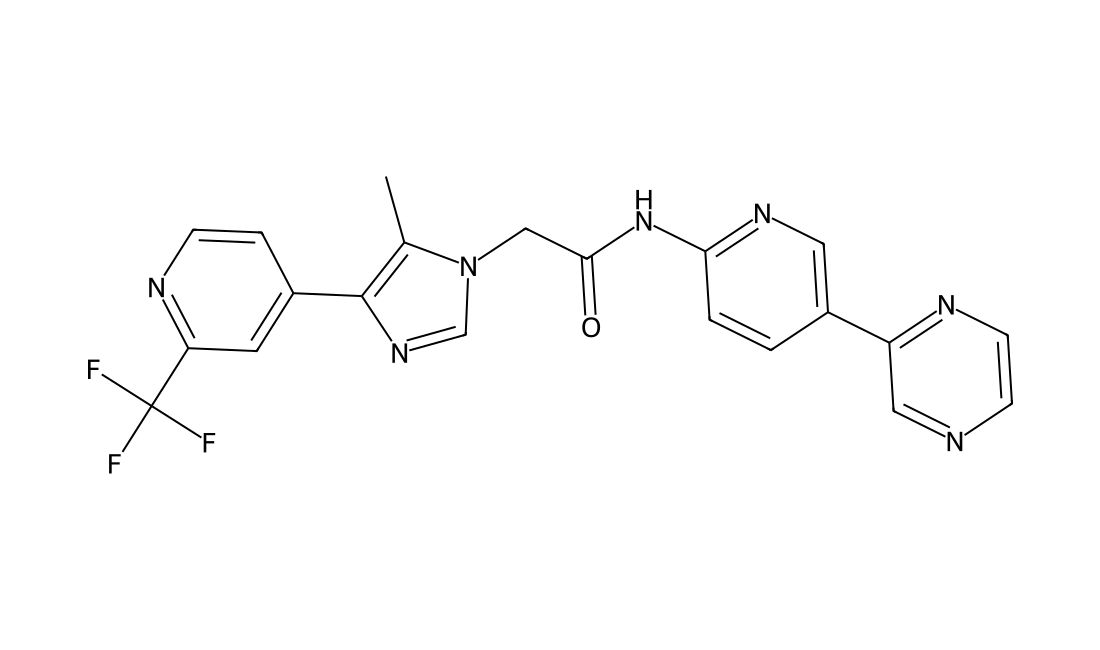
RXC004 (RXC-004) is a potent, selective Porcupine (PRCN) inhibitor, inhibits functional Wnt production from mouse L-Wnt3a cells with IC50 of 64 pM in luciferase reporters assays.
AZD2389Featured
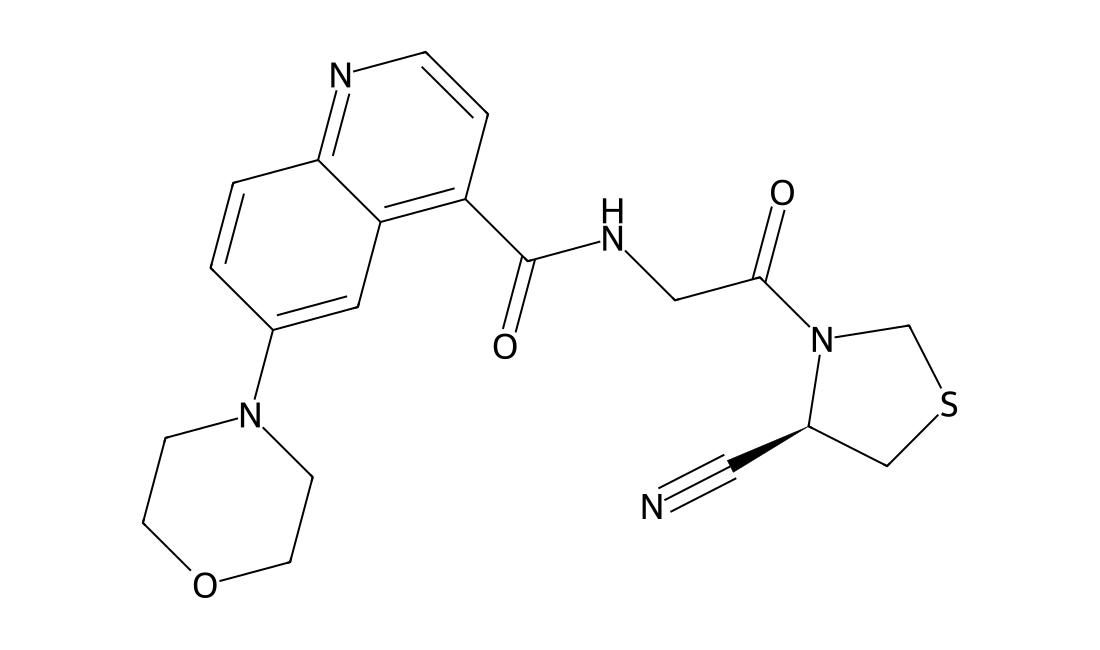
AZD2389 represents a novel, orally bioavailable fibroblast activation protein (FAP) inhibitor with significant therapeutic potential.
4’-α-C-MethyluridineFeatured
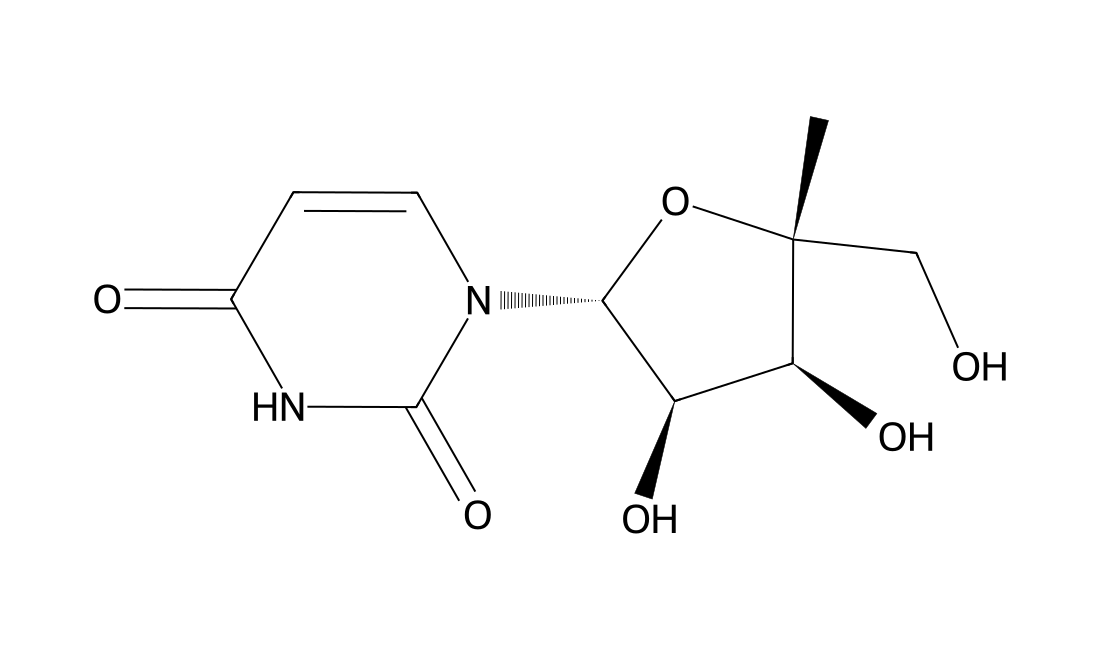
4’-α-C-Methyluridine represents a structurally modified uridine analog with significant pharmacological potential. As a nucleoside derivative, it shares structural similarities with uridine—a compound recognized for its antiepileptic properties—while offering enhanced metabolic stability through its methyl modification.
No products match this search.
Page 232 of 234 · Browse all 4677 products
Jump to a product page
Featured literature product: HX1 · DCL0028
HX1 is a hydroxyzine-derived ionizable lipid with acetal-containing tails, studied in lipid nanoparticles for brain mRNA delivery and CRISPR–Cas9 delivery. It was the lead in the reported in vivo brain-delivery screen; evidence is preclinical and formulation-dependent.
Read full formulation and performance →