
Research lipid catalog
Ionizable Lipid Products
Explore 848 lipid and RNA delivery products. Search the full catalog or browse by research category.
Search covers product name, catalog number, synonyms, available CAS numbers and categories. Spaces, hyphens and common punctuation are ignored. Duplicate legacy records are consolidated under one canonical product result.
3666 products · Showing 2621–2640 · 20 per page
DC Chemicals lipid expertise
Built for ionizable-lipid discovery and RNA delivery research
DC Chemicals supports formulation and delivery research with a broad, searchable portfolio of cationic and ionizable lipids. The current directory brings together 848 unique research-use products, with product specifications, pricing, chemical structures and literature-linked formulation data added as each record is verified.
Our experience spans complex lipid synthesis, purification, analytical release and process development. For custom molecules or larger-scale requirements, our team can discuss route development, technical specifications and scale-up options for the intended research workflow.
Learn about cationic and ionizable lipids →Proprietary innovation · Co-development · GMP
From proprietary lipid design to GMP-grade custom synthesis
DC Chemicals has independently developed ionizable-lipid structures supported by company-owned intellectual property, and selected proprietary lipid programs have advanced to GMP-stage development.
We welcome joint development with customers—from molecular design and lipid synthesis through route and process development. We can also support custom synthesis of GMP-grade ionizable lipids to agreed technical specifications and quality requirements.
Discuss a co-development project →Proprietary ionizable-lipid structuresCollaborative molecular designCustom lipid synthesisProcess development and scale-upGMP-grade project support
Product quick links
Explore ionizable lipids
Browse specifications, pricing and literature-linked product information.
Cat. No.Product NameField of ApplicationChemical Structure
Eloralintide sodiumFeatured
100mg USD 1,100 · 250mg USD 1,800 · 1g USD 4,200 · 10mg USD 400Eloralintide (LY 3841136) sodium is an AMYR agonist, which is promising for research of type 2 diabetes and obesity.
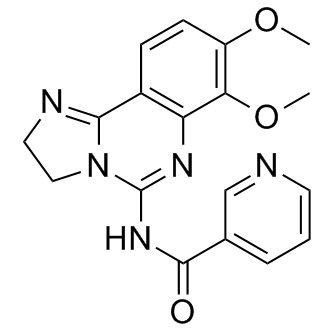
PIK90Featured
100 mg USD 350 · 250 mg USD 700 · 1 g USD 1,500 · 10 mM * 1 mL in DMSO USD 150PIK-90 is a DNA-PK and PI3K inhibitor, which inhibits p110α, p110γ and DNA-PK with IC50s of 11, 18 and 13 nM, respectively.
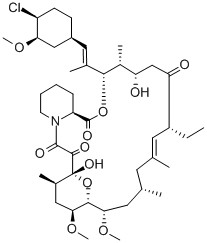
PimecrolimusFeatured
100 mg USD 250 · 250 mg USD 500 · 1 g USD 1,000 · 10 mM * 1 mL in DMSO USD 150Pimecrolimus is an immunophilin ligand, which binds specifically to the cytosolic receptor, immunophilin macrophilin-12.Pimecrolimus blocks T-lymphocyte activation pathway by inhibiting calcineurin function [1]. Pimecrolimus prevents the release of cytokines and pro-inflammatory mediators from mast cells. Pimecrolimus binds to macrophilin-12, the pimecrolimusmacrophilin complex then binds to the cytosolic enzyme calcineurin phosphatase. The pimecrolimus-macrophilin complex prevents the dephosphorylation of the cytoplasmic component of the nuclear factor of activated T cells by inhibiting the action of calcineurin. Pimecrolimus inhibits not only the transcription and synthesis of cytokines from mast cells, but also the release of preformed mediators serotonin and β-hexosaminidase by the inhibition of Fcε-RI-mediated degranulation and secretion. Pimecrolimus treatment causes a strong down-regulation of the expression of mRNA for genes associated with the macrolactam target pathway and inflammation [2].Pimecrolimus is found to be as effective as cyclosporine A following oral ingestion and slightly superior after subcutaneous administration in mice. Pimecrolimus contrasts cyclosporine A and tacrolimus by inhibiting ongoing secondary inflammatory response, but not impairing the primary immune response in allergic contact dermatitis in mice. [2] Pimecrolimus is as effective as the high-potency corticosteroid clobetasol-17-propionate in a pig model of allergic contact dermatitis (ACD). Pimecrolimus also effectively reduces skin inflammation and pruritus in hypomagnesemic hairless rats, a model that mimics acute signs of atopic dermatitis [3].
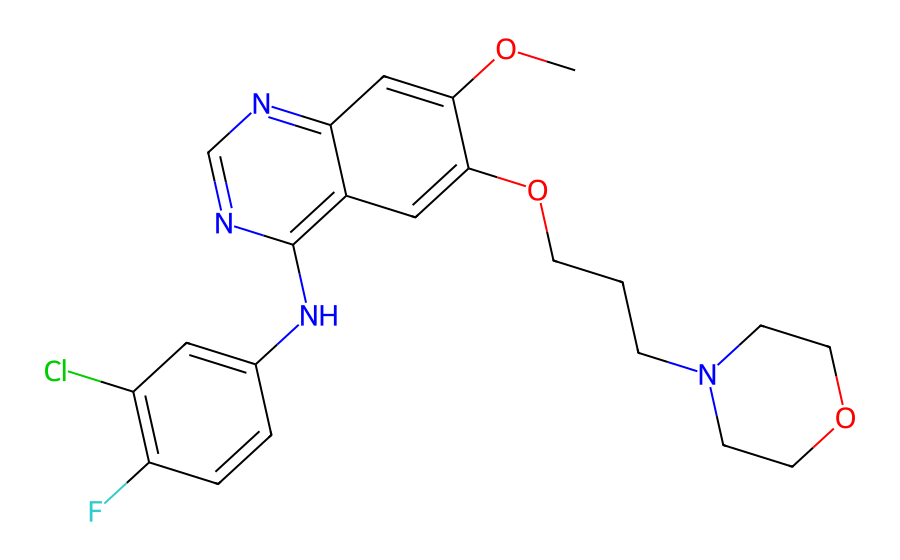
Gefitinib (ZD1839)Featured
100 mg USD 150 · 250 mg USD 300 · 1 g USD 600 · 10 mM * 1 mL in DMSO USD 150Gefitinib (ZD1839) is a EGFR tyrosine kinase inhibitor, with IC50 of 2-37 nM in NR6wtEGFR cells.
4μ8CFeatured
100 mg USD 350 · 250 mg USD 600 · 1 g USD 1,200 · 10 mM * 1 mL in DMSO USD 1504μ8C (IRE1 Inhibitor III) is a small-molecule inhibitor of IRE1α.
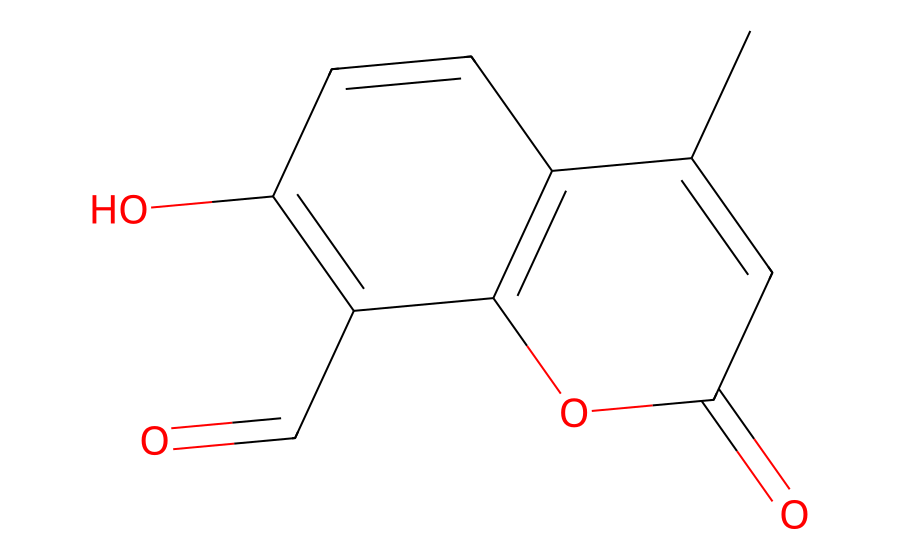
DDR inhibitor XFeatured
5 mg USD 500DDR Inhibitor X is a potent discoidin domain receptor (DDR) inhibitor, with an IC50 of 3.3 nM for DDR2, and shows 53% inhibition on DDR1 at 1.5 nM.
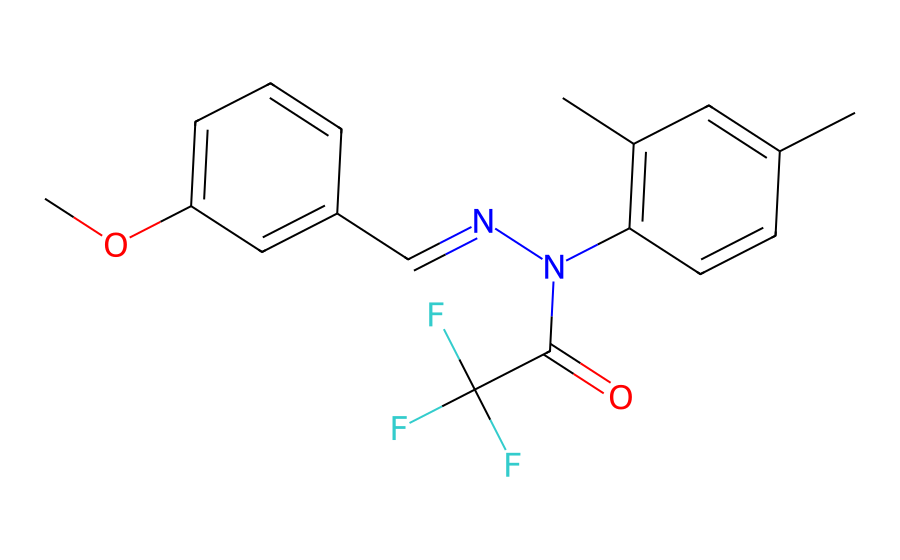
J-147Featured
100 mg USD 200 · 250 mg USD 400 · 1 g USD 800 · 10 mM * 1 mL in DMSO USD 150J-147 is a broad spectrum neuroprotective phenyl hydrazide compound(EC50=60-115 nM) with significant neurotrophic properties related to the induction of brain-derived neurotrophic factor (BDNF).IC50 value: 60-115 nM in vitro assay [1]Target: J-147 has been shown to promotes HT22 and primary cell survival in a dose-dependent manner (EC50 value range of 0.06 – 0.115 μM) when applied to cell exposed to the mitochondrial neurotoxin, iodoacetic acid (IAA), toxicity mediated by the excitatory amino acid glutamate, which causes HT22 cell death by an oxytosis mechanism. In the preclinical in vitro development assays, the EC50 value for J-147-induced cell survival is 25 nM. J-147 was metabolically unstable (highly metabolized) with only 12% of parent remaining after incubation with rat microsomes (phase 1 metabolism).
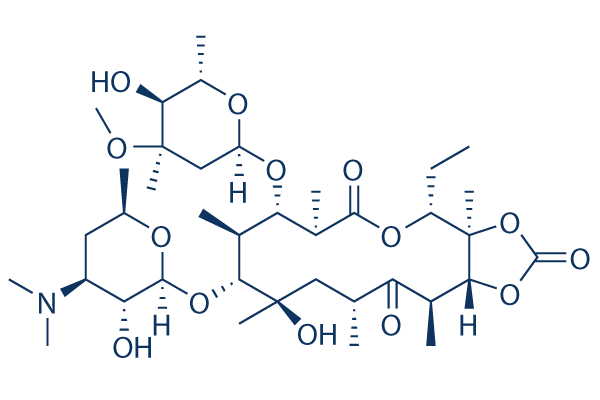
Erythromycin CyclocarbonateFeatured
100 mg USD 900 · 250 mg USD 1,600 · 1 g USD 3,000 · 10 mM * 1 mL in DMSO USD 220Erythromycin Cyclocarbonate, derivative of Erythromycin, which is active against Gram-positive and some Gram-negative microorganisms.
L002(NSC764414)Featured
100 mg USD 500 · 250 mg USD 900 · 1 g USD 1,900 · 10 mM * 1 mL in DMSO USD 220L002 is a novel potent, specific acetyltransferase p300 (KAT3B) inhibitor with an IC50 of 1.98 uM. L002 has weak inhibitory effects against PCAF and GCN5 (IC50s =35 and 34 µM, respectively) and is specific for p300 over a panel of additional acetyltransferases, deacetylases, and methyltransferases[1]. L002 blocks histone acetylation and p53 acetylation, and inhibits STAT3 activation[2].
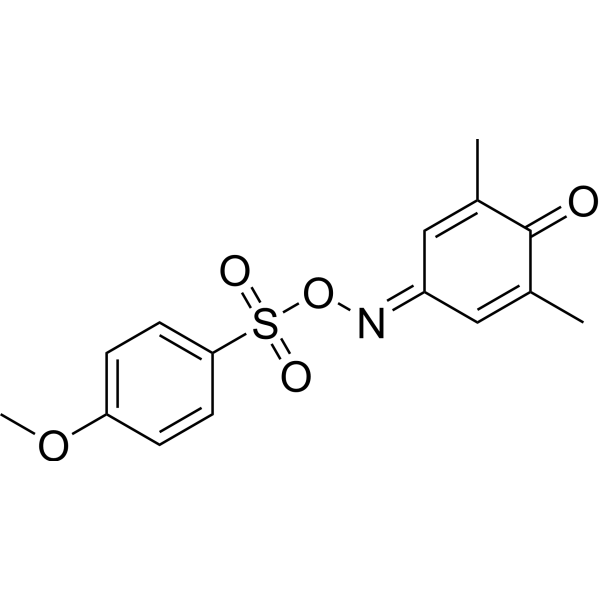
CLC-2-IN AK42Featured
5 mg USD 500CLC-2-IN-AK42 (CLC-2 inhibitor AK42, AK42) is a potent, specific small-molecule inhibitor of voltage-gated chloride channel CLC-2 with IC50 of 17 nM (human CLC-2).AK42 displays unprecedented selectivity (>1,000-fold) over CLC-1, the closest CLC-2 homolog, and no off-target engagement a diverse panel of 61 CNS receptors, channels, and transporters expressed in brain tissue.AK-42 binds to an extracellular vestibule above the channel pore. AK-42 is almost three orders-of-magnitude more potent than MCFA, demonstrates high potency (IC50=14 nM for rat CLC-2) in manual patch-clamp experiments on CHO cells transiently transfected with rat CLC-2.AK-42 inhibits hyperpolarization-activated current in hippocampal cells, attenuates steady-state currents and eliminated relaxation currents in recorded neurons.AK-42 is a powerful tool for investigating CLC-2 neurophysiology.
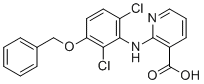
Ro 31-8220 mesylateFeatured
100 mg USD 400 · 250 mg USD 800 · 1 g USD 1,600 · 10 mM * 1 mL in DMSO USD 150Ro 31-8220 mesylate is a potent PKC inhibitor, with IC50s of 5, 24, 14, 27, 24 and 23 nM for PKCα, PKCβI, PKCβII, PKCγ, PKCε and rat brain PKC, respectively. Ro 31-8220 also significantly inhibits MAPKAP-K1b, MSK1, S6K1 and GSK3β
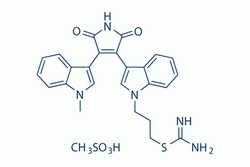
Chlorpromazine HClFeatured
1 g USD 300 · 10 mM * 1 mL in DMSO USD 150Chlorpromazine Hydrochloride is an antagonist of the dopamine D2, 5HT2A, potassium channel andsodium channel. Chlorpromazine binds with D2 and 5HT2A with Kis of 363 nM and 8.3 nM, respectively.
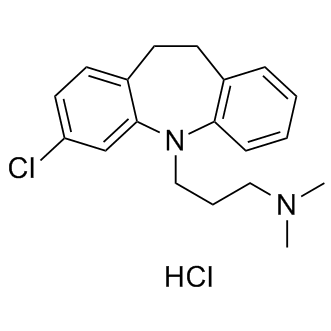
Murepavadin (POL7080)Featured
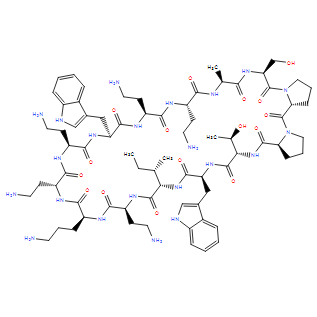
5 mg USD 550 · 10 mg USD 950 · 25 mg USD 1,700Murepavadin (POL7080) is a highly potent, specific, macrocycle Pseudomonas antibiotic for the treatment of bacterial infections caused by Pseudomonas aeruginosa. Bacterial Infection Phase 3 Clinical
Protease KFeatured
Pack sizes and prices on requestProtease K is a nonspecific serine protease that is useful for general digestion of proteins. Protease K is active in the presence of SDS or urea and over a wide range of pH (4-12), salt concentrations, and temperatures.
TCS JNK 5a(JNK Inhibitor IX)Featured
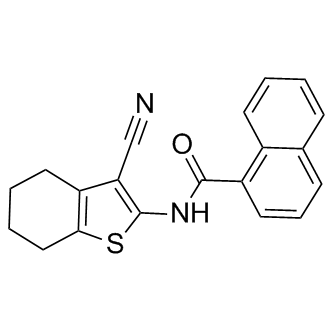
100 mg USD 250 · 250 mg USD 500 · 1 g USD 1,000 · 10 mM * 1 mL in DMSO USD 150TCS JNK 5a is a potent JNK3 inhibitor with a pIC50 of 6.7. TCS JNK 5a also inhibits JNK2 with a pIC50 of 6.5.
Sorafenib (BAY-43-9006)Featured
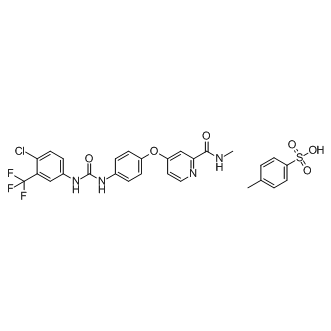
100 mg USD 200 · 250 mg USD 400 · 1 g USD 800 · 10 mM * 1 mL in DMSO USD 150Sorafenib tosylate is a potent multikinase inhibitor, with IC50s of 6 nM, 20 nM, and 22 nM for Raf-1, B-Raf, and VEGFR-3, respectively.
5mg USD 700
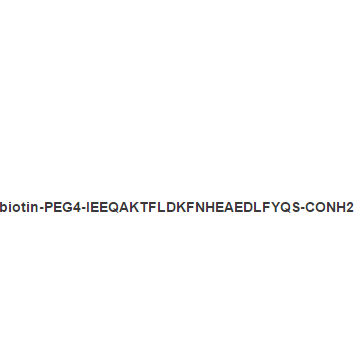
Biotin modification of SBP1.SBP1(spike-binding peptide 1) is a first-in-class peptide binder to the SARS-CoV-2 spike protein. SBP1 specifically binds SARS-CoV-2-RBD with low nanomolar affinity. SBP1 to the RBD was determined to be 47 nM with the average Kon = 4.69*104M-1S-1 and Koff=2.2*10-3.The interaction between SBP1 and the RBD of SARS-CoV-2 spike protein was validated by bio-layer interferometry. The KD, derived from protein association and dissociation kinetics, was found to be 47 nM after averaging the fitting values at different protein concentrations. The amino acid sequence of SBP1 is entirely derived from human ACE2 and should be recognized as endogenous by the human immune system. This feature could be highly beneficial in later stages of pre-clinical development.
APS-3-77 HClFeatured
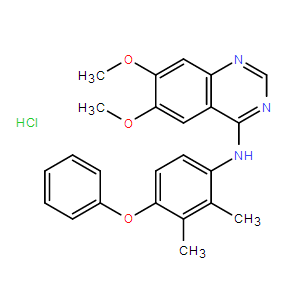
100 mg USD 550 · 250 mg USD 900 · 1 g USD 1,700 · 10 mM * 1 mL in DMSO USD 220APS-3-77 is the negative binder of KSR2.
NilotinibFeatured
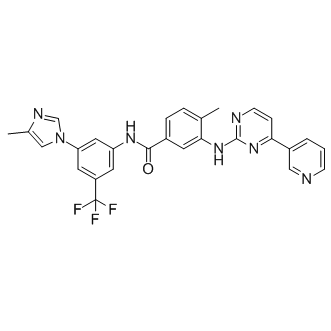
100 mg USD 100 · 250 mg USD 200 · 1 g USD 500 · 10 mM * 1 mL in DMSO USD 150Nilotinib is an orally available Bcr-Abl tyrosine kinase inhibitor with antineoplastic activity.
ML-098Featured
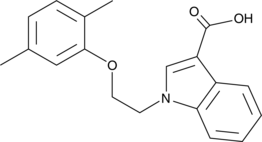
100 mg USD 450 · 250 mg USD 900 · 1 g USD 1,800 · 10 mM * 1 mL in DMSO USD 220ML-098 (CID-7345532) is an activator of the GTP-binding protein Rab7 with an EC50 of 77.6 nM.
No products match this search.
Page 132 of 184 · Browse all 3666 products