
Research lipid catalog
Ionizable Lipid Products
Explore 848 lipid and RNA delivery products. Search the full catalog or browse by research category.
Search covers product name, catalog number, synonyms, available CAS numbers and categories. Spaces, hyphens and common punctuation are ignored. Duplicate legacy records are consolidated under one canonical product result.
3666 products · Showing 2601–2620 · 20 per page
DC Chemicals lipid expertise
Built for ionizable-lipid discovery and RNA delivery research
DC Chemicals supports formulation and delivery research with a broad, searchable portfolio of cationic and ionizable lipids. The current directory brings together 848 unique research-use products, with product specifications, pricing, chemical structures and literature-linked formulation data added as each record is verified.
Our experience spans complex lipid synthesis, purification, analytical release and process development. For custom molecules or larger-scale requirements, our team can discuss route development, technical specifications and scale-up options for the intended research workflow.
Learn about cationic and ionizable lipids →Proprietary innovation · Co-development · GMP
From proprietary lipid design to GMP-grade custom synthesis
DC Chemicals has independently developed ionizable-lipid structures supported by company-owned intellectual property, and selected proprietary lipid programs have advanced to GMP-stage development.
We welcome joint development with customers—from molecular design and lipid synthesis through route and process development. We can also support custom synthesis of GMP-grade ionizable lipids to agreed technical specifications and quality requirements.
Discuss a co-development project →Proprietary ionizable-lipid structuresCollaborative molecular designCustom lipid synthesisProcess development and scale-upGMP-grade project support
Product quick links
Explore ionizable lipids
Browse specifications, pricing and literature-linked product information.
Cat. No.Product NameField of ApplicationChemical Structure
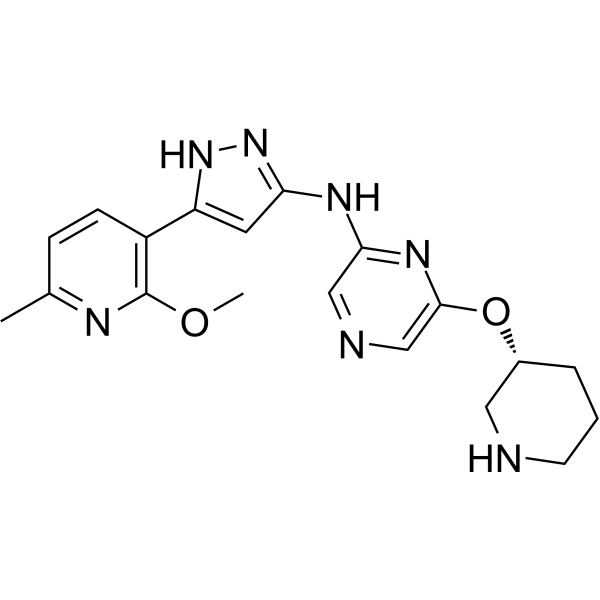
LY2880070Featured
100mg USD 700 · 250mg USD 1,100 · 1g USD 2,200LY2880070 is an orally active inhibitor of CHK1. LY2880070 can be used as an anticancer agent and shows promise in preclinical models of pancreatic ductal adenocarcinoma (PDAC) when used in combination with DNA-damaging agents.
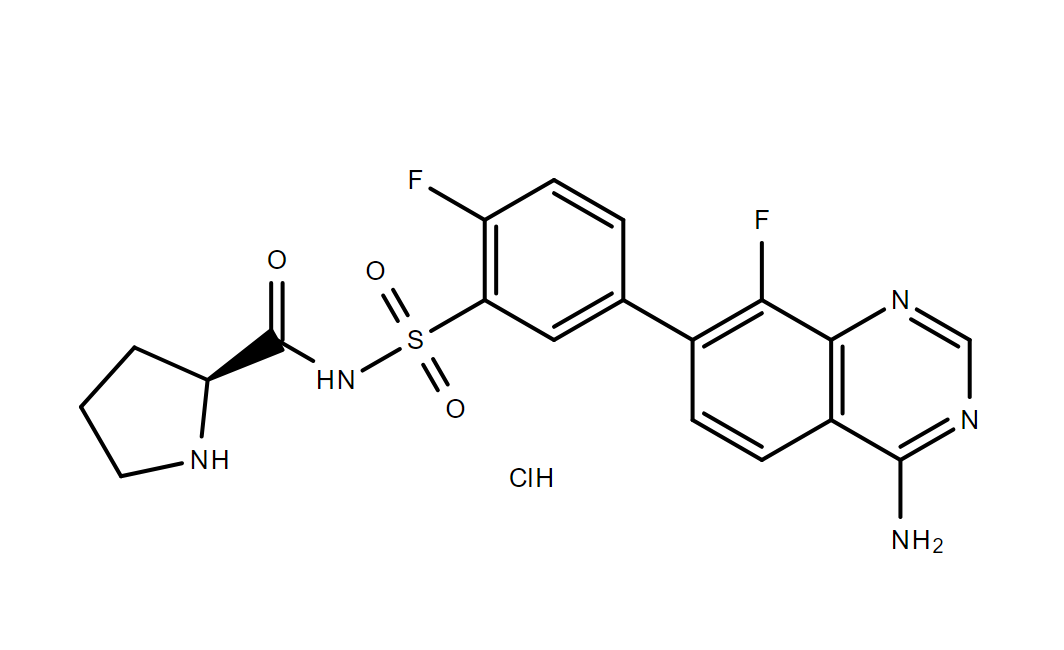
PAA-38 HClFeatured
10mg USD 550PAA-38 is a highly potent selective inhibitor targeting bacterial prolyl-tRNA synthetase (ProRS). PAA-38 againsts Pseudomonas aeruginosa ProRS (PaProRS) with a Kd value of 0.399 nM and an IC50 value of 4.97 nM. PAA-38 againsts human cytoplasmic ProRSs (HsProRS) with an IC50 value of 35.5 nM. PAA-38 demonstrates an in vitro antibacterial activity of minimum inhibitory concentration (MIC) = 4-8 μg/mL.
Peptide T7 with N-CysteineFeatured
50mg USD 550This study developed CRD-PEG-T7, a prostate cancer-targeting gene delivery system featuring a disulfide-crosslinked arginine-aspartic acid peptide vector modified with T7 targeting ligands for selective pDNA delivery in PCa gene therapy.

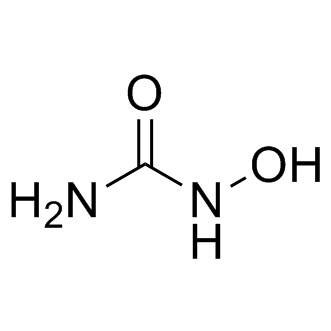
Hydroxyurea (Cytodrox)Featured
1 g USD 300For the detailed information of Hydroxyurea (Cytodrox), the solubility of Hydroxyurea (Cytodrox) in water, the solubility of Hydroxyurea (Cytodrox) in DMSO, the solubility of Hydroxyurea (Cytodrox) in PBS buffer, the animal experiment(test) (test) of Hydroxyurea (Cytodrox), the cell expriment (test) of Hydroxyurea (Cytodrox), the in vivo, in vitro and clinical trial test of Hydroxyurea (Cytodrox), the EC50, IC50,and Affinity of Hydroxyurea (Cytodrox),, please contact DC Chemicals.
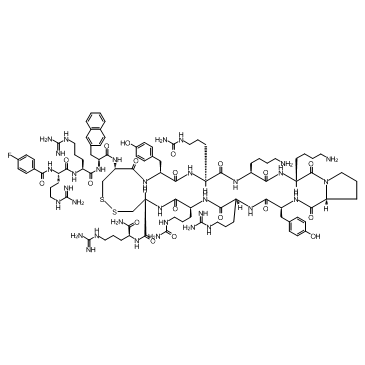
Motixafortide(BKT140)Featured
100 mg USD 750 · 250 mg USD 1,200 · 1 g USD 2,600 · 25mg USD 300BKT140 4-fluorobenzoyl is a novel CXCR4 antagonist with an IC50 vakue of ~1 nM. Sequence: 4F-Benzoyl-Arg-Arg-{2-Naph-Ala}-Cys-Tyr-{Cit}-Lys-Lys-Pro-Tyr-Arg-{Cit}-Cys-Arg-NH2(Disulfide bridge: Cys4-Cys13).
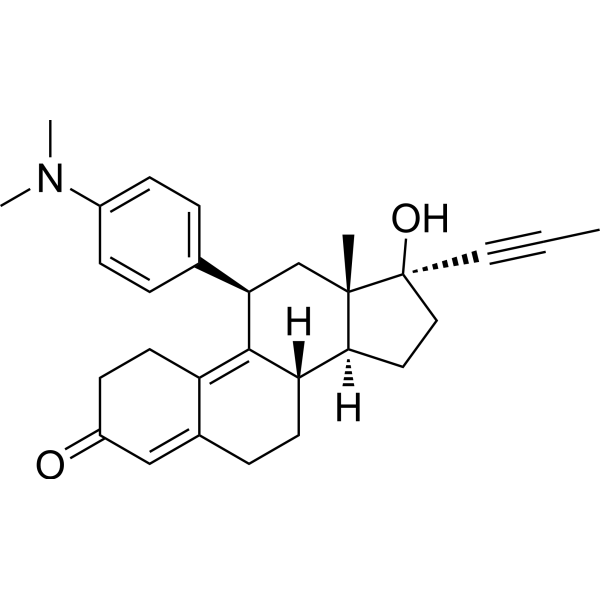
Mifepristone (RU486)Featured
100mg USD 250 · 250mg USD 500 · 1g USD 1,000Mifepristone (RU-486) is a potent steroidal antagonist exhibiting subnanomolar affinity for progesterone receptors (PR IC₅₀ = 0.2 nM) and nanomolar activity against glucocorticoid receptors (GR IC₅₀ = 2.6 nM). This dual-receptor modulator competitively blocks endogenous hormone binding while inducing distinct conformational changes that prevent coactivator recruitment, demonstrating differential antagonism between PR and GR signaling pathways.
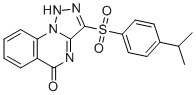
SavirinFeatured
5mg USD 600Savirin (S. aureus virulence inhibitor) is a small molecule that targets the agr (accessory gene regulator) quorum sensing system in Staphylococcus aureus (S. aureus). The agr system is a key regulatory pathway that controls the expression of virulence factors in S. aureus, which are critical for its pathogenicity. The system involves a two-component signal transduction pathway consisting of AgrC (a histidine kinase) and AgrA (a response regulator).
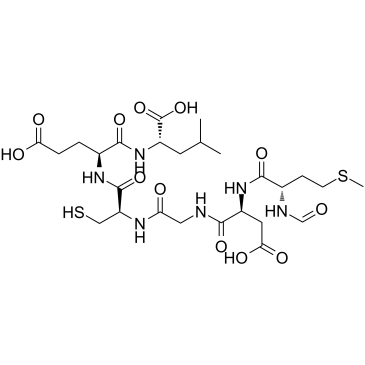
Foxy-5(Wnt5a peptide mimetic)Featured
25mg USD 650 · 10 mg USD 400 · 5mg USD 250Foxy-5 is a mimicking peptide of WNT5A which is a non-canonical member of the Wnt family. Foxy-5 is a WNT5A agonist and effectively reduces the metastatic spread of WNT5A-low prostate cancer cells in an orthotopic mouse model[1][2].
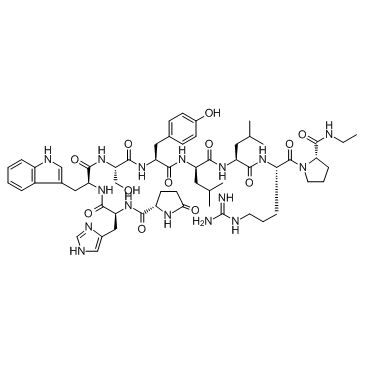
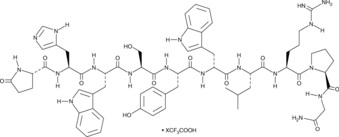
LeuprorelinFeatured
250mg USD 850 · 100mg USD 450 · 1g USD 1,700Leuprolide is an agonist at pituitary GnRH receptors. Target: GnRH receptorLeuprorelin is a gonadotrophin-releasing hormone (GnRH) analogue used to treat a wide range of sex hormone-related disorders including advanced prostatic cancer, endometriosis and precocious puberty. Leuprorelin acts primarily on the anterior pituitary, inducing a transient early rise in gonadotrophin release. With continued use, Leuprorelin causes pituitary desensitisation and/or down-regulation, leading to suppressed circulating levels of gonadotrophins and sex hormones. [1] By interrupting the normal pulsatile stimulation of, and thus desensitizing, the GnRH receptors, it indirectly downregulates the secretion of gonadotropins luteinizing hormone (LH) and follicle-stimulating hormone (FSH), leading to hypogonadism and thus a dramatic reduction in estradiol and testosterone levels in both sexes. [2]
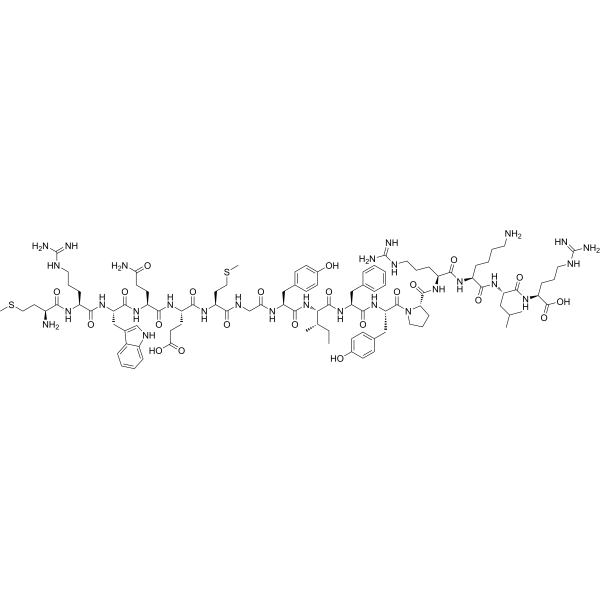
MOTS-cFeatured
100 mg USD 350 · 250 mg USD 700 · 1 g USD 1,400MOTS-c, a mitochondria-derived peptide (MDP), exerts antinociceptive and anti-inflammatory effects through activating AMPK pathway and inhibiting MAP kinases-c-fos signaling pathway.
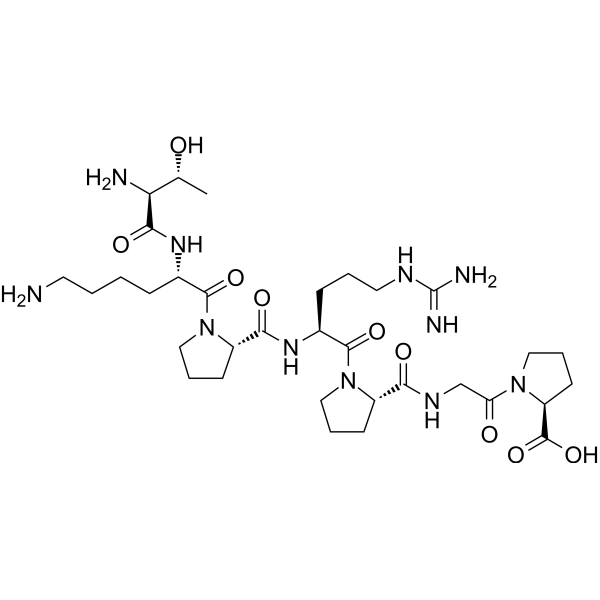
SelankFeatured
100mg USD 300 · 250mg USD 600 · 1g USD 1,200TP-7 (Selanc) is a heptapeptide with anxiolythic properties.
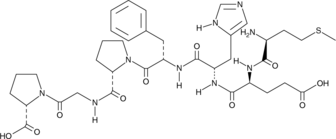
SemaxFeatured
1 g USD 1,800 · 100 mg USD 550 · 250 mg USD 950Semax is a synthetic peptide analog of adrenocorticotropic hormone (ACTH) (4-10) that has neuroprotective, analgesic, and anxiolytic properties.In vivo, semax (0.3 mg/kg) reduces cortical nitric oxide (NO) production and the number of neurological disturbances, such as seizures, falling, and twisting, in a rat model of global ischemia.It decreases acetic acid-induced writhing and nociception in a hind paw compression test in mice when administered at doses ranging from 0.015 to 0.5 mg/kg.Semax also increases time spent in the open arms in the elevated plus maze, indicating anxiolytic activity, in a rat model of maternal deprivation-induced anxiety.
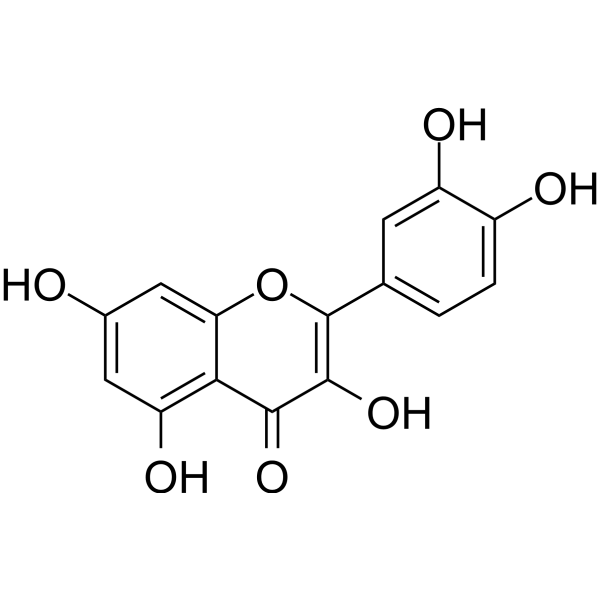
QuercetinFeatured
1g USD 150For the detailed information of Quercetin, the solubility of Quercetin in water, the solubility of Quercetin in DMSO, the solubility of Quercetin in PBS buffer, the animal experiment(test) (test) of Quercetin, the cell expriment (test) of Quercetin, the in vivo, in vitro and clinical trial test of Quercetin, the EC50, IC50,and Affinity of Quercetin,, please contact DC Chemicals.
TriptorelinFeatured
100 mg USD 450 · 250 mg USD 850 · 1 g USD 1,700Triptorelin is a GnRH agaonist shown to inhibit estradiol-induced cancer cell proliferation
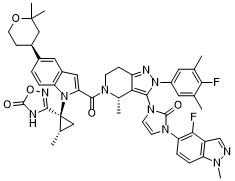
LY3502970 (Orforglipron)Featured
100 mg USD 300 · 250 mg USD 600 · 1 g USD 1,200LY-3502970 (Orforglipron) is a potent, selective, orally active non-peptide agonist of glucagon-like peptide-1 (GLP-1) receptor.LY3502970 is a partial agonist, biased toward G protein activation over β-arrestin recruitment at the GLP-1R.
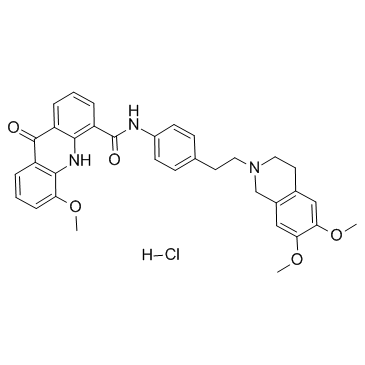
Elacridar hydrochlorideFeatured
100 mg USD 250 · 250 mg USD 500 · 1 g USD 1,000Elacridar Hcl (GF120918; GW0918) is a P-glycoprotein inhibitor, and has been used both in vitro and in vivo as a tool inhibitor of P-glycoprotein (Pgp) to investigate the role of transporters in the disposition of various test molecules.IC50 value:Target: P-glycoprotein In vitro, GF120918A demonstrated high plasma protein binding across species, although a definitive protein binding evaluation was precluded by poor recovery, particularly in buffer and in mouse, rat, and dog plasma. GF120918A did not demonstrate potent inhibition of several human cytochrome P450 enzymes evaluated in vitro, with IC(50) values well above concentrations anticipated to be achieved in vivo. Together, these data confirm the utility of GF120918A as a tool P-glycoprotein inhibitor in preclinical species and offer additional guidance on preclinical dose regimens likely to produce P-glycoprotein-mediated effects.
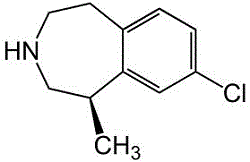
LorcaserinFeatured
50 mg USD 550LLorcaserin (APD-356)is a weight-loss drug developed by Arena Pharmaceuticals. It has serotonergic properties and acts as an anorectic
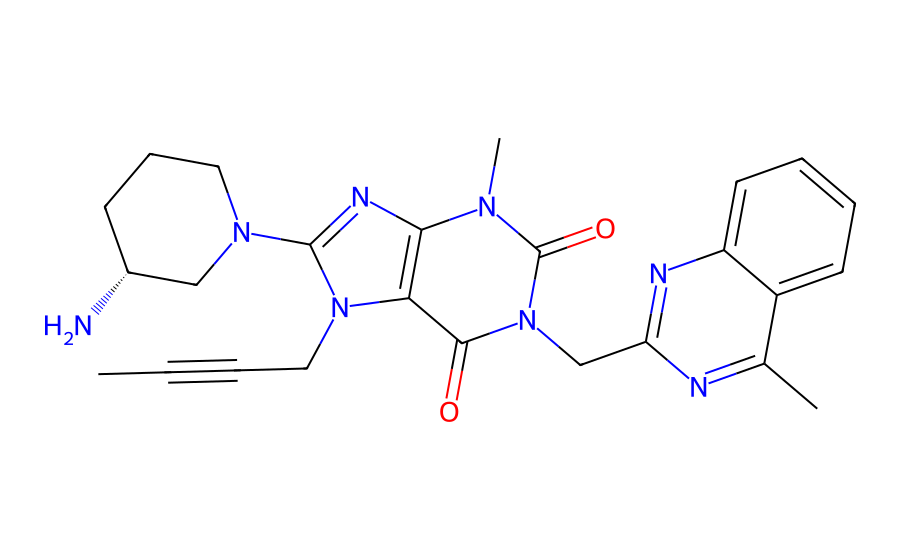
Linagliptin (BI-1356)Featured
100 mg USD 100 · 250 mg USD 200 · 1 g USD 400Linagliptin is a highly potent, selective DPP-4 inhibitor with IC50 of 1 nM.
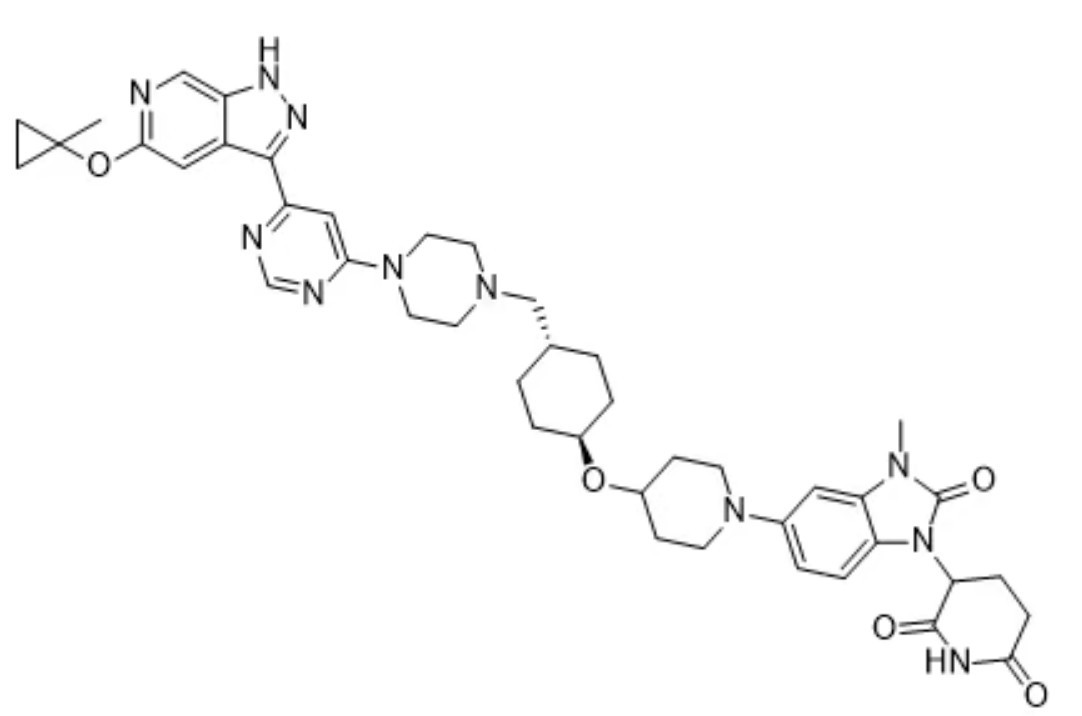
ARV-102Featured
2mg USD 1,000ARV-102 is a highly potent, orally bioavailable PROTAC that targets LRRK2 with a of 0.14 nM, designed to cross the blood-brain barrier to address neurodegenerative diseases. By hijacking the body’s ubiquitin-proteasome system, it achieves deep and sustained degradation of LRRK2 protein in both peripheral tissues and the central nervous system, offering a potentially superior therapeutic approach over traditional kinase inhibitors.
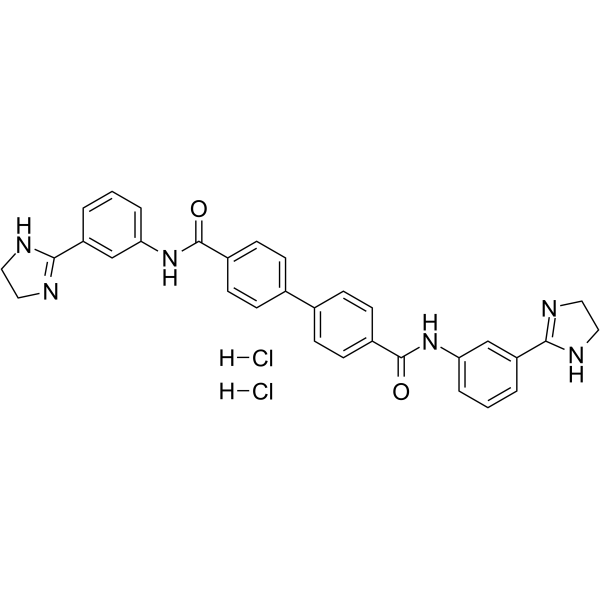
BPH-1358Featured
100mg USD 650 · 250mg USD 1,100 · 1g USD 2,200 · 10 mM * 1 mL in DMSO USD 220BPH-1358 (NSC50460) is a potent human farnesyl diphosphate synthase (FPPS) and undecaprenyl diphosphate synthase (UPPS) inhibitor with IC50s of 1.8 μM and 110 nM, respectively, and is active against S. aureus in vitro (MIC ~250 ng/mL)[1][2].
No products match this search.
Page 131 of 184 · Browse all 3666 products