
Research lipid catalog
Ionizable Lipid Products
Explore 848 lipid and RNA delivery products. Search the full catalog or browse by research category.
Search covers product name, catalog number, synonyms, available CAS numbers and categories. Spaces, hyphens and common punctuation are ignored. Duplicate legacy records are consolidated under one canonical product result.
3666 products · Showing 2581–2600 · 20 per page
DC Chemicals lipid expertise
Built for ionizable-lipid discovery and RNA delivery research
DC Chemicals supports formulation and delivery research with a broad, searchable portfolio of cationic and ionizable lipids. The current directory brings together 848 unique research-use products, with product specifications, pricing, chemical structures and literature-linked formulation data added as each record is verified.
Our experience spans complex lipid synthesis, purification, analytical release and process development. For custom molecules or larger-scale requirements, our team can discuss route development, technical specifications and scale-up options for the intended research workflow.
Learn about cationic and ionizable lipids →Proprietary innovation · Co-development · GMP
From proprietary lipid design to GMP-grade custom synthesis
DC Chemicals has independently developed ionizable-lipid structures supported by company-owned intellectual property, and selected proprietary lipid programs have advanced to GMP-stage development.
We welcome joint development with customers—from molecular design and lipid synthesis through route and process development. We can also support custom synthesis of GMP-grade ionizable lipids to agreed technical specifications and quality requirements.
Discuss a co-development project →Proprietary ionizable-lipid structuresCollaborative molecular designCustom lipid synthesisProcess development and scale-upGMP-grade project support
Product quick links
Explore ionizable lipids
Browse specifications, pricing and literature-linked product information.
Cat. No.Product NameField of ApplicationChemical Structure
5mg USD 300
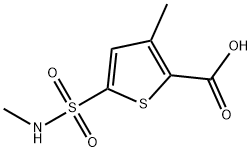
3-Methyl-5-(methylsulfamoyl)thiophene-2-carboxylic acid is available from DC Chemicals for laboratory research. Contact us for application-specific product information.
5mg USD 300
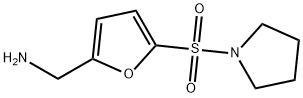
(5-pyrrolidin-1-ylsulfonyl-2-furyl)methanamine is available from DC Chemicals for laboratory research. Contact us for application-specific product information.
5mg USD 300
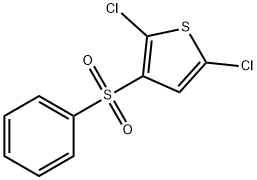
phenyl 2,5-Dichloro-3-Thienyl Sulfone is available from DC Chemicals for laboratory research. Contact us for application-specific product information.
HTL0041178Featured
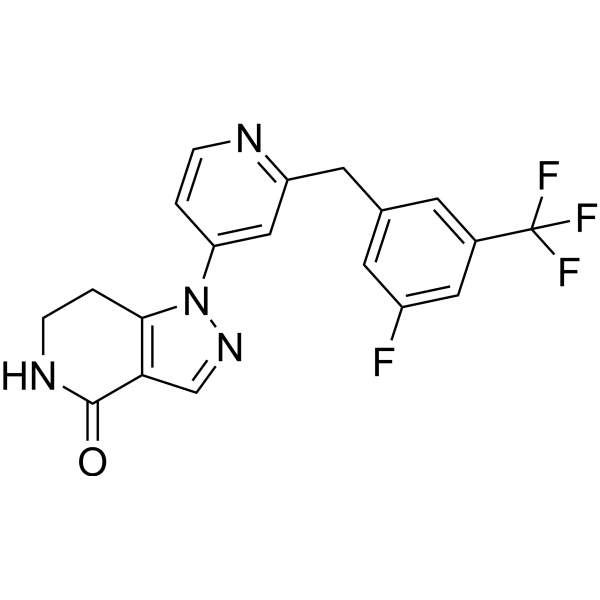
100mg USD 700 · 250mg USD 1,200 · 1g USD 2,400HTL0041178 is a potent GPR52 agonist with EC50 of 27.5 nM (human or rat GPR52).
5mg USD 600
YTHDC1 inhibitor 40 is a potent, selective m6A reader YTHDC1 inhibitor with ITC Kd of 49 nM, HTRF IC50 of 0.35 uM. Compound 40 shows antiproliferative activity against the acute myeloid leukemia (AML) cell lines THP-1, MOLM-13, and NOMO-1.YTHDC1 inhibitor 40 exhibits antiproliferative activity against THP-1 (GI50 = 3.2 μM), MOLM-13 (5.6 μM) and NOMO-1 (8.2 μM), respectively. YTHDC1 inhibitor 40 displays IC50 values of 89, 60, and 83 μM against YTHDF1, YTHDF2, and YTHDF3, respectively, indicating a 200-fold selectivity.YTHDC1 inhibitor 40 does not display significant inhibition of a panel of 58 protein kinases.YTHDC1 inhibitor 40 (2.5-10 uM) induces apoptosis in THP-1 cell line after 24 h treatment.YTHDC1 inhibitor 40 is a tool compound for studying the role of YTHDC1 in AML.
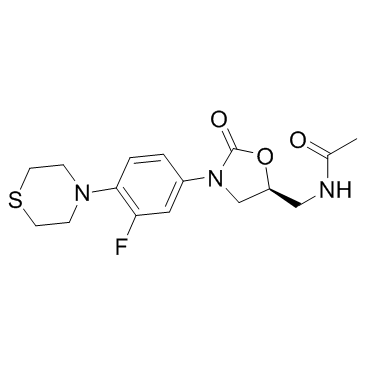
Sutezolid (PNU-100480)Featured
100 mg USD 500 · 250 mg USD 900 · 1 g USD 1,750Sutezolid (PNU-100480) is an oxazolidinone antimicrobial being developed for the treatment of tuberculosis.Target: AntibacterialSutezolid is a much-awaited drug candidate for treatment of Mycobacterium tuberculosis. [1] Sutezolid is an oxazolidinone antibiotic currently in development as a treatment forextensively drug-resistant tuberculosis. Sutezolid is a linezolid analog with superior bactericidal activity against Mycobacterium tuberculosis in the hollow fiber, whole blood and mouse models. Like linezolid, it is unaffected by mutations conferring resistance to standard TB drugs. This study of sutezolid is its first in tuberculosis patients.[2]
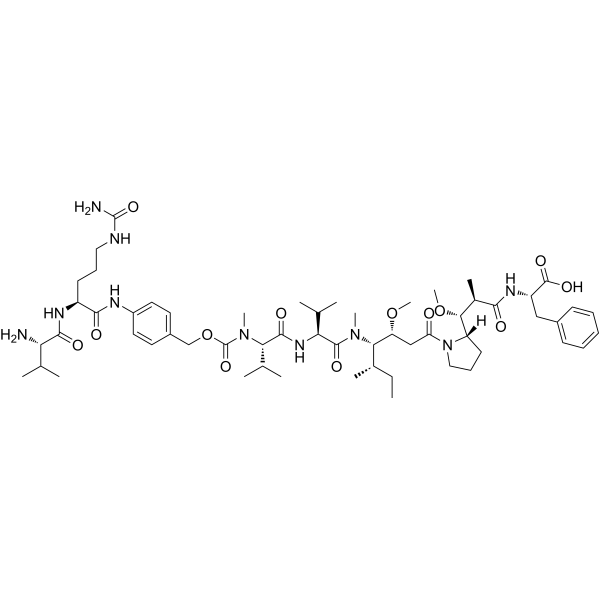
Val-Cit-PAB-MMAFFeatured
10 mg USD 450 · 25mg USD 700Val-Cit-PAB-MMAF is a drug-linker conjugate for ADC. Val-Cit-PAB-MMAF contains the ADCs linker (peptide Val-Cit-PAB) and a potent tubulin polymerization inhibitor MMAF.
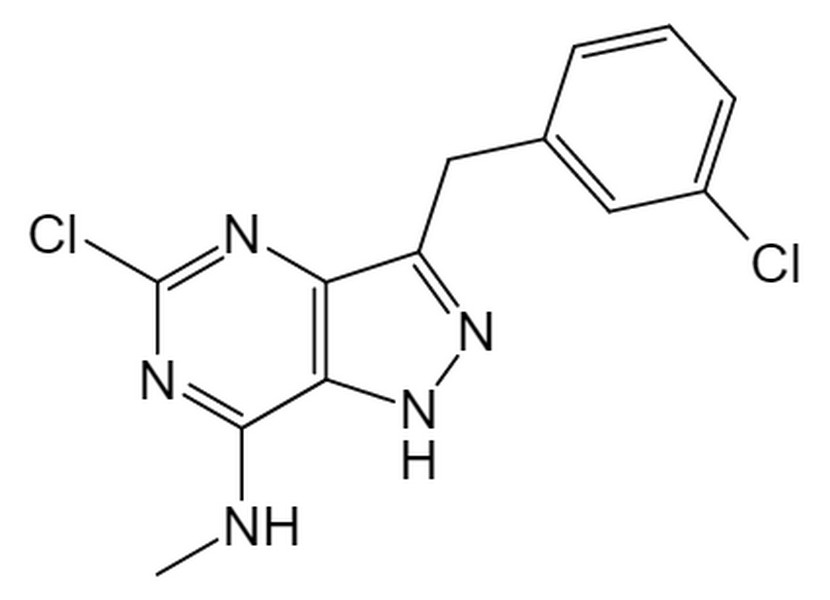
DOCK5-IN-C21Featured
100 mg USD 650 · 1g USD 2,000 · 250 mg USD 1,000DOCK5-IN-C21 functions as an allosteric inhibitor targeting the guanine nucleotide exchange factor DOCK5, effectively modulating its activity through a non-competitive mechanism.
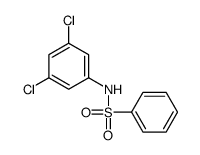
FL-1607Featured
5mg USD 300FL-1607, a novel Fam20C inhibitor, has shown remarkable anti-proliferative effects in triple-negative breast cancer (TNBC) cells. This compound induces apoptosis and significantly reduces the migration ability of MDA-MB-468 cells, underscoring its potential as a promising therapeutic agent for TNBC treatment.
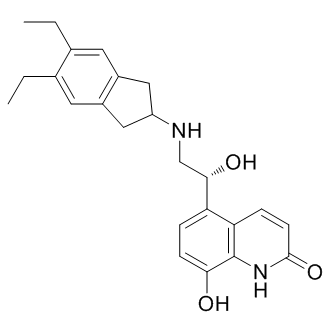
IndacaterolFeatured
1 g USD 450 · 100mg USD 150 · 250mg USD 300Indacaterol is a potent, orally administered ultra-long-acting β2 adrenergic receptor (ADRB2) agonist, widely recognized for its therapeutic potential in respiratory and cardiovascular conditions. By selectively activating ADRB2, indacaterol not only enhances bronchodilation but also exhibits a unique mechanism of action by inhibiting NF-κB activity in a β-arrestin2-dependent manner. This dual functionality helps mitigate lung inflammation, prevent further pulmonary damage, and improve lung function in patients with chronic obstructive pulmonary disease (COPD). Beyond its respiratory applications, indacaterol has also emerged as a valuable tool in cardiovascular disease research, offering insights into its broader therapeutic effects. Its multifaceted pharmacological profile positions indacaterol as a promising candidate for addressing complex disease mechanisms and advancing treatment strategies in both respiratory and cardiovascular fields.
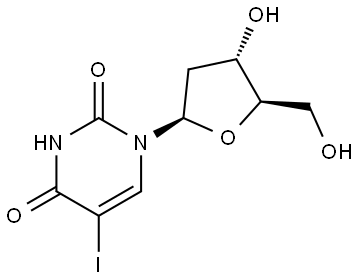
IdoxuridineFeatured
1g USD 300Idoxuridine is an anti-herpesvirus antiviral and anticancer drug. It is a nucleoside analogue, a modified form of deoxyuridine, similar enough to be incorporated into viral DNA replication, but the iodine atom added to the uracil component blocks base pairing. It is used only topically due to cardiotoxicity. It was synthesized by William Prusoff in the late 1950s. Initially developed as an anticancer drug, idoxuridine became the first antiviral agent in 1962.
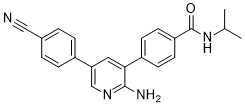
PF-06279794Featured
100 mg USD 1,200 · 25mg USD 600PF-06279794, also known as PF-794, is a potent, selective and ATP-competitive TNIK inhibitor.
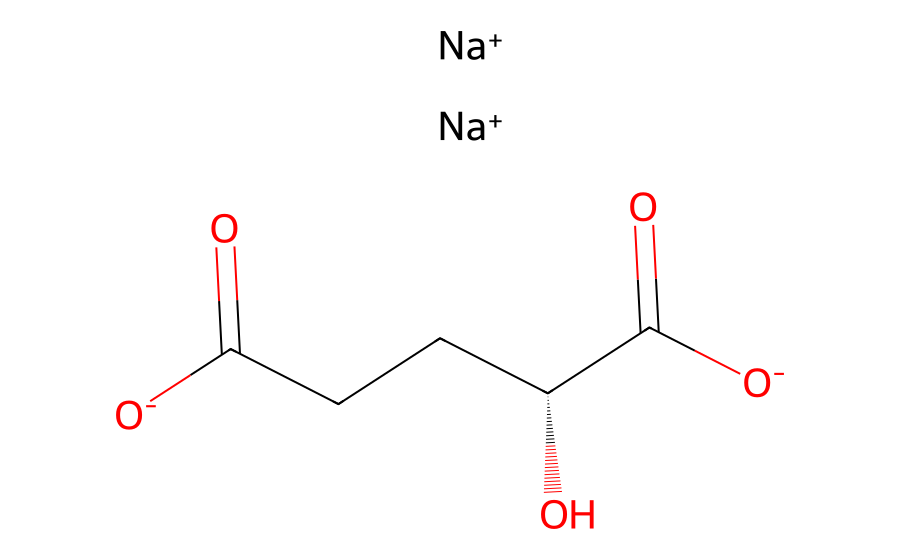
Disodium (R)-2-HydroxyglutarateFeatured
100 mg USD 180 · 250 mg USD 350 · 1 g USD 800D-alpha-Hydroxyglutaric acid disodium salt is a weak competitive α-Ketoglutarate(α-KG)-dependent dioxygenase inhibitor with Ki of 10.87±1.85 mM. Ki for L-Hydroxyglutaric acid (L-2-HG) is 0.628±0.036 mM.
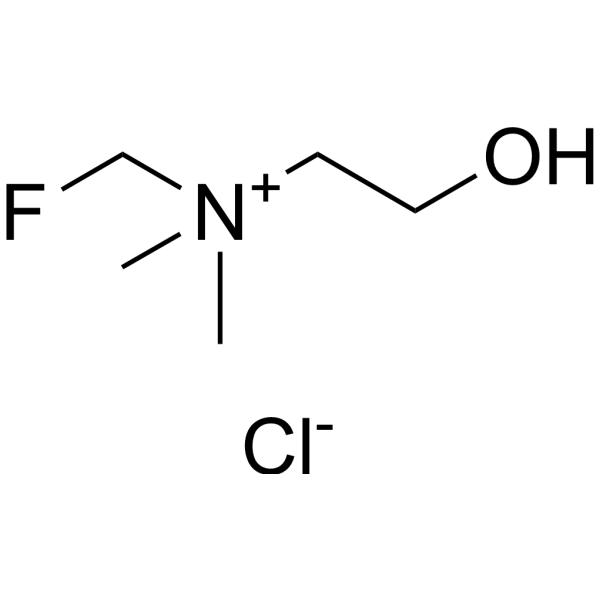
Fluorocholine chlorideFeatured
1g USD 300Fluorocholine chloride serves as a versatile biochemical tool for life science investigations, functioning both as an organic compound and biological marker in various research applications.
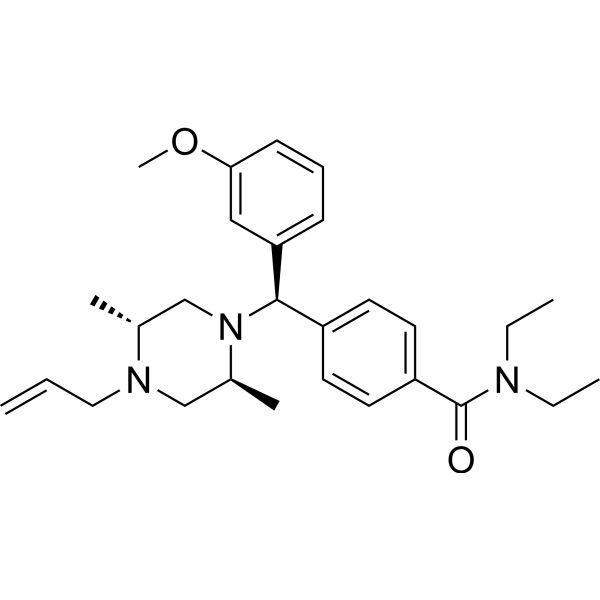
SNC-80Featured
25 mg USD 450 · 100 mg USD 850 · 250 mg USD 1,350 · 1 g USD 3,500SNC80 (NIH 10815) is a potent, highly selective and non-peptide δ-opioid receptor agonist with a Ki of 1.78 nM and an IC50 of 2.73 nM. SNC80 also selectively activates μ-δ heteromer in HEK293 cells with an EC50 of 52.8 nM. SNC80 shows antinociceptive, antihyperalgesic and antidepressant‐like effects. SNC80 has the potential for multiple headache disorders treatment[1][2][3][4][5][6].
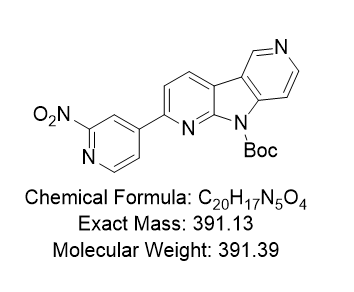
PI-2620 precursorFeatured
5mg USD 550PI-2620 precursor is the precursor of PI2620. 18F-PI-2620 is a PET tracer with high binding affinity for aggregated tau, a key pathologic feature of Alzheimer disease (AD) and other neurodegenerative disorders.
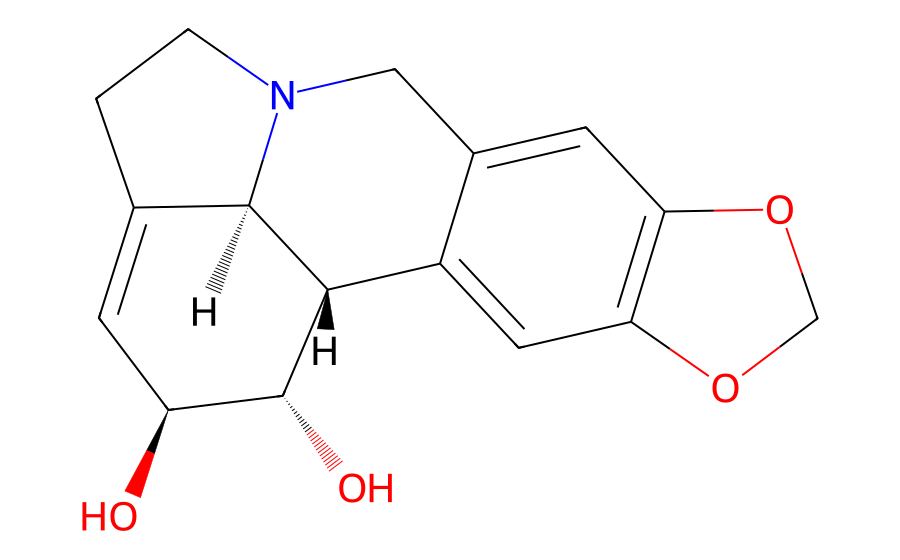
Lycorine hydrochlorideFeatured
20 mg USD 280For the detailed information of Lycorine hydrochloride, the solubility of Lycorine hydrochloride in water, the solubility of Lycorine hydrochloride in DMSO, the solubility of Lycorine hydrochloride in PBS buffer, the animal experiment(test) (test) of Lycorine hydrochloride, the cell expriment (test) of Lycorine hydrochloride, the in vivo, in vitro and clinical trial test of Lycorine hydrochloride, the EC50, IC50,and Affinity of Lycorine hydrochloride,, please contact DC Chemicals.
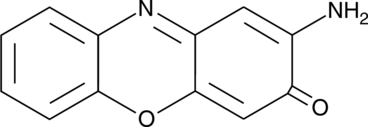
Questiomycin AFeatured
100 mg USD 350 · 250 mg USD 550 · 1 g USD 1,200Questiomycin A is a phenoxazine and a chromophore that has been found in Streptomyces and has antibacterial and anticancer activities.
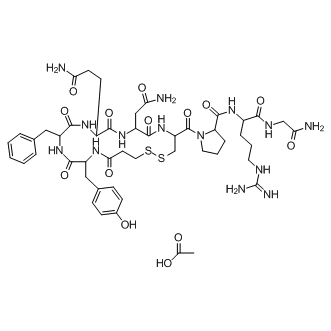
Desmopressin (Acetate)Featured
100 mg USD 550 · 250 mg USD 900 · 1 g USD 1,800Desmopressin(DDAVP) acetate is the synthetic analogue of the antidiuretic hormone arginine vasopressin. IC50 Value:Target: Vasopressin ReceptorThe antidiuretic properties of desmopressin have led to its use in polyuric conditions including primary nocturnal enuresis, nocturia, and diabetes insipidus. Desmopressin works by limiting the amount of water that is eliminated in the urine. Desmopressin binds to V2 receptors in renal collecting ducts, increasing water reabsorption. It also stimulates release of von Willebrand factor from endothelial cells by acting on the V2 receptor.
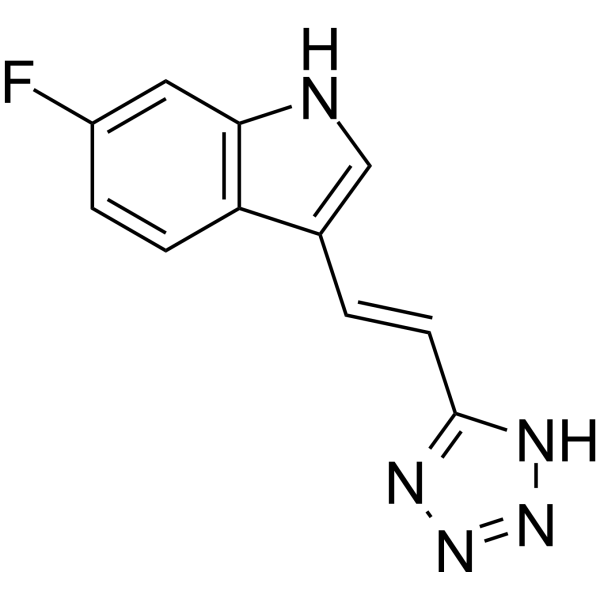
LM10Featured
100 mg USD 500 · 250mg USD 800 · 1g USD 1,500LM10 is a potent inhibitor of tryptophan 2,3-dioxygenase (TDO). Tryptophan 2,3-dioxygenase (TDO) is an unrelated hepatic enzyme that also degrades tryptophan along the kynurenine pathway. LM10 has the potential for the research of cancer diseases.
No products match this search.
Page 130 of 184 · Browse all 3666 products