
Research lipid catalog
Ionizable Lipid Products
Explore 848 lipid and RNA delivery products. Search the full catalog or browse by research category.
Search covers product name, catalog number, synonyms, available CAS numbers and categories. Spaces, hyphens and common punctuation are ignored. Duplicate legacy records are consolidated under one canonical product result.
3666 products · Showing 2541–2560 · 20 per page
DC Chemicals lipid expertise
Built for ionizable-lipid discovery and RNA delivery research
DC Chemicals supports formulation and delivery research with a broad, searchable portfolio of cationic and ionizable lipids. The current directory brings together 848 unique research-use products, with product specifications, pricing, chemical structures and literature-linked formulation data added as each record is verified.
Our experience spans complex lipid synthesis, purification, analytical release and process development. For custom molecules or larger-scale requirements, our team can discuss route development, technical specifications and scale-up options for the intended research workflow.
Learn about cationic and ionizable lipids →Proprietary innovation · Co-development · GMP
From proprietary lipid design to GMP-grade custom synthesis
DC Chemicals has independently developed ionizable-lipid structures supported by company-owned intellectual property, and selected proprietary lipid programs have advanced to GMP-stage development.
We welcome joint development with customers—from molecular design and lipid synthesis through route and process development. We can also support custom synthesis of GMP-grade ionizable lipids to agreed technical specifications and quality requirements.
Discuss a co-development project →Proprietary ionizable-lipid structuresCollaborative molecular designCustom lipid synthesisProcess development and scale-upGMP-grade project support
Product quick links
Explore ionizable lipids
Browse specifications, pricing and literature-linked product information.
Cat. No.Product NameField of ApplicationChemical Structure
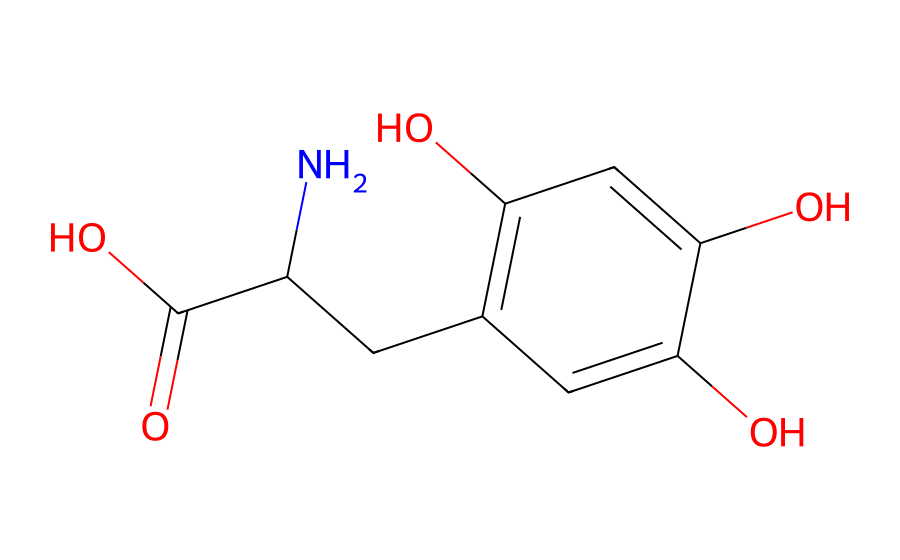
6-Hydroxy-DL-DOPAFeatured
100 mg USD 750 · 250 mg USD 1,300 · 1 g USD 2,5506-Hydroxy-DOPA is a selective and effective allosteric inhibitor of the RAD52 ssDNA binding domain. 6-Hydroxy-DOPA can be used for the research of cancer[1].
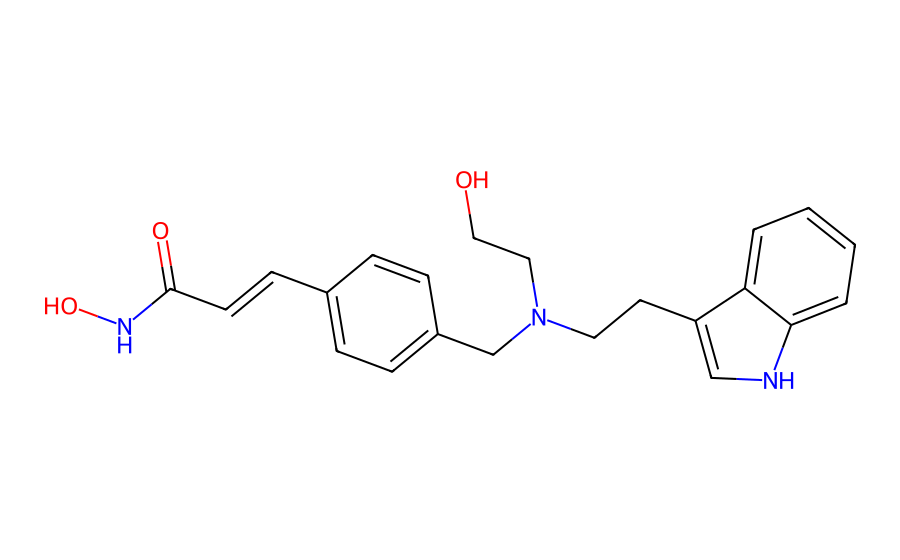
Dacinostat (NVP-LAQ824, LAQ824)Featured
100 mg USD 450 · 250 mg USD 800 · 1 g USD 1,700 · 10 mM * 1 mL in DMSO USD 220Dacinostat is a potent HDAC inhibitor, with an IC50 of 32 nM; Dacinostat also inhibits HDAC1 with an IC50 of 9 nM, and used in cancer research.
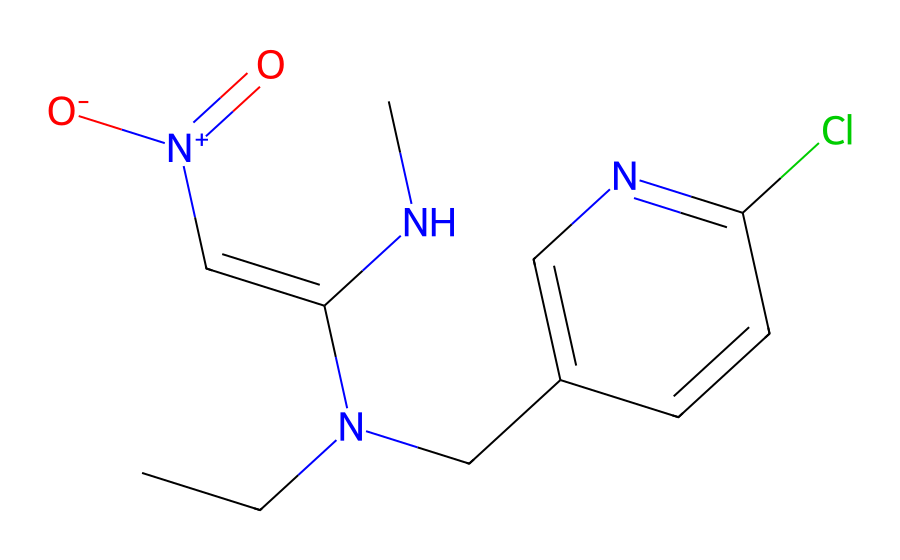
NitenpyramFeatured
1 g USD 450For the detailed information of Nitenpyram, the solubility of Nitenpyram in water, the solubility of Nitenpyram in DMSO, the solubility of Nitenpyram in PBS buffer, the animal experiment (test) of Nitenpyram, the cell expriment (test) of Nitenpyram, the in vivo, in vitro and clinical trial test of Nitenpyram, the EC50, IC50,and affinity,of Nitenpyram, For the detailed information of Nitenpyram, the solubility of Nitenpyram in water, the solubility of Nitenpyram in DMSO, the solubility of Nitenpyram in PBS buffer, the animal experiment (test) of Nitenpyram, the cell expriment (test) of Nitenpyram, the in vivo, in vitro and clinical trial test of Nitenpyram, the EC50, IC50,and affinity,of Nitenpyram, Please contact DC Chemicals.
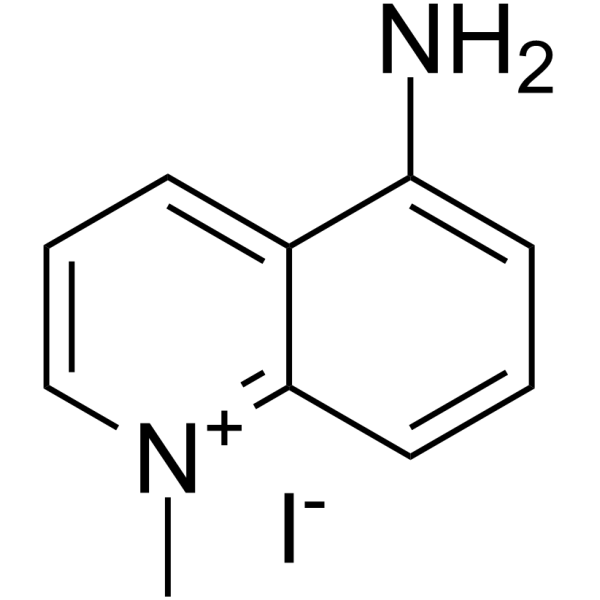
NNMTiFeatured
100 mg USD 350 · 250 mg USD 600 · 1g USD 1,200NNMTi is a potent nicotinamide N-methyltransferase (NNMT) inhibitor (IC50=1.2 μM) and selectively binds to the NNMT substrate-binding site residues[1]. NNMTi promotes myoblast differentiation in vitro and enhances fusion and regenerative capacity of muscle stem cells (muSCs) in aged mice[2].
LEE011 succinateFeatured
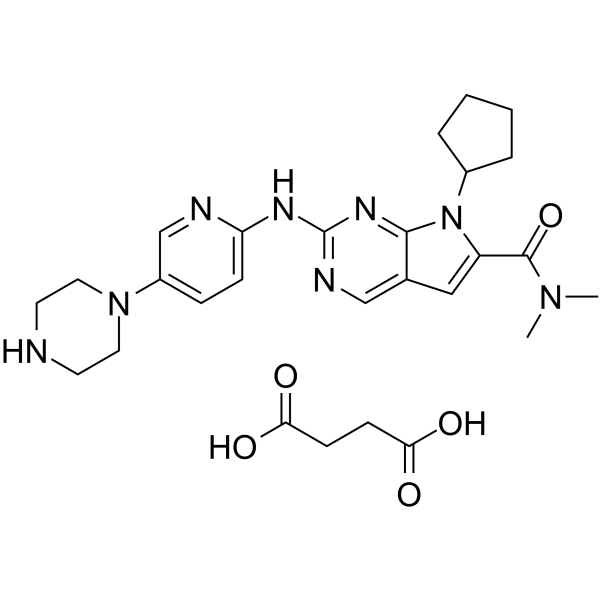
100 mg USD 200 · 250 mg USD 400 · 1 g USD 800Ribociclib succinate (LEE011 succinate) is a highly specific CDK4/6 inhibitor with IC50 values of 10 nM and 39 nM, respectively, and is over 1,000-fold less potent against the cyclin B/CDK1 complex.
Isoniazid(Tubizid)Featured
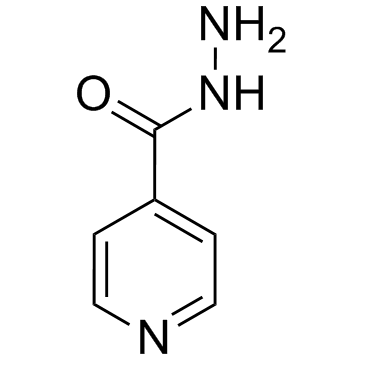
1 g USD 600Isoniazid is an antibacterial agent used primarily as a tuberculostatic.Target: AntibacterialIsoniazid is a prodrug and must be activated by a bacterial catalase-peroxidase enzyme that in M. tuberculosis is called KatG [1]. KatG couples the isonicotinic acyl with NADH to form isonicotinic acyl-NADH complex. This complex binds tightly to the enoyl-acyl carrier protein reductase known as InhA, thereby blocking the natural enoyl-AcpM substrate and the action of fatty acid synthase. This process inhibits the synthesis of mycolic acid, required for the mycobacterial cell wall. A range of radicals are produced by KatG activation of isoniazid, including nitric oxide, which has also been shown to be important in the action of another antimycobacterial prodrug PA-824 [2, 3]. Isoniazid is bactericidal to rapidly dividing mycobacteria, but is bacteriostatic if the mycobacteria are slow-growing [4].
Sotorasib racemateFeatured
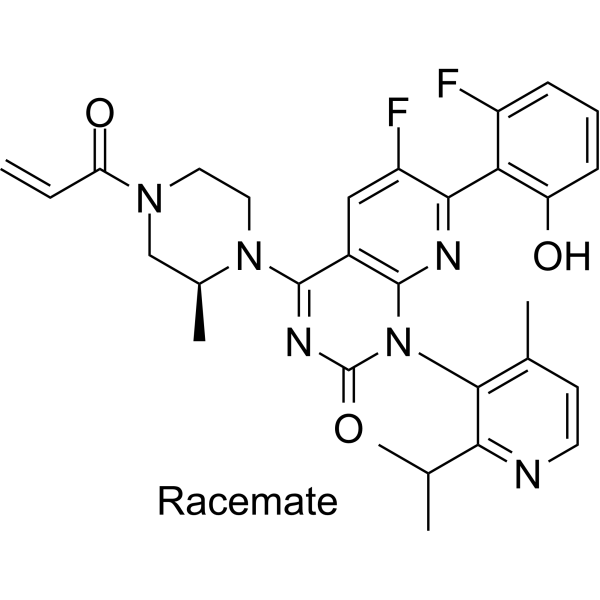
Pack sizes and prices on requestSotorasib racemate (Compound A) is an orally active racemate of Sotorasib, a covalent inhibitor of KRAS G12C mutant which induces adaptive feedback activation of MAPK pathway. Sotorasib racemate also exerts inhibitor activity against KRAS G12C induced cancer and can be applied to cancer research.
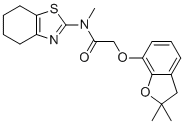
10 mg USD 450
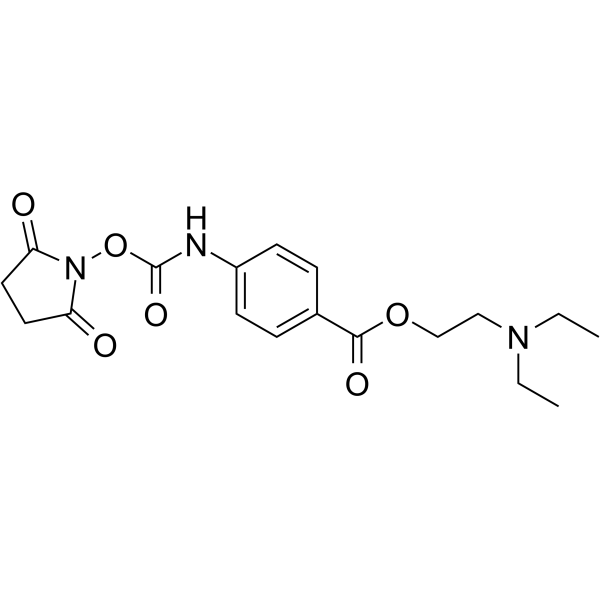
NHS-NH-(diethylamino)ethyl benzoate is a compound that can be used for N-glycan labeling.
ZHAWOC21026Featured
5mg USD 500ZHAWOC21026 is a highly potent, host-specific small-molecule inhibitor of paramyxovirus (Canine distemper virus, CDV IC50=3.2 nM) and pneumovirus (RSV, IC50=31 nM) replication.
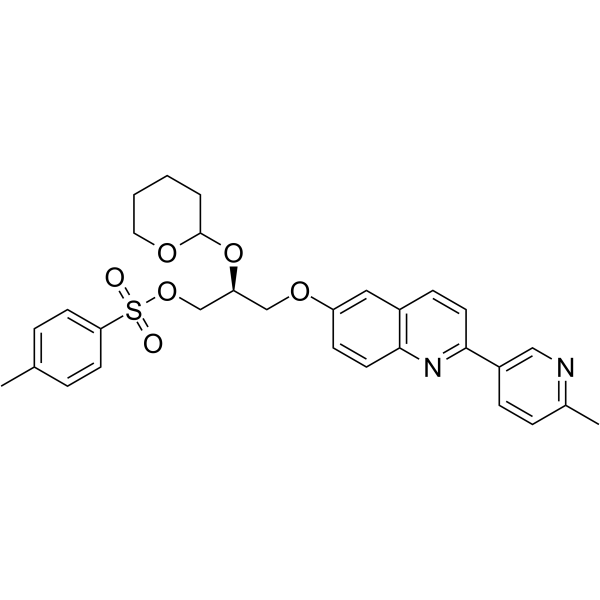
THK-5475(THK 5475)Featured
5mg USD 400THK-5475(THK5475) is a precursor of THK-5470, a monoamine oxidase-B(MAO-B) imaging probe, could be used for neurological diseases study (from patent EP2019-846498).
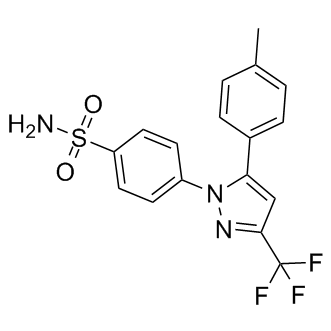
CelecoxibFeatured
1 g USD 100 · 10 mM * 1 mL in DMSO USD 150Celecoxib is a selective COX-2 inhibitor with an IC50 of 40 nM.
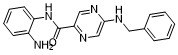
HDAC3 inhibitor PT3Featured
5mg USD 450HDAC3 inhibitor PT3 is a novel potent, selective, BBB-permeable HDAC3 inhibitor.PT3 exhibited higher selectivity for HDAC3 over HDAC1, HDAC6, and HDAC8 compared to the reference compound CI994.PT3 upregulated H3K9 acetylation, CREB 1, BDNF, TRKB, Nr4a2, c-fos, PKA, GAP 43 and MMP9 expression in mouse neuronal (N2A) cells.PT3 significantly improved the discrimination index in C57/BL6 mice in the novel object recognition (NOR) model, significant increased in H3K9 acetylation in hippocampus.PT3 upregulated CREB 1, BDNF, TRKB, Nr4a2, c-fos, PKA, GAP 43, PSD 95 and MMP9 expression in mice treated with PT3.
NACE2iFeatured
10mg USD 350NACE2i is a cell permeable, specific and selective peptide inhibitor of nuclear ACE2, inhibits binding between IMP1α and ACE2 and SARS-CoV-2 viral replication. NACE2i specifically targets nuclear ACE2 and not other nuclear proteins targeted by the importin pathway. NACE2i has no impact on ACE2 enzymatic activity. NACE2i prevents inflammation and macrophage infiltration, and increases NK cell infiltration in bronchioles. NACE2i treatment increases the levels of the active histone mark, H3K27ac, restores host translation in infected hamster bronchiolar cells, and leads to an enrichment in methylated ACE2 in hamster bronchioles and lung macrophages. NACE2i has a dual mode of action: suppressing the lethal inflammation in severe COVID-19 and inhibiting viral replication by restoring host translation of anti-viral cytokines.
Structure information available on request
Diprotin AFeatured
100 mg USD 250 · 250 mg USD 500 · 1 g USD 1,000Diprotin A is a tripeptide inhibitor of dipeptidyl peptidase 4 (DPP-4; IC50 = 1.1 μg/ml).It inhibits degradation of glucagon-like peptide 1 in culture with insulin-secreting BRIN-BD11 rat pancreatic β-cells when used at a concentration of 25 μM.Diprotin A (5 mg/ml) pre-incubation enhances chemotaxis of murine embryonic stem cells towards stromal cell-derived factor-1 (SDF-1/CXCL12) in vitro.Pre-incubation of CD34+ human umbilical cord blood cells with diprotin A (5 mM) prior to injection increases engraftment in NOD/SCID recipient mice.
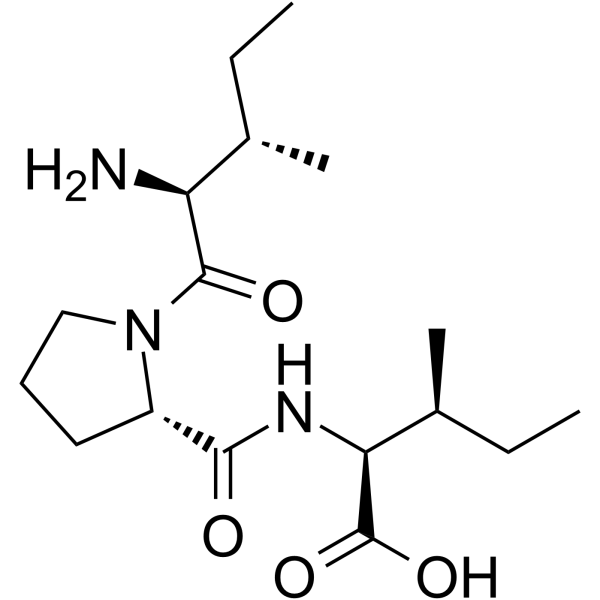
GSK3011724AFeatured
10mg USD 450GSK 3011724A (DG-167, GSK-3011724A) is a potent, specific inhibitor of β-ketoacyl-ACP synthase (KasA, Kd=9 nM), shows anti-tubercular activity (MIC H37Rv=0.8 uM); shows much weaker apparent dissociation constant for both Pks10 and Pks (Kd=1.4 uM); inhibits mycolic acid biosynthesis and shows negligible activity against a panel of unrelated proteins and 18 Gram-positive and Gram-negative bacterial species.
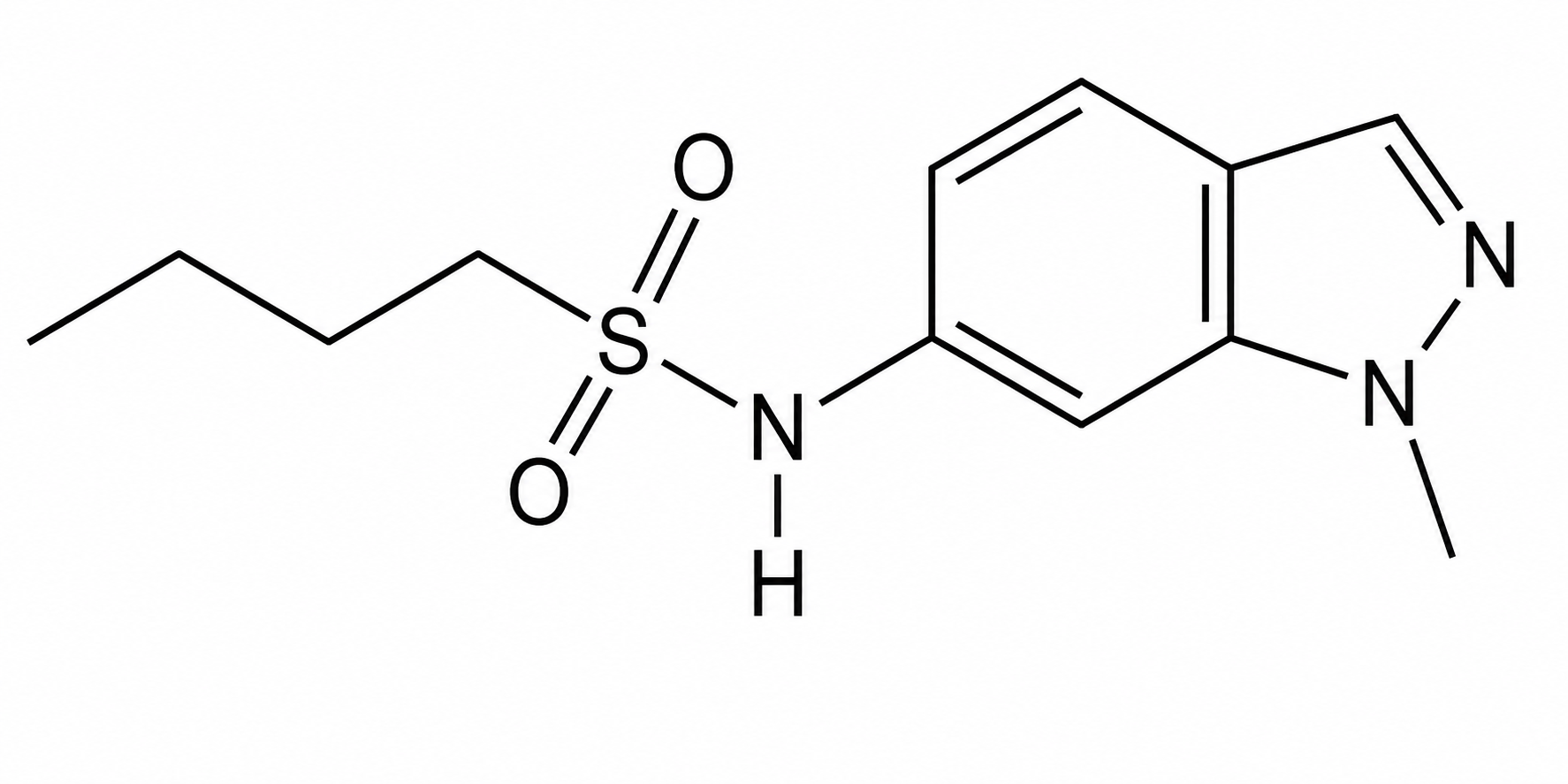
SL-25.1188Featured
5mg USD 450SL-25.1188 is a reversible MAO-B inhibitor with high brain uptake and slow plasma metabolism, making it a promising candidate for treating Alzheimer's dementia and aiding in smoking cessation. Its ability to modulate neurotransmitter levels in the brain positions it as a valuable therapeutic tool for addressing these challenging conditions.
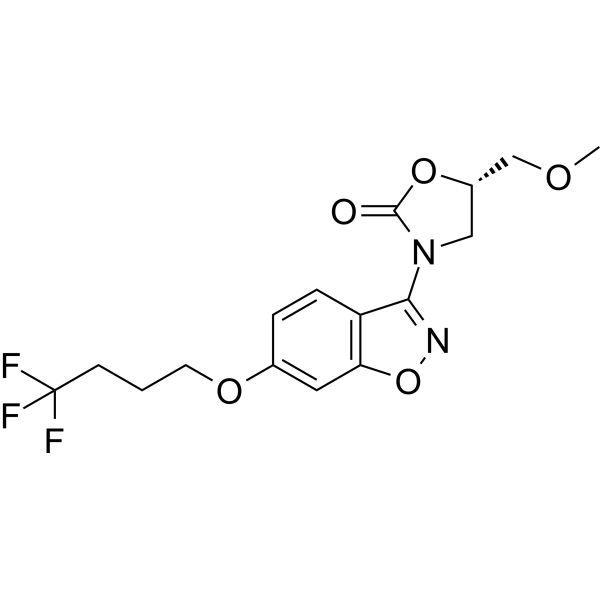
SW203668Featured
5 mg USD 350SW203668 is a potent, tumor-specific inhibitor of stearoyl CoA desaturase (SCD) with better bioavailability than SW208108.
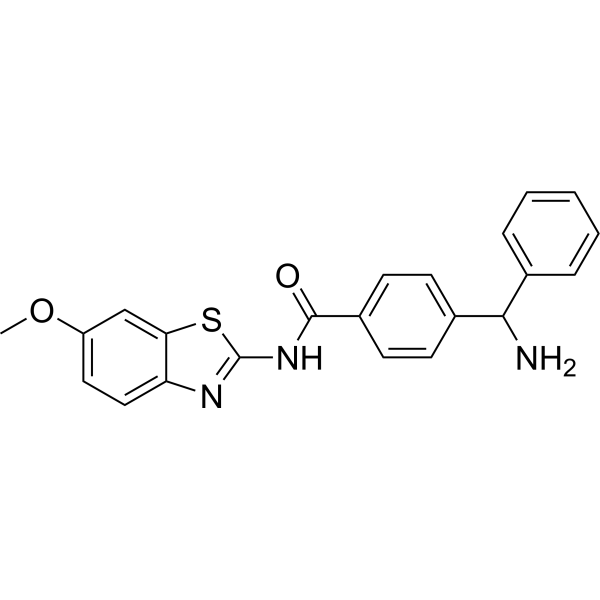
AS105Featured
5mg USD 450AS105 (AS-105) is a highly potent, ATP-competitive CaMKII inhibitor, inhibits CaMKIIδ with IC50 of 8 nM, Ki of 3 nM. AS105 is also effective against autophosphorylated CaMKII (in contrast to the commonly used allosteric CaMKII-inhibitor KN-93). In isolated atrial cardiomyocytes from human donors and ventricular myocytes from CaMKIIδC-overexpressing mice with heart failure, AS105 effectively reduced diastolic SR Ca2+ leak by 38% to 65% as measured by Ca2+-sparks or tetracaine-sensitive shift in Ca2+i. AS105 effectively reduced SR Ca2+-leak, thus improving SR Ca2+-accumulation and reducing cellular arrhythmogenic correlates, without negatively influencing excitation-contraction coupling.
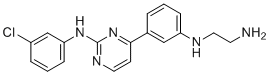
ALS-IFeatured
5 mg USD 400ALS-I, an acid-Liable surfactant, is adopted for in-solution enzymatic digestions, can help to solubilize hydrophobic proteins. ALS-I is significantly enhanced peptide recovery for mass spectrometry (MS) mapping in the study of the proteomes of regenerating rat retina and mouse brain.

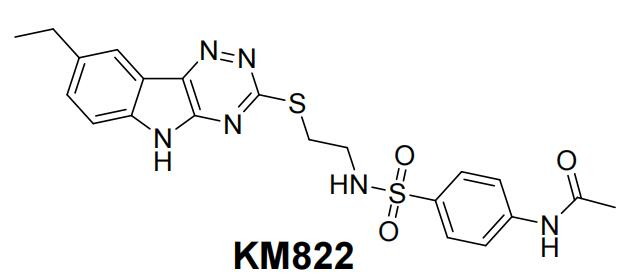
KM822Featured
5mg USD 500KM822 is avselective, noncompetitive modulator of human dopamine transporter (DAT) with IC50 3.7 μM, which shows 30 and 50 folds higher than for human norepinephrine transporter (hNET) and human serotonin transporter (SERT), respectively.
No products match this search.
Page 128 of 184 · Browse all 3666 products