
Research lipid catalog
Ionizable Lipid Products
Explore 848 lipid and RNA delivery products. Search the full catalog or browse by research category.
Search covers product name, catalog number, synonyms, available CAS numbers and categories. Spaces, hyphens and common punctuation are ignored. Duplicate legacy records are consolidated under one canonical product result.
3666 products · Showing 1921–1940 · 20 per page
DC Chemicals lipid expertise
Built for ionizable-lipid discovery and RNA delivery research
DC Chemicals supports formulation and delivery research with a broad, searchable portfolio of cationic and ionizable lipids. The current directory brings together 848 unique research-use products, with product specifications, pricing, chemical structures and literature-linked formulation data added as each record is verified.
Our experience spans complex lipid synthesis, purification, analytical release and process development. For custom molecules or larger-scale requirements, our team can discuss route development, technical specifications and scale-up options for the intended research workflow.
Learn about cationic and ionizable lipids →Proprietary innovation · Co-development · GMP
From proprietary lipid design to GMP-grade custom synthesis
DC Chemicals has independently developed ionizable-lipid structures supported by company-owned intellectual property, and selected proprietary lipid programs have advanced to GMP-stage development.
We welcome joint development with customers—from molecular design and lipid synthesis through route and process development. We can also support custom synthesis of GMP-grade ionizable lipids to agreed technical specifications and quality requirements.
Discuss a co-development project →Proprietary ionizable-lipid structuresCollaborative molecular designCustom lipid synthesisProcess development and scale-upGMP-grade project support
Product quick links
Explore ionizable lipids
Browse specifications, pricing and literature-linked product information.
Cat. No.Product NameField of ApplicationChemical Structure
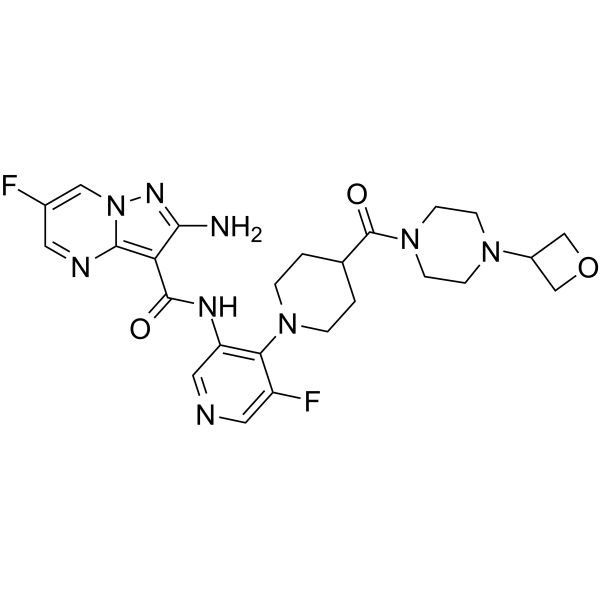
GartisertibFeatured
100 mg USD 700 · 250 mg USD 1,200 · 1 g USD 2,500Gartisertib (VX-803) is an ATP-competitive, orally active, and selective ATR inhibitor, with a Ki of <150 pM. Gartisertib potently inhibits ATR-driven phosphorylated checkpoint kinase-1 (Chk1) phosphorylation with an IC50 of 8 nM. Antitumor activity.
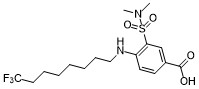
ARN23746(IAMA-6)Featured
5mg USD 350ARN 23746 (ARN-23746) is a potent, selective inhibitor of Na+-K+-Cl- importer NKCC1, shows NKCC1 inhibition 31.8% at 10 uM, and 95.2% at 100 uM in the Cl− influx assay on NKCC1-transfected HEK293 cells.ARN23746 did not show significant NKCC2 inhibition and KCC2 inhibition at 10 uM.ARN23746 selectively blocks NKCC1 in a human cell line and restore the physiological [Cl−]i in murine DS neurons in culture, has excellent solubility and metabolic stability, and displays no issues with off-target activity in vitro.ARN23746 demonstrated in vivo efficacy in rescuing cognitive impairment in a DS mouse model and social deficits and repetitive behaviors in an autism mouse model.
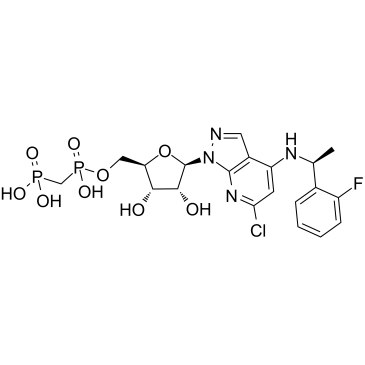
CD73 inhibitor AB-680Featured
100 mg USD 950 · 250 mg USD 1,800 · 1 g USD 3,900 · 10 mM * 1 mL in DMSO USD 220AB-680 is highly potent, reversible and selective small molecule inhibitor of CD73 (an ecto-nucleotidase), with a Ki of 4.9 pM for hCD73, displays >10,000-fold selectivity over related ecto-nucleotidases CD39. Anti-tumor activity[1].
Pack sizes and prices on request
2-(Aminooxy)ethanamine (dihydrochloride) is a PROTAC linker that can be used in the synthesis of PROTACs.

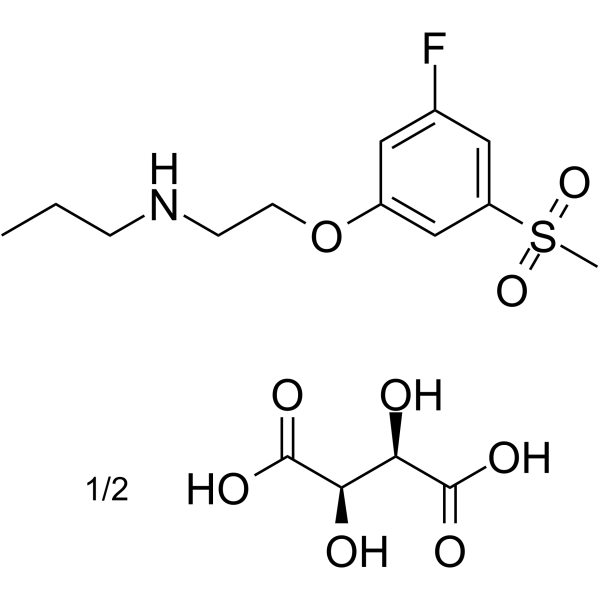
Mesdopetam hemitartrateFeatured
100 mg USD 750 · 250 mg USD 1,350 · 1 g USD 2,700Mesdopetam (IRL790) hemitartrate is a dopamine D3 receptor antagonist (Ki=90 nM; IC50=9.8 μM for human recombinant D3 receptor) with psychomotor stabilizing properties. Mesdopetam hemitartrate is used for the research of motor and psychiatric complications in Parkinson disease[1][2].
C188-9Featured
100 mg USD 500 · 250 mg USD 900 · 1 g USD 1,700 · 10 mM * 1 mL in DMSO USD 220C188-9 is a Stat3 inhibitor, with a Kd of 4.7 nM.
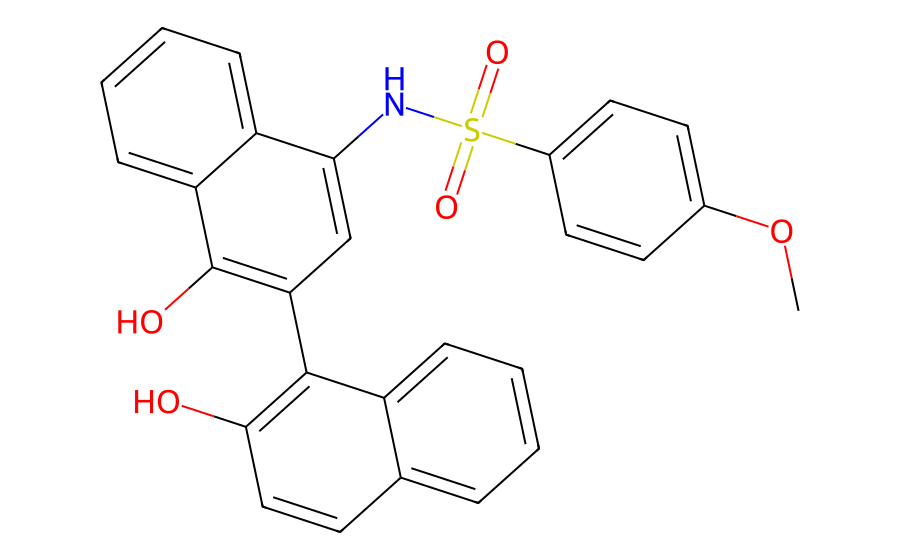
IMTPPEFeatured
5 mg USD 400IMTPPE (SID 3712502) is a novel small molecule capable of inhibiting androgen receptor (AR) transcriptional activity (IC50=1 uM) and protein level in C4-2 prostate cancer cells; IMTPPE inhibited proliferation of AR-positive, but not AR-negative, prostate cancer cells in culture. IMTPPE inhibited the transcriptional activity of a mutant AR lacking the ligand-binding domain (LBD); IMTPPE inhibited the growth of 22Rv1 xenograft tumor, a model for enzalutamide-resistant prostate cancer.
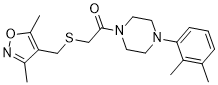
AR 231453Featured
100 mg USD 550 · 250 mg USD 1,100 · 1 g USD 2,200AR231453 is a potent and selective small molecule agonist of GPR119 that enhances glucose-dependent insulin secretion and glucagon-like peptide 1 (GLP-1) release; Antidiabetic agent.
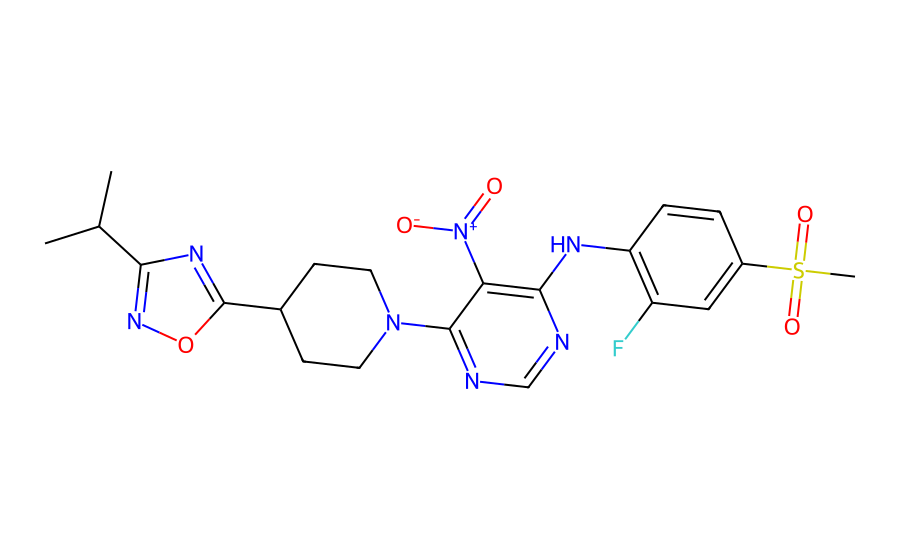
Senexin BFeatured
100 mg USD 600 · 250 mg USD 1,200 · 1 g USD 2,400Senexin B is a potent, highly water-soluble and bioavailable CDK8/19 inhibitor, with Kds of 140 nM for CDK8 and 80 nM for CDK19.

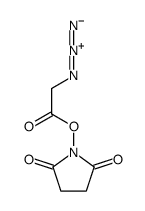
Azidoacetic acid NHS esterFeatured
100 mg USD 250 · 1g USD 1,000 · 250 mg USD 500Azidoacetic acid NHS ester is a compound containing an azide group and an NHS ester. The azide group can react with alkyne, BCN, DBCO via Click Chemistry to yield a stable triazole linkage. The NHS ester can be used to label the primary amines (-NH2) of proteins, amine-modified oligonucleotides, and other amine-containing molecules.
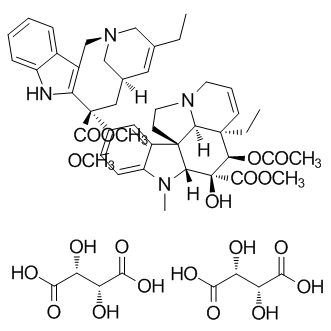
Vinorelbine DitartrateFeatured
100 mg USD 350 · 250 mg USD 650 · 1 g USD 1,350 · 10 mM * 1 mL in DMSO USD 150Vinorelbine (ditartrate) is an anti-mitotic agent which inhibits the proliferation of Hela cells with IC50 of 1.25 nM.
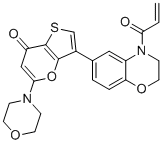
SRX3305Featured
5mg USD 500SRX 3305 is a potent, triple BTK/PI3K/BRD4 inhibitor with IC50 of 6.5 nM, 15 nM, and 4 nM toward BTK, PI3Kɑ and PI3Kδ respectively, inhibits BRD4 BD1 and BD2 with IC50 of 77 and 95 nM.SRX3305 showed enhanced binding to the drug-resistant C481S mutant of BTK compared to SRX-3262 (IC50=9 uM and 25 uM, respectively).SRX3305 displayed cytotoxicity aginst MCL cell lines JeKo-1, Mino, Granta with IC50 of 58 nM, 1 nM, 1.1 uM, respectively.SRX3305 inhibited cell vbiability of JeKo-1 BTK C481S and Mino BTK C481S mutant cell lines with IC50 of 1 uM and 47 nM, respectively, with minimally toxic to healthy donor PBMCs.SRX3305 showed improved efficacy in MCL and Ibrutinib-resistant MCL cells, SRX3305 impacted gene expression, perturbs the cell cycle and promotes apoptosis in MCL.
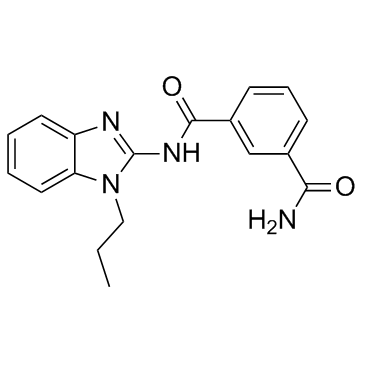
TakinibFeatured
100 mg USD 600 · 250 mg USD 1,100 · 1 g USD 2,200Takinib is a potent and selective TAK1 inhibitor with an IC50 of 9.5 nM.
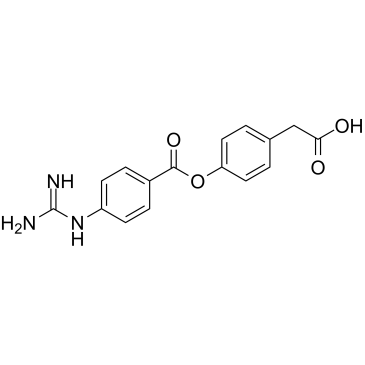
FOY-251Featured
100mg USD 700 · 250mg USD 1,200 · 1g USD 2,300FOY 251 free base is an anti-proteolytic active metabolite camostate (HY-13512), acts as a proteinase inhibitor[1].
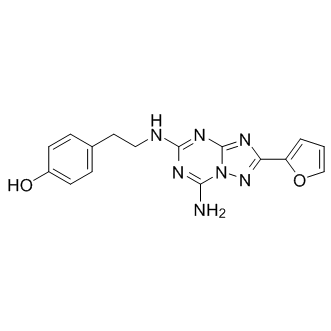
ZM241385Featured
100 mg USD 500 · 250 mg USD 900 · 1 g USD 1,700 · 10 mM * 1 mL in DMSO USD 220ZM 241385 is a selective and high affinity A2A adenosine receptor antagonist.
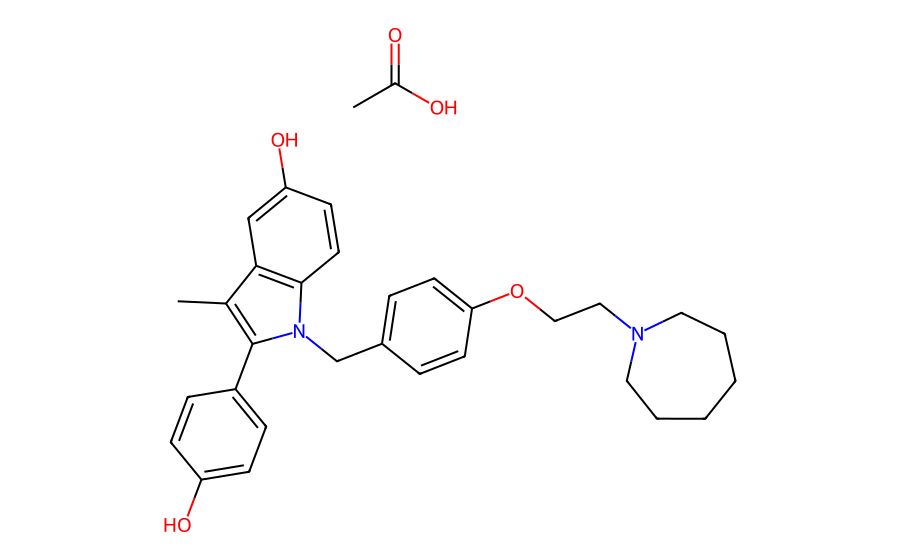
Bazedoxifene-AcetateFeatured
100 mg USD 450 · 250 mg USD 900 · 1 g USD 1,800Bazedoxifene acetate is a third generation selective estrogen receptor modulator (SERM) with IC50s of 26 and 99 nM for ERα and ERβ, respectively.
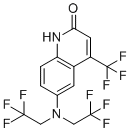
LGD2226Featured
100 mg USD 500 · 250 mg USD 800 · 1 g USD 1,600 · 10 mM * 1 mL in DMSO USD 220LGD-2226 is a selective and orally active androgen receptor modulator with an EC50 of 0.2 nM and a Ki of 1.5 nM for human androgen receptor. LGD-2226 shows tissue selectivity in animal models, with reduced effects on prostate compared to muscle. LGD-2226 can be used for muscle wasting, osteoporosis and sexual dysfunction[1][2].
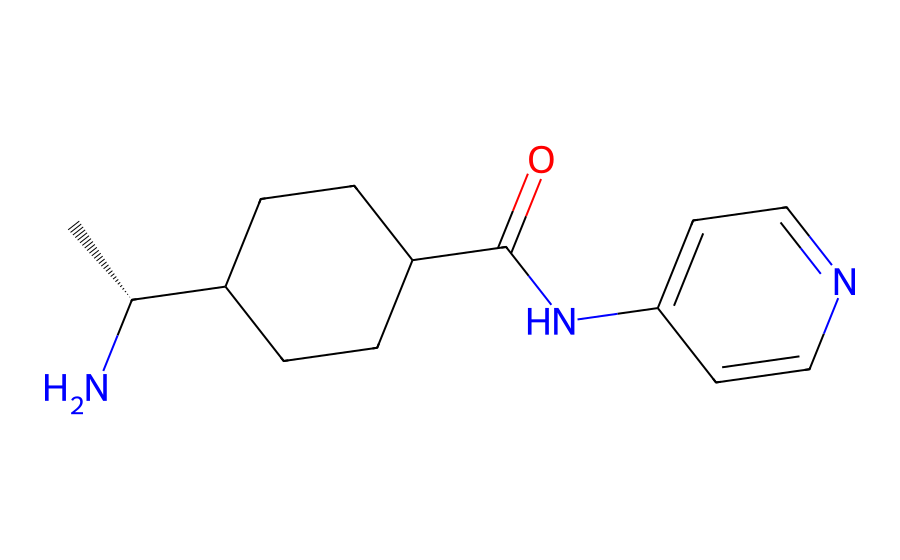
Y-27632Featured
100 mg USD 850 · 250 mg USD 1,550 · 1 g USD 2,450Y-27632 is an ATP-competitive inhibitor of ROCK-I and ROCK-II, with Ki of 220 nM and 300 nM for ROCK-I and ROCK-II, respectively.
Echinocystic acidFeatured
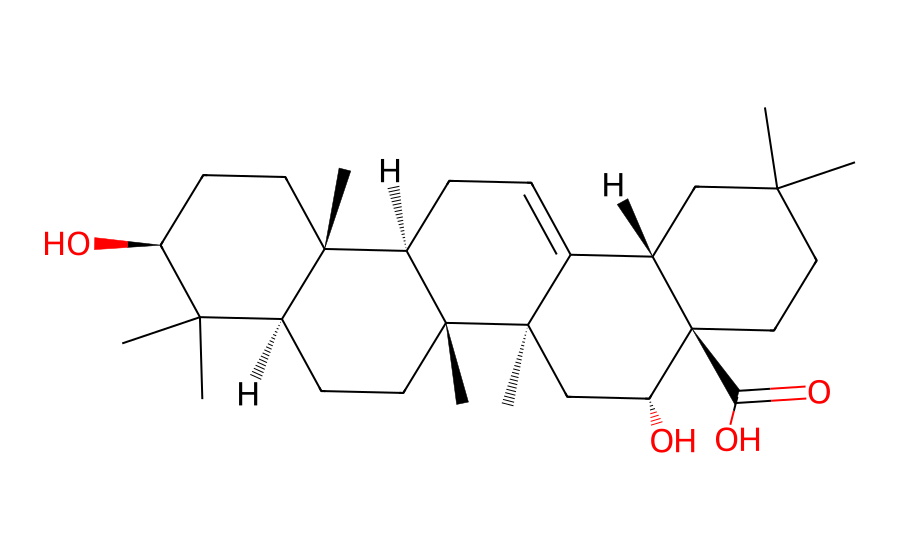
100 mg USD 350 · 250 mg USD 650 · 1 g USD 1,350Echinocystic acid a pentacyclic triterpene isolated from the fruits of Gleditsia sinensis Lam, has potent antioxidant, anti-inflammatory and anti-tumor properties. In vitro: Echinocystic acid (EA) inhibit the formation of osteoclast. EA inhibit RANKL-induced NF-κB activation and ERK phosphorylation in BMMs. [1] EA inhibit IL-1β-induced inflammation in chondrocytes. [2]In vivo: Echinocystic acid reduces reserpine-induced pain/depression dyad in mice. [3]
ZYS-1Featured
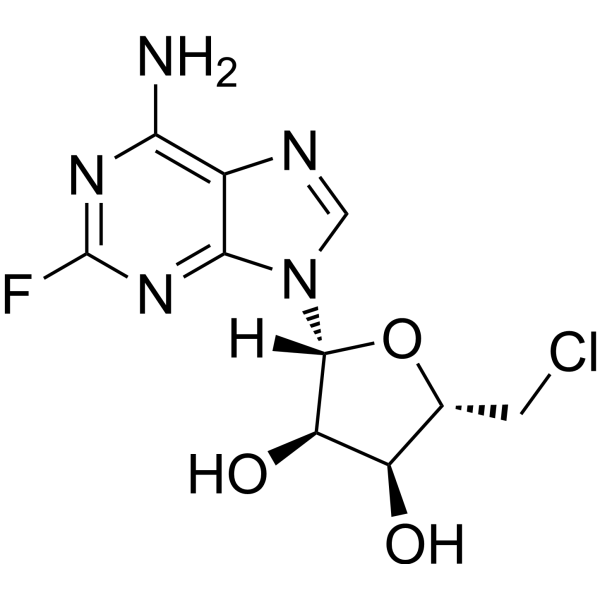
5 mg USD 350 · 25mg USD 800 · 50mg USD 1,100Fludarabine-Cl has inhibition effect on RNA adenosine deaminase 1(ADAR1), and can be used for preventing and/or treating cancer or tumor-related diseases[1].
No products match this search.
Page 97 of 184 · Browse all 3666 products