
Research lipid catalog
Ionizable Lipid Products
Explore 848 lipid and RNA delivery products. Search the full catalog or browse by research category.
Search covers product name, catalog number, synonyms, available CAS numbers and categories. Spaces, hyphens and common punctuation are ignored. Duplicate legacy records are consolidated under one canonical product result.
3666 products · Showing 941–960 · 20 per page
DC Chemicals lipid expertise
Built for ionizable-lipid discovery and RNA delivery research
DC Chemicals supports formulation and delivery research with a broad, searchable portfolio of cationic and ionizable lipids. The current directory brings together 848 unique research-use products, with product specifications, pricing, chemical structures and literature-linked formulation data added as each record is verified.
Our experience spans complex lipid synthesis, purification, analytical release and process development. For custom molecules or larger-scale requirements, our team can discuss route development, technical specifications and scale-up options for the intended research workflow.
Learn about cationic and ionizable lipids →Proprietary innovation · Co-development · GMP
From proprietary lipid design to GMP-grade custom synthesis
DC Chemicals has independently developed ionizable-lipid structures supported by company-owned intellectual property, and selected proprietary lipid programs have advanced to GMP-stage development.
We welcome joint development with customers—from molecular design and lipid synthesis through route and process development. We can also support custom synthesis of GMP-grade ionizable lipids to agreed technical specifications and quality requirements.
Discuss a co-development project →Proprietary ionizable-lipid structuresCollaborative molecular designCustom lipid synthesisProcess development and scale-upGMP-grade project support
Product quick links
Explore ionizable lipids
Browse specifications, pricing and literature-linked product information.
Cat. No.Product NameField of ApplicationChemical Structure
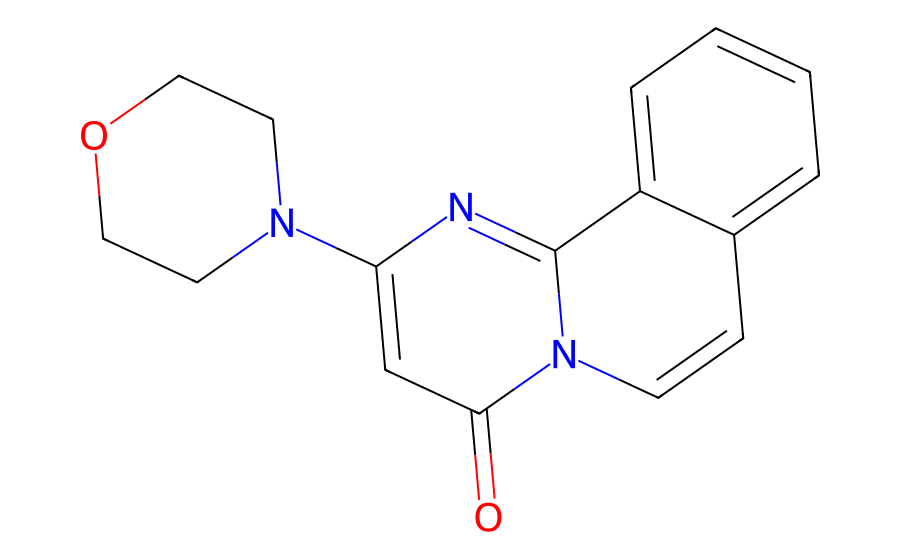
Compound 401Featured
100 mg USD 450 · 250 mg USD 800 · 1 g USD 1,600 · 10 mM * 1 mL in DMSO USD 220Compound 401 is a synthetic inhibitor of DNA-PK (IC50 = 0.28 μM) that also targets mTOR but not PI3K in vitro.
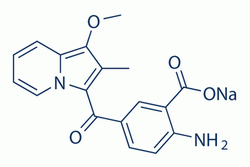
SSR128129EFeatured
100 mg USD 400 · 250 mg USD 800 · 1 g USD 1,600 · 10 mM * 1 mL in DMSO USD 150SSR128129E is an orally available and allosteric FGFR inhibitor with an IC50 of 1.9 μM for FGFR1.
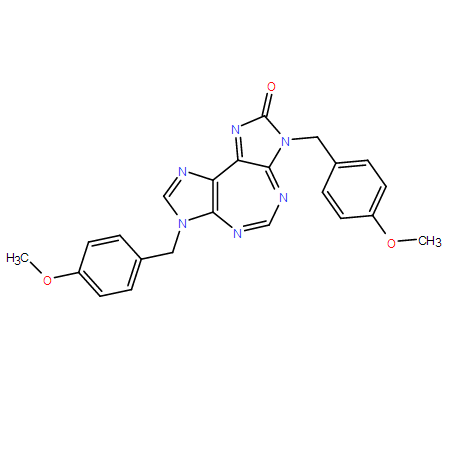
RK-33Featured
100 mg USD 400 · 250 mg USD 700 · 1 g USD 1,300 · 10 mM * 1 mL in DMSO USD 150RK-33 is an RNA helicase inhibitor against DDX3, and inhibits its helicase activity.
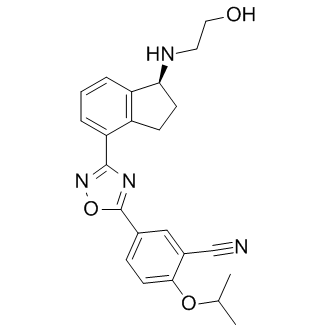
Ozanimod (RPC1063)Featured
100 mg USD 500 · 250 mg USD 950 · 1 g USD 1,900 · 10 mM * 1 mL in DMSO USD 220Ozanimod is a potent and selective S1P1 and S1P5 receptor agonist with EC50s of 410±160 pM and 11±4.3 nM in [35S]-GTPγS binding, respectively.
APS-2-79Featured
100 mg USD 400 · 250 mg USD 700 · 1 g USD 1,300 · 10 mM * 1 mL in DMSO USD 150APS-2-79 behaves as a kinase suppressor of Ras (KSR)-dependent antagonist of RAF-mediated MEK phosphorylation. APS-2-79 binds directly to KSR2 within the KSR2-MEK1 complex with an IC 50 of 120±23 nM for KSR2.
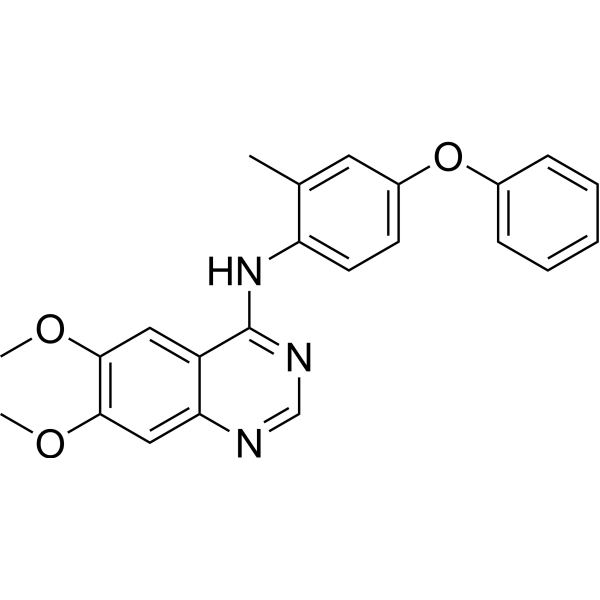
T-5601640(T56-LIMKi)Featured
100 mg USD 450 · 250 mg USD 800 · 1 g USD 1,600 · 10 mM * 1 mL in DMSO USD 220T56-LIMKi is a selective inhibitor of LIMK2; inhibits the growth of Panc-1 cells with an IC50 of 35.2 μM.
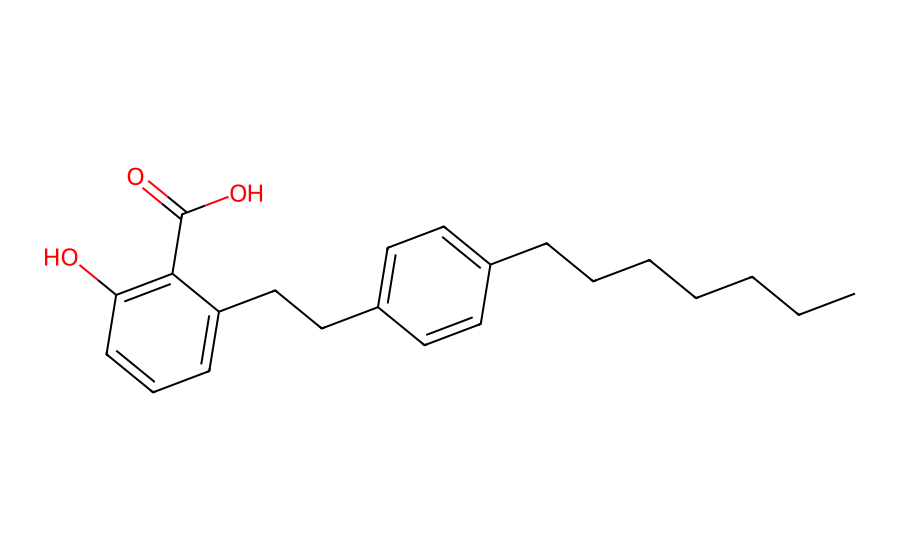
MG149Featured
100 mg USD 400 · 250 mg USD 750 · 1 g USD 1,500 · 10 mM * 1 mL in DMSO USD 150MG149 is a selective and potent Tip60 inhibitor with IC50 of 74 uM, similar potentcy for MOF(IC50= 47 uM); little potent for PCAF and p300(IC50 >200 uM).IC50 value: 74/47 uM (Tip60/MOF) [1]Target: Tip60/MOFMG 149, at 200 μM, inhibited about 90% of Tip60 activity but had no inhibitory impact on p300 and PCAF. MG 149 was essentiallycompetitive with Ac-CoA and noncompetitive with the histone substrate. HAT inhibition studies with MG 149 demonstrated that both compounds inhibited the HAT activity of the nuclear extractsof different regions significantly (p < 0.05).
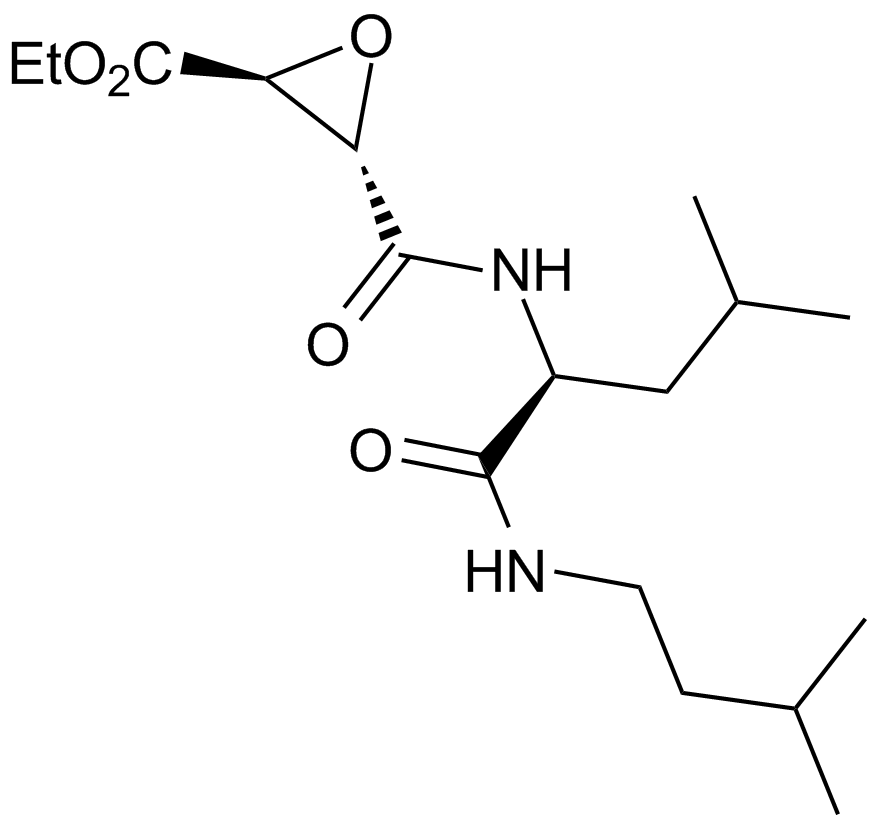
E-64d(Aloxistatin)Featured
100 mg USD 450 · 250 mg USD 850 · 1 g USD 1,700 · 10 mM * 1 mL in DMSO USD 220Aloxistatin (E64d) is a cell-permeable and irreversible broad-spectrum cysteine protease inhibitor.
NVP-BGT226 (BGT226)Featured
100 mg USD 450 · 250 mg USD 900 · 1 g USD 1,800 · 10 mM * 1 mL in DMSO USD 220NVP-BGT226 is a potent pan-class I PI3K and mTOR catalytic inhibitor with IC50s of 4 nM, 63 nM and 38 nM for PI3Kα, PI3Kβ and PI3Kγ.
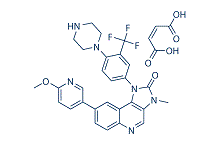
Eltrombopag (SB-497115-GR)Featured
100 mg USD 250 · 250 mg USD 500 · 1 g USD 1,000 · 10 mM * 1 mL in DMSO USD 150Eltrombopag is a thrombopoietin (TPO) receptor agonist developed for certain conditions that lead to thrombocytopenia.
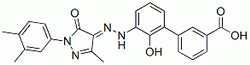
MPI-0479605Featured
100 mg USD 550 · 250 mg USD 1,000 · 1 g USD 1,900 · 10 mM * 1 mL in DMSO USD 220MPI-0479605 is a potent and selective ATP-competitive inhibitor of Mps1, with an IC50 of 1.8 nM.
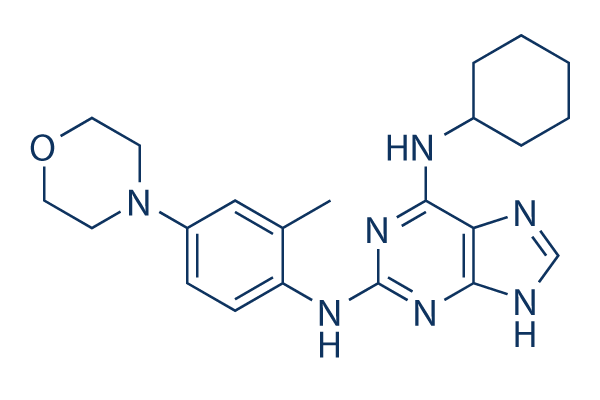
iCRT 14Featured
100 mg USD 600 · 250 mg USD 1,200 · 1 g USD 2,400 · 10 mM * 1 mL in DMSO USD 220iCRT 14 is a novel potent inhibitor of β-catenin-responsive transcription (CRT), with IC50 of 40.3 nM against Wnt responsive STF16 luciferase.
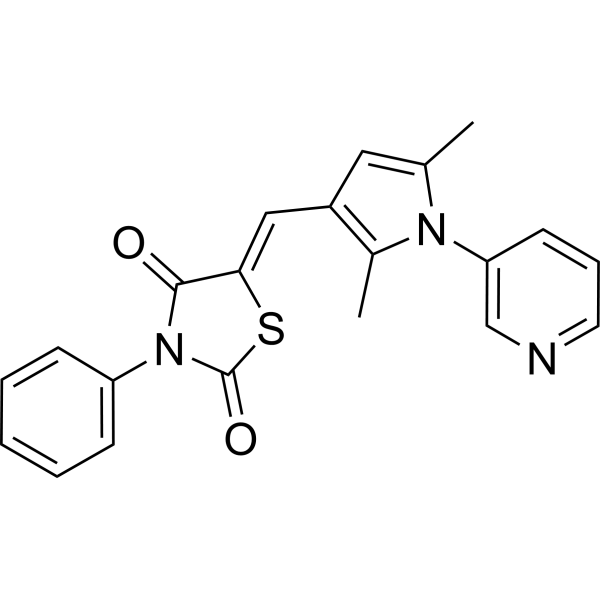
CH-223191Featured
100 mg USD 448 · 250 mg USD 880 · 1 g USD 1,600 · 10 mM * 1 mL in DMSO USD 220CH-223191 is a potent and specific antagonist of aryl hydrocarbon receptor (AhR). CH-223191 blocks the binding of TCDD to AhR with an IC50 of 0.03 µM.
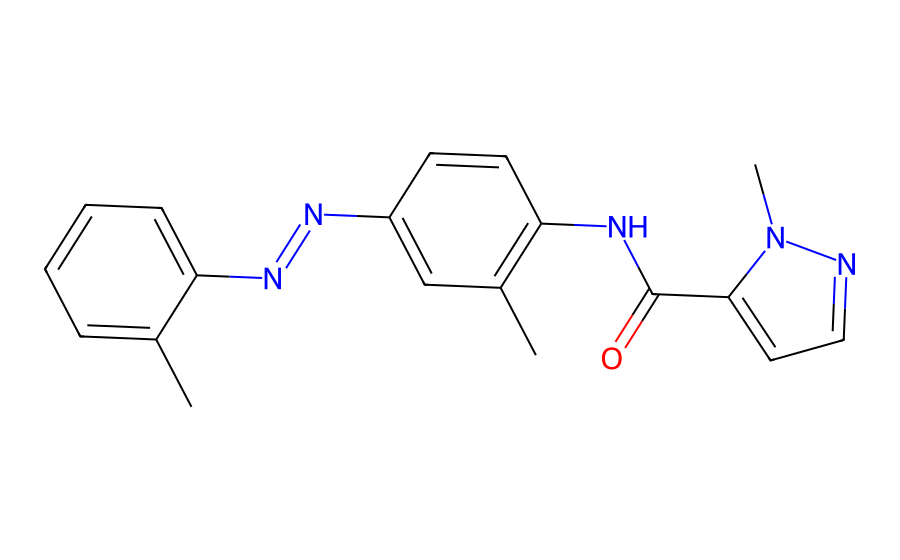
Perampanel(E2007)Featured
100 mg USD 550 · 250 mg USD 900 · 1 g USD 1,950Perampanel(E2007; ER 155055-90) is a selective noncompetitive AMPA-type glutamate receptor antagonist which has demonstrated anticonvulsant activity in experimental seizure models and antiepileptic activity in clinical trials.
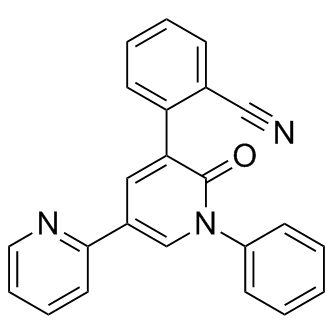
VS-5584Featured
100 mg USD 400 · 250 mg USD 800 · 1 g USD 1,600 · 10 mM * 1 mL in DMSO USD 150VS-5584 is a pan-PI3K/mTOR kinase inhibitor with IC50s of 16 nM, 68 nM, 42 nM, 25 nM, and 37 nM for PI3Kα, PI3Kβ, PI3Kδ, PI3Kγ and mTOR, respectively. VS-5584 simultaneously blocks mTORC2 as well as mTORC1.
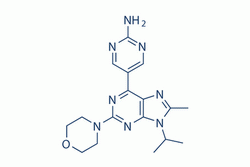
BVT 2733(BVT.2733)Featured
100 mg USD 600 · 250 mg USD 1,000 · 1 g USD 1,800 · 10 mM * 1 mL in DMSO USD 220BVT 2733 is a new, small molecule, non-steroidal, isoform-selective inhibitor of 11beta-hydroxysteroid dehydrogenase type 1 (11β-HSD1).
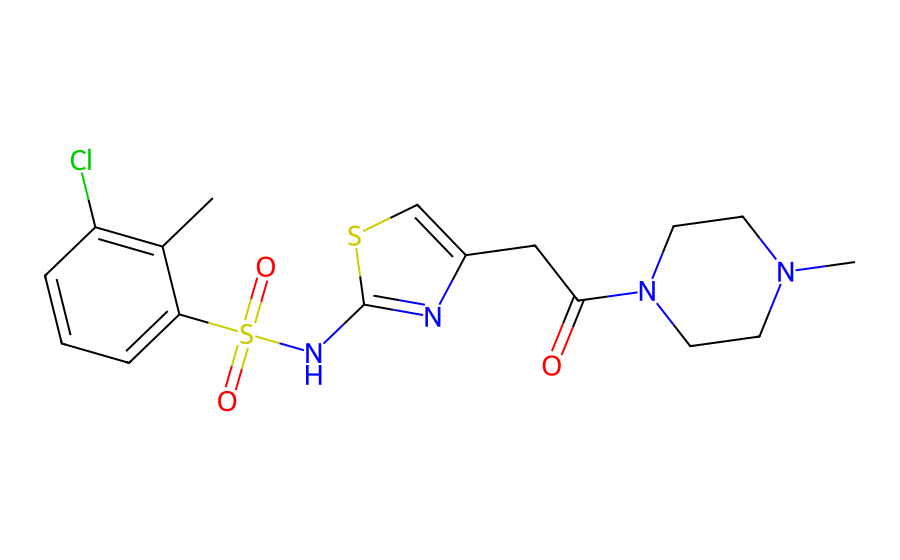
KX1-004Featured
100 mg USD 400 · 250 mg USD 800 · 1 g USD 1,500 · 10 mM * 1 mL in DMSO USD 150KX1-004 is a potent small molecule inhibitor of Src-PTK as a potential protective drug for NIHL.IC50 value:Target: Src-PTK inhibitorKX1-004, KX1-005 and KX1-174 as potential protective drugs for NIHL. Chinchillas were used as subjects. A 30 microl drop of one of the Src inhibitors was placed on the round window membrane of the anesthetized chinchilla; the vehicle (DMSO and buffered saline) alone was placed on the other ear. After the drug application, the middle ear was sutured and the subjects were exposed to noise. Hearing was measured before and several times after the noise exposure and treatment using evoked responses. At 20 days post-exposure, the animals were anesthetized their cochleae extracted and cochleograms were constructed. All three Src inhibitors provided protection from a 4 h, 4 kHz octave band noise at 106 dB. The most effective drug, KX1-004 was further evaluated by repeating the exposure with different doses, as well as, substituting an impulse noise exposure [1]. LNAC was delivered intraperitoneally at a dose of 325 mg/kg while KX1-004 was administered subcutaneously at a dose of 50 mg/kg. The noise exposure consisted of a 4 kHz octave band of noise at 100 dB SPL for 6 hours/day for 4 days. The drugs were administered once each day, 30 minutes prior to the onset of the noise exposure. The animals' hearing was estimated using the evoked response records from surgically-implanted chronic electrodes in the inferior colliculi. Animals treated with LNAC and KX1-004 had from 10 to 20 dB less temporary threshold shift at day 1 and an average 10 dB less permanent threshold shift by day 21 when compared to control saline treated animals [2].
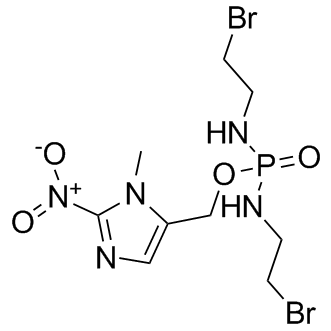
Evofosfamide(TH-302)Featured
100 mg USD 550 · 250 mg USD 1,000 · 1 g USD 1,900 · 10 mM * 1 mL in DMSO USD 220Evofosfamide (TH-302) is a hypoxia-activated prodrug with IC50 of 10 μM and 1000 μM in hypoxia (N2) and normoxia (21% O2), respectively.
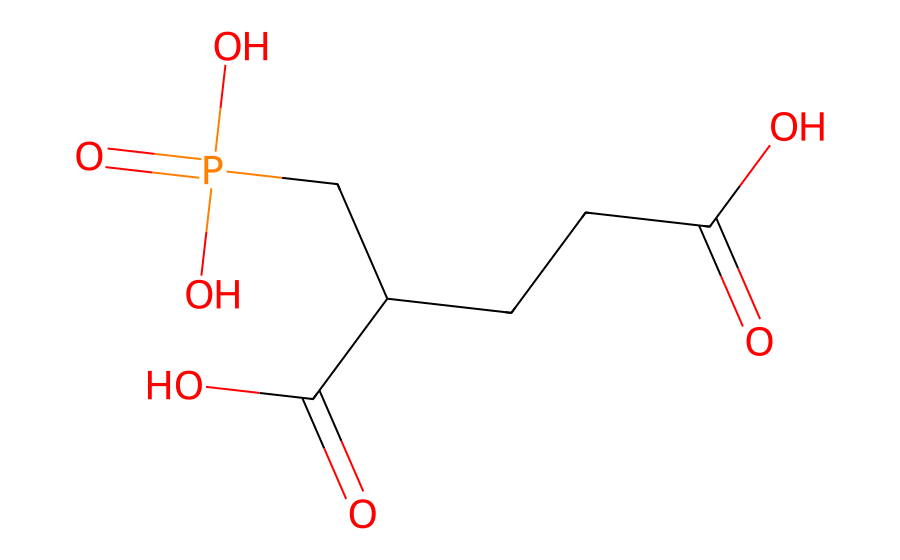
2-PMPA(NAALADaseinhibitor)Featured
100 mg USD 550 · 250 mg USD 900 · 1 g USD 1,800 · 10 mM * 1 mL in DMSO USD 2202-PMPA is a potent and selective inhibitor of glutamate carboxypeptidase II (GCPII) with an IC50 of 300 pM.
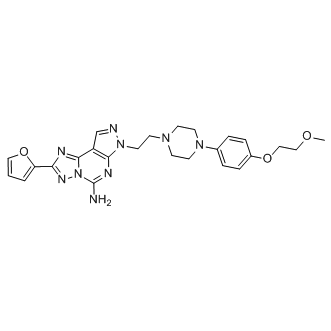
Preladenant(SCH420814)Featured
100 mg USD 450 · 250 mg USD 800 · 1 g USD 1,600 · 10 mM * 1 mL in DMSO USD 220Preladenant is a potent and competitive antagonist of the human adenosine A2A receptor with a Ki of 1.1 nM and has over 1000-fold selectivity over other adenosine receptors.
No products match this search.
Page 48 of 184 · Browse all 3666 products