
Research lipid catalog
Ionizable Lipid Products
Explore 848 lipid and RNA delivery products. Search the full catalog or browse by research category.
Search covers product name, catalog number, synonyms, available CAS numbers and categories. Spaces, hyphens and common punctuation are ignored. Duplicate legacy records are consolidated under one canonical product result.
3666 products · Showing 901–920 · 20 per page
DC Chemicals lipid expertise
Built for ionizable-lipid discovery and RNA delivery research
DC Chemicals supports formulation and delivery research with a broad, searchable portfolio of cationic and ionizable lipids. The current directory brings together 848 unique research-use products, with product specifications, pricing, chemical structures and literature-linked formulation data added as each record is verified.
Our experience spans complex lipid synthesis, purification, analytical release and process development. For custom molecules or larger-scale requirements, our team can discuss route development, technical specifications and scale-up options for the intended research workflow.
Learn about cationic and ionizable lipids →Proprietary innovation · Co-development · GMP
From proprietary lipid design to GMP-grade custom synthesis
DC Chemicals has independently developed ionizable-lipid structures supported by company-owned intellectual property, and selected proprietary lipid programs have advanced to GMP-stage development.
We welcome joint development with customers—from molecular design and lipid synthesis through route and process development. We can also support custom synthesis of GMP-grade ionizable lipids to agreed technical specifications and quality requirements.
Discuss a co-development project →Proprietary ionizable-lipid structuresCollaborative molecular designCustom lipid synthesisProcess development and scale-upGMP-grade project support
Product quick links
Explore ionizable lipids
Browse specifications, pricing and literature-linked product information.
Cat. No.Product NameField of ApplicationChemical Structure
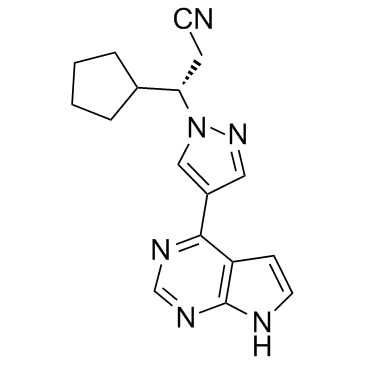
S-Ruxolitinib (INCB018424)Featured
100 mg USD 550 · 250 mg USD 950 · 1 g USD 1,900 · 10 mM * 1 mL in DMSO USD 220INCB018424 potently and selectively inhibits JAK2V617F-mediated signaling and proliferation in Ba/F3 cells and HEL cells. INCB018424 markedly increases apoptosis in a dose dependent manner in Ba/F3 cells. INCB018424 (64 nM) results in a doubling of cells
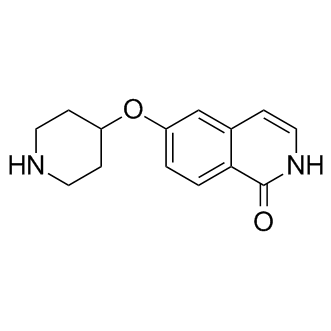
SAR407899Featured
100 mg USD 450 · 250 mg USD 800 · 1 g USD 1,600 · 10 mM * 1 mL in DMSO USD 220SAR407899 is a selective, potent and ATP-competitive ROCK inhibitor, with an IC50 of 135 nM for ROCK-2, and Kis of 36 nM and 41 nM for human and rat ROCK-2, respectively.
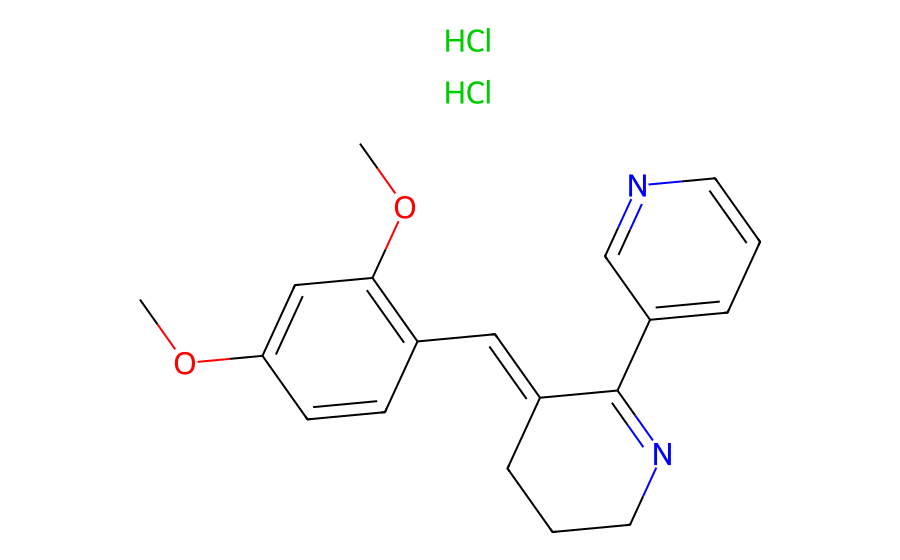
GTS 21 2HCl(DMXBA)Featured
100 mg USD 350 · 250 mg USD 650 · 1 g USD 1,200 · 10 mM * 1 mL in DMSO USD 150GTS-21 dihydrochloride is a selective α7 nicotinic acetylcholine receptor agonist, has recently been established as a promising treatment for inflammation. Target: nAChRin vitro: GTS-21 is one of the most potent α7nAChR agonists, has been reported to attenuate pro-inflammatory cytokine production, improve outcomes in sepsis models, pancreatitis, and ischemia-reperfusion injury, and inhibit the production of endotoxin-induced TNF in lung tissue. In addition, recent studies have demonstrated that GTS-21 inhibits the activities of endothelial cells and monocyte macrophages, as well as the secretion of pro-inflammatory cytokines in peripheral blood samples, by regulating the JAK2-STAT3 pathway. [1] in vivo: In septic animals, GTS-21 significantly ameliorated GI motility, lowered systemic and colonic levels of IL-6, decreased colonic permeability, and decreased the number of positive cultures obtained from blood and mesenteric lymph nodes. Splenectomy prevented animals from developing sepsis-induced ileus. Chrna7 mice displayed a more severe septic phenotype, whereas GTS-21 remarkably was also beneficial in these animals. [2]
CCG1423Featured
100 mg USD 350 · 250 mg USD 700 · 1 g USD 1,600 · 10 mM * 1 mL in DMSO USD 150CCG-1423 is a novel inhibitor of RhoA/C-mediated gene transcription that is capable of inhibiting invasion of PC-3 prostate cancer cells in a Matrigel model of metastasis.
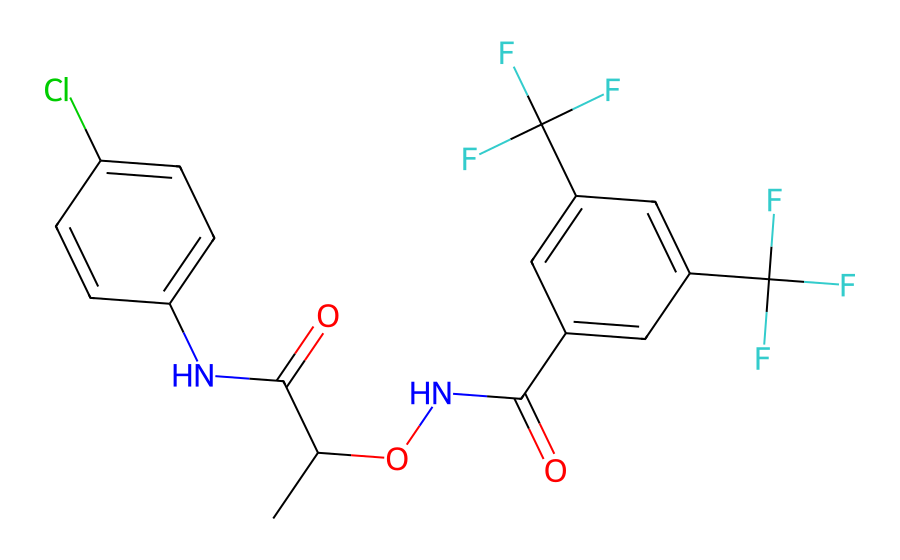
AutophinibFeatured
100 mg USD 550 · 250 mg USD 1,000 · 1 g USD 1,900 · 10 mM * 1 mL in DMSO USD 220Autophinib is a potent autophagy inhibitor, which can inhibit autophagy induced by starvation or rapamycin by targeting the lipid kinase VPS34 with IC50s of 90, 40 and 19 nM, respectively.
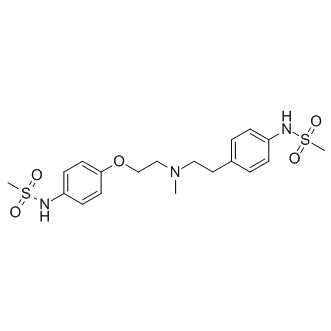
Dofetilide (Tikosyn)Featured
1 g USD 700 · 10 mM * 1 mL in DMSO USD 150Dofetilide(Tikosyn) is a class III antiarrhythmic agent.In patients with congestive heart failure and reduced left ventricular function, dofetilide was effective in converting atrial fibrillation, preventing its recurrence, and reducing the risk of hospitalization for worsening heart failure. Dofetilide had no effect on mortality [1]. dofetilide preferentially blocks open (or activated) channels and that the fast inactivation may competitively slow the binding kinetics. Dofetilide acts as a slow-onset/slow-offset open channel blocker of this current at nanomolar concentrations [2].
LCZ-696Featured
100 mg USD 250 · 250 mg USD 500 · 1 g USD 1,000 · 10 mM * 1 mL in DMSO USD 150LCZ696 is a dual angiotensin II receptor and neprilysin inhibitor.
Structure information available on request
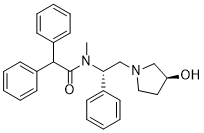
Asimadoline (EMD-61753)Featured
100 mg USD 750 · 250 mg USD 1,500 · 1 g USD 3,000 · 10 mM * 1 mL in DMSO USD 220Asimadoline is a potent κ opioid receptor agonist with IC50s of 5.6 and 1.2 nM for guinea pig and human recombinant κ opioid receptor, respectively.
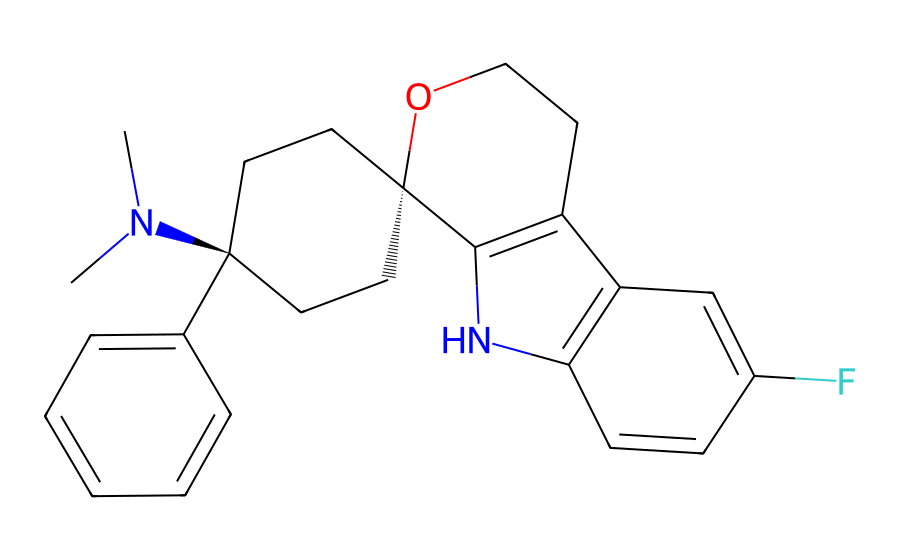
Cebranopadol(GRT-6005)Featured
100 mg USD 500 · 250 mg USD 900 · 1 g USD 1,800 · 10 mM * 1 mL in DMSO USD 220Cebranopadol is an analgesic NOP and opioid receptor agonist with Kis/EC50s of 0.9 nM/13 nM, 0.7 nM/1.2 nM, 2.6 nM/17 nM, 18 nM/110 nM for human NOP, MOP, KOP and delta-opioid peptide (DOP) receptor, respectively.
A-438079 HClFeatured
100 mg USD 400 · 250 mg USD 800 · 1 g USD 1,500 · 10 mM * 1 mL in DMSO USD 220A 438079 (hydrochloride) is a potent, and selective P2X7 receptor antagonist with pIC50 of 6.9.
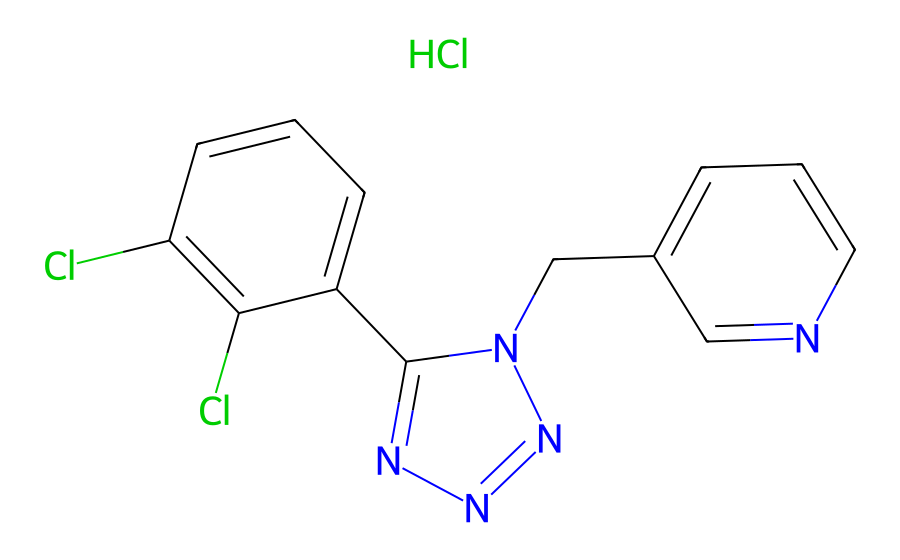
Edonerpic maleateFeatured
100 mg USD 550 · 250 mg USD 950 · 1 g USD 1,950 · 10 mM * 1 mL in DMSO USD 220Edonerpic maleate is a novel neurotrophic agent which can inhibit amyloid-β peptides (Aβ).
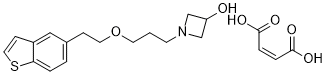
NCB-0846Featured
100 mg USD 850 · 250 mg USD 1,450 · 1 g USD 2,700 · 10 mM * 1 mL in DMSO USD 220NCB-0846 is an orally available TNIK inhibitor with an IC50 of 21 nM.
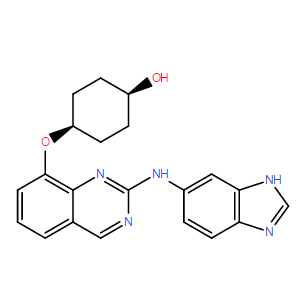
PD 150606Featured
100 mg USD 400 · 250 mg USD 750 · 1 g USD 1,500 · 10 mM * 1 mL in DMSO USD 150PD 150606 is a selective, cell-permeable non-peptide calpain inhibitor (Ki values for ν and m-calpains are 0.21 and 0.37 μM respectively).
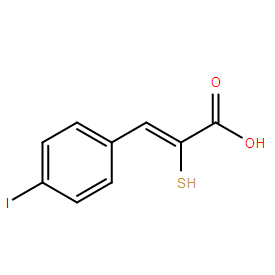
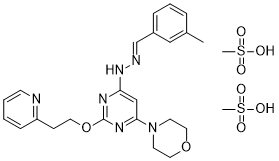
Apilimod mesylateFeatured
100 mg USD 650 · 250 mg USD 1,100 · 1 g USD 1,900 · 10 mM * 1 mL in DMSO USD 220Apilimod(STA 5326) mesylate is a potent IL-12/IL-23 inhibitor, IL-12 production in cultures of IFN-γ/LPS–stimulated human PBMCs is strongly inhibited by STA-5326 with an IC50 of 10 nM.
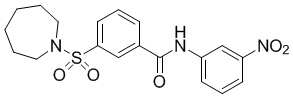
SIRT2 Inhibitor II, AK-1Featured
100 mg USD 375 · 250 mg USD 750 · 1 g USD 1,500 · 10 mM * 1 mL in DMSO USD 150AK-1 is a potent, specific and cell-permeable SIRT2 inhibitor.
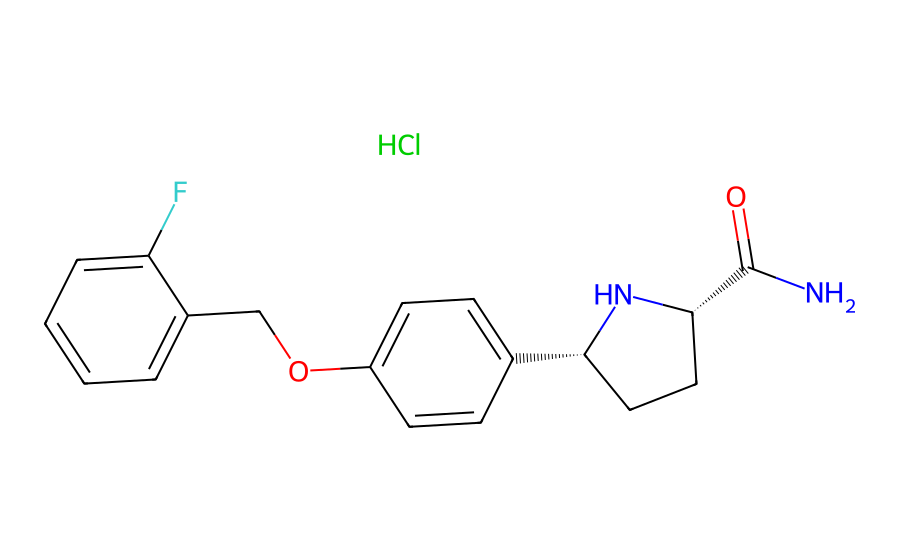
Raxatrigine hydrochlorideFeatured
100 mg USD 550 · 250 mg USD 1,000 · 1 g USD 2,100 · 10 mM * 1 mL in DMSO USD 220CNV1014802(GSK-1014802) Hcl is a novel small molecule state-dependent sodium channel blocker; Nav1.7 sodium channel inhibitor.IC50 value: Target: sodium channel blockerLike lamotrigine, both GSK2 and GSK3 were able to prevent the deficit in reversal learning produced by PCP, thus confirming their potential in the treatment of cognitive symptoms of schizophrenia. However, higher doses than those required for anticonvulsant efficacy of the drugs were needed for activity in the reversal-learning model, suggesting a lower therapeutic window relative to mechanism-dependent central side effects for this indication. CNV1014802 received orphan-drug designation from the US Food and Drug Administration in July 2013.
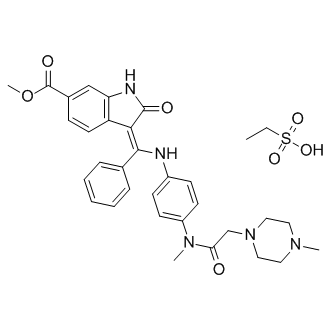
BIBF 1120 esylateFeatured
100 mg USD 200 · 250 mg USD 400 · 1 g USD 800 · 10 mM * 1 mL in DMSO USD 150Nintedanib esylate (BIBF 1120 esylate) is a potent triple angiokinase inhibitor for VEGFR1/2/3, FGFR1/2/3 and PDGFRα/β with IC50s of 34 nM/13 nM/13 nM, 69 nM/37 nM/108 nM and 59 nM/65 nM, respectively.
CGP-57380Featured
100 mg USD 450 · 250 mg USD 900 · 1 g USD 1,800 · 10 mM * 1 mL in DMSO USD 220CGP 57380 is a cell-permeable pyrazolo-pyrimidine compound that acts as a selective inhibitor of Mnk1 with IC50 of 2.2 μM, but has no inhibitory activity against p38, JNK1, ERK1/2, PKC, or Src-like kinases.
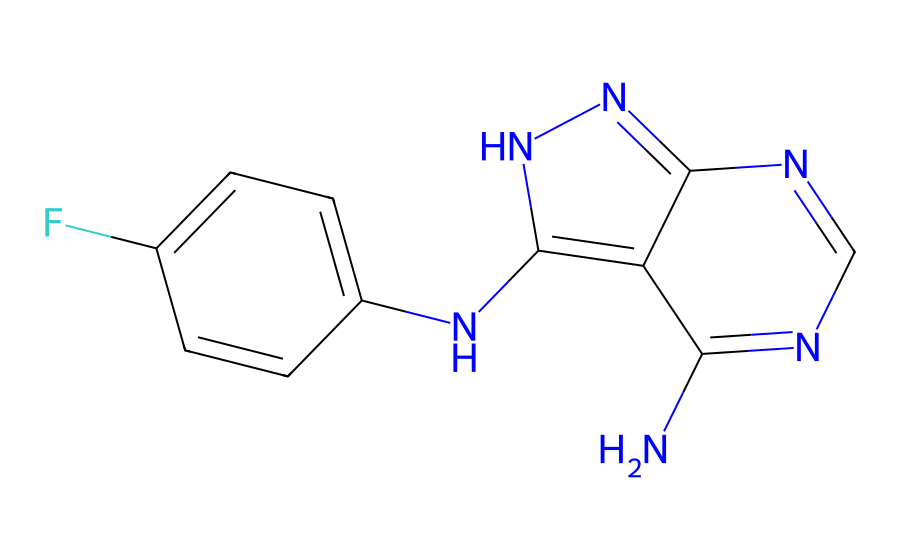
NVP-TNKS656Featured
100 mg USD 550 · 250 mg USD 1,000 · 1 g USD 1,900 · 10 mM * 1 mL in DMSO USD 220NVP-TNKS656 is a highly potent, selective, and orally active TNKS2 inhibitor with IC50 of 6 nM, and is > 300 fold selectivity against PARP1 and PARP2.
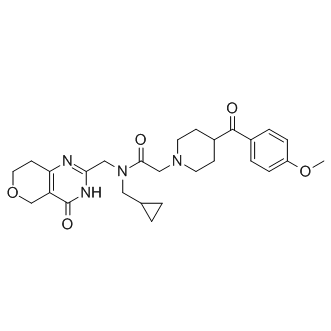
ITF2357Featured
Pack sizes and prices on requestGivinostat or gavinostat, aslo known as ITF2357, is a potent and orally active histone deacetylase inhibitor with potential anti-inflammatory, anti-angiogenic, and antineoplastic activities. It is a hydroxamate used in the form of its hydrochloride. Inhibition of HDAC activity by ITF2357 ameliorates joint inflammation and prevents cartilage and bone destruction in experimental arthritis.ITF2357 reduces cytokines and protects islet β cells in vivo and in vitro. ITF2357 decreases surface CXCR4 and CCR5 expression on CD4(+) T-cells and monocytes and is superior to valproic acid for latent HIV-1 expression in vitro.

No products match this search.
Page 46 of 184 · Browse all 3666 products