
Research lipid catalog
Ionizable Lipid Products
Explore 848 lipid and RNA delivery products. Search the full catalog or browse by research category.
Search covers product name, catalog number, synonyms, available CAS numbers and categories. Spaces, hyphens and common punctuation are ignored. Duplicate legacy records are consolidated under one canonical product result.
3666 products · Showing 881–900 · 20 per page
DC Chemicals lipid expertise
Built for ionizable-lipid discovery and RNA delivery research
DC Chemicals supports formulation and delivery research with a broad, searchable portfolio of cationic and ionizable lipids. The current directory brings together 848 unique research-use products, with product specifications, pricing, chemical structures and literature-linked formulation data added as each record is verified.
Our experience spans complex lipid synthesis, purification, analytical release and process development. For custom molecules or larger-scale requirements, our team can discuss route development, technical specifications and scale-up options for the intended research workflow.
Learn about cationic and ionizable lipids →Proprietary innovation · Co-development · GMP
From proprietary lipid design to GMP-grade custom synthesis
DC Chemicals has independently developed ionizable-lipid structures supported by company-owned intellectual property, and selected proprietary lipid programs have advanced to GMP-stage development.
We welcome joint development with customers—from molecular design and lipid synthesis through route and process development. We can also support custom synthesis of GMP-grade ionizable lipids to agreed technical specifications and quality requirements.
Discuss a co-development project →Proprietary ionizable-lipid structuresCollaborative molecular designCustom lipid synthesisProcess development and scale-upGMP-grade project support
Product quick links
Explore ionizable lipids
Browse specifications, pricing and literature-linked product information.
Cat. No.Product NameField of ApplicationChemical Structure
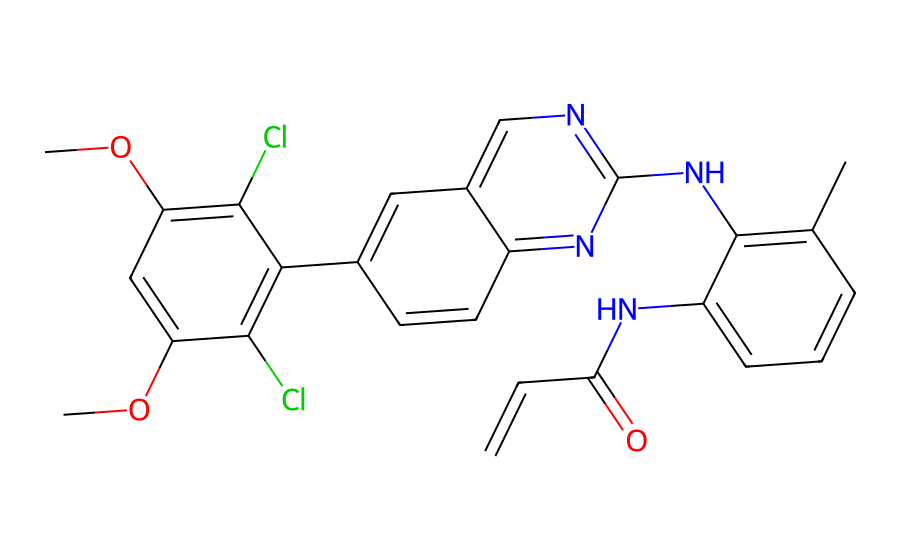
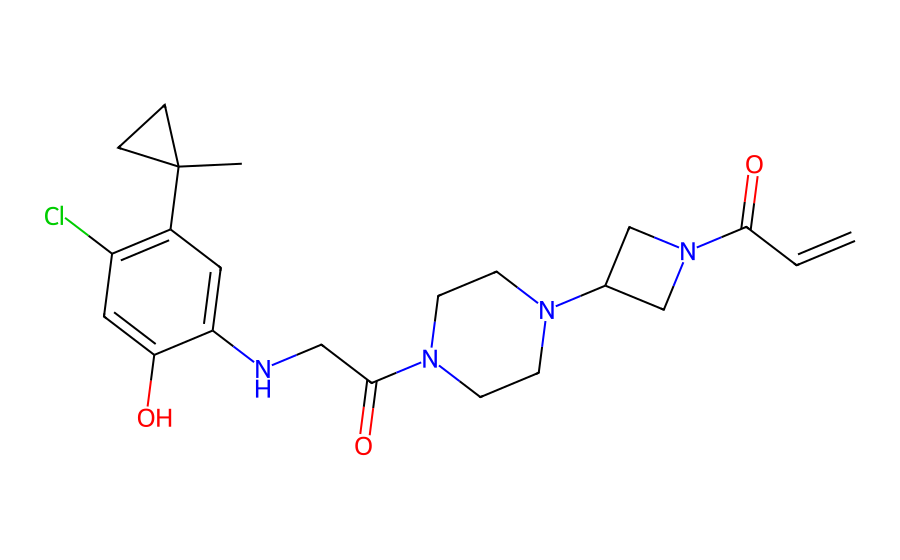
BLU-9931Featured
100 mg USD 500 · 250 mg USD 900 · 1 g USD 1,850 · 10 mM * 1 mL in DMSO USD 220BLU9931 is a potent, selective, and irreversible FGFR4 inhibitor with an IC50 of 3 nM.
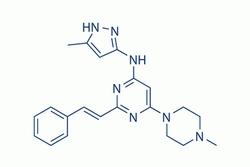
ENMD-2076Featured
100 mg USD 300 · 250 mg USD 600 · 1 g USD 1,200 · 10 mM * 1 mL in DMSO USD 150ENMD-2076 is a multi-targeted kinase inhibitor with IC50s of 1.86, 14, 58.2, 15.9, 92.7, 70.8, 56.4 nM for Aurora A, Flt3, KDR/VEGFR2, Flt4/VEGFR3, FGFR1, FGFR2, Src, PDGFRα, respectively.
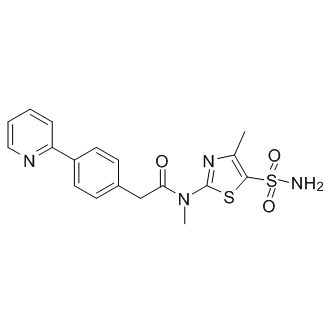
Pritelivir(BAY-57-1293)Featured
100 mg USD 350 · 250 mg USD 700 · 1 g USD 1,450 · 10 mM * 1 mL in DMSO USD 150BAY 57-1293 represents a new class of potent inhibitors of herpes simplex virus (HSV) that target the virus helicase primase complex.
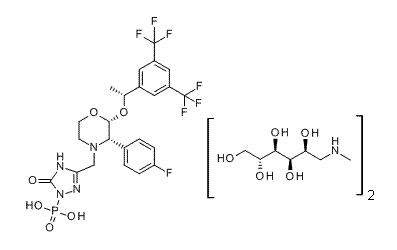
Fosaprepitant dimeglumineFeatured
100 mg USD 400 · 250 mg USD 800 · 1 g USD 1,600 · 10 mM * 1 mL in DMSO USD 150Fosaprepitant dimeglumine(MK-0517) is a neurokinin-1 receptor antagonist for the prevention of chemotherapy-induced nausea and vomiting.
Vorinostat (SAHA)Featured
100 mg USD 200 · 250 mg USD 350 · 1 g USD 700 · 10 mM * 1 mL in DMSO USD 150Vorinostat is a potent and orally available inhibitor of HDAC1, HDAC2 and HDAC3 (Class I), HDAC7 (Class II) and HDAC11 (Class IV ), with ID50 values of 10 nM and 20 nM for HDAC1 and HDAC3, respectively.
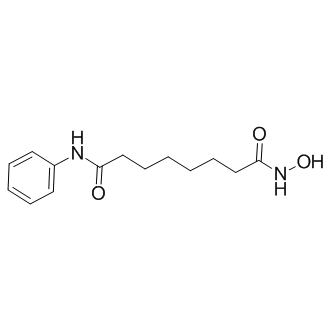
STO-609Featured
100 mg USD 500 · 250 mg USD 1,000 · 1 g USD 1,900 · 10 mM * 1 mL in DMSO USD 220STO-609 is a selective and cell-permeable inhibitor of the Ca2+/calmodulin-dependent protein kinase kinase (CaM-KK), with Ki values of 80 and 15 ng/mL for recombinant CaM-KKα and CaM-KKβ, respectively.
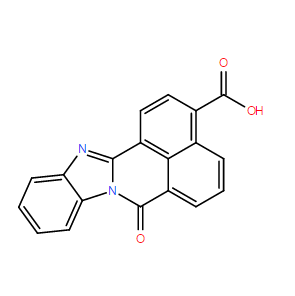
ROCK inhibitor GSK269962AFeatured
100 mg USD 750 · 250 mg USD 1,450 · 1 g USD 2,700 · 10 mM * 1 mL in DMSO USD 220GSK269962A is a potent ROCK inhibitor with IC50s of 1.6 and 4 nM for recombinant human ROCK1 and ROCK2 respectively.
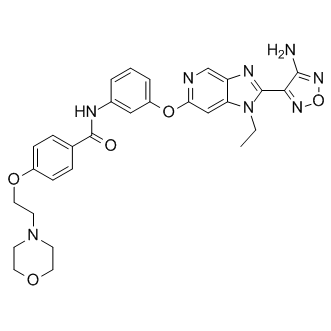
SKLB610Featured
100 mg USD 350 · 250 mg USD 700 · 1 g USD 1,400 · 10 mM * 1 mL in DMSO USD 150SKLB610, a novel multi-targeted inhibitor, inhibits angiogenesis-related tyrosine kinase VEGFR2, FGFR2 and PDGFR at rate of 97%, 65% and 55%, respectively, at concentration of 10 μM in biochemical kinase assays.
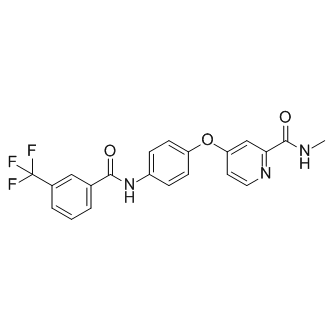
Luminespib (NVP-AUY922)Featured
100 mg USD 300 · 250 mg USD 600 · 1 g USD 1,200 · 10 mM * 1 mL in DMSO USD 150Luminespib (NVP-AUY922) is a potent HSP90 inhibitor with IC50s of 7.8 and 21 nM for HSP90α and HSP90β, respectively.
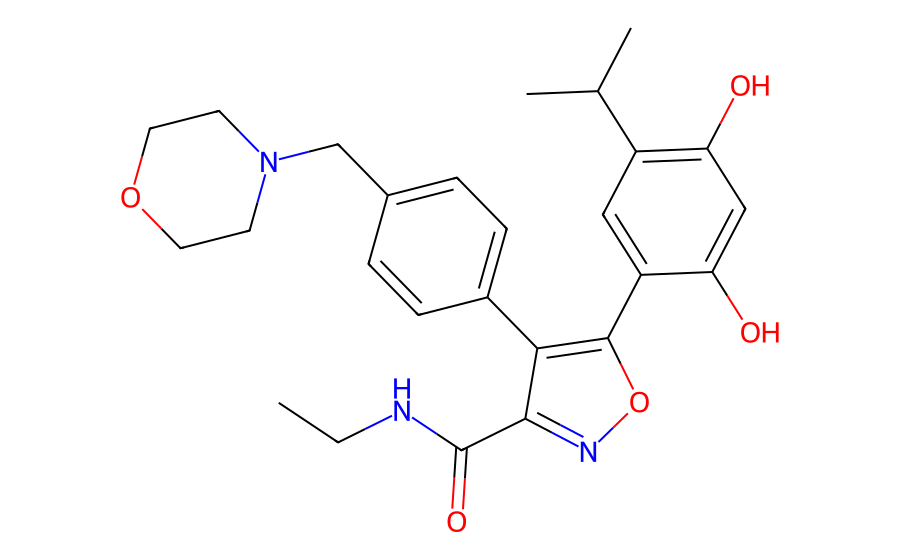
EHop-016Featured
100 mg USD 300 · 250 mg USD 600 · 1 g USD 1,200 · 10 mM * 1 mL in DMSO USD 150EHop-016 is specific for Rac1 and Rac3 at concentrations of ≤5 μM. At higher concentrations, EHop-016 inhibits the close homolog Cdc42. In MDA-MB-435 cells that demonstrate high active levels of the Rac GEF Vav2, EHop-016 inhibits the association of Vav2 with a nucleotide-free Rac1(G15A), which has a high affinity for activated GEFs. EHop-016 also inhibits the Rac activity of MDA-MB-231 metastatic breast cancer cells and reduces Rac-directed lamellipodia formation in both cell lines. EHop-016 decreases Rac downstream effects of PAK1 (p21-activated kinase 1) activity and directed migration of metastatic cancer cells. Moreover, at effective concentrations (<5 μM), EHop-016 does not affect the viability of transformed mammary epithelial cells (MCF-10A) and reduces viability of MDA-MB-435 cells by only 20%. Therefore, EHop-016 holds promise as a targeted therapeutic agent for the treatment of metastatic cancers with high Rac activity. Rac inhibition by EHop-016 increases the activity of the closely related Rho GTPase RhoA by a compensatory mechanism. . For the detailed information of EHop-016, the solubility of EHop-016 in water, the solubility of EHop-016 in DMSO, the solubility of EHop-016 in PBS buffer, the animal experiment (test) of EHop-016, the cell expriment (test) of EHop-016, the in vivo, in vitro and clinical trial test of EHop-016, the EC50, IC50,and affinity,of EHop-016, Please contact DC Chemicals.
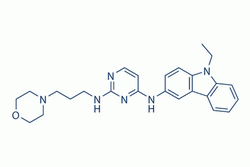
Anacetrapib(MK0859)Featured
100 mg USD 350 · 250 mg USD 600 · 1 g USD 1,200 · 10 mM * 1 mL in DMSO USD 150Anacetrapib is a potent CETP inhibitor, with IC50s of 7.9±2.5 nM and 11.8±1.9 nM for rhCETP and C13S CETP mutant, respectively.
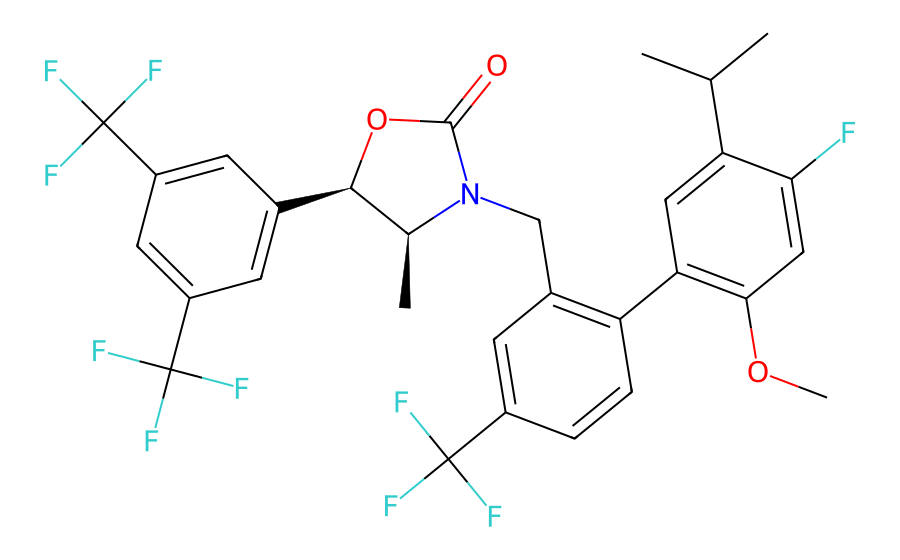
kb-NB77-78Featured
100 mg USD 500 · 250 mg USD 800 · 1 g USD 1,700 · 10 mM * 1 mL in DMSO USD 220kb-NB77-78 is an analogue of CID797718, but shows no PKD inhibitory activity[1].
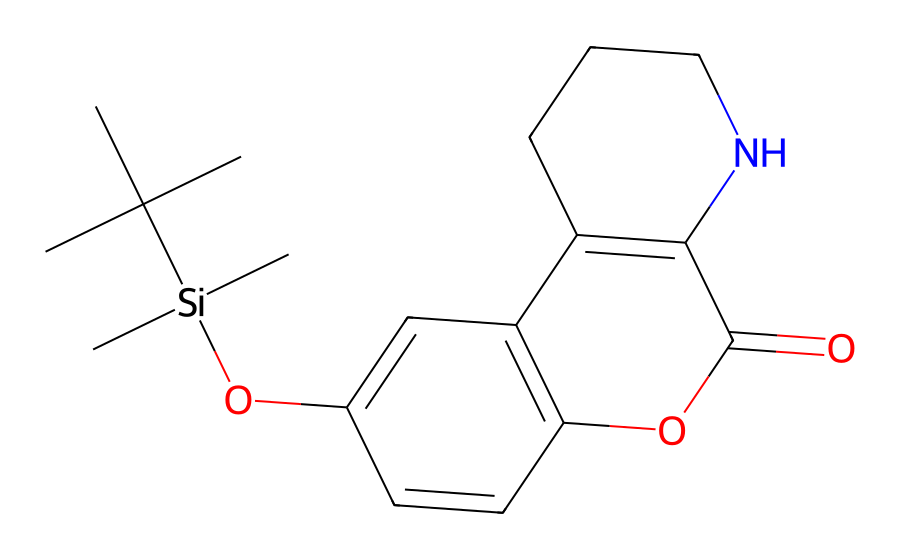
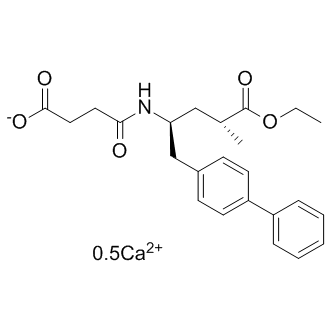
AHU-377 hemicalcium saltFeatured
100 mg USD 200 · 250 mg USD 400 · 1 g USD 800 · 10 mM * 1 mL in DMSO USD 150Sacubitril (AHU-377) hemicalcium salt is a potent NEP inhibitor with an IC50 of 5 nM. Sacubitril hemicalcium salt is a component of the heart failure medicine LCZ696.
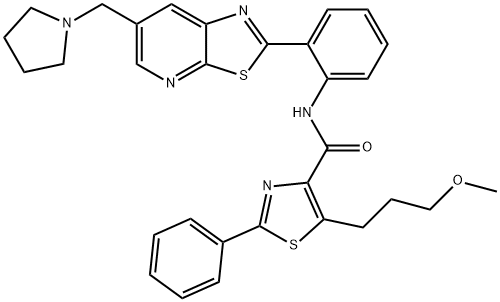
SRT3025Featured
25mg USD 500Novel Sirtuin1 Activator, Down-Regulating Sclerostin and Rescuing Ovariectomy-Induced Bone Loss
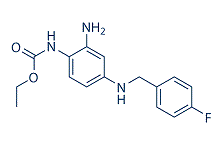
RetigabineFeatured
100 mg USD 250 · 250 mg USD 500 · 1 g USD 1,000 · 10 mM * 1 mL in DMSO USD 150Retigabine is a novel anti-convulsant, enhances activation of KCNQ2/Q3 potassium channels.
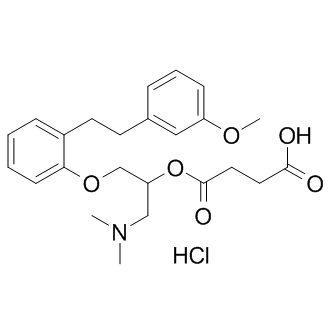
Sarpogrelate (hydrochloride)Featured
100 mg USD 200 · 250 mg USD 400 · 1 g USD 800 · 10 mM * 1 mL in DMSO USD 150Sarpogrelate(MCI-9042) hydrochloride, a selective 5-HT2 antagonist, has been widely used as an anti-platelet agent for the treatment of PAD.Sarpogrelate is a drug which acts as an antagonist at the 5HT2A and 5-HT2B receptors. Sarpogrelate was shown to have the same affinity as ritanserin for 5-HT2A receptors, with a Ki value of 8.39 nM [1]. Sarpogrelate lacked prominent 5-HT1-like, 5-HT3, beta, H1, H2 and M3 antagonist activity and weakly blocked alpha 1-adrenoceptors (pKB = 6.30). (S)-M-1 showed weak affinity for 5-HT1-like receptors (pKB = 6.30), alpha 1- (pKB = 6.80) and beta- (pKB = 6.54) adrenoceptors, while (R)-M-1 was a weak antagonist at histamine H1 receptors (pKB = 6.49) [2]. After 12 weeks of sarpogrelate administration, FBF and LBF responses during RH showed significant increases from 13.2 +/- 1.7 to 18.1 +/- 2.2 mL/min per 100 mL tissue (P < 0.01) and from 8.2 +/- 0.9 to 14.2 +/- 2.1 mL/min per 100 mL tissue (P < 0.05), respectively. Sarpogrelate-induced augmentation of FBF and LBF responses to RH was maintained at 24 weeks. Long-term oral administration of sarpogrelate improves vascular function in patients with PAD [3].
ARS-853Featured
25 mg USD 450 · 50mg USD 600 · 100 mg USD 950ARS-853 is a selective, covalent KRASG12C inhibitor with an IC50 of 2.5 μM.
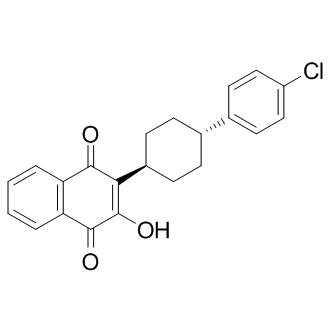
Atovaquone (Atavaquone)Featured
100 mg USD 250 · 250 mg USD 500 · 1 g USD 1,000 · 10 mM * 1 mL in DMSO USD 150Atovaquone is a medication used to treat or prevent for pneumocystis pneumonia, toxoplasmosis, malaria, and babesia.Target: AntiparasiticAtovaquone (atavaquone) is a chemical compound that belongs to the class of naphthalenes. Atovaquone is a hydroxy-1,4-naphthoquinone, an analog of ubiquinone, with antipneumocystic activity [1]. Atovaquone is an anti-protozoal mitochondrial electron transport inhibitor; Antimalarial; Antipneumocystic, and has also been used to treat toxoplasmosis. It acts by inhibiting the cytochrome bc(1) complex via interactions with the Rieske iron-sulfur protein and cytochrome b in the ubiquinol oxidation pocket [2]. Atovaquone is a unique naphthoquinone with broad-spectrum antiprotozoal activity. It is effective for the treatment and prevention of Pneumocystis carinii pneumonia (PCP), it is effective in combination with proguanil for the treatment and prevention of malaria, and it is effective in combination with azithromycin for the treatment of babesiosis [3].
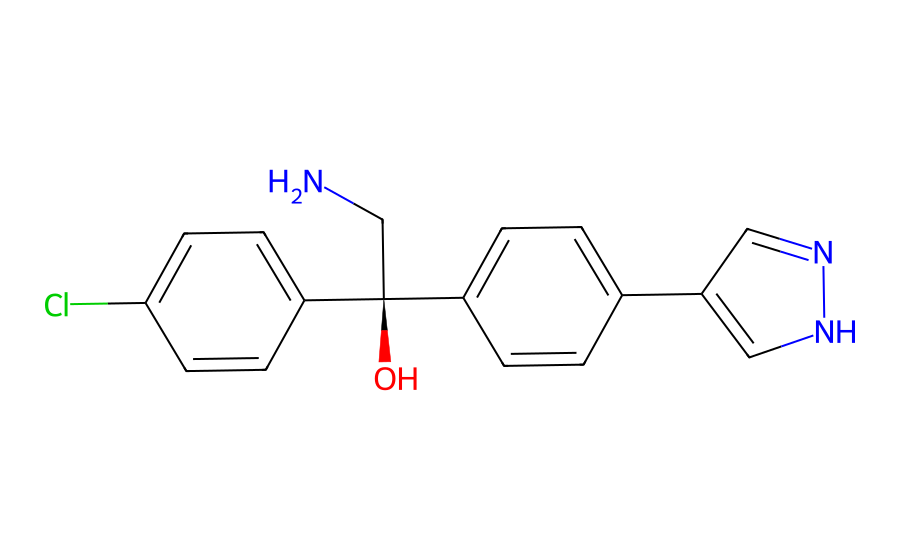
AT13148Featured
100 mg USD 800 · 250 mg USD 1,500 · 1 g USD 2,800 · 10 mM * 1 mL in DMSO USD 220AT13148 is an orally active and ATP-competitive, multi-AGC kinase inhibitor with IC50s of 38 nM/402 nM/50 nM, 8 nM, 3 nM, and 6 nM/4 nM for Akt1/2/3, p70S6K, PKA, and ROCKI/II, respectively.
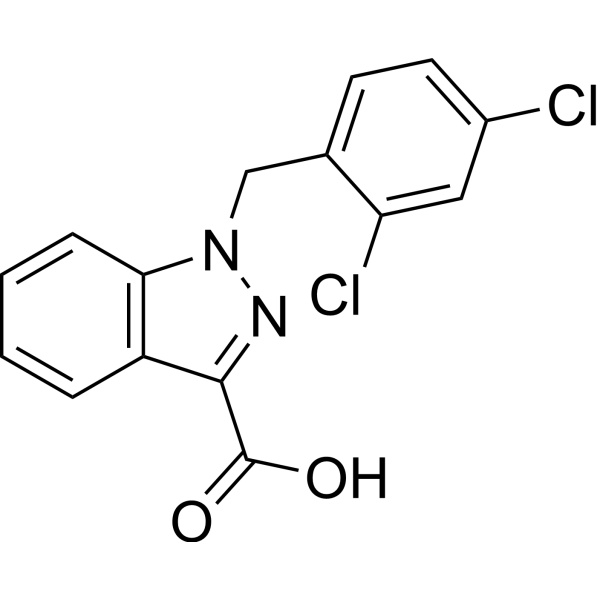
LonidamineFeatured
100 mg USD 250 · 250 mg USD 500 · 1 g USD 1,000 · 10 mM * 1 mL in DMSO USD 150Lonidamine is an orally administered small molecule hexokinase inactivator.Target: OthersLonidamine is a derivative of indazole-3-carboxylic acid, which for a long time, has been known to inhibit aerobic glycolysis in cancer cells. It seems to enhance aerobic glycolysis in normal cells, but suppress glycolysis in cancer cells. This is most likely through the inhibition of the mitochondrially bound hexokinase. Later studies in Ehrlich ascites tumor cells showed that lonidamine inhibits both respiration and glycolysis leading to a decrease in cellular ATP. Clinical trials of lonidamine in combination with other anticancer agents for a variety of cancers has begun. Lonidamine has been used in the treatment of brain tumours in combination with radiotherapy and temozolomide. Results showed that a combination of temozolomide and lonidamine at clinically achievable, low plasma concentrations, could inhibit tumour growth, and lonidamine could reduce the dose of temozolomide required for radiosensitization of brain tumours. From Wikipedia.
No products match this search.
Page 45 of 184 · Browse all 3666 products