
Research lipid catalog
Ionizable Lipid Products
Explore 848 lipid and RNA delivery products. Search the full catalog or browse by research category.
Search covers product name, catalog number, synonyms, available CAS numbers and categories. Spaces, hyphens and common punctuation are ignored. Duplicate legacy records are consolidated under one canonical product result.
3666 products · Showing 921–940 · 20 per page
DC Chemicals lipid expertise
Built for ionizable-lipid discovery and RNA delivery research
DC Chemicals supports formulation and delivery research with a broad, searchable portfolio of cationic and ionizable lipids. The current directory brings together 848 unique research-use products, with product specifications, pricing, chemical structures and literature-linked formulation data added as each record is verified.
Our experience spans complex lipid synthesis, purification, analytical release and process development. For custom molecules or larger-scale requirements, our team can discuss route development, technical specifications and scale-up options for the intended research workflow.
Learn about cationic and ionizable lipids →Proprietary innovation · Co-development · GMP
From proprietary lipid design to GMP-grade custom synthesis
DC Chemicals has independently developed ionizable-lipid structures supported by company-owned intellectual property, and selected proprietary lipid programs have advanced to GMP-stage development.
We welcome joint development with customers—from molecular design and lipid synthesis through route and process development. We can also support custom synthesis of GMP-grade ionizable lipids to agreed technical specifications and quality requirements.
Discuss a co-development project →Proprietary ionizable-lipid structuresCollaborative molecular designCustom lipid synthesisProcess development and scale-upGMP-grade project support
Product quick links
Explore ionizable lipids
Browse specifications, pricing and literature-linked product information.
Cat. No.Product NameField of ApplicationChemical Structure
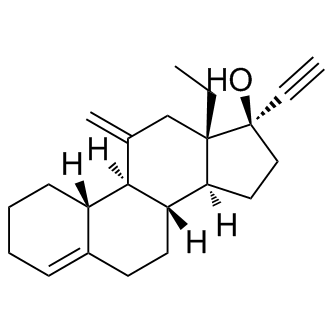
DesogestrelFeatured
100 mg USD 200 · 250 mg USD 400 · 1 g USD 800 · 10 mM * 1 mL in DMSO USD 150Desogestrel(Org-2969) is a third-generation 19-nortestosterone derivative progestogen; is contained in many oral contraceptive preparations, both combined (COCs) to ethinyl-estradiol (EE) or alone in a progestin-only pill (POP).
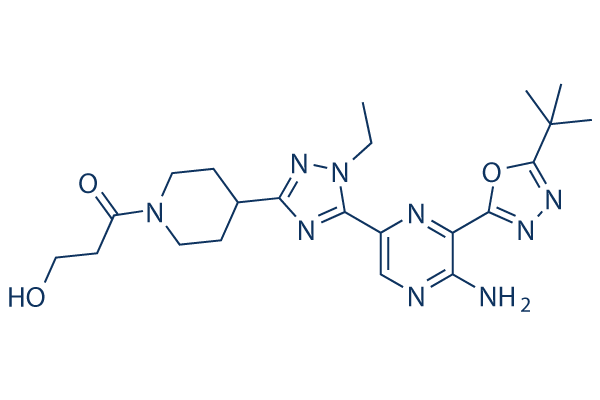
AZD8835Featured
100 mg USD 650 · 250 mg USD 1,300 · 1 g USD 2,600 · 10 mM * 1 mL in DMSO USD 220AZD8835 is a potent and selective inhibitor of PI3Kα and PI3Kδ with IC50s of 6.2 and 5.7 nM, respectively.
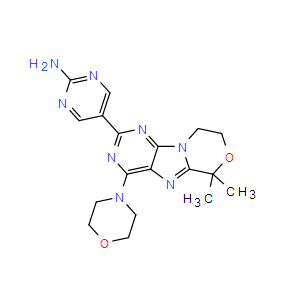
Paxalisib (GDC-0084)Featured
100 mg USD 450 · 250 mg USD 800 · 1 g USD 1,700 · 10 mM * 1 mL in DMSO USD 220GDC-0084 is a brain penetrant inhibitor of PI3K and mTOR, with Kis of 2 nM, 46 nM, 3 nM, 10 nM and 70 nM for PI3Kα PI3Kβ, PI3Kδ, PI3Kγ and mTOR, respectively.
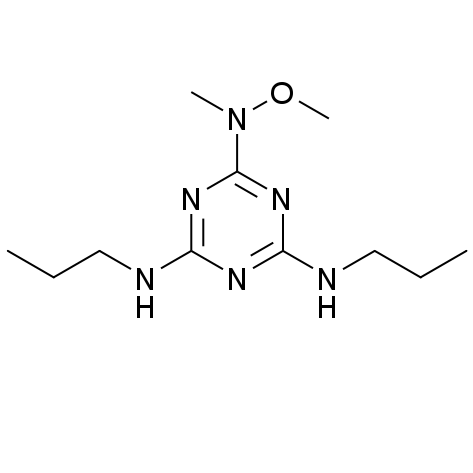
GAL-021Featured
100 mg USD 450 · 250 mg USD 800 · 1 g USD 1,500 · 10 mM * 1 mL in DMSO USD 220GAL-021 a new intravenous BKCa-channel blocker.
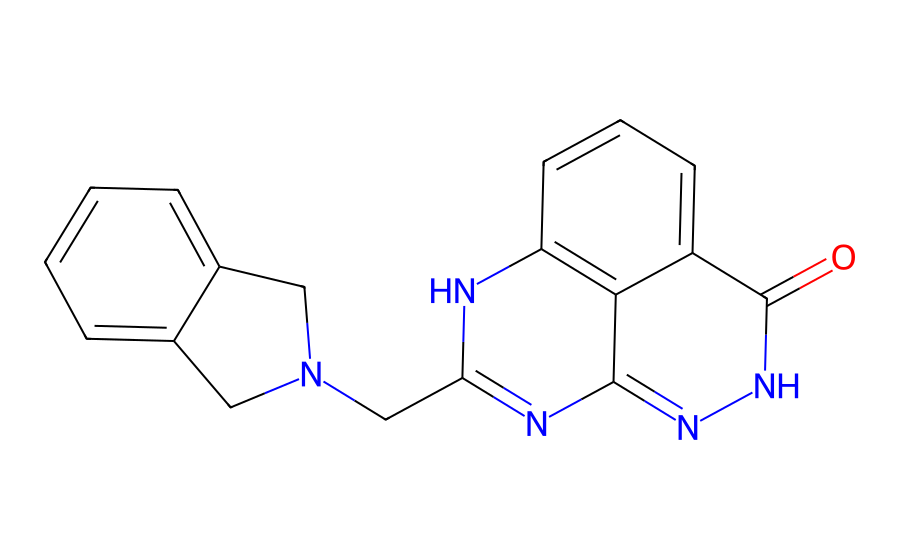
E-7449Featured
100 mg USD 450 · 250 mg USD 800 · 1 g USD 1,600 · 10 mM * 1 mL in DMSO USD 220E7449 is a potent PARP1 and PARP2 inhibitor and also inhibits TNKS1 and TNKS2, with IC50s of 2.0, 1.0, ∼50 and ∼50 nM for PARP1, PARP2, TNKS1 and TNKS2, respectively, using 32P-NAD+ as substrate.
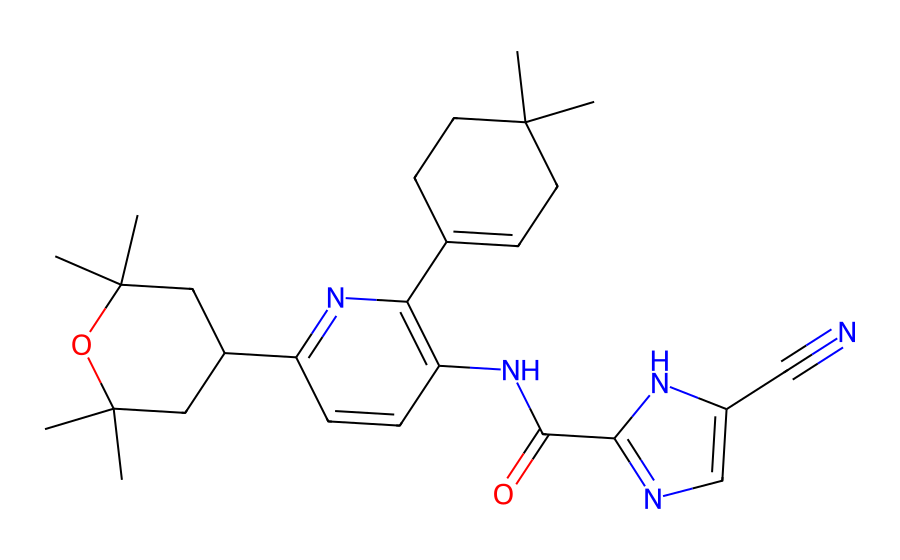
Edicotinib(JNJ-40346527)Featured
100 mg USD 950 · 250 mg USD 1,700 · 1 g USD 3,900 · 10 mM * 1 mL in DMSO USD 220Edicotinib(JNJ-40346527)is a small molecule and orally available inhibitor of colony-stimulating factor-1 receptor (CSF1R; FMS) with potential antineoplastic activity. FMS tyrosine kinase inhibitor JNJ-40346527 blocks the receptor-ligand interaction between FMS and its ligand CSF1, thereby preventing autophosphorylation of FMS. As a result, unphosphorylated FMS can not activate FMS-mediated signaling pathways, thus potentially inhibiting cell proliferation in FMS-overexpressed tumor cells. FMS, a tyrosine kinase receptor, is overexpressed in certain tumor cell types and plays an essential role in macrophage differentiation, recruitment, and activation as well as the regulation of cell proliferation.
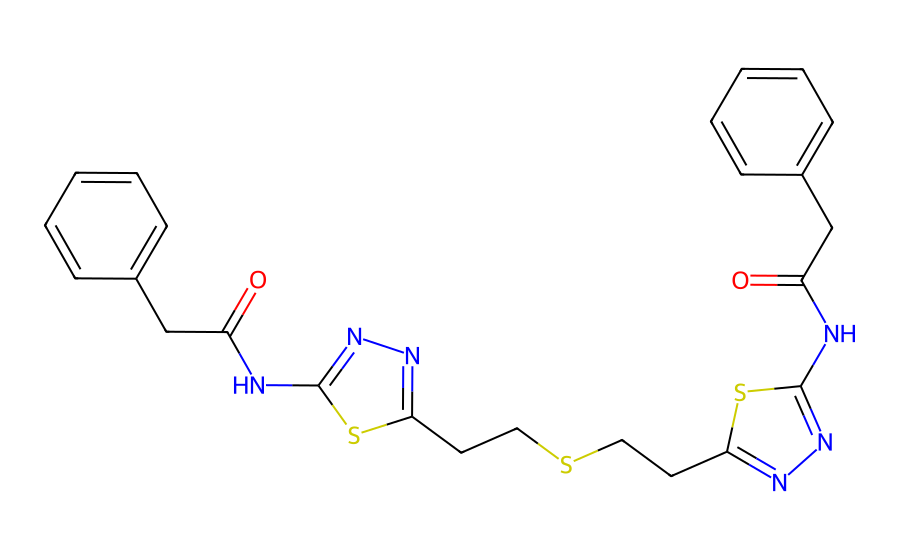
Glutaminase Inhibitor II, BPTESFeatured
100 mg USD 550 · 250 mg USD 1,000 · 1 g USD 1,600 · 10 mM * 1 mL in DMSO USD 220BPTES is an allosteric and selective glutaminase inhibitor with an IC50 of 0.16 μM.
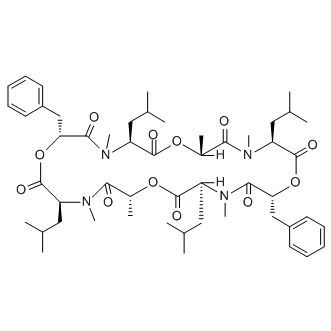
PF 1022AFeatured
100 mg USD 1,500 · 250 mg USD 2,000 · 1 g USD 4,000 · 10 mM * 1 mL in DMSO USD 220PF 1022A is a N-methylated cyclooctadepsipeptides (CODPs) with strong anthelmintic properties; acts as an ionophore.PF 1022A showed strong anthelmintic activities against Ascaridia galli in chickens [1]. PF1022A is a novel anthelmintic that binds to the latrophilin-like transmembrane receptor important for pharyngeal pumping in nematodes. Furthermore, PF1022A binds to GABA receptors, which might contribute to the anthelmintic effect. Like other cyclodepsipeptides, PF1022A acts as an ionophore [2]. In vitro, PF1022A showed low activity on embryonation but significantly inhibited egg hatch (10 and 100 μg/ml), whereas albendazole (10 and 100 μg/ml) revealed statistically significant inhibitions of both embryonation and egg hatch. PF1022A (1-100 μg/ml) completely inhibited larval movement at most examination points [3].
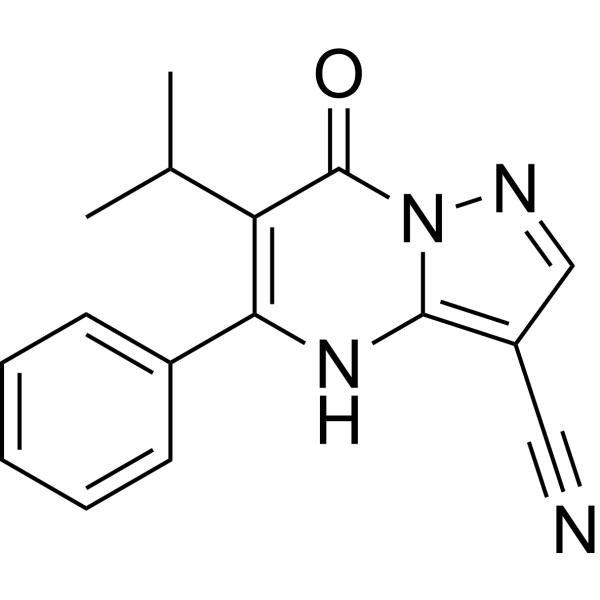
CPI-455Featured
100 mg USD 500 · 250 mg USD 900 · 1 g USD 1,700 · 10 mM * 1 mL in DMSO USD 220CPI-455 is a specific KDM5 inhibitor.
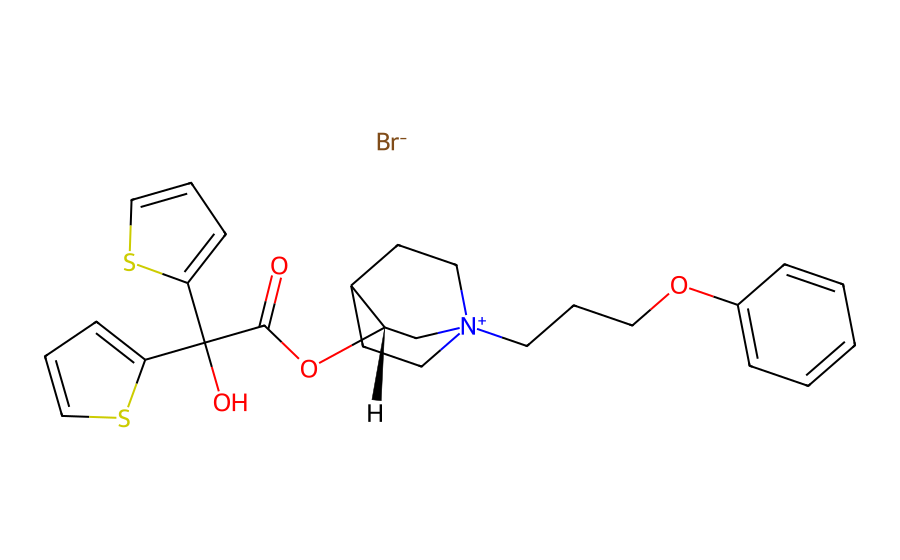
Aclidinium bromideFeatured
100 mg USD 300 · 250 mg USD 600 · 1 g USD 1,050 · 10 mM * 1 mL in DMSO USD 150Aclidinium Bromide(LAS 34273; LAS-W 330) is a long-acting, inhaled muscarinic antagonist as a maintenance treatment for chronic obstructive pulmonary disease (COPD).
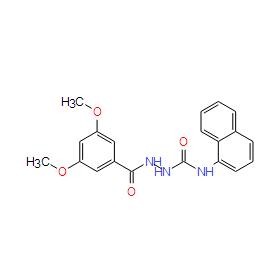
TC-O 9311Featured
1 g USD 1,300 · 100 mg USD 350 · 250 mg USD 600 · 10 mM * 1 mL in DMSO USD 150TC-O 9311 is a potent orphan G protein-coupled receptor 139 (GPR139) agonist with an EC50 of 39 nM[1].
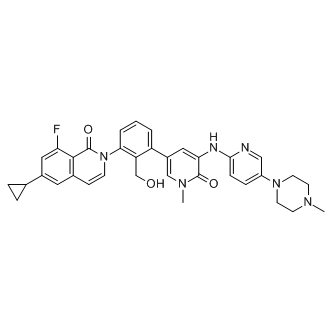
RN486Featured
100 mg USD 800 · 250 mg USD 1,500 · 1 g USD 2,500 · 10 mM * 1 mL in DMSO USD 220RN486 is a selective Btk inhibitor with an IC50 Value of 4.0 nM.
PF-562271Featured
100 mg USD 400 · 250 mg USD 750 · 1 g USD 1,400 · 10 mM * 1 mL in DMSO USD 150PF-562271 is a potent ATP-competitive, reversible inhibitor of FAK and Pyk2 kinase, with an IC50 of 1.5 nM and 13 nM, respectively.
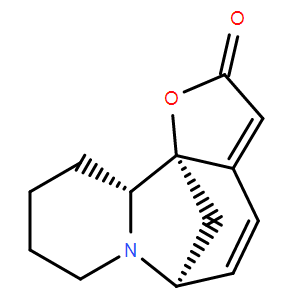
SecurinineFeatured
100 mg USD 550 · 250 mg USD 950 · 1 g USD 1,900 · 10 mM * 1 mL in DMSO USD 220(-)-Securinine is plant-derived alkaloid and also a GABAA receptor antagonist.
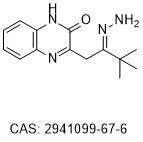
IBS007125Featured
5mg USD 500IBS007125 is a small molecule inhibitor of c-Maf, inhibits multiple myeloma proliferation by targeting cMaf transcriptional activity.
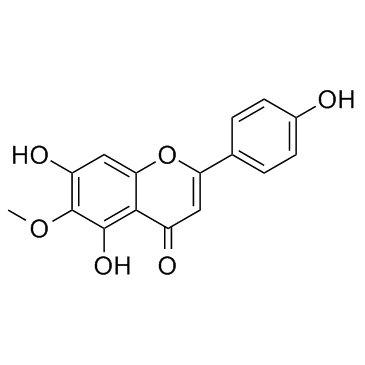
HispidulinFeatured
100 mg USD 500 · 250 mg USD 1,000 · 1 g USD 2,000 · 10 mM * 1 mL in DMSO USD 220Hispidulin is a natural flavone with a broad spectrum of biological activities. Hispidulin is a Pim-1 inhibitor with an IC50 of 2.71 μM.
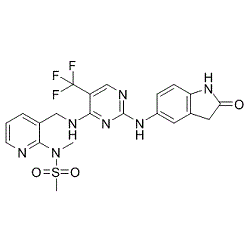
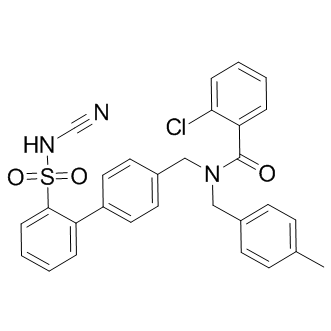
S0859Featured
100 mg USD 400 · 250 mg USD 800 · 1 g USD 1,500 · 10 mM * 1 mL in DMSO USD 150S0859, an N-cyanosulphonamide compound, reversibly inhibit NBC-mediated pH(i) recovery (K (i)=1.7 microM, full inhibition at approximately 30 microM).NBCNa(+)-coupled HCO(3)(-) transporters (NBCs) mediate the transport of bicarbonate ions across cell membranes and are thus ubiquitous regulators of intracellular pH. NBC dysregulation is associated with a range of diseases; for instance, NBCn1 is strongly up-regulated in a model of ErbB2-dependent breast cancer, a malignant and widespread cancer with no targeted treatment options, and single-nucleotide polymorphisms in NBCn1 genetically link to breast cancer development and hypertension. Treatment with NBC inhibitor S0859 significantly increased caspase-3 activity and elevated the number of apoptotic EC. S0859 is potentially important for probing the transporter's functional role in heart and other tissues.
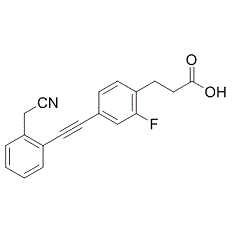
TUG-770Featured
100 mg USD 625 · 250 mg USD 1,250 · 1 g USD 2,500 · 10 mM * 1 mL in DMSO USD 220TUG-770 is a highly potent free fatty acid receptor 1 (FFA1/GPR40) agonist with EC50 of 6 nM for hFFA1.
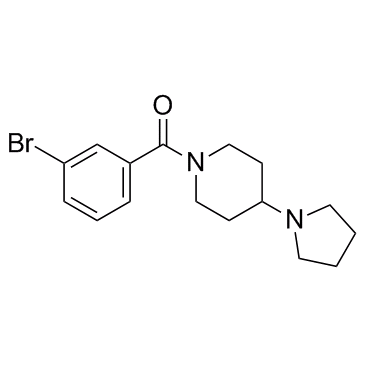
UNC926Featured
100 mg USD 450 · 250 mg USD 800 · 1 g USD 1,500 · 10 mM * 1 mL in DMSO USD 220UNC-926 is a methyl-lysine (Kme) reader domain inhibitor; inhibits L3MBTL1 with an IC50 of 3.9 μM.
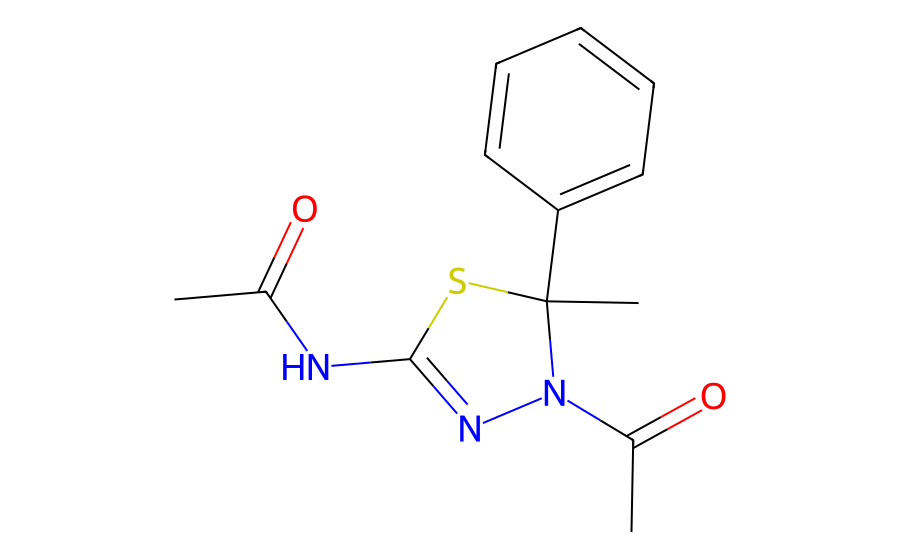
K 858Featured
100 mg USD 400 · 250 mg USD 750 · 1 g USD 1,600 · 10 mM * 1 mL in DMSO USD 150K858 Racemic is an ATP-uncompetitive inhibitor of Eg5 with an IC50 of 1.3 μM.
No products match this search.
Page 47 of 184 · Browse all 3666 products