
Research lipid catalog
Ionizable Lipid Products
Explore 848 lipid and RNA delivery products. Search the full catalog or browse by research category.
Search covers product name, catalog number, synonyms, available CAS numbers and categories. Spaces, hyphens and common punctuation are ignored. Duplicate legacy records are consolidated under one canonical product result.
3666 products · Showing 3101–3120 · 20 per page
DC Chemicals lipid expertise
Built for ionizable-lipid discovery and RNA delivery research
DC Chemicals supports formulation and delivery research with a broad, searchable portfolio of cationic and ionizable lipids. The current directory brings together 848 unique research-use products, with product specifications, pricing, chemical structures and literature-linked formulation data added as each record is verified.
Our experience spans complex lipid synthesis, purification, analytical release and process development. For custom molecules or larger-scale requirements, our team can discuss route development, technical specifications and scale-up options for the intended research workflow.
Learn about cationic and ionizable lipids →Proprietary innovation · Co-development · GMP
From proprietary lipid design to GMP-grade custom synthesis
DC Chemicals has independently developed ionizable-lipid structures supported by company-owned intellectual property, and selected proprietary lipid programs have advanced to GMP-stage development.
We welcome joint development with customers—from molecular design and lipid synthesis through route and process development. We can also support custom synthesis of GMP-grade ionizable lipids to agreed technical specifications and quality requirements.
Discuss a co-development project →Proprietary ionizable-lipid structuresCollaborative molecular designCustom lipid synthesisProcess development and scale-upGMP-grade project support
Product quick links
Explore ionizable lipids
Browse specifications, pricing and literature-linked product information.
Cat. No.Product NameField of ApplicationChemical Structure
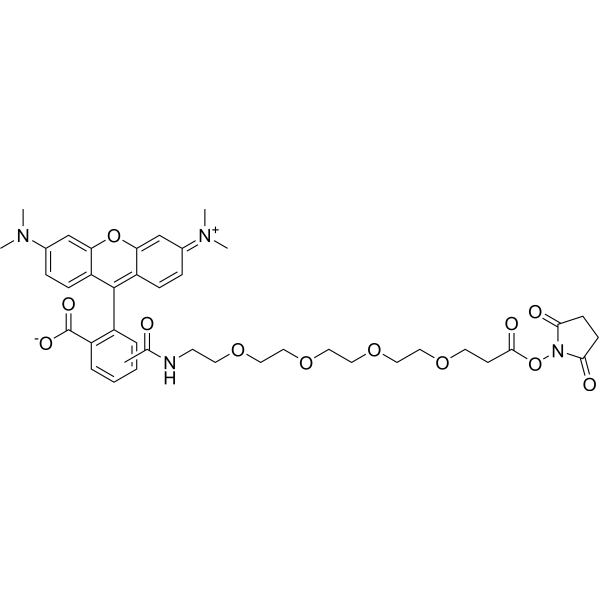
TAMRA-PEG4-NHS ester is a TAMRA red fluorescent dye derivative containing an NHS ester group which can be used to label the primary amines (-NH2) of proteins, amine-modified oligonucleotides, and other amine-containing molecules.
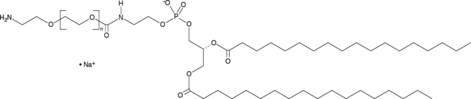
DSPE-PEG(2000)-amine (sodium salt)FeaturedFeatured
DSPE-PEG(2000)-amine is a PEGylated derivative of 1,2-distearoyl-sn-glycero-3-PE (DSPE; Item No. 15095). It has been used in the synthesis of solid lipid and thermosensitive liposomal nanoparticles for the delivery of anticancer agents. DSPE-PEG(2000)-amine has also been used in the synthesis of fluorescein isothiocyanate-loaded mesoporous silica nanoparticles for imaging applications.4 It can be conjugated to a variety of functional molecules for improved cellular targeting and uptake of DSPE-PEG(2000)-amine-containing nanoparticles.
DSPE-SE-SE-PEG-COOHFeaturedFeatured

DSPE-TK-PEG-COOHFeaturedFeatured
The polymer with ketone mercaptan as the fragment can form the shell of the nanocore, and simultaneously contain the polyorubicin and light sensitive compounds to achieve dual roles. Ketothiol polymers can also be used directly as drug carriers to contain paclitaxel ROS responsive groups, often in combination with a variety of methods. ROS, as the connecting part, connects the hydrophilic part and the hydrophobic part of the nanocarrier. When the nanocarrier encounters ROS, it breaks and releases drugs: the ROS responsive group can also act as the part connecting drug molecules and nanocarriers to release drugs under oxidation. Common ROS responsive groups generally contain sulfur, boron and tellurium. In addition, in order to inactivate the protein, ROS responsive groups can also be used to block the active center of the protein. Common ROS responsive genes include: polypropylene sulfide, borate, thione, tellurium, selenium, ferrocene, anthocyanins, etc.

DSPE-SS-PEG-NH2FeaturedFeatured

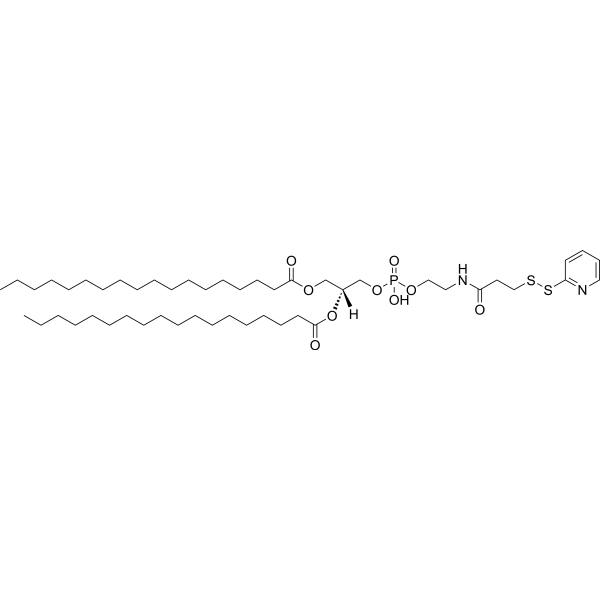
DSPE-SPDPFeaturedFeatured
DSPE-SPDP is a phospholipid molecule. DSPE-SPDP can orient itself to form lipid bilayer in water. DSPE-SPDP can be used for the research of various biochemical.
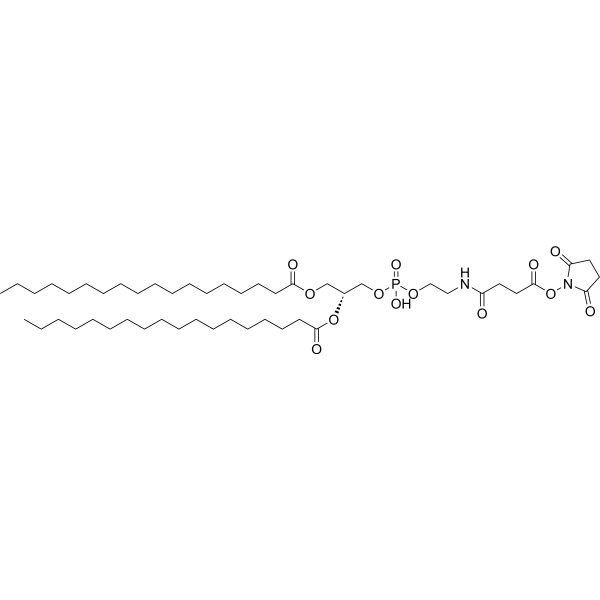
DSPE-NHSFeaturedFeatured
DSPE-NHS is a bioconjugation phospholipid molecule with two hydrophobic lipid tails. DSPE-NHS is a self-assembling reagent which forms lipid bilayer in aqueous solution. DSPE-NHS can be used to prepare liposomes as drug nanocarrier.
Endosidin5(ES5)FeaturedFeatured
Endosidine 5 (ES5), is one of the most potent small molecules interferes with recycling endosomes through Annexin A6, thereby promoting the release and expression of mRNA into the cytoplasm. The delivered mRNAs is greatly enhanced via inhibition of endocytic recycling in cells and in live mice. NAV2729 (NAV) and endosidin 5 (ES5), resulted in significant enhancement (1.5–2 folds) of LNP-mediated delivery of Fluc mRNAs. Incubation of NAV and ES5 together caused modest further increases in Fluc expression in comparison to the sole application of either compound.
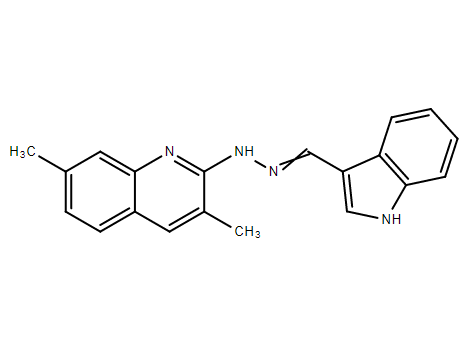
ART558FeaturedFeatured
ART558 is a nanomolar potent, selective, low molecular weight, allosteric DNA polymerase activity of Polθ inhibitor (IC50=7.9 nM). Inhibition of TMEJ with ART558 increases the efficiency of HDR-mediated repair on Cas9-induced DSBs, most profoundly in combination with a NHEJ/DNA-PKcs inhibitor.
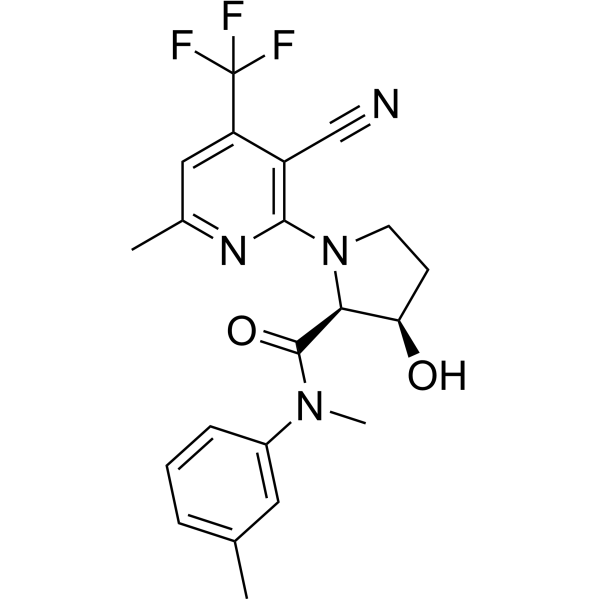
BropirimineFeaturedFeatured
Bropirimine is a synthetic agonist for toll-like receptor 7 (TLR7). Bropirimine inhibits differentiation of osteoclast precursor cells into osteoclasts via TLR7-mediated production of IFN-β. Bropirimine is an orally active immunomodulator that has demonstrated anticancer activity in transitional cell carcinoma in situ (CIS) in both the bladder and upper urinary Bropirimine could enhance the transfection efficiency to 2-fold to 5-fold of Lipofectamine 3000 and LNP, all of which are currently approved for clinical use in the treatment of the most common malignant tumors.
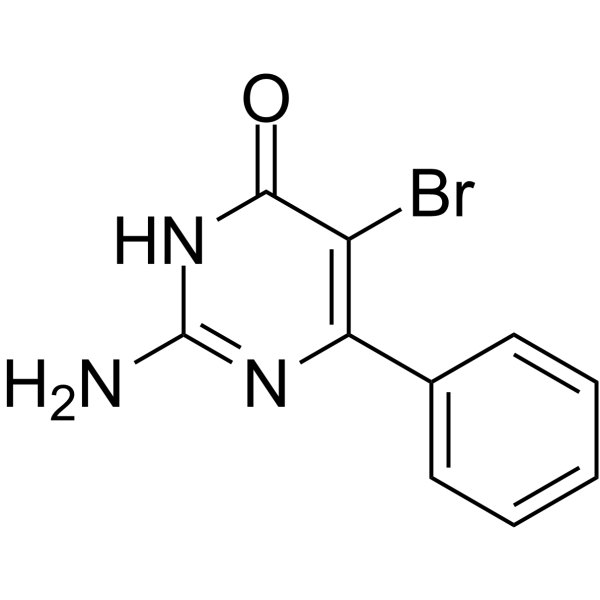
SCH58261FeaturedFeatured
SCH 58261 is a potent and selective A2a adenosine receptor antagonist with Ki of 2.3 nM and 2 nM for rat A2a and bovine A2a. SCH58261 could enhance the transfection efficiency to 2-fold to 5-fold of Lipofectamine 3000 and LNP, all of which are currently approved for clinical use in the treatment of the most common malignant tumors.
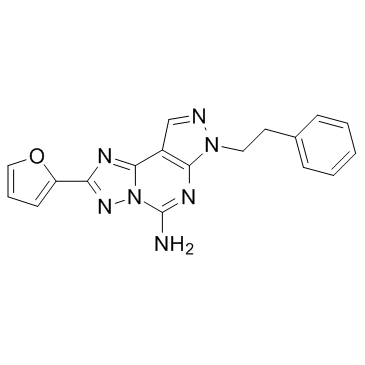
SH-BC-893FeaturedFeatured
SH-BC-893 is a water-soluble, orally bioavailable synthetic sphingolipid that triggers nutrient transporter internalization and also blocks lysosome-dependent nutrient generation pathways in cancer cells, activates protein phosphatase 2A (PP2A), leading to mislocalization of the lipid kinase PIKfyve; selectively kills cells expressing an activated form of the anabolic oncogene Ras in vitro and in vivo.SH-BC-893, increases the activity of antisense oligonucleotides (ASOs) and small interfering RNAs (siRNAs) up to 200-fold in vitro without permeabilizing endosomes. SH-BC-893 treatment trapped endocytosed oligonucleotides within extra-lysosomal compartments thought to be more permeable due to frequent membrane fission and fusion events. Simultaneous disruption of ARF6-dependent endocytic recycling and PIKfyve-dependent lysosomal fusion was necessary and sufficient for SH-BC-893 to increase non-lysosomal oligonucleotide levels and enhance their activity. In mice, oral administration of SH-BC-893 increased ASO potency in the liver by 15-fold without toxicity. More importantly, SH-BC-893 enabled target RNA knockdown in the CNS and lungs of mice treated subcutaneously with cholesterol-functionalized duplexed oligonucleotides or unmodified ASOs, respectively. Together, these results establish the feasibility of using a small molecule that disrupts endolysosomal trafficking to improve the activity of oligonucleotides in extrahepatic tissues.
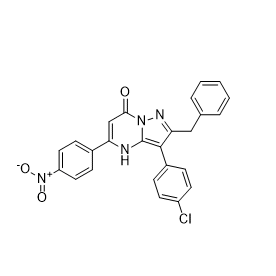
NAV-2729(Grassofermata)FeaturedFeatured
NAV 2729 (NAV2729) is a chemical potentiator for mRNA-LNPs, increasing the delivery efficiencies of mRNA-LNPs in vitro and in vivo.
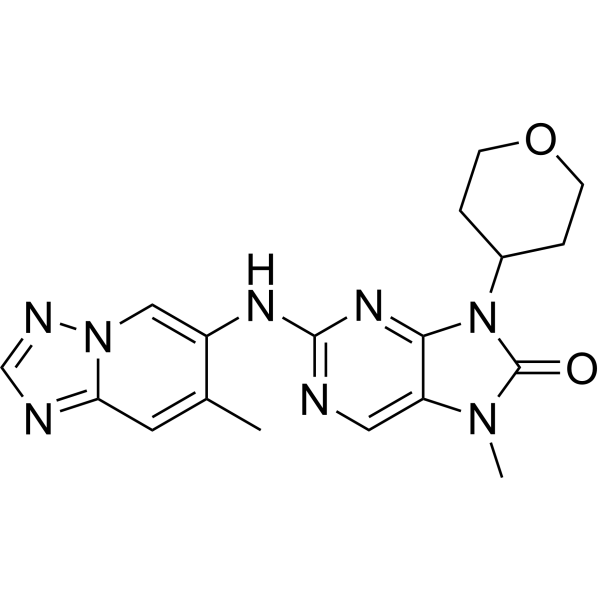
AZD-7648FeaturedFeatured
AZD-7648 is a potent and selective DNA-PK inhibitor. AZD7648,enhances HDR efficiency in CRISPR-Cas9 gene editing by shifting DNA repair from the error-prone NHEJ pathway to the precise HDR pathway, significantly improving gene targeting outcomes in human cells for effective ex vivo gene therapies.
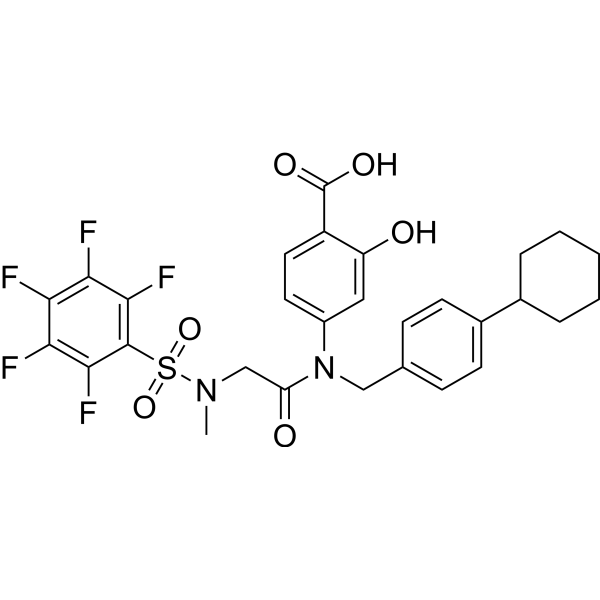
STAT3 Inhibitor XVIII, BP-1-102FeaturedFeatured
BP-1-102 is a potent, orally bioavailable and selective STAT3 inhibitor.BP-1-102 could enhance the transfection efficiency to 2-fold to 5-fold of Lipofectamine 3000 and LNP, all of which are currently approved for clinical use in the treatment of the most common malignant tumors.
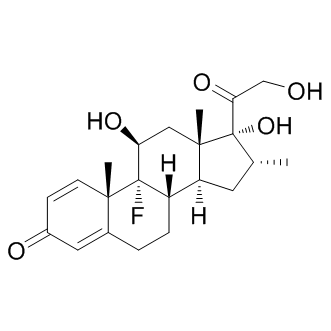
DexamethasoneFeaturedFeatured
Dexamethasone is a potent synthetic member of the glucocorticoid class of steroid drugs used as an anti-inflammatory and immunosuppressant.
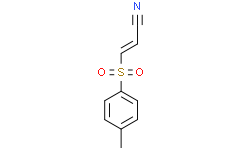
BAY11-7082FeaturedFeatured
BAY 11-7082 is a NF-κB inhibitor which decreases NF-κB by inhibiting TNF-α-induced phosphorylation of IκB-α. BAY 11-7082 inhibits ubiquitin-specific protease USP7 and USP21 with IC50s of 0.19 μM and 0.96 μM, respectively.
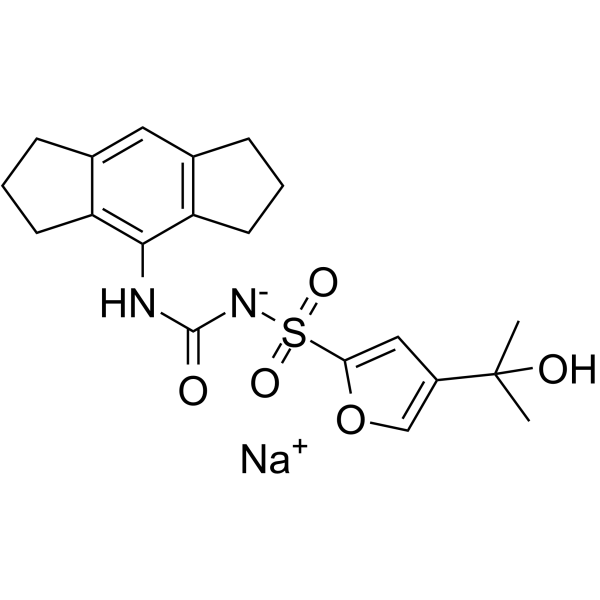
MCC950 (CP-456773) sodiumFeaturedFeatured
MCC950 (CP-456773) sodium is a potent, selective, small-molecule inhibitor of NLRP3 with IC50 of 7.5 nM in BMDMs.
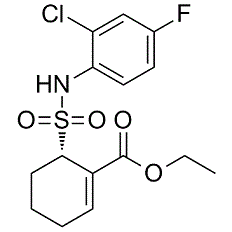
TAK-242 (Resatorvid)FeaturedFeatured
TAK-242 (Resatorvid), a small-molecule-specific inhibitor of Toll-like receptor (TLR) 4 signaling, inhibits the production of lipopolysaccharide-induced inflammatory mediators by binding to the intracellular domain of TLR4. IC50 value: 1.1-11 nM Target: TLR4 in vitro: In RAW264.7 cells and mouse peritoneal macrophages, TAK-242 suppressed lipopolysaccharide (LPS)-induced production of NO, tumor necrosis factor-alpha (TNF-alpha), and interleukin (IL)-6, with 50% inhibitory concentration (IC50) of 1.1 to 11 nM. TAK-242 also suppressed the production of these cytokines from LPS-stimulated human peripheral blood mononuclear cells (PBMCs) at IC50 values from 11 to 33 nM. In addition, the inhibitory effects on the LPS-induced IL-6 and IL-12 production were similar in human PBMCs, monocytes, and macrophages. TAK-242 inhibited mRNA expression of IL-6 and TNF-alpha induced by LPS and interferon-gamma in RAW264.7 cells . TAK-242 selectively bound to TLR4. The time course of the inhibitory effect of TAK-242 on inflammatory mediator production corresponded to that of the binding of TAK-242 to TLR4. TAK-242 inhibited the association of TLR4 with Toll/interleukin-1 receptor domain-containing adaptor protein (TIRAP) or Toll/interleukin-1 receptor domain-containing adaptor protein inducing interferon-β-related adaptor molecule (TRAM) in human embryonic kidney (HEK) 293 cells overexpressing TLR4, MD-2, and TIRAP or TRAM, respectively . in vivo: To evaluate the effect of blocking TLR4 on visceral nociception, TAK-242, a selective TLR4 antagonist, was administered peripherally (intravenous) and centrally (intracerebroventricular and intra-PFC) (n = 10-12/experimental group) . Intravenous administration of TAK-242 to mice 1 h be Fore LPS challenge dose-dependently inhibited LPS-induced increases in serum levels of TNF-alpha, IL-1beta, IL-6, IL-10, MIP-2, and NO metabolites. TAK-242 protected mice from LPS-induced lethality in a similar dose-dependent manner, and rescued 100% of mice at a dose of 1 mg/kg. Interestingly, TAK-242 worked quickly, and showed beneficial effects even when administered after LPS challenge .For the detailed information of TAK-242 (Resatorvid), the solubility of TAK-242 (Resatorvid) in water, the solubility of TAK-242 (Resatorvid) in DMSO, the solubility of TAK-242 (Resatorvid) in PBS buffer, the animal experiment (test) of TAK-242 (Resatorvid), the cell expriment (test) of TAK-242 (Resatorvid), the in vivo, in vitro and clinical trial test of TAK-242 (Resatorvid), the EC50, IC50,and Affinity of TAK-242 (Resatorvid), Please contact DC Chemicals.
EnpatoranFeaturedFeatured
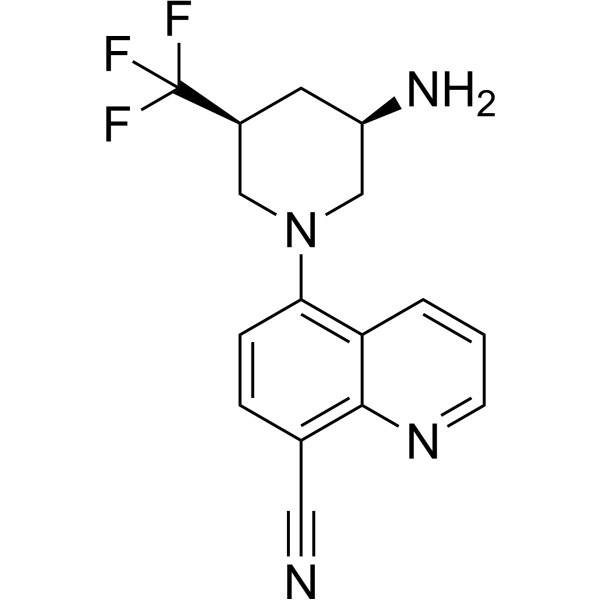
Enpatoran (M5049) is an orally active and dual TLR7/8 inhibitor with IC50s of 11.1 nM and 24.1 nM in HEK293 cells, respectively. Enpatoran can block both innate and adaptive autoimmunity. Enpatoran is inactive against TLR3, TLR4 and TLR9. Enpatoran (M5049) can block molecule synthetic ligands and natural endogenous RNA ligands. Enpatoran (M5049) inhibits cytokine release, causing great potency in pharmacokinetic/pharmacodynamic properties.
No products match this search.
Page 156 of 184 · Browse all 3666 products