
Research lipid catalog
Ionizable Lipid Products
Explore 848 lipid and RNA delivery products. Search the full catalog or browse by research category.
Search covers product name, catalog number, synonyms, available CAS numbers and categories. Spaces, hyphens and common punctuation are ignored. Duplicate legacy records are consolidated under one canonical product result.
3666 products · Showing 3081–3100 · 20 per page
DC Chemicals lipid expertise
Built for ionizable-lipid discovery and RNA delivery research
DC Chemicals supports formulation and delivery research with a broad, searchable portfolio of cationic and ionizable lipids. The current directory brings together 848 unique research-use products, with product specifications, pricing, chemical structures and literature-linked formulation data added as each record is verified.
Our experience spans complex lipid synthesis, purification, analytical release and process development. For custom molecules or larger-scale requirements, our team can discuss route development, technical specifications and scale-up options for the intended research workflow.
Learn about cationic and ionizable lipids →Proprietary innovation · Co-development · GMP
From proprietary lipid design to GMP-grade custom synthesis
DC Chemicals has independently developed ionizable-lipid structures supported by company-owned intellectual property, and selected proprietary lipid programs have advanced to GMP-stage development.
We welcome joint development with customers—from molecular design and lipid synthesis through route and process development. We can also support custom synthesis of GMP-grade ionizable lipids to agreed technical specifications and quality requirements.
Discuss a co-development project →Proprietary ionizable-lipid structuresCollaborative molecular designCustom lipid synthesisProcess development and scale-upGMP-grade project support
Product quick links
Explore ionizable lipids
Browse specifications, pricing and literature-linked product information.
Cat. No.Product NameField of ApplicationChemical Structure
DMPGFeaturedFeatured
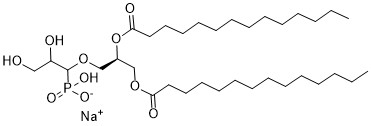
DMPG is a phospholipid containing the saturated long-chain (14:0) myristic acid.
DSPAFeaturedFeatured
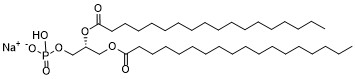
DSPA is a form of phosphatidic acid (PA) containing a phosphatidic acid head group and 18:0 fatty acids
POPEFeaturedFeatured
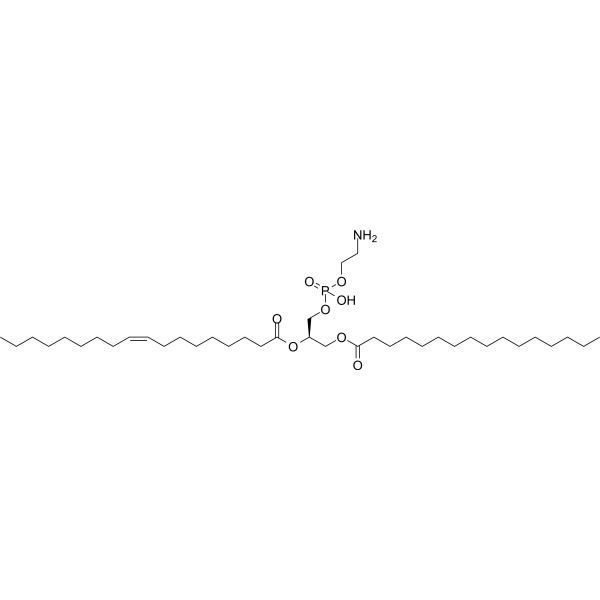
POPE is a phospholipid, and can be used for drug delivery.
DSPEFeaturedFeatured
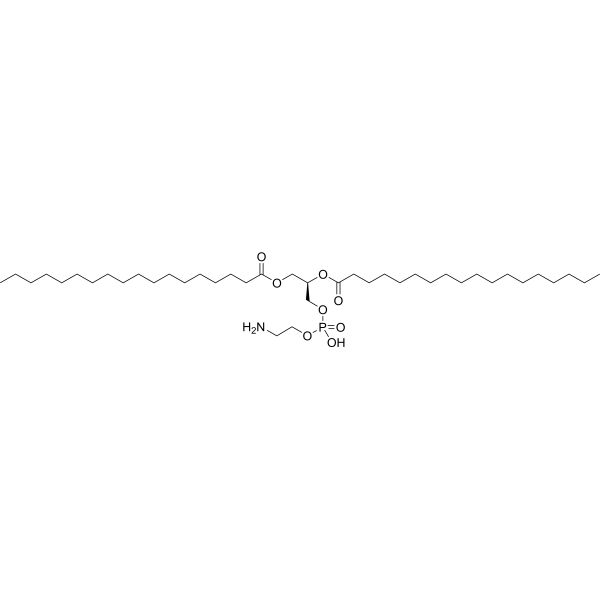
DSPE is a phosphoethanolamine (PE) lipid that can be used in the synthesis of liposomes.
HSPCFeaturedFeatured
HSPC is a natural product. Hydrogenated soya phosphatidylcholines can extend drug release in regard to drug loading and solubility for oral drug delivery of watersoluble drugs.

18:0-18:2 PEFeaturedFeatured
18:0-18:2 PE is a lipid for agents delivering. 18:0-18:2 PE is mainly composed of unsaturated fatty acids. 18:0-18:2 is considered important precursors of important odorants (IOs) in Eriocheir sinensis.
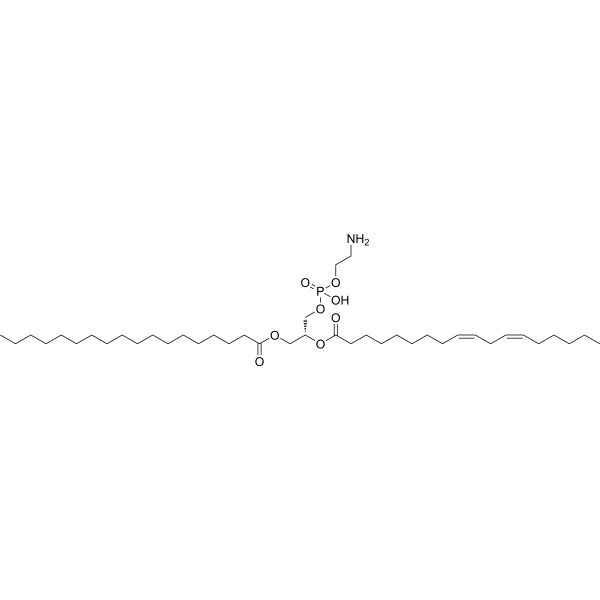
SOPA-NA(18:0-18:1 PA)FeaturedFeatured
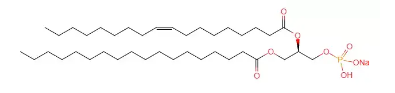
DOPG-NaFeaturedFeatured
DOPG-Na is a phospholipid containing the long-chain (18:1) fatty acid oleic acid inserted at the sn-1 and sn-2 positions. It can be used in the generation of micelles, liposomes, and other artificial membranes. DOPG is an anionic phospholipid derivative. The negatively charged liposomes prepared with DOPG has been found to possess the best loading capacity and encapsulation rate for Peptide Nucleic Acid (PNA) oligomers.
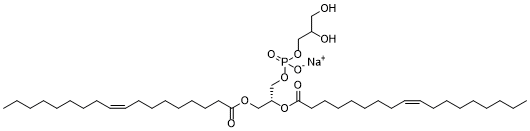
DMG-PEG2000-NHSFeaturedFeatured
DMG-PEG2000-NHS is a PEG derivative that can be used in various biomedical applications, such as the construction of drug delivery systems (siRNA delivery liposomes, lipid nanoparticle, etc.). The active ester (NHS) can react with an amino group (-NH2) to form a stable amide bond, which can be used as a linker in a bioconjugation strategy to modify amino-linked peptide proteins as well as other small molecules.
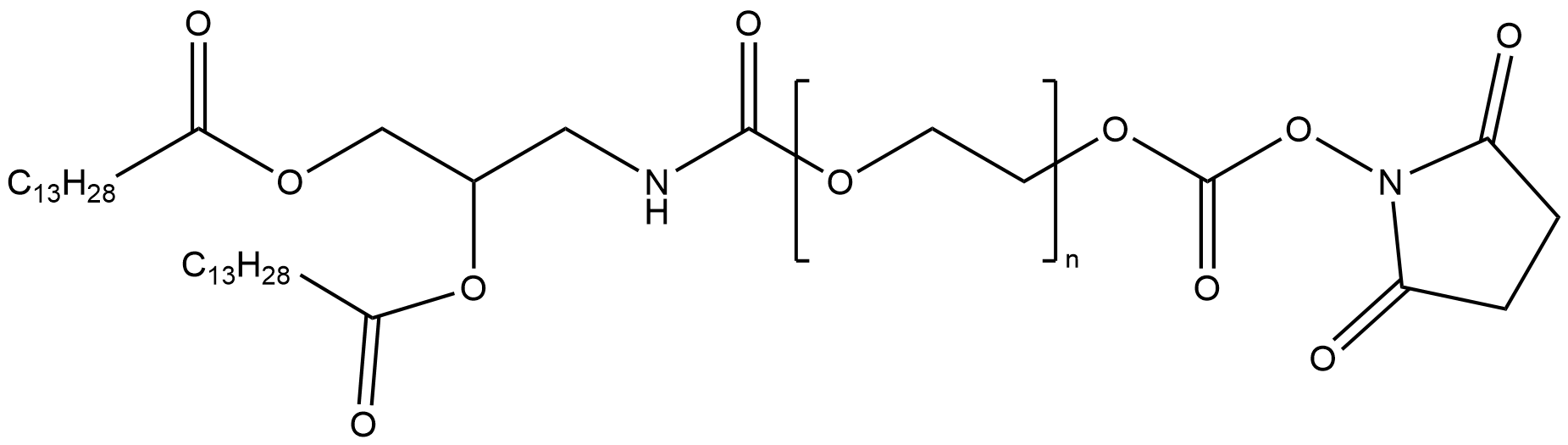
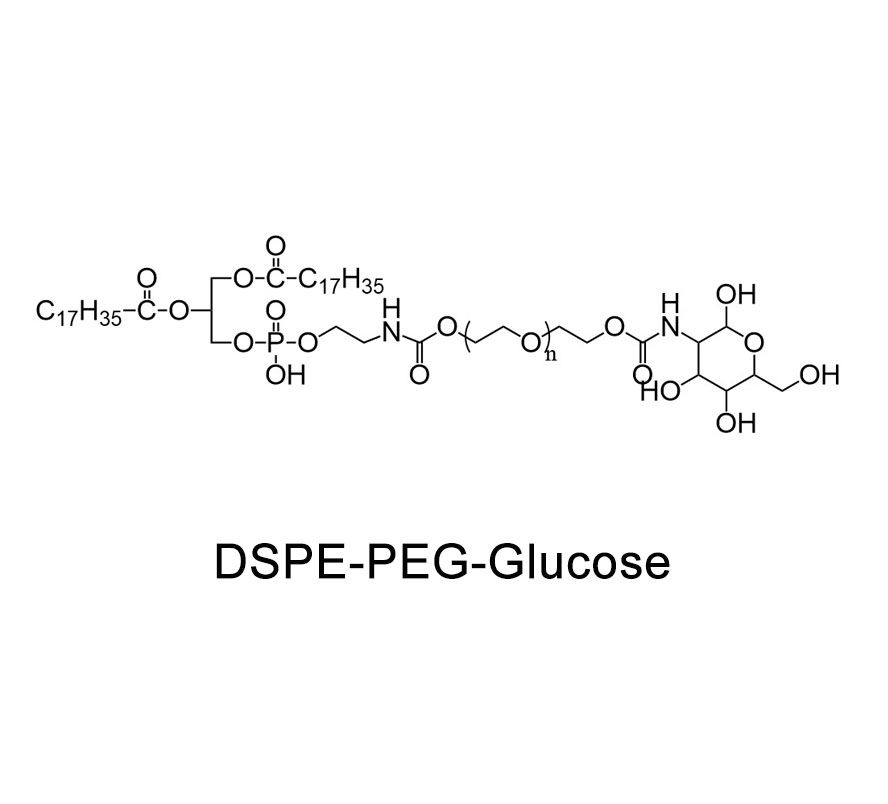
DSPE-PEG-Glucose;DSPE-PEG2000-GlucoseFeaturedFeatured
Glucose, organic compound, molecular formula C6H12O6. It is one of the most widely distributed and important monosaccharides in nature, and it is a polyhydroxyaldehyde. Glucose plays an important role in the field of biology, that is, the main energy supplier of living things. Plants produce glucose through photosynthesis. Liposome has the advantages of low toxicity, easy preparation, as a carrier of both water-soluble and fat-soluble drugs, suitable for a variety of drug delivery routes, improve drug stability, and achieve targeted drug delivery. However, after the liposome enters the body, it is easy to be taken up and cleared by RES cells due to the specific conditioning effect of opsonins in plasma on the liposome and the non-specific hydrophobic interaction between RES cells and liposome.
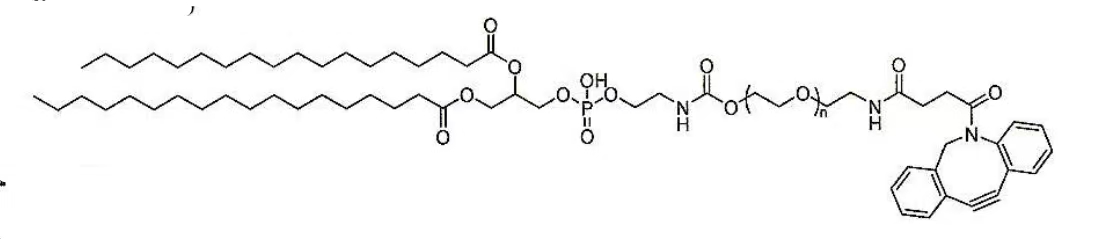
DSPE-PEG-DBCO ammonium is the ammonium salt form of DSPE-PEG-DBCO. DSPE-PEG-DBCO ammonium is utilized in copper-free click chemistry through SPAAC conjugation with an azido-functionalized peptide ligand. DSPE-PEG-DBCO ammonium is applied in drug-delivery and nanoparticle research.
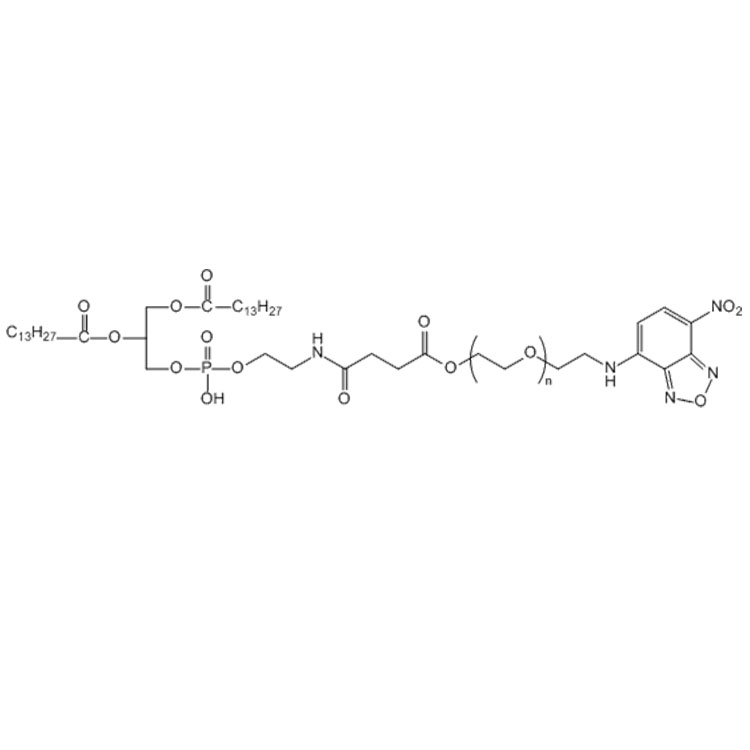
DMPE-PEG-NBD (PEG2000)FeaturedFeatured
DMPE-PEG, a synthetic lipid, possesses unique properties and finds extensive applications as liposomes. Firstly, DMPE-PEG exhibits excellent biocompatibility and solubility, allowing for its stable presence and efficient absorption and metabolism in vivo. Additionally, DMPE-PEG possesses good surface activity, aiding in the stabilization of liposome structures and enhancing their stability.
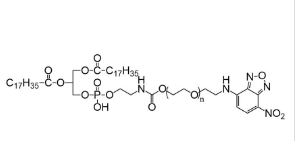
DSPE-PEG-NBD(PEG2000)FeaturedFeatured
DSPE-PEG-NBD is a fluorescent phospholipid PEG conjugate, which can be used as a lipid membrane probe. The excitation/emission wavelength of NBD is 460 nm/534 nm.
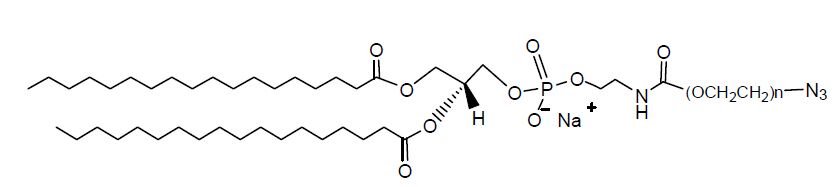
DSPE-PEG-N3(DSPE-PEG-Azide, MW2000)FeaturedFeatured
DSPE-PEG-N3 is a click chemical PEG reagent. Azide group is easy to react with alkynyl group under the catalysis of copper catalyst. It can also react directly with DBCO without any catalyst. DSPE (1,2-distearoyl-sn-glycerol-3-phosphoethanolamine) is a saturated 18 carbon phospholipid, which is commonly used in the synthesis of liposomes. Polyethylene glycol (PEG) - coupled DSPE is hydrophilic and can be used for drug delivery, gene transfection and biomolecular modification. The PEG of phospholipid significantly improved the blood circulation time and stability of the capsule drug. Polyethylene glycol can enhance the solubility and stability, reduce the non-specific binding of charged molecules on the surface, and reduce the immunogenicity of polypeptides. Azide (- N3) can react with copper catalyzed alkynes in aqueous solution and be reduced to amino groups. Polyethylene glycol can increase solubility and stability. It can also inhibit the nonspecific binding of charged molecules on the modified surface.
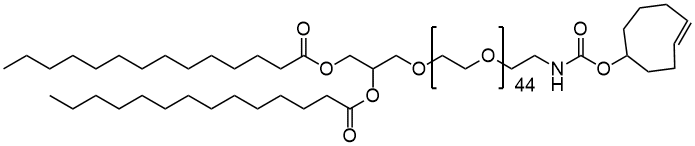
DMG-PEG-TCO (MW2000)FeaturedFeatured
DMG-PEG2000-TCO offer the ability to easily conjugate to specific biomolecules via metal free click chemistry to tetrazines. By changing the PEG length, one can change the micelle size, immunological safety, and change the drug release rate.
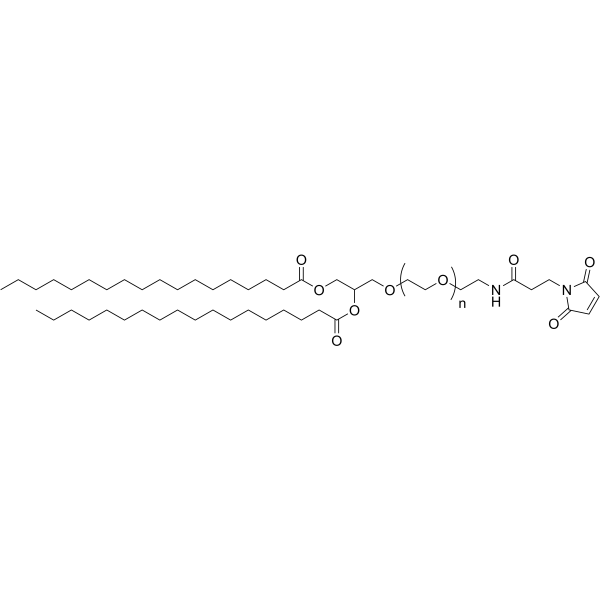
DSG-PEG3400-MalFeaturedFeatured
DSG-PEG3400-Mal is a conjugate composed of DSG, PEG chains, and maleimide (Mal). The maleimide group in DSG-PEG3400-Mal can undergo a specific Michael addition reaction with thiol-containing (-SH) biomolecules (such as peptides, antibodies, and aptamers), enabling targeted modification of liposomes/nanoparticles.
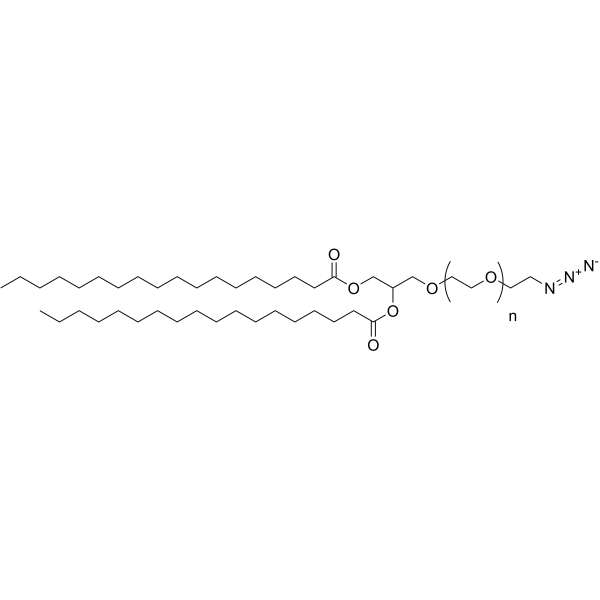
DSG-PEG3400-N3FeaturedFeatured
DSG-PEG3400-N3 is a conjugate composed of DSG, PEG chains, and terminal azido groups (-N3). DSG-PEG3400-Azide is a click chemistry reagent used for the targeted modification of liposomes/nanoparticles.
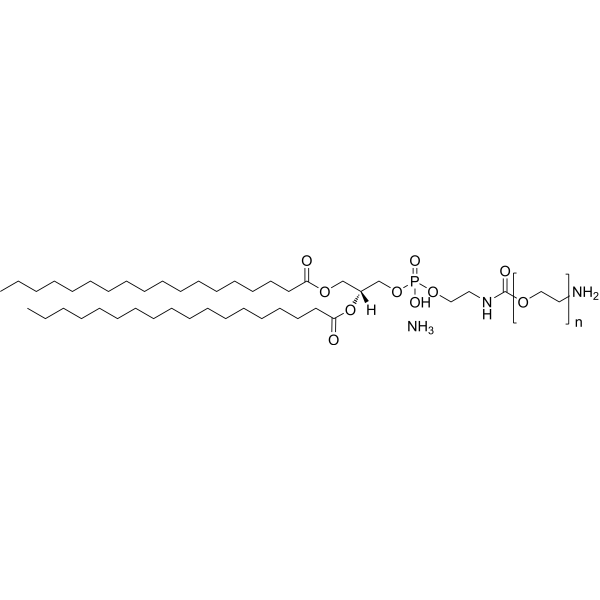
DSPE-PEG(2000)-AmineFeaturedFeatured
DSPE-PEG(2000)-Amine is used in the synthesis of solid lipid and thermosensitive liposomal nanoparticles for the delivery of anticancer agents.
DMPE-PEG-Rhodamine BFeaturedFeatured
DMPE-PEG, a synthetic lipid, possesses unique properties and finds extensive applications as liposomes. Firstly, DMPE-PEG exhibits excellent biocompatibility and solubility, allowing for its stable presence and efficient absorption and metabolism in vivo. Additionally, DMPE-PEG possesses good surface activity, aiding in the stabilization of liposome structures and enhancing their stability.

DOPE-PEG-NBDFeaturedFeatured
DOPE-PEG is a versatile phospholipid derivative with unique properties that make it suitable for various applications. Its hydrophobic and hydrophilic nature enables efficient encapsulation and delivery of drugs and nucleic acids, making it a valuable tool in drug delivery systems and gene therapy. Additionally, DOPE-PEG can enhance the stability and circulation time of liposomes, improving their efficacy as drug carriers.

No products match this search.
Page 155 of 184 · Browse all 3666 products