
Research lipid catalog
Ionizable Lipid Products
Explore 848 lipid and RNA delivery products. Search the full catalog or browse by research category.
Search covers product name, catalog number, synonyms, available CAS numbers and categories. Spaces, hyphens and common punctuation are ignored. Duplicate legacy records are consolidated under one canonical product result.
3666 products · Showing 3321–3340 · 20 per page
DC Chemicals lipid expertise
Built for ionizable-lipid discovery and RNA delivery research
DC Chemicals supports formulation and delivery research with a broad, searchable portfolio of cationic and ionizable lipids. The current directory brings together 848 unique research-use products, with product specifications, pricing, chemical structures and literature-linked formulation data added as each record is verified.
Our experience spans complex lipid synthesis, purification, analytical release and process development. For custom molecules or larger-scale requirements, our team can discuss route development, technical specifications and scale-up options for the intended research workflow.
Learn about cationic and ionizable lipids →Proprietary innovation · Co-development · GMP
From proprietary lipid design to GMP-grade custom synthesis
DC Chemicals has independently developed ionizable-lipid structures supported by company-owned intellectual property, and selected proprietary lipid programs have advanced to GMP-stage development.
We welcome joint development with customers—from molecular design and lipid synthesis through route and process development. We can also support custom synthesis of GMP-grade ionizable lipids to agreed technical specifications and quality requirements.
Discuss a co-development project →Proprietary ionizable-lipid structuresCollaborative molecular designCustom lipid synthesisProcess development and scale-upGMP-grade project support
Product quick links
Explore ionizable lipids
Browse specifications, pricing and literature-linked product information.
Cat. No.Product NameField of ApplicationChemical Structure
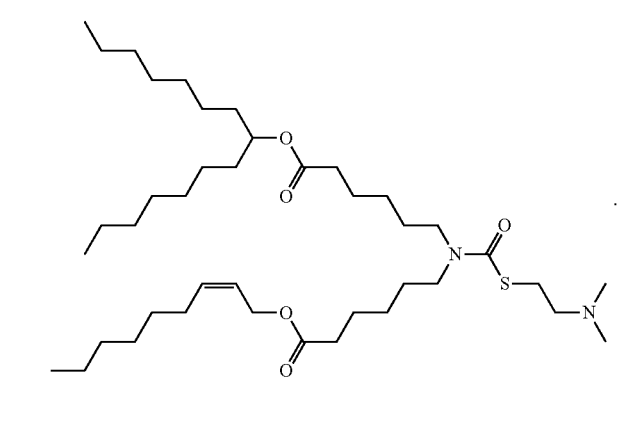
ATX-95 is an unsaturated ionizable lipid utilized in the formulation of lipid nanoparticles for drug delivery.
18:1 PEG2000 PEFeaturedFeatured
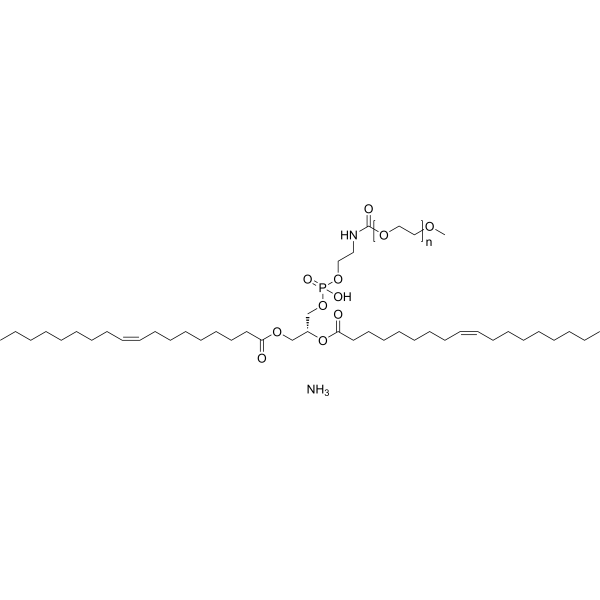
18:1 PEG2000 PE (18:1 PEG-PE) is a polyethyleneglycol/phosphatidyl-ethanolamine conjugate. 18:1 PEG2000 PE can be used for drug delivery.
DPPE-PEG2000FeaturedFeatured
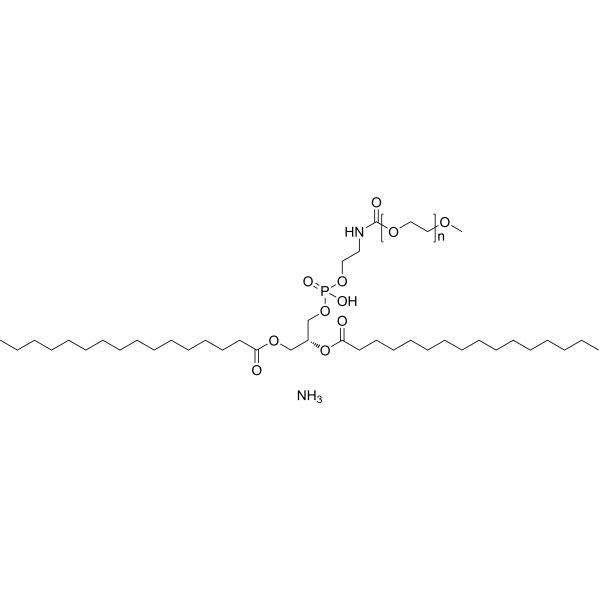
DPPE-PEG2000 (16:0 PEG2000 PE) is a PEG-modified lipids. 16:0 PEG2000 PE can reduce the nonspecific adsorption of protein and prolong circulation time in vivo.
DOSPERFeaturedFeatured

EDOPCFeaturedFeatured
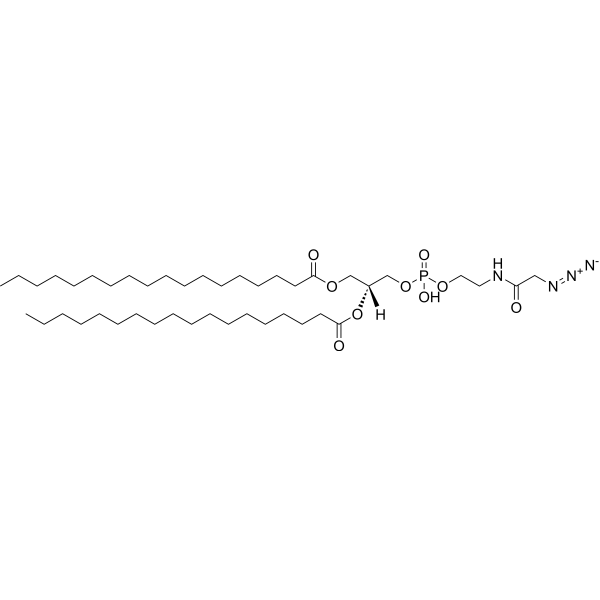
DSPE-N3FeaturedFeatured
DSPE-N3 is a lipid. DSPE-N3 can be used for the research of various biochemical.
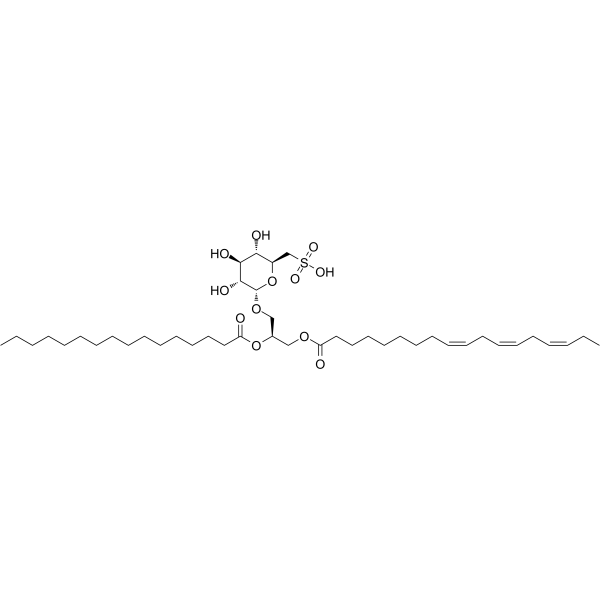
SQDGFeaturedFeatured
SQDG is a glycolipid that possesses sugar moieties in their head groups. SQDG is a membrane lipid that can be used to investigate the effects of structural lipid in LNP formulations.
EDLPCFeaturedFeatured
DPPE-DBCOFeaturedFeatured
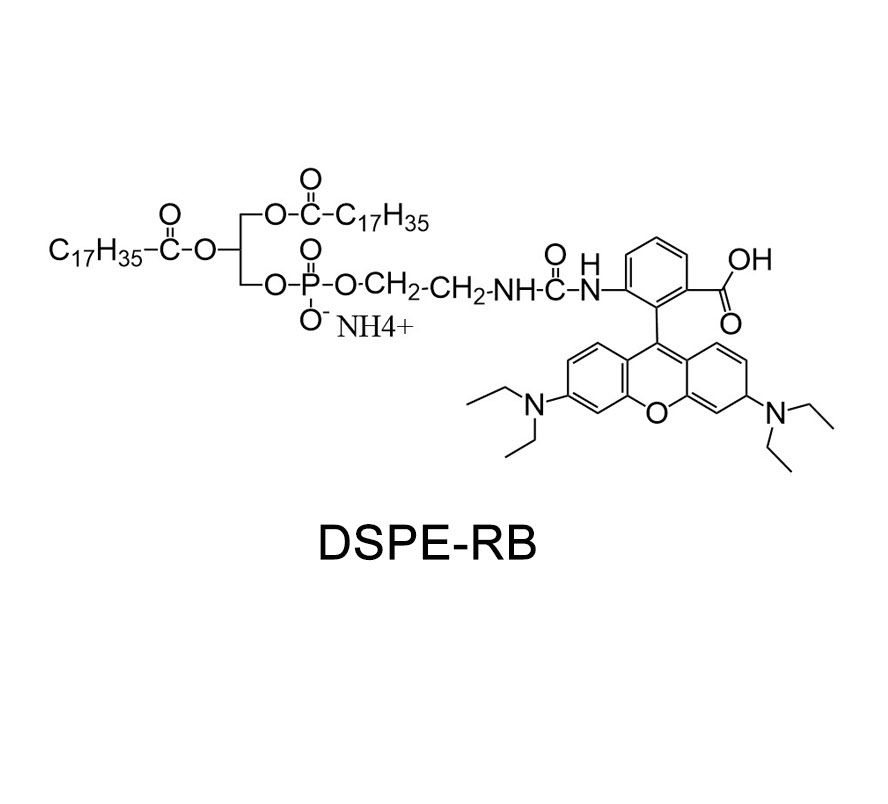
DSPE-RBFeaturedFeatured
Phospholipids DSPE belong to the lipid family of biopolymers. Phospholipids consist of two fatty acids, a glycerol unit, a phosphate group, and a polar molecule. The phosphate groups and polar head regions of the molecule are hydrophilic (attracted to water), while the fatty acid tail is hydrophobic (repelled by water). When placed in water, the phospholipids Orient themselves into a double layer, where the non-polar tail region faces the inner region of the double layer. The polar head region faces outward and interacts with the water. Applications in drug release, nanotechnology and new materials research, cell culture. As well as ligand research, peptide synthesis support, grafted polymer compounds, new materials and pegylated modified functional coatings and other active compounds.
DSPE-NH2FeaturedFeatured
Phosphatidyl amino DSPE-NH2 is one of the most common materials in polymer modification. By grafting phospholipid bonds to amino molecules, polymeric polymers with different chain segments are formed by using phospholipid molecules, which reduces the thermal stability and weather resistance of the materials. At the same time, by introducing modifiers to improve the water resistance of the polymer itself, improve its processing performance, and finally obtain good water resistance, high mechanical properties, good weather resistance, good acid and alkali resistance products. DSPE-NH2 material is mainly composed of isopropyl alcohol butadiene, the isopropyl alcohol butadiene mixture is an aromatic polymer, with strong water absorption, hydrophilicity, and wide molecular weight distribution, good solubility, high mechanical strength characteristics, so the material can be used in many fields.

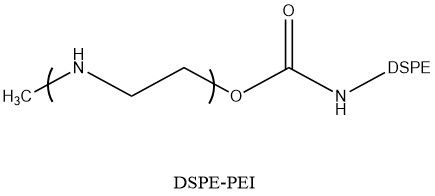
DSPE-PEIFeaturedFeatured
DSPE-CY5FeaturedFeatured
Phospholipids DSPE belong to the lipid family of biopolymers. Phospholipids consist of two fatty acids, a glycerol unit, a phosphate group, and a polar molecule. The phosphate groups and polar head regions of the molecule are hydrophilic (attracted to water), while the fatty acid tail is hydrophobic (repelled by water). When placed in water, the phospholipids Orient themselves into a double layer, where the non-polar tail region faces the inner region of the double layer. The polar head region faces outward and interacts with the water. Applications in drug release, nanotechnology and new materials research, cell culture. As well as ligand research, peptide synthesis support, grafted polymer compounds, new materials and pegylated modified functional coatings and other active compounds.

DSPE-CY7FeaturedFeatured
Phospholipids DSPE belong to the lipid family of biopolymers. Phospholipids consist of two fatty acids, a glycerol unit, a phosphate group, and a polar molecule. The phosphate groups and polar head regions of the molecule are hydrophilic (attracted to water), while the fatty acid tail is hydrophobic (repelled by water). When placed in water, the phospholipids Orient themselves into a double layer, where the non-polar tail region faces the inner region of the double layer. The polar head region faces outward and interacts with the water. Applications in drug release, nanotechnology and new materials research, cell culture. As well as ligand research, peptide synthesis support, grafted polymer compounds, new materials and pegylated modified functional coatings and other active compounds.

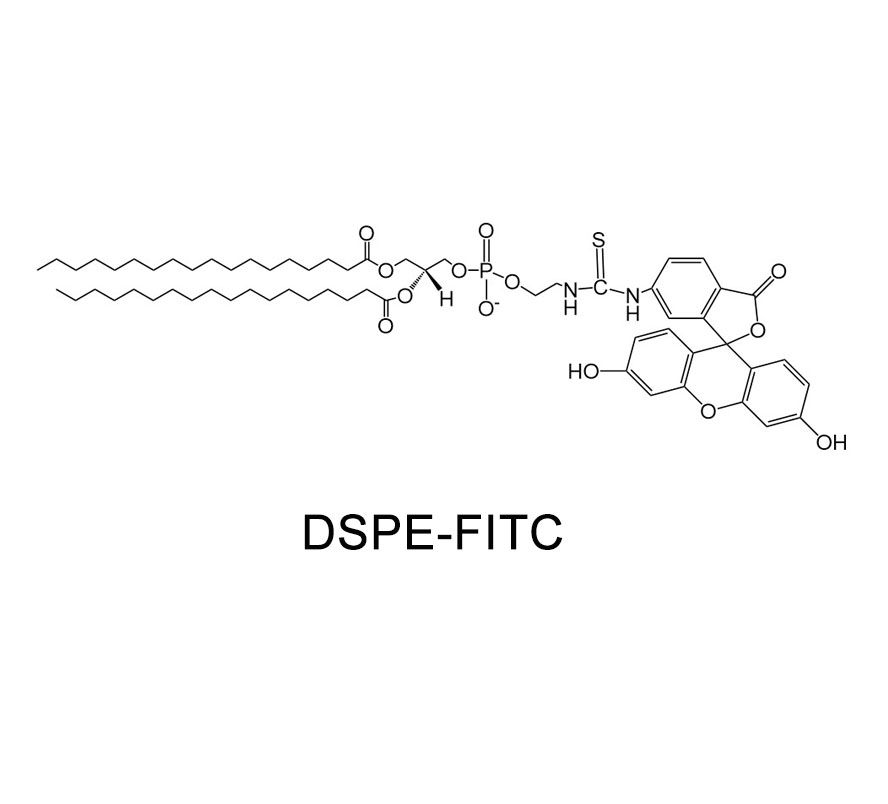
DSPE-FITCFeaturedFeatured
Phospholipids DSPE belong to the lipid family of biopolymers. Phospholipids consist of two fatty acids, a glycerol unit, a phosphate group, and a polar molecule. The phosphate groups and polar head regions of the molecule are hydrophilic (attracted to water), while the fatty acid tail is hydrophobic (repelled by water). When placed in water, the phospholipids Orient themselves into a double layer, where the non-polar tail region faces the inner region of the double layer. The polar head region faces outward and interacts with the water. Applications in drug release, nanotechnology and new materials research, cell culture. As well as ligand research, peptide synthesis support, grafted polymer compounds, new materials and pegylated modified functional coatings and other active compounds.
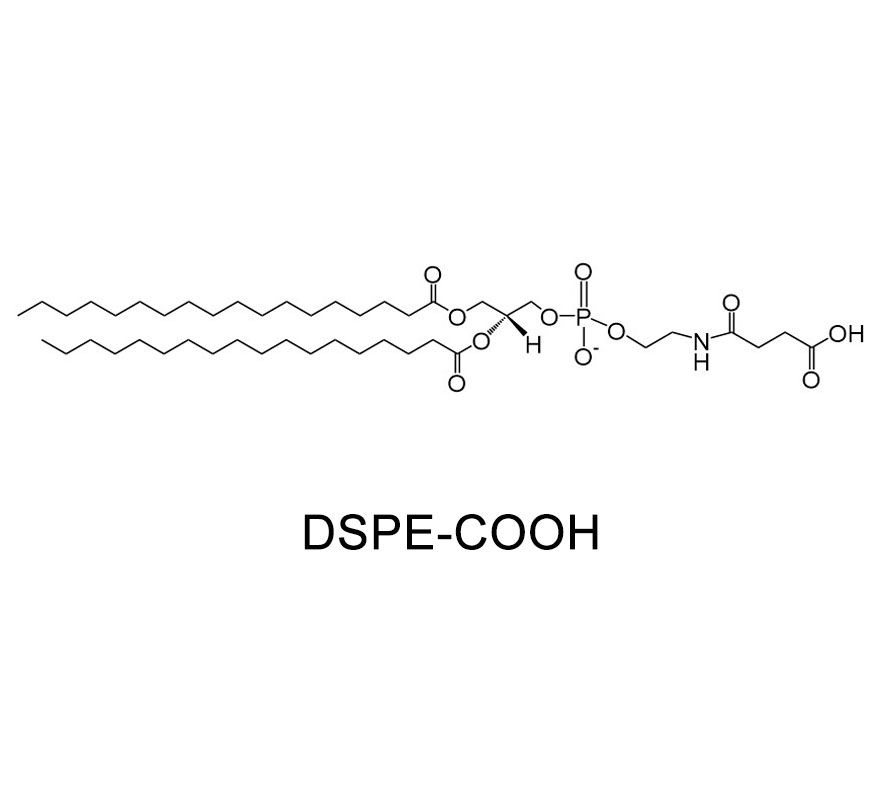
DSPE-COOHFeaturedFeatured
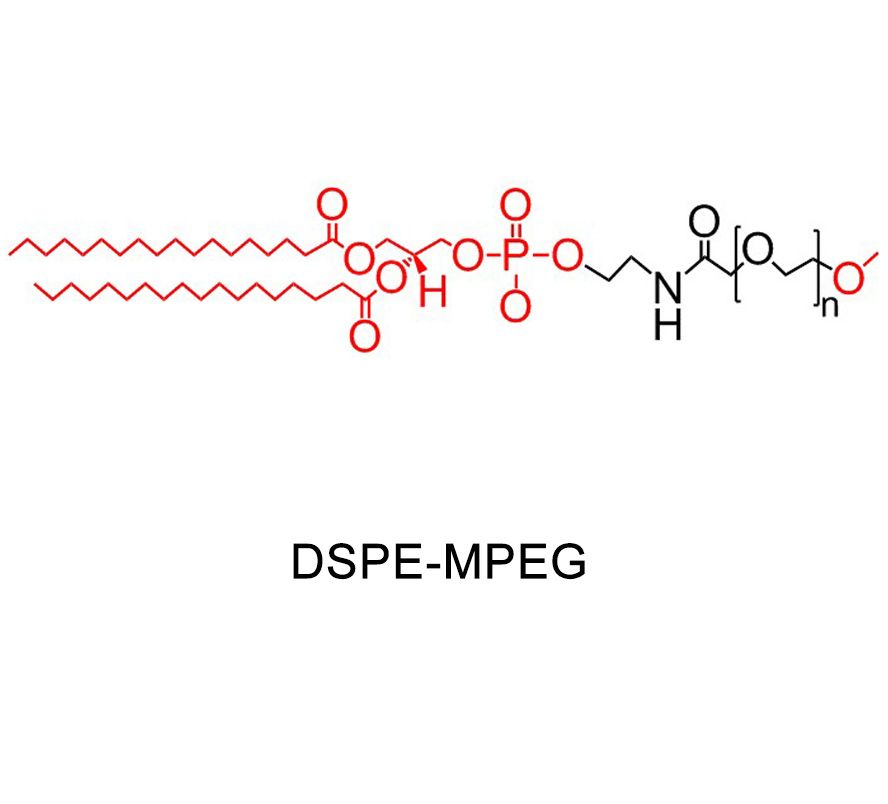
DSPE-MPEGFeaturedFeatured
2-Distearoyl-sn-Glycero-3-Phosphoethanolamine(DSPE) conjugated polyethylene glycol is a combination of phospholipid and polyethylene glycol, which has hydrophilicity and hydrophobicity. Polyethylene glycol phospholipid liposomes can be used for drug delivery, gene transfection and vaccine delivery. Pegylated phospholipids can significantly improve blood circulation time and stabilize drug encapsulation. These materials can also be used for targeted drug delivery by modifying ligands with target surfaces such as antibodies and peptides,Liposomes.
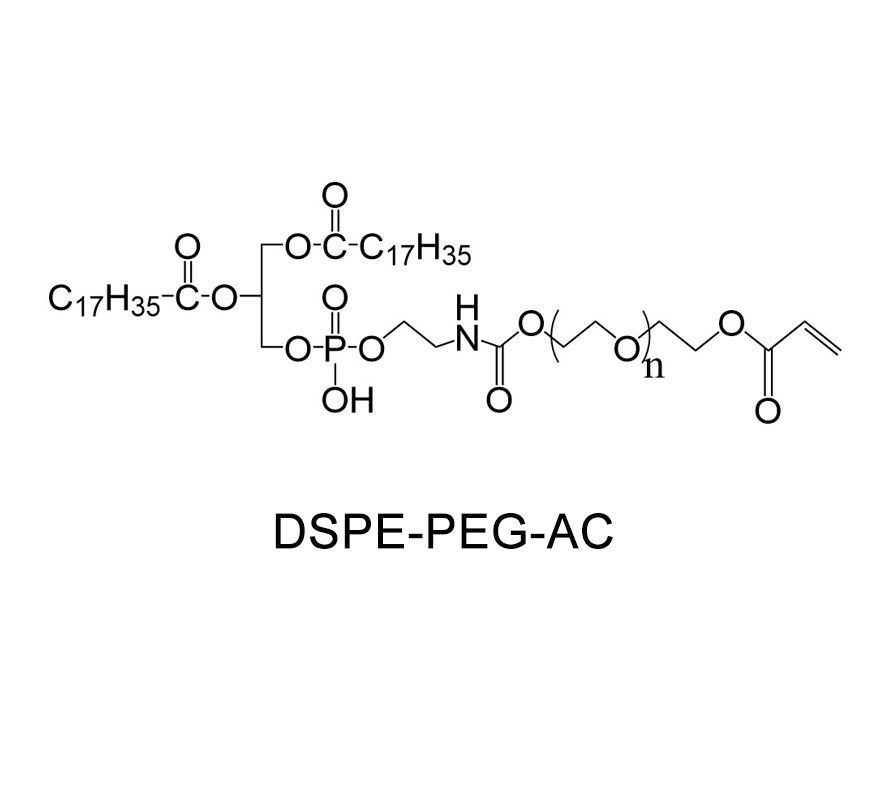
DSPE-PEG-ACFeaturedFeatured
DSPE-PEG-AC phospholipid PEG derivative used in the preparation of liposomes, phospholipatized polyethylene glycol binding has both hydrophilic and hydrophobic properties. Acrylate functionalized PEG is a common polymer for preparing biocompatible and biodegradable hydrogels and other biopolymers. Functionalized polyethylene glycol can be used to modify proteins, peptides, and materials, but also to increase solubility and stability, and reduce peptide and protein immunogenicity. It can also inhibit the non-specific combination of charged molecules to modify the surface. The product can be used in drug release, nanotechnology and new materials research, cell culture. As well as ligand research, peptide synthesis support, grafted polymer compounds, new materials and pegylated modified functional coatings and other active compounds.
DSPE-PEG-CHOFeaturedFeatured
DSPE phospholipids can be used as pharmaceutical excipients for emulsification and drug solubilization, and are important materials for slow release drug preparations such as liposomes, fat milk and nanoparticles in recent years. Modification of phospholipid molecules can make these preparations have the ability of release and targeting under specific conditions. Common modification methods include: disintegration time; Introducing immune factors to enhance targeting; Introduce markers for diagnosis and tracking. A covalent bond in the carbonyl group is connected to the hydrogen atom and formed by a univalent atomic group, called aldehyde group, aldehyde group structure simple formula is -CHO, aldehyde group is a hydrophilic group, so the organic matter with aldehyde group (such as acetaldehyde, etc.) has a certain water solubility. Aldehydes, sugars, aldehydes, glucose, maltose and other molecules contain aldehyde groups. The aldehydes are active and prone to condensation and nucleophilic addition reactions. The aldehyde group can be reduced to hydroxymethyl (-CH2OH) or oxidized to carboxylic (-COOH).

DSPE-PEG-RGDFeaturedFeatured
RGD's receptors are integrins αvβ3 and αvβ5, which can mimic cell adhesion proteins and bind specifically to 11 kinds of integrins, which can effectively adhere to biological materials. DSPE-PEG-RGD can be used to make micelles and vesicles. The liposomes formed by RGD-PEG-DSPE can act directly on the target to form an active targeting effect. Rgd-peg-dspe peptide RGD polyethylene glycol phospholipid can be used for passive targeting of micelles and vesicles, active targeting research and drug delivery. DSPE (1, 2-distearoyl-SN-glycerol-3-phosphate ethanolamine) is a saturated 18-carbon phospholipid commonly used in the synthesis of liposomes. Polyethylene glycol (PEG) -coupled DSPE is hydrophilic and can be used for drug delivery, gene transfection, and biomolecular modification. Polyethylene glycol can enhance solubility and stability, reduce the nonspecific binding of charged molecules, and reduce the immunogenicity of polypeptides.

No products match this search.
Page 167 of 184 · Browse all 3666 products