
Research lipid catalog
Ionizable Lipid Products
Explore 848 lipid and RNA delivery products. Search the full catalog or browse by research category.
Search covers product name, catalog number, synonyms, available CAS numbers and categories. Spaces, hyphens and common punctuation are ignored. Duplicate legacy records are consolidated under one canonical product result.
3666 products · Showing 1301–1320 · 20 per page
DC Chemicals lipid expertise
Built for ionizable-lipid discovery and RNA delivery research
DC Chemicals supports formulation and delivery research with a broad, searchable portfolio of cationic and ionizable lipids. The current directory brings together 848 unique research-use products, with product specifications, pricing, chemical structures and literature-linked formulation data added as each record is verified.
Our experience spans complex lipid synthesis, purification, analytical release and process development. For custom molecules or larger-scale requirements, our team can discuss route development, technical specifications and scale-up options for the intended research workflow.
Learn about cationic and ionizable lipids →Proprietary innovation · Co-development · GMP
From proprietary lipid design to GMP-grade custom synthesis
DC Chemicals has independently developed ionizable-lipid structures supported by company-owned intellectual property, and selected proprietary lipid programs have advanced to GMP-stage development.
We welcome joint development with customers—from molecular design and lipid synthesis through route and process development. We can also support custom synthesis of GMP-grade ionizable lipids to agreed technical specifications and quality requirements.
Discuss a co-development project →Proprietary ionizable-lipid structuresCollaborative molecular designCustom lipid synthesisProcess development and scale-upGMP-grade project support
Product quick links
Explore ionizable lipids
Browse specifications, pricing and literature-linked product information.
Cat. No.Product NameField of ApplicationChemical Structure
AZD3839Featured
100 mg USD 850 · 250 mg USD 1,600 · 1 g USD 3,300 · 10 mM * 1 mL in DMSO USD 220AZD3839 (free base) is a potent and selective BACE1 inhibitor with IC50 of 23.6 uM, about 14-fold selectivity over BACE2, also a β-secretase enzyme inhibitor.
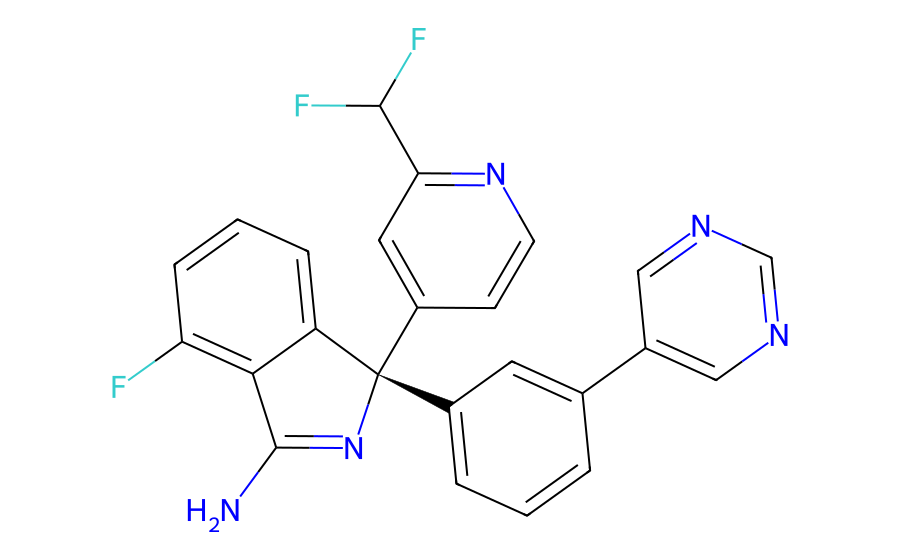
PF-06282999Featured
100 mg USD 500 · 250 mg USD 800 · 1 g USD 1,700 · 10 mM * 1 mL in DMSO USD 220PF-06282999 is a potent and selective myeloperoxidase inhibitor which is potential useful for the treatment of cardiovascular diseases.
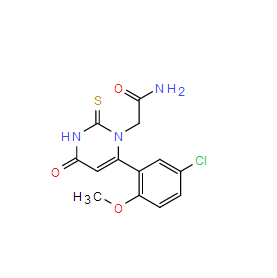
LY2119620Featured
100 mg USD 750 · 250 mg USD 1,500 · 1 g USD 2,600 · 10 mM * 1 mL in DMSO USD 220LY2119620 is a high-affinity muscarinic M2/M4 receptor agonist.
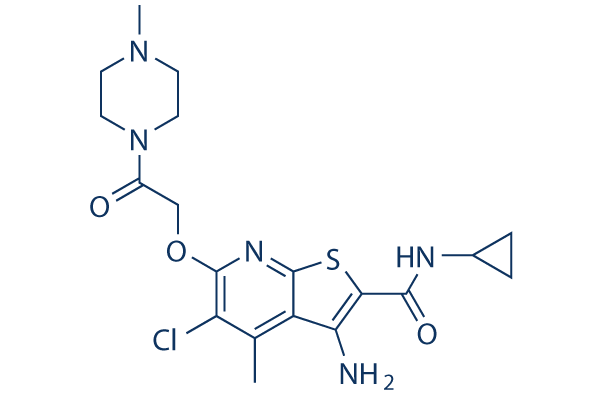
LY-2940680(Taladegib)Featured
100 mg USD 450 · 250 mg USD 900 · 1 g USD 1,800 · 10 mM * 1 mL in DMSO USD 220Taladegib (LY2940680) is an antagonist of the smoothened receptor.
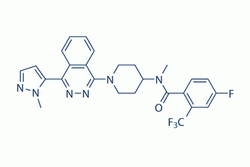
BI-78D3Featured
100 mg USD 500 · 250 mg USD 950 · 1 g USD 1,900 · 10 mM * 1 mL in DMSO USD 220BI-78D3 functions as a substrate competitive inhibitor of JNK, inhibit the JNK kinase activity (IC50=280 nM).
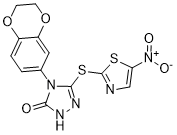
Ibiglustat(Genz-682452)Featured
100 mg USD 500 · 250 mg USD 950 · 1 g USD 1,800 · 10 mM * 1 mL in DMSO USD 220Ibiglustat (Venglustat) is an inhibitor of glucosylceramide synthase extracted from patent WO 2015089067 A1, compound example 64.
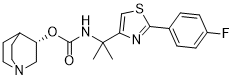
NOD-IN-1Featured
100 mg USD 500 · 250 mg USD 900 · 1 g USD 1,800 · 10 mM * 1 mL in DMSO USD 220NOD-IN-1 is a potent mixed inhibitor of nucleotide-binding oligomerization domain (NOD)-like receptors, NOD1 and NOD2, with IC50 of 5.74 μM and 6.45 μM, respectively.
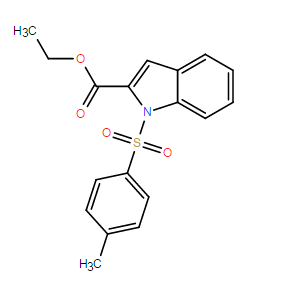
DevazepideFeatured
100 mg USD 950Devazepide is a potent, and orally active CCK1 (CCK-A) receptor antagonist that displays appetite-stimulant effects. It blocks the anorectic response to CCK-8 and increases food intake in rats following systemic and i.c.v administration.
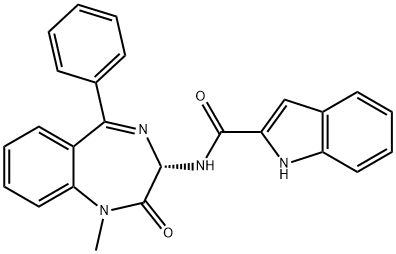
TGN-020Featured
100 mg USD 550 · 250 mg USD 850 · 1 g USD 1,600 · 10 mM * 1 mL in DMSO USD 220TGN-020 is an alkyl chain-based PROTAC linker that can be used in the synthesis of PROTACs[1].
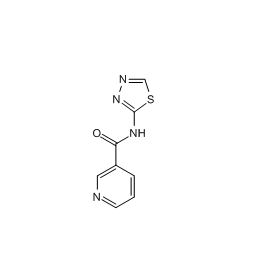
HomoharringtonineFeatured
100 mg USD 550 · 250 mg USD 950 · 1 g USD 1,850 · 10 mM * 1 mL in DMSO USD 220Homoharringtonine (Omacetaxine mepesuccinate;HHT) is a cytotoxic alkaloid with antitumor properties which acts by inhibiting translation elongation.
Structure information available on request
IKK(epsilon)-IN-1 (IKKE-IN-1)Featured
100 mg USD 400 · 250 mg USD 700 · 1 g USD 1,400 · 10 mM * 1 mL in DMSO USD 150TBK1/IKKε-IN-2 is a dual TBK1 and IKKε inhibitor.
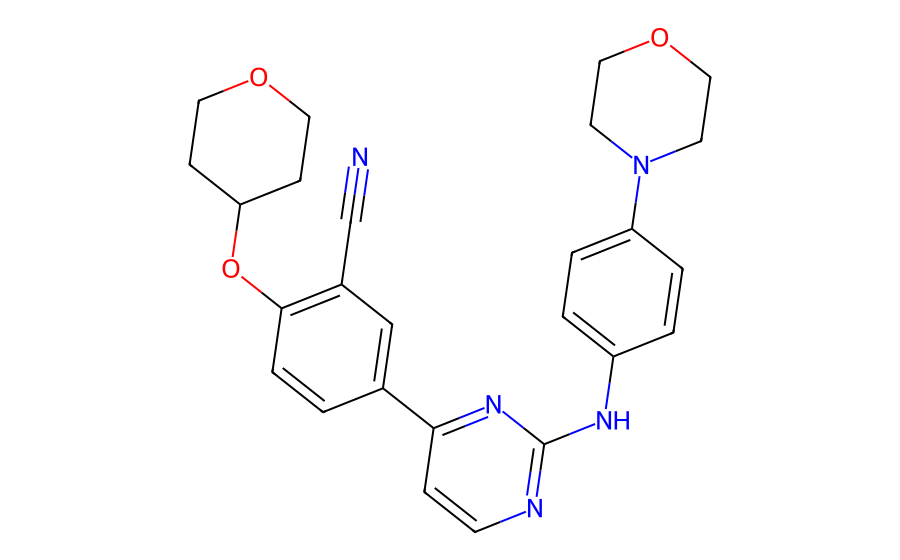
TRCP6 inhibitor(SAR7334)Featured
100 mg USD 800 · 250 mg USD 1,600 · 1 g USD 3,200 · 10 mM * 1 mL in DMSO USD 220SAR7334 hydrochloride is a potent and specific TRPC6 inhibitor, inhibiting TRPC6 currents with IC50 of 7.9 nM.
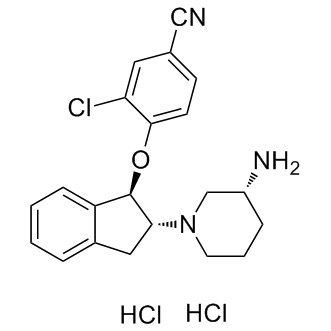
GI254023XFeatured
100 mg USD 750 · 250 mg USD 1,450 · 1 g USD 2,900 · 10 mM * 1 mL in DMSO USD 220GI254023X is a potent MMP9 and ADAM10 inhibitor with IC50s of 2.5 and 5.3 nM, respectively.
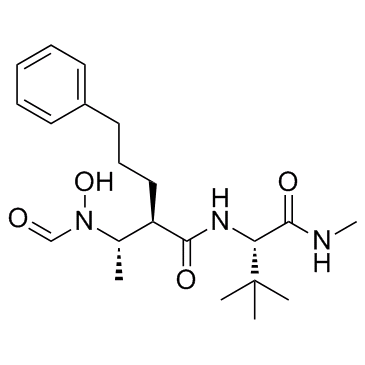
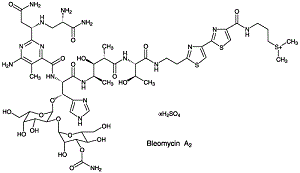
Bleomycin SulfateFeatured
100 mg USD 800 · 250 mg USD 1,300 · 1 g USD 2,500 · 10 mM * 1 mL in DMSO USD 220Bleomycin sulfate is a DNA synthesis inhibitor with potent antitumor activity.
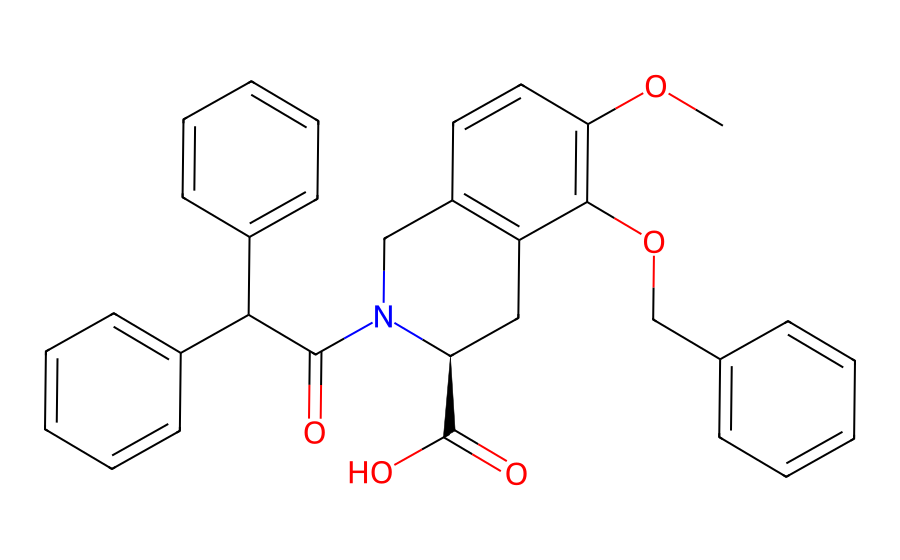
Olodanrigan(EMA401)Featured
100 mg USD 650 · 250 mg USD 1,100 · 1 g USD 2,200 · 10 mM * 1 mL in DMSO USD 220Olodanrigan (EMA401), a highly selective AT2R antagonist, inhibition of augmented AngII/AT2R induced p38 and p42/p44 MAPK activation, and hence inhibition of DRG neuron hyperexcitability and sprouting of DRG neurons.
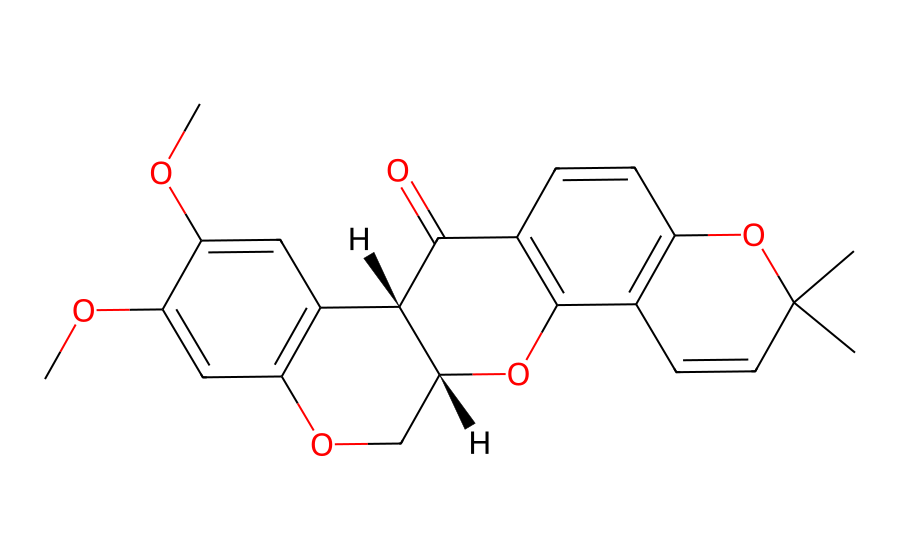
DeguelinFeatured
100 mg USD 450 · 250 mg USD 900 · 1 g USD 1,800 · 10 mM * 1 mL in DMSO USD 220Deguelin, a naturally occurring rotenoid, is known to be an Akt inhibitor and to have an anti-tumor effect on several cancers; decrease levels of phosphorylated Akt. in vitro: Deguelin in a dose and time dependent manner inhibited the growth of MDA-MB-231, MDA-MB-468, BT-549 and BT-20 cells. Deguelin administration causes a significant HNSCC cell death. Deguelin induces both cell apoptosis and autophagy by modulating multiple signaling pathways in cultured HNSCC cells. Deguelin inhibits Akt signaling, and down-regulates survivin and cyclin-dependent kinase 4 (Cdk4) expressions, by disrupting their association with heat shock protein-90 (Hsp-90). Deguelin induces ceramide production through de novo synthase pathway to promote HNSCC cell death. Importantly, increased ceramide level activates AMP-activated protein kinase (AMPK), which then directly phosphorylates Ulk1 and eventually leads to cell autophagy. Deguelin inhibited the proliferation of MPC-11 cells in a concentration- and time-dependent manner and caused the apoptotic death of MPC-11 cells. Following exposure to deguelin, the phosphorylation of Akt was decreased. The inhibition of cell growth may be associated with decreased levels of phosphorylated Akt. Deguelin-induced apoptosis was characterized by the upregulation of Bax, downregulation of Bcl-2 and activation of caspase-3. in vivo: Deguelin (2 or 4 mg/kg body weight), when injected intraperitoneally, reduced the in vivo tumor growth of MDA-MB-231 cells transplanted subcutaneously in athymic mice. Moreover it was nontoxic as evident from daily observations on mobility, food and water consumption and comparison of bodyweight and other visceral organ weights with those in control animals at the termination of the study. In the colon cancer xenograft model, the volume of the tumor treated withdeguelin was significantly lower than that of the control, and the apoptotic index for deguelin-treated mice was much higher.
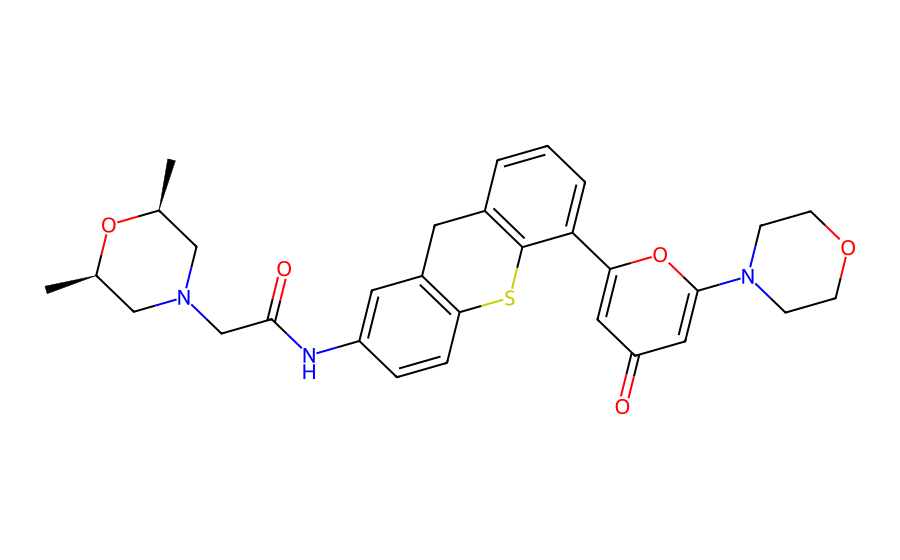
KU-60019Featured
100 mg USD 600 · 250 mg USD 1,100 · 1 g USD 2,200 · 10 mM * 1 mL in DMSO USD 220KU-60019 is an improved ATM kinase-specific inhibitor with IC50 of 6.3 nM.
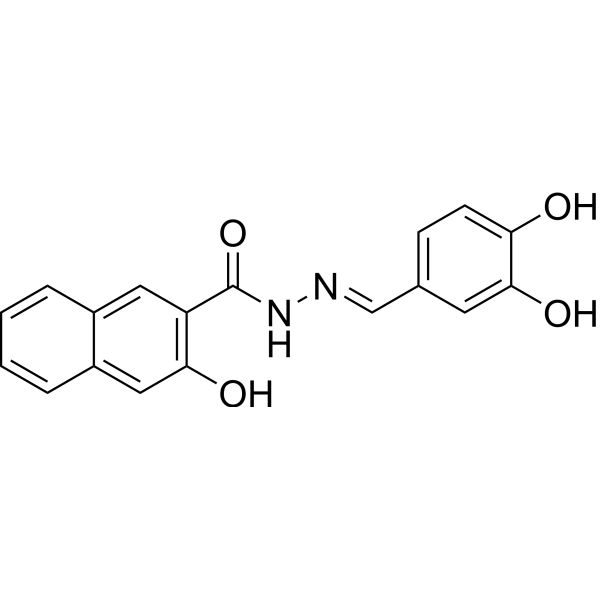
DynasoreFeatured
100 mg USD 270 · 250 mg USD 500 · 1 g USD 1,100 · 10 mM * 1 mL in DMSO USD 150Dynasore is a cell-permeable dynamin inhibitor with an IC50 of 15 μM.
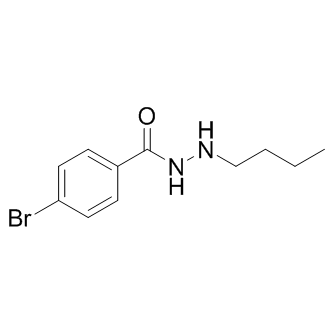
UF010Featured
100 mg USD 200 · 250 mg USD 360 · 1 g USD 720 · 10 mM * 1 mL in DMSO USD 150UF010 is a potent and selective HADC inhibitor with IC50 ~0.06 μM, 0.1 μM, 0.5 μM and 1.5 μM for HDACs 3, 2, 1 and 8, respectively. It has > 6-fold selectivity over other HDACs.IC50 value: 0.06 μM (HDAC3), 0.1 μM (HDAC2), 0.5 μM (HDAC1), 1.5 μM(HDAC 8)Target: HDACin vitro: UF010 is a competitive inhibitor with a fast-on/slow-off HDAC-binding mechanism. UF010 induces accumulation of acetylated histones in HCT116 cells in vitro, arrests cells at G1/S transition. It inhibits proliferation of a range of cancer cell lines. UF010 activates tumor suppression mechanisms while inhibiting oncogenic pathways.
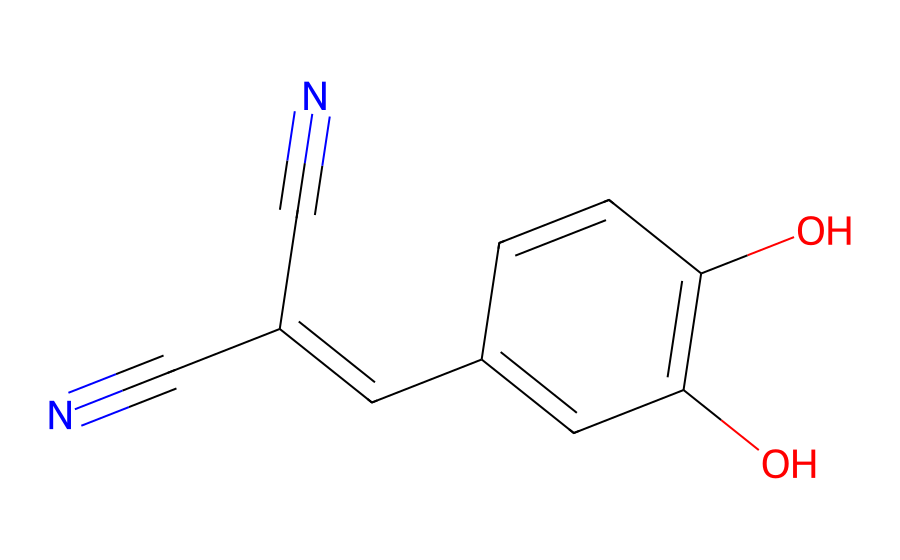
AG-18Featured
100 mg USD 250 · 250 mg USD 500 · 1 g USD 1,100 · 10 mM * 1 mL in DMSO USD 150Tyrphostin 23 (Tyrphostin A23) is an EGFR inhibitor with an IC50 and Kiof 35 and 11 μM, respectively.
No products match this search.
Page 66 of 184 · Browse all 3666 products