
Research lipid catalog
Ionizable Lipid Products
Explore 848 lipid and RNA delivery products. Search the full catalog or browse by research category.
Search covers product name, catalog number, synonyms, available CAS numbers and categories. Spaces, hyphens and common punctuation are ignored. Duplicate legacy records are consolidated under one canonical product result.
3666 products · Showing 1321–1340 · 20 per page
DC Chemicals lipid expertise
Built for ionizable-lipid discovery and RNA delivery research
DC Chemicals supports formulation and delivery research with a broad, searchable portfolio of cationic and ionizable lipids. The current directory brings together 848 unique research-use products, with product specifications, pricing, chemical structures and literature-linked formulation data added as each record is verified.
Our experience spans complex lipid synthesis, purification, analytical release and process development. For custom molecules or larger-scale requirements, our team can discuss route development, technical specifications and scale-up options for the intended research workflow.
Learn about cationic and ionizable lipids →Proprietary innovation · Co-development · GMP
From proprietary lipid design to GMP-grade custom synthesis
DC Chemicals has independently developed ionizable-lipid structures supported by company-owned intellectual property, and selected proprietary lipid programs have advanced to GMP-stage development.
We welcome joint development with customers—from molecular design and lipid synthesis through route and process development. We can also support custom synthesis of GMP-grade ionizable lipids to agreed technical specifications and quality requirements.
Discuss a co-development project →Proprietary ionizable-lipid structuresCollaborative molecular designCustom lipid synthesisProcess development and scale-upGMP-grade project support
Product quick links
Explore ionizable lipids
Browse specifications, pricing and literature-linked product information.
Cat. No.Product NameField of ApplicationChemical Structure
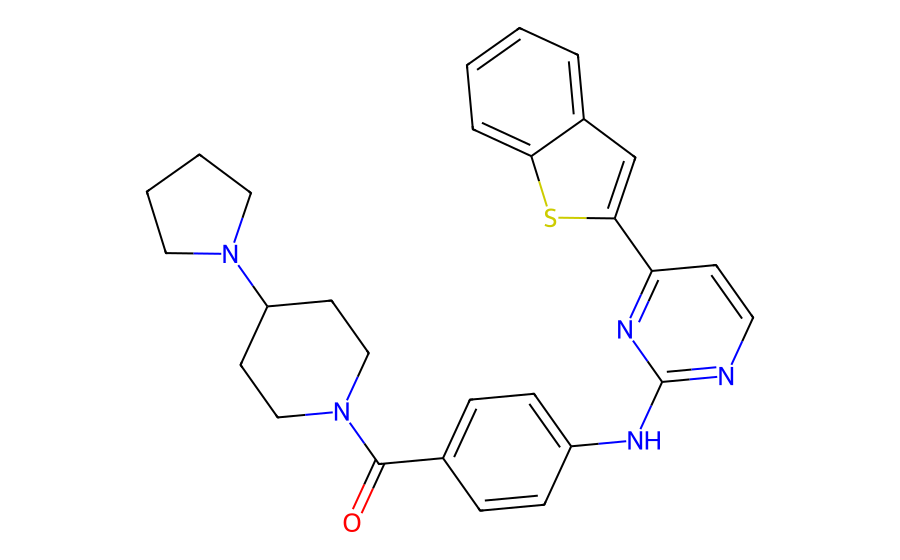
IKK-16(free base)Featured
100 mg USD 450 · 250 mg USD 700 · 1 g USD 1,450 · 10 mM * 1 mL in DMSO USD 220IKK 16 is a selective IκB kinase (IKK) inhibitor for IKK2, IKK complex and IKK1 with IC50s of 40 nM, 70 nM and 200 nM, respectively. IKK16 also inhibits leucine-rich repeat kinase-2 (LRRK2) with an IC50 of 50 nM.
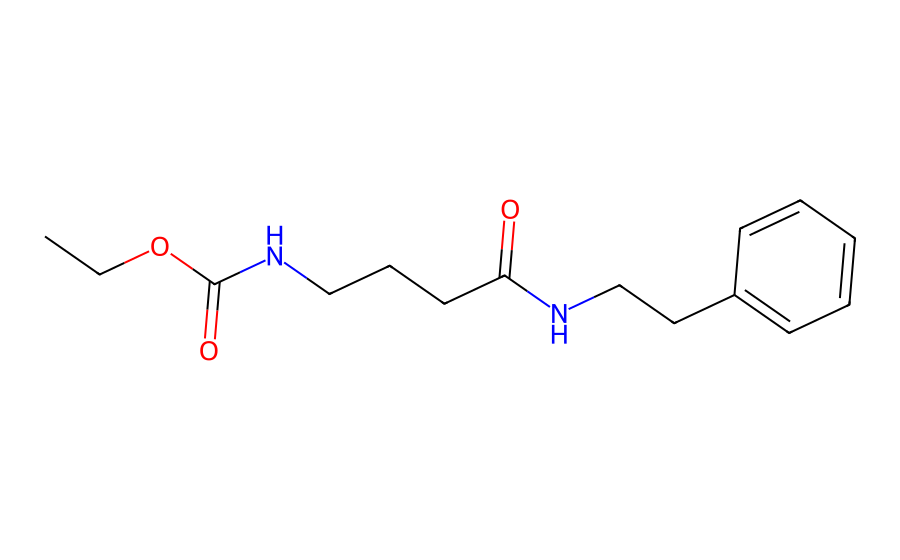
CAY10683(Santacruzamate A)Featured
100 mg USD 350 · 250 mg USD 600 · 1 g USD 1,200 · 10 mM * 1 mL in DMSO USD 150Santacruzamate A is a potent and selective histone deacetylase inhibitor.
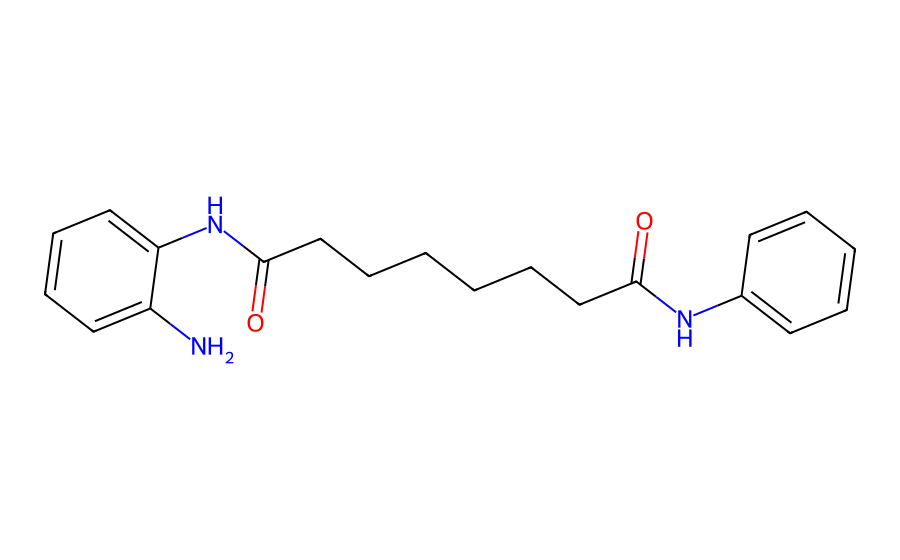
BML-210(CAY10433)Featured
100 mg USD 450 · 250 mg USD 800 · 1 g USD 1,700 · 10 mM * 1 mL in DMSO USD 220BML-210 is a novel HDAC inhibitor, and its mechanism of action has not been characterized.
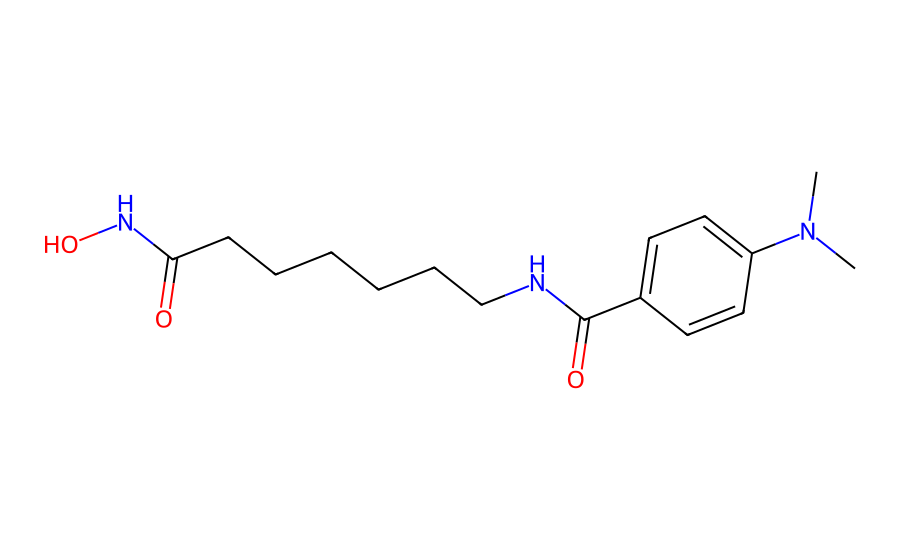
M 344Featured
100 mg USD 500 · 250 mg USD 950 · 1 g USD 1,800 · 10 mM * 1 mL in DMSO USD 220M344 (D 237) is an inhibitor of histone deacetylase (IC50=100 nM) and an inducer of terminal cell fifferentiation.
SC-66Featured
100 mg USD 250 · 250 mg USD 500 · 1 g USD 1,000 · 10 mM * 1 mL in DMSO USD 150SC66 is a novel Akt inhibitor, reduces cell viability in a dose- and time-dependent manner, inhibits colony formation and induces apoptosis in hepatocellular carcinoma (HCC) cells.
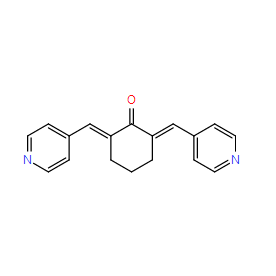
HPOBFeatured
100 mg USD 420 · 250 mg USD 825 · 1 g USD 1,500 · 10 mM * 1 mL in DMSO USD 220HPOB is a highly potent and selective inhibitor of histone deacetylase 6 (HDAC6) with IC50 of 56 nM, >30 fold less potent against other HDACs.target: HDAC6 [1]IC 50: 56nM [1]In vitro: HPOB causes growth inhibition of normal and transformed cells but does not induce cell death. HPOB enhances the effectiveness of DNA-damaging anticancer drugs in transformed cells but not normal cells. [1] Neuroprotective effect of HPOB demonstrated the crucial role of HDAC6 inhibition in reducing Cort-induced apoptosis in PC12 cells. Pre-treatment with HPOB remarkably reduces Cort-induced cytotoxicity and confirms the anti-apoptotic effect of HPOB via the caspase-3 activity assay and H33342/PI and TUNEL double staining. [2]In vivo: on corticosterone (Cort)-induced apoptosis and explors the possible mechanism of action of HPOB in rat adrenal pheochromocytoma (PC12) cells, which possesses typical neuron features and expresses high levels of glucocorticoid receptors. [2]
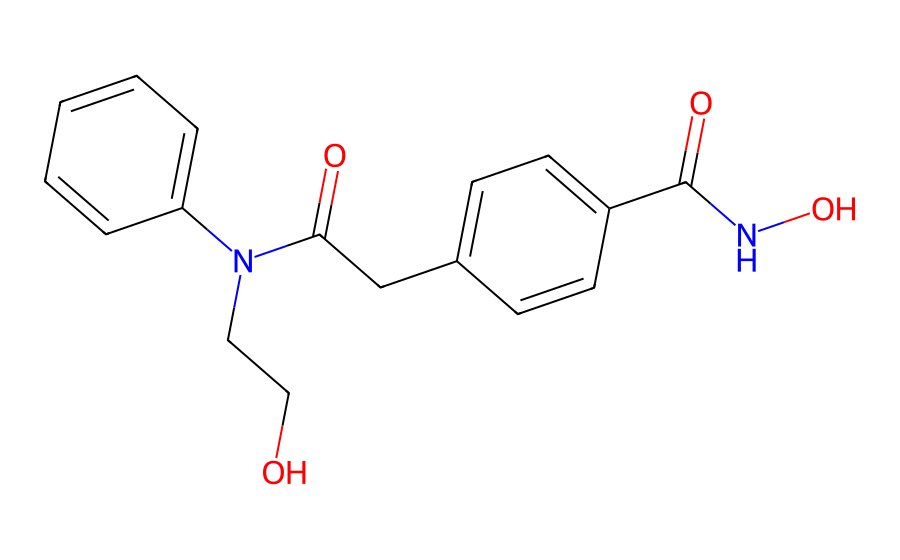
GSK583Featured
100 mg USD 550 · 250 mg USD 1,000 · 1 g USD 1,800 · 10 mM * 1 mL in DMSO USD 220GSK583 is a highly potent and selective inhibitor of RIP2 Kinase, with IC50 of 5 nM.
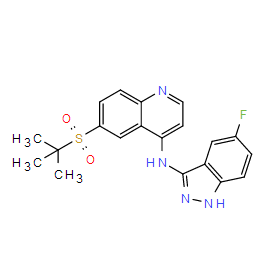
wiki4Featured
100 mg USD 400 · 250 mg USD 750 · 1 g USD 1,400 · 10 mM * 1 mL in DMSO USD 150WIKI4 is a potent inhibitor of Wnt/β-catenin signaling (EC50 ~ 75 nM); inhibits auto-ADP-ribosylation of tankyrase 2 (TNKS2) (IC50 ~15 nM).
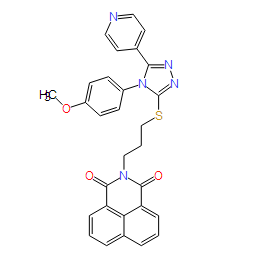
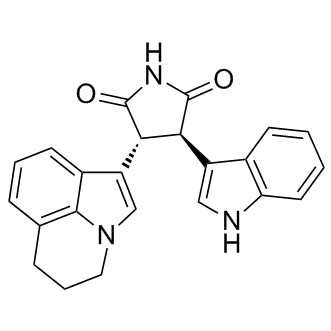
Tivantinib (ARQ 197)Featured
100 mg USD 350 · 250 mg USD 650 · 1 g USD 1,100 · 10 mM * 1 mL in DMSO USD 150Tivantinib is a novel and highly selective c-Met tyrosine kinase inhibitor with Ki of 355 nM.
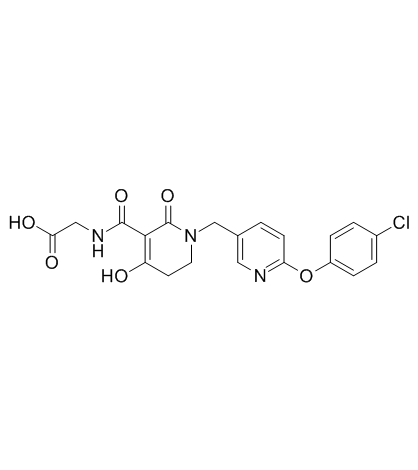
TP0463518Featured
100 mg USD 600 · 250 mg USD 1,100 · 1 g USD 1,950 · 10 mM * 1 mL in DMSO USD 220TP0463518 is a potent hypoxia-inducible factor prolyl hydroxylases (PHDs) inhibitor with a Ki value of 5.3 nM for human PHD2. TP0463518 also inhibits human PHD1/PHD3 with IC50s of 18 and 63 nM as well as monkey PHD2 with an IC50 value of 22 nM[1].
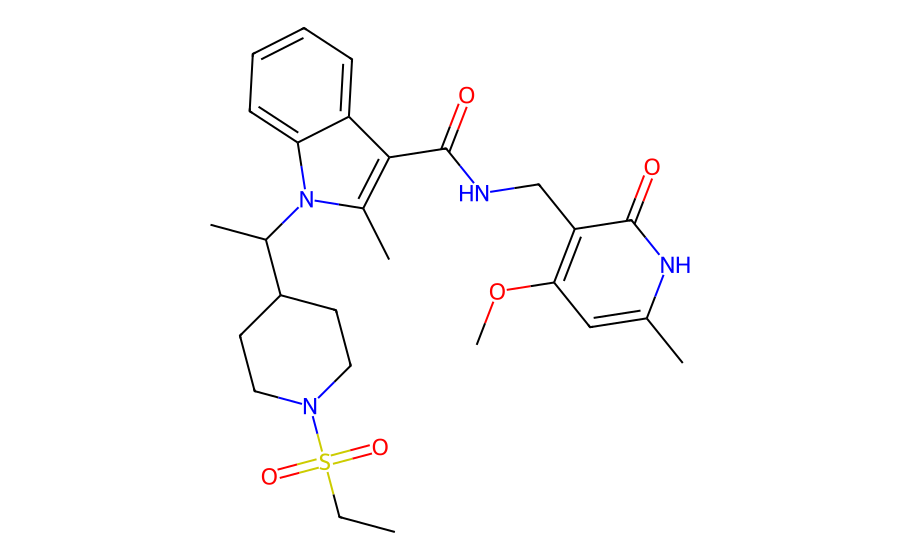
CPI-169 (racemate)Featured
100 mg USD 650 · 250 mg USD 1,200 · 1 g USD 2,300 · 10 mM * 1 mL in DMSO USD 220CPI-169 racemate is the racemate form of CPI-169, which is a novel and potent EZH2 inhibitor with IC50 <1 nM(inhibition of the catalytic activity of PRC2); decreases cellular levels of H3K27me3 with an EC50 of 70 nM, and triggers cell cycle arrest and apoptosis in a variety of cell lines. IC50 value: < 1 nM (catalytic activity of PRC2); 70 nM (Cellular EC50) in vitro: CPI-169, a representative compound from that effort, inhibits the catalytic activity of PRC2 with an IC50 of < 1nM, decreases cellular levels of H3K27me3 with an EC50 of 70 nM, and triggers cell cycle arrest and apoptosis in a variety of cell lines. Importantly, compound treatment triggers a sequence of downstream functional consequences of EZH2 inhibition whereby apoptosis is not induced before ten days of continuous target engagement . in vivo: Administered subcutaneously at 200 mpk twice daily (BID), CPI-169 is well tolerated in mice with no observed toxic effect or body weight loss. In the present study we show that CPI-169 treatment led to tumor growth inhibition (TGI) of an EZH2 mutant KARPAS-422 DLBCL xenograft. The TGI is proportional to the dose administered and to the reduction of the pharmacodynamic marker H3K27me3. The highest dose, 200 mpk, BID led to complete tumor regression. Since CHOP (cyclophosphamide, doxorubicin, vincristine and prednisone) is the standard treatment of advanced DLBCL, we were interested in combining a suboptimal dose of CPI-169 (100 mpk, BID) with a single dose of CHOP in the KARPAS-422 model. After a week of combinatorial treatment the tumors rapidly regressed and became unpalpable. Four weeks after the last dose only a single mouse presented a palpable tumor.
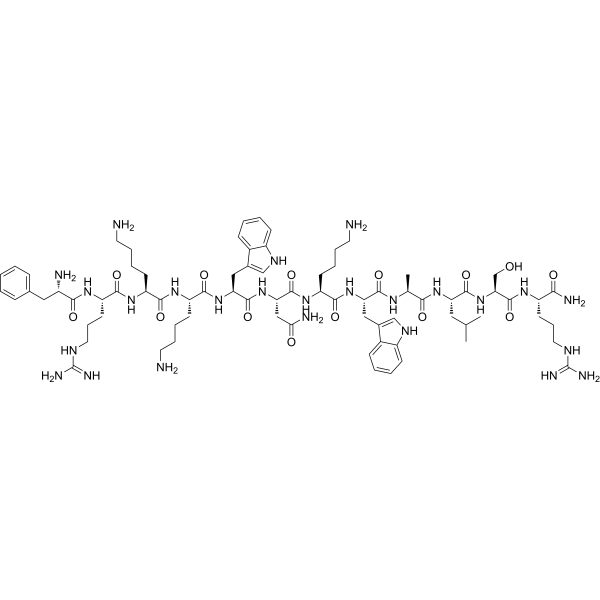
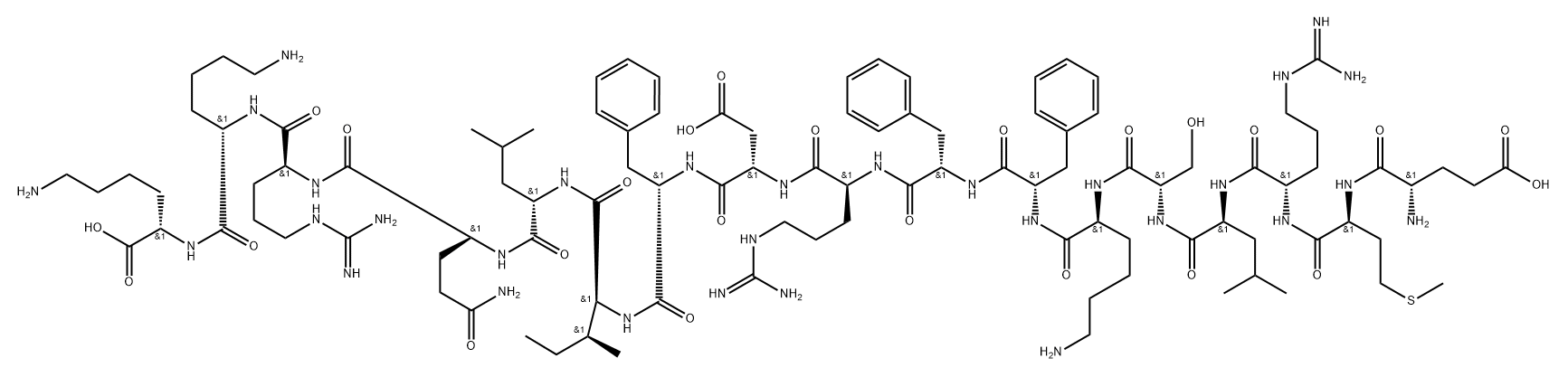
PAMP-12(human, porcine)Featured
25 mg USD 450PAMP-12(human, porcine) is a major component of immunoreactive (ir)-PAMP, is processed from the adrenomedullin precursor, is a potent hypotensive peptide and participates in cardiovascular control.
CSP1Featured
25 mg USD 450CSP1 is a potent and selective ComD1 receptor agonist, with an IC50 of 10.3 nM. CSP1 is a major variants of competence-stimulating peptide (CSP), and it can regulate genetic transformation of S. pneumonia by modulating quorum sensing (QS). CSP1 can act as an antibacterial agent.
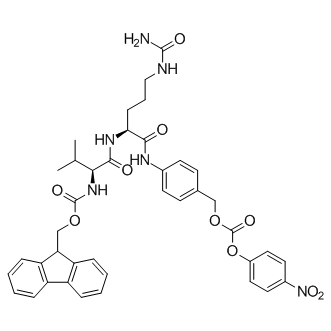
Fmoc-Val-Cit-PAB-PNPFeatured
1 g USD 400Fmoc-Val-Cit-PAB-PNP is a peptide prodrug linker, is a linker for antibody-drug-conjugation (ADC).
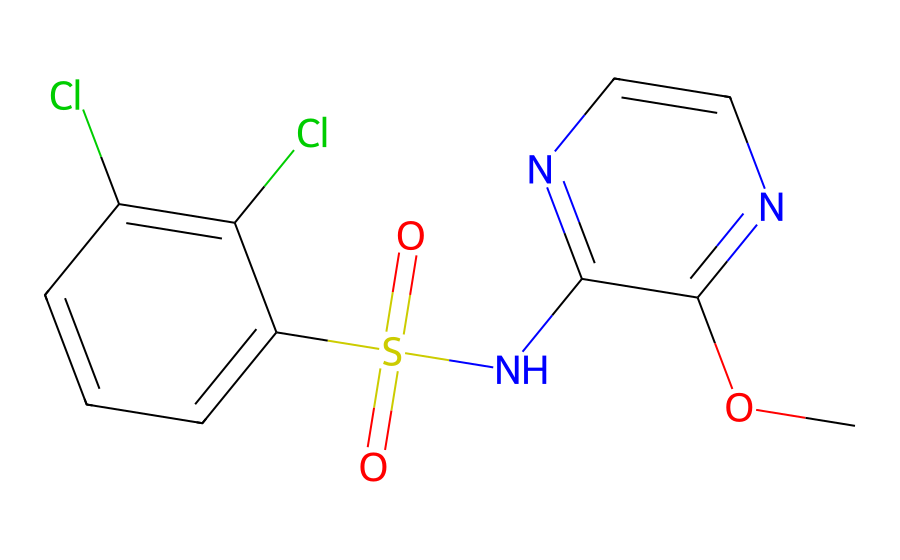
AZD2098Featured
100 mg USD 650 · 250 mg USD 1,100 · 1 g USD 2,200 · 10 mM * 1 mL in DMSO USD 220AZD2098 is a potent CC-chemokine receptor 4 (CCR4) inhibitor, used for asthma research.
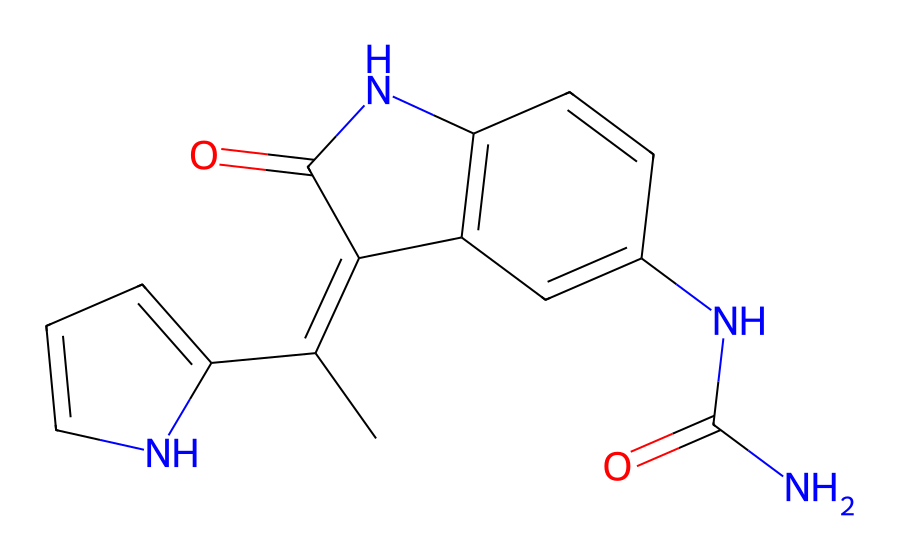
BX517Featured
100 mg USD 500 · 250 mg USD 900 · 1 g USD 1,800 · 10 mM * 1 mL in DMSO USD 220BX517 is a potent and selective inhibitor of PDK1 with IC50 of 6 nM.
YH239-EEFeatured
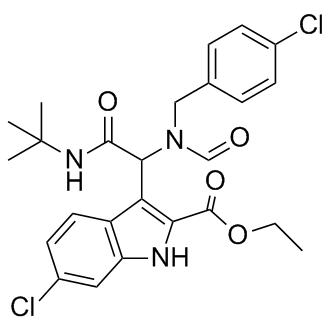
100 mg USD 450 · 250 mg USD 900 · 1 g USD 1,800 · 10 mM * 1 mL in DMSO USD 220YH239-EE, ethyl ester of the free carboxylic acid compound YH239, is a potent p53-MDM2 antagonizing and apoptosis-inducing agent.YH239-EE inhibits the growth of OCI-AML-3 cells with wild type p53 by inhibiting the p53-MDM2 interaction. YH239-EE induces cell cycle arrest and causes potent cell apoptosis via activation of p53 and downstream targets in four AML cells (OCI-AML-3 and MOLM-13 with wt p53, NB4 with p53 mutation, and HL60 with p53 deletion).
AMG 925Featured
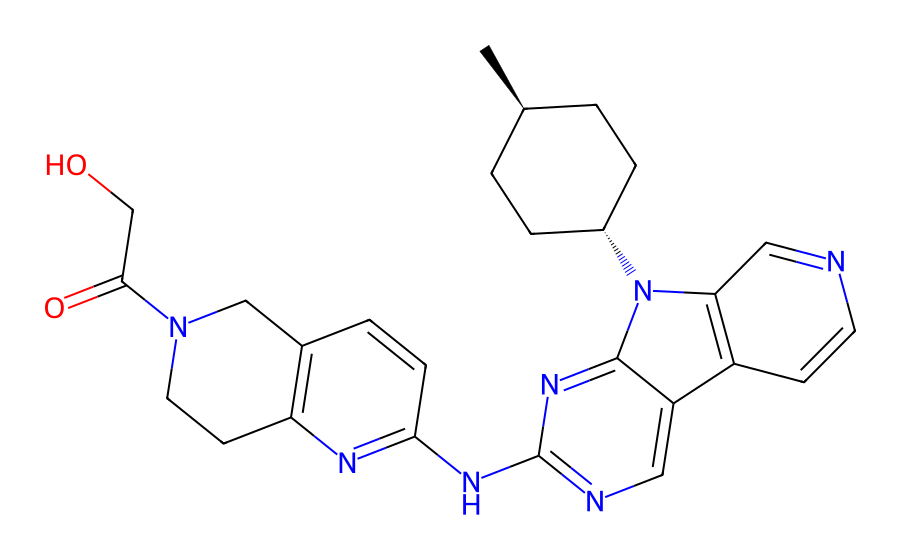
100 mg USD 450 · 250 mg USD 900 · 1 g USD 1,800 · 10 mM * 1 mL in DMSO USD 220AMG 925 is a potent, selective, and orally available FLT3/CDK4 dual inhibitor with IC50s of 2±1 nM and 3±1 nM, respectively.
Degarelix (acetate)Featured
100 mg USD 650 · 250 mg USD 1,100 · 1 g USD 2,200 · 10 mM * 1 mL in DMSO USD 220Degarelix is a competitive and reversible gonadotropin-releasing hormone receptor (GnRHR) antagonist.
Structure information available on request
BLU-782Featured
100 mg USD 1,900 · 250 mg USD 2,500 · 500 mg USD 3,500 · 10 mM * 1 mL in DMSO USD 220ALK2-IN-1 is a activin receptor-like kinase-2 (ALK2) inhibitor extracted from patent WO2017181117A1, Compound 876, has an IC50 of <10 nM[1].
Structure information available on request
No products match this search.
Page 67 of 184 · Browse all 3666 products