
Research lipid catalog
Ionizable Lipid Products
Explore 848 lipid and RNA delivery products. Search the full catalog or browse by research category.
Search covers product name, catalog number, synonyms, available CAS numbers and categories. Spaces, hyphens and common punctuation are ignored. Duplicate legacy records are consolidated under one canonical product result.
3666 products · Showing 2361–2380 · 20 per page
DC Chemicals lipid expertise
Built for ionizable-lipid discovery and RNA delivery research
DC Chemicals supports formulation and delivery research with a broad, searchable portfolio of cationic and ionizable lipids. The current directory brings together 848 unique research-use products, with product specifications, pricing, chemical structures and literature-linked formulation data added as each record is verified.
Our experience spans complex lipid synthesis, purification, analytical release and process development. For custom molecules or larger-scale requirements, our team can discuss route development, technical specifications and scale-up options for the intended research workflow.
Learn about cationic and ionizable lipids →Proprietary innovation · Co-development · GMP
From proprietary lipid design to GMP-grade custom synthesis
DC Chemicals has independently developed ionizable-lipid structures supported by company-owned intellectual property, and selected proprietary lipid programs have advanced to GMP-stage development.
We welcome joint development with customers—from molecular design and lipid synthesis through route and process development. We can also support custom synthesis of GMP-grade ionizable lipids to agreed technical specifications and quality requirements.
Discuss a co-development project →Proprietary ionizable-lipid structuresCollaborative molecular designCustom lipid synthesisProcess development and scale-upGMP-grade project support
Product quick links
Explore ionizable lipids
Browse specifications, pricing and literature-linked product information.
Cat. No.Product NameField of ApplicationChemical Structure
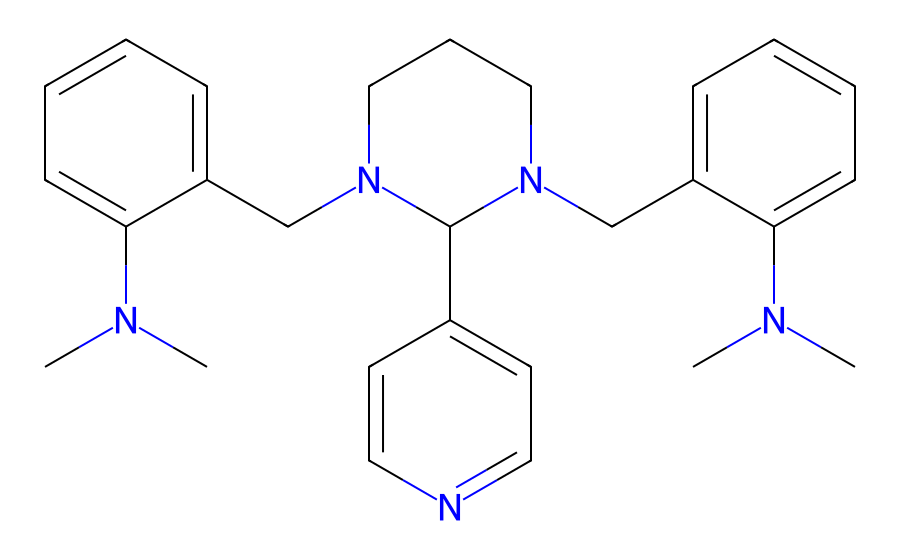
GANT61(NSC 136476)Featured
100 mg USD 300 · 250 mg USD 600 · 1 g USD 1,200 · 10 mM * 1 mL in DMSO USD 150GANT 61 is an inhibitor of Gli1 and Gli2 targeting the Hedgehog/GLI pathway.
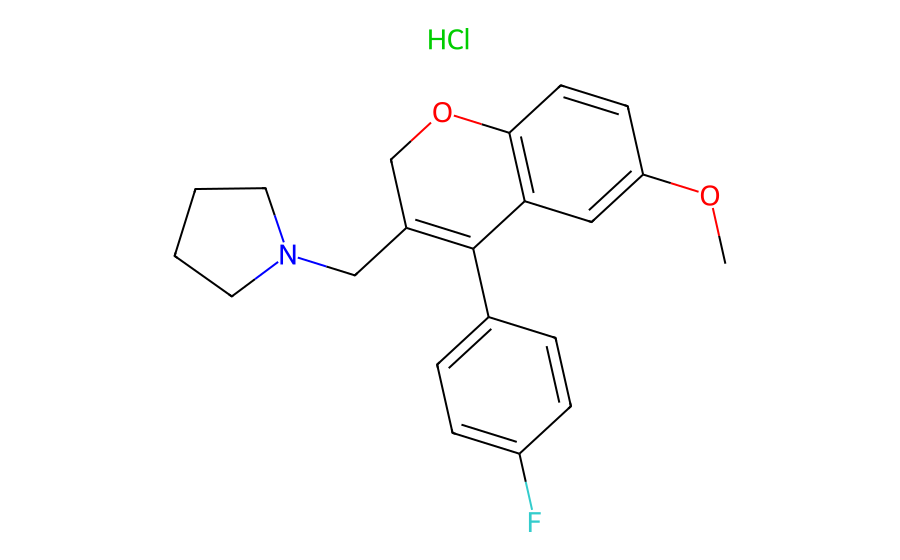
AX-024 HClFeatured
100 mg USD 550 · 250 mg USD 900 · 1 g USD 1,850 · 10 mM * 1 mL in DMSO USD 220AX-024 hydrochloride is an cytokine release inhibitor which can strongly inhibit the production of interleukin-6 (IL-6), tumor necrosis factor-α (TNFα), interferon-γ (IFN-γ), IL-10 and IL-17A.
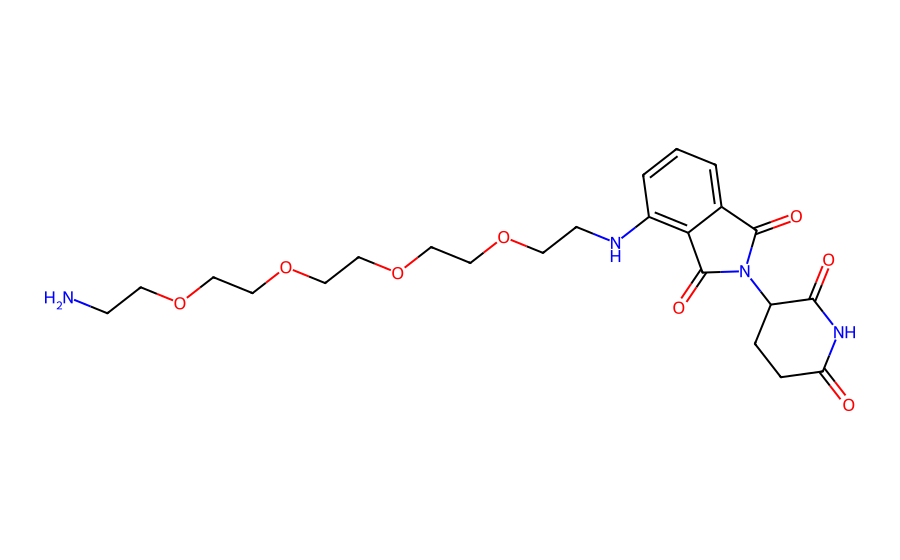
100 mg USD 550 · 250 mg USD 1,100 · 1 g USD 2,200 · 10 mM * 1 mL in DMSO USD 220
E3 Ligase Ligand-Linker Conjugates 22 incorporates an E3 ligase ligand and a linker, can be used for the treatment of EZH2-mediated cancer.
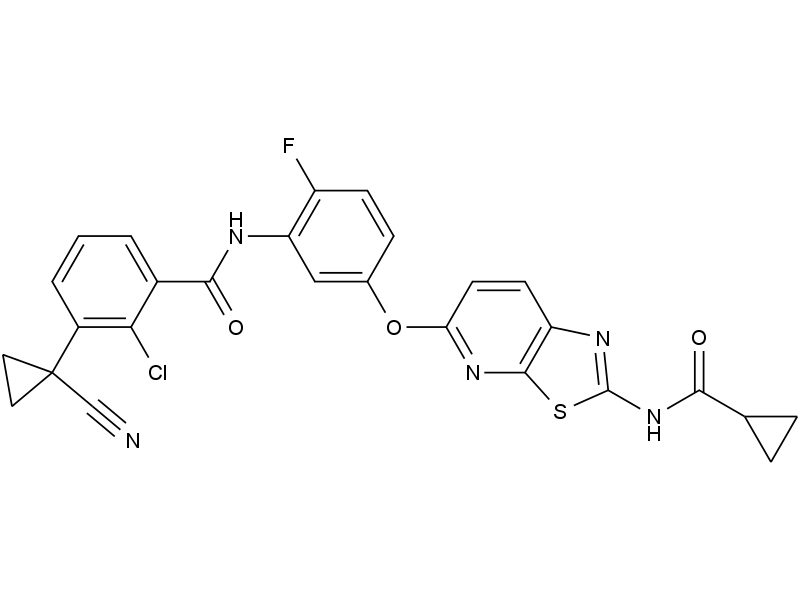
Takeda-6dFeatured
10 mg USD 350 · 25 mg USD 600 · 100 mg USD 1,400Takeda-6d has potent inhibitory activity in both B-RAF with an IC50 of 7.0 nM and VEGFR2 with an IC50 of 2.2 nM.
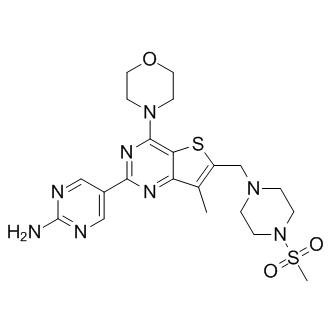
GNE 477Featured
100 mg USD 950 · 250 mg USD 1,800 · 1 g USD 3,200 · 10 mM * 1 mL in DMSO USD 220GNE-477 is a potent and efficacious dual PI3K (IC50=4 nM)/mTOR(Ki=21 nM) inhibitor.
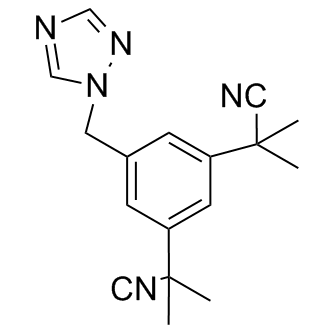
AnastrozoleFeatured
1 g USD 500 · 10 mM * 1 mL in DMSO USD 150Anastrozole is a potent, highly selective aromatase inhibitor, which inhibits human placental aromatase with an IC50 of 15 nM.
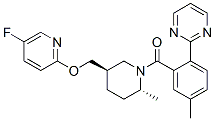
Filorexant(mk-6096)Featured
100 mg USD 500 · 250 mg USD 900 · 1 g USD 1,800 · 10 mM * 1 mL in DMSO USD 220Filorexant (MK-6096) is an orally bioavailable potent and selective reversible antagonist of OX1 and OX2 receptor(<3 nM in binding).
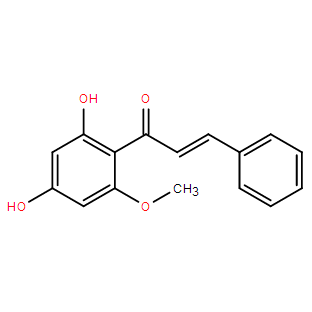
cardamoninFeatured
100 mg USD 450 · 250 mg USD 850 · 1 g USD 1,600 · 10 mM * 1 mL in DMSO USD 220Cardamonin is a novel antagonist of hTRPA1 cation channel with an IC50 of 454 nM
NPS-1034Featured
100 mg USD 550 · 250 mg USD 1,000 · 1 g USD 1,900 · 10 mM * 1 mL in DMSO USD 220NPS-1034 is a dual inhibitor of AXL and MET with IC50s of 10.3 and 48 nM, respectively.
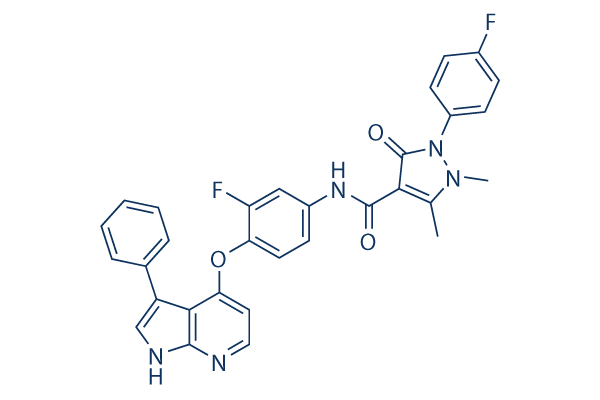
Repotrectinib(TPX-005)Featured
100 mg USD 450 · 250 mg USD 800 · 1 g USD 1,600 · 10 mM * 1 mL in DMSO USD 220Repotrectinib (TPX-0005) is a potent ALK/ROS1/TRK inhibitor, with IC50 of 5.3 nM, 1.01 nM, 1.26 nM and 1.08 nM for SRC, WT ALK, ALK G1202R and ALK L1196M, respectively.
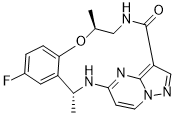
BX912Featured
100 mg USD 450 · 250 mg USD 900 · 1 g USD 1,800 · 10 mM * 1 mL in DMSO USD 220BX-912 is a potent PDK1 inhibitors with an IC50 of 12 nM.
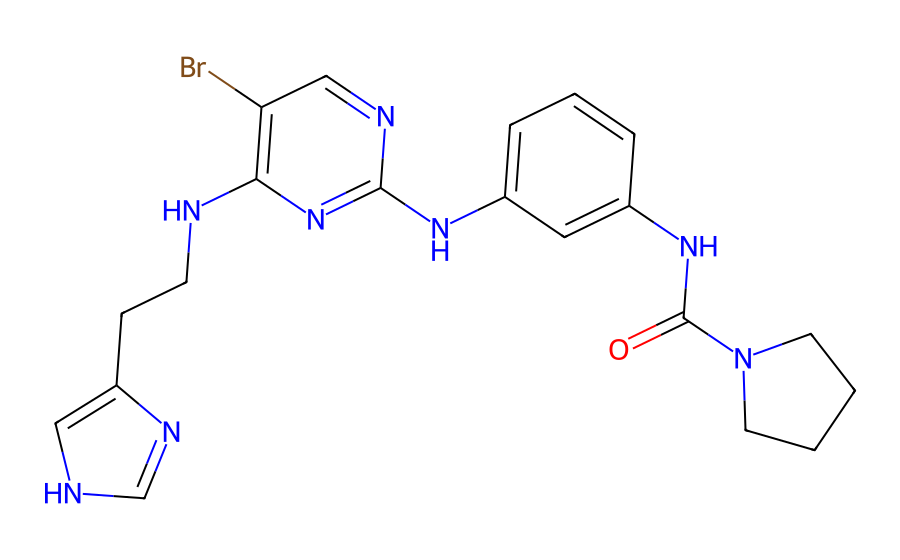
STF-083010Featured
100 mg USD 400 · 250 mg USD 700 · 1 g USD 1,300 · 10 mM * 1 mL in DMSO USD 150STF-083010 is an Ire1 inhibitor. STF-083010 inhibits Ire1 endonuclease activity, without affecting its kinase activity, after endoplasmic reticulum stress.
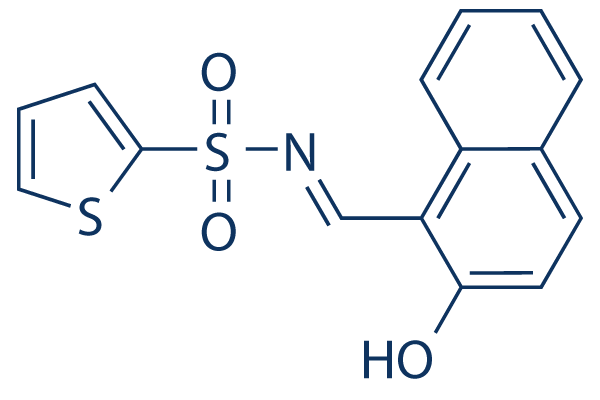
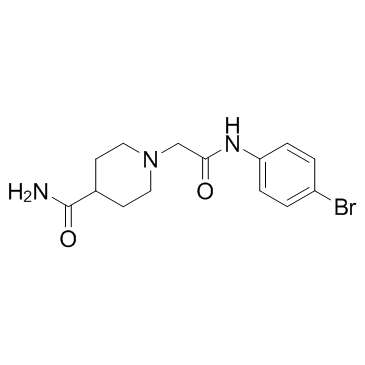
BCI-121Featured
100 mg USD 550 · 250 mg USD 950 · 1 g USD 1,900 · 10 mM * 1 mL in DMSO USD 220BCI-121 significantly inhibits SMYD3-substrate interaction and chromatin recruitment and is effective in reducing proliferation in various cancer cells types. BCI-121 significantly reduces proliferation of HT29 (by 46%) and HCT116 (by 54%) cells at 72 h and decreases the expression levels of SMYD3 target genes. SMYD3 preferentially methylates histone H4, and the presence of BCI-121 impairs SMYD3-mediated H4 in vitro methylation. Cancer cells treated with BCI-121 show a significant reduction in their growth ability and accumulated in the S phase of the cell cycle. Cells treated with BCI-121 shows a dose-dependent relationship between SMYD3 impairment and both inhibition of proliferation and reduction of targeted methyl marks (H4K5me and H3K4me2). BCI-121 shows antiproliferative properties in cancer cell lines overexpressing SMYD3 and, in general, replicated the effects of SMYD3-targeted RNAi. Experiments performed in cancer cells show that BCI-121 prevents SMYD3 recruitment on the promoters of its target genes and this event is correlated with reduced gene expression.
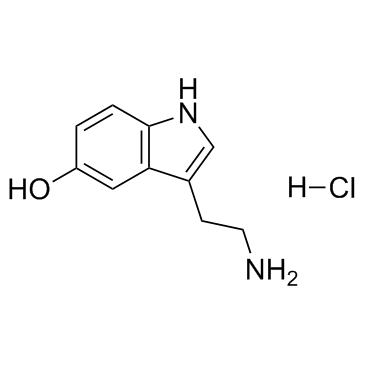
Serotonin hydrochloride(5-HT)Featured
100 mg USD 100 · 250 mg USD 200 · 1 g USD 400 · 10 mM * 1 mL in DMSO USD 150Serotonin hydrochloride is a monoamine neurotransmitter in the CNS and an endogenous 5-HT receptor agonist. Serotonin hydrochloride is also a catechol O-methyltransferase (COMT) inhibitor with a Ki of 44 μM.
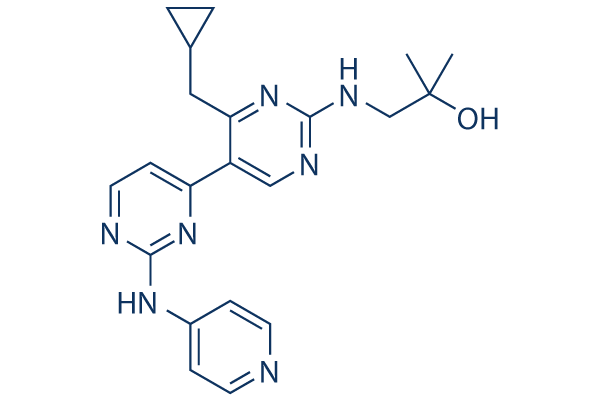
10 mg USD 350 · 25 mg USD 600 · 50 mg USD 900
VPS34 inhibitor 1 (Compound 19, PIK-III analogue) is a potent and selective inhibitor of VPS34 with an IC50 of 15 nM.
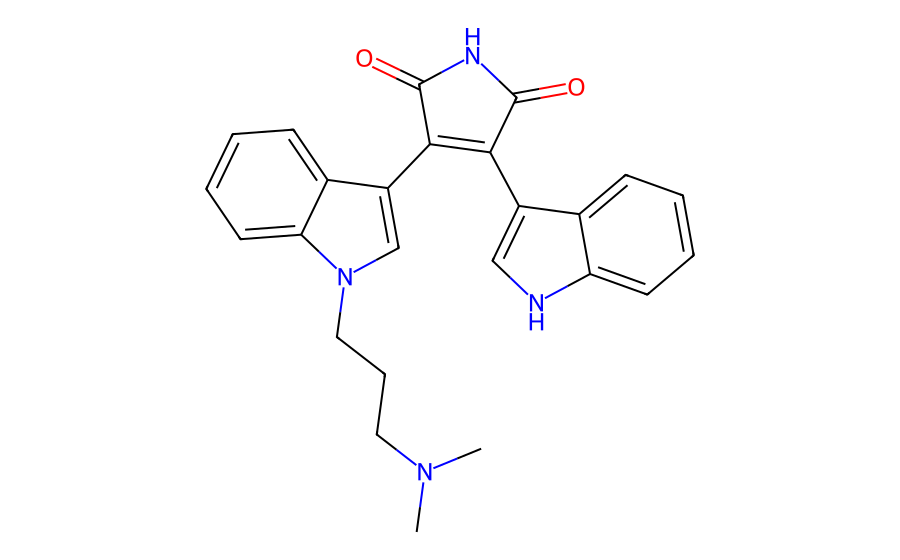
GF 109203XFeatured
100 mg USD 550 · 250 mg USD 1,000 · 1 g USD 1,900 · 10 mM * 1 mL in DMSO USD 220Bisindolylmaleimide I (GF109203X) is a highly selective, cell-permeable, and reversible protein kinase C (PKC) inhibitor with a Ki of 14 nM.
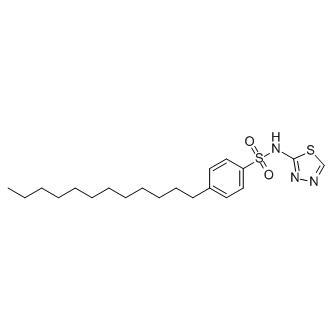
PHT427Featured
100 mg USD 250 · 250 mg USD 500 · 1 g USD 1,000 · 10 mM * 1 mL in DMSO USD 150PHT-247 is an inhibitor of the pleckstrin homology (PH) domain of Akt, and it is also an inhibitor of PDPK1 with Kis of 2.7 µM and 5.2 µM and for Akt and PDPK1, respectively.
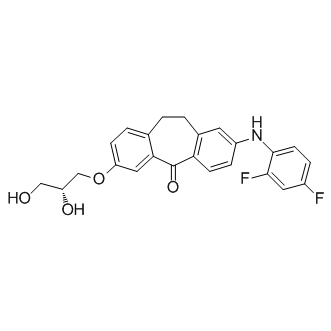
Skepinone-LFeatured
100 mg USD 600 · 250 mg USD 1,100 · 1 g USD 2,200 · 10 mM * 1 mL in DMSO USD 220Skepinone-L is a selective p38 mitogen-activated protein kinase inhibitor. IC50 value:Target: p38MAPKskepinone-L, the first ATP-competitive p38 MAPK inhibitor with excellent in vivo efficacy and selectivity. Therefore, skepinone-L is a valuable probe for chem. biol. research, and it may foster the development of a unique class of kinase inhibitors.
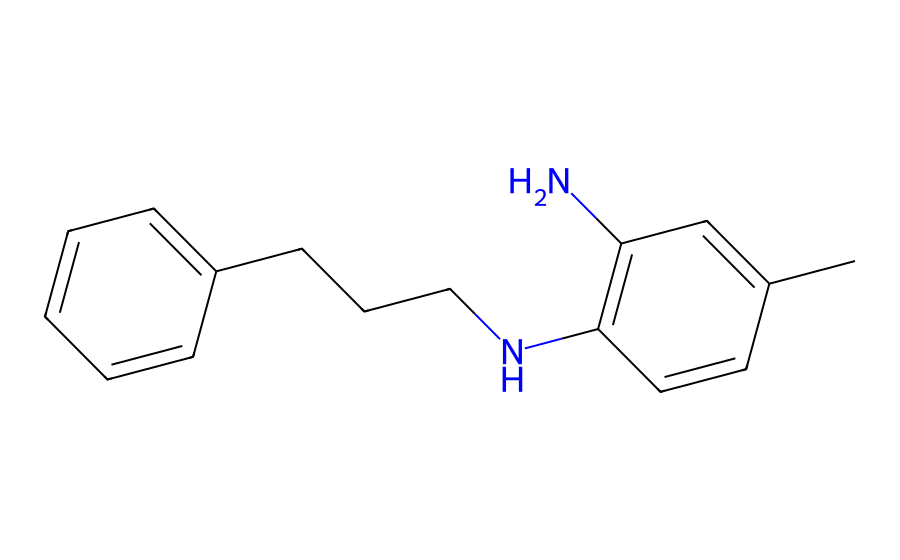
JSH-23Featured
100 mg USD 450 · 250 mg USD 850 · 1 g USD 1,600 · 10 mM * 1 mL in DMSO USD 220JSH-23 is an NF-κB inhibitor which inhibits NF-κB transcriptional activity with an IC50 of 7.1 μM.
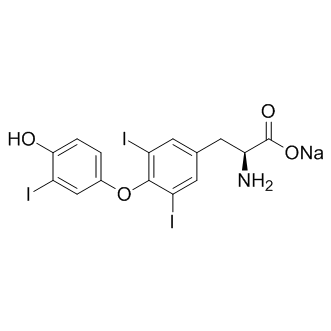
Liothyronine sodiumFeatured
1 g USD 300 · 10 mM * 1 mL in DMSO USD 1503,3',5-Triiodo-L-thyronine sodium is an active form of thyroid hormone, which binds to β1 thyroid hormone receptor (TRβ1), and activates its activity.
No products match this search.
Page 119 of 184 · Browse all 3666 products