
Research lipid catalog
Ionizable Lipid Products
Explore 848 lipid and RNA delivery products. Search the full catalog or browse by research category.
Search covers product name, catalog number, synonyms, available CAS numbers and categories. Spaces, hyphens and common punctuation are ignored. Duplicate legacy records are consolidated under one canonical product result.
3666 products · Showing 2341–2360 · 20 per page
DC Chemicals lipid expertise
Built for ionizable-lipid discovery and RNA delivery research
DC Chemicals supports formulation and delivery research with a broad, searchable portfolio of cationic and ionizable lipids. The current directory brings together 848 unique research-use products, with product specifications, pricing, chemical structures and literature-linked formulation data added as each record is verified.
Our experience spans complex lipid synthesis, purification, analytical release and process development. For custom molecules or larger-scale requirements, our team can discuss route development, technical specifications and scale-up options for the intended research workflow.
Learn about cationic and ionizable lipids →Proprietary innovation · Co-development · GMP
From proprietary lipid design to GMP-grade custom synthesis
DC Chemicals has independently developed ionizable-lipid structures supported by company-owned intellectual property, and selected proprietary lipid programs have advanced to GMP-stage development.
We welcome joint development with customers—from molecular design and lipid synthesis through route and process development. We can also support custom synthesis of GMP-grade ionizable lipids to agreed technical specifications and quality requirements.
Discuss a co-development project →Proprietary ionizable-lipid structuresCollaborative molecular designCustom lipid synthesisProcess development and scale-upGMP-grade project support
Product quick links
Explore ionizable lipids
Browse specifications, pricing and literature-linked product information.
Cat. No.Product NameField of ApplicationChemical Structure
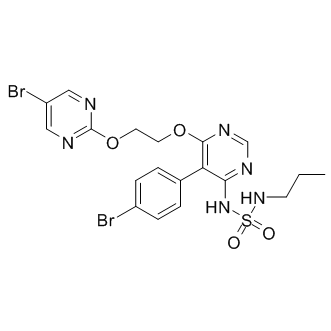
100 mg USD 250 · 250 mg USD 400 · 1 g USD 800 · 10 mM * 1 mL in DMSO USD 150
Macitentan is an orally active, non-peptide endothelin receptor antagonist for the treatment of idiopathic pulmonary fibrosis and pulmonary arterial hypertension.
(+)-JQ1 carboxylic acidFeatured
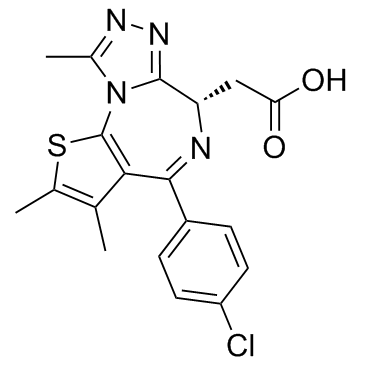
100 mg USD 350 · 250 mg USD 650 · 1 g USD 1,300 · 10 mM * 1 mL in DMSO USD 150JQ-1 carboxylic acid is a highly potent, selective and cell-permeable BRD4 inhibitor with IC50s of 77 nM and 33 nM for BRD4(1) and BRD4(2), respectively.
Auristatin EFeatured
100 mg USD 950 · 250 mg USD 1,800 · 1 g USD 3,500 · 10 mM * 1 mL in DMSO USD 220Auristatin E is a cytotoxic tubulin modifier with potent and selective antitumor activity; MMAE analog and cytotoxin in Antibody-drug conjugates.
Structure information available on request
ASP 7663Featured
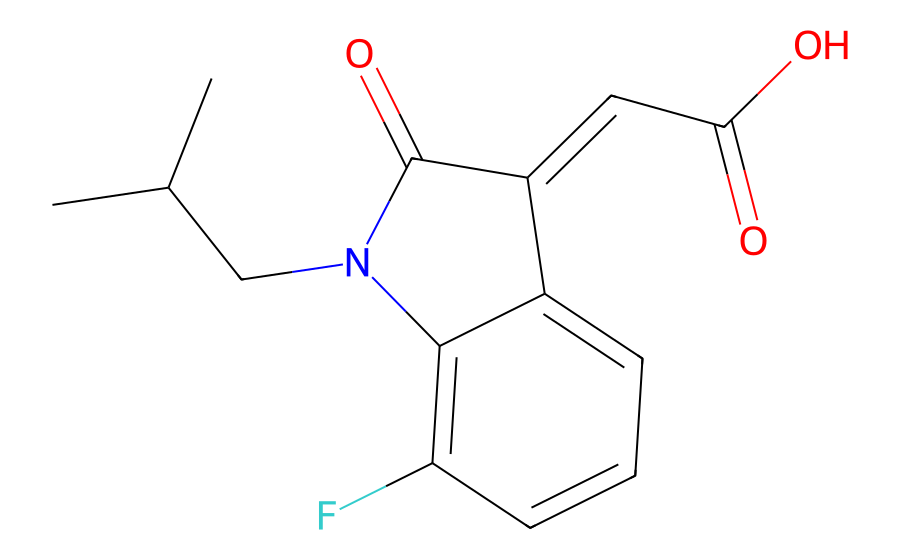
100 mg USD 500 · 250 mg USD 1,000 · 1 g USD 1,900 · 10 mM * 1 mL in DMSO USD 220ASP7663 is an orally active and selective TRPA1 agonist. ASP7663 exerts both anti-constipation and anti-abdominal pain actions[1][2].
EnsifentrineFeatured
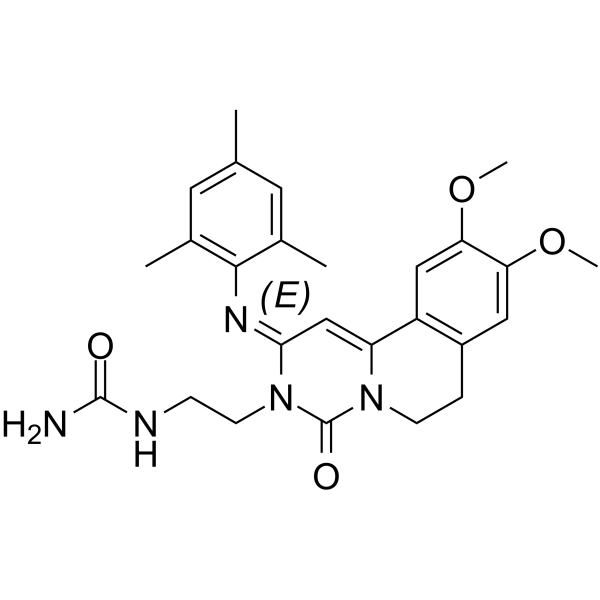
100mg USD 300 · 250mg USD 550 · 1g USD 1,200Ensifentrine (RPL-554) is an inhaled first-in-class dual inhibitor of phosphodiesterase 3 (PDE3) and PDE4 with IC50s of 0.4 nM and 1479 nM, respectively. Ensifentrine has bronchoprotective and anti-inflammatory activities. Ensifentrine can be used for chronic obstructive pulmonary disease (COPD) research[1][2].
XMD-17-51Featured
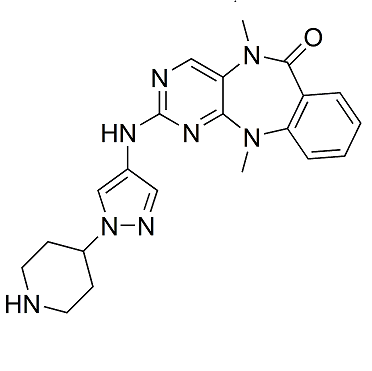
1g USD 2,800 · 250 mg USD 1,400 · 100 mg USD 750 · 10 mM * 1 mL in DMSO USD 220XMD-17-51 is a potent NUAK1-specific NUAK1 inhibitor
DeferitrinFeatured
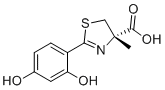
100 mg USD 550 · 250 mg USD 950 · 1 g USD 1,900 · 10 mM * 1 mL in DMSO USD 220Deferitrin (GT-56-252), a desferrithiocin (DFT) analogue, is an orally active trident iron chelator. Deferitrin is used for chronic iron overload due to transfusional therapy. Deferitrin has the potential for beta-thalassemia major[1][2].
CNDAC HClFeatured
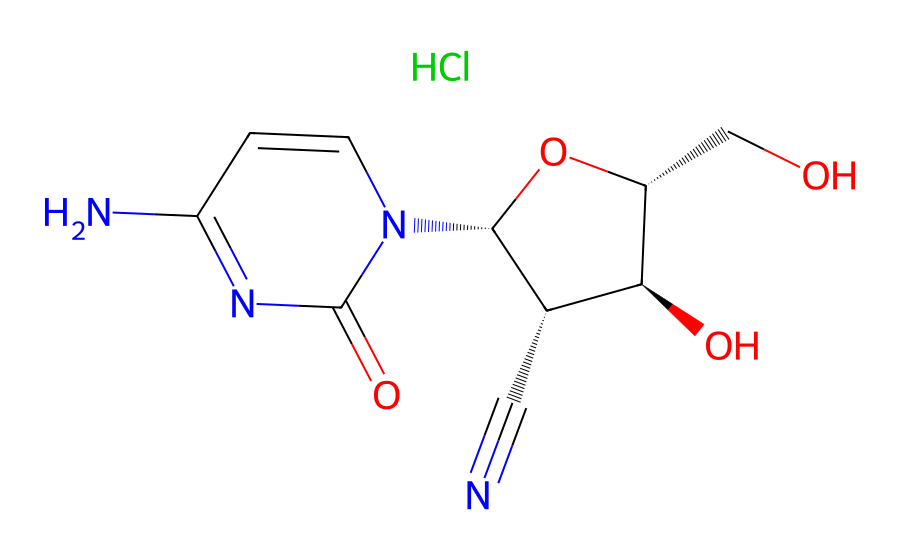
100 mg USD 600 · 250 mg USD 1,000 · 1 g USD 2,100 · 10 mM * 1 mL in DMSO USD 220CNDAC hydrochloride is a metabolite of the orally active agent sapacitabine, and a nucleoside analog[1].
BMS-1 (PD1/PDL1 inhibitor 1)Featured
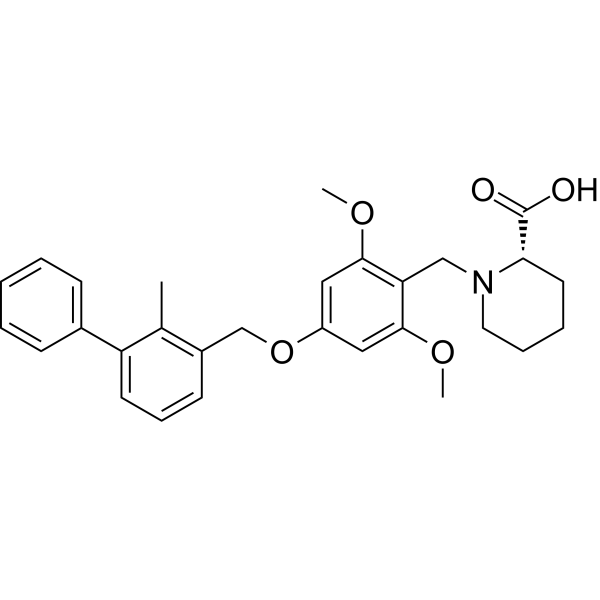
100 mg USD 500 · 250 mg USD 900 · 1 g USD 1,700 · 10 mM * 1 mL in DMSO USD 220PD-1/PD-L1 inhibitor C1 is a potent and selective small molecule inhibitor of the PD-1/PD-L1 protein/protein interactions with IC50 < 100 nM (PD-1/PD-L1 Homogenous Time-Resolved Fluorescence (HTRF) binding assay). It may potentially be useful in the treatment of cancer as well as infectious diseases such as hepatitis C. The programmed death-1/programmed death-ligand 1 (PD-1/PD-L1) interaction plays a dominant role in the suppression of T cell responses, especially in a tumor microenvironment, protecting tumor cells from lysis,a useful compound immunomodulator compound.
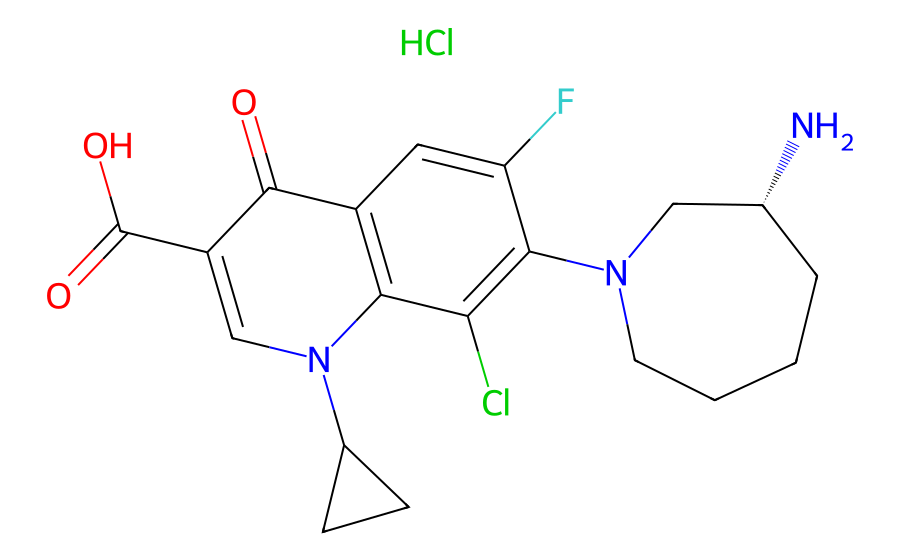
Besifloxacin HClFeatured
100 mg USD 300 · 250 mg USD 600 · 1 g USD 1,200 · 10 mM * 1 mL in DMSO USD 150Besifloxacin hydrochloride is a fourth-generation fluoroquinolone antibiotic.
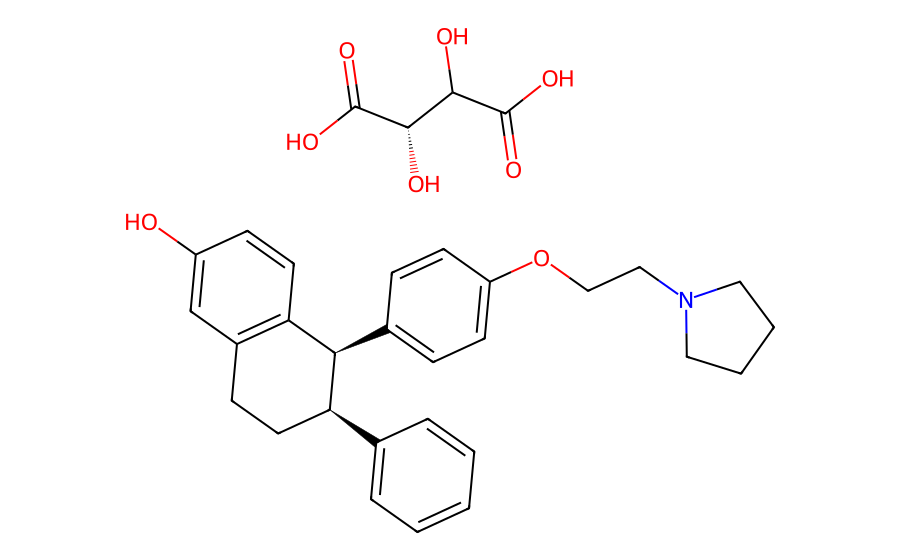
Lasofoxifene tartrateFeatured
100 mg USD 250 · 250 mg USD 500 · 1 g USD 1,000 · 10 mM * 1 mL in DMSO USD 150Lasofoxifene Tartrate is a non-steroidal selective estrogen receptor modulator (SERM).
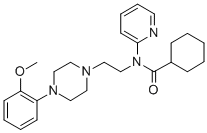
WAY 100635 HydrochlorideFeatured
100 mg USD 350 · 250 mg USD 630 · 1 g USD 1,300 · 10 mM * 1 mL in DMSO USD 350WAY 100635 Hydrochloride is available from DC Chemicals for laboratory research. Contact us for application-specific product information.
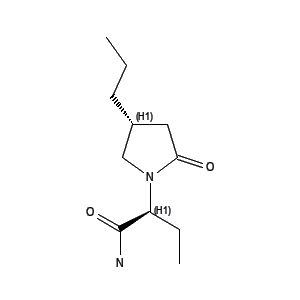
BrivaracetamFeatured
100 mg USD 350 · 250 mg USD 600 · 1 g USD 1,300 · 10 mM * 1 mL in DMSO USD 150Brivaracetam(UCB-34714) is a 4-substituted pyrrolidone butanamide as agent with significant antiepileptic activity; high affinity SV2A ligand and also shows an ability to inhibit Na+ channels. in vitro: Brivaracetam has been tested in a comprehensive safety pharmacology, toxicology, developmental toxicology, and genotoxicity program. It is of low acute toxicity, target organ for toxic effects is the hepatobiliary tract. Carcinogenicity studies are ongoing. Human pharmacology studies have shown that brivaracetam has a half-life of 8 h and nearly complete bioavailability. CSD episodes were regularly elicited on slices upon delivery of calibrated KCl drops and were recorded via two micropipette electrodes. After control CSDs, the drug was added to the perfusion and five subsequent CSDs were elicited during drug perfusion. Effects were assessed via CSD amplitude (Ampl) and duration at half-amplitude (D(1/2)). BRV, 10 and 32 microM reduced the Ampl and transiently the D(1/2). Levetiracetam, 32 and 100 microM had no effect on either Ampl or D(1/2). Brivaracetam bound selectively with 20 fold higher affinity than levetiracetam to SV2A. BRV produced a concentration-dependent inhibition of voltage-dependent Na(+) currents with IC(50) values of 41microM at the holding potential of -100mV, and of 6.5microM at the holding potential of -60mV. in vivo: BRV (2.1, 6.8 or 21.0mg/kg i.p.) was injected daily, 60min before each session. Results indicated that in both normal and amygdala-kindled rats BRV did not alter the latency to find the hidden platform or swimming speed during the four consecutive days of learning. brivaracetam (0.3 mg/kg, the minimal effective dose) was more potent than levetiracetam (3 mg/kg, the minimal effective dose) against post-hypoxic seizures.The anti-seizure activity of both compounds occurred 30 min following intraperitoneal (i.p.) administration and was maintained over the entire 150 min post-dose observation period. Both brivaracetam and levetiracetam significantly reduced auditory stimulated post-hypoxic myoclonus from a dose 0.3 mg/kg.
Sematilide hydrochlorideFeatured
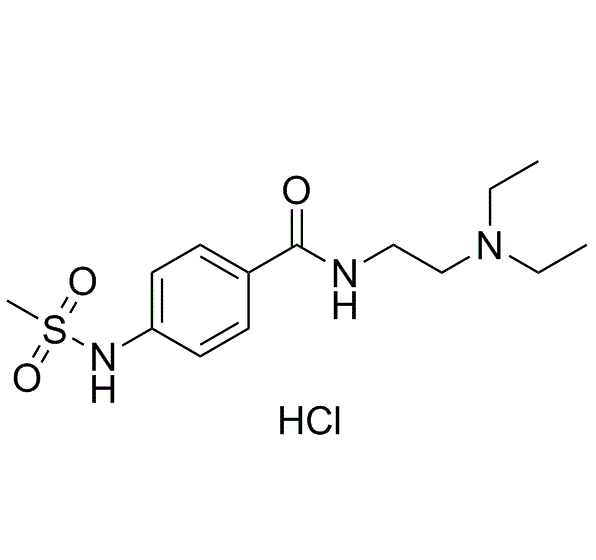
100 mg USD 400 · 250 mg USD 800 · 1 g USD 1,600 · 10 mM * 1 mL in DMSO USD 150Sematilide hydrochloride (CK-1752 hydrochloride) is a selective IKr channel blocker. Sematilide causes a concentration-dependent inhibition of the delayed rectifier K+ current (IC50=25 μM). Sematilide is a class III antiarrhythmic agent[1].
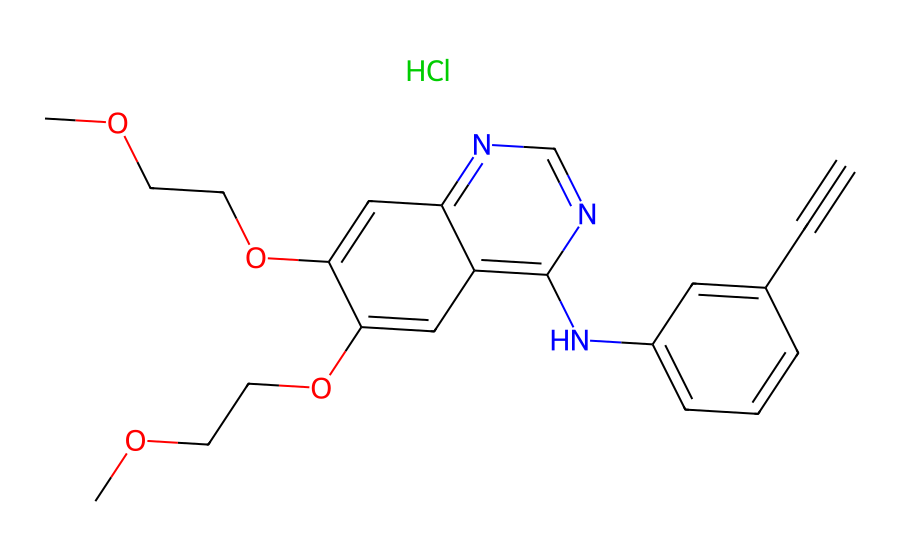
Erlotinib hydrochlorideFeatured
1 g USD 400 · 5 g USD 1,200 · 10 g USD 1,900 · 10 mM * 1 mL in DMSO USD 150Erlotinib hydrochloride inhibits purified EGFR kinase with an IC50 of 2 nM.
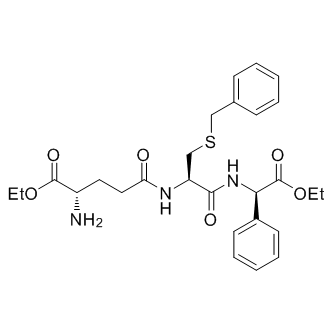
Ezatiostat(TER199; TLK199)Featured
100 mg USD 400 · 250 mg USD 800 · 1 g USD 1,600 · 10 mM * 1 mL in DMSO USD 150Ezatiostat is a glutathione analog inhibitor of glutathione S-transferase P1-1 (GSTP1-1).
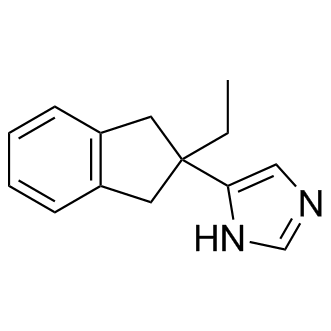
AtipamezoleFeatured
100 mg USD 350 · 250 mg USD 700 · 1 g USD 1,400 · 10 mM * 1 mL in DMSO USD 150Atipamezole is a synthetic α2-adrenoceptor antagonist with a Ki of 1.6 nM.
ArgatrobanFeatured
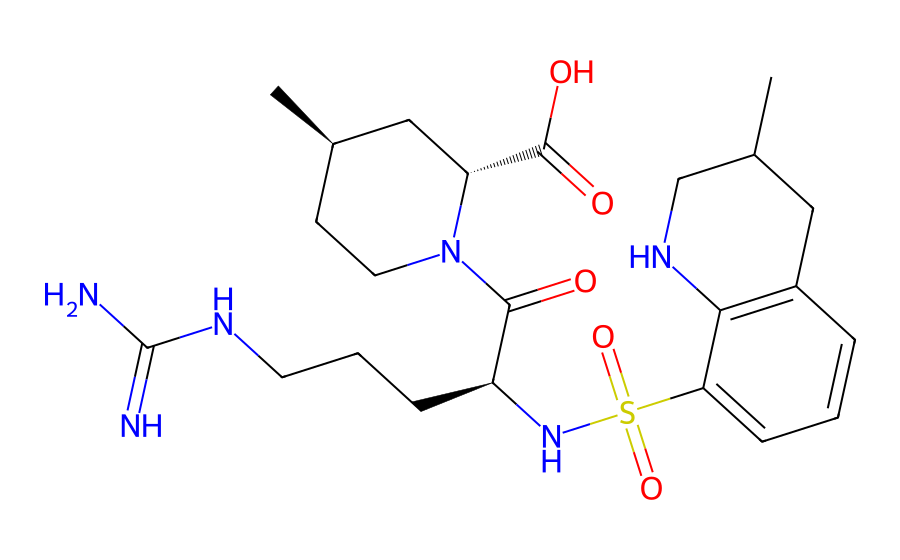
100 mg USD 250 · 250 mg USD 500 · 1 g USD 1,000 · 10 mM * 1 mL in DMSO USD 150Argatroban is a direct, selective thrombin inhibitor.
TemozolomideFeatured
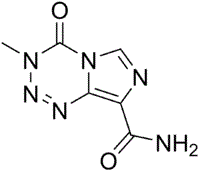
100 mg USD 200 · 250 mg USD 400 · 1 g USD 800 · 10 mM * 1 mL in DMSO USD 150Temozolomide (NSC 362856; CCRG 81045) is an oral DNA alkylating agent used to treat some brain cancers.
HonokiolFeatured
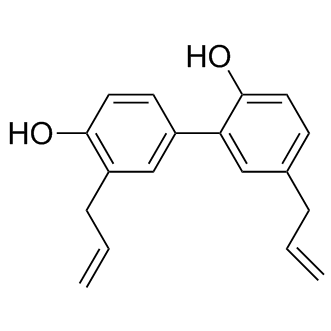
1 g USD 300 · 10 mM * 1 mL in DMSO USD 150Honokiol is a bioactive, biphenolic phytochemical that possesses potent antioxidative, anti-inflammatory, antiangiogenic, and anticancer activities by targeting a variety of signaling molecules. It inhibits the activation of Akt and enhances the phosphorylation of ERK1/ERK2.
No products match this search.
Page 118 of 184 · Browse all 3666 products