
Research lipid catalog
Ionizable Lipid Products
Explore 848 lipid and RNA delivery products. Search the full catalog or browse by research category.
Search covers product name, catalog number, synonyms, available CAS numbers and categories. Spaces, hyphens and common punctuation are ignored. Duplicate legacy records are consolidated under one canonical product result.
3666 products · Showing 2401–2420 · 20 per page
DC Chemicals lipid expertise
Built for ionizable-lipid discovery and RNA delivery research
DC Chemicals supports formulation and delivery research with a broad, searchable portfolio of cationic and ionizable lipids. The current directory brings together 848 unique research-use products, with product specifications, pricing, chemical structures and literature-linked formulation data added as each record is verified.
Our experience spans complex lipid synthesis, purification, analytical release and process development. For custom molecules or larger-scale requirements, our team can discuss route development, technical specifications and scale-up options for the intended research workflow.
Learn about cationic and ionizable lipids →Proprietary innovation · Co-development · GMP
From proprietary lipid design to GMP-grade custom synthesis
DC Chemicals has independently developed ionizable-lipid structures supported by company-owned intellectual property, and selected proprietary lipid programs have advanced to GMP-stage development.
We welcome joint development with customers—from molecular design and lipid synthesis through route and process development. We can also support custom synthesis of GMP-grade ionizable lipids to agreed technical specifications and quality requirements.
Discuss a co-development project →Proprietary ionizable-lipid structuresCollaborative molecular designCustom lipid synthesisProcess development and scale-upGMP-grade project support
Product quick links
Explore ionizable lipids
Browse specifications, pricing and literature-linked product information.
Cat. No.Product NameField of ApplicationChemical Structure
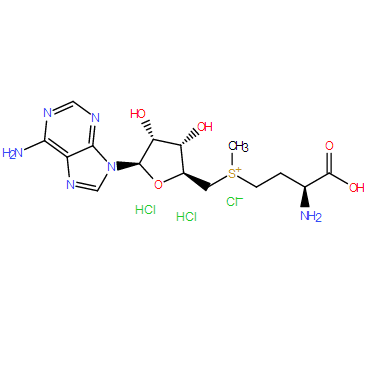
100 mg USD 850 · 250 mg USD 1,700 · 1 g USD 3,500 · 10 mM * 1 mL in DMSO USD 220
Methyl donor; cofactor for enzyme-catalyzed methylations, including catechol O-methyltransferase (COMT) and DNA methyltransferases (DNMT). Although present in all cells, it is concentrated in liver where 85% of all methylation reactions occur. It is also involved in regulating liver function, growth, and response to injury.
MiconazoleFeatured
Pack sizes and prices on requestMiconazole is an imidazole antifungal agent commonly applied topically to the skin or to mucous membranes to cure fungal infections. It works by inhibiting the synthesis of ergosterol, a critical component of fungal cell membranes. It can also be used against certain species of Leishmania protozoa which are a type of unicellular parasites that also contain ergosterol in their cell membranes. In addition to its antifungal and antiparasitic actions, it also has some antibacterial properties.

Lodoxamide tromethamineFeatured
100 mg USD 400 · 250 mg USD 650 · 1 g USD 1,200 · 10 mM * 1 mL in DMSO USD 150Lodoxamide tromethamine (U 42585 E) is a medication for the treatment of prophylaxis of mast cell-mediated allergic disease.

CB1954(Tretazicar)Featured
100 mg USD 850 · 250 mg USD 1,500 · 1 g USD 2,800 · 10 mM * 1 mL in DMSO USD 220Tretazicar (CB 1954), an antitumor prodrug, is highly selective against the Walker 256 rat tumour line. Tretazicar is enzymatically activated to generate a bifunctional agent, which can form DNA-DNA interstrand cross-links. Tretazicar in rat cells involves the reduction of its 4-nitro group to a 4-hydroxylamine by the enzyme NAD(P)H:quinone oxidoreductase 1 (NQO1)[1][2].

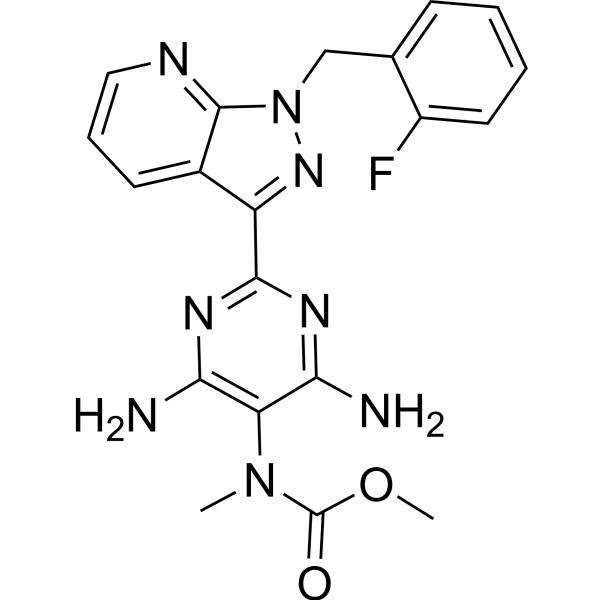
Riociguat (BAY 63-2521)Featured
100 mg USD 250 · 250 mg USD 500 · 1 g USD 1,000 · 10 mM * 1 mL in DMSO USD 150Riociguat is an oral stimulator of soluble guanylate cyclase (sGC) used in the treatment of pulmonary hypertension.
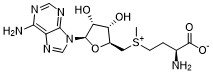
1 g USD 200 · 10 mM * 1 mL in DMSO USD 150
S-adenosyl-L-methionine(Ademetionine) is an intermediate metabolite of methionine. Its involvement in methylation assists in cellular growth and repair, maintains the phospho-bilipid layer in cell membranes. It also helps in the maintenance of the action of several hormones and neurotransmitters that affect mood.
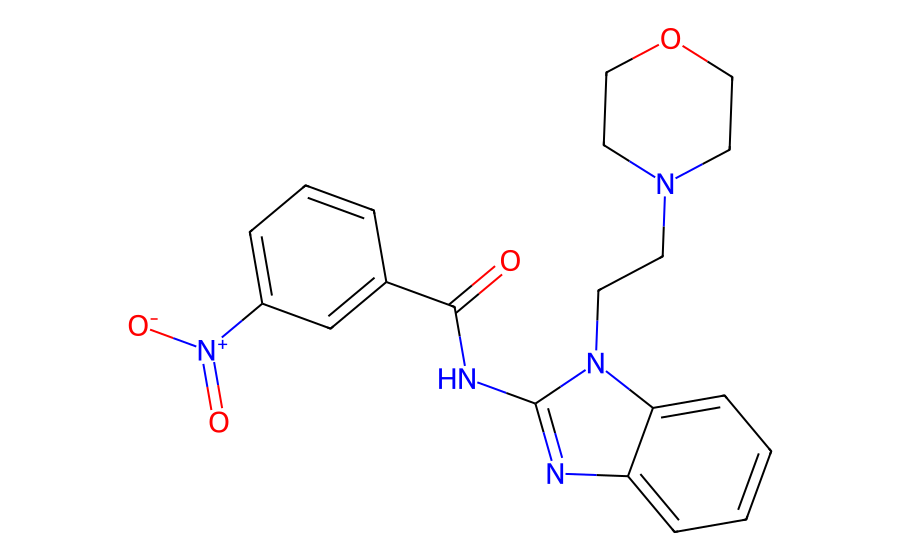
IRAK-1/4 InhibitorFeatured
100 mg USD 450 · 250 mg USD 850 · 1 g USD 1,600 · 10 mM * 1 mL in DMSO USD 220IRAK-1-4 Inhibitor I is an inhibitor of interleukin-1 receptor-associated kinase 1/4 (IRAK 1/4) with IC50s of 0.2 μM and 0.3 μM, respectively.
ImiquimodFeatured
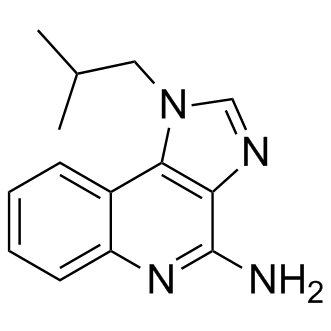
1 g USD 300 · 10 mM * 1 mL in DMSO USD 150Imiquimod is an immune response modifier and a toll-like receptor 7 agonist.
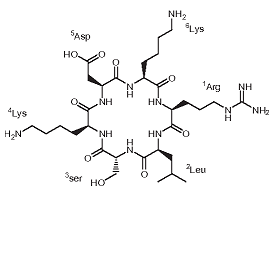
BK-1361(cyclo(RLsKDK))Featured
10 mg USD 550 · 25 mg USD 950 · 100 mg USD 1,900BK-1361(BK1361, cyclo-RLsKDK) is a cyclic peptide with RLsKDK (s=D-serine) that functions as a potent, selective inhibitor of ADAM8 with IC50 of 120 nM; displays no significant activity against ADAM 9, 10, 12, 17 , as well as MMP-2, -9, and -14 at 10 uM; inhibit shedding of CD23 with IC50 of 182 nM in cell-based shedding assays, reduces migration/invasion of pancreatic cancer cells and less ERK1/2 and MMP activation, causes change in cell morphology; decreases tumour burden and metastasis of implanted pancreatic tumour cells and provides improved metrics of clinical symptoms and survival in Kras(G12D)-driven mouse model of PDAC.
CordycepinFeatured
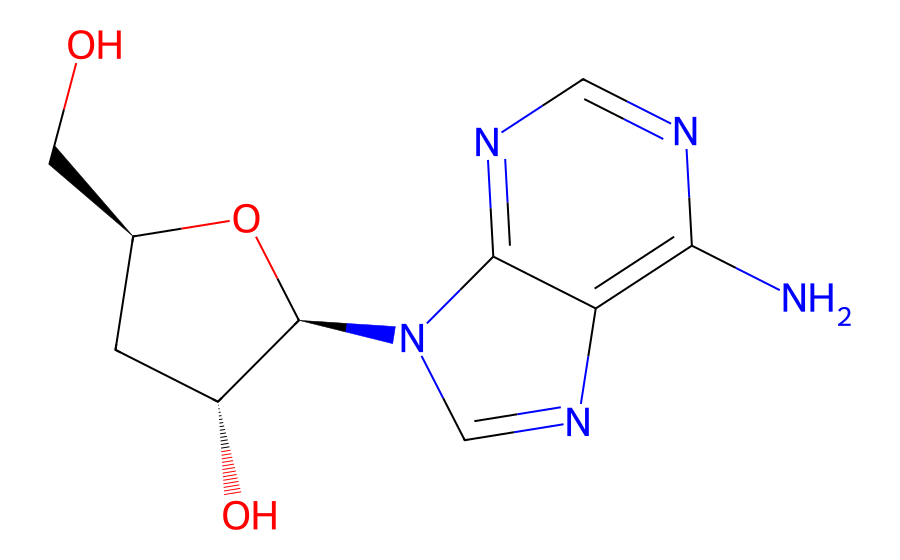
100 mg USD 200 · 250 mg USD 400 · 1 g USD 800 · 10 mM * 1 mL in DMSO USD 150Cordycepin, which is a nucleoside derivative isolated from Cordyceps, inhibits IL-1β-induced MMP-1 and MMP-3 expression in rheumatoid arthritis synovial fibroblasts (RASFs) in a dose-dependent manner.
Ensitrelvir fumarateFeatured
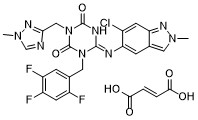
100 mg USD 850 · 250 mg USD 1,300 · 1 g USD 2,600 · 10 mM * 1 mL in DMSO USD 220Ensitrelvir (S-217622) fumarate is the first orally active non-covalent, non-peptidic, SARS-CoV-2 3CL protease inhibitor (IC50=13 nM)[1][2].
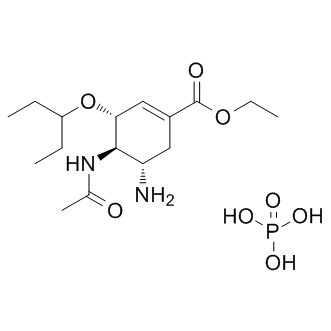
Oseltamivir phosphateFeatured
1 g USD 350 · 10 mM * 1 mL in DMSO USD 150Oseltamivir phosphate (GS 4104) is a neuraminidase inhibitor recommended for the treatment and prophylaxis of influenza A and B.
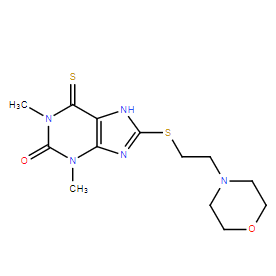
JA2131Featured
5mg USD 350 · 25mg USD 950JA2131 is a selective bioavailable poly(ADP-ribose) glycohydrolase (RARG) inhibitor with IC50 of 0.4 μM.
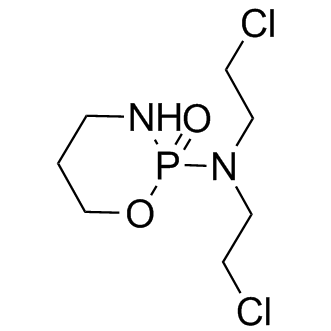
CyclophosphamideFeatured
1 g USD 300 · 10 mM * 1 mL in DMSO USD 150Cyclophosphamide is a synthetic alkylating agent chemically related to the nitrogen mustards with antineoplastic and immunosuppressive activities.
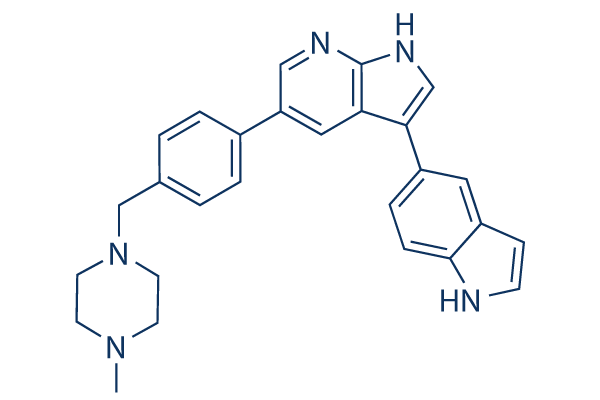
URMC-099Featured
100 mg USD 500 · 250 mg USD 950 · 1 g USD 1,900 · 10 mM * 1 mL in DMSO USD 220URMC-099 is an orally bioavailable and potent mixed lineage kinase type 3 (MLK3) (IC50=14 nM) inhibitor with with excellent blood-brain barrier penetration properties.
IbudilastFeatured
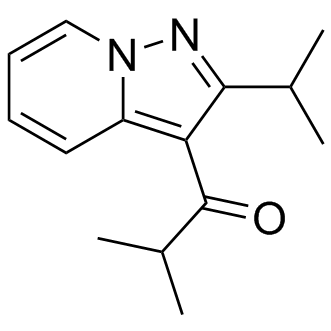
1 g USD 300 · 100mg USD 60 · 250mg USD 120 · 10 mM * 1 mL in DMSO USD 150Ibudilast(KC-404;AV-411;MN-166) is a relatively nonselective phosphodiesterase inhibitor which has been marketed for treating asthma.Ibudilast (3-isobutyryl-2-isopropylpyrazolo[1,5-a]pyridine) is a nonselective inhibitor of cyclic nucleotide phosphodiesterase (PDE). The inhibition of platelet aggregation and vasodilatation by ibudilast may be due to synergistic elevation of intracellular cyclic nucleotides and release of nitric oxide (NO) or prostacyclin from endothelium, rather than direct inhibition of PDE5 or PDE3. Another important property of ibudilast is its antiinflammatory activity possibly associated with potent inhibition of PDE4. Combined with its relaxing effects on bronchial smooth muscle, antiinflammatory actvity of ibudilast could favorably influence pathophysiology of asthma by antagonizing chemical mediators triggering asthmatic attacks [1, 2]. Ibudilast (AV-411) is a non-selective phosphodiesterase inhibitor that is also known to suppress glial cell activation. Preclinical data indicate that ibudilast crosses the blood-brain barrier, is well tolerated, is active on oral administration, reduces glial activation and attenuates pain symptoms in diverse rat models of neuropathic pain. In addition, it enhances acute morphine analgesia and attenuates morphine tolerance and withdrawal. Thus ibudilast may improve opioid efficacy and is a promising therapeutic candidate for neuropathic pain, with a novel mechanism of action [3].
BifeprunoxFeatured
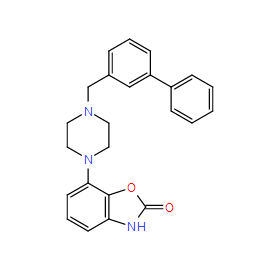
10mg USD 400Bifeprunox is a potent dopamine D2-like and 5-HT1A receptor partial agonist with pKis of 7.19 and 8.83 for cortex 5-HT1A and striatum D2, and a pEC50 of 6.37 for hippocampus 5-HT1A, respectively. Bifeprunox is an antipsychotic for the research of schizophrenia[1][2].
BKI1369Featured
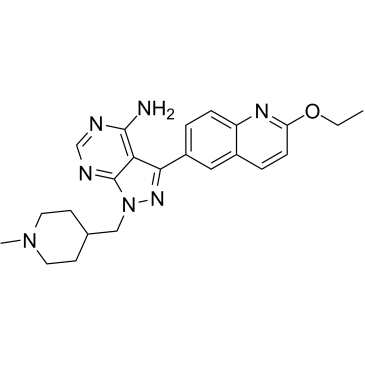
5 mg USD 350 · 10 mg USD 500 · 25 mg USD 800BKI-1369 is a bumped kinase inhibitor (BKI). BKI-1369 increases human Ether-a-go-go-related gene (hERG)-inhibitory activity with an IC50 of 1.52 μM. BKI-1369 reduces the parasite burden and diseases severity in the gnotobiotic pig model. BKI-1369 has been well characterized for potency, stability, metabolism, toxicity, pharmacokinetics and is potent against C. parvum in infected mice and calves[1].
Arbidol analogFeatured
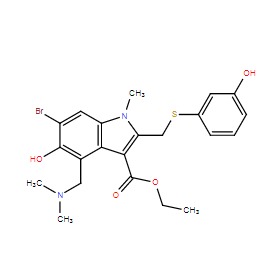
100mg USD 850 · 250mg USD 1,300 · 1g USD 2,500 · 10 mM * 1 mL in DMSO USD 220A Arbidol analog which showed affinity against both H3 (1150-fold) and H1 (98-fold) hemagglutinin subtypes than Arbidol.
100 mg USD 1,600 · 10 mM * 1 mL in DMSO USD 220
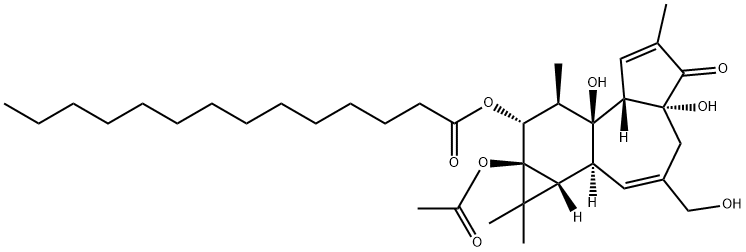
Phorbol 12-myristate 13-acetate (PMA), a phorbol ester, is a commonly used PKC activator.
No products match this search.
Page 121 of 184 · Browse all 3666 products