
Research lipid catalog
Ionizable Lipid Products
Explore 848 lipid and RNA delivery products. Search the full catalog or browse by research category.
Search covers product name, catalog number, synonyms, available CAS numbers and categories. Spaces, hyphens and common punctuation are ignored. Duplicate legacy records are consolidated under one canonical product result.
4677 products · Showing 4381–4400 · 20 per page
DC Chemicals lipid expertise
Built for ionizable-lipid discovery and RNA delivery research
DC Chemicals supports formulation and delivery research with a broad, searchable portfolio of cationic and ionizable lipids. The current directory brings together 848 unique research-use products, with product specifications, pricing, chemical structures and literature-linked formulation data added as each record is verified.
Our experience spans complex lipid synthesis, purification, analytical release and process development. For custom molecules or larger-scale requirements, our team can discuss route development, technical specifications and scale-up options for the intended research workflow.
Learn about cationic and ionizable lipids →Proprietary innovation · Co-development · GMP
From proprietary lipid design to GMP-grade custom synthesis
DC Chemicals has independently developed ionizable-lipid structures supported by company-owned intellectual property, and selected proprietary lipid programs have advanced to GMP-stage development.
We welcome joint development with customers—from molecular design and lipid synthesis through route and process development. We can also support custom synthesis of GMP-grade ionizable lipids to agreed technical specifications and quality requirements.
Discuss a co-development project →Proprietary ionizable-lipid structuresCollaborative molecular designCustom lipid synthesisProcess development and scale-upGMP-grade project support
Product quick links
Explore New ionizable lipids
Explore our five most recently added ionizable lipids, with specifications, pricing and literature-linked product information.
DCL0028HX1Brain RNA delivery researchView product →DCL0024A1I4R13C18-2Spleen-targeted RNA delivery researchView product →DCL0023A1I4R2C18-2Spleen-targeted RNA delivery researchView product →DCL0022FS01Local joint RNA delivery researchView product →DCL0020Lipid-392Lung RNA delivery and gene editing researchView product →
Cat. No.Product NameField of ApplicationChemical Structure
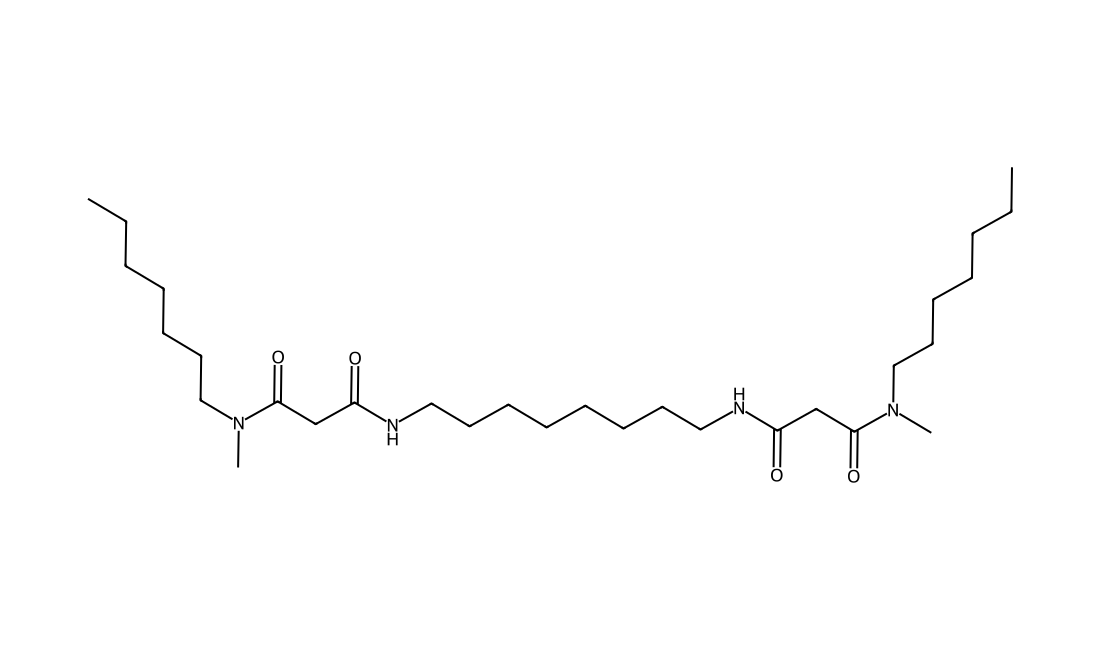
Magnesium ionophore III is an onophore used in solvent polymeric membrane electrodes for the assay of Mg2+ activities in blood serum in vitro.
ICA135Featured
ICA135 (ICA-135, ICA 135) is a broad-spectrum inhibitor against human enteroviruses that inhibits Coxsackievirus A10 (CV-A10) replication in RD cells with IC50 of 1.446 uM.
NCGC00131308Featured
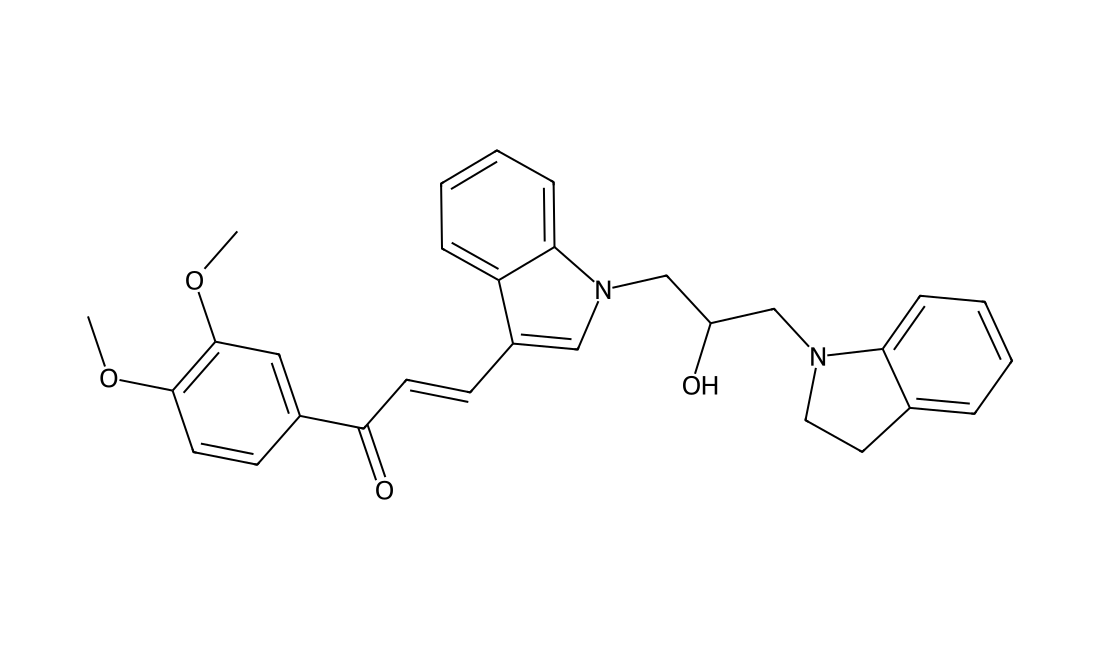
NCGC00131308 is a small molecule inhibitor that effectively disrupts IQGAP1-Cdc42 interaction in breast cancer cells, shows EC50 of 4.47 uM in biochemical HTRF assays.
VanzacaftorFeatured
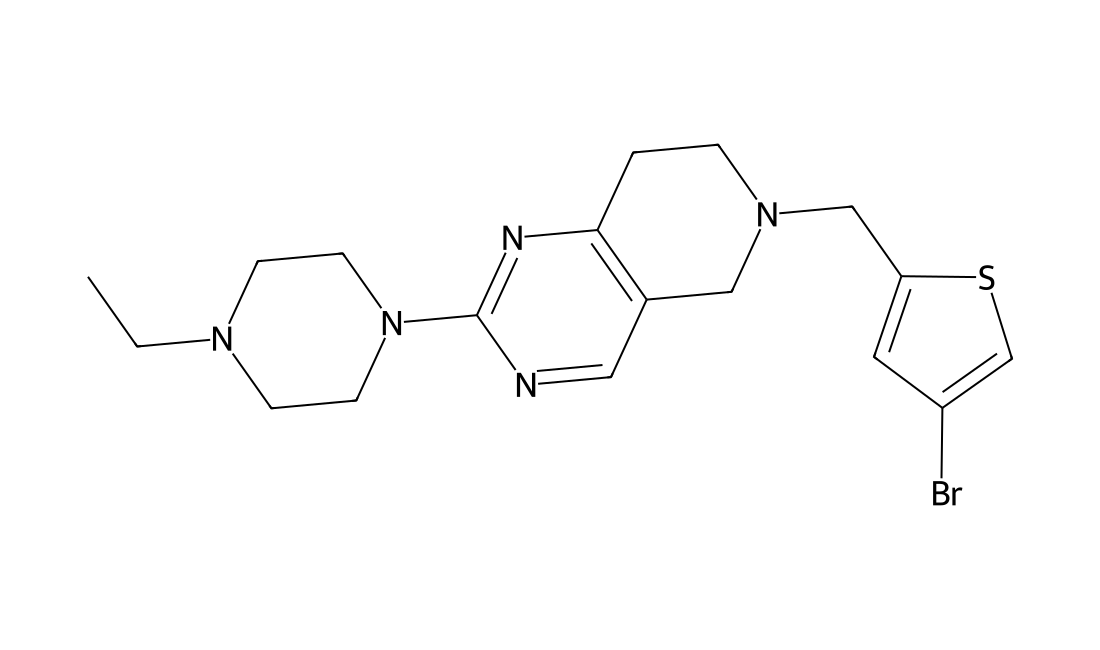
Vanzacaftor is a modulator of cystic fibrosis transmembrane conductance regulator (CFTR) for treating cystic fibrosis.
PF-06273340Featured
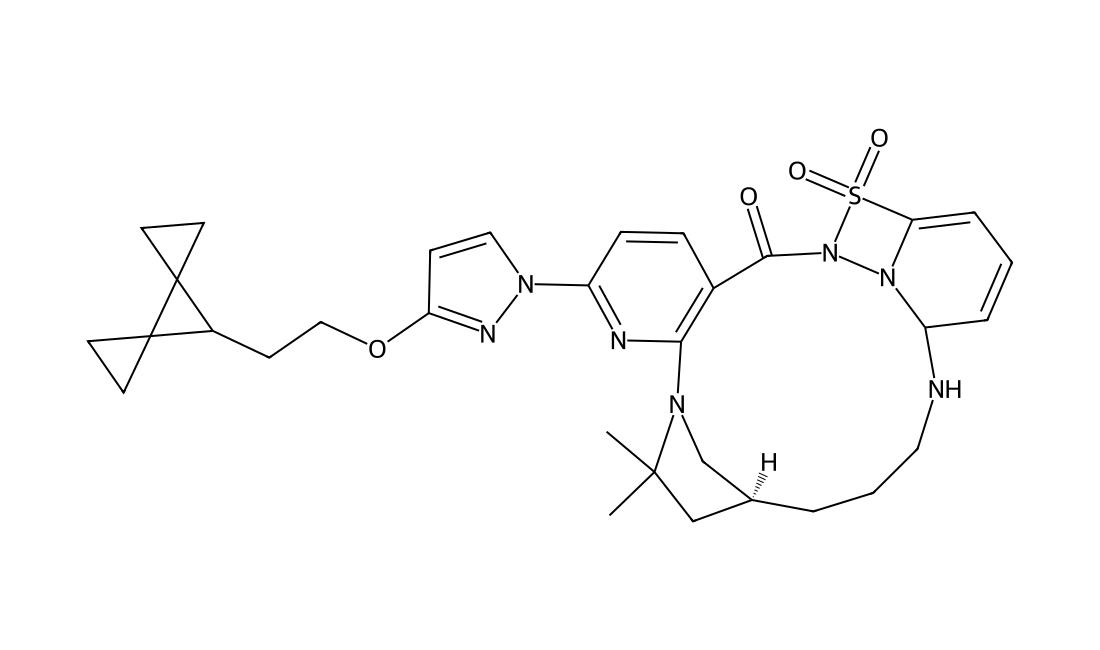
PF-06273340 is a highly potent, kinases elective, well-tolerated pan-Trk inhibitor with IC50 values of 6, 4, 3 nM for TrkA, TrkB, Trk C, respectively.
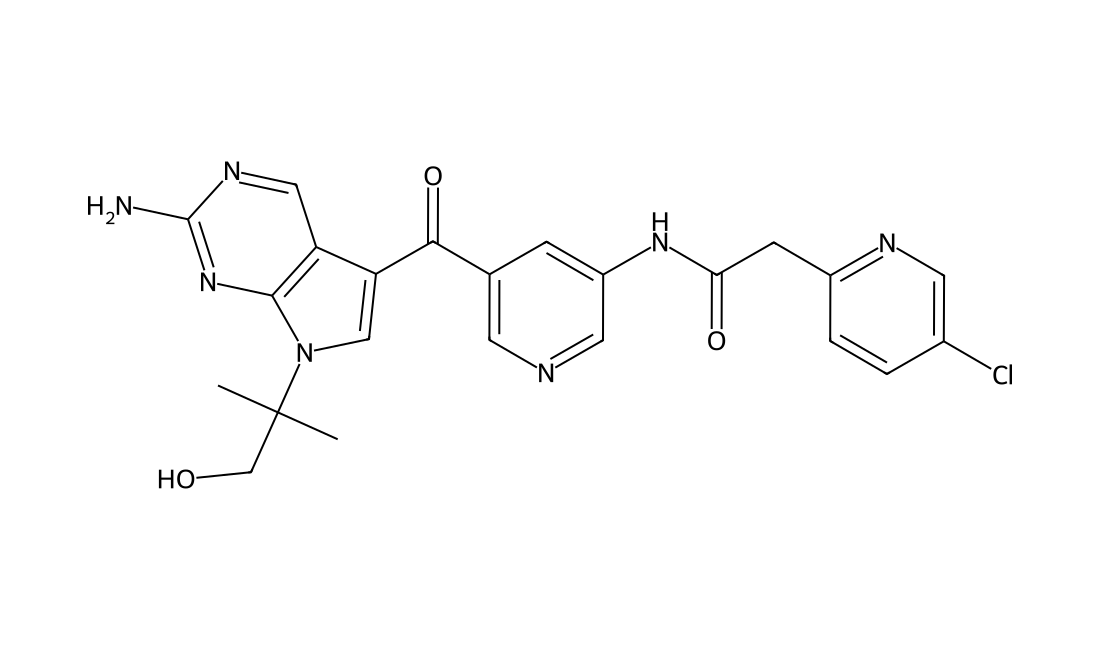
EB1Featured
EB1 is the inhibitor of kinases MNK with IC50s of 0.69 μM (MNK1) and 9.4 μM (MNK2). EB1 selectively inhibits the growth of cancer cells, but not normal cells. EB1 also increases cell apoptosis and suppresses eIF4E phosphorylation.
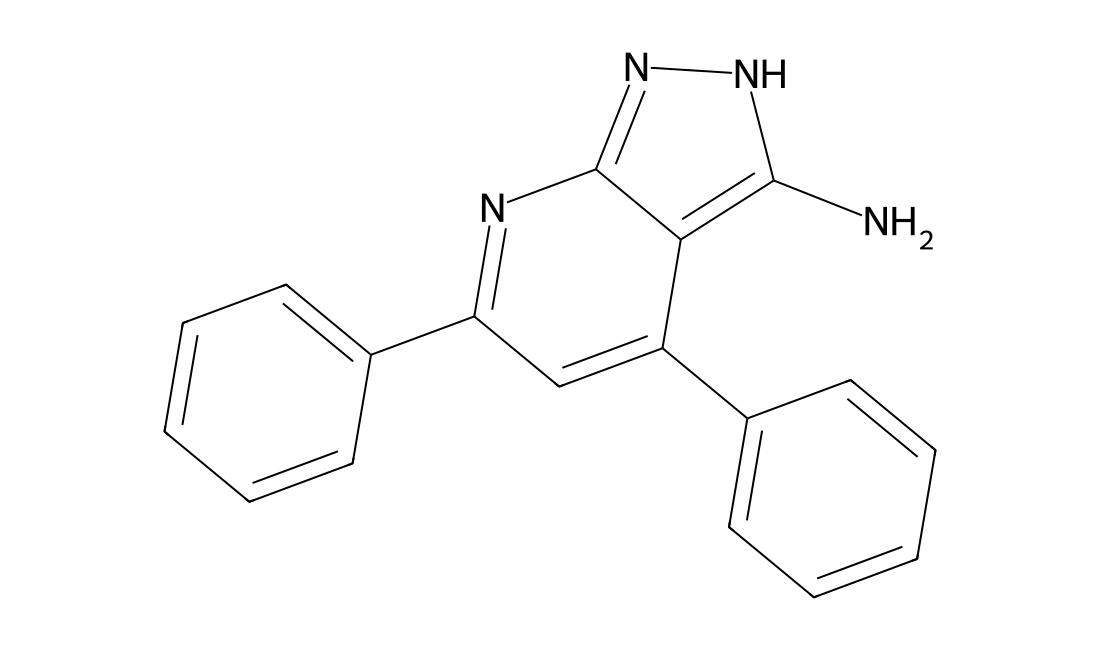
BMS-986458Featured
BMS-986458 represents a breakthrough in targeted protein degradation as a first-in-class, orally available PROTAC® molecule that specifically degrades B-cell lymphoma 6 (BCL6).
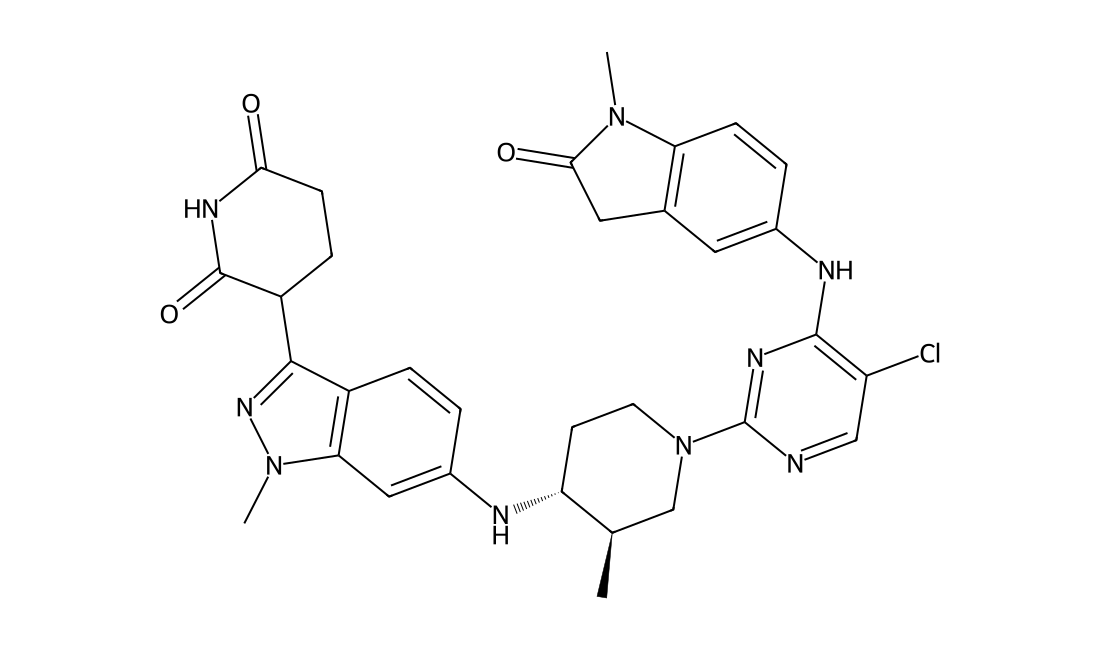
UlacamtenFeatured
Ulacamten is a novel, highly selective cardiac myosin inhibitor that directly targets the contractile machinery of heart muscle cells.
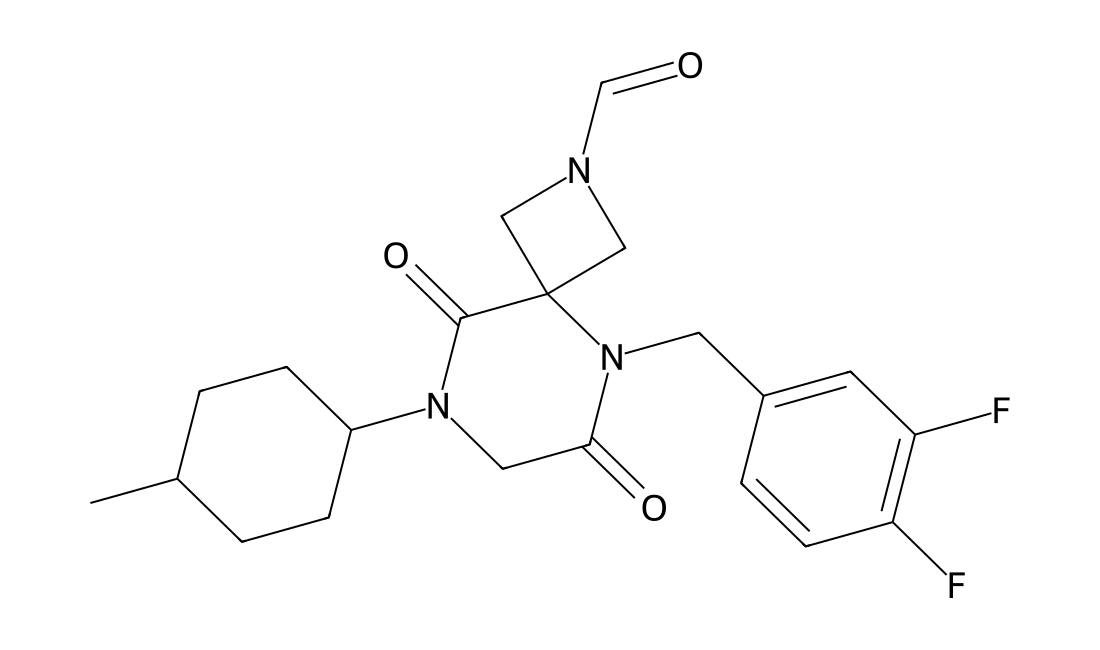
MK-6240 PrecursorFeatured
MK-6240 Precursor (6e) serves as a key intermediate in the synthesis of **[18F]-MK-6240**, a highly selective tau-targeting PET imaging agent. The radiolabeled compound, **[18F]-MK-6240**, is specifically designed for detecting neurofibrillary tangles (NFTs)—a hallmark pathology of Alzheimer’s disease and other tauopathies.
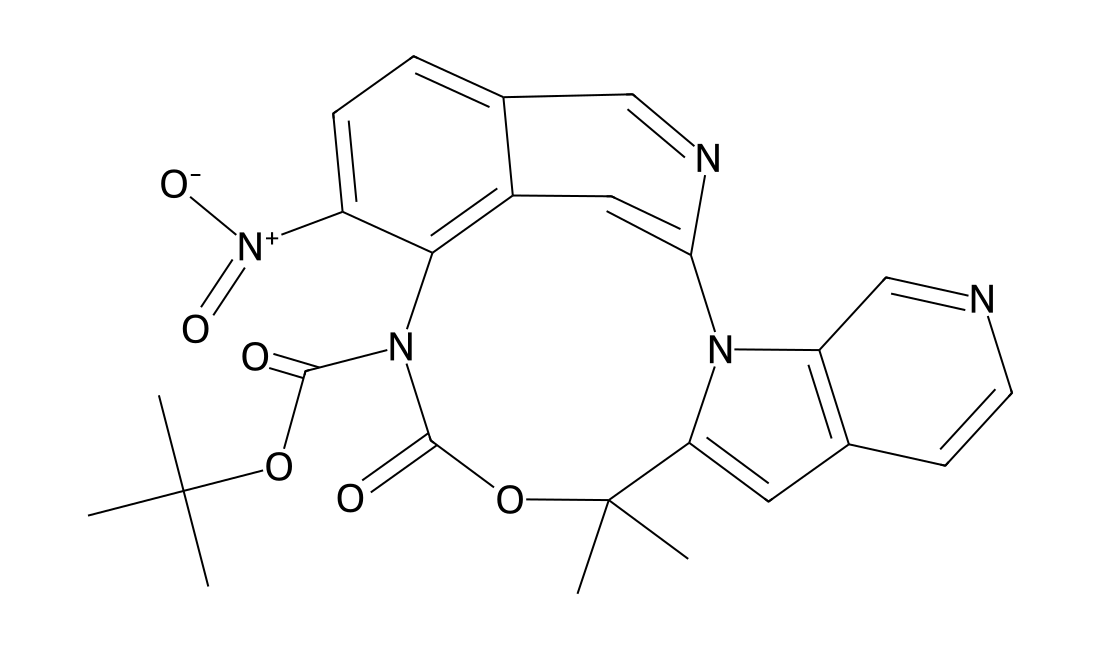
Oligopeptide-10Featured
Oligopeptide-10, also known as granactive oligopeptide-10, is a synthetic bio-active peptide composed of 15 amino acids. it can help manage acne-causing bacteria, both on its own and in conjunction with anti-acne superstar exfoliant salicylic acid.
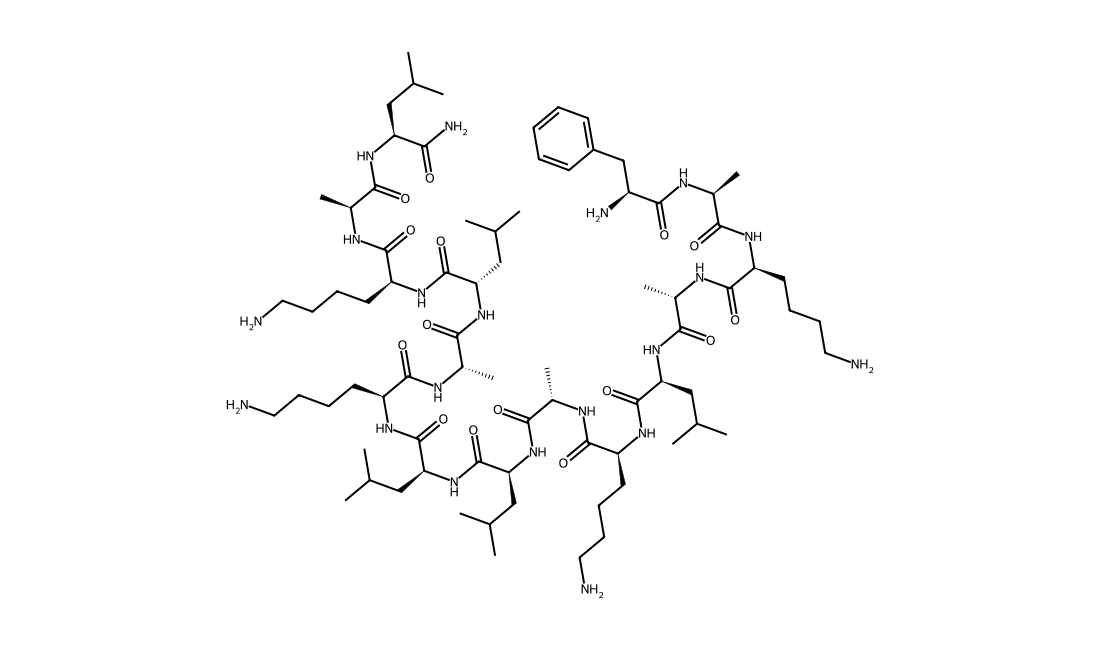
XPW1Featured
XPW1 is a potent and selective CDK9 inhibitor with excellent anti-ccRCC activity and low toxicity.
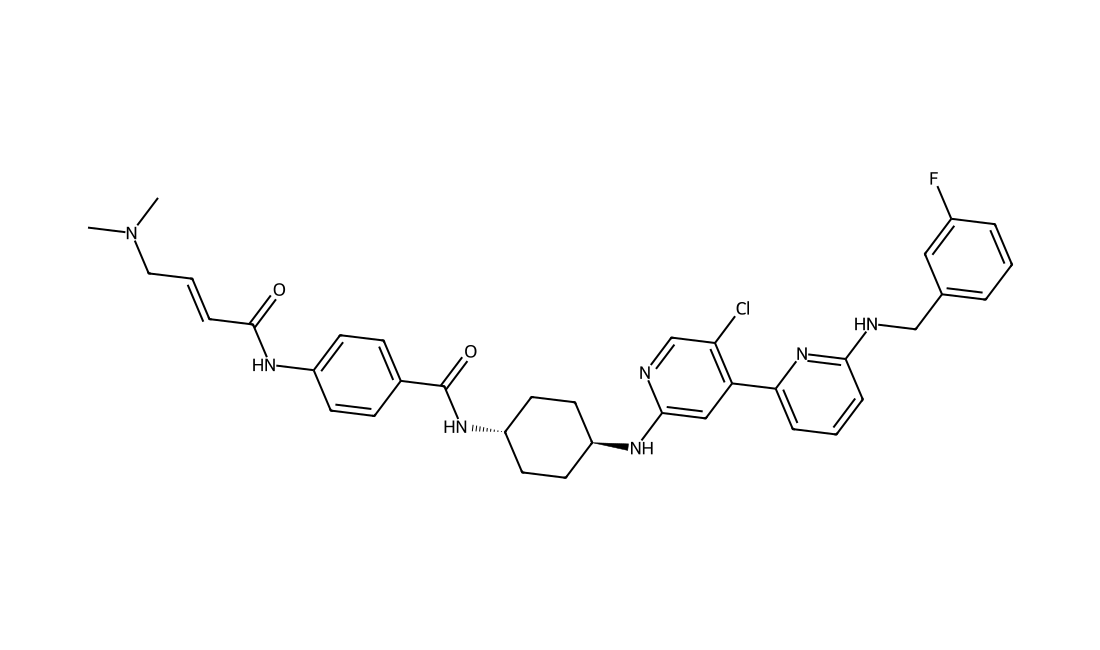
FDW028Featured
FDW028 is a potent and highly selective small-molecule inhibitor of fucosyltransferase 8 (FUT8) with binding KD value of 5.486 uM, displays no affinity against other FUTs, shows potent anti-CRC activities.
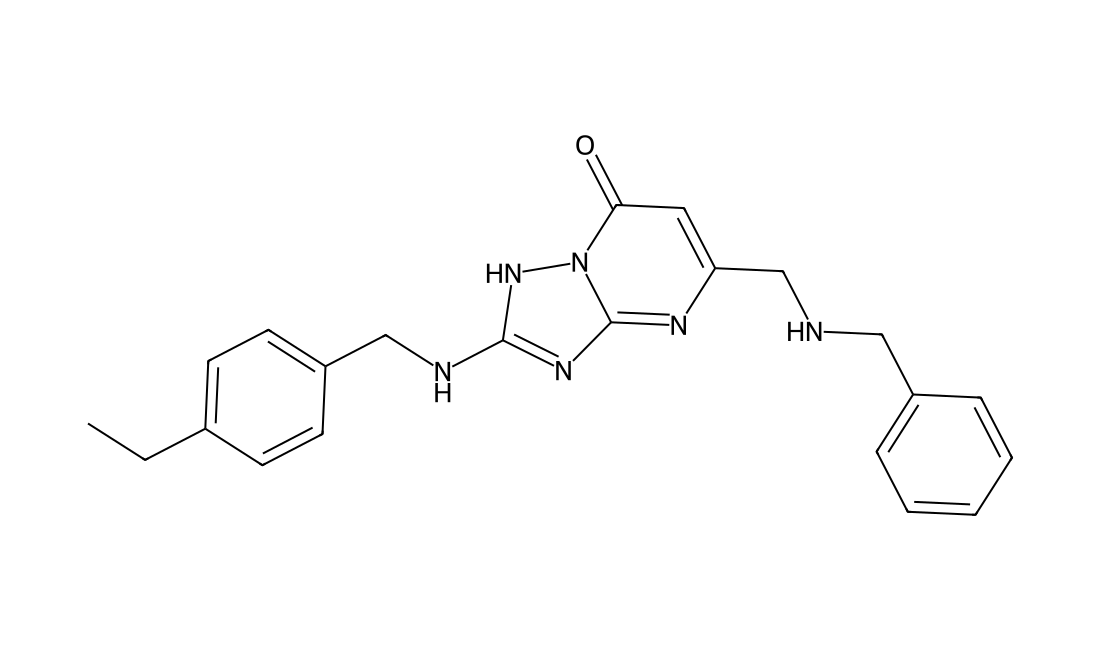
ZH8667Featured
ZH8667 is a trace amine-associated receptor 1 (TAAR1)–Gs agonist.
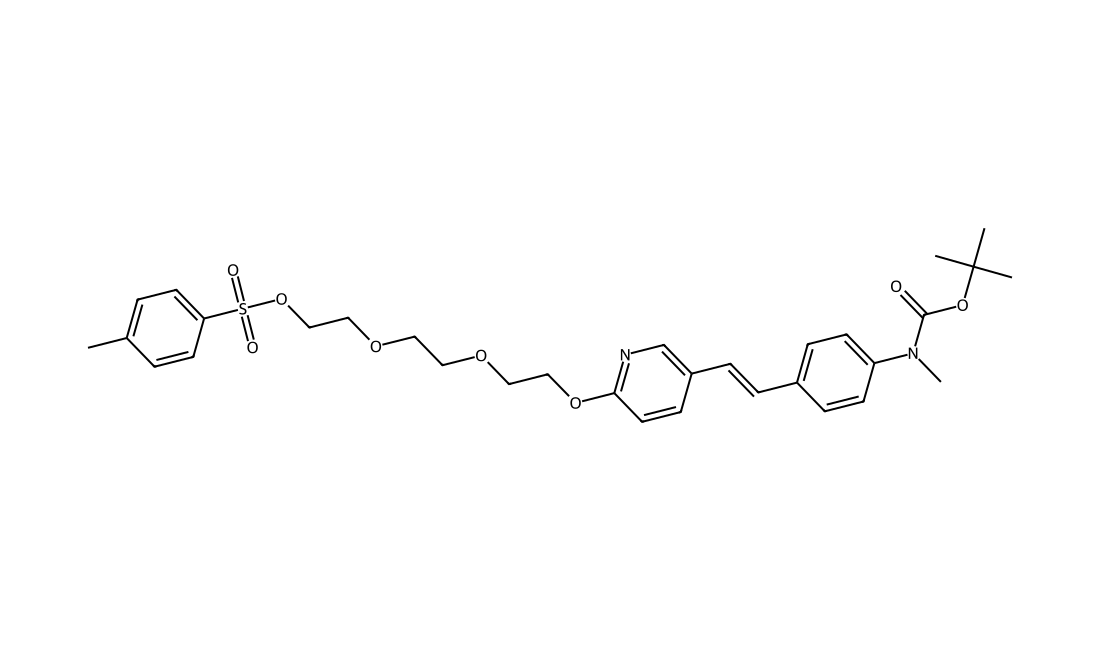
AV-105Featured
AV-105 is a tosylate precursor compound derived from Florbetapir (18F), a radiolabeled styrylpyridine derivative referenced in patent WO2010078370A1 (Example 1.5). This precursor plays a crucial role in the synthesis of 18F-radiolabeled imaging agents, particularly for positron emission tomography (PET) applications.
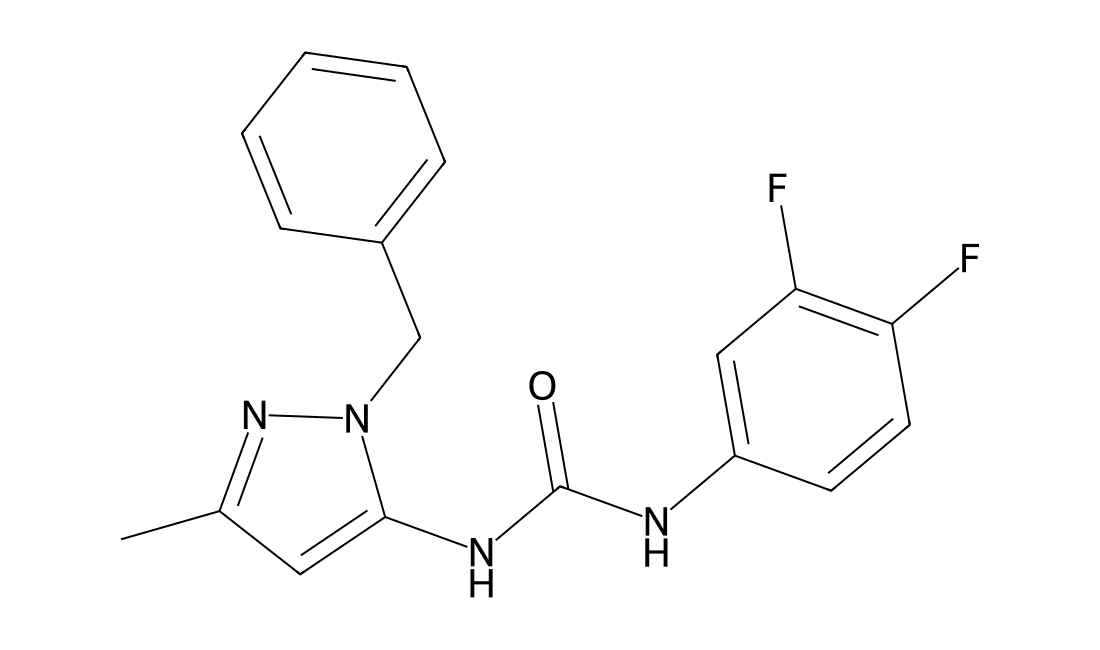
VU0466551Featured
VU0466551 is a targeted activator that specifically modulates homomeric G protein-gated inwardly rectifying potassium (GIRK1) channels, demonstrating its selectivity for this ion channel subtype.
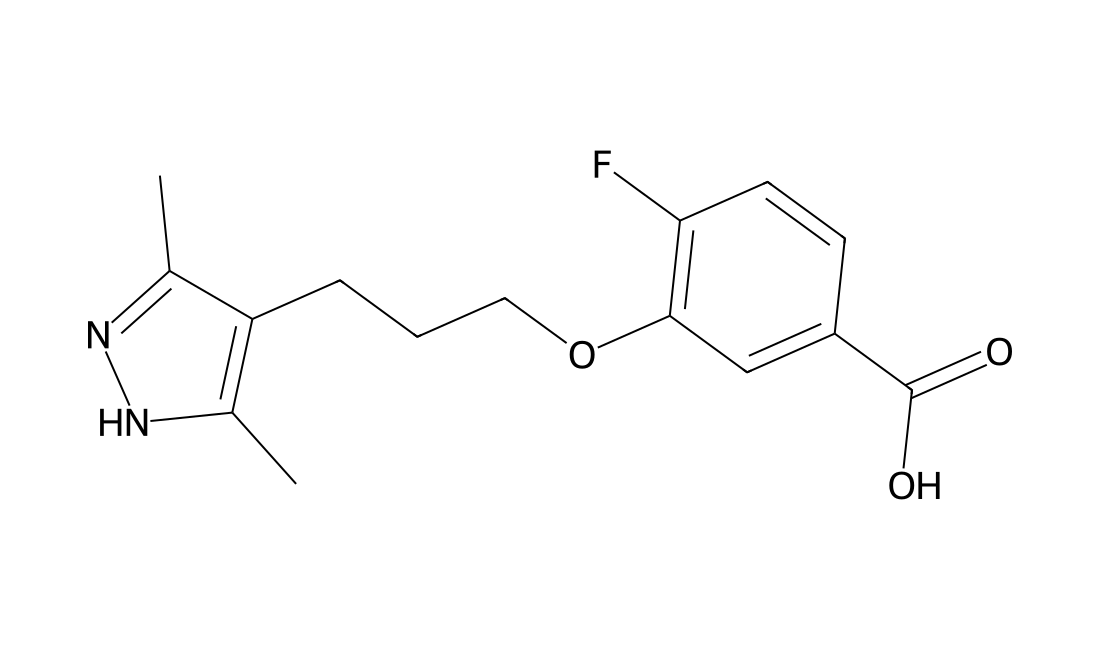
AcoramidisFeatured
Acoramidis (AG10) is an orally administered, highly selective kinetic stabilizer effective for both wild-type and V122I-TTR (transthyretin) variants. It is actively investigated as a therapeutic agent in the treatment of transthyretin amyloidosis.
Casein Kinase inhibitor A86Featured
CKIα inhibitor A86 is a groundbreaking pan-specific inhibitor targeting Casein Kinase I (CSNK1), with a remarkable binding affinity (Kd=1-10 nM) and a specific Kd of 9.8 nM for CKIα. Beyond its primary activity, this compound also demonstrates dual inhibitory effects on the transcriptional kinases CDK7 and CDK9. Notably, it exhibits minimal to no inhibition against CDK8, CDK13, CDK11a, CDK11b, and CDK19, highlighting its selective pharmacological profile.
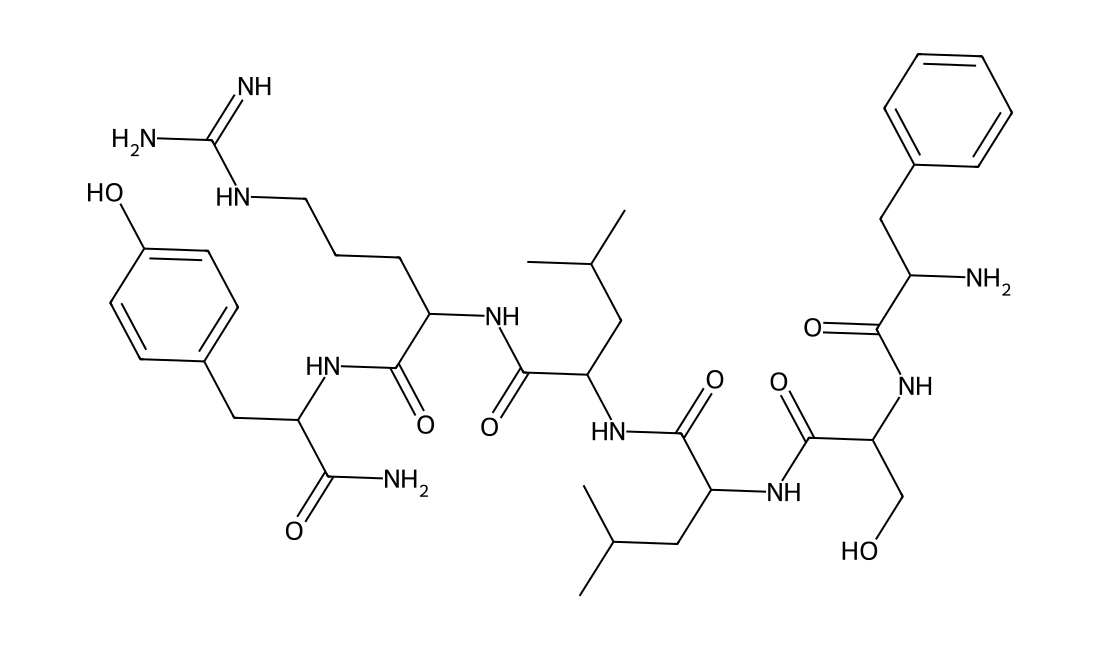
FSLLRY-NH2Featured
FSLLRY-NH2 is a protease-activated receptor 2 (PAR2) inhibitor.
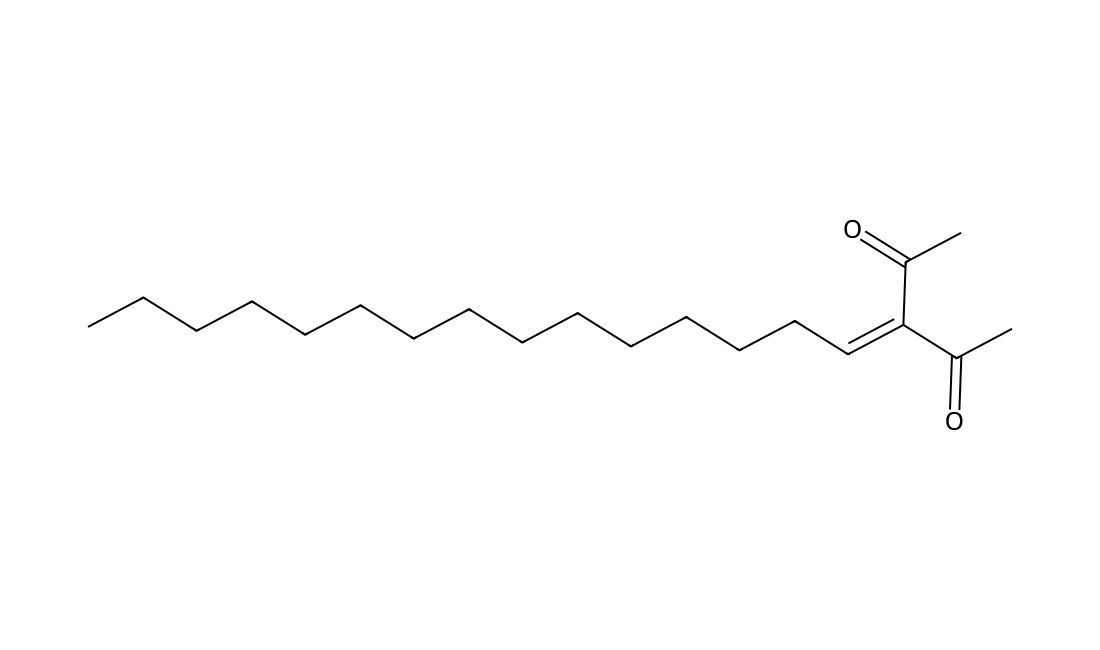
JMV6944Featured
JMV6944 is a potent agonist of the pregnane X receptor (PXR), demonstrating its ability to competitively inhibit the binding of the human PXR ligand-binding domain (LBD) with an IC50 value of 680 nM. This compound effectively induces the expression of CYP3A4 mRNA in freshly isolated primary human hepatocyte cultures, highlighting its role in modulating drug metabolism and detoxification pathways. JMV6944 serves as a valuable tool for investigating PXR-mediated transcriptional regulation and its implications in xenobiotic metabolism, liver function, and therapeutic interventions. Its dual functionality as a PXR agonist and CYP3A4 inducer underscores its potential in both research and drug development.
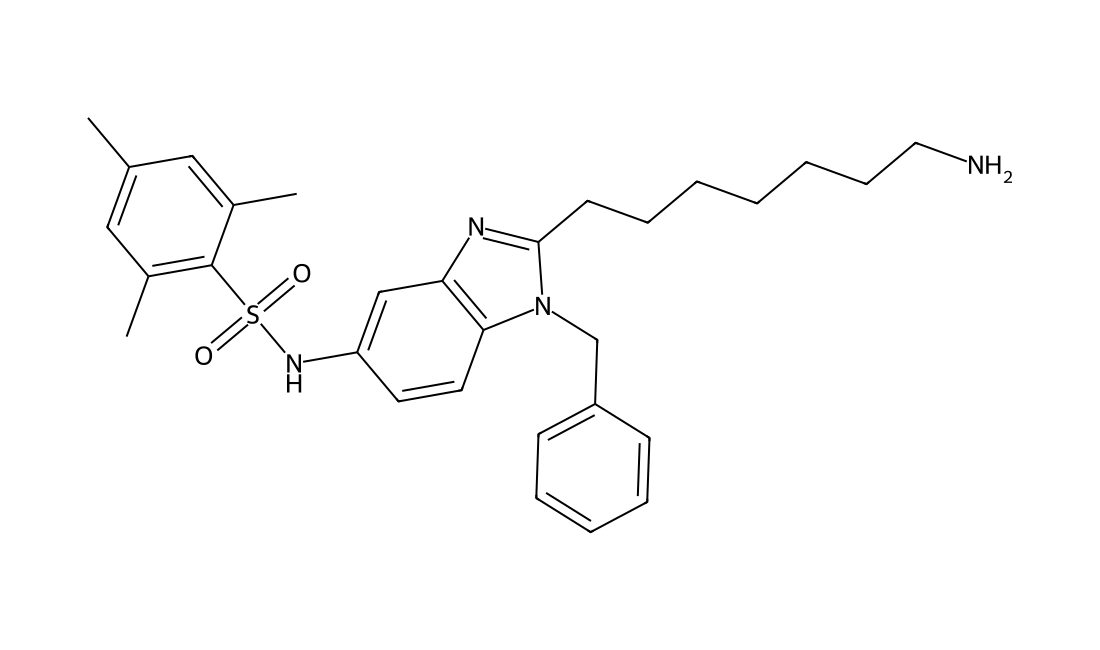
KAT modulator-1Featured
KAT modulator-1 (Compound 3) is a novel modulator of lysine acetyltransferases (KATs) with a unique mechanism of action. It specifically interacts with the full-length p300 protein but does not engage with its isolated catalytic domain, highlighting its distinctive binding properties. This compound serves as a valuable tool for epigenetics research, enabling the exploration of p300's role in chromatin remodeling, gene regulation, and other epigenetic processes. Its selective interaction with full-length p300 offers insights into the structural and functional complexities of KATs, paving the way for the development of targeted epigenetic therapies.
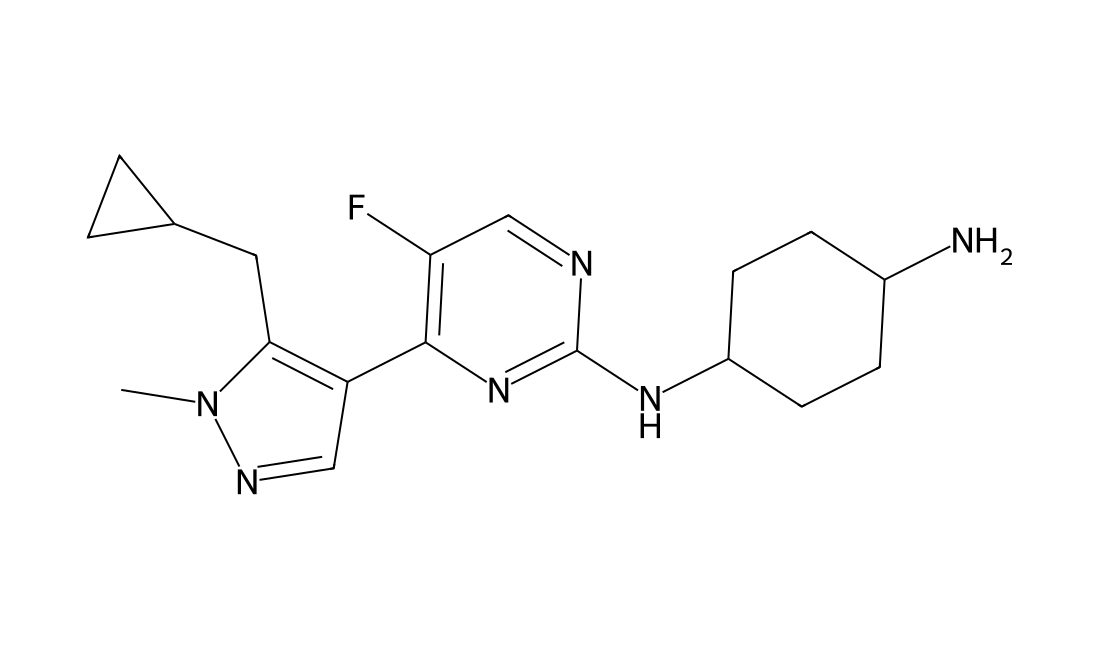
No products match this search.
Page 220 of 234 · Browse all 4677 products
Jump to a product page
Featured literature product: HX1 · DCL0028
HX1 is a hydroxyzine-derived ionizable lipid with acetal-containing tails, studied in lipid nanoparticles for brain mRNA delivery and CRISPR–Cas9 delivery. It was the lead in the reported in vivo brain-delivery screen; evidence is preclinical and formulation-dependent.
Read full formulation and performance →