
Research lipid catalog
Ionizable Lipid Products
Explore 848 lipid and RNA delivery products. Search the full catalog or browse by research category.
Search covers product name, catalog number, synonyms, available CAS numbers and categories. Spaces, hyphens and common punctuation are ignored. Duplicate legacy records are consolidated under one canonical product result.
3666 products · Showing 2861–2880 · 20 per page
DC Chemicals lipid expertise
Built for ionizable-lipid discovery and RNA delivery research
DC Chemicals supports formulation and delivery research with a broad, searchable portfolio of cationic and ionizable lipids. The current directory brings together 848 unique research-use products, with product specifications, pricing, chemical structures and literature-linked formulation data added as each record is verified.
Our experience spans complex lipid synthesis, purification, analytical release and process development. For custom molecules or larger-scale requirements, our team can discuss route development, technical specifications and scale-up options for the intended research workflow.
Learn about cationic and ionizable lipids →Proprietary innovation · Co-development · GMP
From proprietary lipid design to GMP-grade custom synthesis
DC Chemicals has independently developed ionizable-lipid structures supported by company-owned intellectual property, and selected proprietary lipid programs have advanced to GMP-stage development.
We welcome joint development with customers—from molecular design and lipid synthesis through route and process development. We can also support custom synthesis of GMP-grade ionizable lipids to agreed technical specifications and quality requirements.
Discuss a co-development project →Proprietary ionizable-lipid structuresCollaborative molecular designCustom lipid synthesisProcess development and scale-upGMP-grade project support
Product quick links
Explore ionizable lipids
Browse specifications, pricing and literature-linked product information.
Cat. No.Product NameField of ApplicationChemical Structure
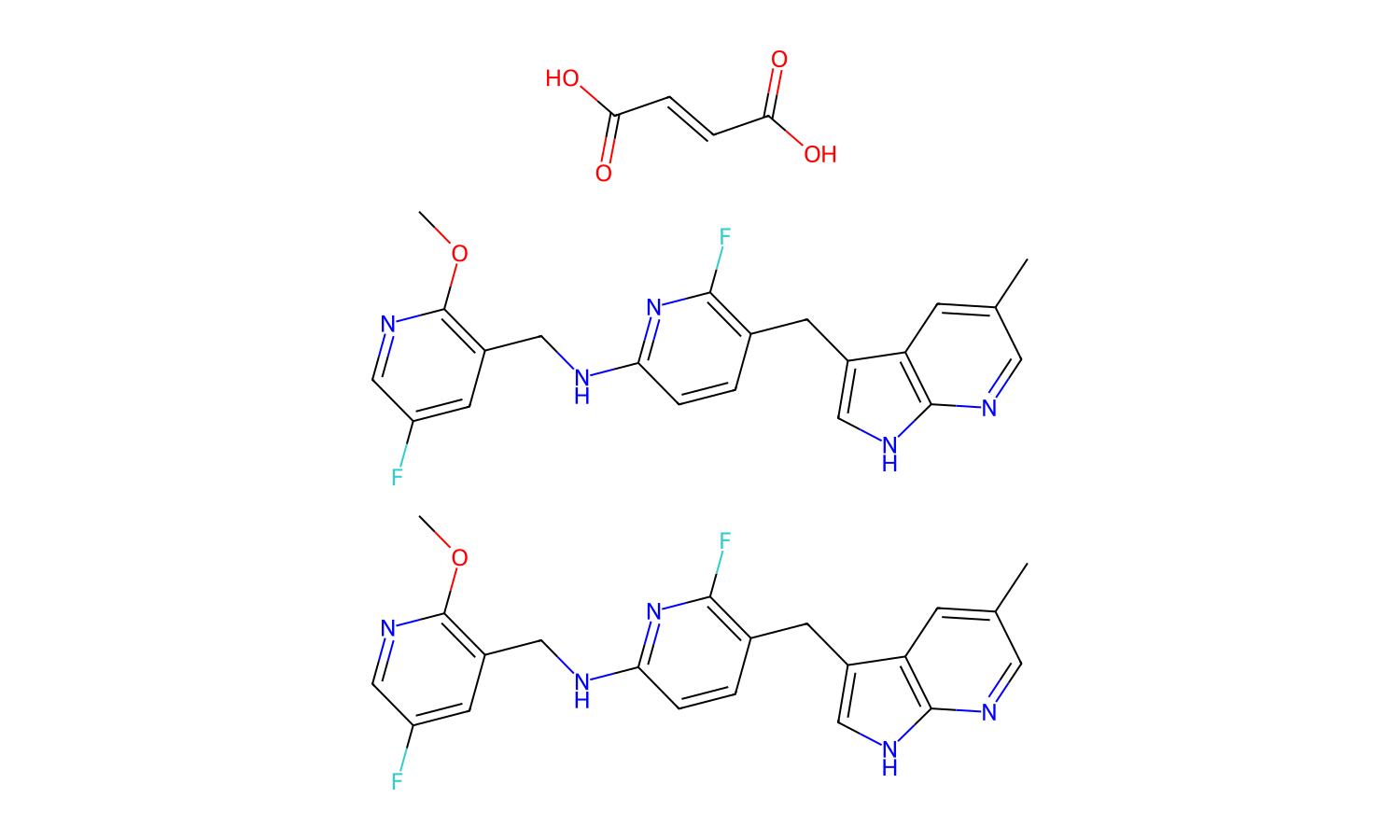
PLX5622 hemifumarateFeatured
100mg USD 450 · 10 mM * 1 mL in DMSO USD 220 · 250mg USD 800 · 1g USD 1,600PLX5622 hemifumarate is a highly selective brain penetrant and orally active CSF1R inhibitor (IC50=0.016 µM; Ki=5.9 nM). PLX5622 hemifumarate allows for extended and specific microglial elimination, preceding and during pathology development. PLX5622 hemifumarate demonstrates desirable PK properties in varies animals.
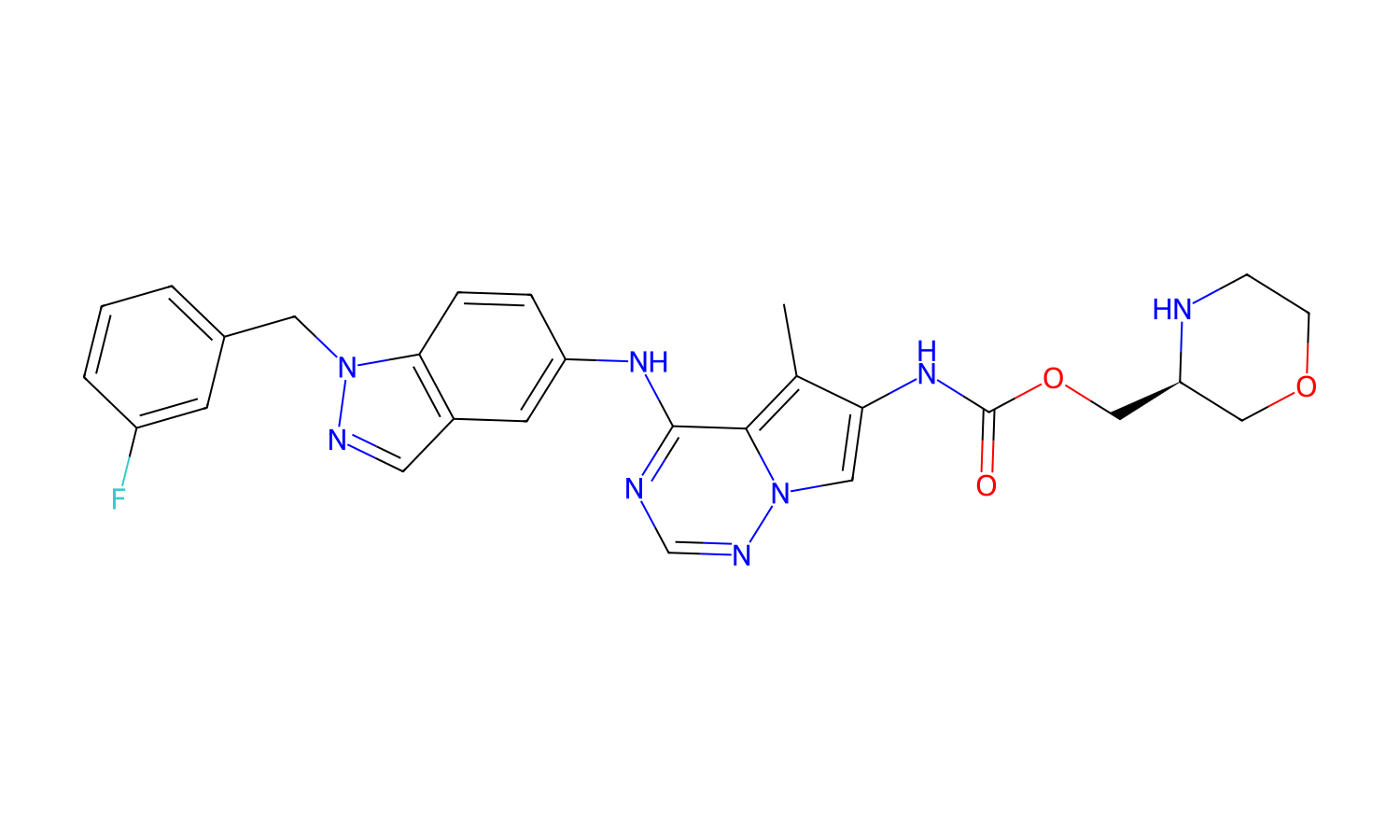
BMS-599626 (AC480)Featured
100 mg USD 500 · 250 mg USD 1,000 · 1 g USD 1,800 · 10 mM * 1 mL in DMSO USD 220AC480 (BMS-599626) is a selective and efficacious inhibitor of HER1 and HER2 with IC50 of 20 nM and 30 nM, ~8-fold less potent to HER4, >100-fold to VEGFR2, c-Kit, Lck, MET etc
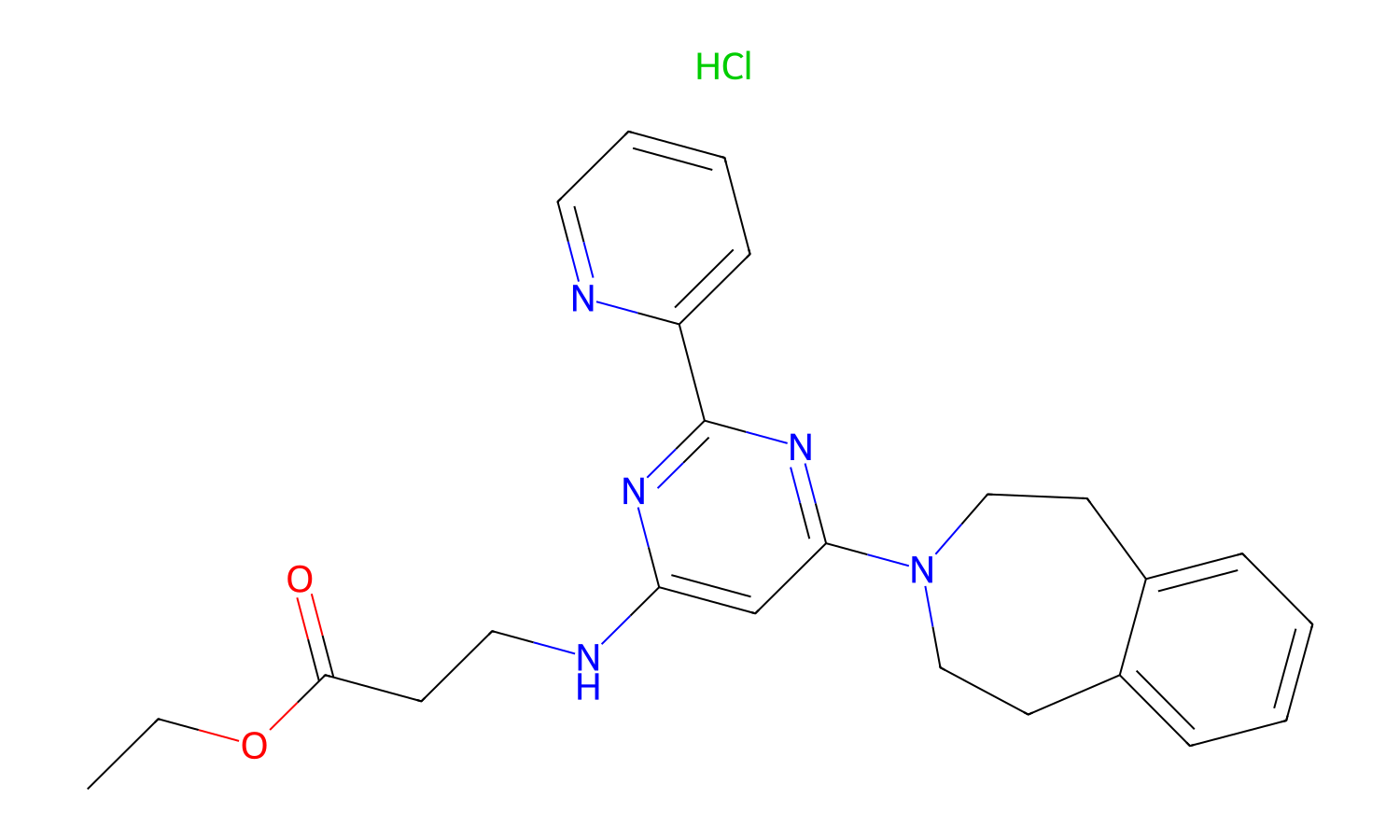
GSK-J4 hydrochlorideFeatured
100 mg USD 550 · 250 mg USD 1,000 · 1 g USD 1,900 · 10 mM * 1 mL in DMSO USD 220GSK-J4 is a potent H3K27me3 histone lysine demethylase (KDM) inhibitor, with IC50s of 8.6 μM and 6.6 μM against KDM6B and KDM6A, respectively.
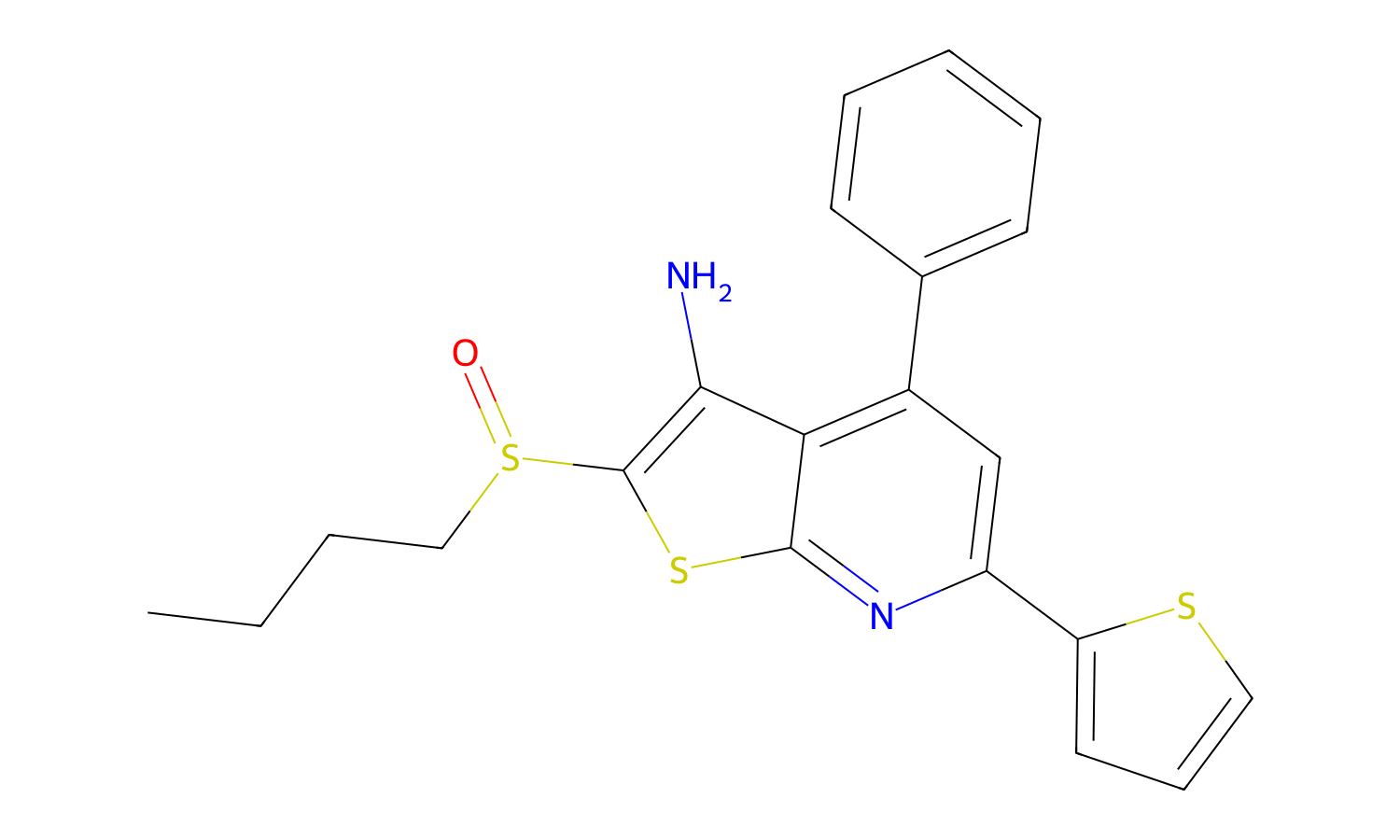
SW033291Featured
100 mg USD 450 · 250 mg USD 800 · 1 g USD 1,600 · 10 mM * 1 mL in DMSO USD 220SW033291 is a small-molecule inhibitor of 15-PGDH (Ki=0.1 nM) that increases prostaglandin PGE2 levels in bone marrow and other tissues.
MRT67307 HClFeatured
100 mg USD 450 · 250 mg USD 900 · 1 g USD 1,800 · 10 mM * 1 mL in DMSO USD 220MRT67307 is a dual inhibitor of the IKKε and TBK-1 with IC50s of 160 and 19 nM, respectively. MRT67307 also inhibits ULK1 and ULK2 with IC50s of 45 and 38 nM, respectively.
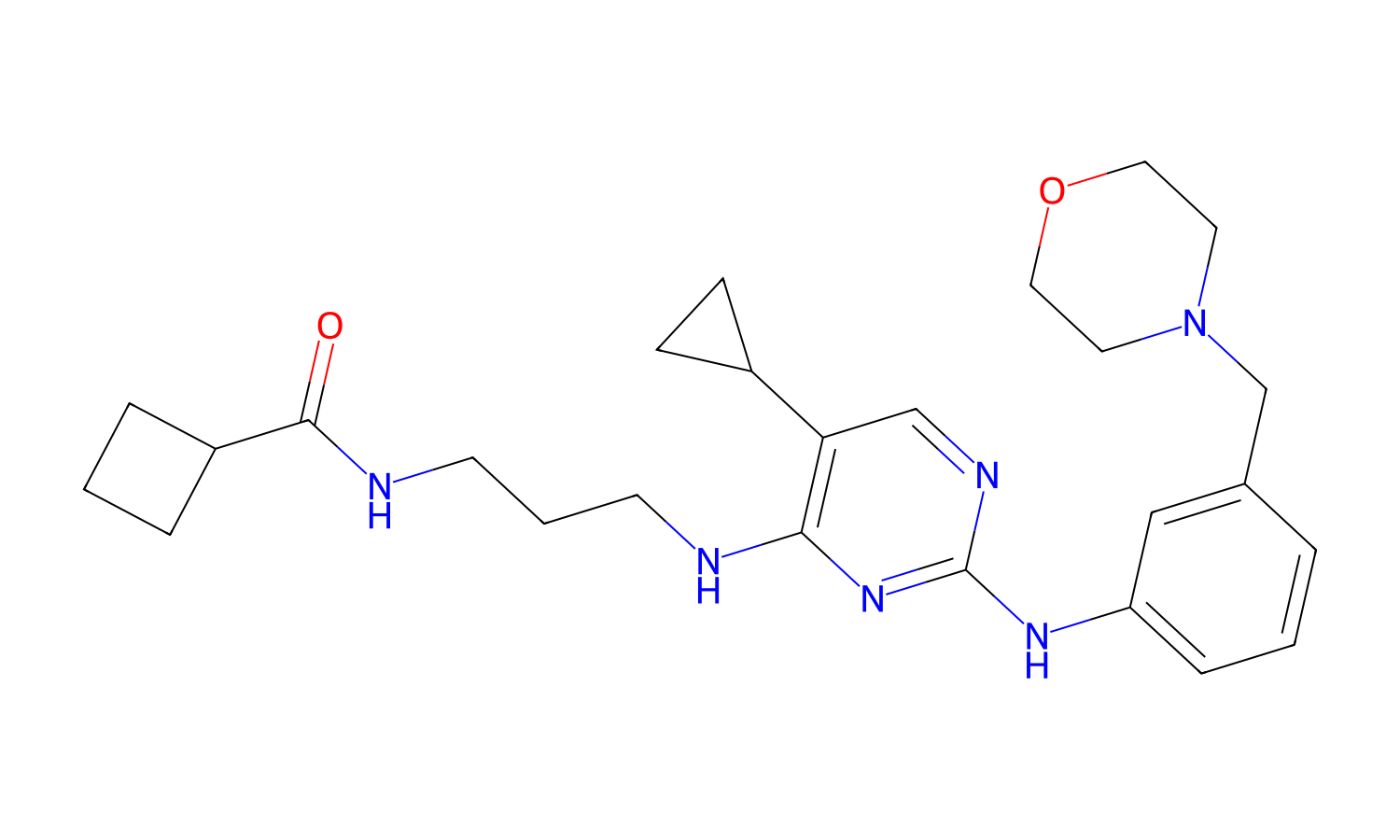
Ulixertinib (BVD-523, VRT752271)Featured
100 mg USD 450 · 250 mg USD 900 · 1 g USD 1,800 · 10 mM * 1 mL in DMSO USD 220Ulixertinib (VRT752271) is a reversible, ATP-competitive inhibitor of ERK1 and ERK2 kinases, with IC50 of <0.3 nM against ERK2.
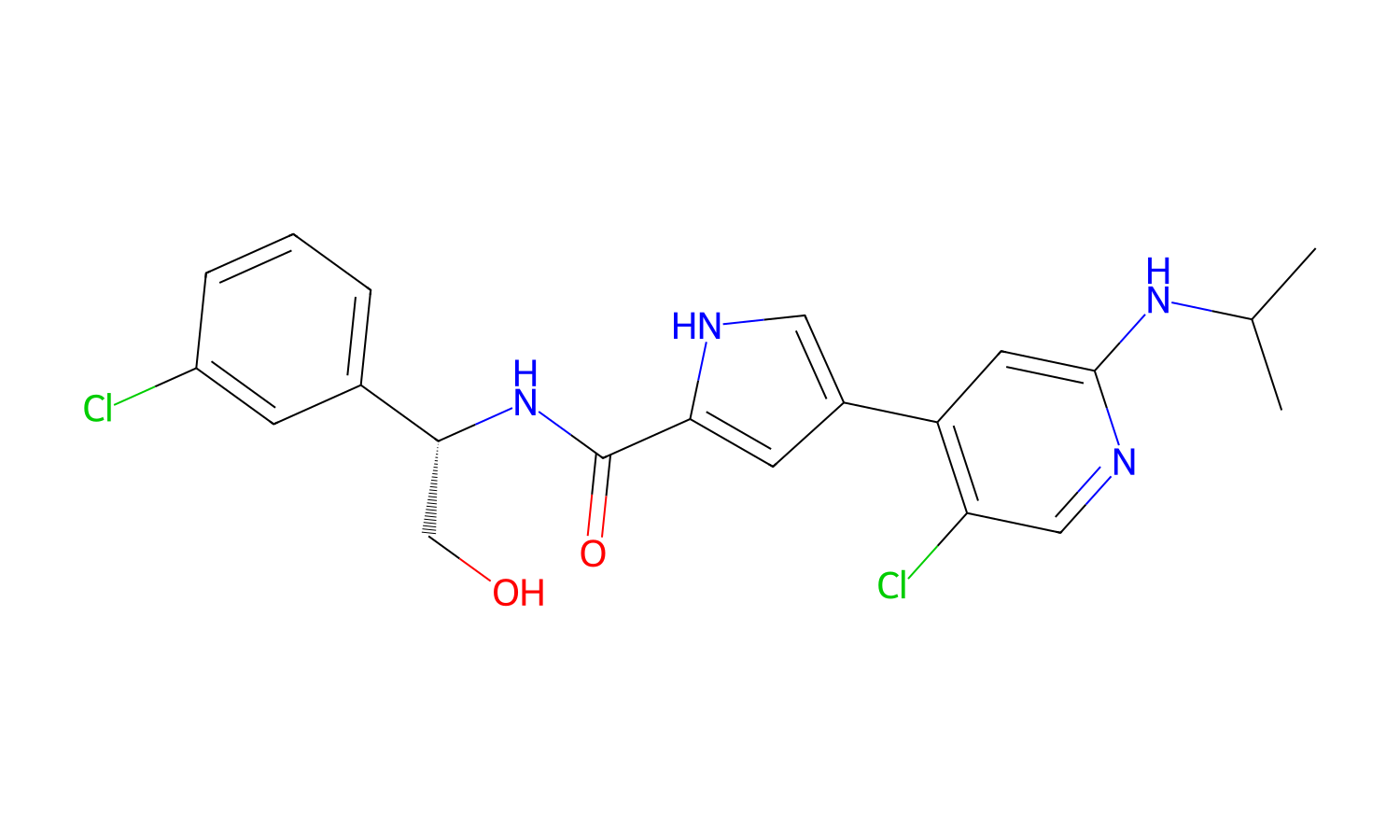
WAY-200070Featured
100 mg USD 350 · 250 mg USD 550 · 1 g USD 1,100 · 10 mM * 1 mL in DMSO USD 150WAY-200070 is a selective estrogen receptor β (ERRβ) agonist with an IC50 of 2.3 nM.
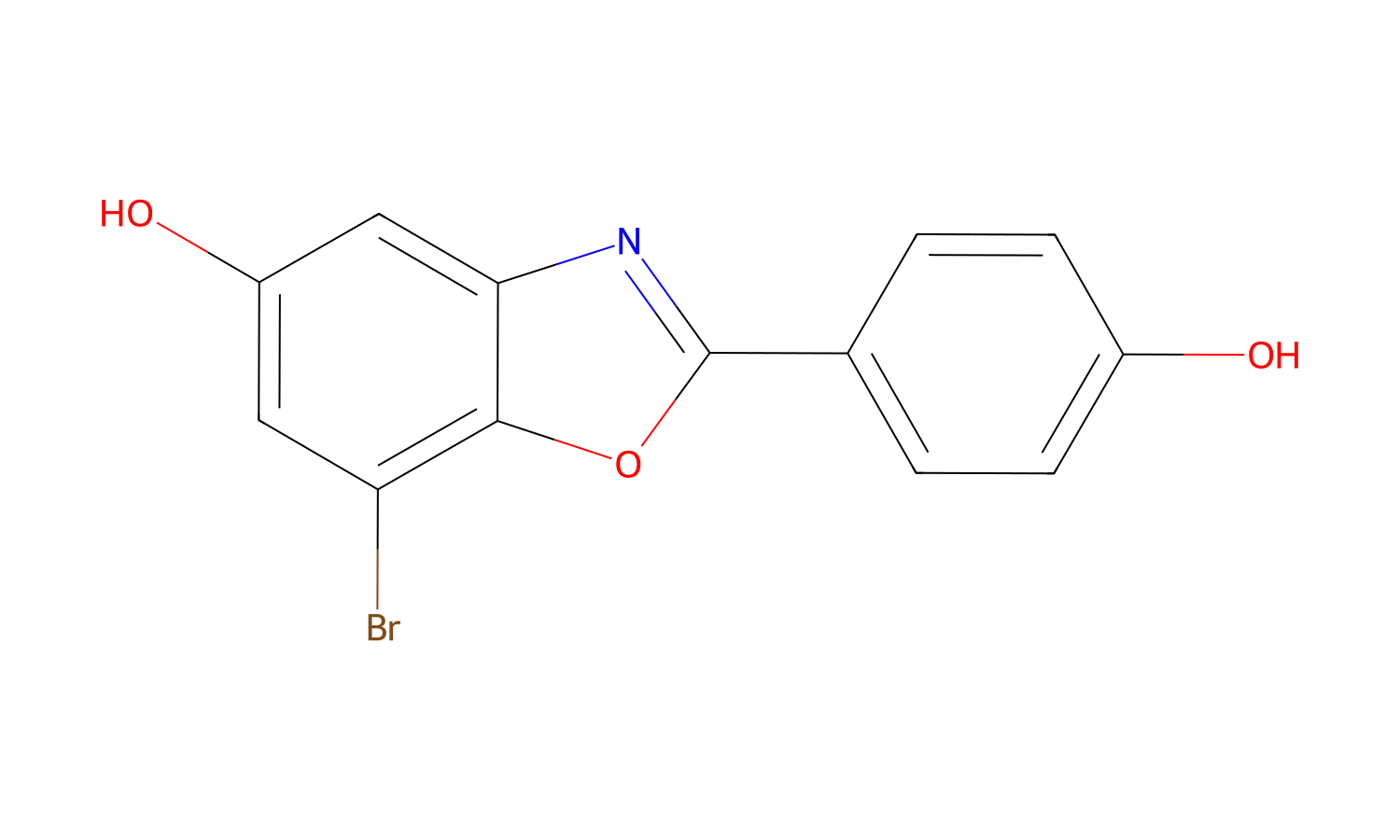
CP 376395Featured
100 mg USD 400 · 250 mg USD 700 · 1 g USD 1,400 · 10 mM * 1 mL in DMSO USD 150CP 376395 is a potent and selective Corticotropin releasing factor 1 (CRF1) receptor antagonist.
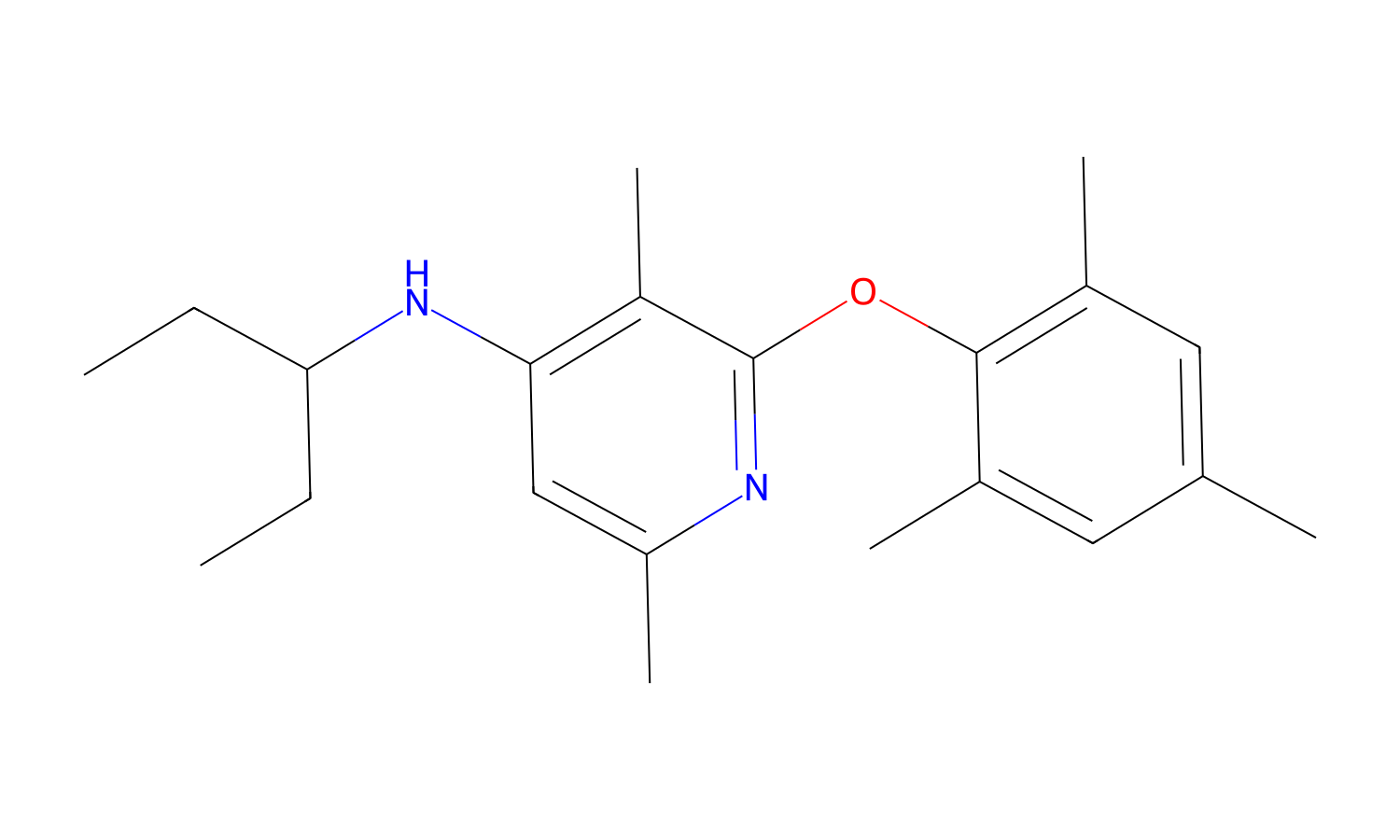
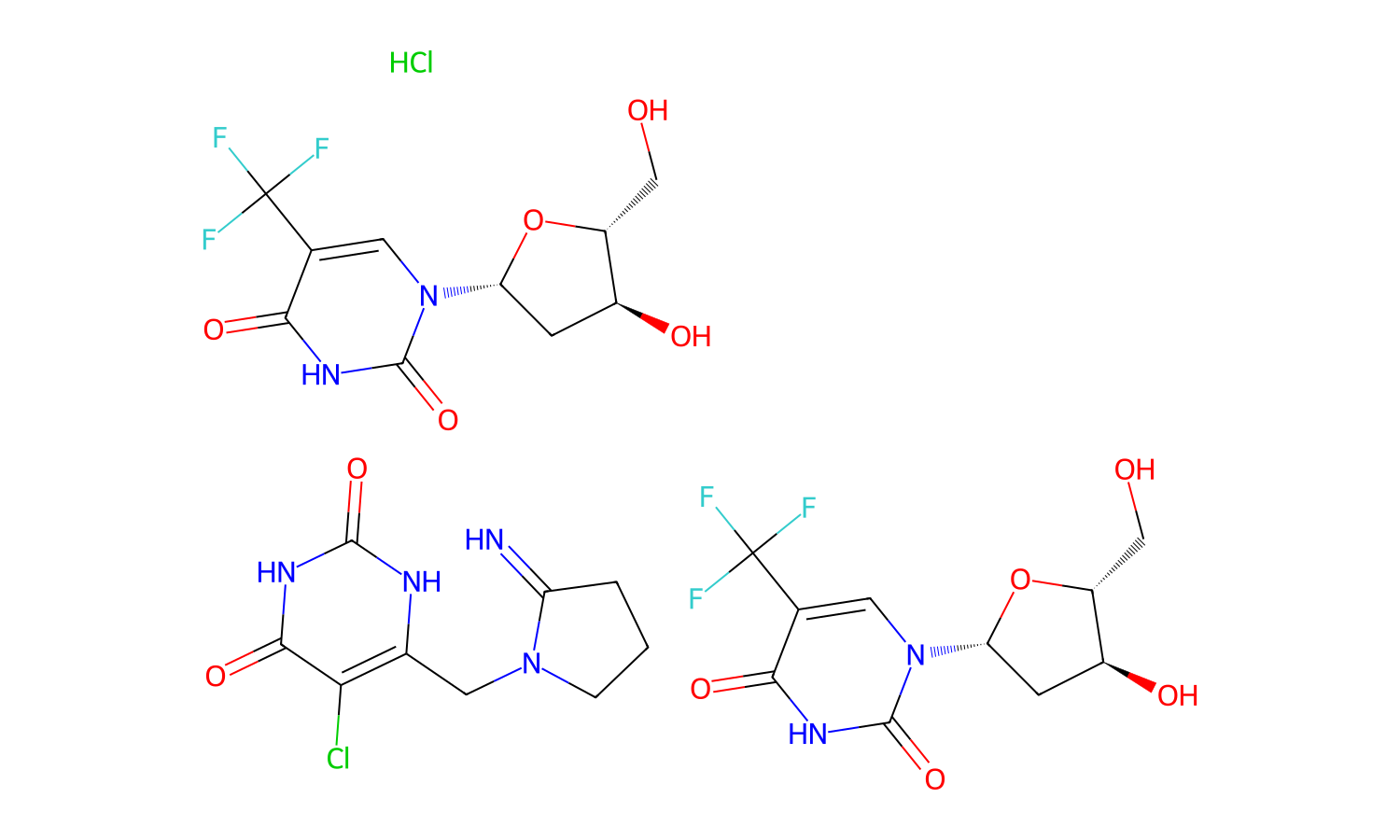
100 mg USD 350 · 250 mg USD 700 · 1 g USD 1,400 · 10 mM * 1 mL in DMSO USD 150
Trifluridine-tipiracil hydrochloride mixture (TAS-102) is a novel oral combination drug that consists of an antineoplastic thymidine-based nucleoside analog, trifluorothymidine, and a potent thymidine phosphorylase inhibitor, tipiracil, in a 1:0.5 molar ratio.
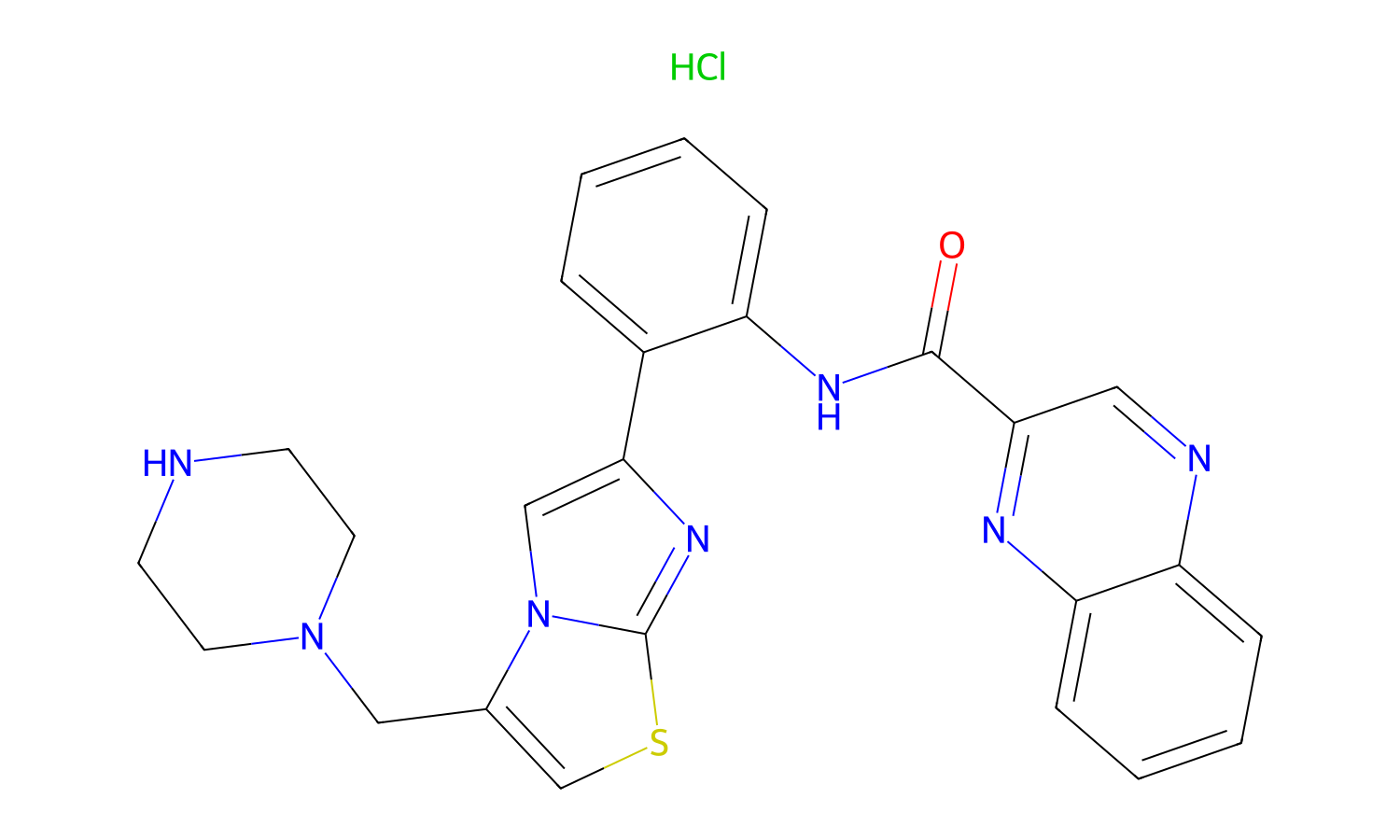
SRT1720 HClFeatured
100 mg USD 350 · 250 mg USD 650 · 1 g USD 1,200 · 10 mM * 1 mL in DMSO USD 150SRT 1720 Hydrochloride is a selective activator of SIRT1 with an EC1.5 of 0.16 μM, and shows less potent activities on SIRT2 and SIRT3 with EC1.5s of 37 μM and 300 μM, respectively.
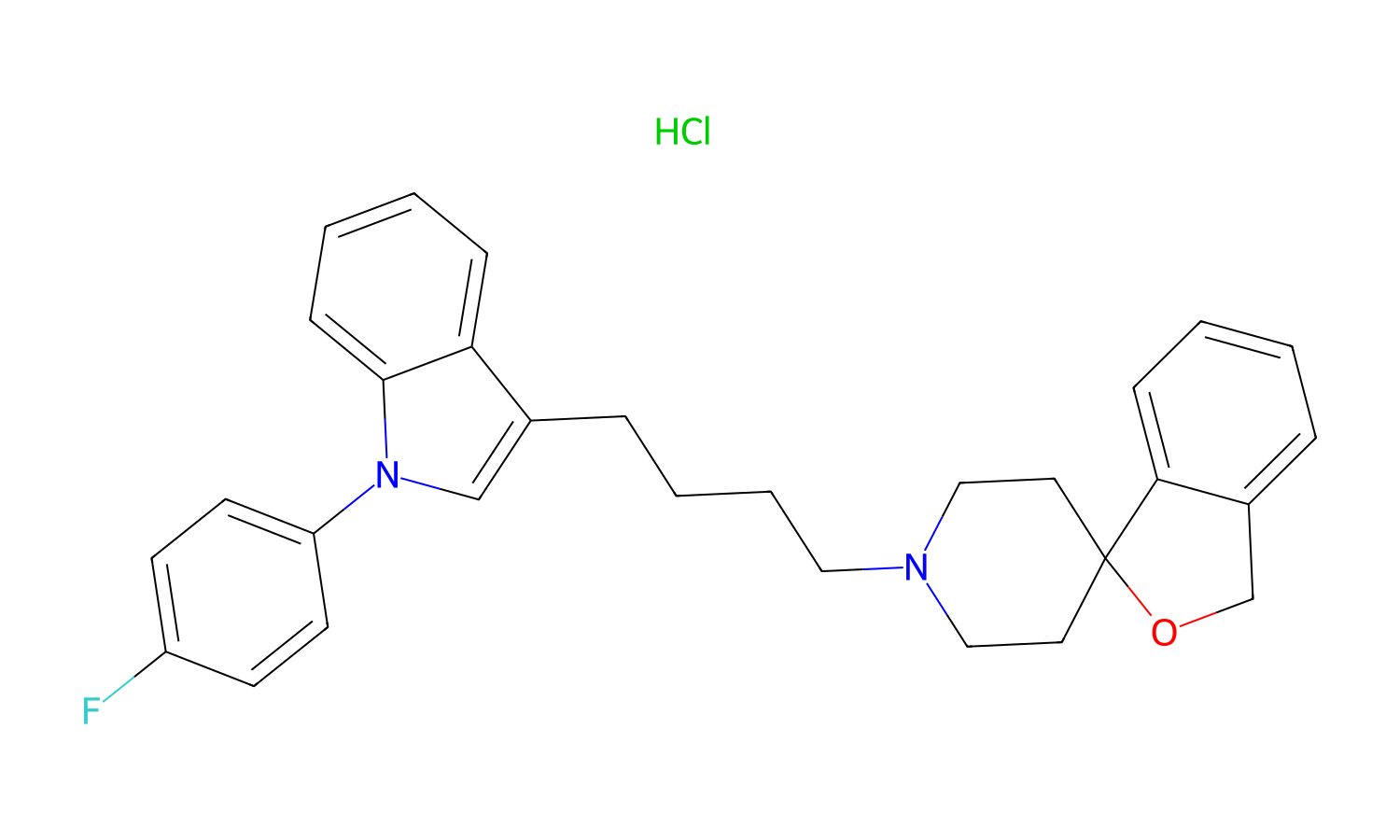
Siramesine-hydrochlorideFeatured
100 mg USD 625 · 250 mg USD 1,250 · 1 g USD 2,500 · 10 mM * 1 mL in DMSO USD 220Siramesine(Lu 28-179) Hcl is a selective sigma-2 receptor agonist, which has been shown to trigger cell death of cancer cells and to exhibit a potent anticancer activity in vivo.lysosome-destabilizing agentsiramesine can induce rapid cell death in a number of cell lines at concentrations above 20 μM. In HaCaT cells, cell death was accompanied by caspase activation, rapid loss of mitochondrial membrane potential (MMP), cytochrome c release, cardiolipin peroxidation and typical apoptotic morphology, whereas in U-87MG cells most apoptotic hallmarks were not notable, although MMP was rapidly lost [1]. Siramesine, a sigma-2 receptor agonist originally developed as an anti-depressant, can induce cell death in transformed cells through a mechanism involving lysosomal destabilization [2].
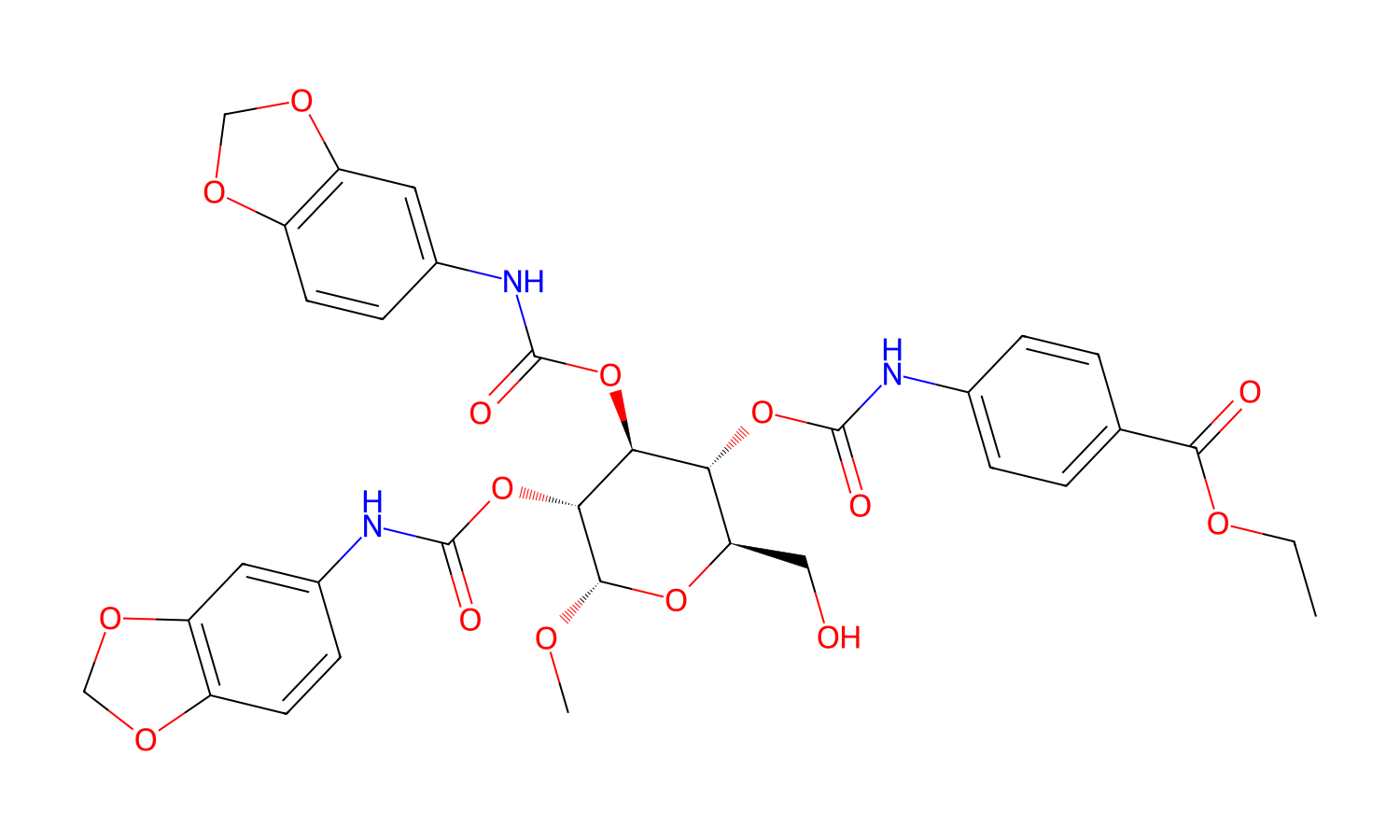
BRD7552Featured
100 mg USD 600 · 250 mg USD 1,100 · 1 g USD 2,200 · 10 mM * 1 mL in DMSO USD 220BRD7552 is an inducer of transcription factor PDX1, which increases insulin expression.
AVN944Featured
100 mg USD 700 · 250 mg USD 1,400 · 1 g USD 2,700 · 10 mM * 1 mL in DMSO USD 220AVN-944(VX-944) is a selective, noncompetitive inhibitor of the enzyme directed against human IMPDH with Ki of 6-10 nM for IMPDH1/IMPDH2
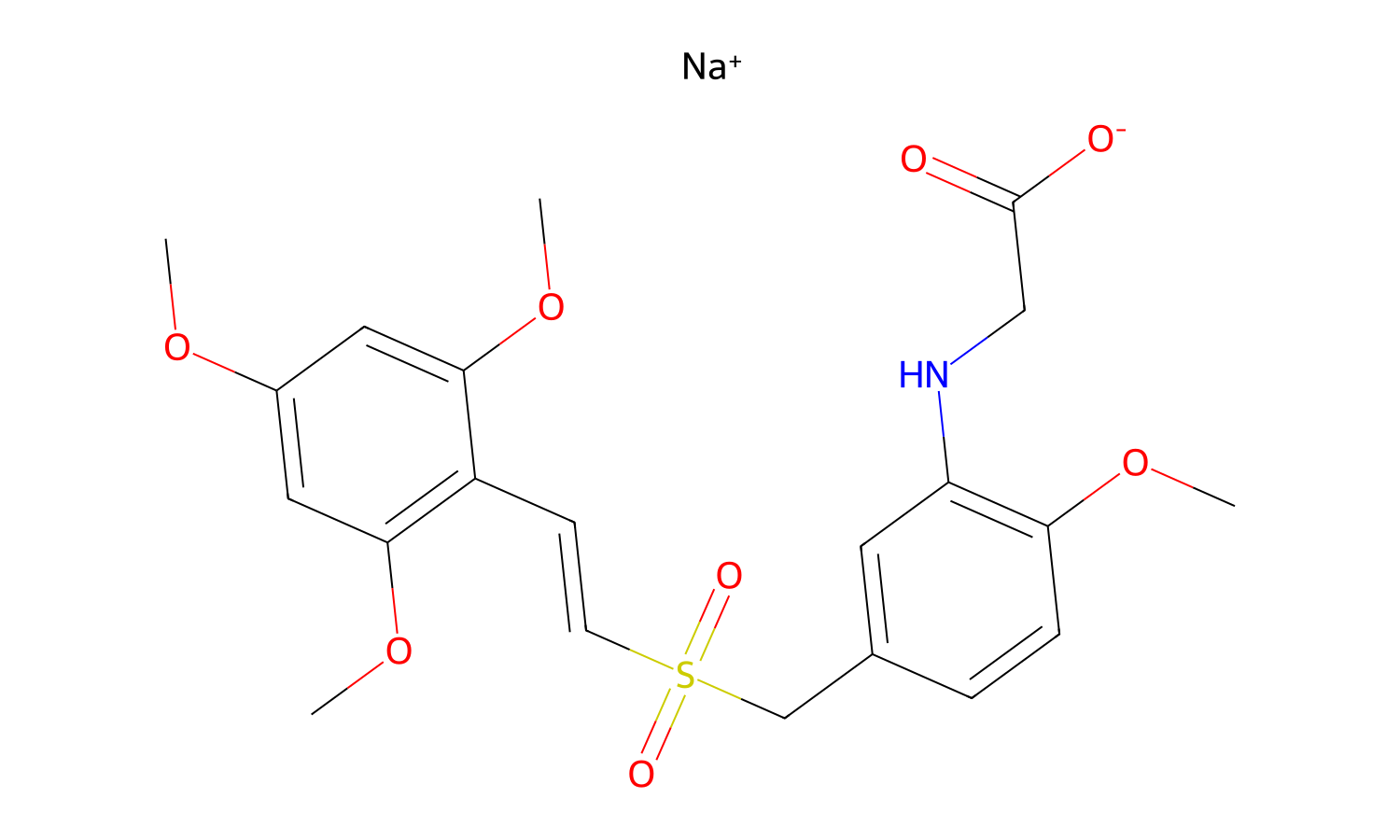
Rigosertib sodiumFeatured
100 mg USD 500 · 250 mg USD 1,000 · 1 g USD 2,000 · 10 mM * 1 mL in DMSO USD 220Rigosertib (ON-01910) is a non-ATP-competitive inhibitor of PLK1 with IC50 of 9 nM; shows 30-fold greater selectivity against PLK2 and no activity to PLK3.
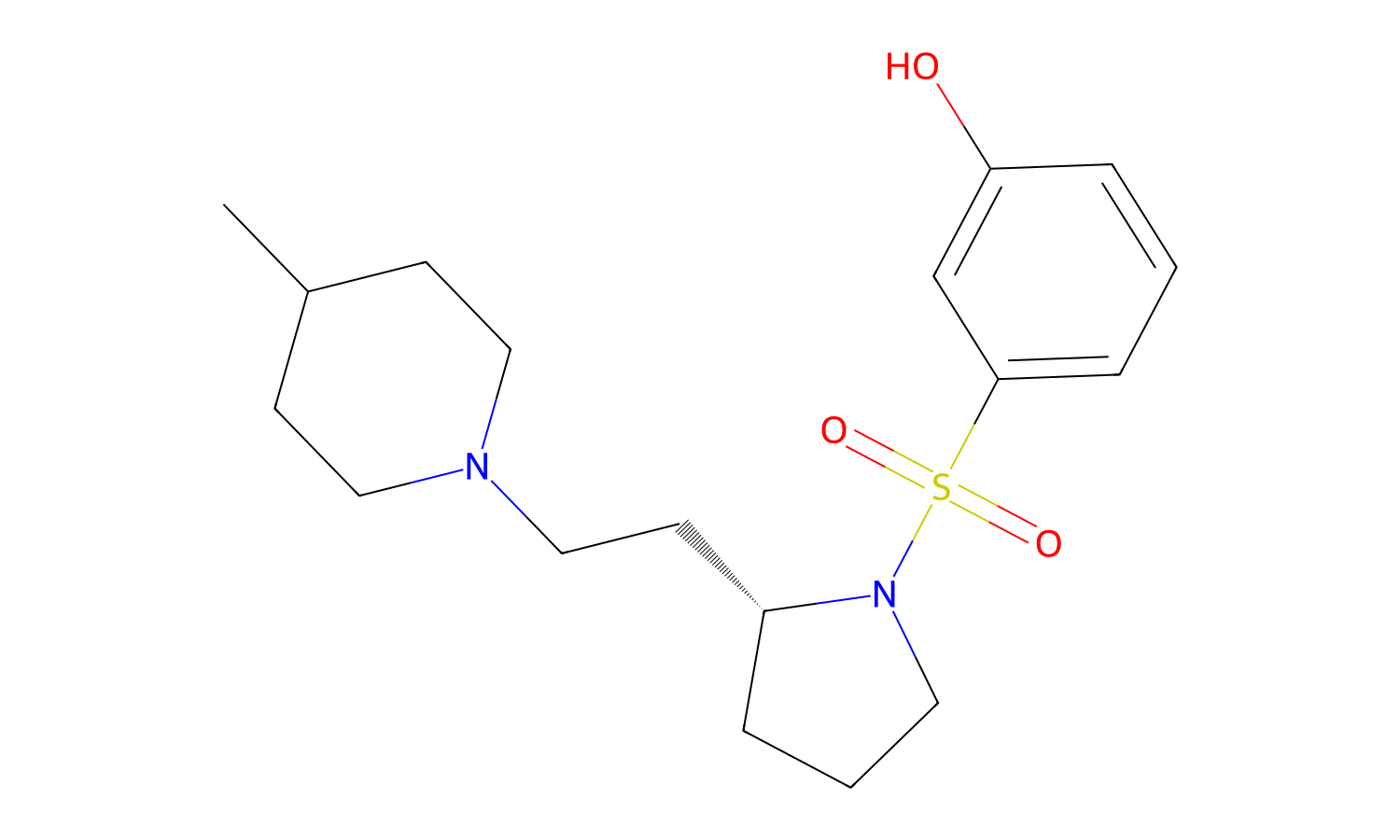
SB-269970Featured
100 mg USD 700 · 250 mg USD 1,300 · 1 g USD 2,700 · 10 mM * 1 mL in DMSO USD 220SB269970 is a 5-HT7 receptor antagonist with pKi of 8.3, exhibits >50-fold selectivity against other receptors.
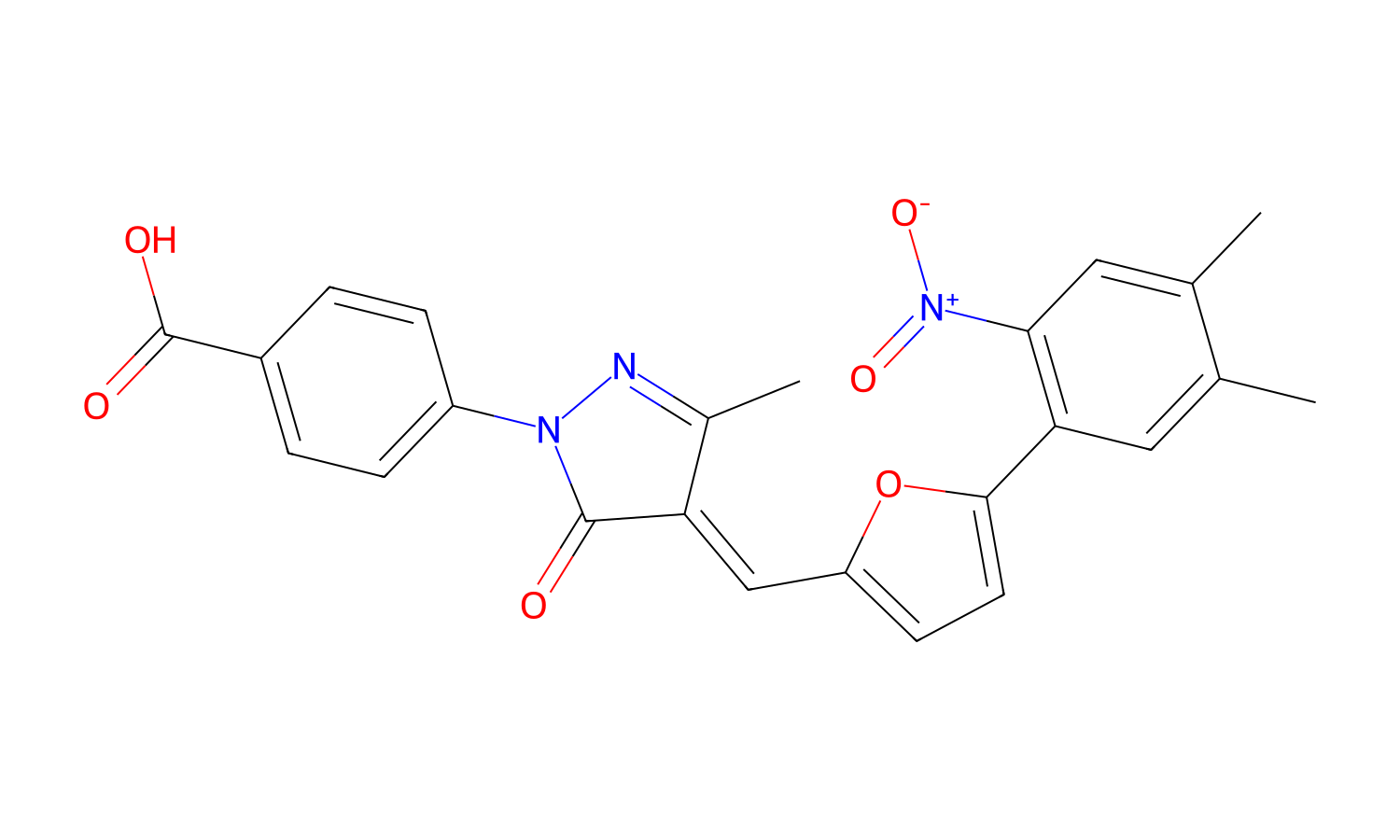
C646Featured
100 mg USD 450 · 250 mg USD 800 · 1 g USD 1,500 · 10 mM * 1 mL in DMSO USD 220C646 is a selective and competitive histone acetyltransferase p300 inhibitor with Ki of 400 nM, and is less potent for other acetyltransferases.
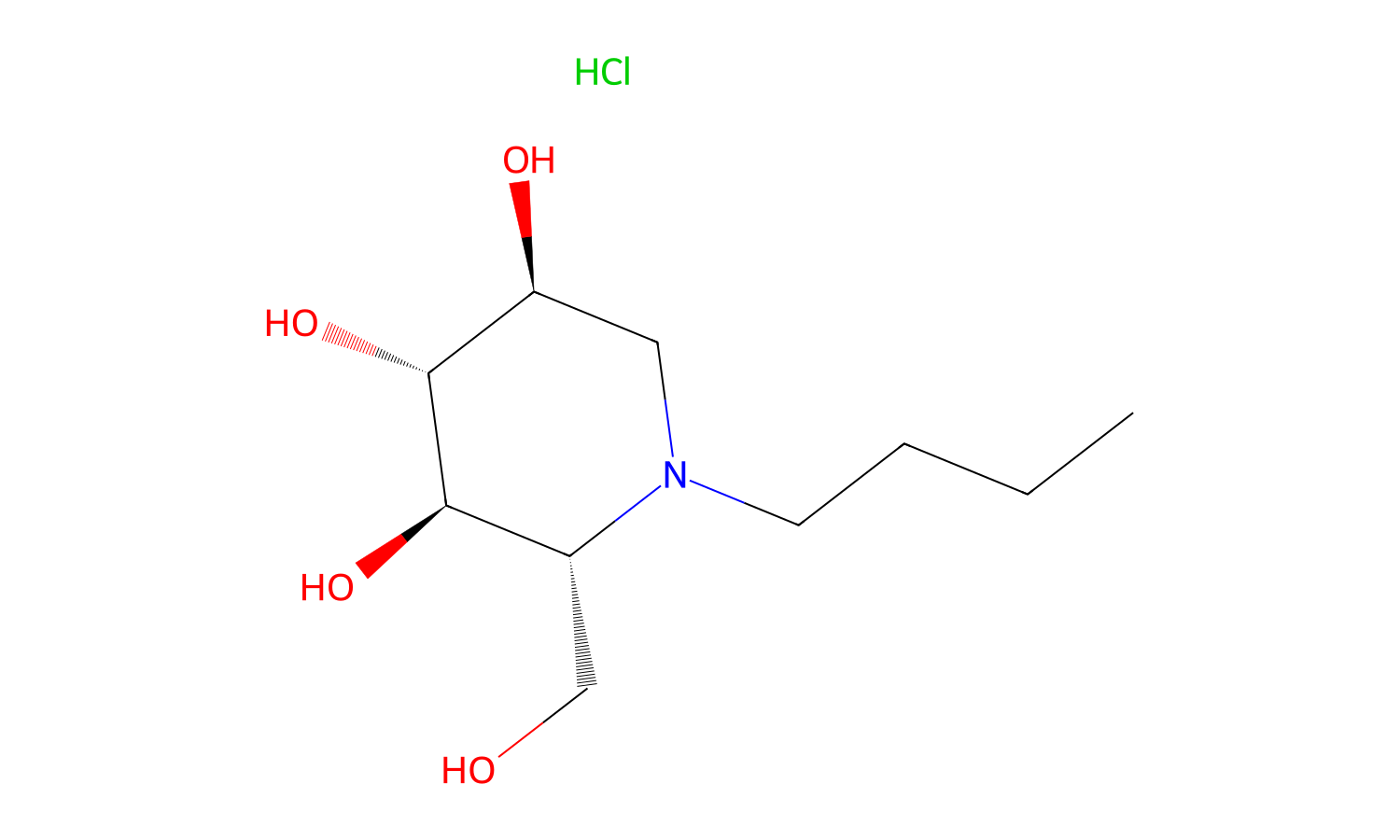
Miglustat hydrochlorideFeatured
100 mg USD 750 · 250 mg USD 1,500 · 1 g USD 3,000 · 10 mM * 1 mL in DMSO USD 220Miglustat hydrochloride is an inhibitor of glucosylceramide synthase, primarily to treat Type I Gaucher disease (GD1).Miglustat is an inhibitor of the ceramide-specific glycosyltransferase, which catalyzes the first step of glycosphingolipid biosynthesis and is currently approved for the oral treatment of type 1 GD [1]. Consumption of a standard high-fat breakfast within 30 minutes before administration of miglustat significantly reduced peak exposure but did not significantly affect the extent of systemic exposure to miglustat. The peak plasma concentration (C(max)) decreased by 36% on average following administration with food. Area under the plasma concentration-time curve (AUC(0-infinity)) showed a modest (14%) decrease with food, but the 90% confidence interval was within the acceptance limit of 80% to 125%. The median (min-max) time to C(max) (t(max)) was prolonged from 2.5 (1.0-4.0) hours in the fasted state to 4.5 (1.5-8.0) hours in the fed state, whereas the apparent terminal half-life was approximately 8 hours and not affected by food [2].
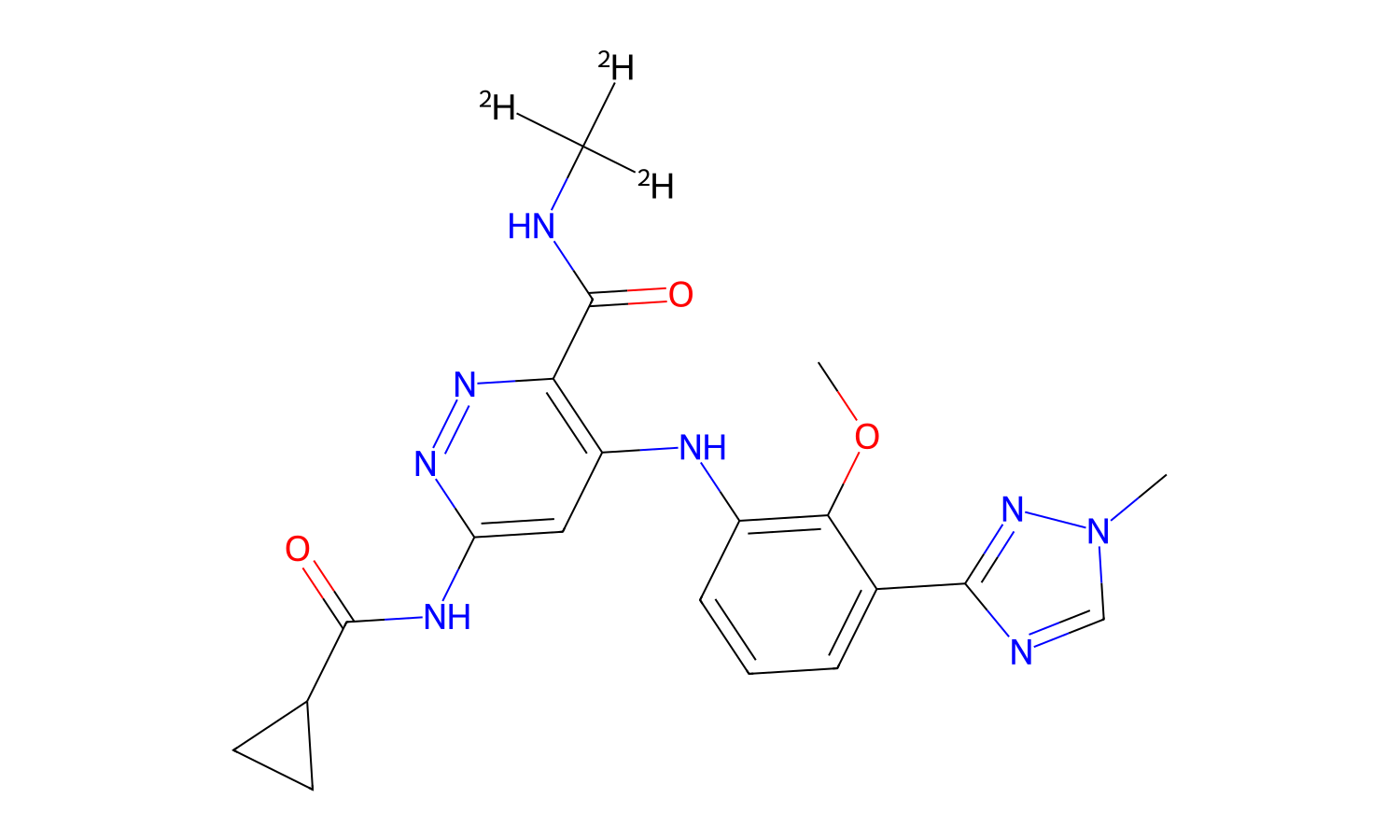
Deucravacitinib (BMS-986165)Featured
1g USD 2,200 · 100 mg USD 600 · 250 mg USD 1,100 · 10 mM * 1 mL in DMSO USD 220Tyk2-IN-4 is a selective, potent, allosteric inhibitor of tyrosine kinase 2 (Tyk2).
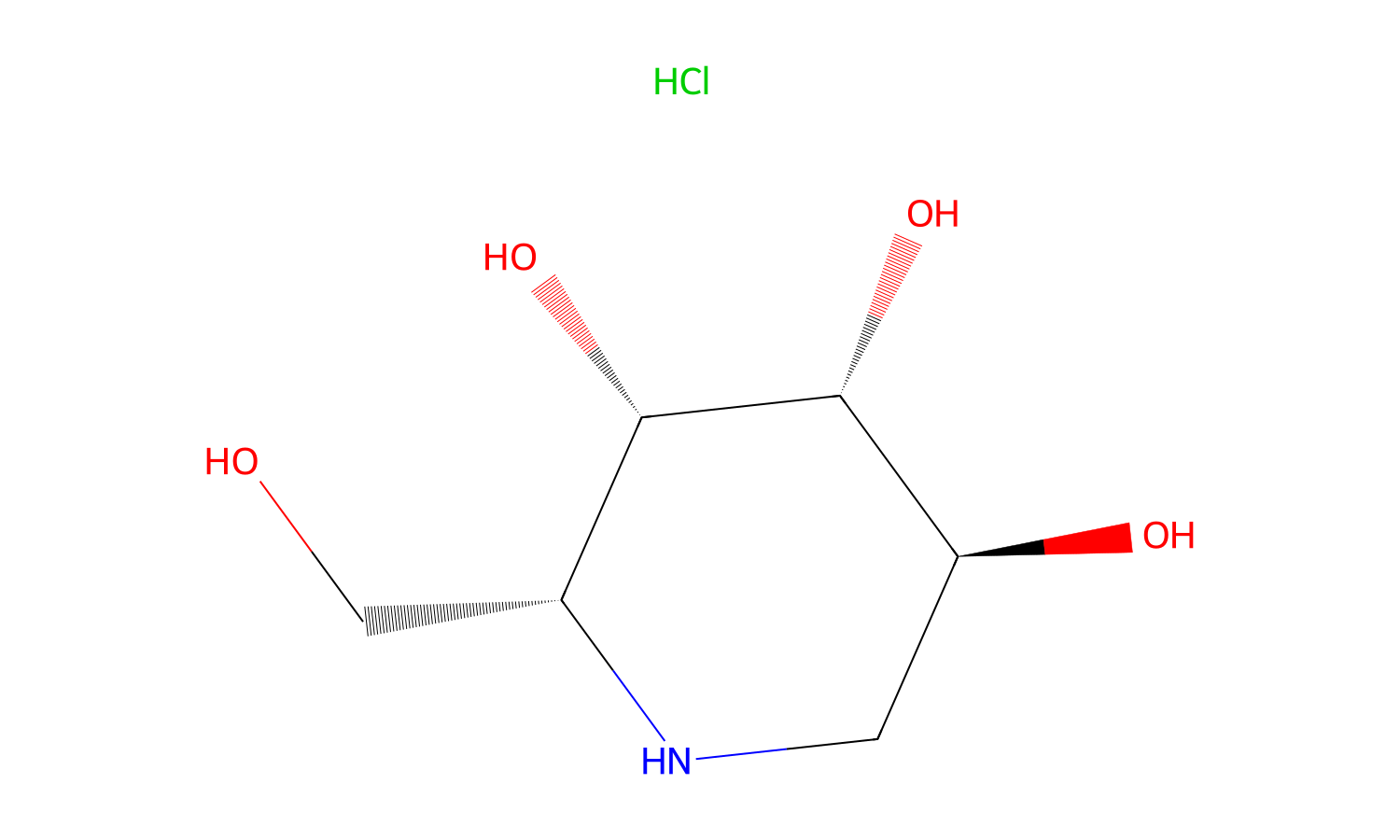
Migalastat hydrochlorideFeatured
10 mg USD 450Migalastat hydrochloride (1-Deoxygalactonojirimycin hydrochloride) is a potent and competitive inhibitor of α-galactosidase A (α-Gal A) with an IC50 of 0.04 μM for human α-Gal A.
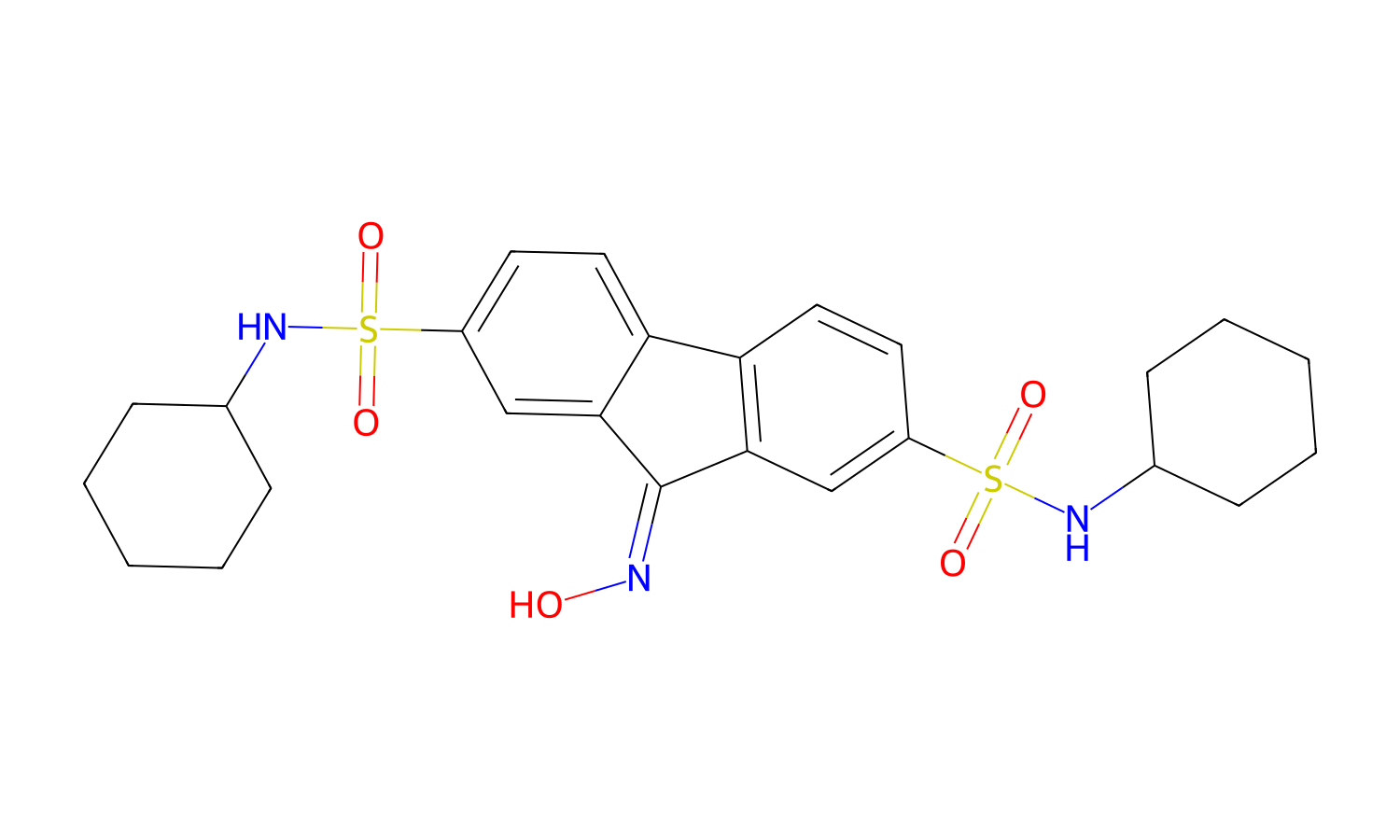
FIN56Featured
100 mg USD 450 · 250 mg USD 800 · 1 g USD 1,600 · 10 mM * 1 mL in DMSO USD 220FIN56 is a specific inducer of ferroptosis.
No products match this search.
Page 144 of 184 · Browse all 3666 products