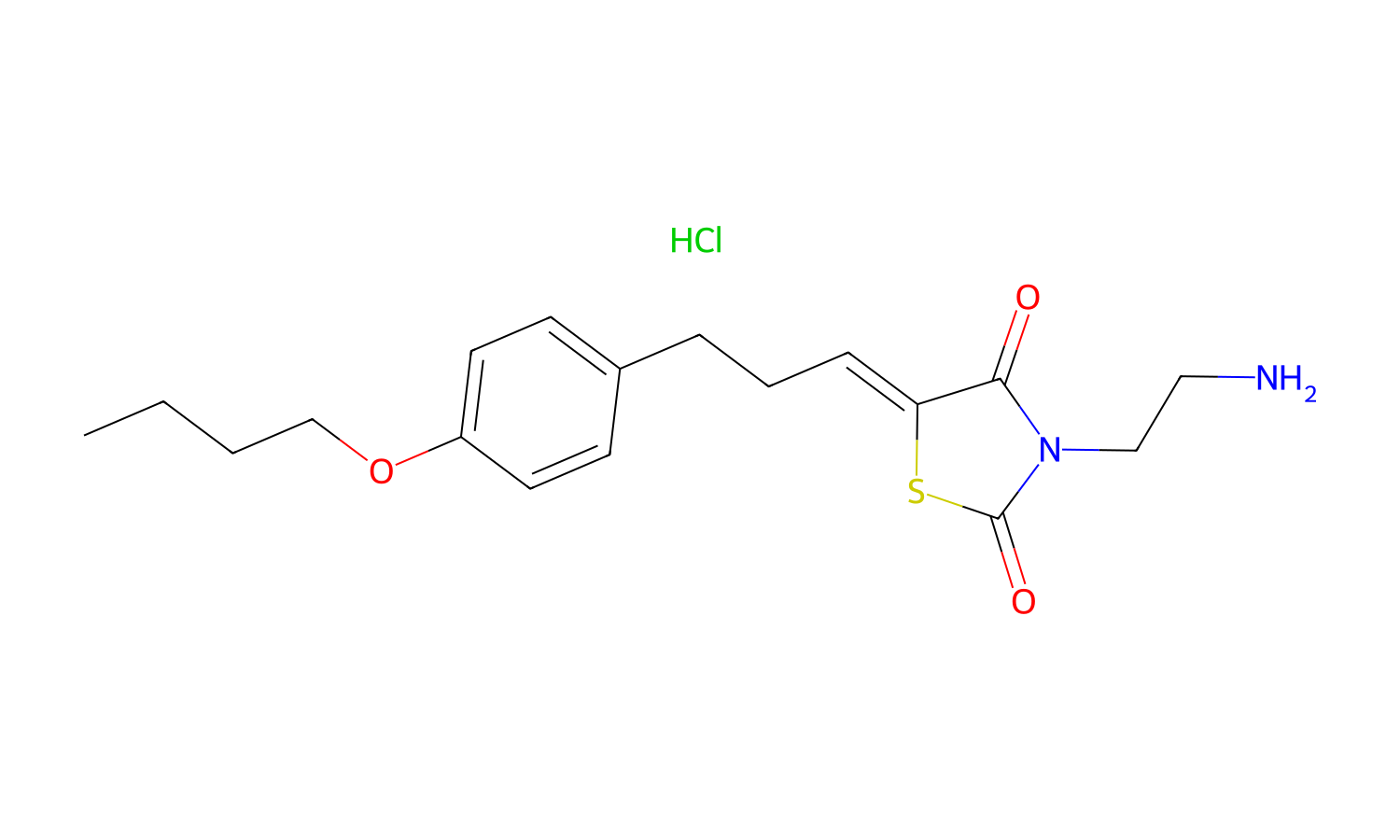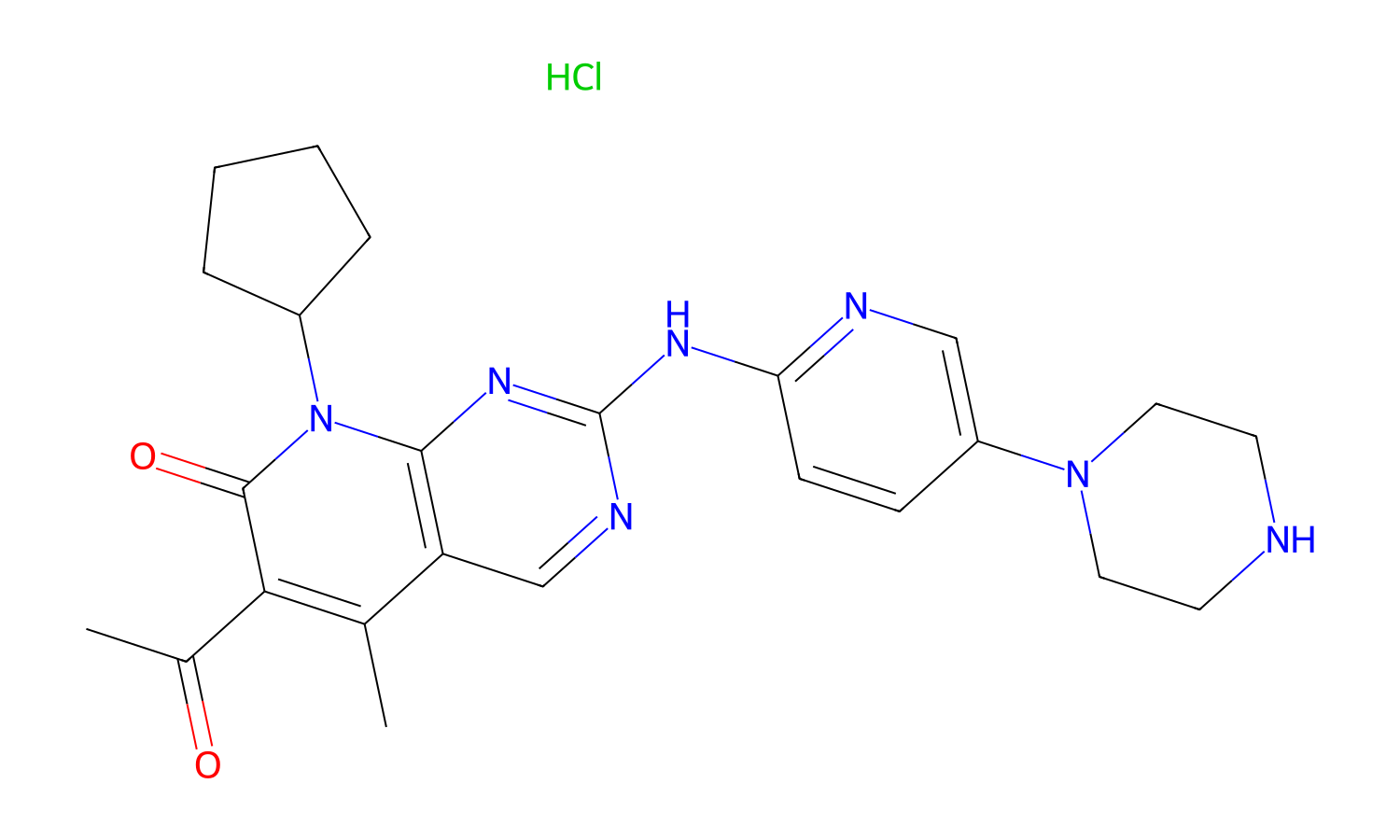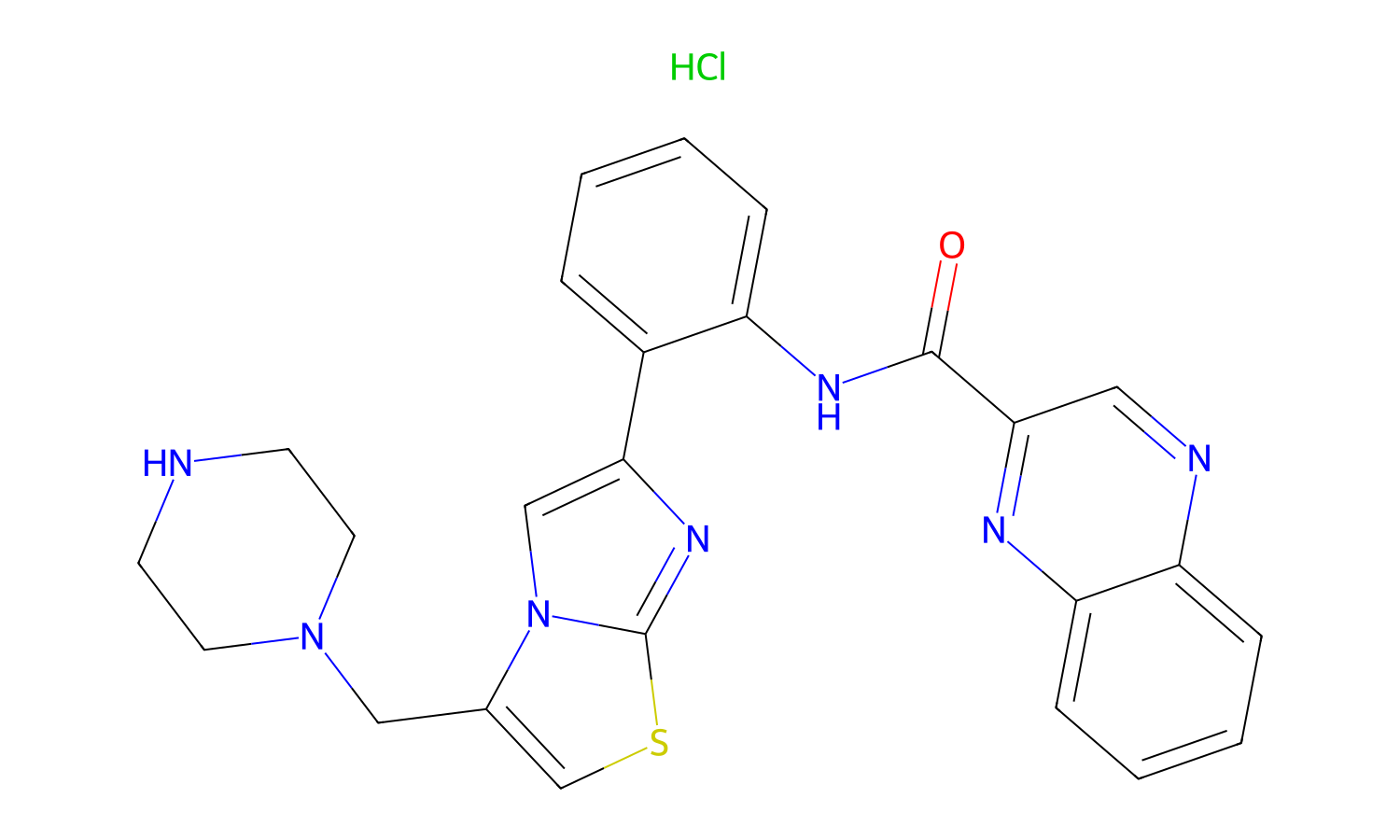
Biological Activity
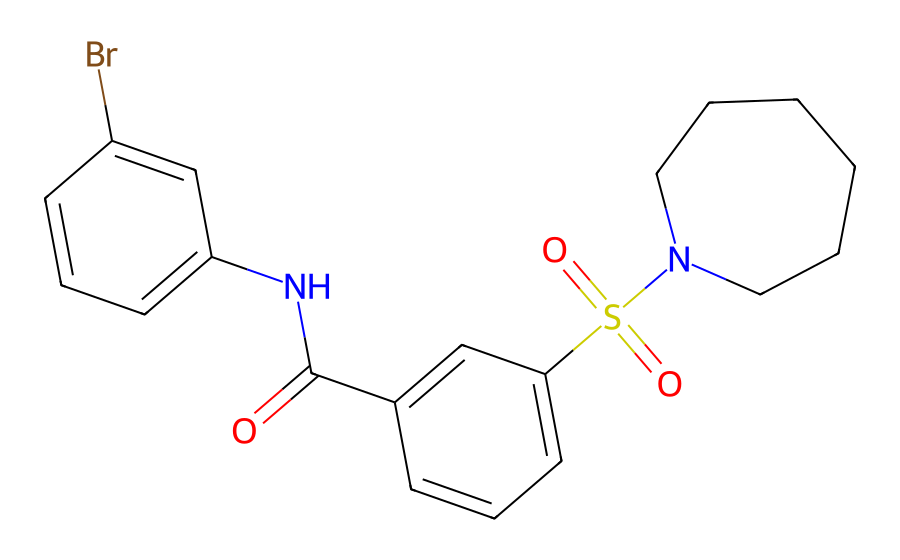
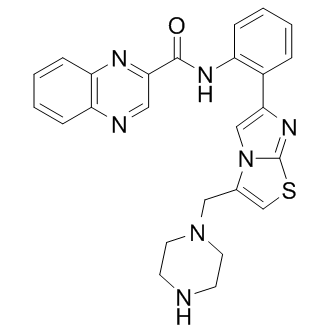
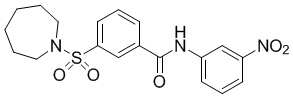
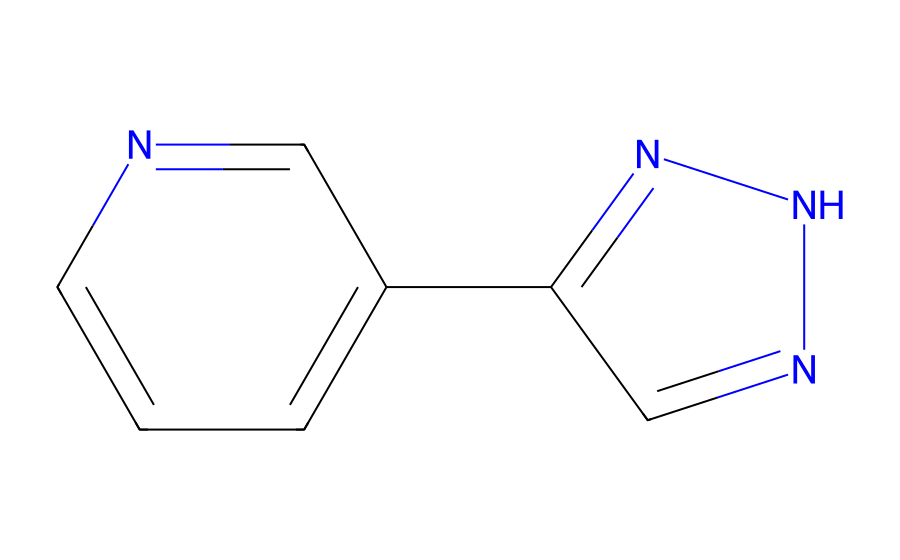
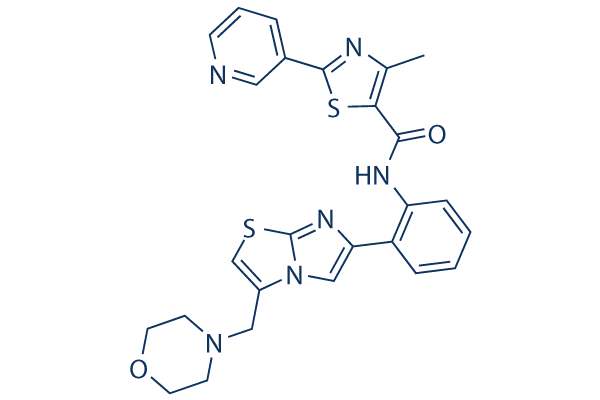
SRT 1720 Hydrochloride is a selective activator of SIRT1 with an EC1.5 of 0.16 μM, and shows less potent activities on SIRT2 and SIRT3 with EC1.5s of 37 μM and 300 μM, respectively.
In Vitro
SRT1720 effectively decreases the acetylation of p53 in cells even in the absence of SIRT1, and this is attributed to inhibition of histone acetyltransferase p300[2].
In Vivo
SRT1720 (10, 30, 100 mg/kg, p.o.) significantly reduces the hyperinsulinaemia after 4 weeks, partially normalizing elevated insulin levels similar to rosiglitazone treatment. SRT1720 treatment significantly reduces fasting blood glucose to near normal levels in Lepob/ob mice[1]. SRT1720 has ability to protect against the negative effects of diet-induced obesity in mice, and has a connection to metabolic adaptation in fatty acid and oxidative metabolism through downstream targets of SIRT1 such as PGC1α and FOXO1[2]. SRT1720 (50-100 mg/kg, p.o.), during emphysema development attenuates elastase-induced airspace enlargement and lung function impairment as well as reduces arterial oxygen saturation in WT mice[3].
References & source
Published experimental findings depend on the model and assay conditions. They do not guarantee equivalent performance in every application. For laboratory research use only.