
Research lipid catalog
Ionizable Lipid Products
Explore 848 lipid and RNA delivery products. Search the full catalog or browse by research category.
Search covers product name, catalog number, synonyms, available CAS numbers and categories. Spaces, hyphens and common punctuation are ignored. Duplicate legacy records are consolidated under one canonical product result.
4176 products · Showing 3761–3780 · 20 per page
DC Chemicals lipid expertise
Built for ionizable-lipid discovery and RNA delivery research
DC Chemicals supports formulation and delivery research with a broad, searchable portfolio of cationic and ionizable lipids. The current directory brings together 848 unique research-use products, with product specifications, pricing, chemical structures and literature-linked formulation data added as each record is verified.
Our experience spans complex lipid synthesis, purification, analytical release and process development. For custom molecules or larger-scale requirements, our team can discuss route development, technical specifications and scale-up options for the intended research workflow.
Learn about cationic and ionizable lipids →Proprietary innovation · Co-development · GMP
From proprietary lipid design to GMP-grade custom synthesis
DC Chemicals has independently developed ionizable-lipid structures supported by company-owned intellectual property, and selected proprietary lipid programs have advanced to GMP-stage development.
We welcome joint development with customers—from molecular design and lipid synthesis through route and process development. We can also support custom synthesis of GMP-grade ionizable lipids to agreed technical specifications and quality requirements.
Discuss a co-development project →Proprietary ionizable-lipid structuresCollaborative molecular designCustom lipid synthesisProcess development and scale-upGMP-grade project support
Product quick links
Explore New ionizable lipids
Explore our five most recently added ionizable lipids, with specifications, pricing and literature-linked product information.
DCL0028HX1Brain RNA delivery researchView product →DCL0024A1I4R13C18-2Spleen-targeted RNA delivery researchView product →DCL0023A1I4R2C18-2Spleen-targeted RNA delivery researchView product →DCL0022FS01Local joint RNA delivery researchView product →DCL0020Lipid-392Lung RNA delivery and gene editing researchView product →
Cat. No.Product NameField of ApplicationChemical Structure
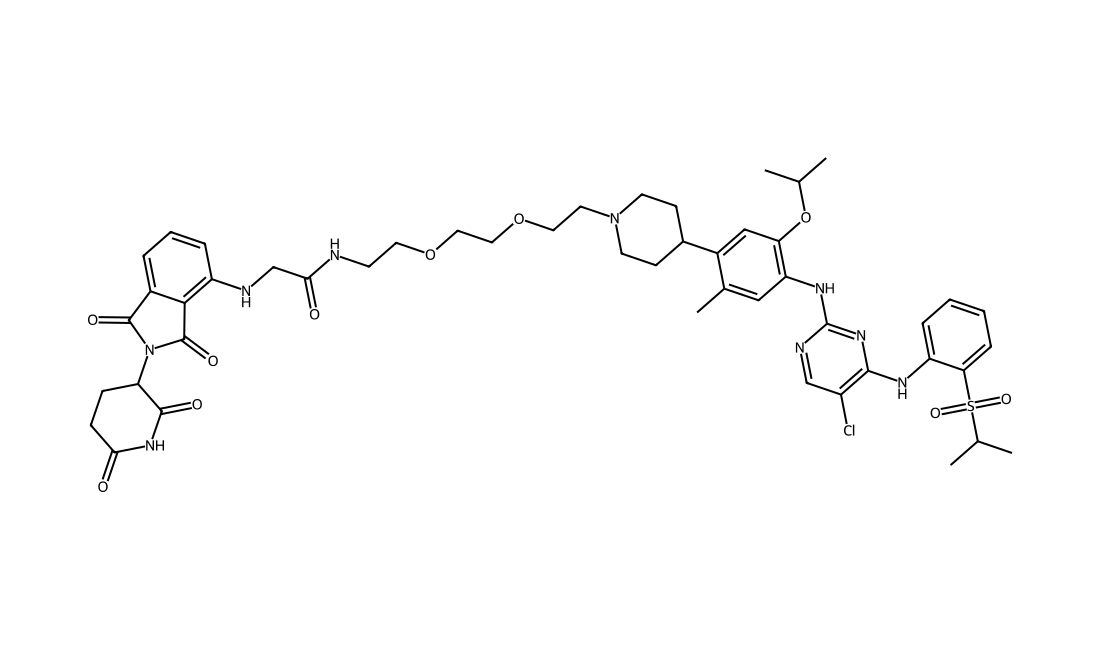
TL13-112 is a novel Anaplastic Lymphoma Kinase (ALK)-PROTAC developed through conjugation of LDK378 and the cereblon ligand pomalidomide.
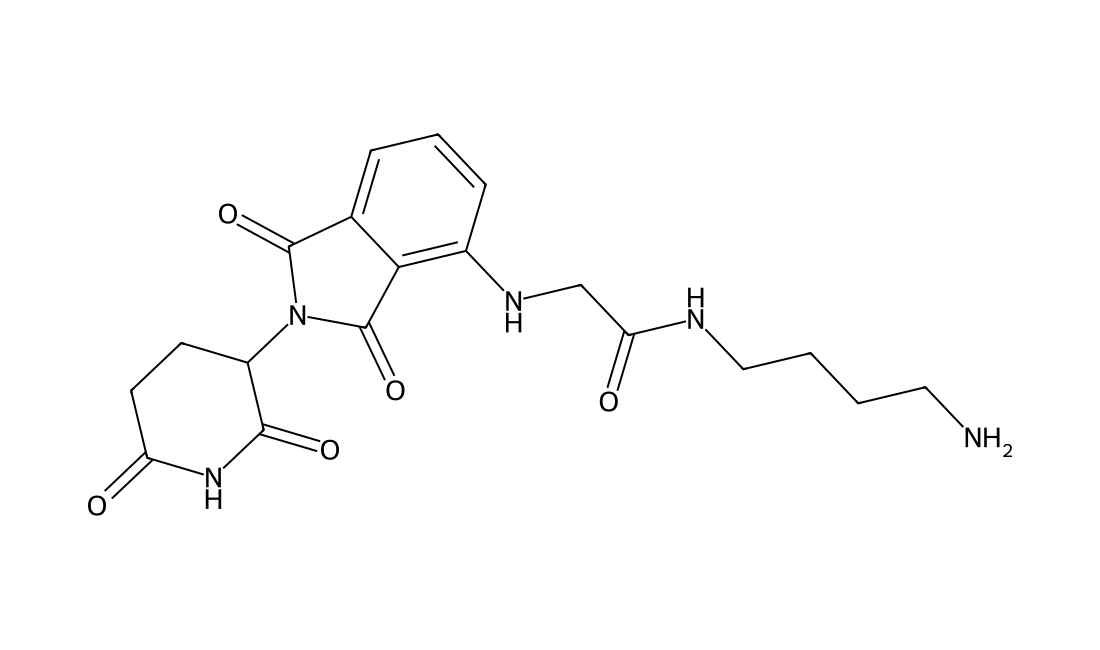
Thalidomide-NH-amido-C4-NH2 is a synthesized E3 ligase ligand-linker conjugate that incorporates the Thalidomide based cereblon ligand and a linker used in PROTAC technology.
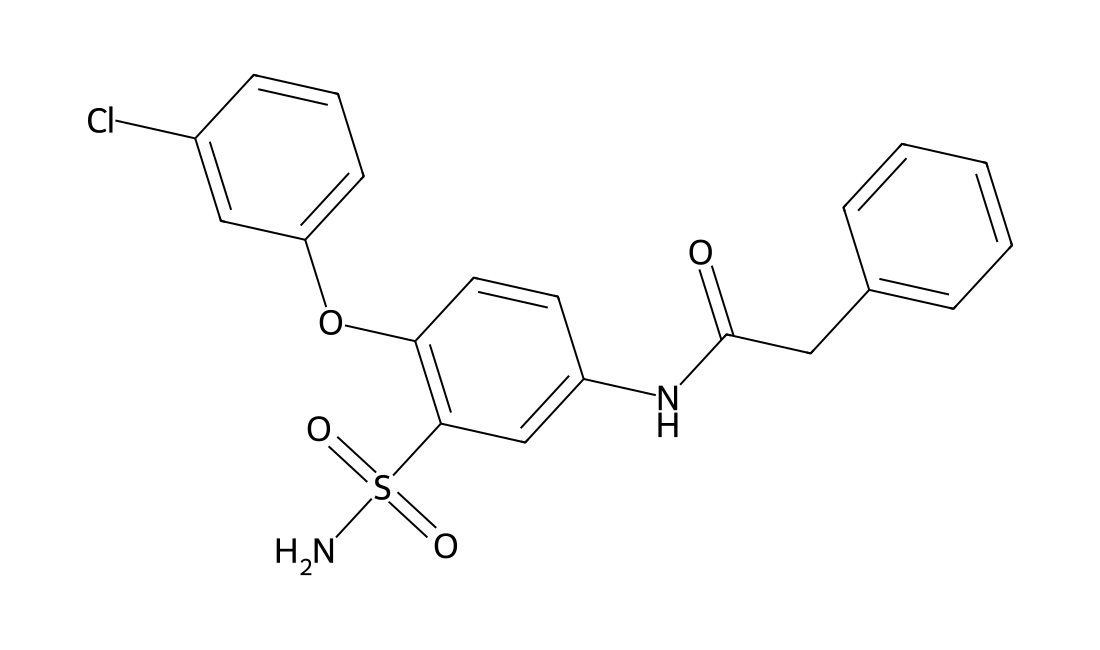
BAY-1797 is a potent and selective P2X4 antagonist.
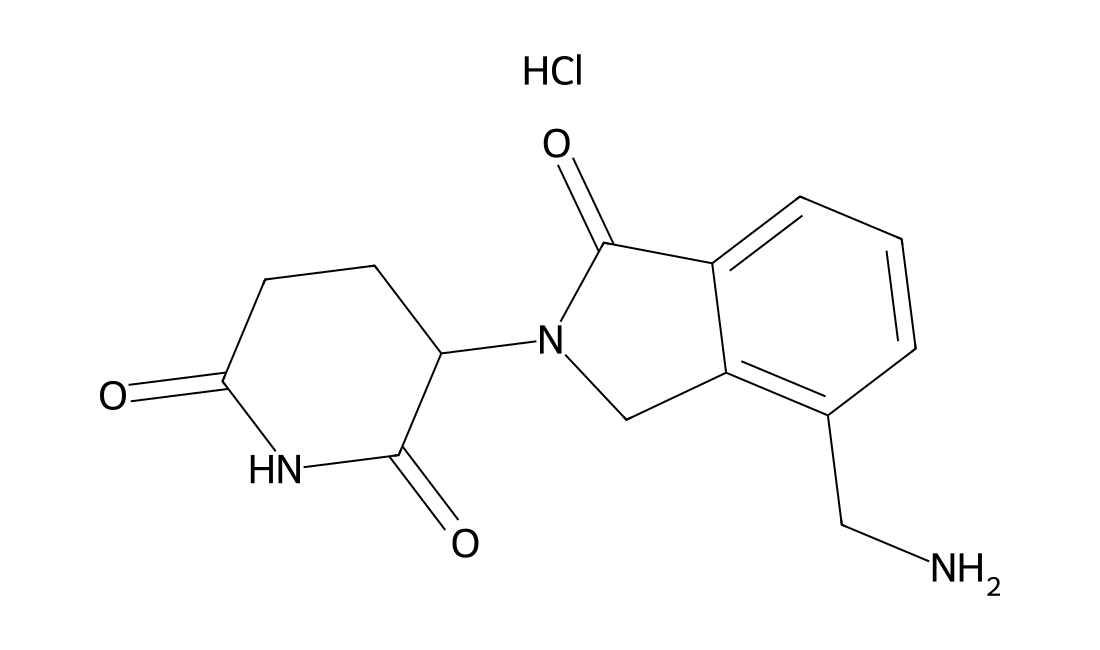
Lenalidomide-4-aminomethyl hydrochloride is the Lenalidomide-based cereblon (CRBN) ligand used in the recruitment of CRBN protein. Lenalidomide-4-aminomethyl hydrochloride can be connected to the ligand for protein by a linker to form PROTAC
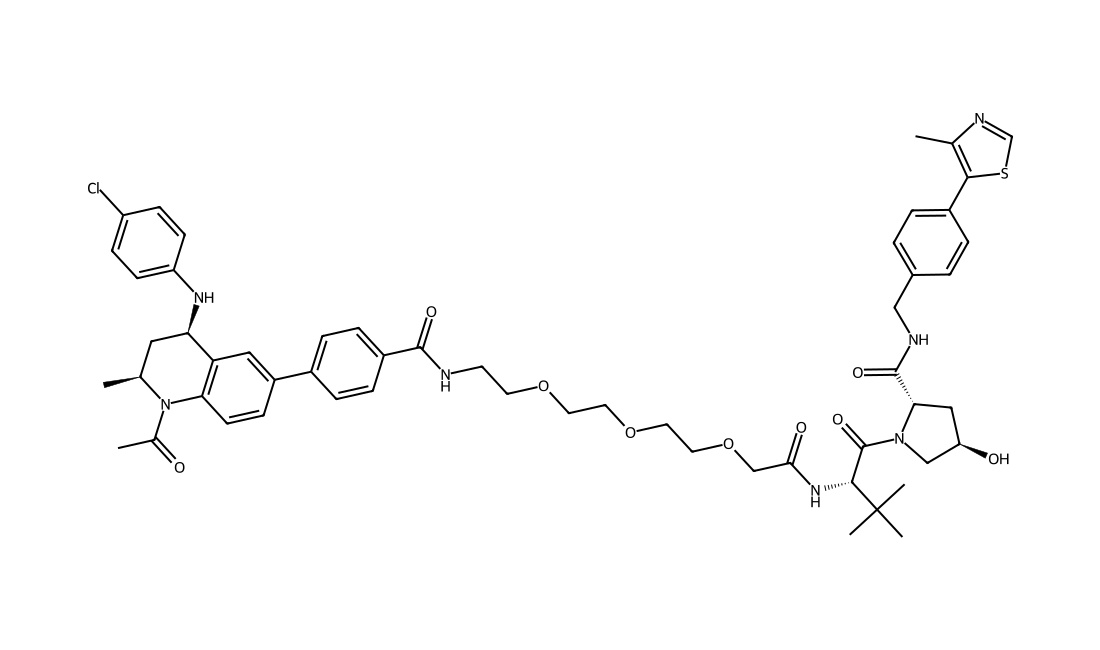
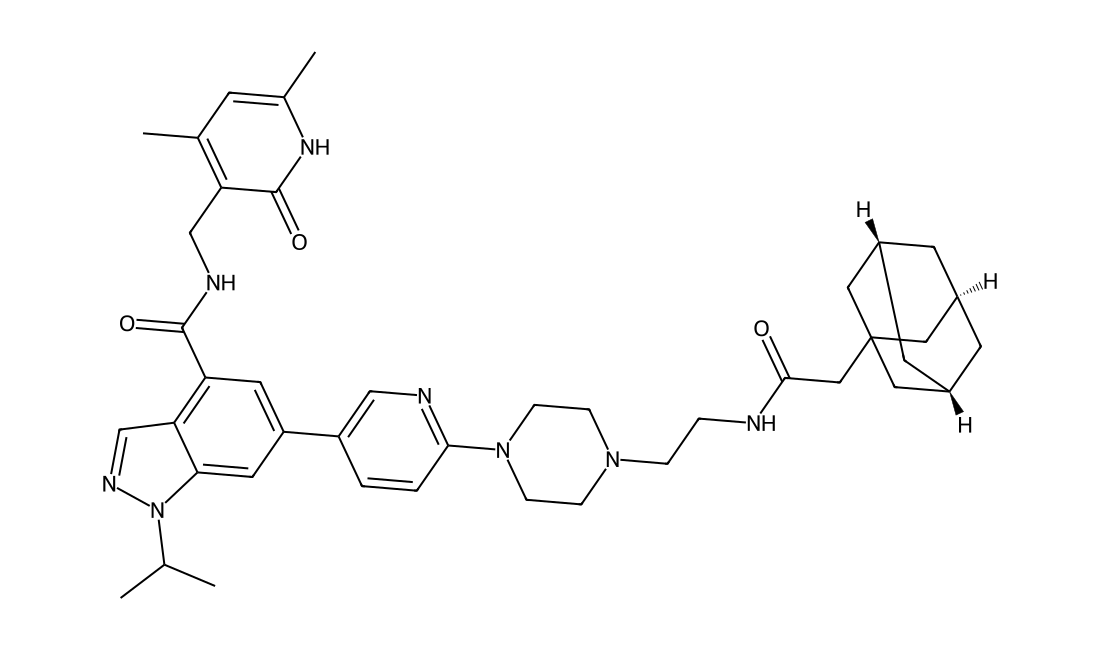
Novel potent and selective PROTAC degrader of BRD3/4
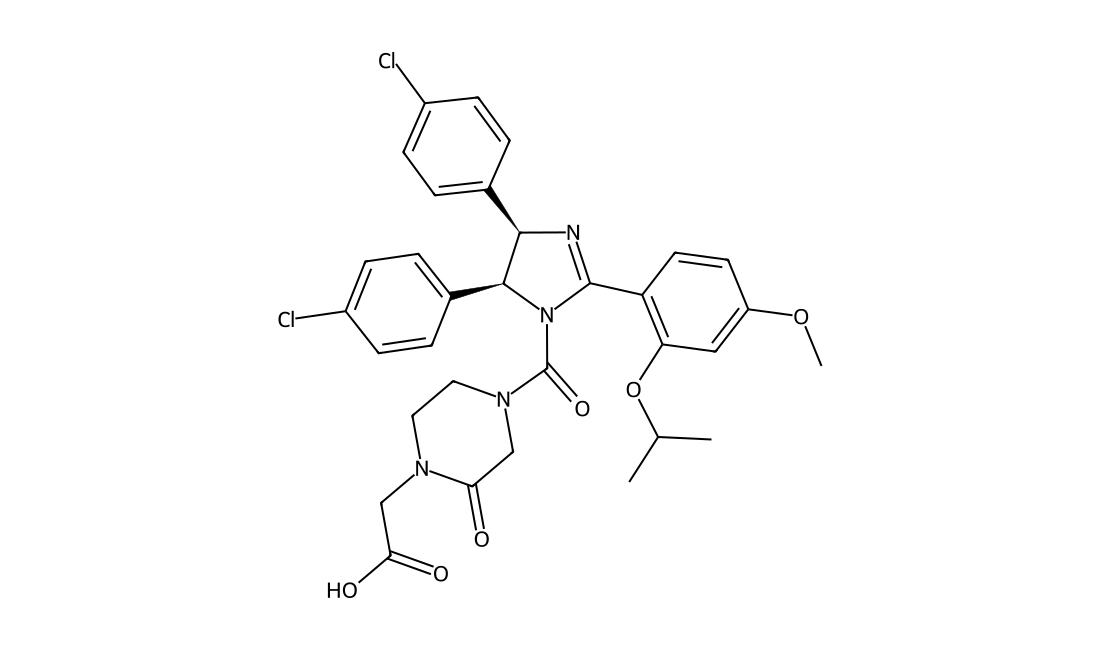
(4R,5S)-Nutlin carboxylic acid is the Nutlin 3-based MDM2 ligand. (4R,5S)-Nutlin carboxylic acid can be connected to the ligand for protein by a linker to form PROTACs.
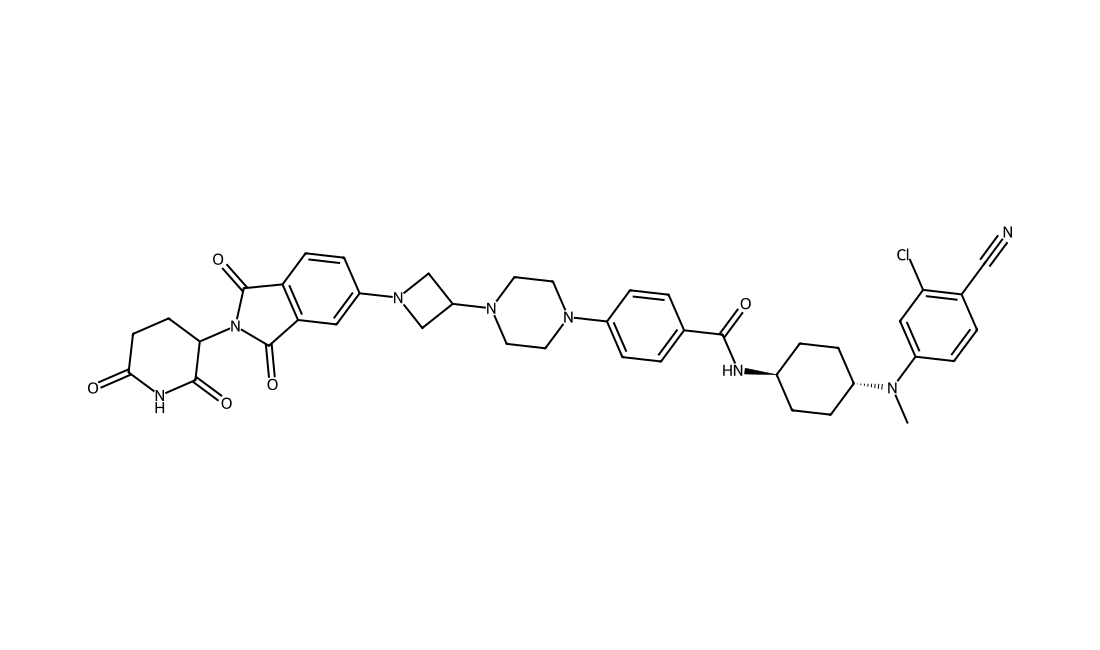
ARD-2585 is an exceptionally potent and orally active PROTAC degrader of androgen receptor.
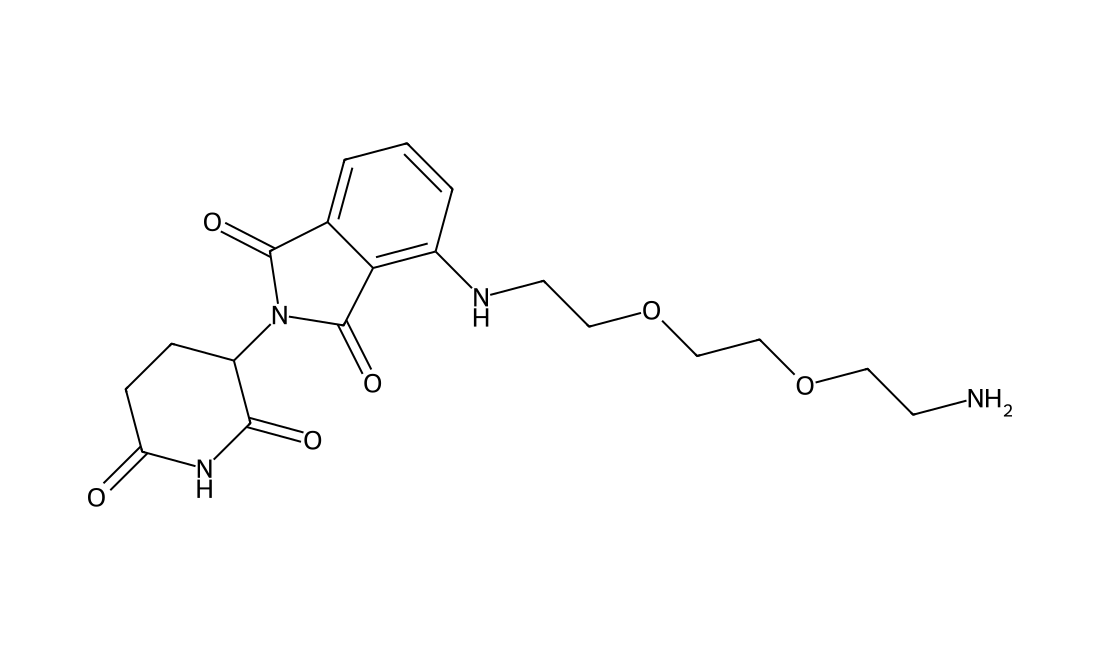
Thalidomide-PEG2-C2-NH2 is a synthesized E3 ligase ligand-linker conjugate that incorporates the Thalidomide based cereblon ligand and 2-unit PEG linker used in PROTAC technology.
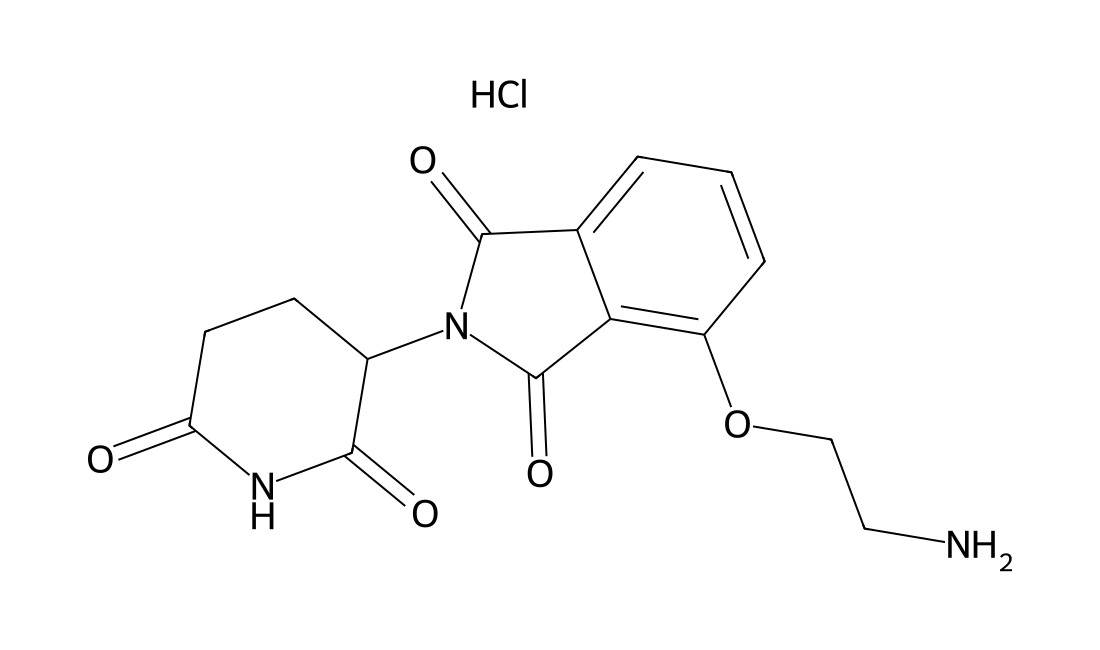
Thalidomide-4-O-C2-NH2 hydrochloride is a synthesized E3 ligase ligand-linker conjugate that incorporates the Thalidomide based cereblon ligand and a linker used in PROTAC technology.
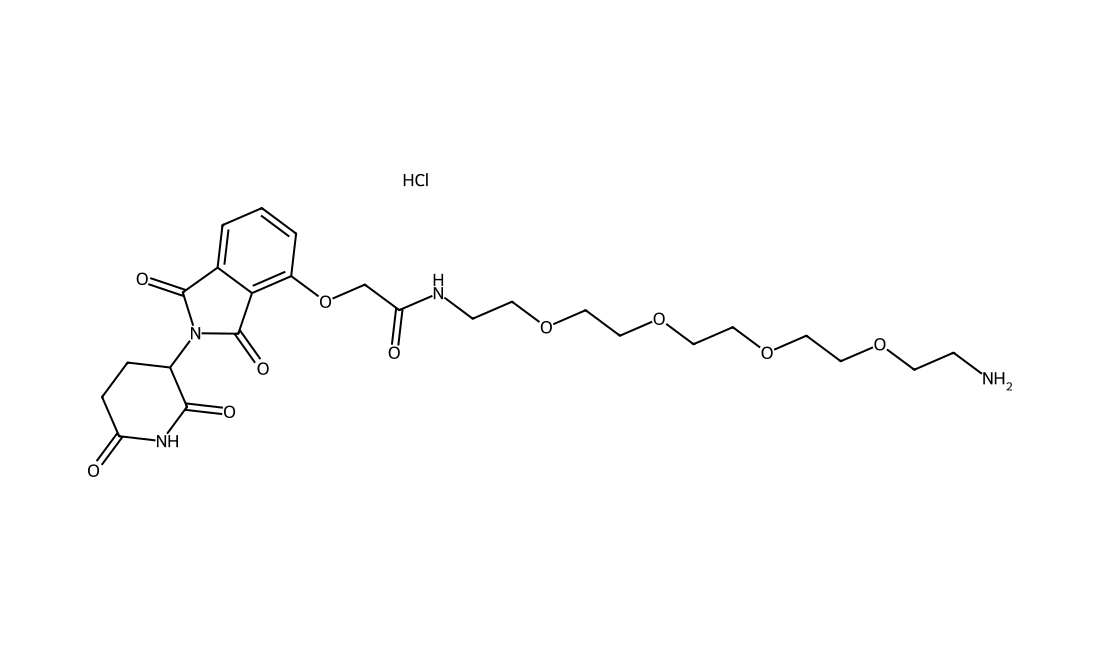
Thalidomide-O-amido-PEG4-C2-NH2 hydrochloride, a synthesized E3 ligase ligand-linker conjugate that incorporates the Thalidomide based cereblon ligand and a linker, can be used in the synthesis of PROTACs.
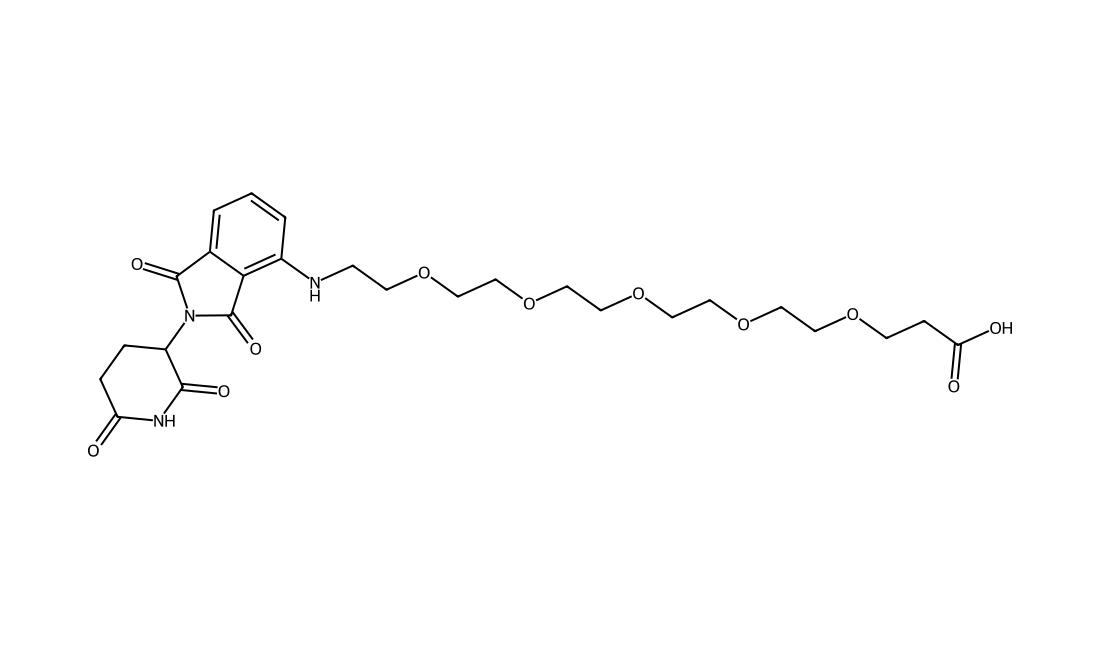
Pomalidomide 4'-PEG5-acid (Pomalidomide-PEG5-CO2H) is a synthesized E3 ligase ligand-linker conjugate that incorporates the Pomalidomide based cereblon ligand and 5-unit PEG linker used in PROTAC technology.
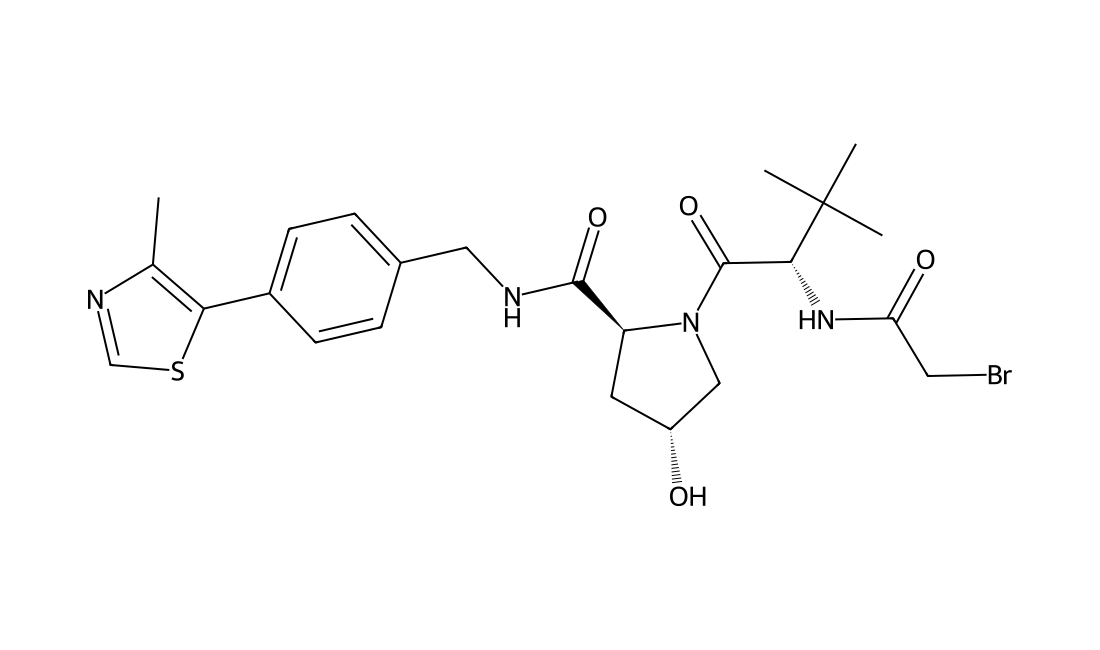
(S,R,S)-AHPC-CO-CI-Br is a novel protac building block,
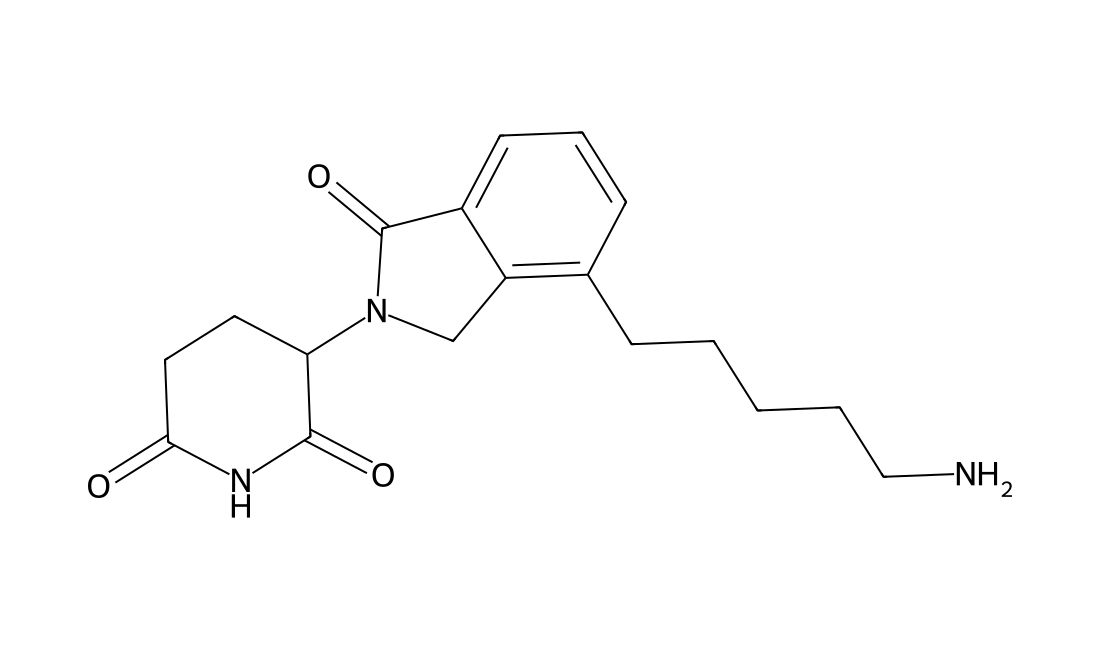
E3 Ligand-Linker Conjugate 4 is the Lenalidomide-based Cereblon ligand used in the recruitment of CRBN protein. Lenalidomide-C5-NH2 can be connected to the ligand for protein by a linker to form PROTAC, such as MDM2 PROTAC degrader.
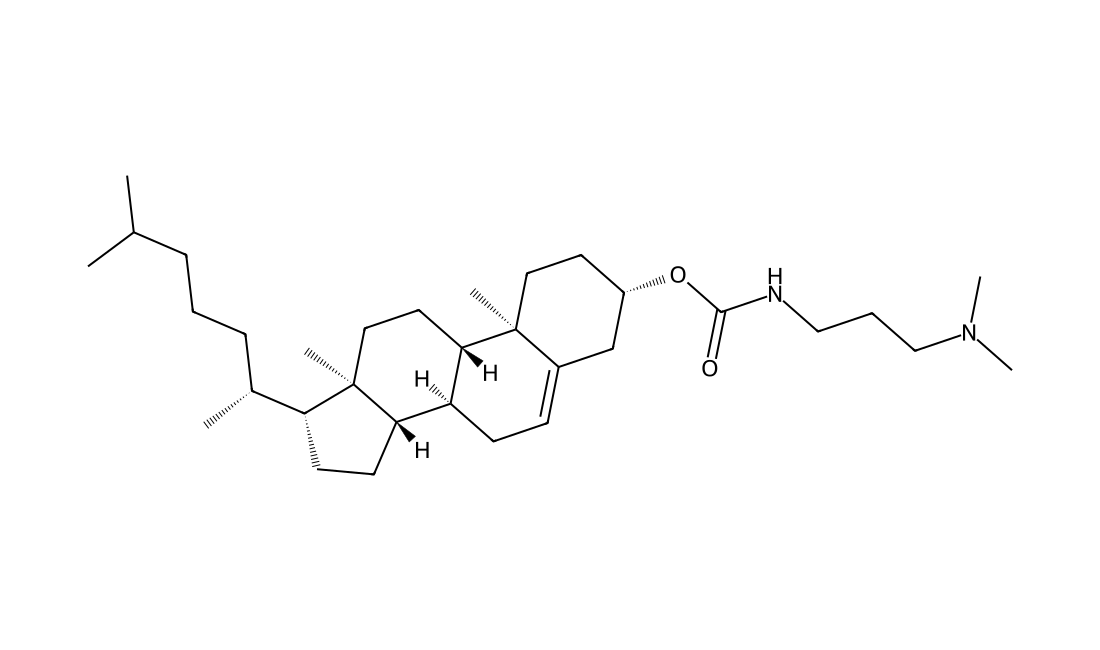
DMPAC-Chol is a cationic cholesterol derivative that has been used in liposome formation for gene transfection. Liposomes containing DMPAC-chol bind to DNA in a band shift assay and protect against serum nuclease degradation of DNA.
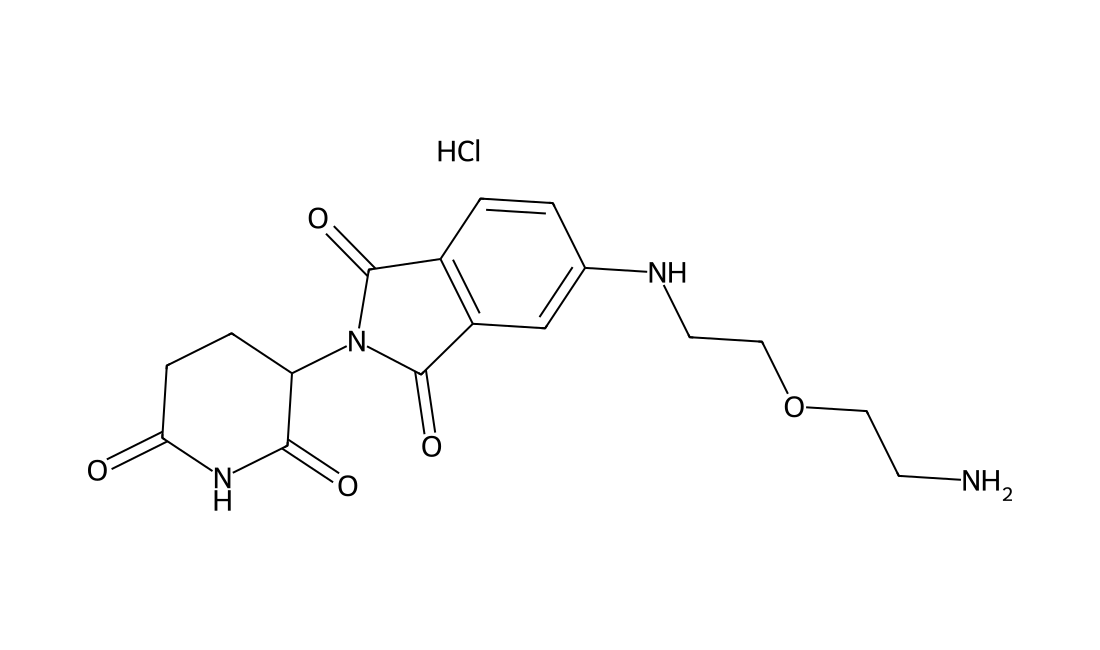
Thalidomide-5-NH-PEG1-NH2 hydrochloride is a Thalidomide (HY-14658)-based cereblon ligand that recruits CRBN proteins.
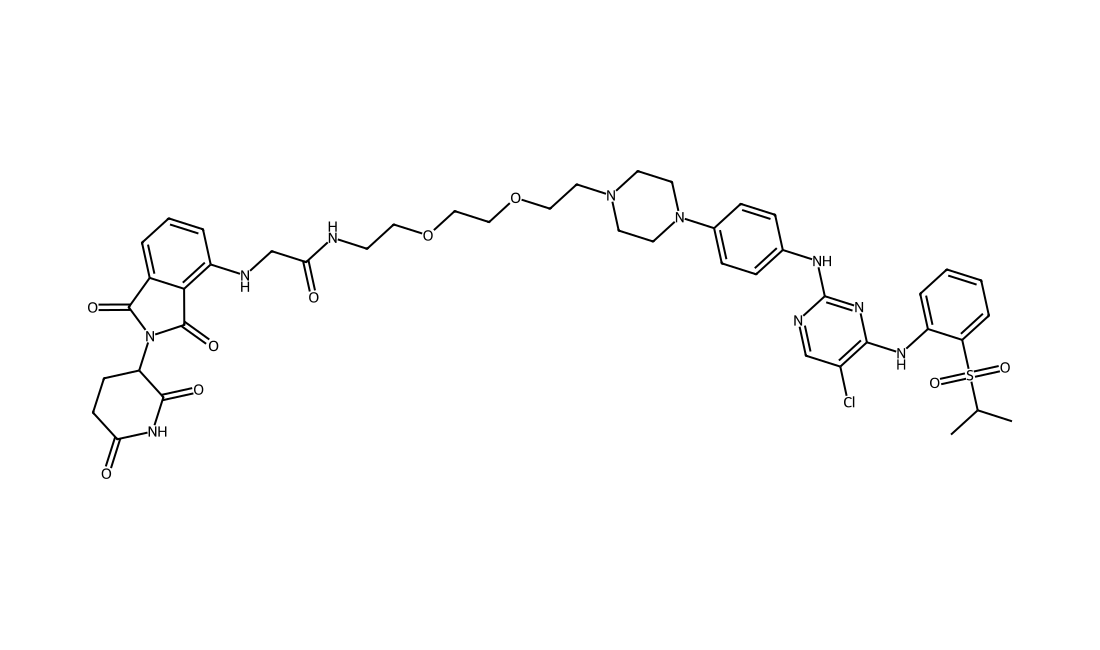
TL12-186 is a multikinase degrading PROTAC.
MS1943 is a selective EZH2 degrader. The source reports reduced EZH2 protein levels in multiple cell lines, including triple-negative breast cancer cells.
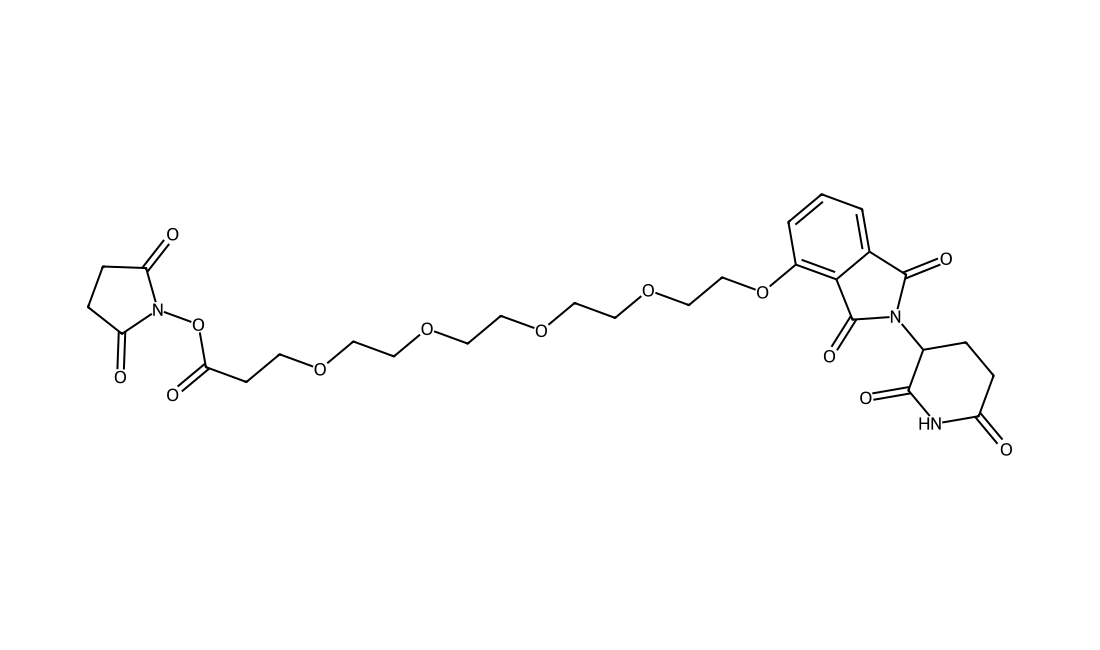
Thalidomide-O-PEG4-NHS ester is a PEG-based PROTAC linker that can be used in the synthesis of PROTACs.
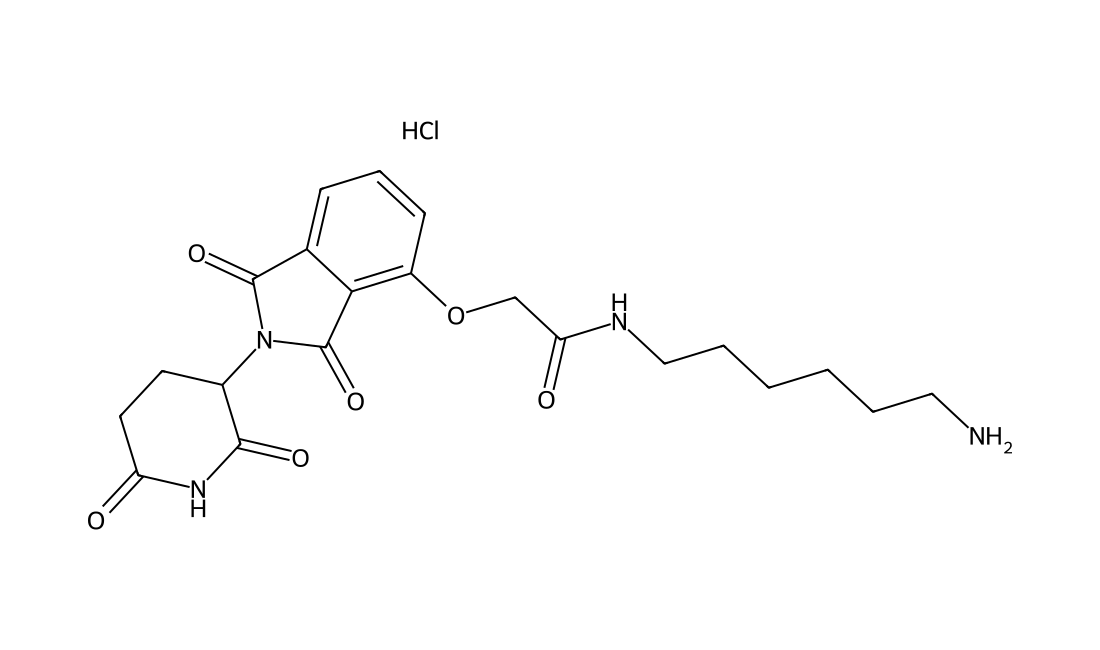
Thalidomide-O-amido-C6-NH2 hydrochloride, a synthesized E3 ligase ligand-linker conjugate that incorporates the Thalidomide based cereblon ligand and a linker, can be used in the synthesis of PROTACs.
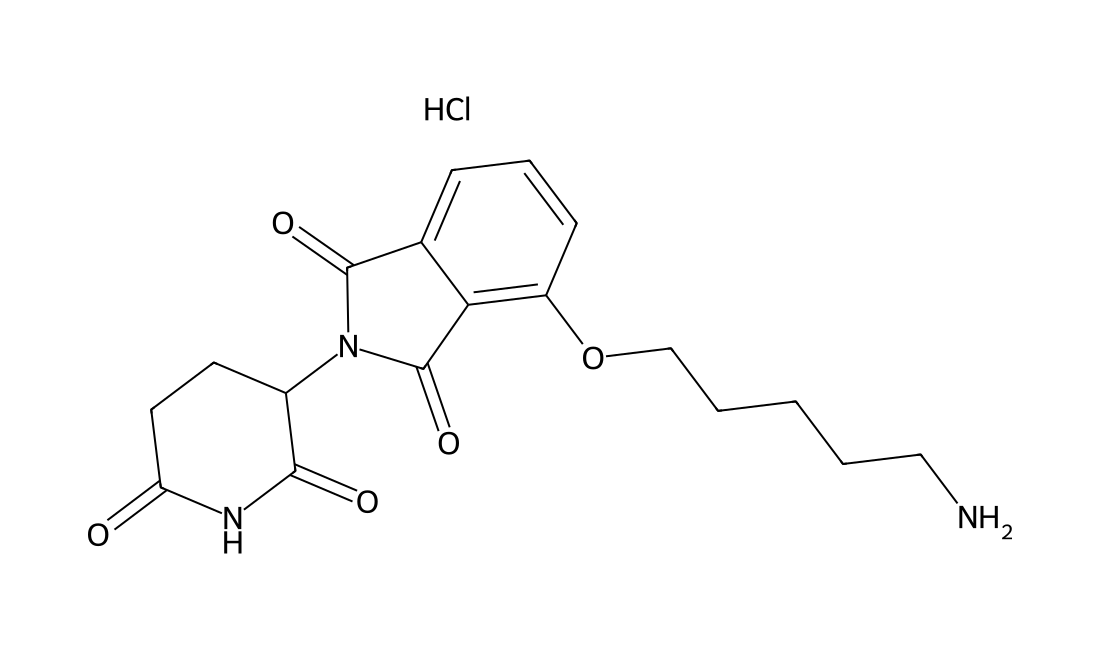
Thalidomide-O-C5-NH2 hydrochloride is a synthesized E3 ligase ligand-linker conjugate that incorporates the Thalidomide based cereblon ligand and a linker used in PROTAC technology.
No products match this search.
Page 189 of 209 · Browse all 4176 products
Jump to a product page
Featured literature product: HX1 · DCL0028
HX1 is a hydroxyzine-derived ionizable lipid with acetal-containing tails, studied in lipid nanoparticles for brain mRNA delivery and CRISPR–Cas9 delivery. It was the lead in the reported in vivo brain-delivery screen; evidence is preclinical and formulation-dependent.
Read full formulation and performance →