
Research lipid catalog
Ionizable Lipid Products
Explore 848 lipid and RNA delivery products. Search the full catalog or browse by research category.
Search covers product name, catalog number, synonyms, available CAS numbers and categories. Spaces, hyphens and common punctuation are ignored. Duplicate legacy records are consolidated under one canonical product result.
3666 products · Showing 1441–1460 · 20 per page
DC Chemicals lipid expertise
Built for ionizable-lipid discovery and RNA delivery research
DC Chemicals supports formulation and delivery research with a broad, searchable portfolio of cationic and ionizable lipids. The current directory brings together 848 unique research-use products, with product specifications, pricing, chemical structures and literature-linked formulation data added as each record is verified.
Our experience spans complex lipid synthesis, purification, analytical release and process development. For custom molecules or larger-scale requirements, our team can discuss route development, technical specifications and scale-up options for the intended research workflow.
Learn about cationic and ionizable lipids →Proprietary innovation · Co-development · GMP
From proprietary lipid design to GMP-grade custom synthesis
DC Chemicals has independently developed ionizable-lipid structures supported by company-owned intellectual property, and selected proprietary lipid programs have advanced to GMP-stage development.
We welcome joint development with customers—from molecular design and lipid synthesis through route and process development. We can also support custom synthesis of GMP-grade ionizable lipids to agreed technical specifications and quality requirements.
Discuss a co-development project →Proprietary ionizable-lipid structuresCollaborative molecular designCustom lipid synthesisProcess development and scale-upGMP-grade project support
Product quick links
Explore ionizable lipids
Browse specifications, pricing and literature-linked product information.
Cat. No.Product NameField of ApplicationChemical Structure
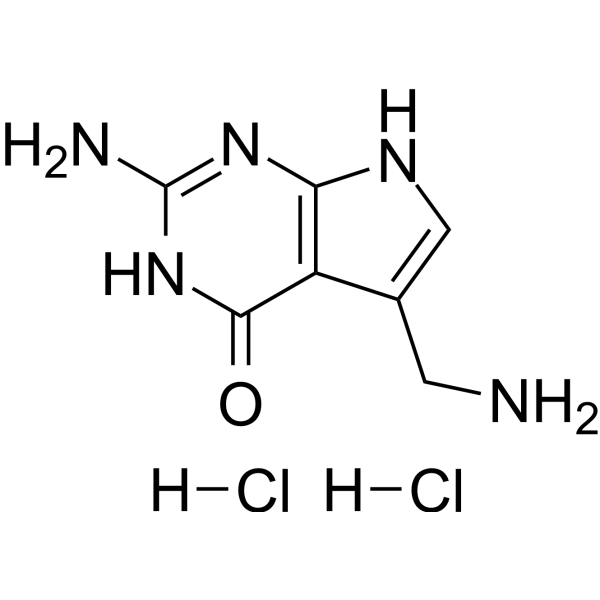
preQ1 DihydrochlorideFeatured
100 mg USD 450 · 250 mg USD 800 · 1 g USD 1,600 · 10 mM * 1 mL in DMSO USD 220preQ1 is a precursor in the biosynthesis of queuosine, a bacterial nucleoside incorporated into tRNA by tRNA transglycosylase. preQ1 binds to an aptamer domain on tRNA that acts as a riboswitch to repress gene expression.
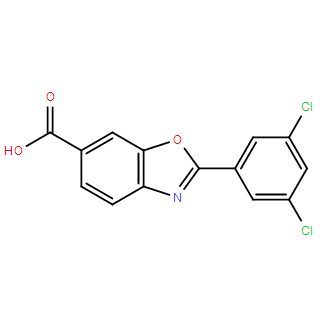
PF-06291826(Tafamidis)Featured
100 mg USD 400 · 250 mg USD 700 · 1 g USD 1,400 · 10 mM * 1 mL in DMSO USD 150Tafamidis(Fx1006A) is a potent and selective transthyretin kinetic stabilizer that inhibits the amyloid cascade.Target: OthersTafamidis is a drug for the amelioration of transthyretin-related hereditary amyloidosis.Tafamidis functions by kinetic stabilization of the correctly folded tetrameric form of the transthyretin (TTR) protein. Tafamidis binds selectively and with negative cooperativity (K(d)s ~2 nM and ~200 nM) to the two normally unoccupied thyroxine-binding sites of the tetramer, and kinetically stabilizes TTR. Patient-derived amyloidogenic variants of TTR, including kinetically and thermodynamically less stable mutants, are also stabilized by tafamidis binding. The crystal structure of tafamidis-bound TTR suggests that binding stabilizes the weaker dimer-dimer interface against dissociation, the rate-limiting step of amyloidogenesis [1].
Intepirdine (SB-742457, RVT-101)Featured
100 mg USD 350 · 250 mg USD 650 · 1 g USD 1,300 · 10 mM * 1 mL in DMSO USD 150SB742457 is a highly selective 5-HT6 receptor antagonist with pKi of 9.63; exhibits >100-fold selectivity over other receptors.SB-742457, a 5-HT6 receptor antagonist, which extends into Alzheimer disease (AD) sufferers further highlights the therapeutic promise of this mechanistic approach. Alzheimer's disease is a devastating neurological condition characterized by a progressive decline in cognitive performance accompanied by behavioral and psychological syndromes, such as depression and psychosis. With the subsequent development of selective 5-HT6 receptor antagonists, preclinical studies in rodents and primates have elucidated the function of this receptor subtype in more detail. It is increasingly clear that blockade of 5-HT6 receptors leads to an improvement of cognitive performance in a wide variety of learning and memory paradigms and also results in anxiolytic and antidepressant-like activity. SB-742457 is generally safe and well tolerated and may be efficacious in Alzheimer disease.

SR9011Featured
100 mg USD 450 · 250 mg USD 700 · 1 g USD 1,450 · 10 mM * 1 mL in DMSO USD 220SR9011 is a REV-ERBα/β agonist with IC50s of 790 nM and 560 nM for REV-ERBα and REV-ERBβ, respectively.
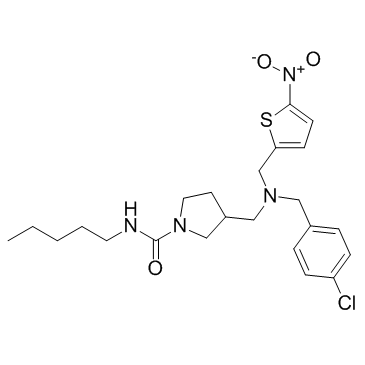
GSK840Featured
100 mg USD 750 · 250 mg USD 1,500 · 1 g USD 3,000Novel potent and selective RIP3 kinase inhibitor
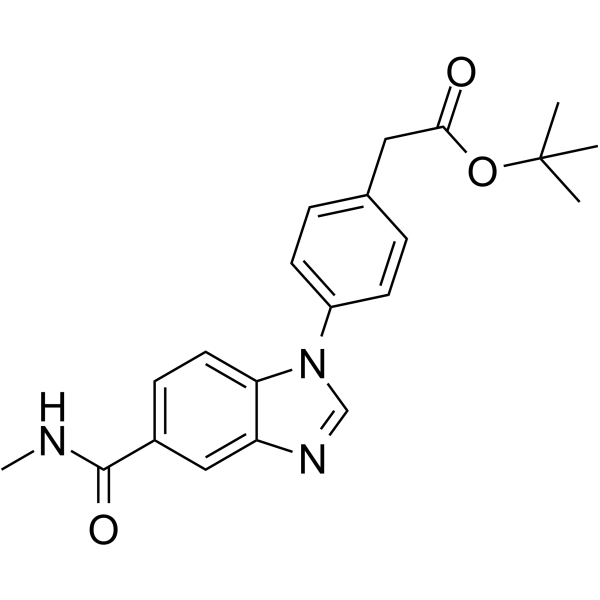
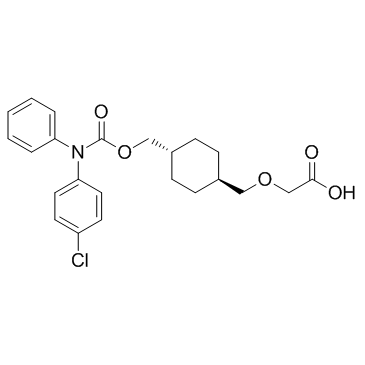
RalinepagFeatured
100 mg USD 750 · 250 mg USD 1,200 · 1 g USD 2,500 · 10 mM * 1 mL in DMSO USD 220Ralinepag is a potent, orally bioavailable and non-prostanoid prostacyclin (IP) receptor agonist, with EC50s of 8.5 nM, 530 nM and 850 nM for human and rat IP receptor and human DP1 receptor, respectively.
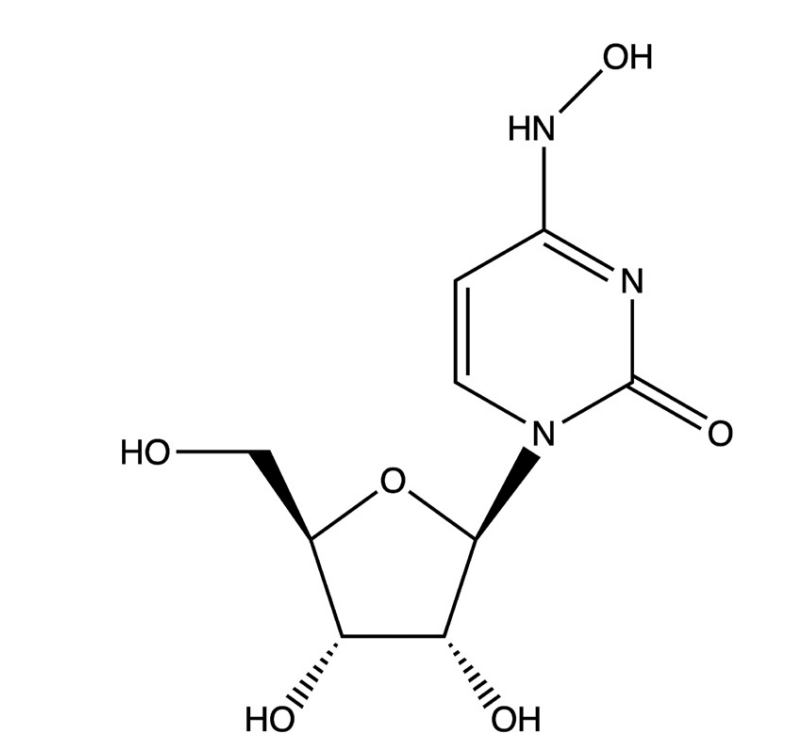
EIDD-1931(NHC)Featured
100 mg USD 450 · 250 mg USD 750 · 1 g USD 1,500 · 5g USD 4,100 · 10 mM * 1 mL in DMSO USD 220Beta-d-N4-hydroxycytidine (NHC) is a nucleoside analogue that has antipestivirus and antihepacivirus activities; inhibits the production of cytopathic BVDV RNA with EC90 of 5.4 uM, also has an EC50 of 5 uM for replicon RNA reduction in Huh7 cells; also is a novel inhibitor of CHIKV (Chikungunya virus), inhibits venezuelan equine encephalitis virus (VEEV) with EC50 of <1 uM.The results demonstrate that NHC is a very potent antiviral agent. It affects both the release of genome RNA-containing VEE virions and their infectivity. Both of these antiviral activities are determined by the NHC-induced accumulation of mutations in virus-specific RNAs. The antiviral effect is most prominent when NHC is applied early in the infectious process, during the amplification of negative- and positive-strand RNAs in infected cells. Most importantly, only a low-level resistance of VEEV to NHC can be developed, and it requires acquisition and cooperative function of more than one mutation in nsP4. These adaptive mutations are closely located in the same segment of nsP4. Our data suggest that NHC is more potent than ribavirin as an anti-VEEV agent and likely can be used to treat other alphavirus infections.
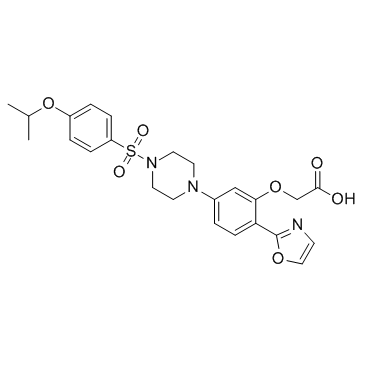
Asapiprant(BGE-175)Featured
100 mg USD 600 · 250 mg USD 1,100 · 1 g USD 2,000 · 10 mM * 1 mL in DMSO USD 220Asapiprant is a potent and selective DP1 receptor antagonist with a Ki of 0.44 nM..
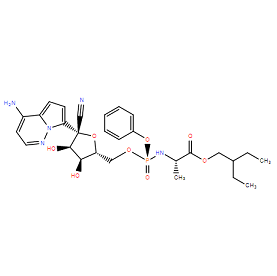
Remdesivir(GS-5734)Featured
100 mg USD 600 · 1g USD 1,800 · 250 mg USD 1,000 · 5g USD 4,700 · 10g USD 8,000 · 10 mM * 1 mL in DMSO USD 220Remdesivir(GS-5734) is a nucleoside analogue, with effective antiviral activity, with EC50s of 74 nM for ARS-CoV and MERS-CoV in HAE cells, and 30 nM for murine hepatitis virus in delayed brain tumor cells.
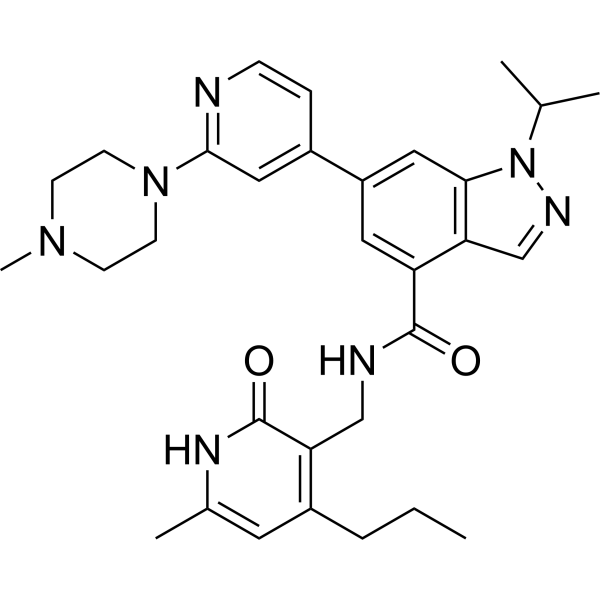
GSK-343Featured
100 mg USD 500 · 250 mg USD 900 · 1 g USD 1,800 · 10 mM * 1 mL in DMSO USD 220GSK343 is a highly potent and selective EZH2 inhibitor with an IC50 of 4 nM.
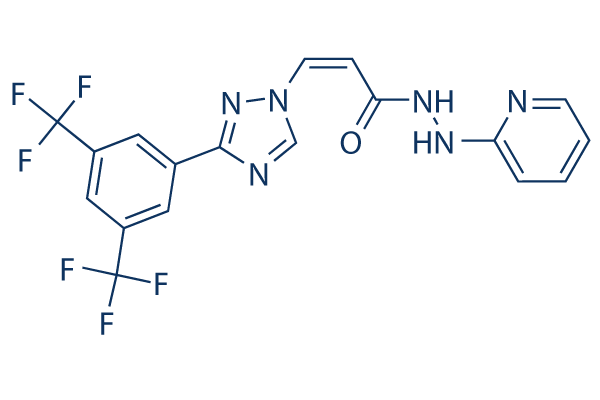
Verdinexor (KPT-335)Featured
100 mg USD 600 · 250 mg USD 1,100 · 1 g USD 2,200 · 10 mM * 1 mL in DMSO USD 220Verdinexor(KPT-335) is a novel, orally bioavailable selective inhibitor of nuclear export (SINE), inhibits nuclear export protein Exportin 1(XPO1/CRM1) against canine tumor cell lines; also reduce influenza virus replication in vitro and in vivo.
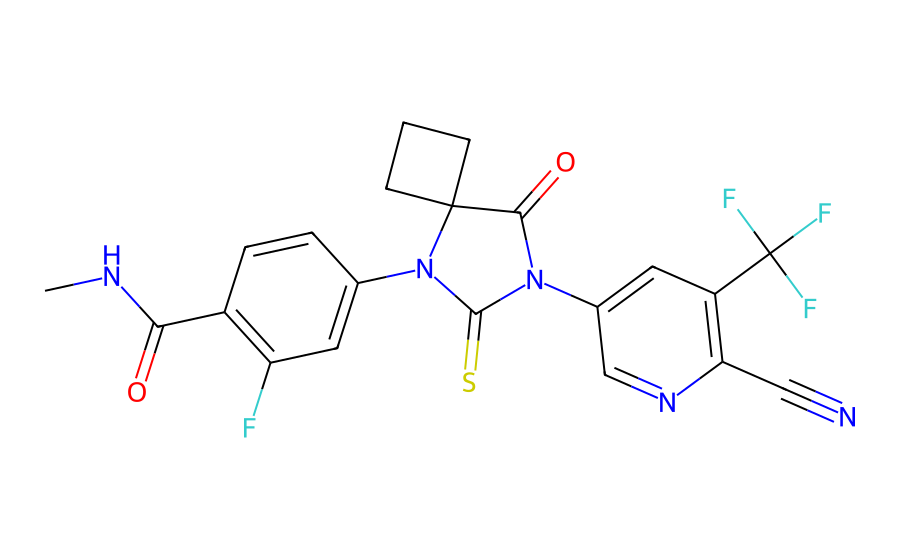
Apalutamide(ARN509)Featured
100 mg USD 250 · 250 mg USD 500 · 1 g USD 1,000Apalutamide (ARN-509) is a potent and competitive androgen receptor (AR) antagonist, binding AR with an IC50 of 16 nM.
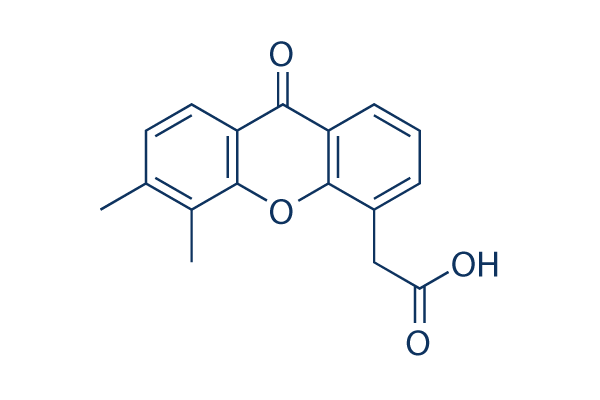
DMXAAFeatured
100 mg USD 400 · 250 mg USD 750 · 1 g USD 1,500 · 10 mM * 1 mL in DMSO USD 150Vadimezan (ASA-404; DMXAA), the vascular disrupting agent, is a murine agonist of the stimulator of interferon genes (STING) and also a potent inducer of type I IFNs and other cytokines.
Auten-99Featured
100 mg USD 500 · 250 mg USD 1,000 · 1 g USD 1,900 · 10 mM * 1 mL in DMSO USD 220Auten-99 is a novel inhibitor of the myotubularin phosphatase Jumpy (also called MTMR14), acrossing the blood-brain barrier and exerting potent neuroprotective effects.
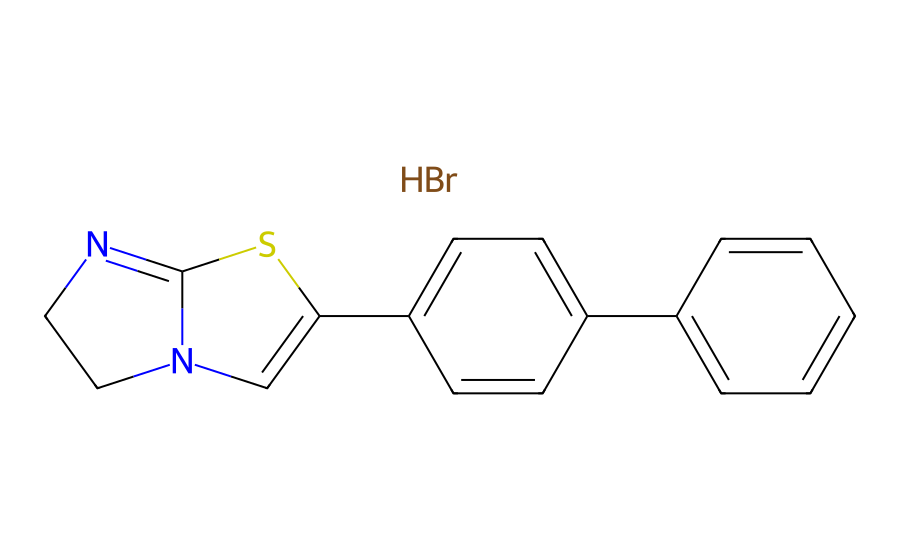
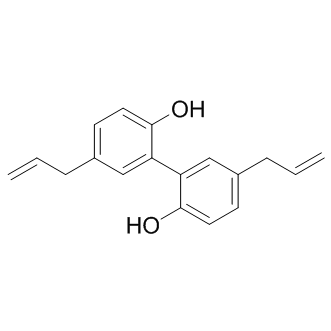
MagnololFeatured
1g USD 500Magnolol, a natural lignan isolated from the stem bark of Magnolia officinalis, is a dual agonist of both RXRα and PPARγ, with EC50 values of 10.4 µM and 17.7 µM, respectively.
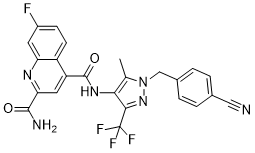
BAY-876Featured
100 mg USD 550 · 250 mg USD 900 · 1 g USD 1,800 · 10 mM * 1 mL in DMSO USD 220BAY-876 is the first highly selective GLUT1 inhibitor with IC50 of 0.002 uM. show good metabolic stability in vitro and high oral bioavailability in vivo.
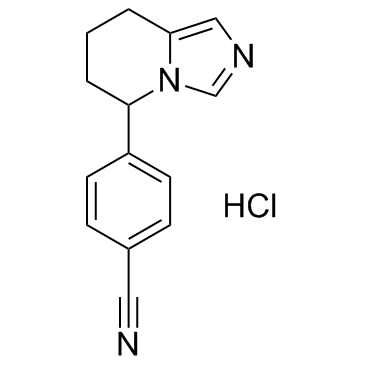
Fadrozole (hydrochloride)Featured
100 mg USD 450 · 250 mg USD 900 · 1 g USD 1,800 · 10 mM * 1 mL in DMSO USD 220Fadrozole hydrochloride is a potent, selective and nonsteroidal inhibitor of aromatase with an IC50 of 6.4 nM.
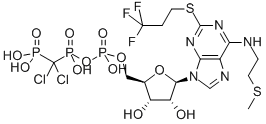
Cangrelor free acidFeatured
100 mg USD 700 · 250 mg USD 1,300 · 1 g USD 2,600 · 10 mM * 1 mL in DMSO USD 220Cangrelor is a P2Y12 inhibitor, and was approved in June 2015 as an antiplatelet drug for intravenous application. Cangrelor is a high-affinity, reversible inhibitor of P2Y12 receptors that causes almost complete inhibition of ADP-induced platelet aggregate. It is a modified ATP derivative stable to enzymatic degradation. It does not require metabolic conversion to an active metabolite. This allows cangrelor’s immediate effect after infusion, and the therapeutic effects can be maintained with continuous infusion.
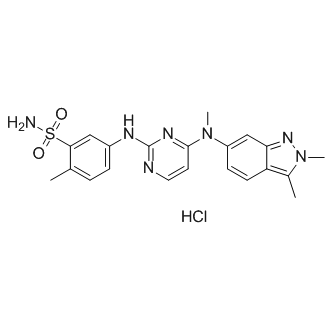
Pazopanib HydrochlorideFeatured
100 mg USD 200 · 250 mg USD 300 · 1 g USD 600 · 10 mM * 1 mL in DMSO USD 150Pazopanib Hydrochloride is a novel multi-target inhibitor of VEGFR1, VEGFR2, VEGFR3, PDGFRβ, c-Kit, FGFR1, and c-Fms with an IC50 of 10, 30, 47, 84, 74, 140 and 146 nM, respectively.
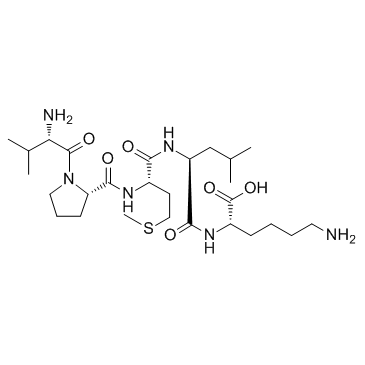
Bax inhibitor peptide V5Featured
100 mg USD 400 · 250 mg USD 800 · 1 g USD 1,600 · 10 mM * 1 mL in DMSO USD 150Bax inhibitor peptide V5 is a Bax-mediated apoptosis inhibitor, used for cancer treatment.
No products match this search.
Page 73 of 184 · Browse all 3666 products