
Research lipid catalog
Ionizable Lipid Products
Explore 848 lipid and RNA delivery products. Search the full catalog or browse by research category.
Search covers product name, catalog number, synonyms, available CAS numbers and categories. Spaces, hyphens and common punctuation are ignored. Duplicate legacy records are consolidated under one canonical product result.
3666 products · Showing 1561–1580 · 20 per page
DC Chemicals lipid expertise
Built for ionizable-lipid discovery and RNA delivery research
DC Chemicals supports formulation and delivery research with a broad, searchable portfolio of cationic and ionizable lipids. The current directory brings together 848 unique research-use products, with product specifications, pricing, chemical structures and literature-linked formulation data added as each record is verified.
Our experience spans complex lipid synthesis, purification, analytical release and process development. For custom molecules or larger-scale requirements, our team can discuss route development, technical specifications and scale-up options for the intended research workflow.
Learn about cationic and ionizable lipids →Proprietary innovation · Co-development · GMP
From proprietary lipid design to GMP-grade custom synthesis
DC Chemicals has independently developed ionizable-lipid structures supported by company-owned intellectual property, and selected proprietary lipid programs have advanced to GMP-stage development.
We welcome joint development with customers—from molecular design and lipid synthesis through route and process development. We can also support custom synthesis of GMP-grade ionizable lipids to agreed technical specifications and quality requirements.
Discuss a co-development project →Proprietary ionizable-lipid structuresCollaborative molecular designCustom lipid synthesisProcess development and scale-upGMP-grade project support
Product quick links
Explore ionizable lipids
Browse specifications, pricing and literature-linked product information.
Cat. No.Product NameField of ApplicationChemical Structure
CU-CPT-8mFeatured
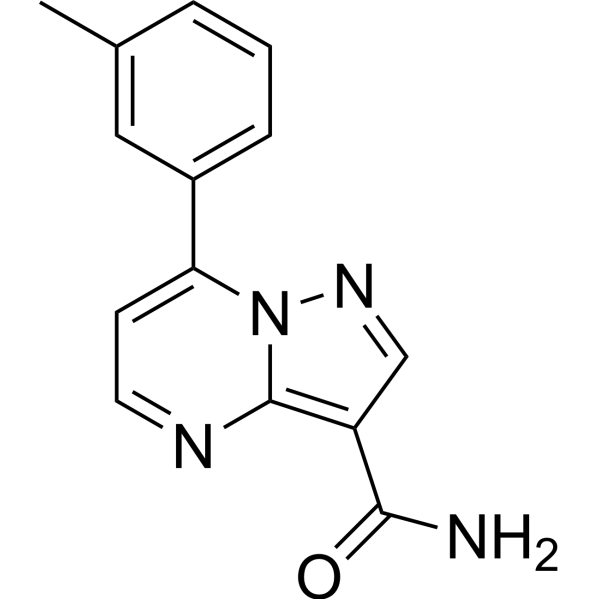
100 mg USD 550 · 250 mg USD 1,000 · 1 g USD 1,900 · 10 mM * 1 mL in DMSO USD 220CU-CPT-8m is a specific TLR8 antagonist, with an IC50 of 67 nM.
MQAEFeatured
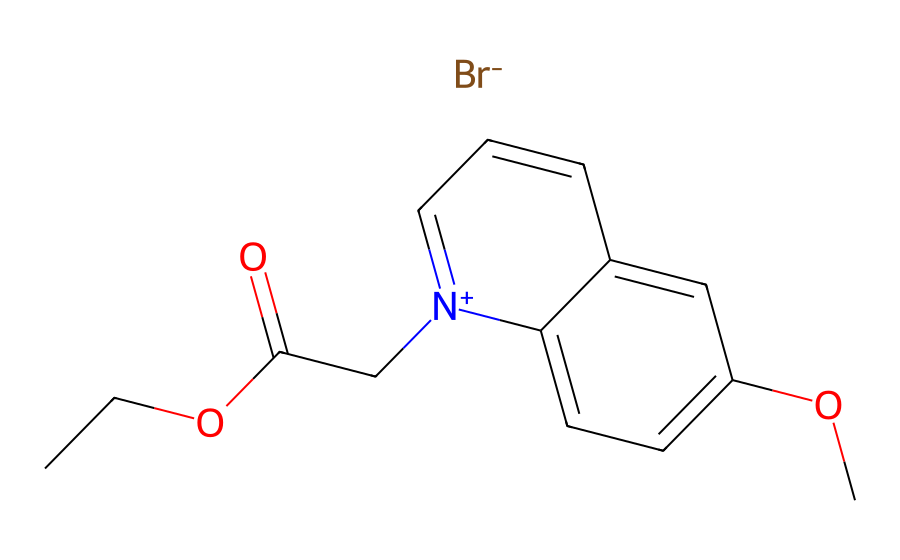
500 mg USD 300 · 1 g USD 550 · 2 g USD 900 · 10 mM * 1 mL in DMSO USD 150MQAE is a fluorescent indicator that is quenched via collision with chloride, and is more sensitive and selective than 36Cl and microelectrode-based methods for chloride measurement in cells.
GGTI 2418Featured
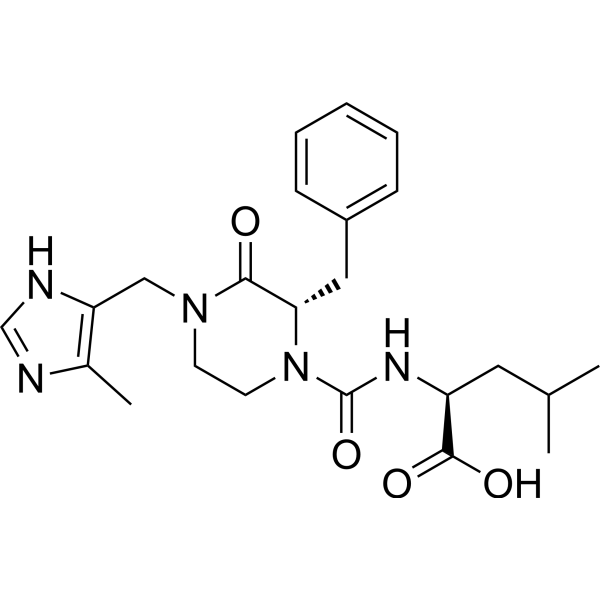
100 mg USD 650 · 250 mg USD 1,200 · 1 g USD 2,500GGTI-2418 is a highly potent, competitive, and selective geranylgeranyltransferase I (GGTase I) inhibitor. GGTI-2418 inhibits GGTase I and FTase activities with IC50s of 9.5 nM and 53 μM, respectively. GGTI-2418 also increases p27(Kip1) and induces significant regression of breast tumors[1].
AMG9810Featured
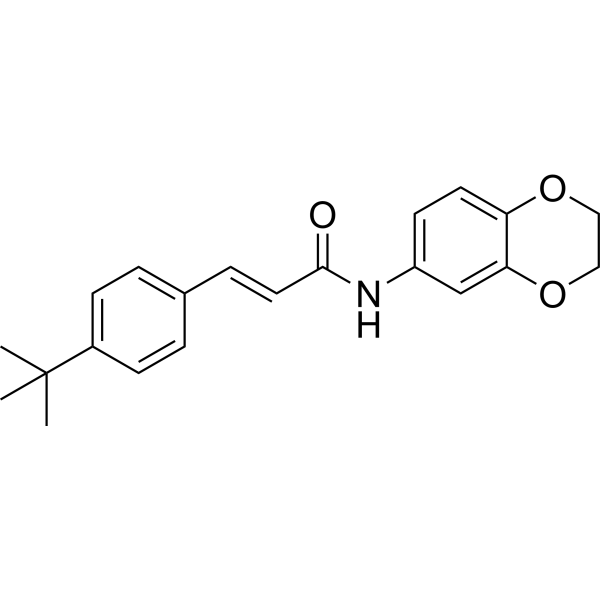
100 mg USD 450 · 250 mg USD 750 · 1 g USD 1,350 · 10 mM * 1 mL in DMSO USD 220AMG9810 is a selective and competitive vanilloid receptor 1 (TRPV1) antagonist with IC50 values of 24.5 and 85.6 nM for human and rat TRPV1, repectively.
CH5183284 (Debio-1347)Featured
100 mg USD 500 · 250 mg USD 900 · 1 g USD 1,700 · 10 mM * 1 mL in DMSO USD 220CH5183284 is an orally available and selective FGFR inhibitor with IC50s of 9.3, 7.6, and 22 nM for FGFR1, FGFR2, FGFR3, and FGFR4, respectively.
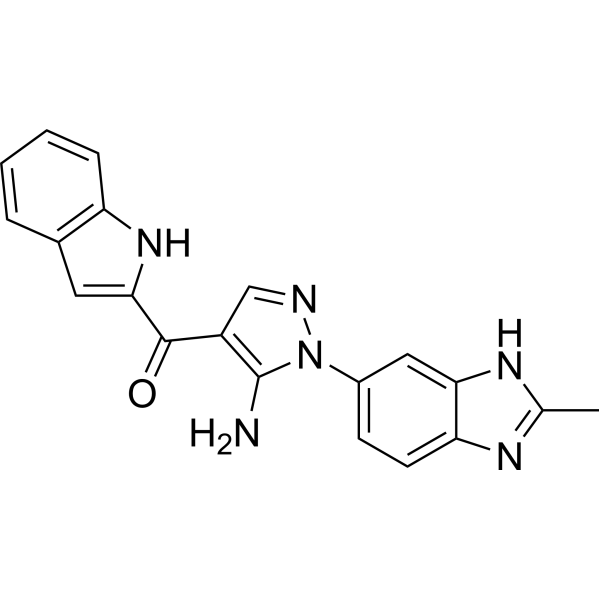
R162Featured
100 mg USD 500 · 250 mg USD 1,000 · 1 g USD 2,000 · 10 mM * 1 mL in DMSO USD 220R162 is a potent inhibitor of glutamate dehydrogenase 1 (GDH1), with anti-cancer properties.
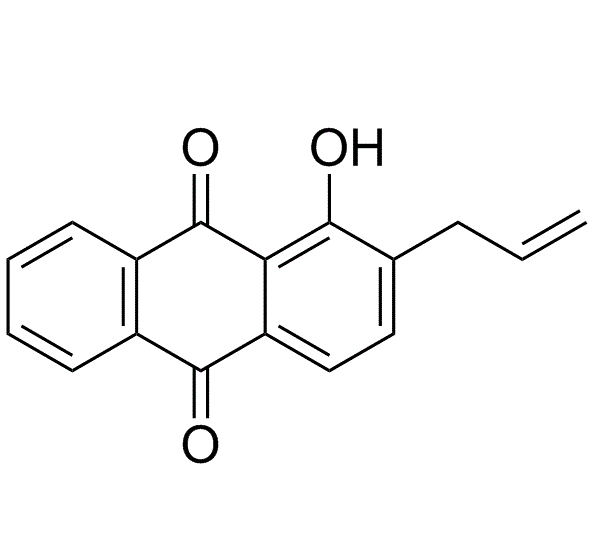
LMK-235Featured
100 mg USD 400 · 250 mg USD 750 · 1 g USD 1,500 · 10 mM * 1 mL in DMSO USD 150LMK-235 is a potent and selective HDAC4/5 inhibitor, inhibits HDAC5, HDAC4, HDAC6, HDAC1, HDAC2, HDAC11 and HDAC8, with IC50s of 4.22 nM, 11.9 nM, 55.7 nM, 320 nM, 881 nM, 852 nM and 1278 nM, respectively, and is used in cancer research.
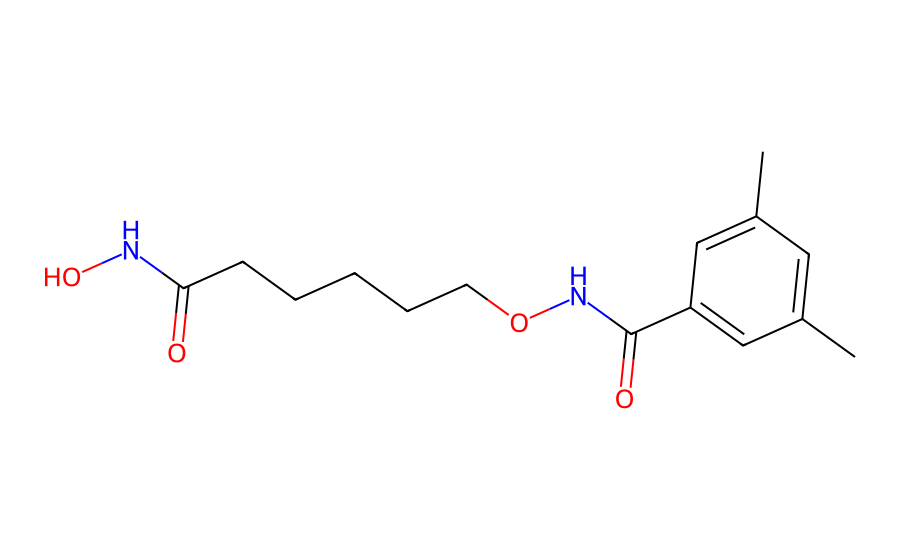
CVT-10216Featured
100 mg USD 450 · 250 mg USD 900 · 1 g USD 1,800 · 10 mM * 1 mL in DMSO USD 220CVT-10216 is a highly selective, reversible aldehyde dehydrogenase-2 (ALDH-2) inhibitor with an IC50 of 29 nM. CVT-10216 also has inhibitory effect of ALDH-1 with an IC50 of 1.3 μM. CVT-10216 can reduces excessive alcohol drinking in alcohol-preferring rats and exhibits anxiolytic effects[1].
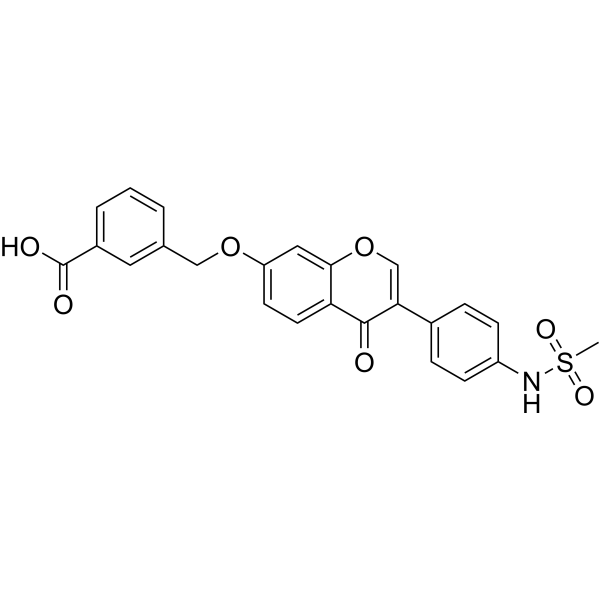
GNE-8324Featured
5mg USD 550GNE-8324 is a potent and selective NMDA receptor PAM.
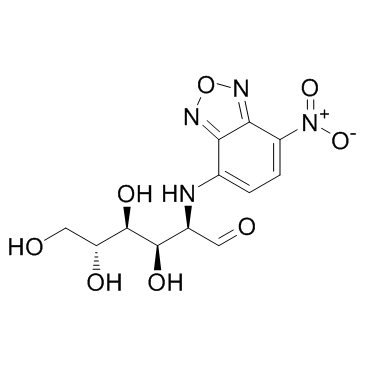
2-NBDGFeatured
100 mg USD 850 · 250 mg USD 1,700 · 1 g USD 3,400 · 10 mM * 1 mL in DMSO USD 2202-NBDG is a fluorescent indicator for direct glucose uptake measurement and also is an indicator of cell viability.
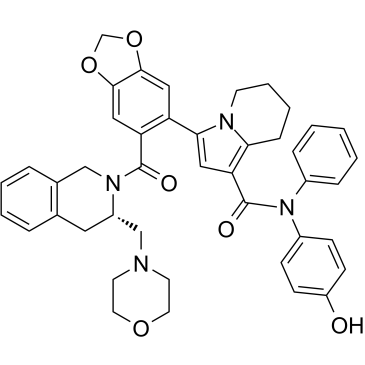
S55746 (BLC201)Featured
100 mg USD 1,300 · 10 mM * 1 mL in DMSO USD 220S55746 is an orally active, selective and potent BCL-2 inhibitor, with a Ki of 1.3 nM.
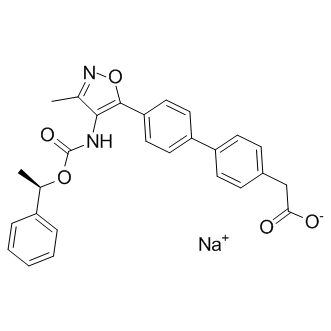
AM095Featured
100 mg USD 600 · 250 mg USD 1,100 · 1 g USD 1,950 · 10 mM * 1 mL in DMSO USD 220AM095 is a potent LPA1 receptor antagonist with IC50 values of 0.98 and 0.73 μM for recombinant human or mouse LPA1 respectively. AM095 is an LPA1 receptor antagonist with good oral exposure and antifibrotic activity in rodent models. In vitro, AM095 inhibited GTPγS binding to Chinese hamster ovary (CHO) cell membranes overexpressing recombinant human or mouse LPA1 with IC50 values of 0.98 and 0.73 μM, respectively, and exhibited no LPA1 agonism. In functional assays, AM095 inhibited LPA-driven chemotaxis of CHO cells overexpressing mouse LPA? (IC50= 778 nM) and human A2058 melanoma cells (IC50 = 233 nM). Another study showed that LPA/LPA1 pathway inhibition has the potential to be an effective new therapeutic strategy for systemic sclerosis (SSc), and that LPA1 is an attractive pharmacologic target in dermal fibrosis.
Cabotegravir SodiumFeatured
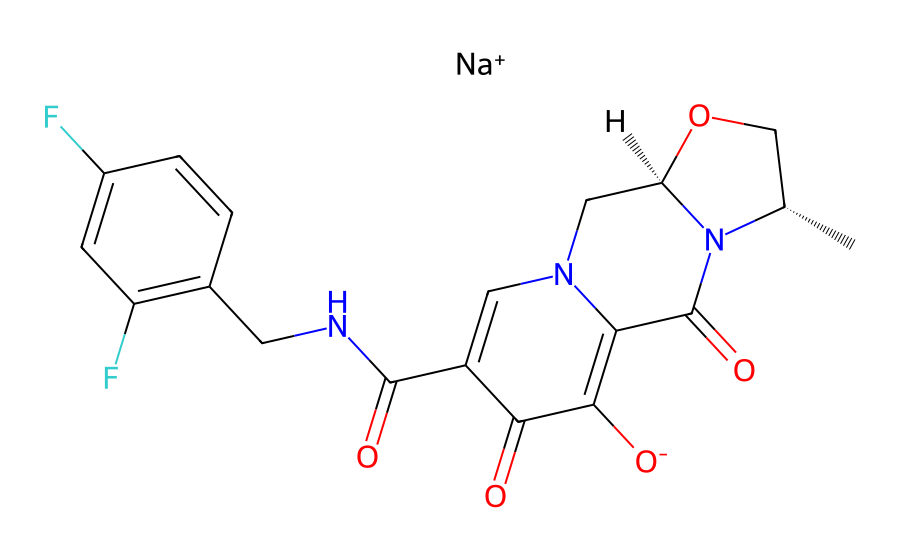
100 mg USD 500 · 250 mg USD 900 · 1 g USD 1,800 · 10 mM * 1 mL in DMSO USD 220Cabotegravir, also known as S/GSK1265744 or GSK744, is potent HIV integrase inhibitor under development for the treatment of HIV infection. Cabotegravir has a carbamoyl pyridone structure similar to dolutegravir.
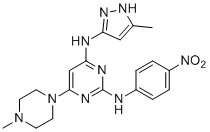
AKI603Featured
100mg USD 700 · 250mg USD 1,200 · 1g USD 2,400A novel small molecule Aurora A kinase inhibitor with IC50 of 12.3 nM, also inhibits Aurora B kinase activity to a less extent; disrupts normal spindle structure, and induces cell-cycle arrest; suppresses stem cell properties in breast cancer cells, and also suppresses the expression of self-renewal genes (β-catenin, c-Myc, Sox2, and Oct4); reduces xenograft tumor growth after intragastric administration.
SLC25A1 inhibitor CTPI-2Featured
100 mg USD 700 · 250 mg USD 950 · 1 g USD 1,800 · 10 mM * 1 mL in DMSO USD 220CTPI-2 is a third-generation mitochondrial citrate carrier SLC25A1 inhibitor with a KD of 3.5 μM. CTPI-2 inhibits glycolysis, PPARγ, and its downstream target the glucose transporter GLUT4. CTPI-2 halts salient alterations of NASH reverting steatosis, preventing the evolution to steatohepatitis, reducing inflammatory macrophage infiltration in the liver and adipose tissue, and starkly mitigating obesity induced by a high-fat diet. Antitumor activity[1][2].

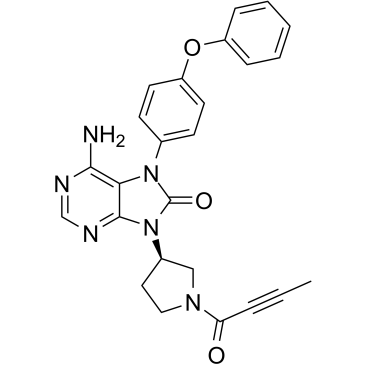
ONO-4059(Tirabrutinib)Featured
100 mg USD 450 · 250 mg USD 900 · 1 g USD 1,700 · 10 mM * 1 mL in DMSO USD 220Tirabrutinib (ONO-4059) is a highly selective, orally bioavailable BTK inhibitor with an IC50 of 2.2 nM.
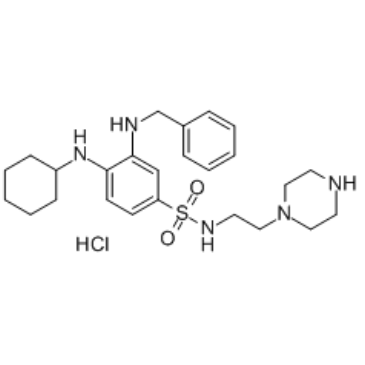
UAMC-3203 hydrochlorideFeatured
100 mg USD 250 · 250 mg USD 500 · 1 g USD 1,000 · 10 mM * 1 mL in DMSO USD 150UAMC-3203 hydrochloride is a potent and selective Ferroptosis inhibitor with an IC50 of 12 nM[1].
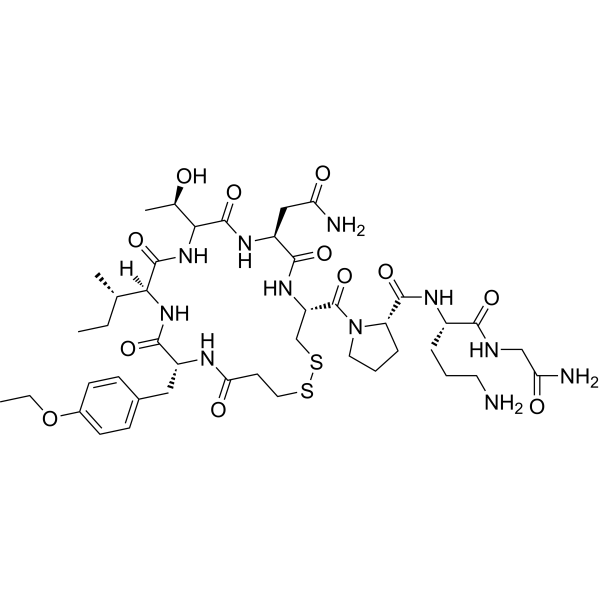
AtosibanFeatured
100 mg USD 350 · 250 mg USD 600 · 1 g USD 1,200 · 10 mM * 1 mL in DMSO USD 150Atosiban(RW22164; Tractocile) is a nonapeptide, desamino-oxytocin analogue, and a competitive vasopressin/oxytocin receptor antagonist (VOTra). Atosiban inhibits the oxytocin-mediated release of inositol trisphosphate from the myometrial cell membrane.As a result, there is reduced release of intracellular, stored calcium from the sarcoplasmic reticulum of myometrial cells, and reduced influx of Ca2+ from the extracellular space through voltage gated channels. In addition, atosiban suppresses oxytocin-mediated release of PGE and PGF from the decidua.[1][2] In human pre-term labour, atosiban, at the recommended dosage, antagonises uterine contractions and induces uterine quiescence. The onset of uterus relaxation following atosiban is rapid, uterine contractions being significantly reduced within 10 minutes to achieve stable uterine quiescence.
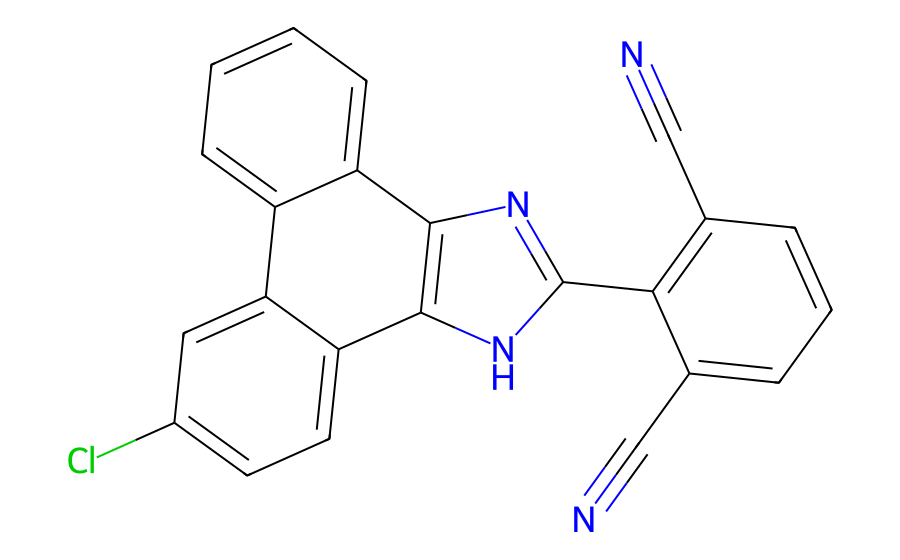
MF63Featured
100 mg USD 650 · 250 mg USD 1,200 · 1 g USD 2,300 · 10 mM * 1 mL in DMSO USD 220MF63 is a selective mPGES-1 inhibitor with an IC50 of 0.9 nM and 1.3 nM for pig mPGES-1 and human mPGES-1 enzyme, respectively. IC50 value: 0.9 nM ( pig mPGES-1); 1.3 nM (human mPGES-1)Target: mPGES-1MF63 potently inhibited the human mPGES-1 enzyme with a high degree (>1000-fold) of selectivity over other prostanoid synthases. In rodent species, MF63 strongly inhibited guinea pig mPGES-1 but not the mouse or rat enzyme. When tested in the guinea pig and a knock-in (KI) mouse expressing human mPGES-1, the compound selectively suppressed the synthesis of PGE(2), but not other prostaglandins inhibitable by nonsteroidal anti-inflammatory drugs (NSAIDs), yet retained NSAID-like efficacy at inhibiting lipopolysaccharide-induced pyresis, hyperalgesia, and iodoacetate-induced osteoarthritic pain.
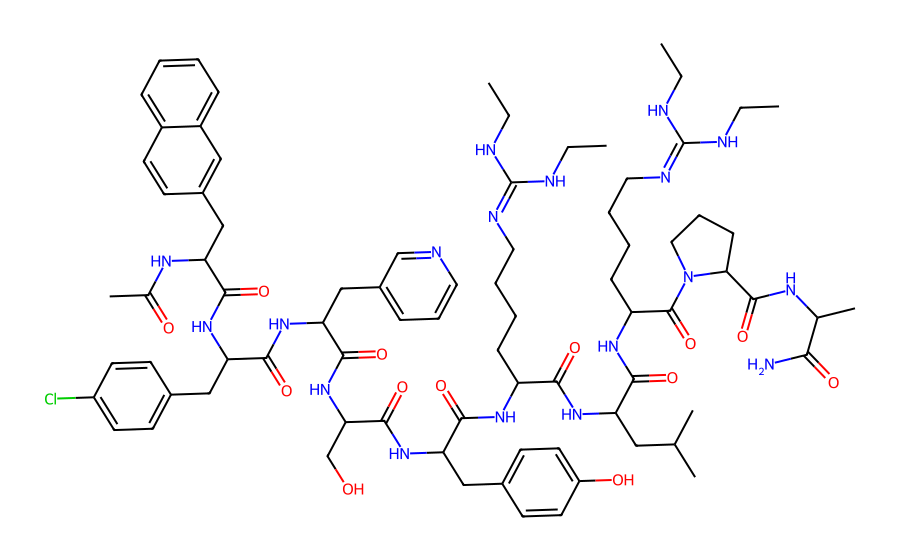
GanirelixFeatured
100 mg USD 950 · 250 mg USD 1,700 · 1 g USD 3,200 · 10 mM * 1 mL in DMSO USD 220Ganirelix is a man-made form of a protein that reduces the amount of certain hormones in the body, including estrogen.
No products match this search.
Page 79 of 184 · Browse all 3666 products