
Research lipid catalog
Ionizable Lipid Products
Explore 848 lipid and RNA delivery products. Search the full catalog or browse by research category.
Search covers product name, catalog number, synonyms, available CAS numbers and categories. Spaces, hyphens and common punctuation are ignored. Duplicate legacy records are consolidated under one canonical product result.
4677 products · Showing 4301–4320 · 20 per page
DC Chemicals lipid expertise
Built for ionizable-lipid discovery and RNA delivery research
DC Chemicals supports formulation and delivery research with a broad, searchable portfolio of cationic and ionizable lipids. The current directory brings together 848 unique research-use products, with product specifications, pricing, chemical structures and literature-linked formulation data added as each record is verified.
Our experience spans complex lipid synthesis, purification, analytical release and process development. For custom molecules or larger-scale requirements, our team can discuss route development, technical specifications and scale-up options for the intended research workflow.
Learn about cationic and ionizable lipids →Proprietary innovation · Co-development · GMP
From proprietary lipid design to GMP-grade custom synthesis
DC Chemicals has independently developed ionizable-lipid structures supported by company-owned intellectual property, and selected proprietary lipid programs have advanced to GMP-stage development.
We welcome joint development with customers—from molecular design and lipid synthesis through route and process development. We can also support custom synthesis of GMP-grade ionizable lipids to agreed technical specifications and quality requirements.
Discuss a co-development project →Proprietary ionizable-lipid structuresCollaborative molecular designCustom lipid synthesisProcess development and scale-upGMP-grade project support
Product quick links
Explore New ionizable lipids
Explore our five most recently added ionizable lipids, with specifications, pricing and literature-linked product information.
DCL0028HX1Brain RNA delivery researchView product →DCL0024A1I4R13C18-2Spleen-targeted RNA delivery researchView product →DCL0023A1I4R2C18-2Spleen-targeted RNA delivery researchView product →DCL0022FS01Local joint RNA delivery researchView product →DCL0020Lipid-392Lung RNA delivery and gene editing researchView product →
Cat. No.Product NameField of ApplicationChemical Structure
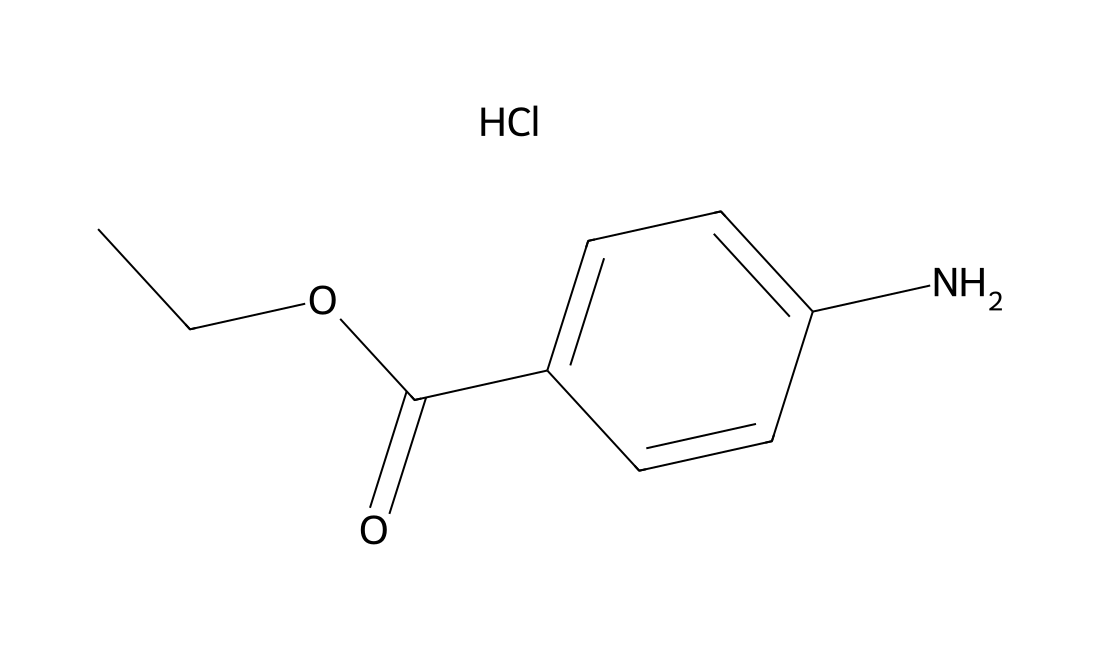
Benzocaine hydrochlorideFeatured
Benzocaine hydrochloride is a surface anesthetic that acts by preventing transmission of impulses along nerve fibers and at nerve endings.
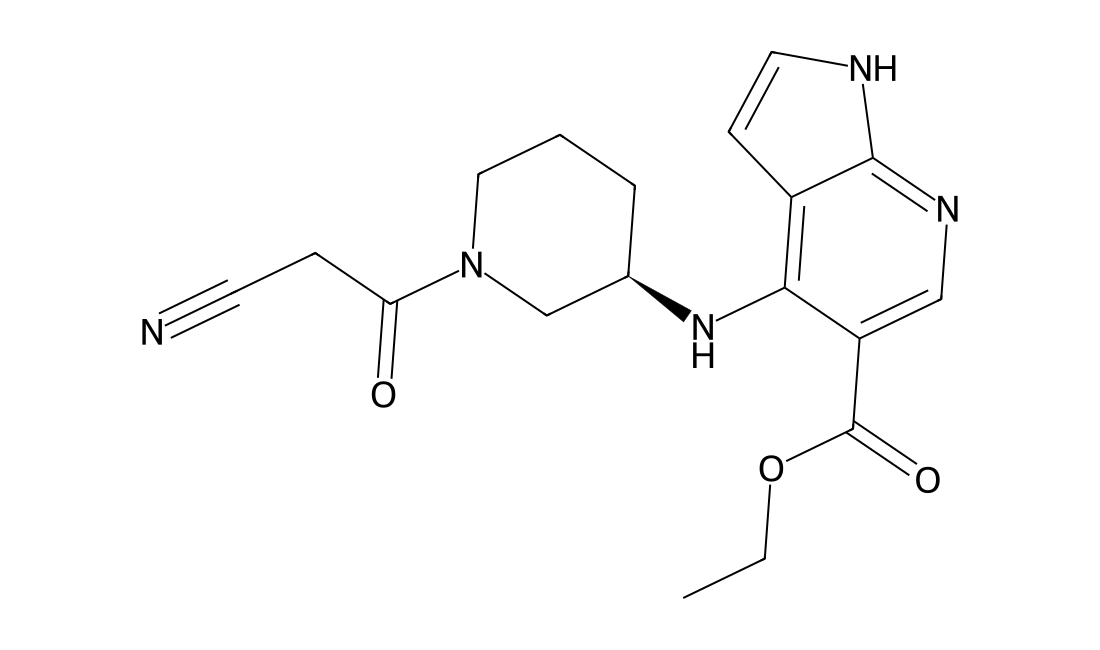
Lepzacitinib (ATI-1777)Featured
Lepzacitinib is a Janus kinase inhibitor targeting to JAK 1/3. Lepzacitinib exhibits anti-inflammatory effect and inhibits atopic dermatitis and other skin diseases.
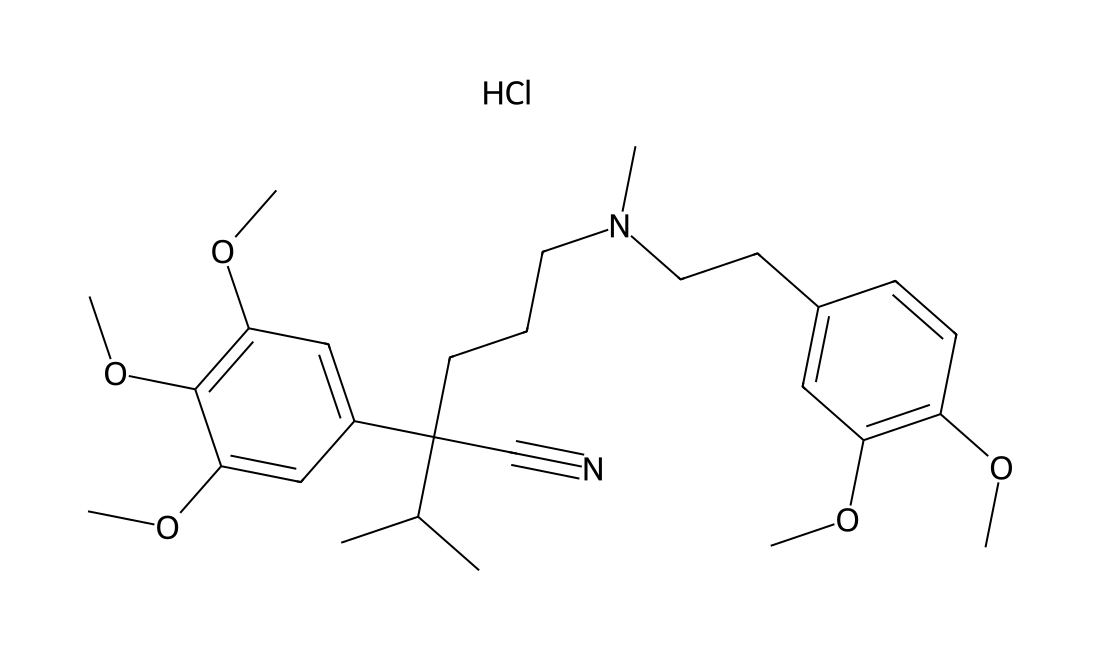
Gallopamil hydrochlorideFeatured
Gallopamil hydrochloride (Methoxyverapamil hydrochloride), a methoxy derivative of Verapamil, is a phenylalkylamine calcium antagonist. Gallopamil hydrochloride inhibits acid secretion in a concentration-dependent manner with an IC50 of 10.9 μM. Gallopamil hydrochloride is a potent antiarrhythmic and vasodilator agent.
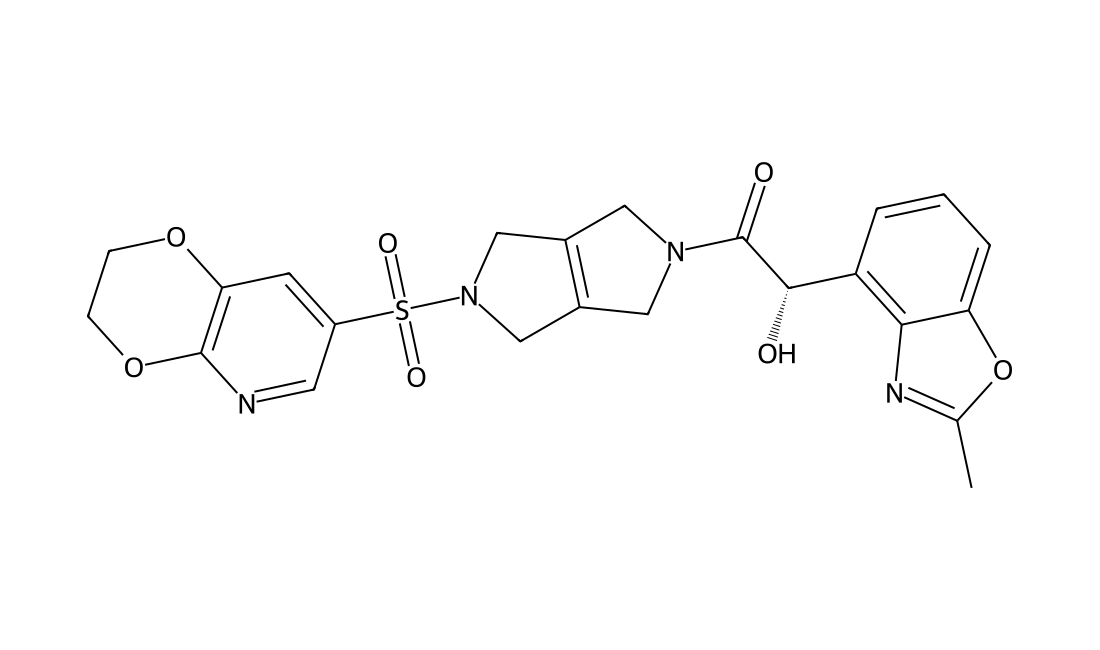
FT709Featured
FT709 is a potent and selective USP9X inhibitor, an IC50 of 82 nM. USP9X has been linked with centrosome function, chromosome alignment during mitosis, EGF receptor degradation, chemo-sensitization, and circadian rhythms.
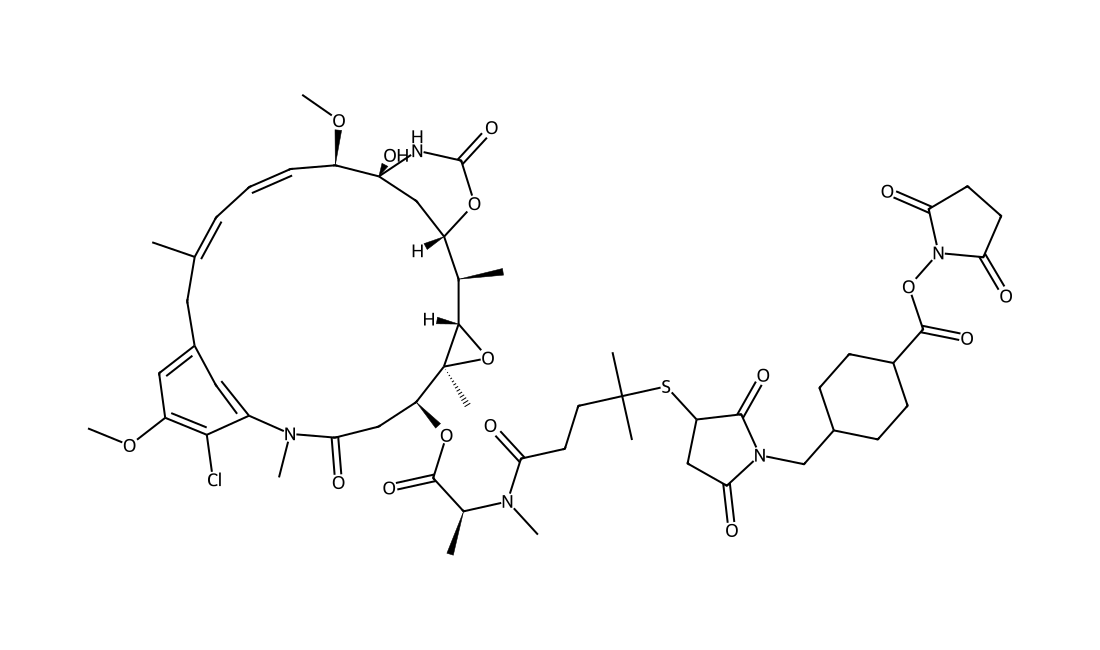
DM4-SMCCFeatured
DM4-SMCC is an antibody-drug conjugate (ADC) payload that combines the potent antitubulin agent DM4 with a non-cleavable SMCC linker. This conjugate is designed to deliver cytotoxic effects specifically to tumor cells, leveraging DM4's ability to disrupt microtubule dynamics. The stable SMCC linker ensures controlled drug release, enhancing the ADC's antitumor activity while minimizing off-target toxicity.
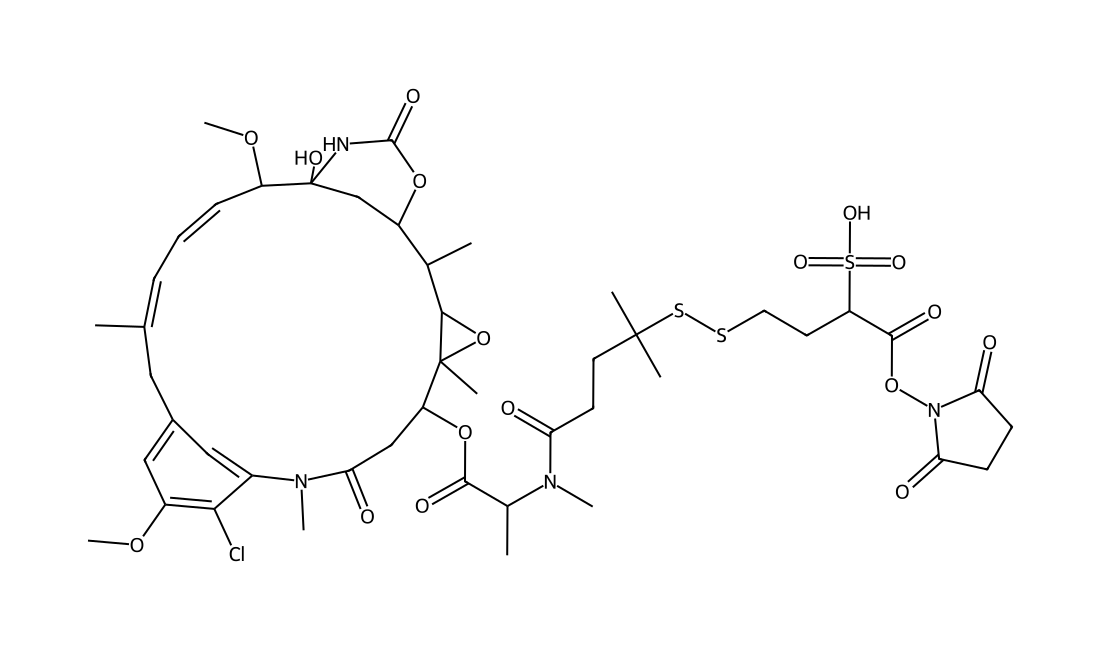
sulfo-SPDB-DM4Featured
sulfo-SPDB-DM4 is a agent-linker conjugate for ADC by using the maytansinebased payload (DM4, an antitubulin agent) via the sulfo-SPDB linker.
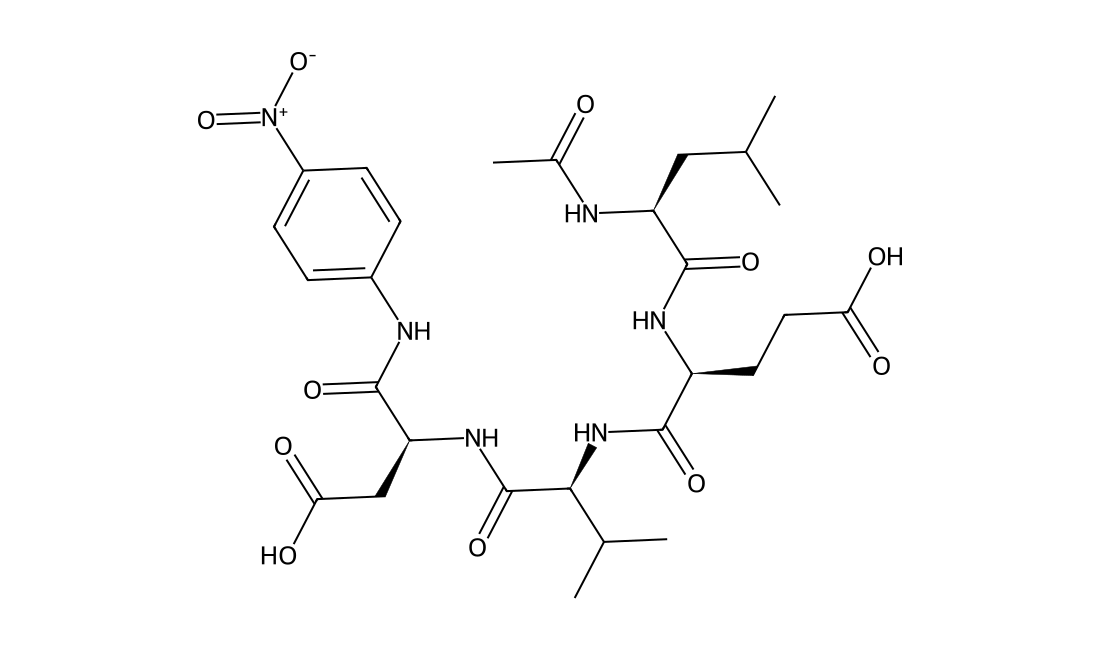
Ac-LEVD-pNA(caspase-4 substrate)Featured
Ac-LEVD-pNA is a chromogenic substrate for caspase-4 and can be used to detect caspase-4 activity.
X-376Featured
X-376 is a highly selective and potent inhibitor of ALK (anaplastic lymphoma kinase) tyrosine kinase, demonstrating strong activity with an IC50 of 0.61 nM. While it primarily targets ALK, it also exhibits inhibitory effects on MET kinase, though with slightly reduced potency (IC50 = 0.69 nM). Due to its robust kinase-blocking properties, X-376 shows significant anti-tumor efficacy, making it a promising candidate for cancer research and therapeutic development.
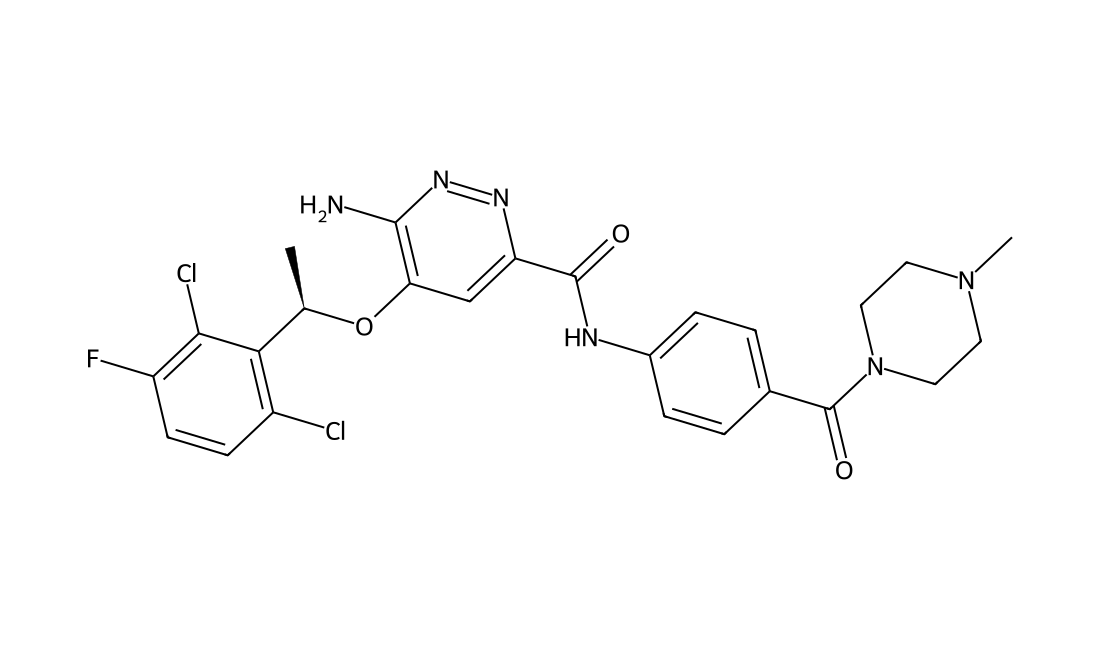
X396Featured
Ensartinib, also known as X-396, is an orally available small molecule inhibitor of the receptor tyrosine kinase anaplastic lymphoma kinase (ALK) with potential antineoplastic activity. Upon oral administration, X-396 binds to and inhibits ALK kinase, ALK fusion proteins and ALK point mutation variants. Inhibition of ALK leads to the disruption of ALK-mediated signaling and eventually inhibits tumor cell growth in ALK-expressing tumor cells. ALK belongs to the insulin receptor superfamily and plays an important role in nervous system development.
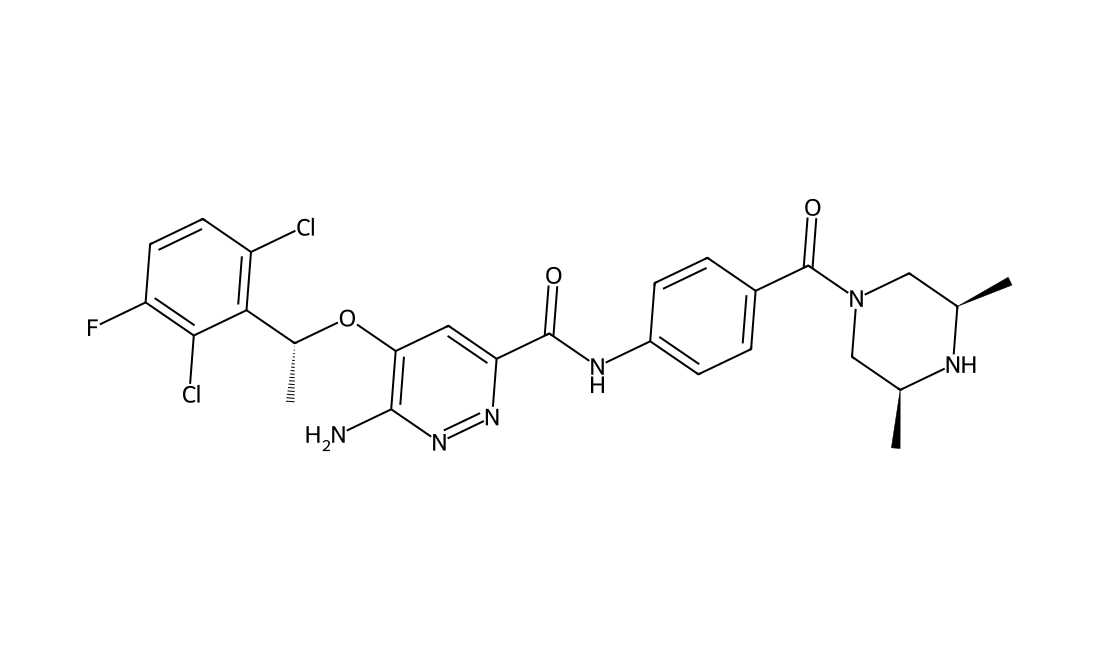
VU0238441Featured
VU0238441 is a pan muscarinic acetylcholine receptor (mAChR) positive allosteric modulator (PAM) with EC50s of 3.2 μM, 2.8 μM, 2.2 μM, 2.1 μM, >10 μM for M1, M2, M3, M5 and M4, respectively.
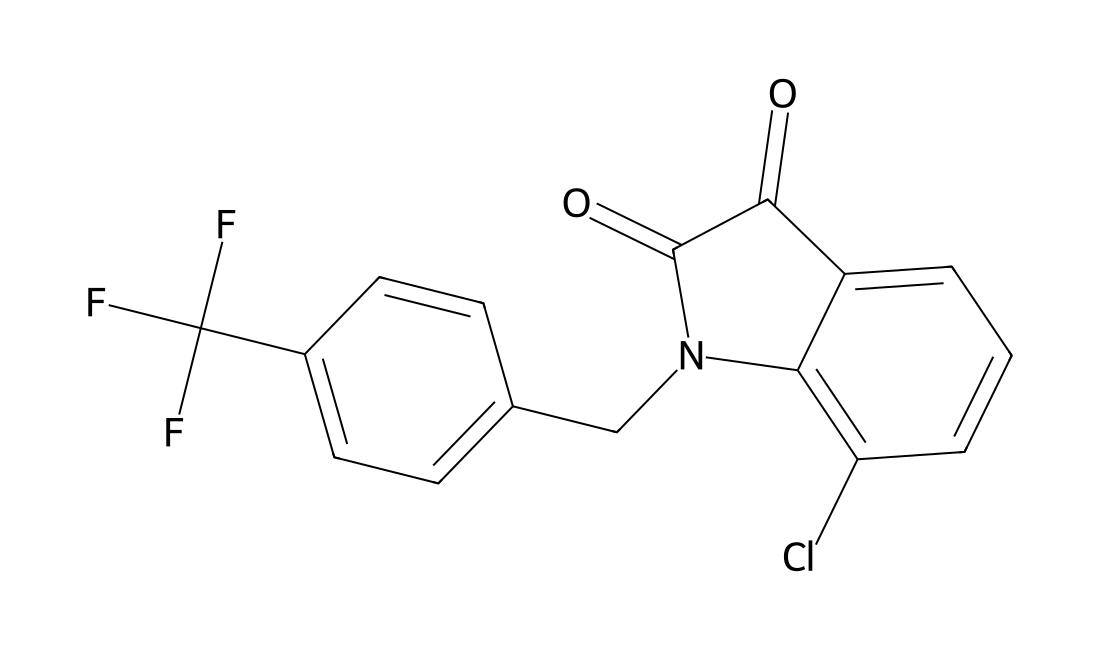
Dox-btn2Featured
Dox-btn2 is a biotinylated derivative of Doxorubicin, with a biotin label at the point of conjugation to doxorubicin at 3'-NH2. Dox-btn2 can be used for cell imaging. While Doxorubicin is mainly accumulated in the nucleus, while Dox-btn2 is mainly located in the cytoplasm.
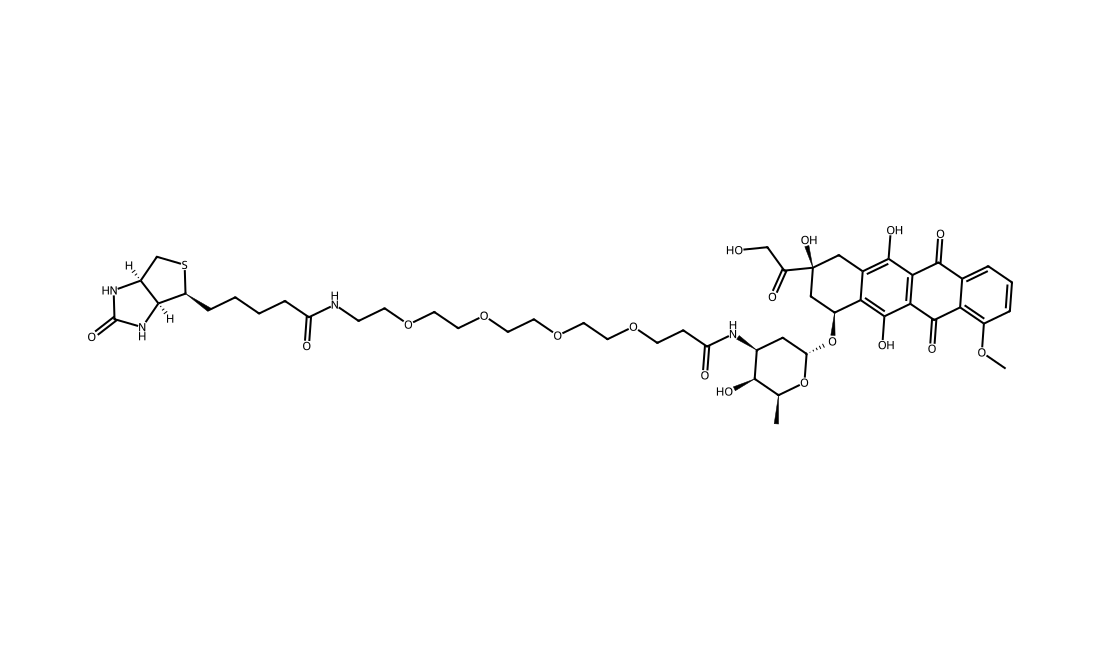
PhenylacetylglutamineFeatured
Phenylacetylglutamine is used as biomarker for metabolic age.
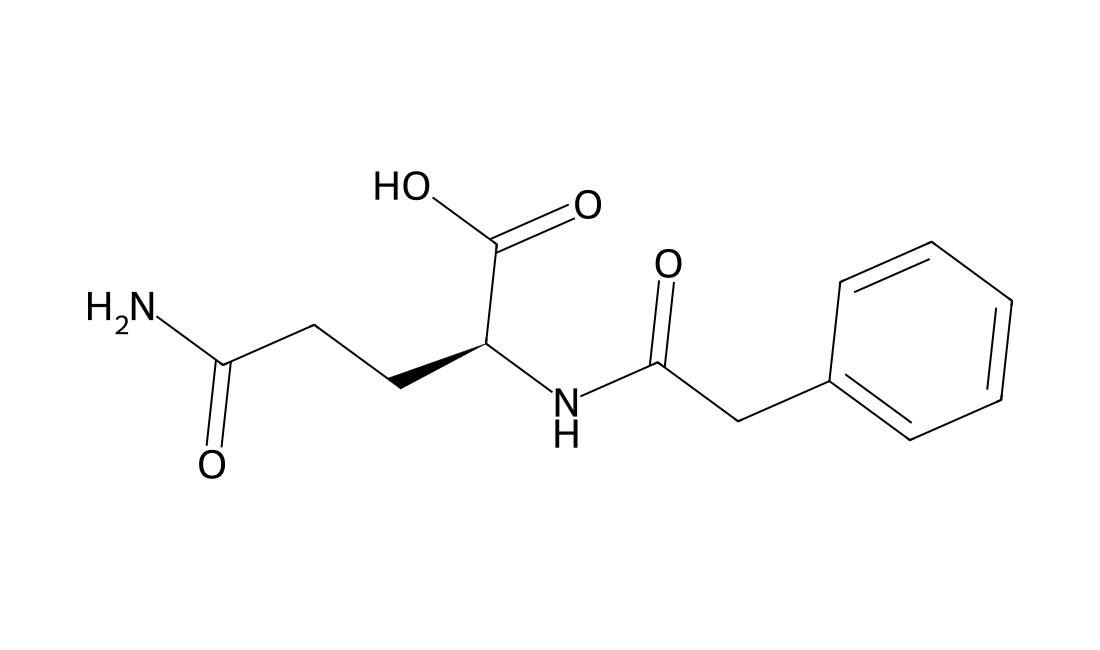
DC-LC3in-D5Featured
DC-LC3in-D5 acts as an autophagy inhibitor by attenuating LC3B lipidation. DC-LC3in-D5 binds with LC3B. DC-LC3in-D5 disrupts the LC3B-LBP2 interaction with an IC50 of 200 nM. DC-LC3in-D5 may contribute to anti-HCV or combination treatments in cancer through inhibiting autophagy.
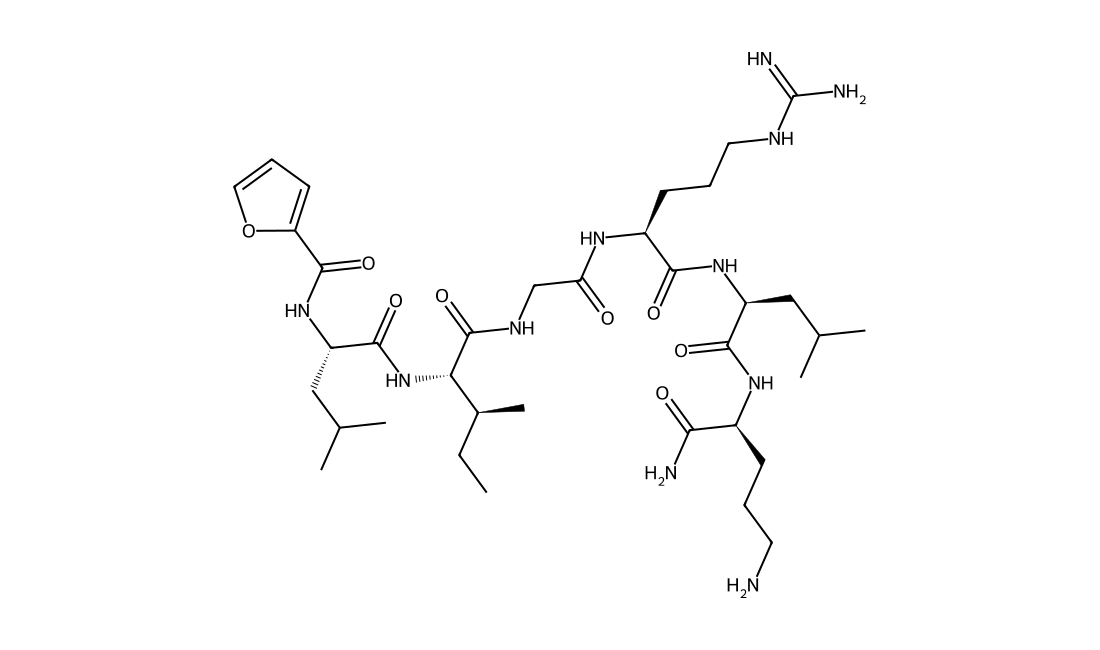
2-furoyl-ligrlo-amideFeatured
2-Furoyl-LIGRLO-amide is a potent and selective proteinase-activated receptor 2 (PAR2) agonist with a pD2 value of 7.0.
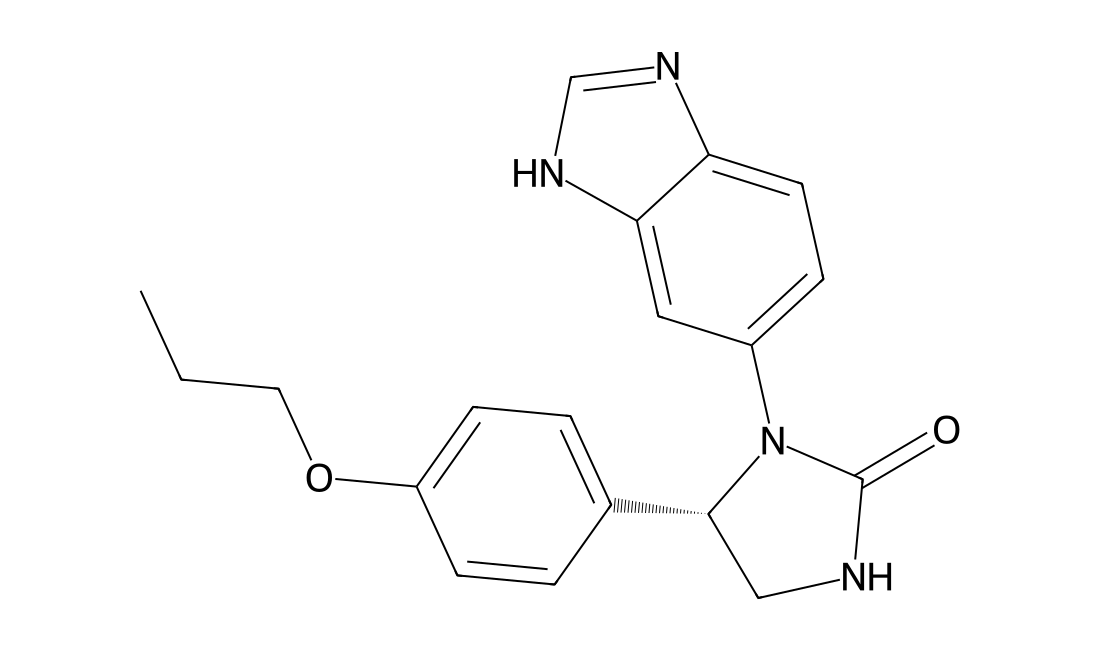
PQ912Featured
Varoglutamstat (PQ912) is a potent glutaminyl cyclase (QC) inhibitor with Ki values of 20-65 nM for human, rat, and mouse QC activity.
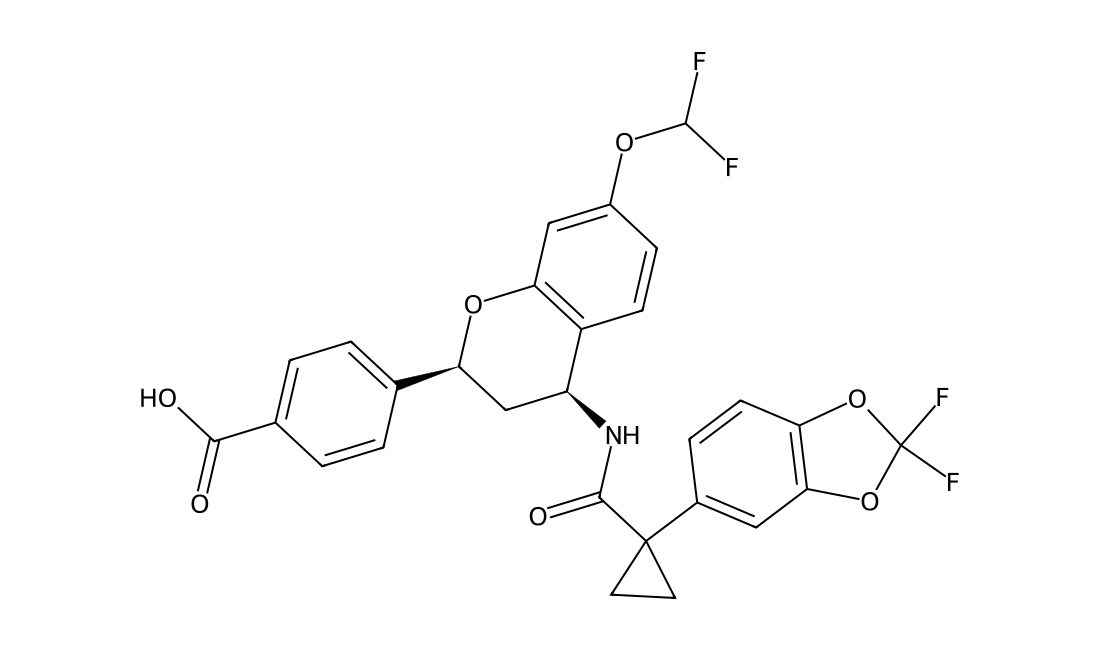
GalicaftorFeatured
Galicaftor (ABBV-2222/GLPG-2222) is an orally bioavailable small molecule that functions as a CFTR corrector, demonstrating potential for therapeutic development in cystic fibrosis research.
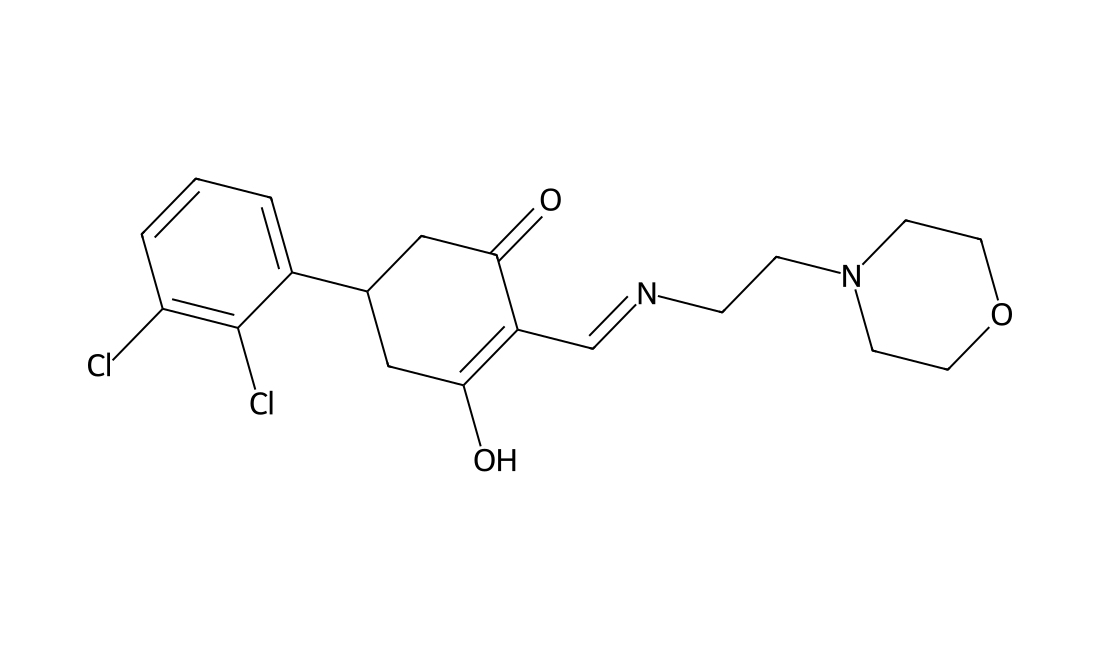
EN25 is a covalent allosteric inhibitor of glutamate-cysteine ligase (GCL), selectively targeting cysteine residue C114 on the GCLM regulatory subunit with an IC50 of 16 μM.
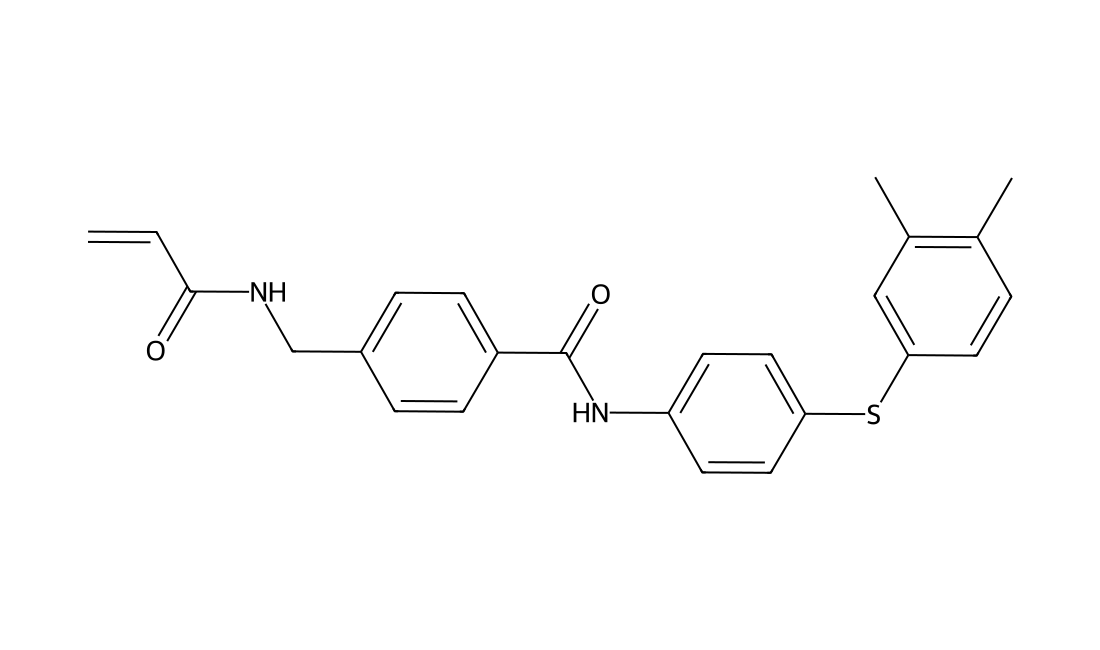
AF615Featured
AF615 is a potent small-molecule disruptor of the CDT1/Geminin interaction, exhibiting IC50 values of 0.313 μM. This compound demonstrates selective genotoxic effects in cancer cells, including DNA synthesis inhibition, cell cycle arrest, and reduced viability. Binding studies reveal differential affinity for protein variants (Ki = 0.37 μM for Geminin-tCDT1 vs 0.75 μM for Geminin-miniCDT1).
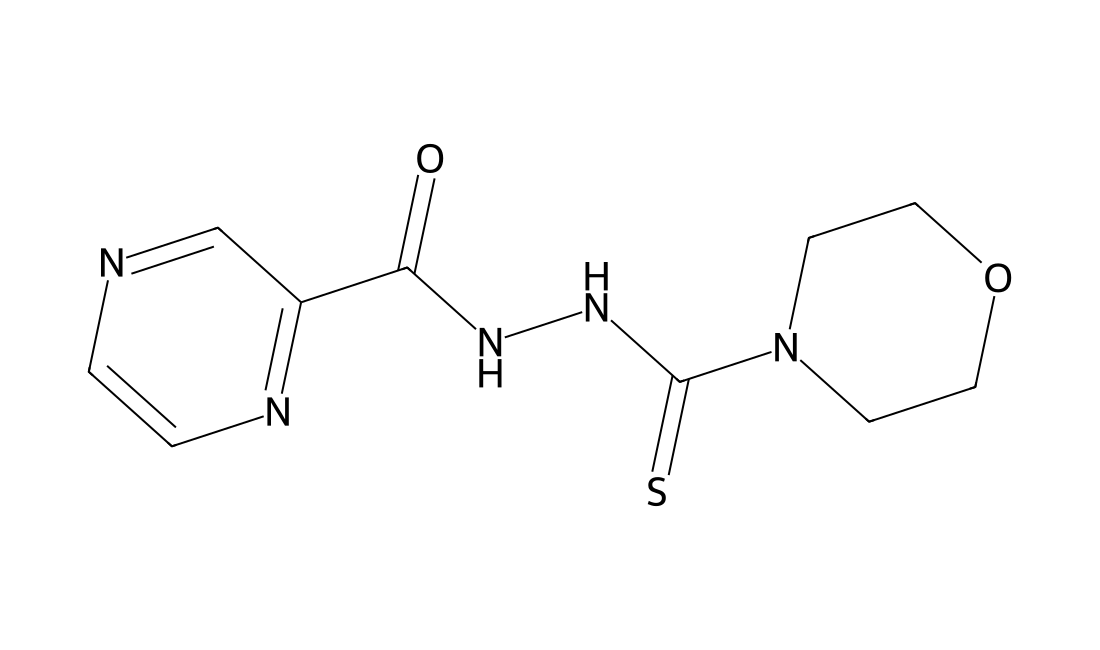
WAY-622216Featured
altering the lifespan of a eukaryotic organism; anti-viral;
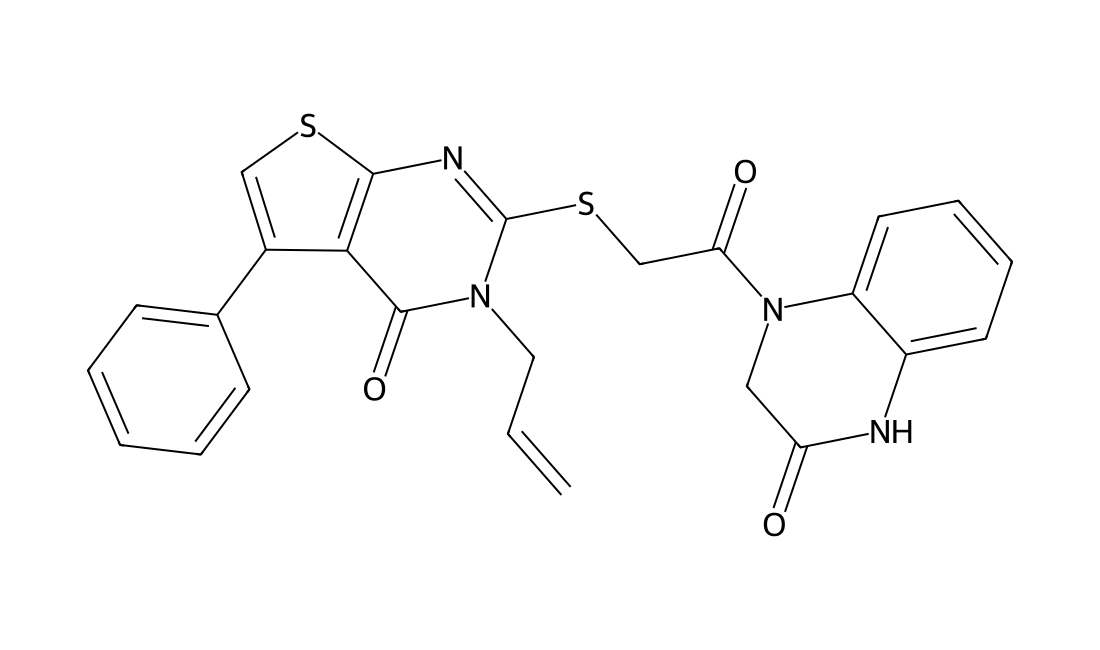
WAY-324101Featured
Protein tyrosine Phosphatase 1B (PTP1B) agonist
No products match this search.
Page 216 of 234 · Browse all 4677 products
Jump to a product page
Featured literature product: HX1 · DCL0028
HX1 is a hydroxyzine-derived ionizable lipid with acetal-containing tails, studied in lipid nanoparticles for brain mRNA delivery and CRISPR–Cas9 delivery. It was the lead in the reported in vivo brain-delivery screen; evidence is preclinical and formulation-dependent.
Read full formulation and performance →