
Research lipid catalog
Ionizable Lipid Products
Explore 848 lipid and RNA delivery products. Search the full catalog or browse by research category.
Search covers product name, catalog number, synonyms, available CAS numbers and categories. Spaces, hyphens and common punctuation are ignored. Duplicate legacy records are consolidated under one canonical product result.
4677 products · Showing 4361–4380 · 20 per page
DC Chemicals lipid expertise
Built for ionizable-lipid discovery and RNA delivery research
DC Chemicals supports formulation and delivery research with a broad, searchable portfolio of cationic and ionizable lipids. The current directory brings together 848 unique research-use products, with product specifications, pricing, chemical structures and literature-linked formulation data added as each record is verified.
Our experience spans complex lipid synthesis, purification, analytical release and process development. For custom molecules or larger-scale requirements, our team can discuss route development, technical specifications and scale-up options for the intended research workflow.
Learn about cationic and ionizable lipids →Proprietary innovation · Co-development · GMP
From proprietary lipid design to GMP-grade custom synthesis
DC Chemicals has independently developed ionizable-lipid structures supported by company-owned intellectual property, and selected proprietary lipid programs have advanced to GMP-stage development.
We welcome joint development with customers—from molecular design and lipid synthesis through route and process development. We can also support custom synthesis of GMP-grade ionizable lipids to agreed technical specifications and quality requirements.
Discuss a co-development project →Proprietary ionizable-lipid structuresCollaborative molecular designCustom lipid synthesisProcess development and scale-upGMP-grade project support
Product quick links
Explore New ionizable lipids
Explore our five most recently added ionizable lipids, with specifications, pricing and literature-linked product information.
DCL0028HX1Brain RNA delivery researchView product →DCL0024A1I4R13C18-2Spleen-targeted RNA delivery researchView product →DCL0023A1I4R2C18-2Spleen-targeted RNA delivery researchView product →DCL0022FS01Local joint RNA delivery researchView product →DCL0020Lipid-392Lung RNA delivery and gene editing researchView product →
Cat. No.Product NameField of ApplicationChemical Structure
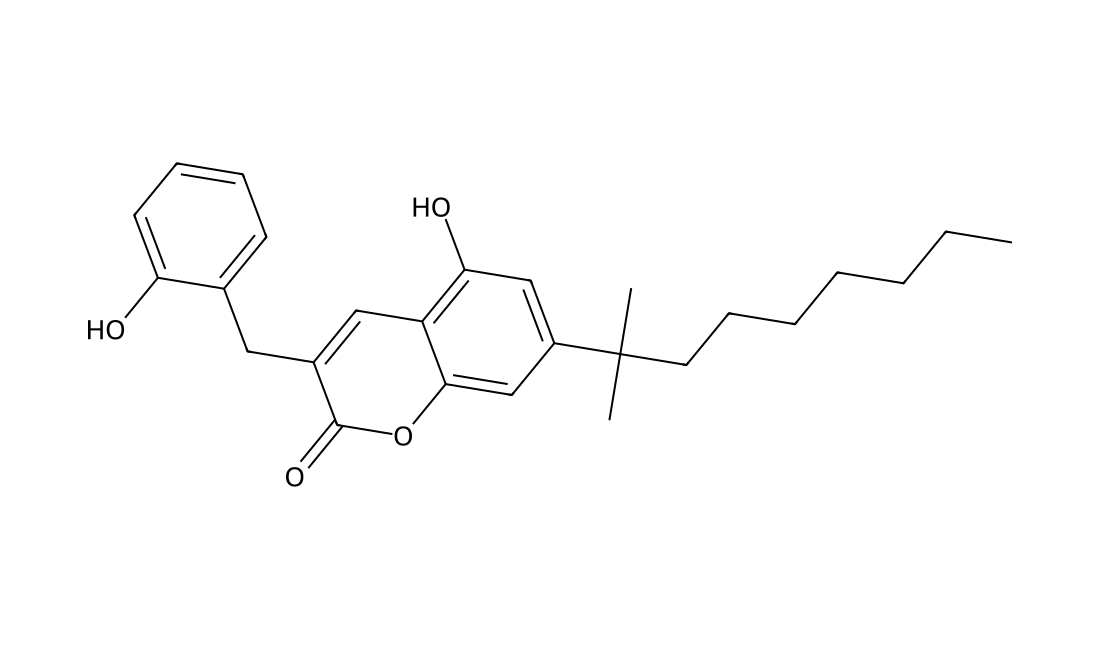
PSB-SB-487Featured
PSB-SB-487 demonstrates dual receptor activity, functioning as a potent GPR55 antagonist (IC50 = 113 nM) while also acting as a CB2 receptor agonist (Ki = 292 nM at human CB2). This compound shows therapeutic potential for investigating metabolic disorders, neurodegenerative conditions, pain pathways, and oncological applications.
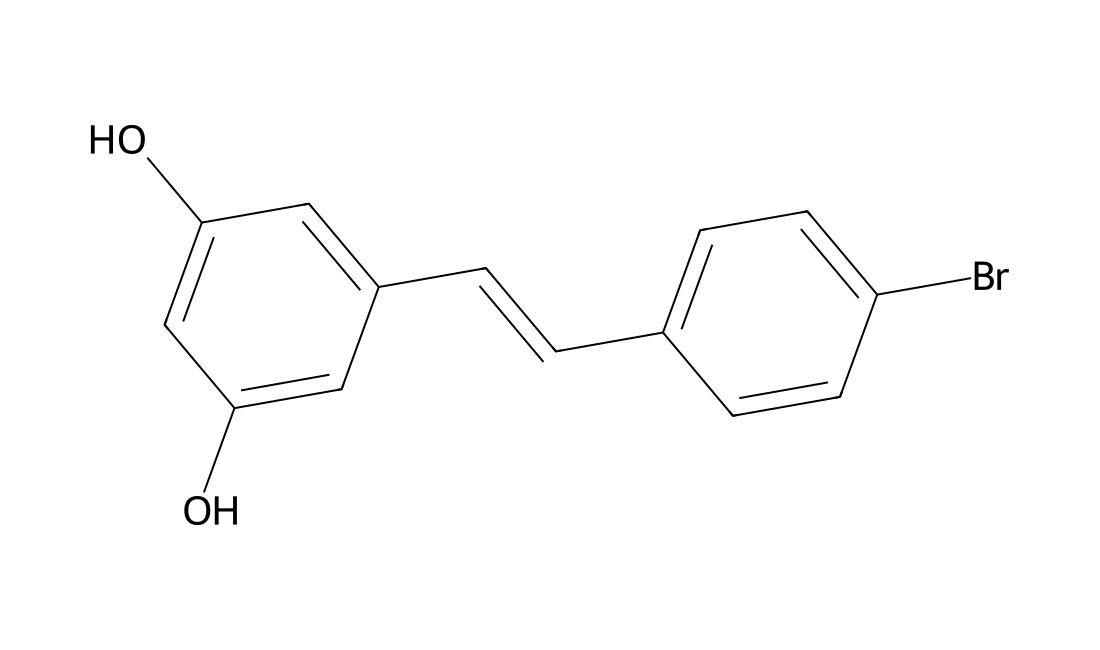
4'-Bromo-resveratrolFeatured
4'-bromo-resveratrol, a brominated analog of resveratrol, shows significant anticancer properties through its unique capacity to inhibit SIRT1 and SIRT3 simultaneously. In melanoma models, it alters cellular metabolism by targeting mitochondrial function, leading to cell cycle arrest and induction of programmed cell death. This multimodal mechanism suggests potential applications in overcoming treatment resistance.
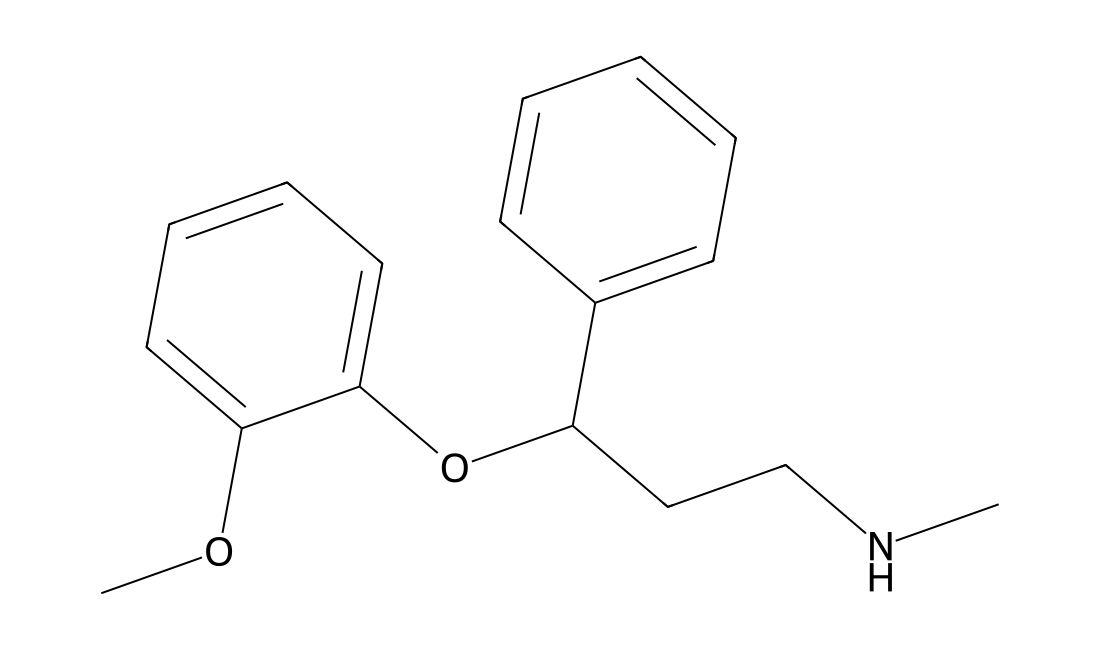
NisoxetineFeatured
Nisoxetine acts as a highly selective and potent noradrenaline transporter (NET) antagonist, exhibiting a binding affinity (Kd) of 0.76 nM. In addition to its antidepressant properties, nisoxetine functions as a local anesthetic by inhibiting voltage-gated sodium channels. This dual pharmacological activity makes it a compound of interest for both neurological and pain management research.
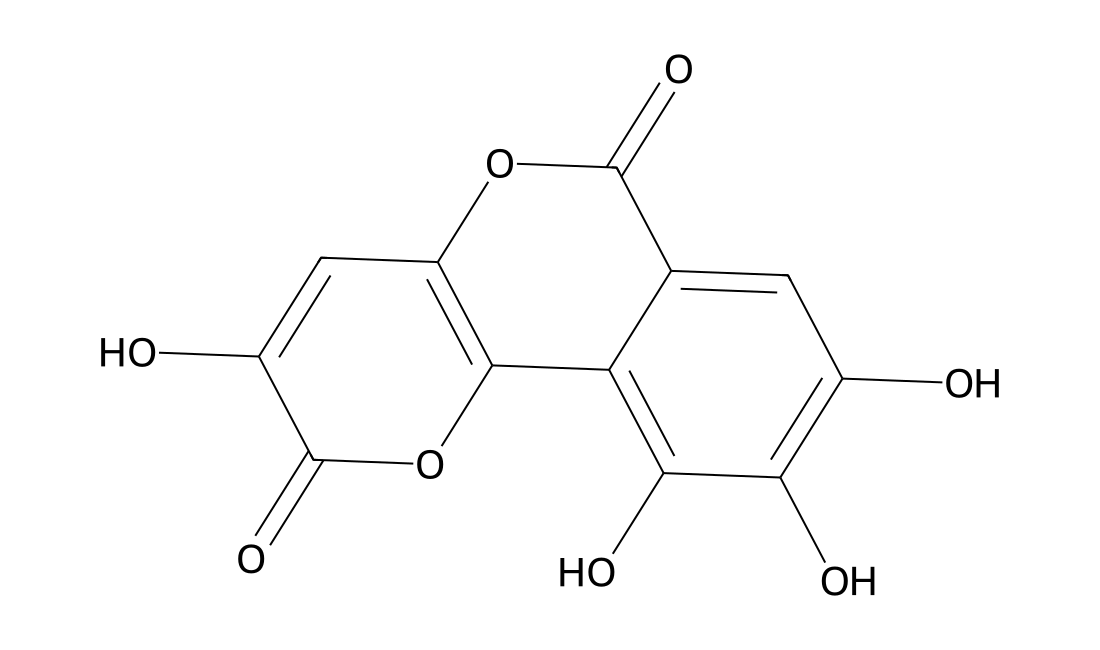
GalloflavinFeatured
Galloflavin is a strong inhibitor of lactate dehydrogenase (LDH), effectively targeting both LDH-A and LDH-B isoforms with calculated inhibitory constants (Ki) of 5.46 μM and 15.06 μM, respectively, for pyruvate. By disrupting LDH activity, galloflavin suppresses glycolysis and reduces ATP generation, leading to the inhibition of cancer cell proliferation. This mechanism highlights its potential as an anticancer agent targeting metabolic pathways.
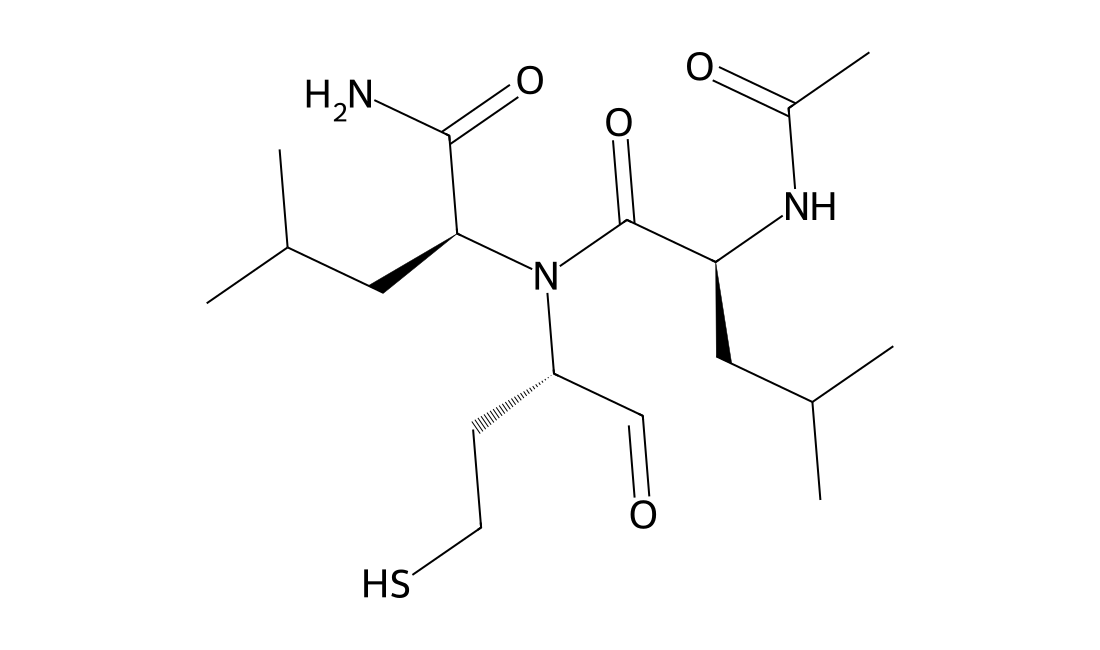
ALLM (Calpain Inhibitor)Featured
ALLM (Calpain Inhibitor) is cell-permeable, peptide aldehyde inhibitor of calpains and cathepsins.
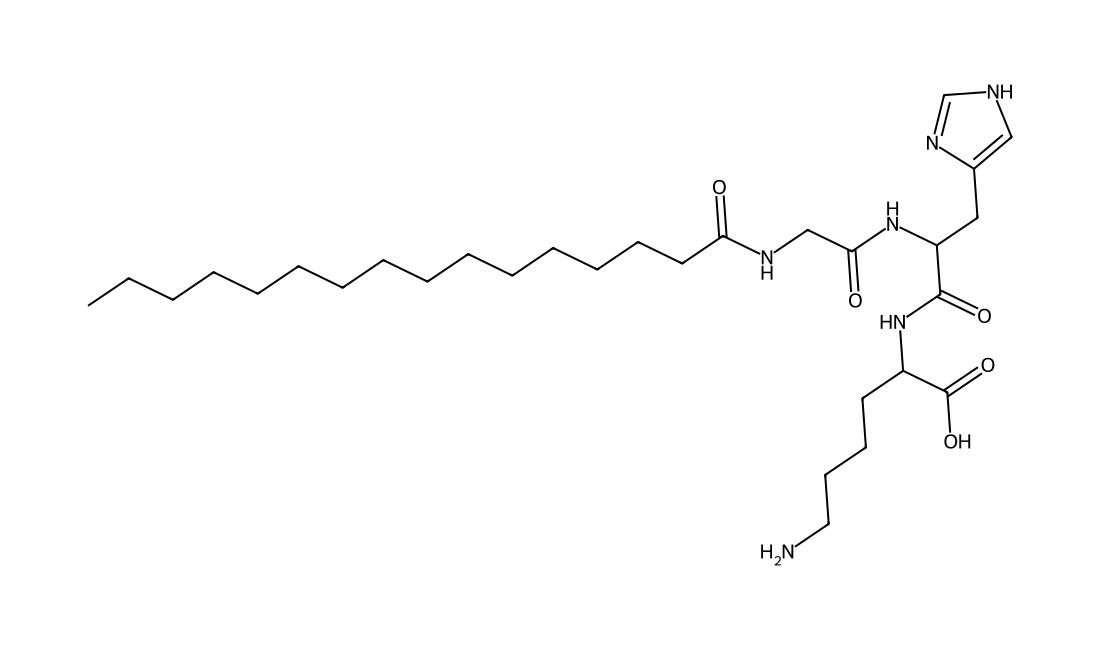
Palmitoyl tripeptide-1Featured
Pal-GHK is a form of the extracellular matrix-derived peptide GHK containing palmitic acid, which allows it to penetrate the stratum corneum to the epidermal and dermal skin layers. Pal-GHK increases collagen synthesis in skin fibroblasts. It has been used with the zwitterionic surfactant C12 dodecyldimethylamine oxide (C12DMAO) to study self-assembly of the mixture into aggregates, ribbons, and nanobelts. Pal-GHK has also been used as an internal standard for the quantification of pal-KTTKS in anti-wrinkle creams by LC-MS/MS
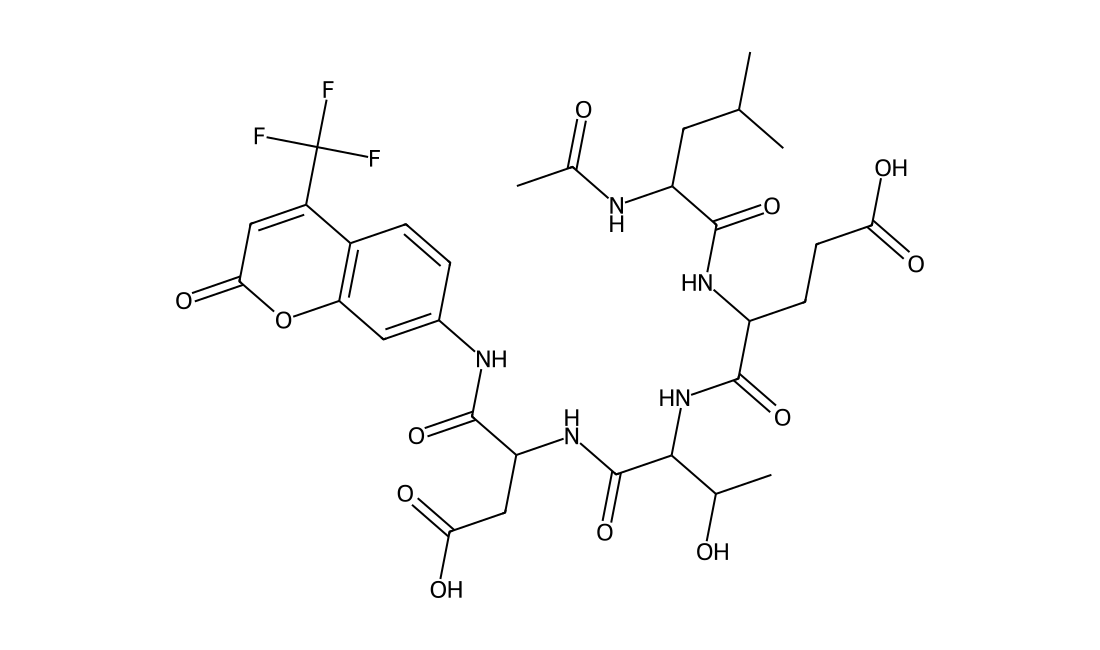
Ac-LETD-AFCFeatured
Ac-LETD-AFC is a caspase-8 fluorogenic substrate. Ac-LETD-AFC can measure caspase-8 fluorogenic activity and can be used for the research of cancer cell apoptosis and oxidative stress metabolism.
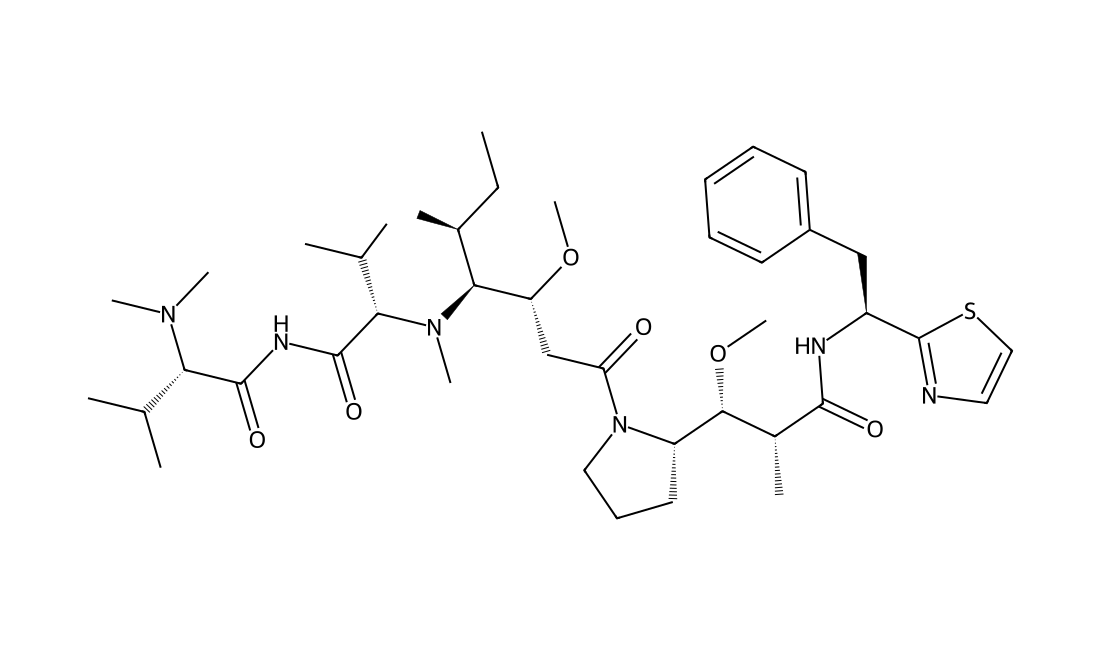
Dolastatin 10Featured
Highly potent cytotoxic microtubule inhibitor
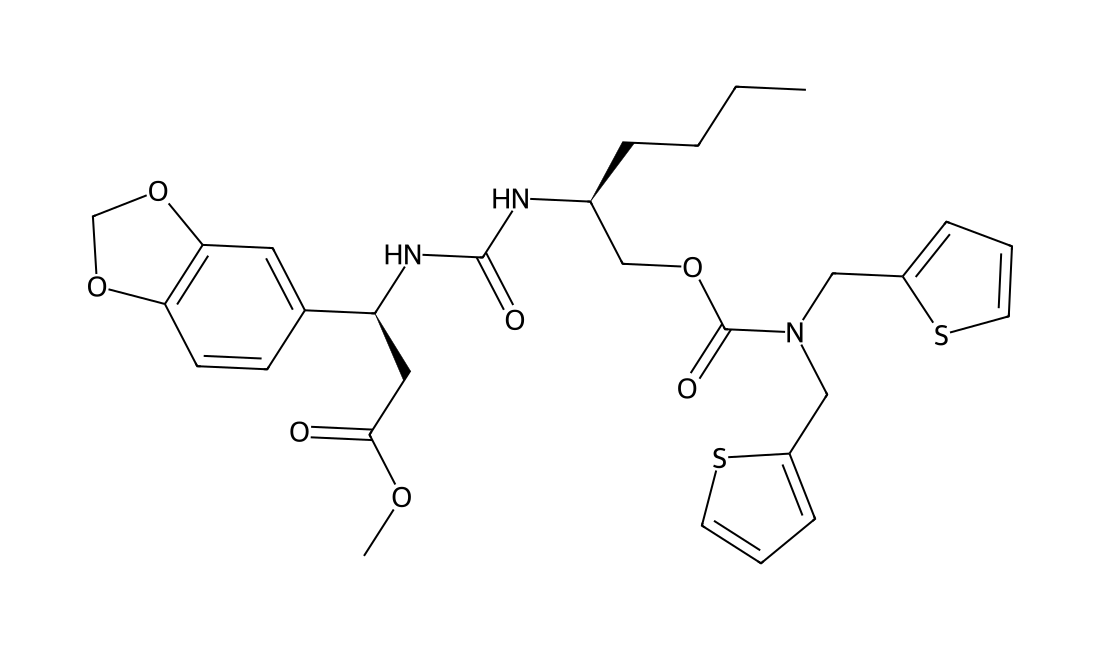
(1R,1'S,3'R/1R,1'R,3'S)-L-054,264 is a selective non-peptide human somatostatin receptor subtype 2 (sst2) agonist. (1R,1'S,3'R/1R,1'R,3'S)-L-054,264 can be used in the study of retinal neuromodulation.
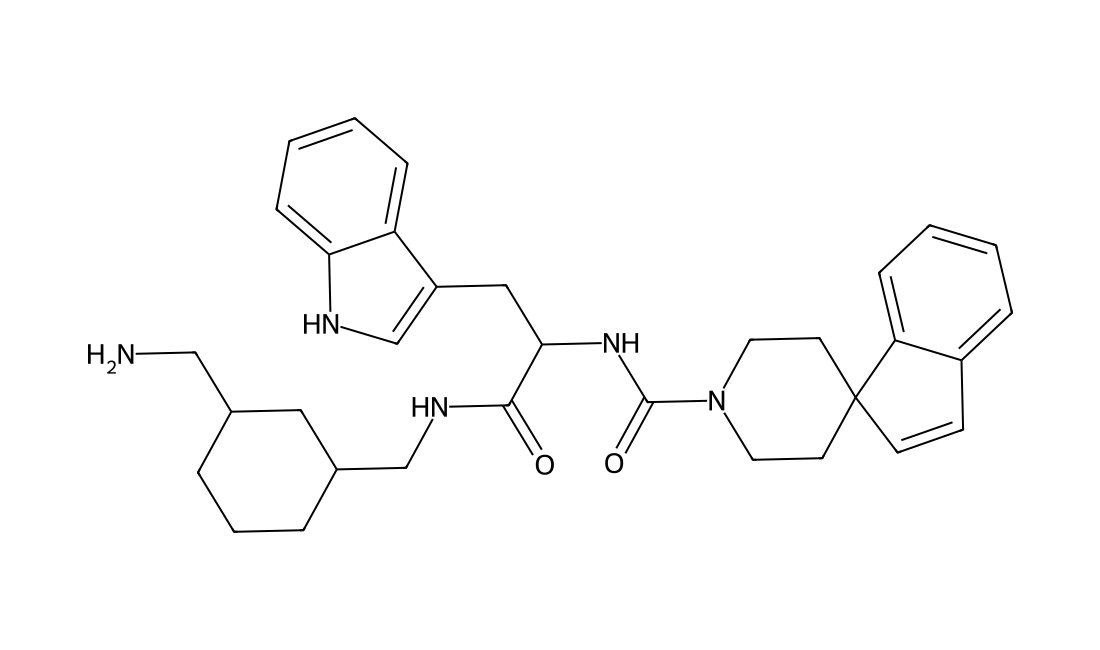
TPBMFeatured
TPBM represents a novel class of selective estrogen receptor α (ERα) modulators with a unique mechanism of action.
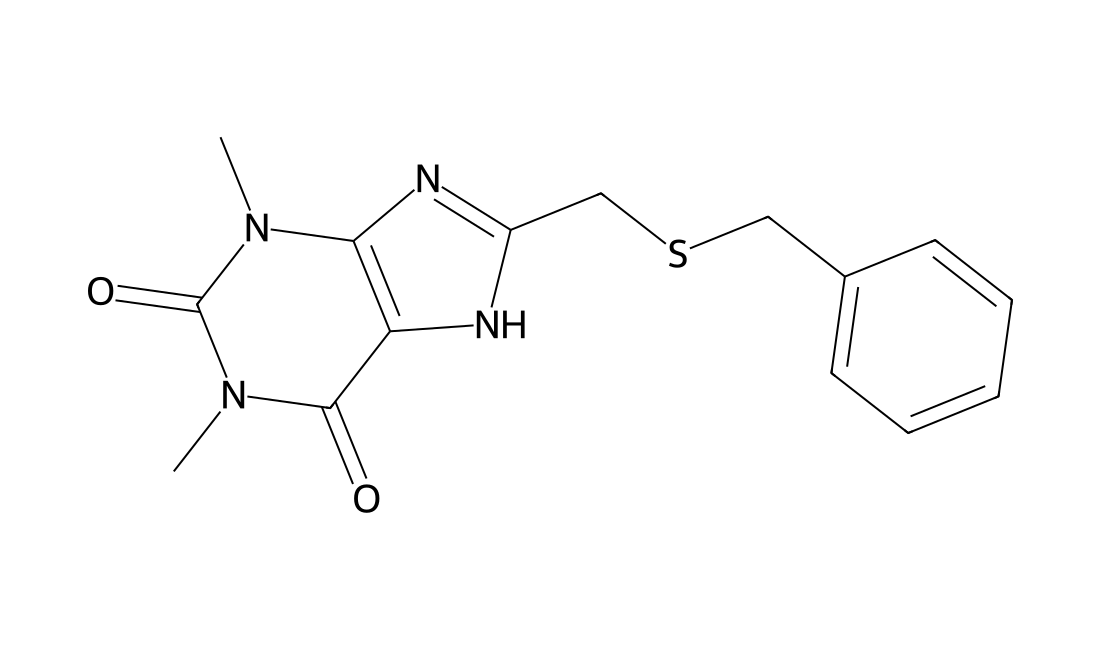
Londamocitinib(AZD4604)Featured
AZD4604 (AZD-4604) is a potent, selective Janus-associated kinase 1 (JAK1) inhibitor with anti-inflammatory effect.
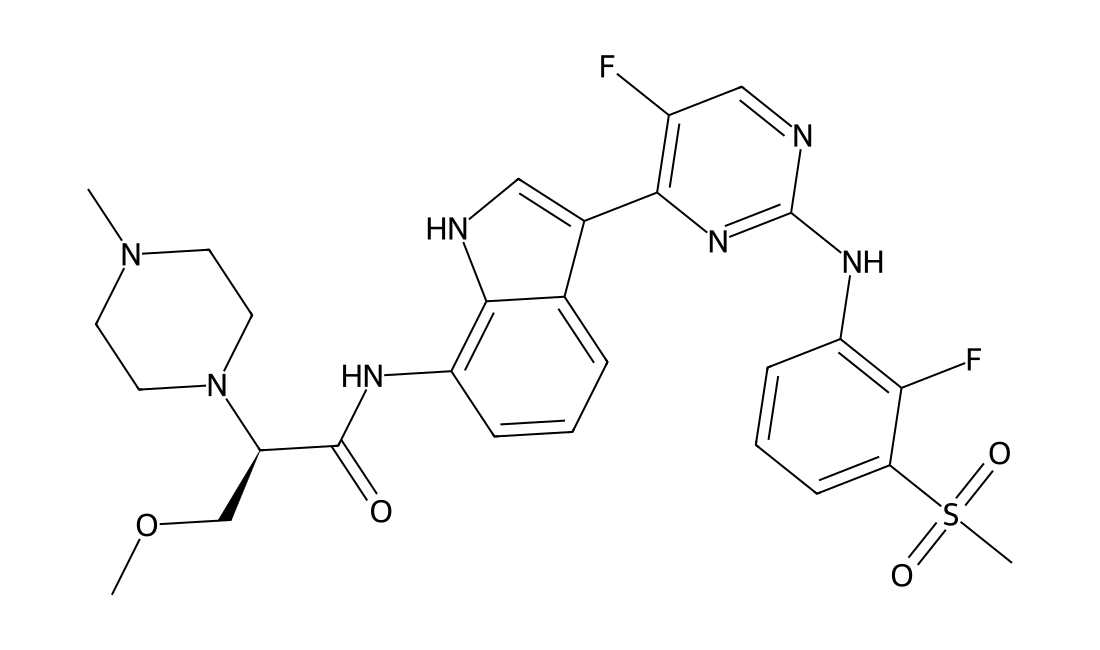
BRD4884Featured
BRD4884 is a novel histone deacetylase (HDAC) inhibitor demonstrating selective class I HDAC inhibition with nanomolar potency.
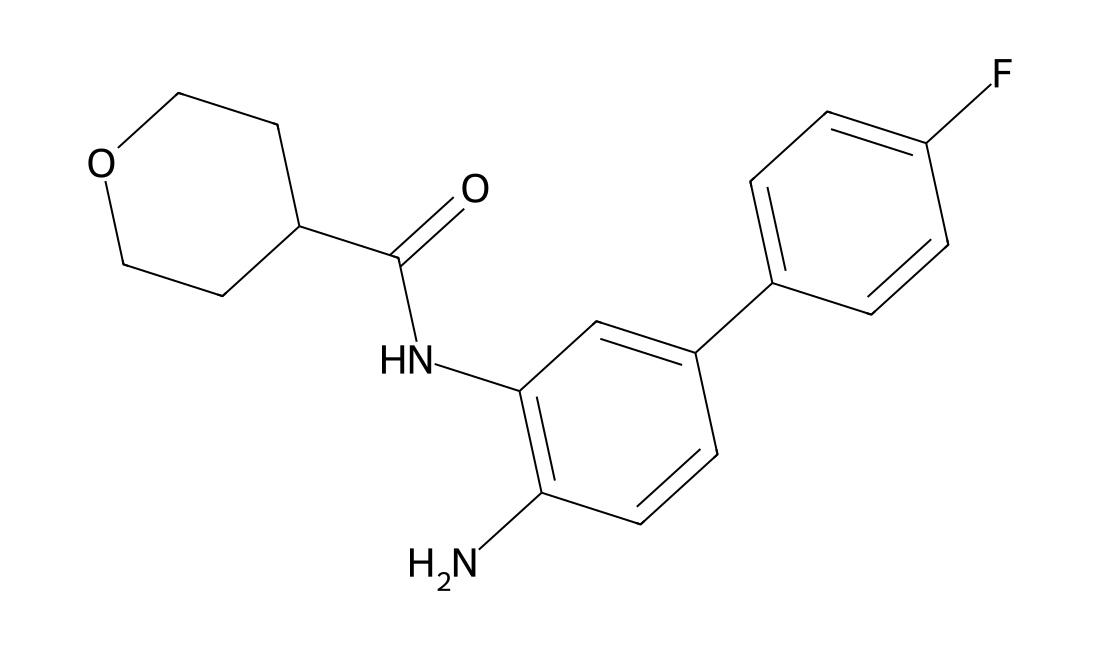
Jarin-1Featured
Jarin-1 represents a breakthrough in plant hormone modulation as the pioneering small-molecule inhibitor of jasmonoyl-L-isoleucine synthetase (JAR1).
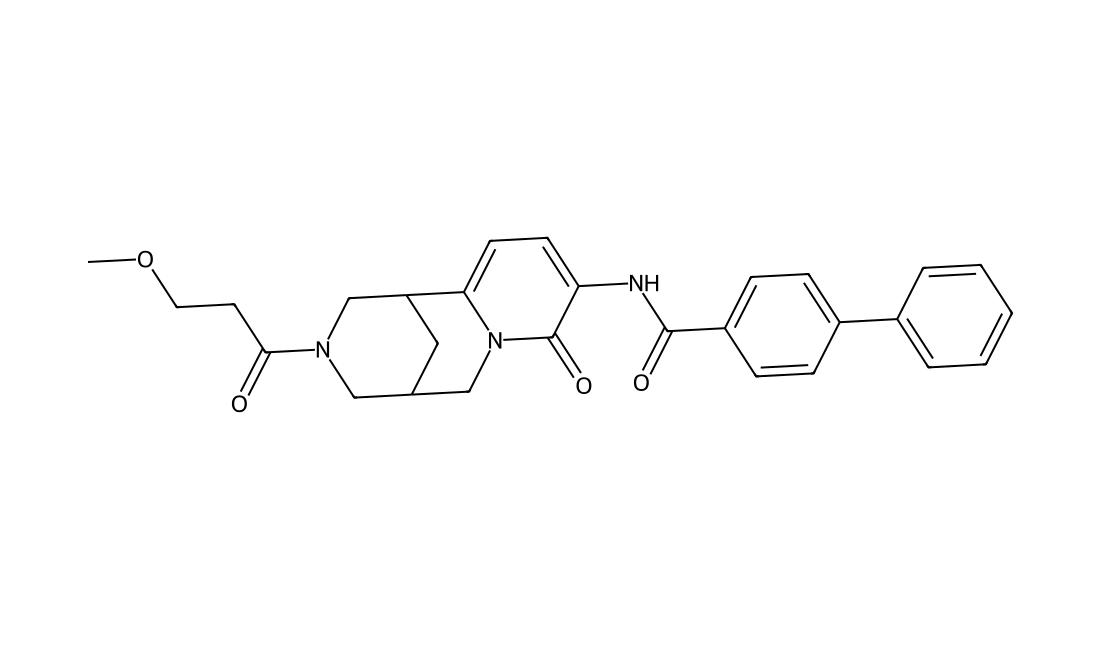
MEK-IN-4Featured
MEK-IN-4 is a novel small-molecule inhibitor targeting the MAPK/ERK kinase (MEK) pathway with therapeutic potential across multiple disease areas.
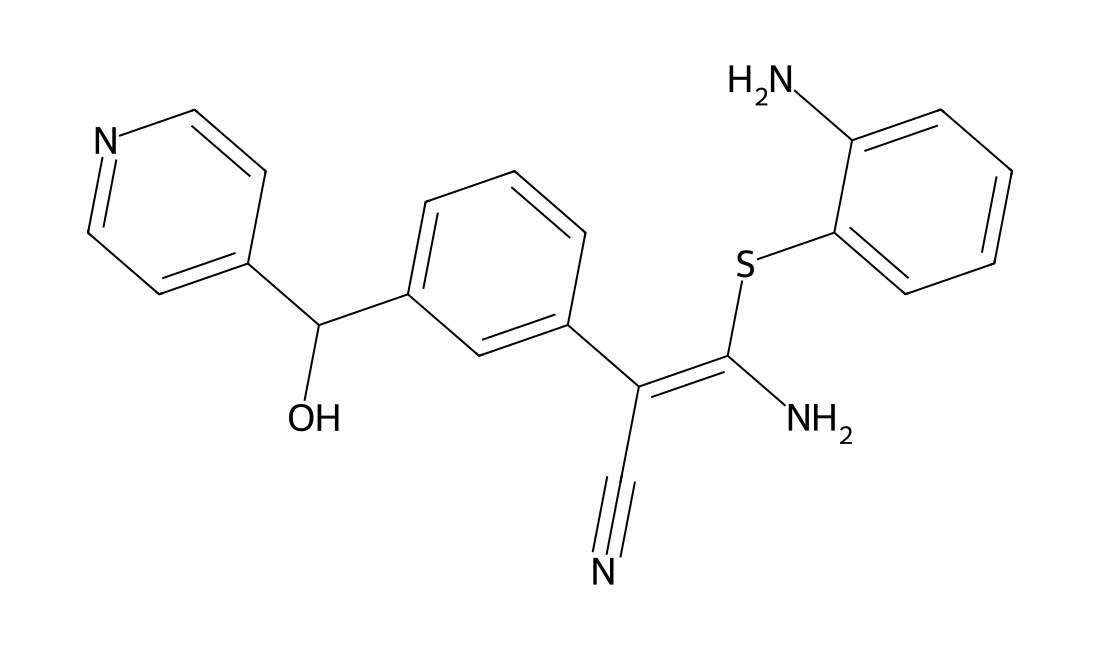
JNJ-5207787Featured
JNJ-5207787 represents a breakthrough in neuropeptide Y receptor modulation as a brain-penetrant, selective Y2 receptor antagonist.
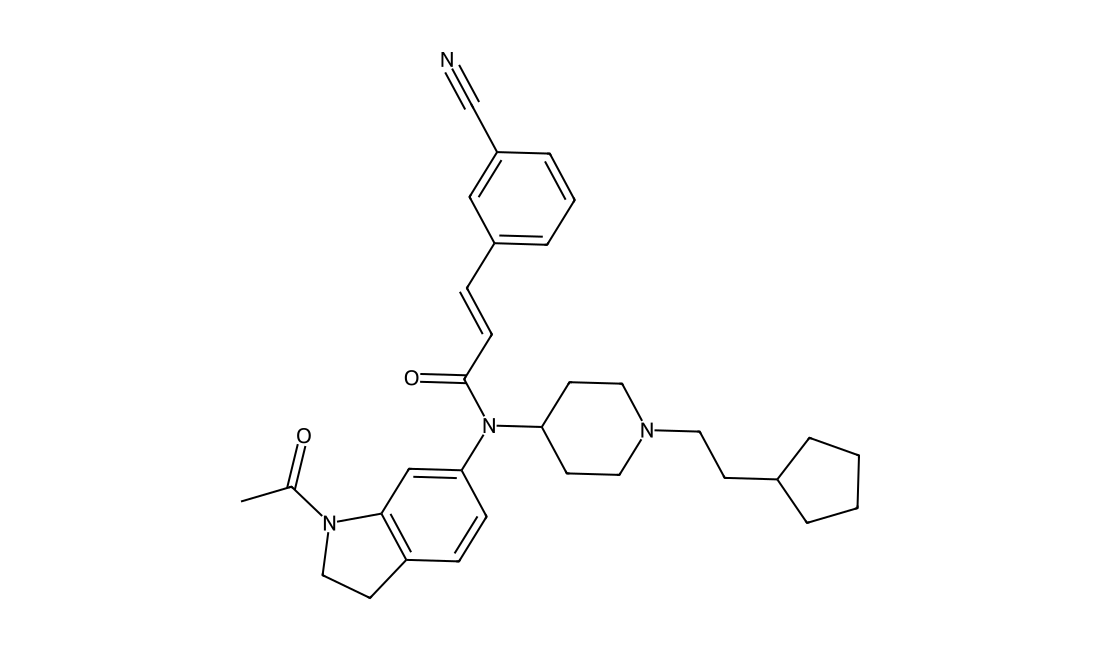
TI17Featured
TI17 represents a novel class of targeted anticancer agents that specifically disrupt DNA damage repair mechanisms in malignant cells.
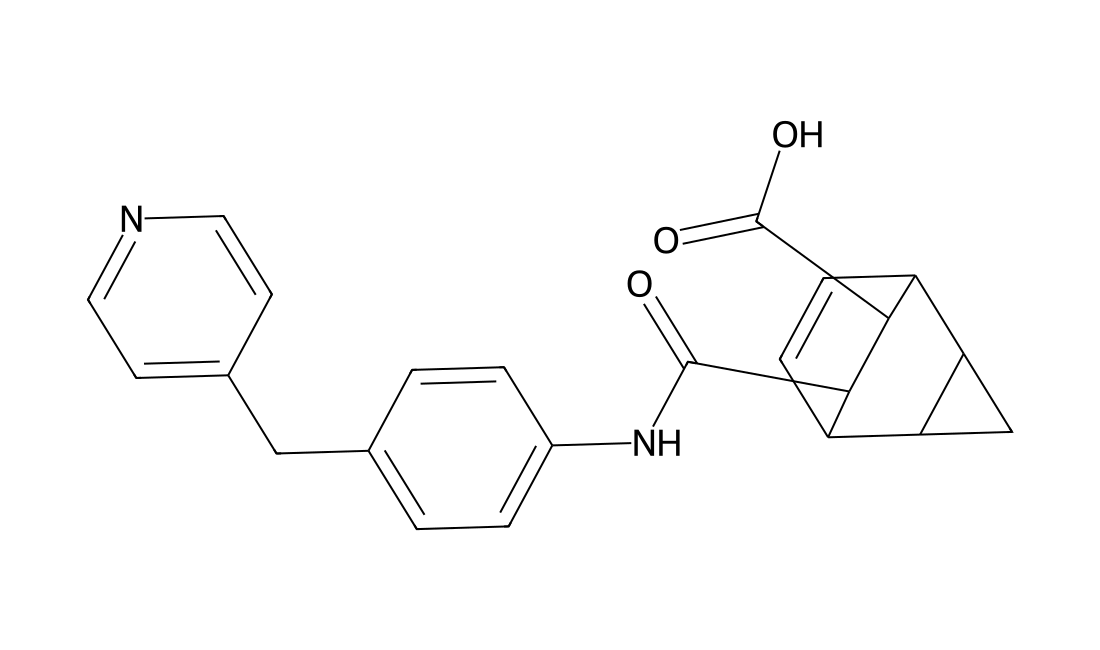
MK-0343Featured
MK-0343 (MRK-409) represents a novel class of benzodiazepine-site ligands with unique GABAA receptor subtype selectivity.
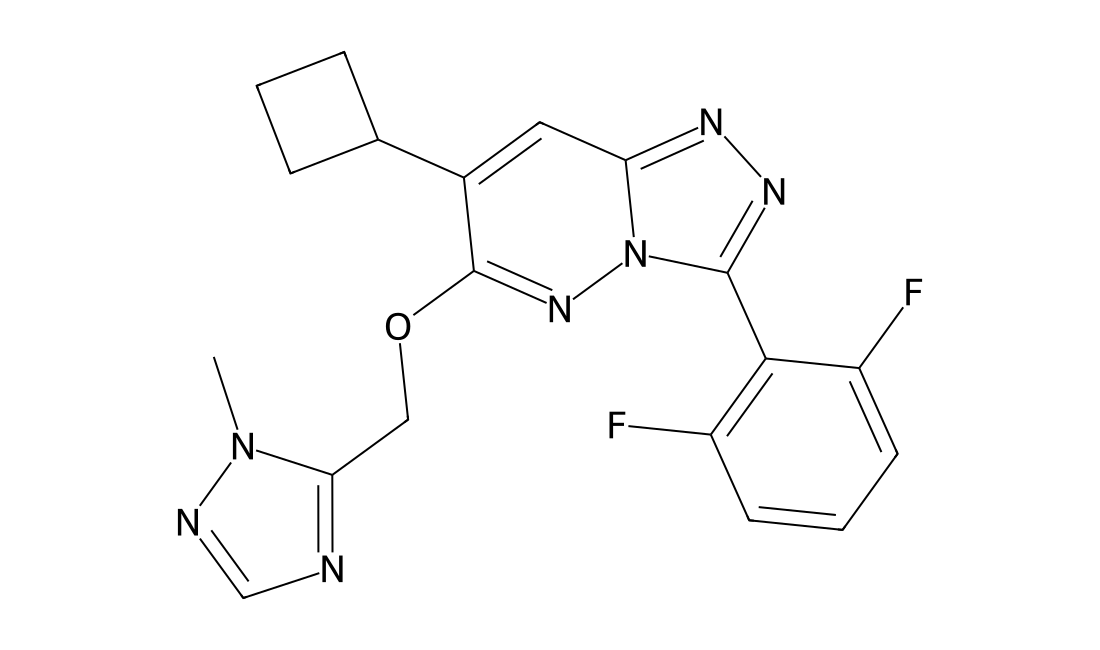
CDE 096Featured
CDE-096 is a highly effective plasminogen activator inhibitor-1 (PAI-1) antagonist with broad-spectrum inhibitory activity.
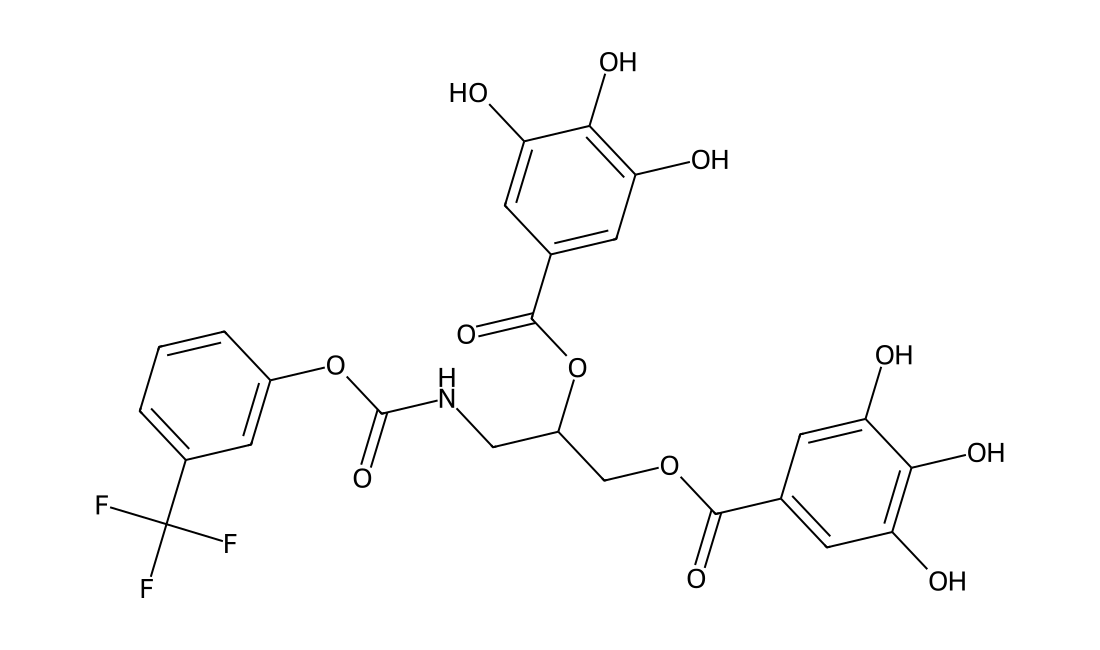
THI0019Featured
THI0019 represents a novel class of integrin modulators with unique agonist activity targeting multiple adhesion receptors.
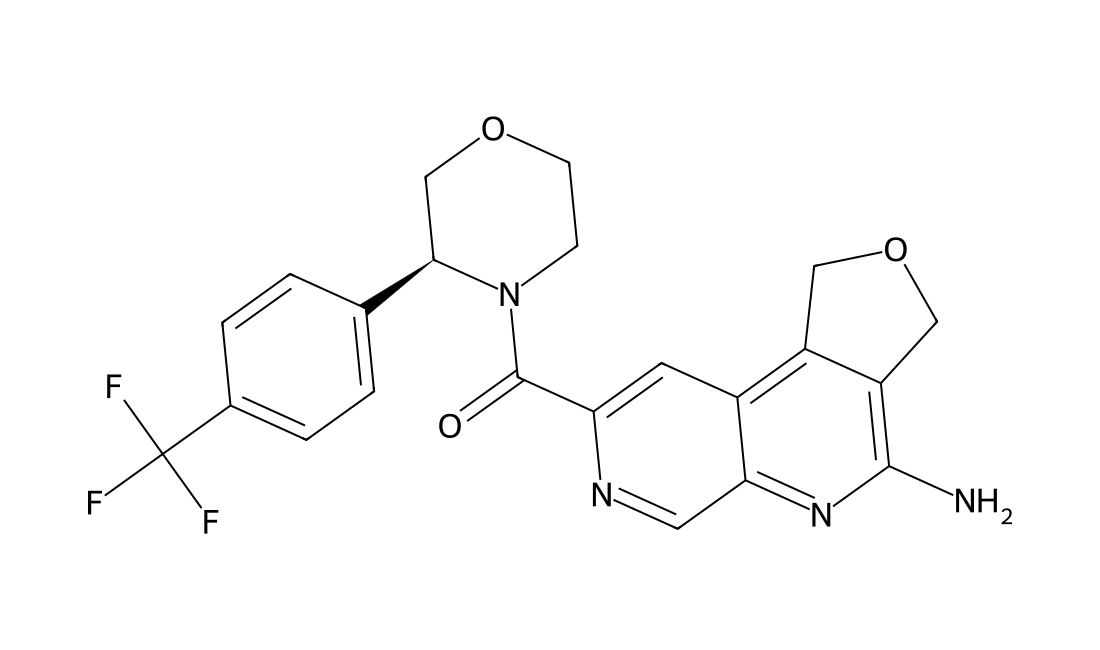
AMG-193Featured
AMG 193 represents a novel class of targeted cancer therapeutics as an orally bioavailable, methylthioadenosine (MTA)-dependent PRMT5 inhibitor.
No products match this search.
Page 219 of 234 · Browse all 4677 products
Jump to a product page
Featured literature product: HX1 · DCL0028
HX1 is a hydroxyzine-derived ionizable lipid with acetal-containing tails, studied in lipid nanoparticles for brain mRNA delivery and CRISPR–Cas9 delivery. It was the lead in the reported in vivo brain-delivery screen; evidence is preclinical and formulation-dependent.
Read full formulation and performance →