
Research lipid catalog
Ionizable Lipid Products
Explore 848 lipid and RNA delivery products. Search the full catalog or browse by research category.
Search covers product name, catalog number, synonyms, available CAS numbers and categories. Spaces, hyphens and common punctuation are ignored. Duplicate legacy records are consolidated under one canonical product result.
4677 products · Showing 4241–4260 · 20 per page
DC Chemicals lipid expertise
Built for ionizable-lipid discovery and RNA delivery research
DC Chemicals supports formulation and delivery research with a broad, searchable portfolio of cationic and ionizable lipids. The current directory brings together 848 unique research-use products, with product specifications, pricing, chemical structures and literature-linked formulation data added as each record is verified.
Our experience spans complex lipid synthesis, purification, analytical release and process development. For custom molecules or larger-scale requirements, our team can discuss route development, technical specifications and scale-up options for the intended research workflow.
Learn about cationic and ionizable lipids →Proprietary innovation · Co-development · GMP
From proprietary lipid design to GMP-grade custom synthesis
DC Chemicals has independently developed ionizable-lipid structures supported by company-owned intellectual property, and selected proprietary lipid programs have advanced to GMP-stage development.
We welcome joint development with customers—from molecular design and lipid synthesis through route and process development. We can also support custom synthesis of GMP-grade ionizable lipids to agreed technical specifications and quality requirements.
Discuss a co-development project →Proprietary ionizable-lipid structuresCollaborative molecular designCustom lipid synthesisProcess development and scale-upGMP-grade project support
Product quick links
Explore New ionizable lipids
Explore our five most recently added ionizable lipids, with specifications, pricing and literature-linked product information.
DCL0028HX1Brain RNA delivery researchView product →DCL0024A1I4R13C18-2Spleen-targeted RNA delivery researchView product →DCL0023A1I4R2C18-2Spleen-targeted RNA delivery researchView product →DCL0022FS01Local joint RNA delivery researchView product →DCL0020Lipid-392Lung RNA delivery and gene editing researchView product →
Cat. No.Product NameField of ApplicationChemical Structure
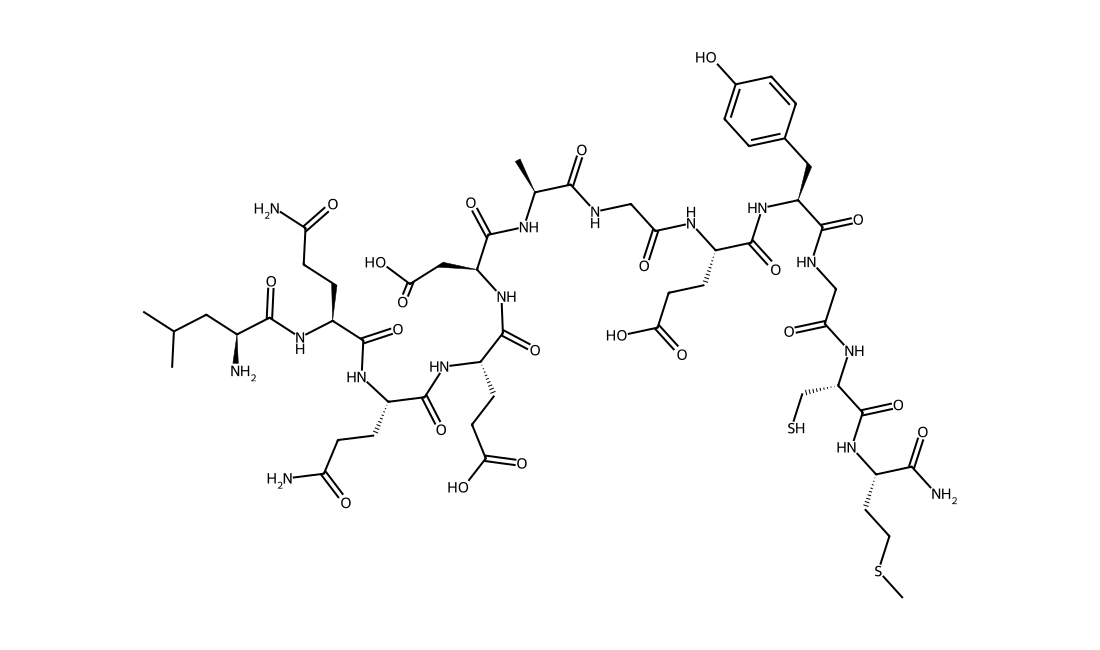
NangibotideFeatured
Nangibotide is a TREM-1 receptor inhibitor that can modulate innate immune response. Nangibotide can reduce systemic and in situ inflammatory reaction in rodent models of myocardial ischaemia‐reperfusion.
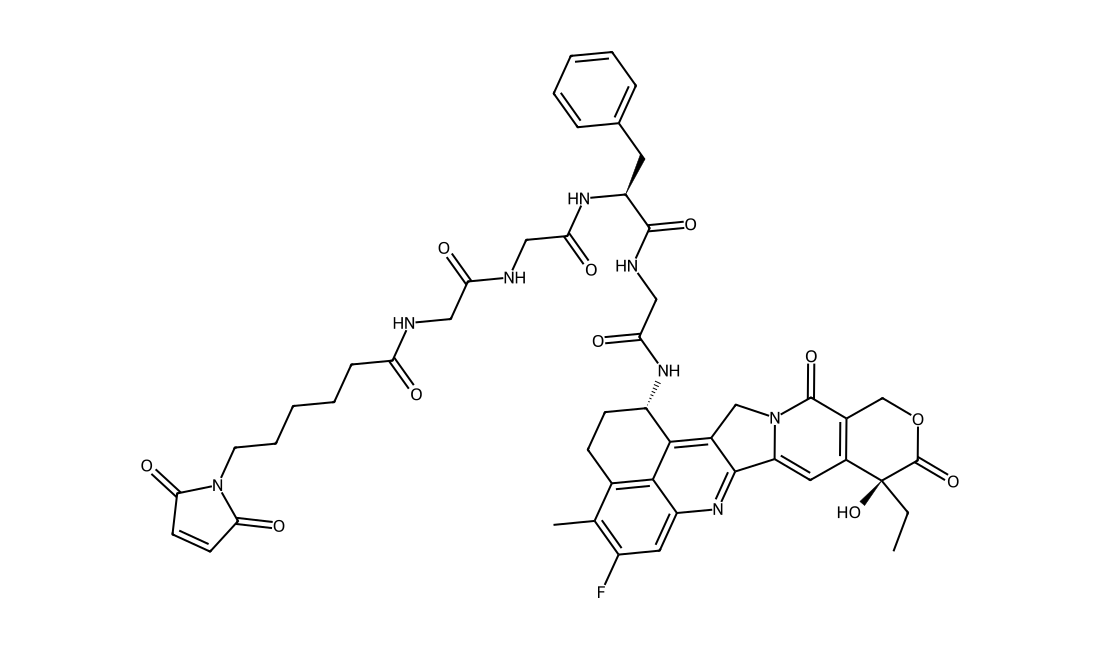
MC-GGFG-DX8951Featured
MC-GGFG-DX8951 is a drug-linker conjugate for ADC with antitumor activity by using DX8951 (DNA topoisomerase I inhibitor), linked via the protease cleavable MC-GGFG linker.
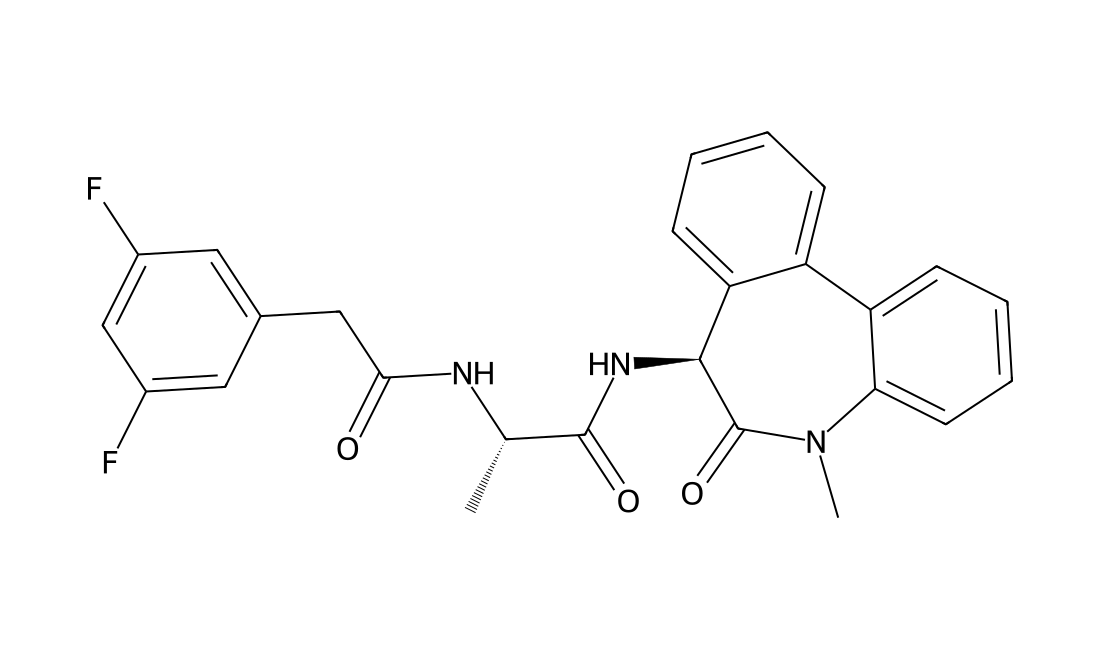
YO-01027(Dibenzazepine)Featured
YO-01027 (Dibenzazepine, DBZ) is a dipeptidic g-secretase inhibitor with IC50 of 2.6 and 2.9 nM for APPL and Notch, respectively.
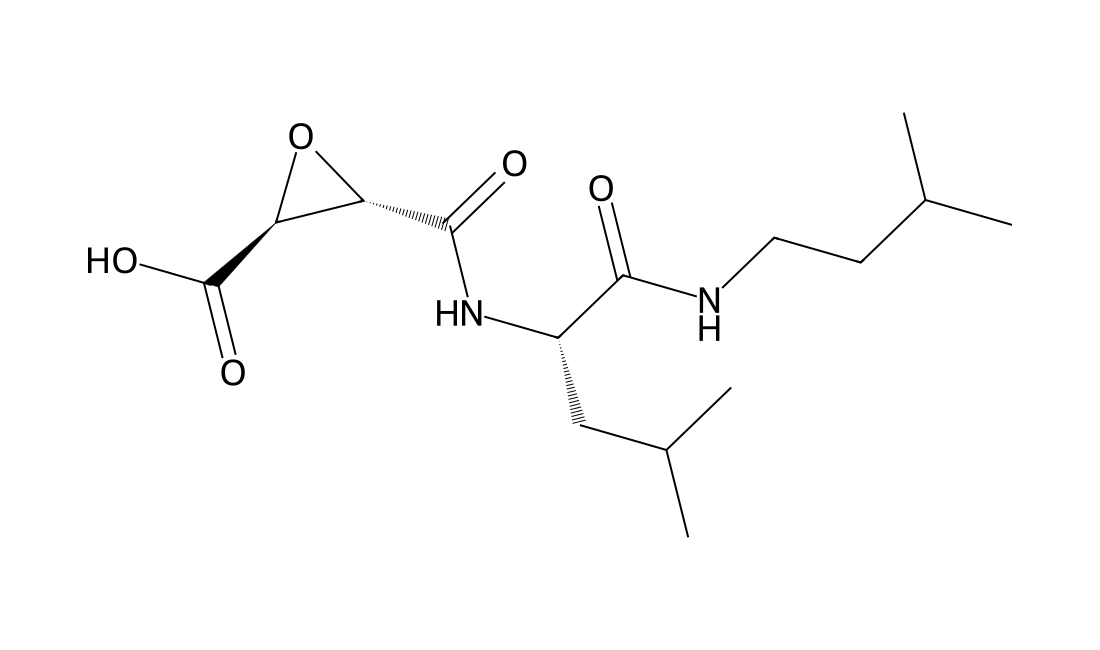
E-64cFeatured
E-64c is a synthetic analog of E-64, a potent and irreversible cysteine protease inhibitor isolated from Aspergillus japonicus.
POL1 inhibitor(POL1-IN-1)Featured
POL1-IN-1 is a RNA polymerase 1 (POL1, also known as Pol I) inhibitor with an IC50 of less than 0.5 uM. POL1-IN-1 inhibits ribosome biogenesis by inhibiting POL1 transcription.
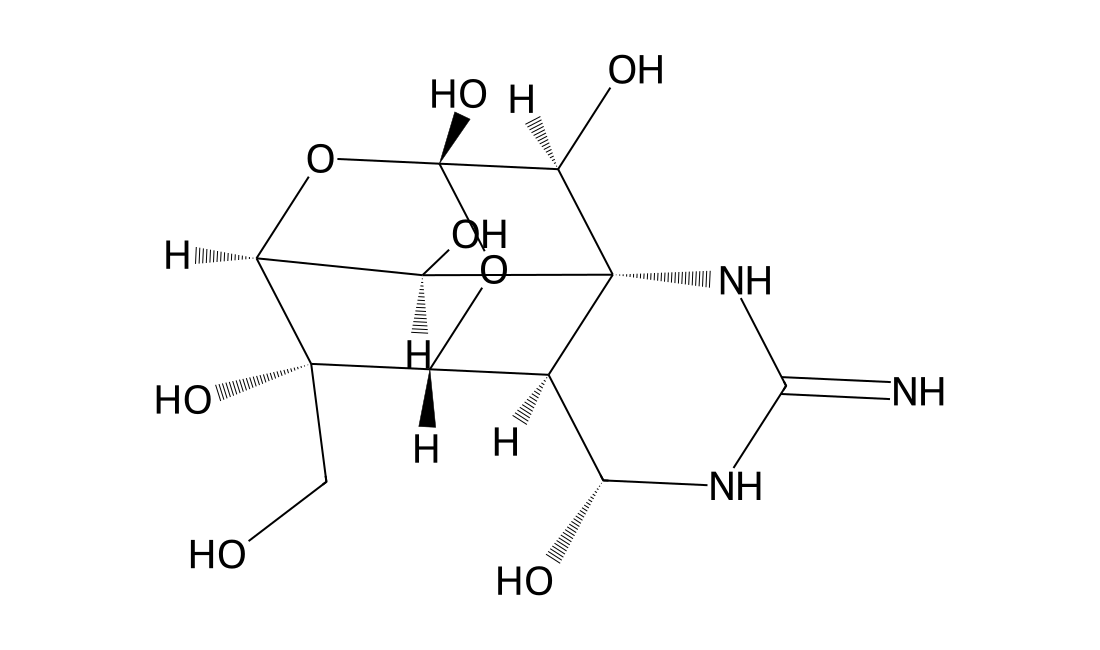
TetrodotoxinFeatured
Tetrodotoxin (TTx) is a potent, highly selective sodium channel blocker with IC50 of 33 nM for Nav1.6. Tetrodotoxin-sensitive sodium channel (Nav) family include Nav1.1, Nav1.2, Nav1.3, Nav1.4, Nav1.6, and Nav1.7, the Nav1.5, Nav1.8, and Nav1.9 channels are TTX-resistant.
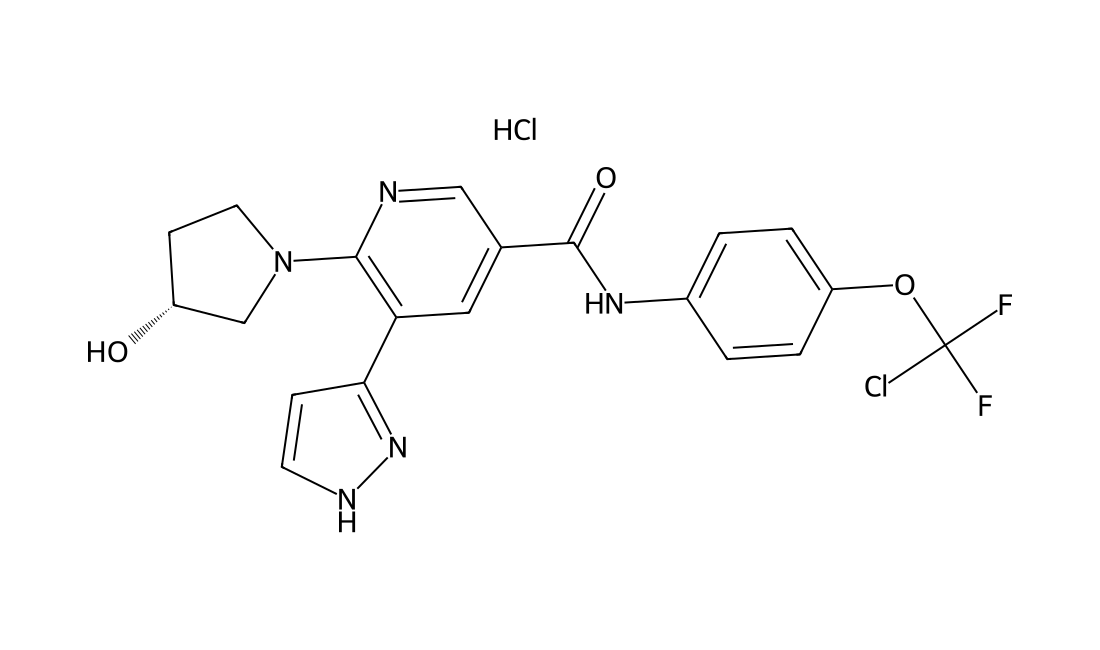
Asciminib hydrochlorideFeatured
Asciminib (ABL001) hydrochloride is a potent and selective allosteric BCR-ABL1 inhibitor, which inhibits Ba/F3 cells grown with an IC50 of 0.25 nM.
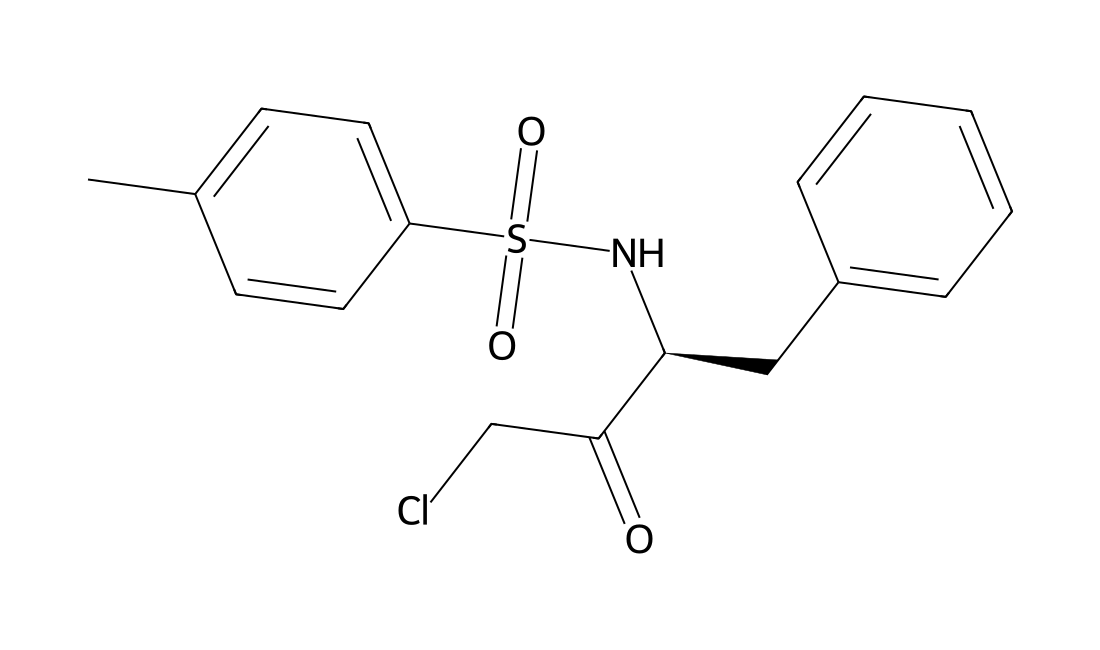
TPCKFeatured
TPCK is a non-specific irreversible inhibitor of serine/cysteine proteases. It acts by inhibiting ScRce1 in the presence of a Ras reporter, but not in the presence of the a-factor peptide.
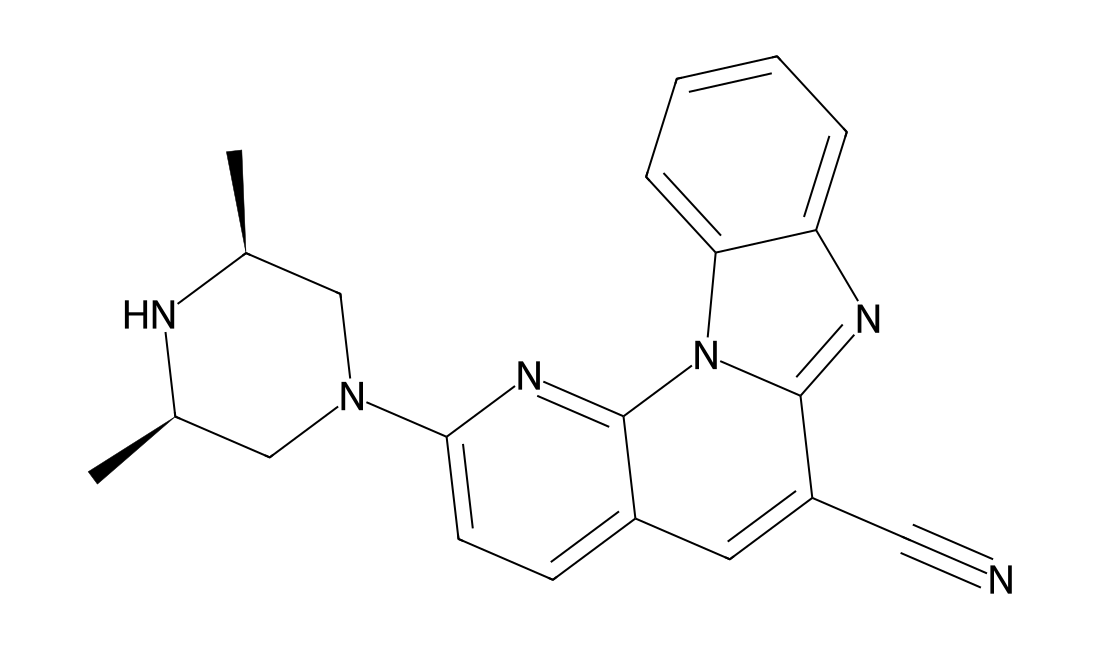
VRK-IN-1Featured
VRK-IN-1 is a potent and selective inhibitor of vaccinia-related kinases 1 (VRK1), with an IC50 of 150 nM. VRK1 is human Ser/Thr protein kinases associated with increased cell division and neurological disorders.
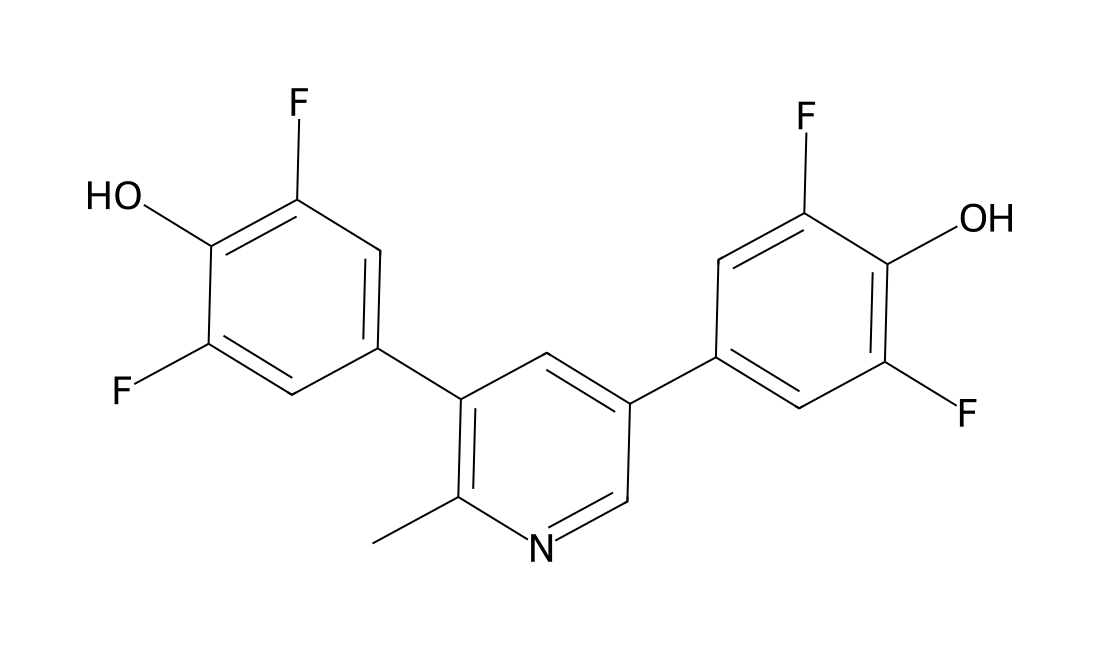
SafusidenibFeatured
Safusidenib (AB-291; DS-1001) is an orally bioavailable, selective mutant IDH1 inhibitor. Safusidenib strongly inhibits mutant IDH1 but not wild-type IDH1. Safusidenib impairs tumor activity in chondrosarcoma. Safusidenib exhibits activity against IDH1R132H, and IDH1R132C with IC50s of 15, and 130 nM in assays without any preincubation, respectively.
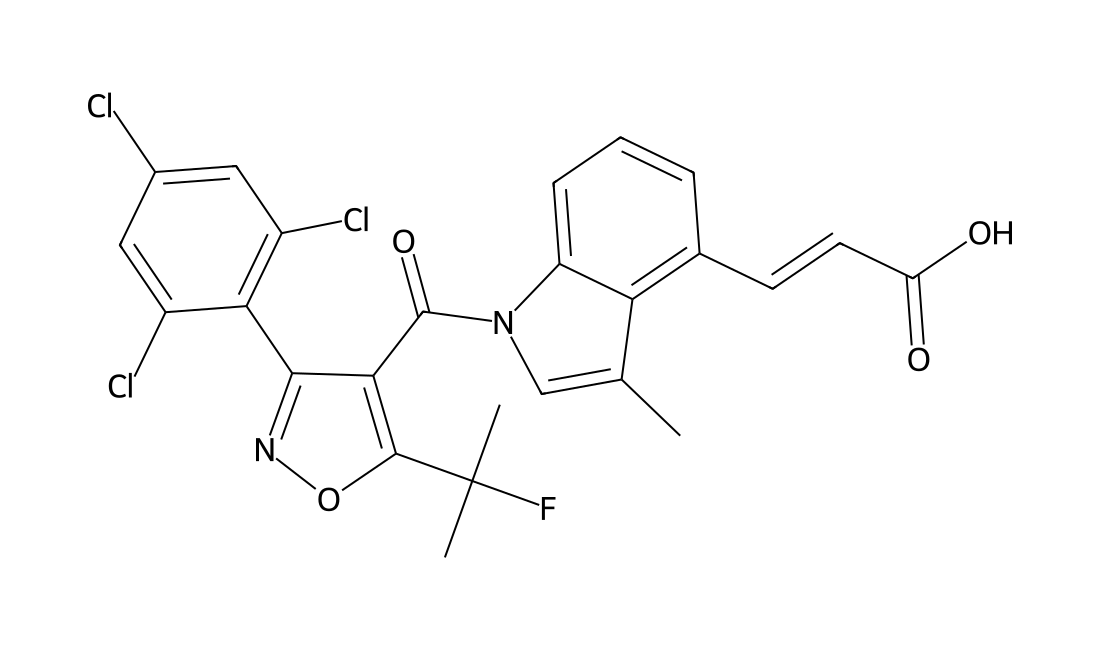
dTAGV-1 hydrochlorideFeatured
dTAGV-1 hydrochloride is a potent and selective degrader of FKBP12F36V-tagged proteins PROTAC degrader. dTAGV-1 hydrochloride can induce degradation of FKBP12F36V-Nluc in vivo.
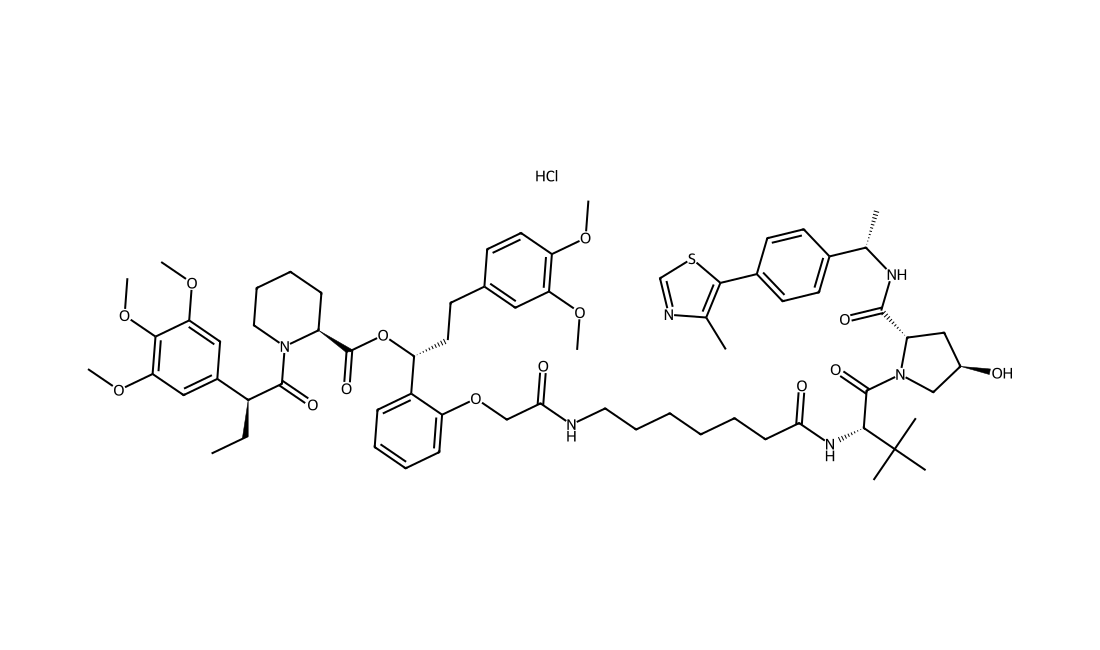
AUR1545Featured
AUR1545 is a selective degrader of KAT2A and KAT2B. AUR1545 can be used in the cancer research, including studies on AML (Acute myeloid leukemia), SCLC (Small-cell carcinoma), and NEPC (Neuroendocrine Prostate Cancer).
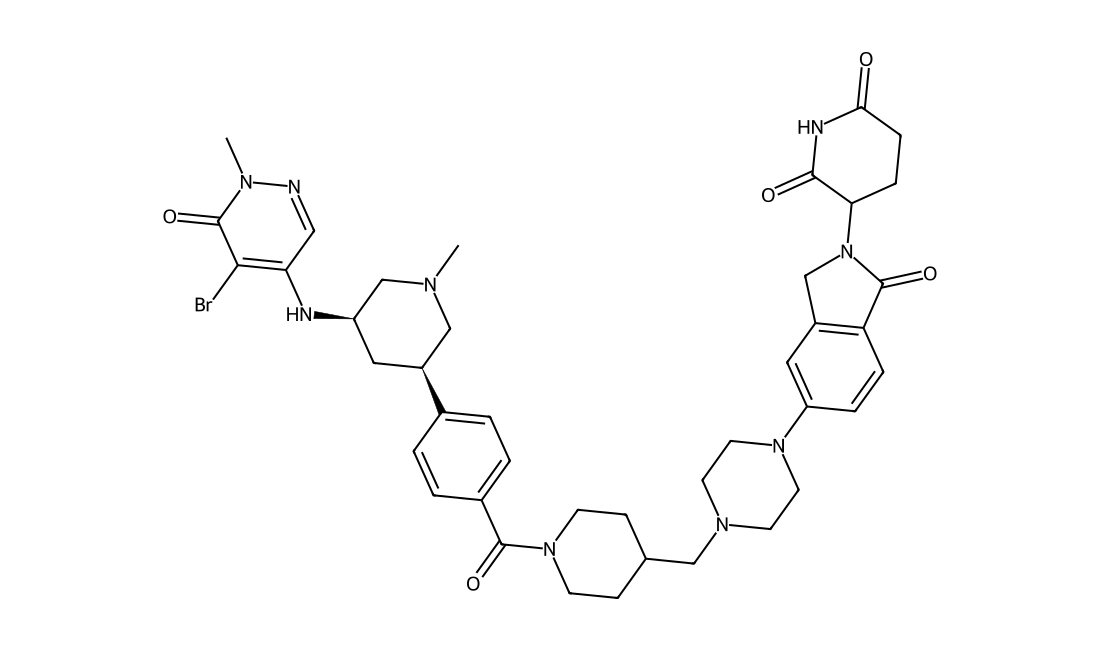
SSTC3Featured
SSTC3 is a novel small-molecule CK1α activator with EC50 of 30 nM (WNT-driven reporter gene assay), Kd of 32 nM.
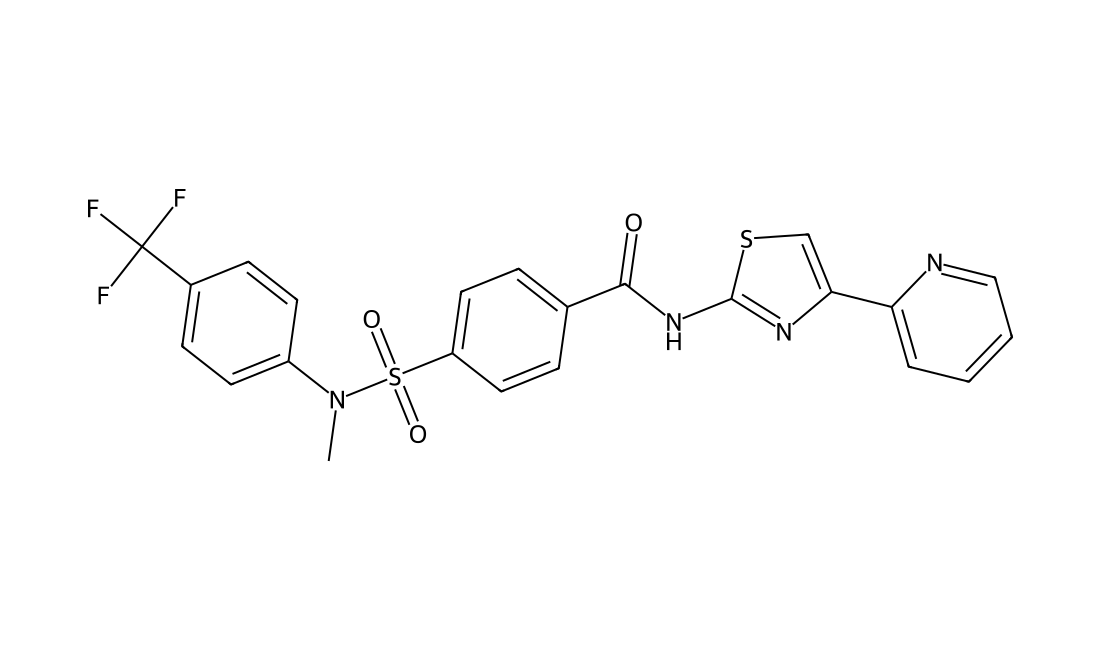
ME-344Featured
A novel mitochondrial and mTOR inhibitor with potent anti-cancer activity, inhibits leukemia cell lines with IC50 of 70-260 nM.
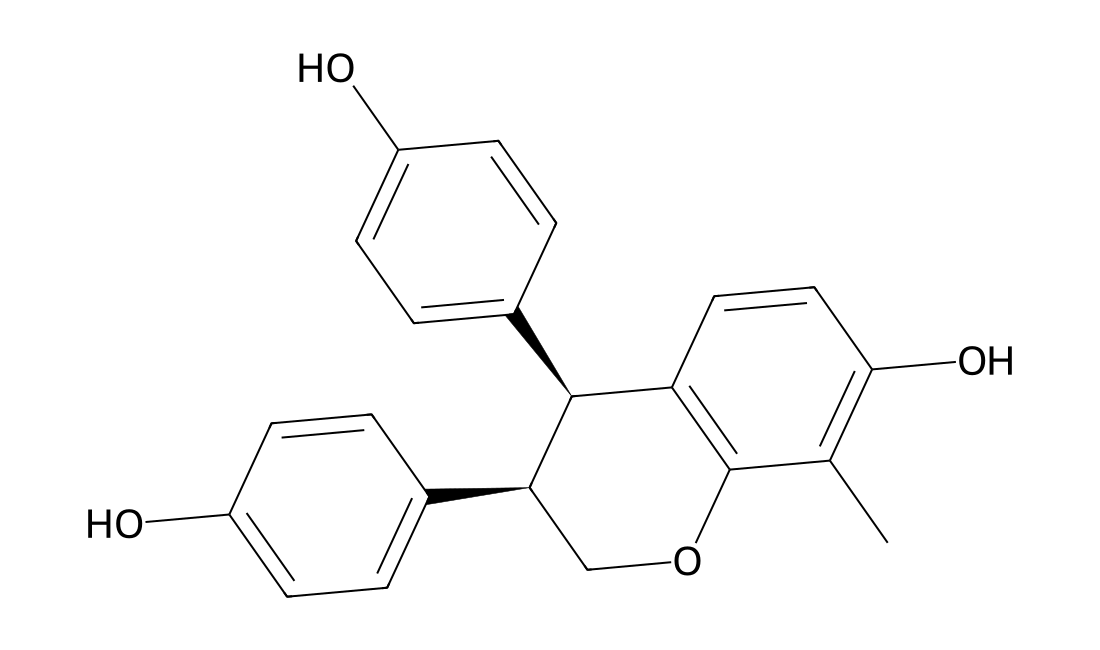
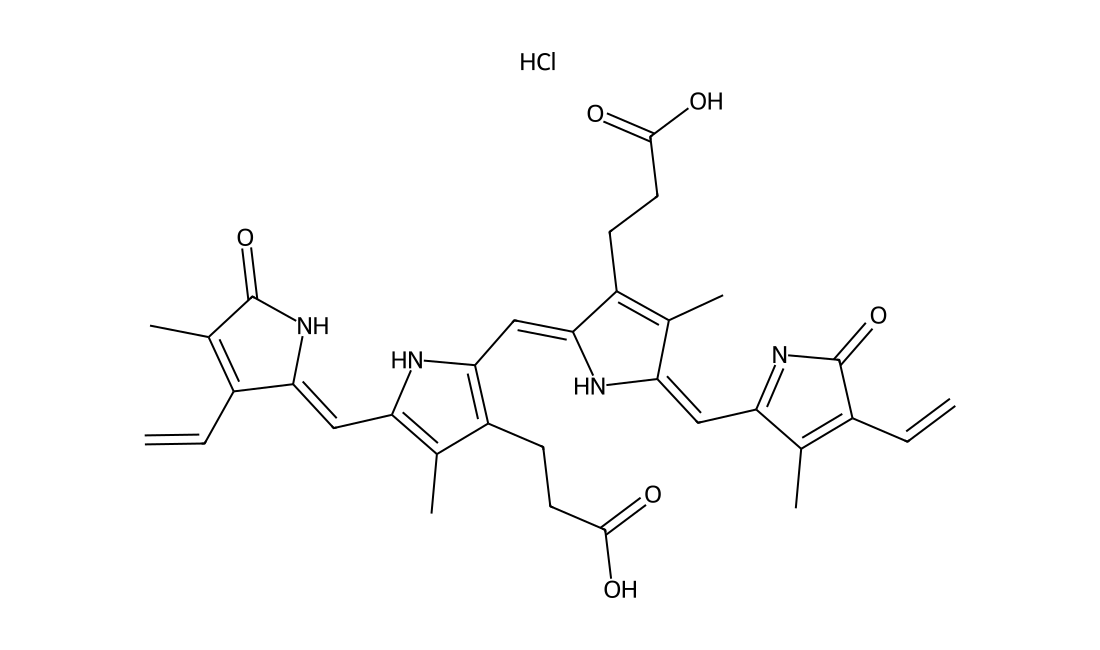
Biliverdin hydrochlorideFeatured
Biliverdin hydrochloride is a tetrapyrrolic, water-soluble compound formed by the breakdown of heme. Biliverdin hydrochloride can upregulate the activity of biliverdin reductase which is an enzyme that is a regulator of the innate immune system.
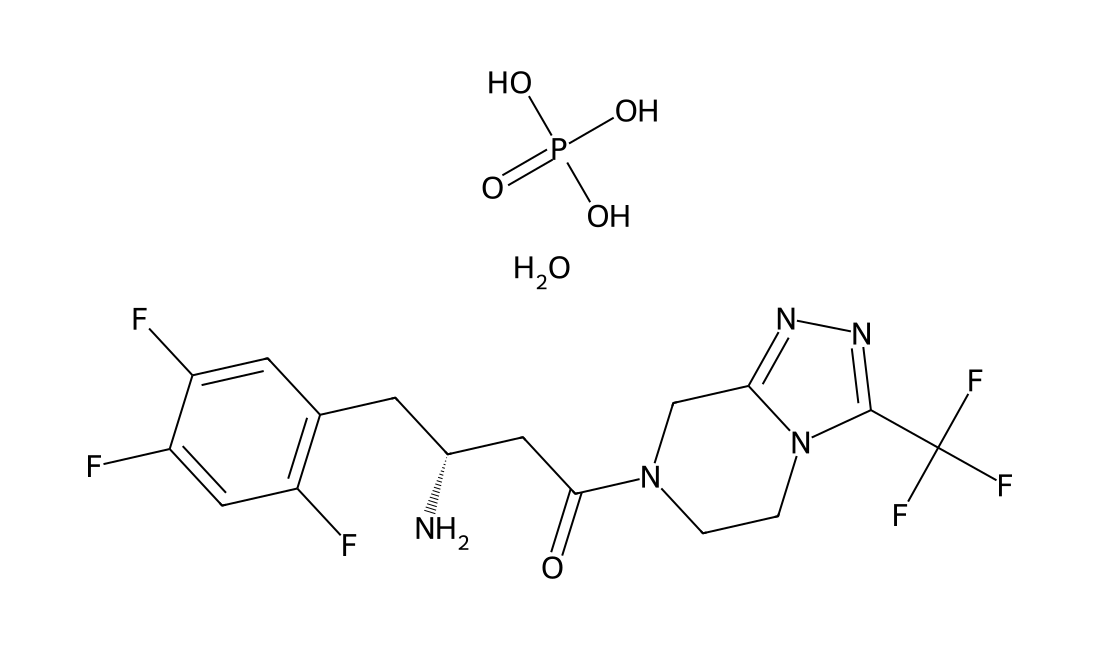
Sitagliptin, also known as MK-0431, is a potent inhibitor of DPP4 with an IC50 of 19 nM in Caco-2 cell extracts. Sitagliptin is believed to exert its actions in patients with type 2 diabetes mellitus by slowing the inactivation of incretin hormones. By increasing and prolonging active incretin levels, sitagliptin increases insulin release and decreases glucagon levels in the circulation in a glucose-dependent manner. Sitagliptin demonstrates selectivity for DPP-4 and does not inhibit DPP-8 or DPP-9 activity in vitro at concentrations approximating those from therapeutic doses.
AMG410Featured
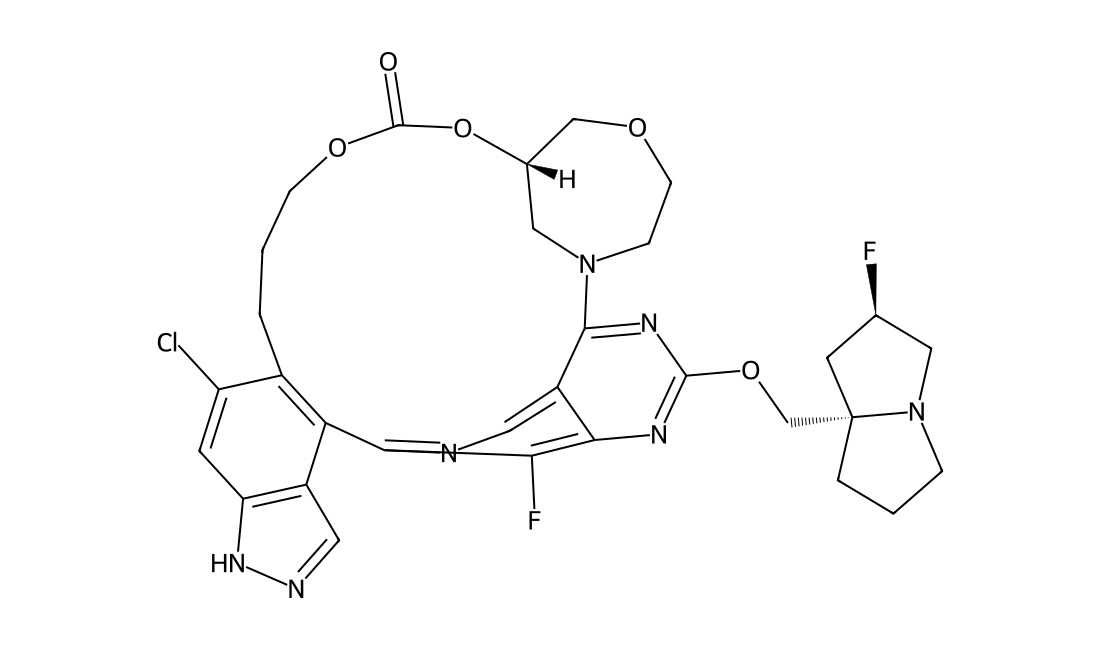
AMG410 is a non-covalent and selective pan-KRAS inhibitor with IC50 values of 1-4 nM for KRAS G12D, KRAS G12V, and KRAS G13D. AMG410 shows greater than 100-fold selectivity against both HRAS and NRAS. AMG410 is a dual GTP(on)- and GDP(off)-state inhibitor (Kd(GDP-state) of 1 nM; Kd(GTP-state) of 22 nM). AMG410 blocks KRAS signaling in a cycling state-independent manner and also blocks proliferation in wildtype KRAS-amplified tumor cells. AMG410 can be used for the study of colorectal, pancreatic, and lung cancers.
PMX53Featured
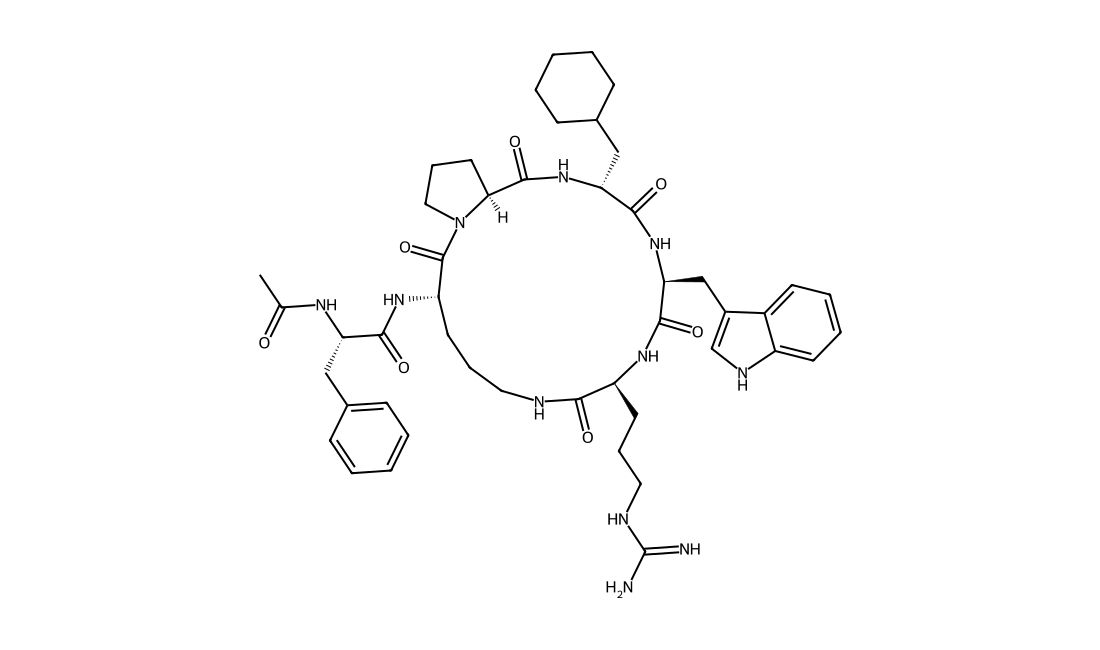
PMX53 (Ac-Phe-cyclo(Orn-Pro-D-Cha-Trp-Arg)) is a potent C5a receptor (CD88) antagonist with IC50 of 20 nM, also is an agonist for Mas-related gene 2 (MrgX2) in human mast cells; PMX-53 (10 nM) inhibited C5a-induced Ca(2+) mobilization in HMC-1 cells, but at higher concentrations (>30 nM) it caused degranulation in LAD2 mast cells, CD34(+) cell-derived mast cells, and RBL-2H3 cells stably expressing MrgX2; inhibits zymosan-, carrageenan-, LPS- and antigen-induced hypernociception in rats.
AZD-2716Featured
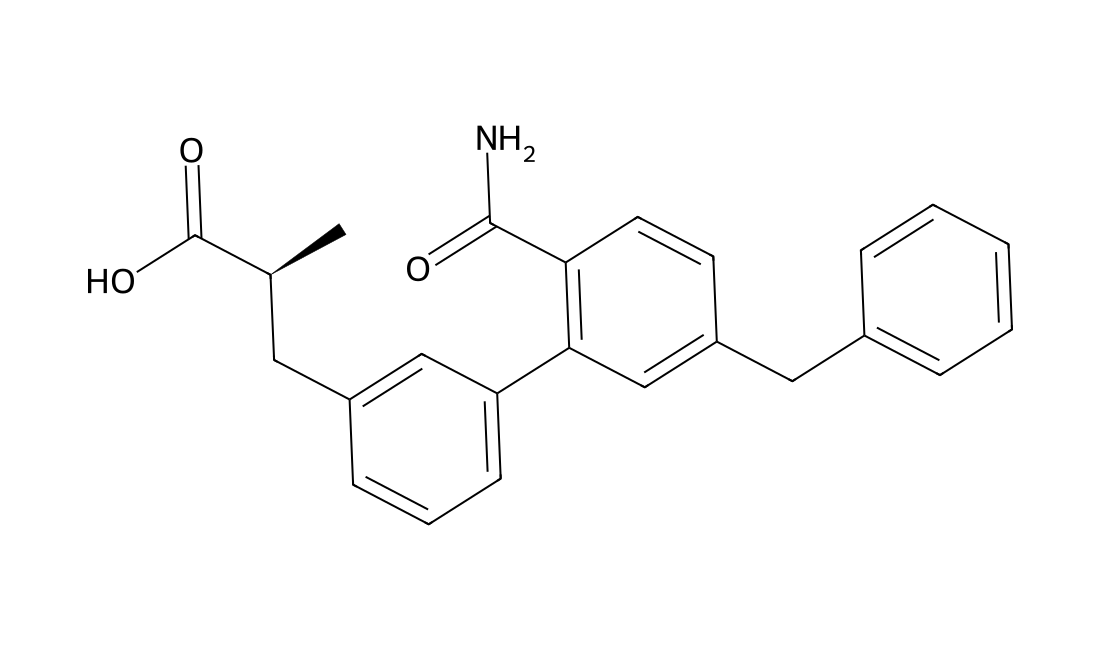
AZD2716(AZD-2716) is a novel potent, selective, orally bioavailable sPLA2 inhibitor with excellent plasma sPLA2 inhibition (IC50=0.1 nM).
JPH203 dihydrochlorideFeatured
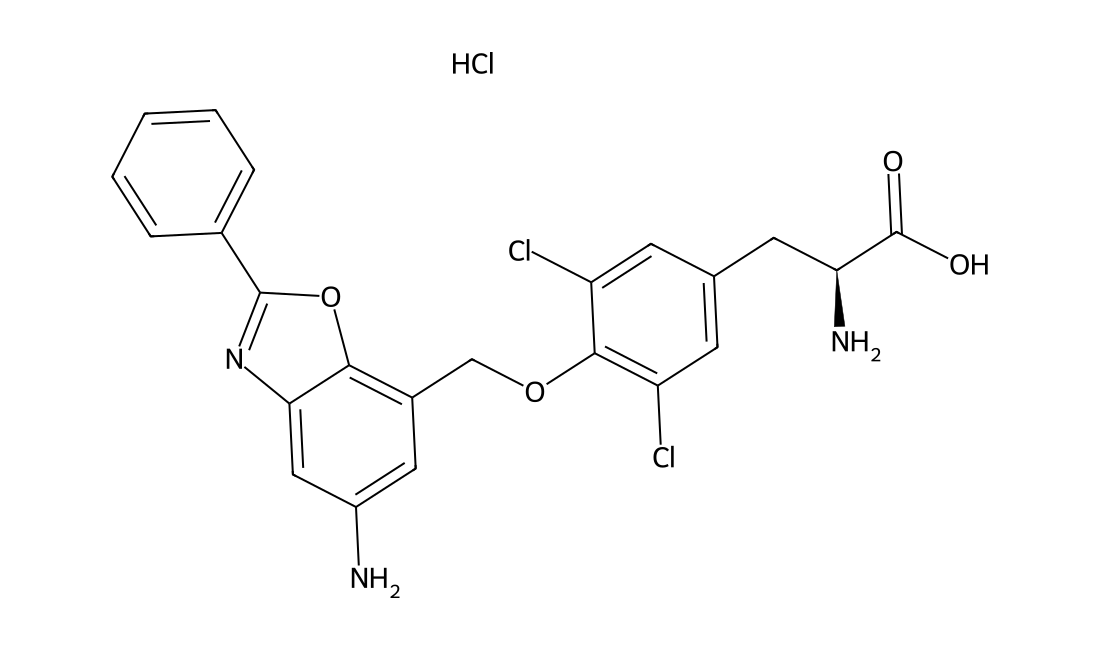
JPH203, also known as KYT-0353, is a potent and selective LAT1 selective ( L-type amino acid transporter 1) inhibitor. JPH203 can very potently inhibit l-leucine uptake. JPH203 inhibits YD-38 cell growth. JPH203 up-regulated the population of apoptotic Y
No products match this search.
Page 213 of 234 · Browse all 4677 products
Jump to a product page
Featured literature product: HX1 · DCL0028
HX1 is a hydroxyzine-derived ionizable lipid with acetal-containing tails, studied in lipid nanoparticles for brain mRNA delivery and CRISPR–Cas9 delivery. It was the lead in the reported in vivo brain-delivery screen; evidence is preclinical and formulation-dependent.
Read full formulation and performance →