
Research lipid catalog
Ionizable Lipid Products
Explore 848 lipid and RNA delivery products. Search the full catalog or browse by research category.
Search covers product name, catalog number, synonyms, available CAS numbers and categories. Spaces, hyphens and common punctuation are ignored. Duplicate legacy records are consolidated under one canonical product result.
4677 products · Showing 4501–4520 · 20 per page
DC Chemicals lipid expertise
Built for ionizable-lipid discovery and RNA delivery research
DC Chemicals supports formulation and delivery research with a broad, searchable portfolio of cationic and ionizable lipids. The current directory brings together 848 unique research-use products, with product specifications, pricing, chemical structures and literature-linked formulation data added as each record is verified.
Our experience spans complex lipid synthesis, purification, analytical release and process development. For custom molecules or larger-scale requirements, our team can discuss route development, technical specifications and scale-up options for the intended research workflow.
Learn about cationic and ionizable lipids →Proprietary innovation · Co-development · GMP
From proprietary lipid design to GMP-grade custom synthesis
DC Chemicals has independently developed ionizable-lipid structures supported by company-owned intellectual property, and selected proprietary lipid programs have advanced to GMP-stage development.
We welcome joint development with customers—from molecular design and lipid synthesis through route and process development. We can also support custom synthesis of GMP-grade ionizable lipids to agreed technical specifications and quality requirements.
Discuss a co-development project →Proprietary ionizable-lipid structuresCollaborative molecular designCustom lipid synthesisProcess development and scale-upGMP-grade project support
Product quick links
Explore New ionizable lipids
Explore our five most recently added ionizable lipids, with specifications, pricing and literature-linked product information.
DCL0028HX1Brain RNA delivery researchView product →DCL0024A1I4R13C18-2Spleen-targeted RNA delivery researchView product →DCL0023A1I4R2C18-2Spleen-targeted RNA delivery researchView product →DCL0022FS01Local joint RNA delivery researchView product →DCL0020Lipid-392Lung RNA delivery and gene editing researchView product →
Cat. No.Product NameField of ApplicationChemical Structure
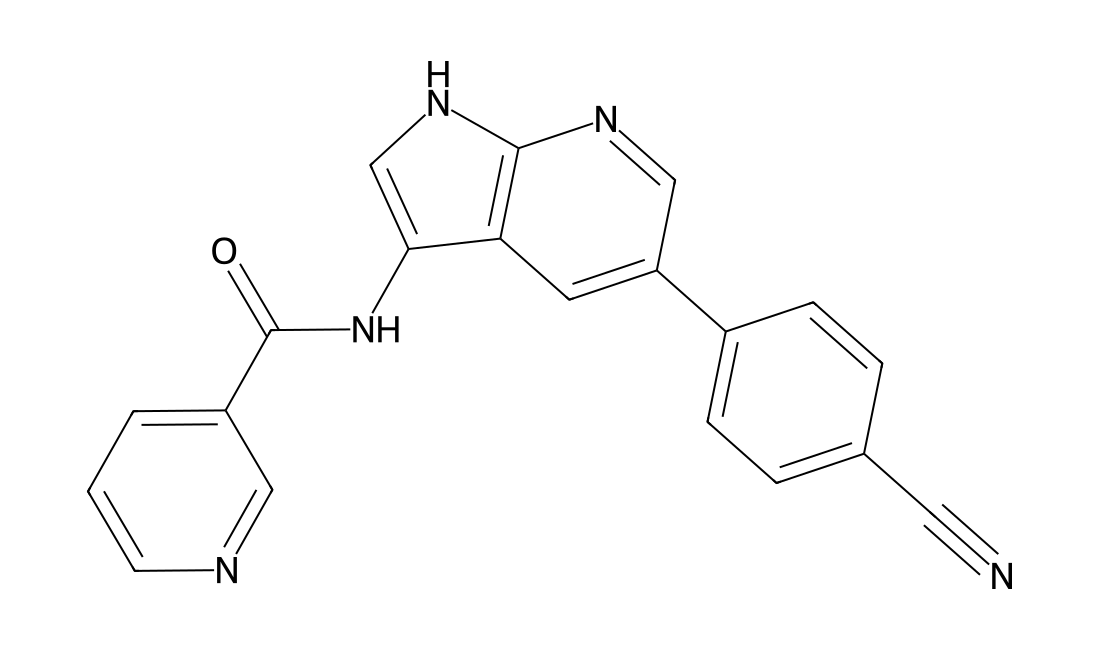
Pim1/AKK1-IN-1Featured
PIM/AKK1-IN-1 is a potent multi-kinase inhibitor with Kd values of 35 nM/53 nM/75 nM/380 nM for Pim1/AKK1/MST2/LKB1 respectively; also inhibits MPSK1 and TNIK.
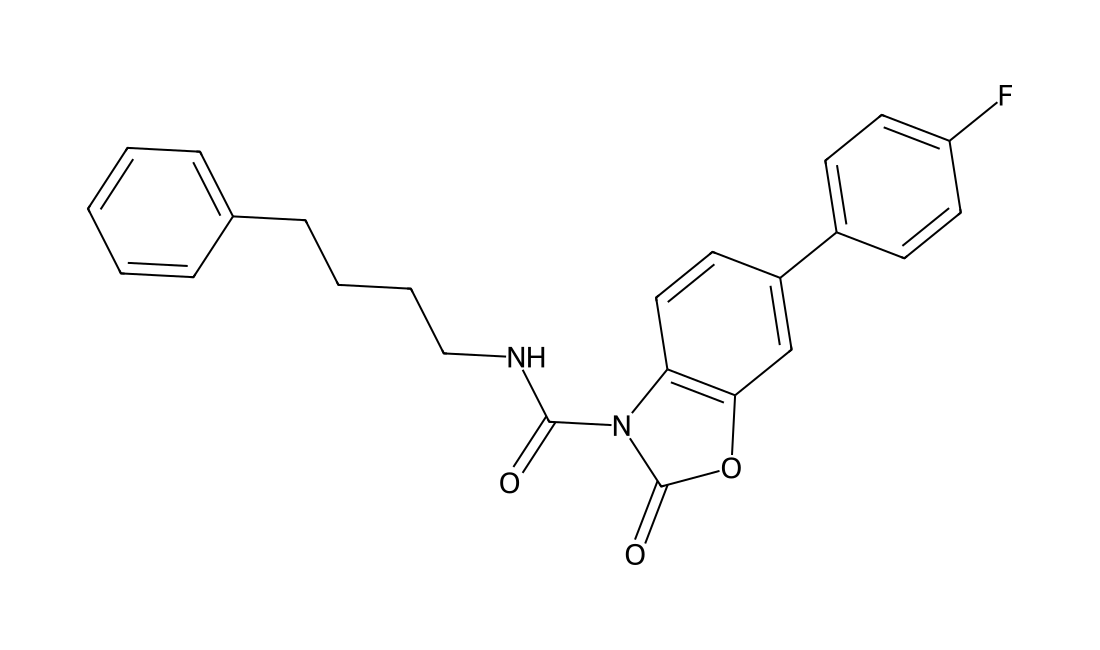
ARN14974Featured
ARN14974 is a benzoxazolone carboxamide inhibitor of acid ceramidase (IC50 = 79 nM).
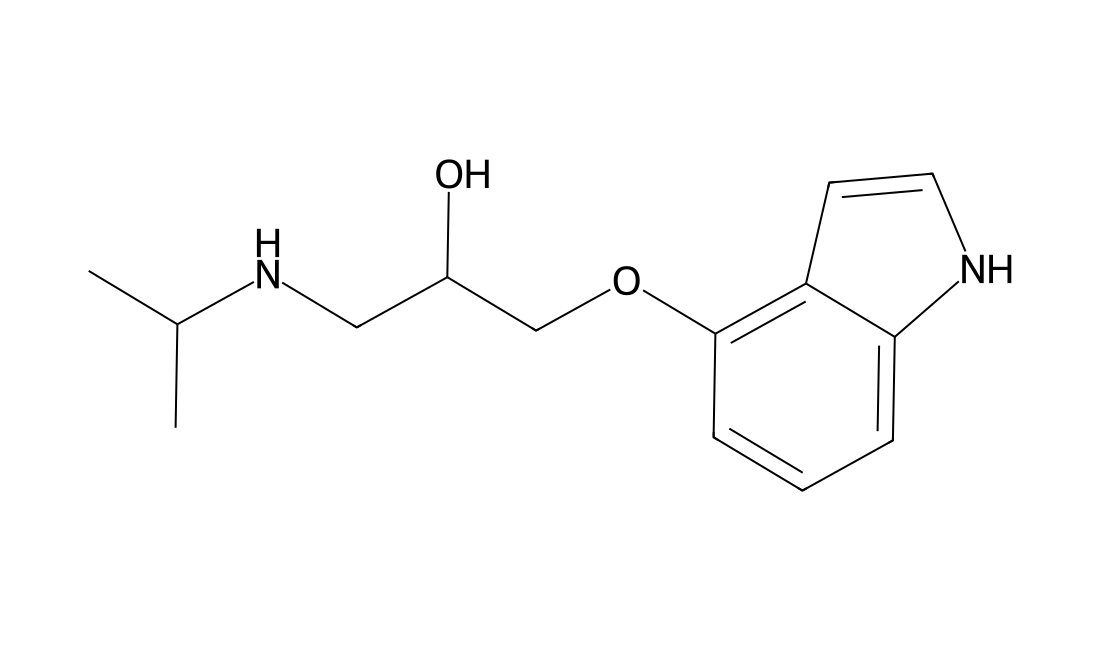
PindololFeatured
Pindolol is a moderately lipophilic beta blocker. Pindolol is a SR-1A/SR-1B antagonist with similar affinity for each subtype. Pindolol acts as a partial agonist at mouse and human β3-AR (β3-adrenoceptors). Pindolol is an inhibitor of β1-AR.
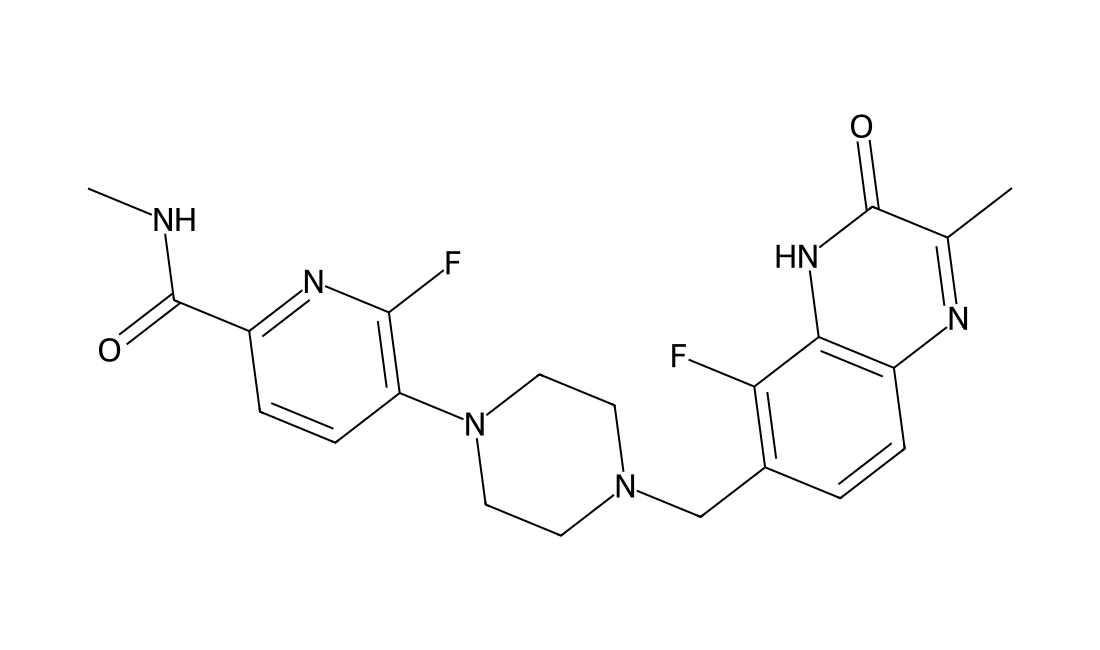
AZD-9574Featured
AZD9574 is a CNS-penetrant, PARP1-selective inhibitor with IC50 of <0.005 μM. AZD9574 demonstrates >10,000-fold selectivity for PARP1 over PARP2 and shows excellent preclinical PK acrossseveral species, with low clearance and high oral bioavailability, and demonstrated in vivo efficacy in a BRCA2−/− DLD-1 mouse xenograft model.
VA-012Featured
VA-012 is a potent, selective 5-HT2C receptor positive allosteric modulator (PAM) that exhibits dose-dependent potentiation of 5-HT efficacy with EC50 of 16 nM.
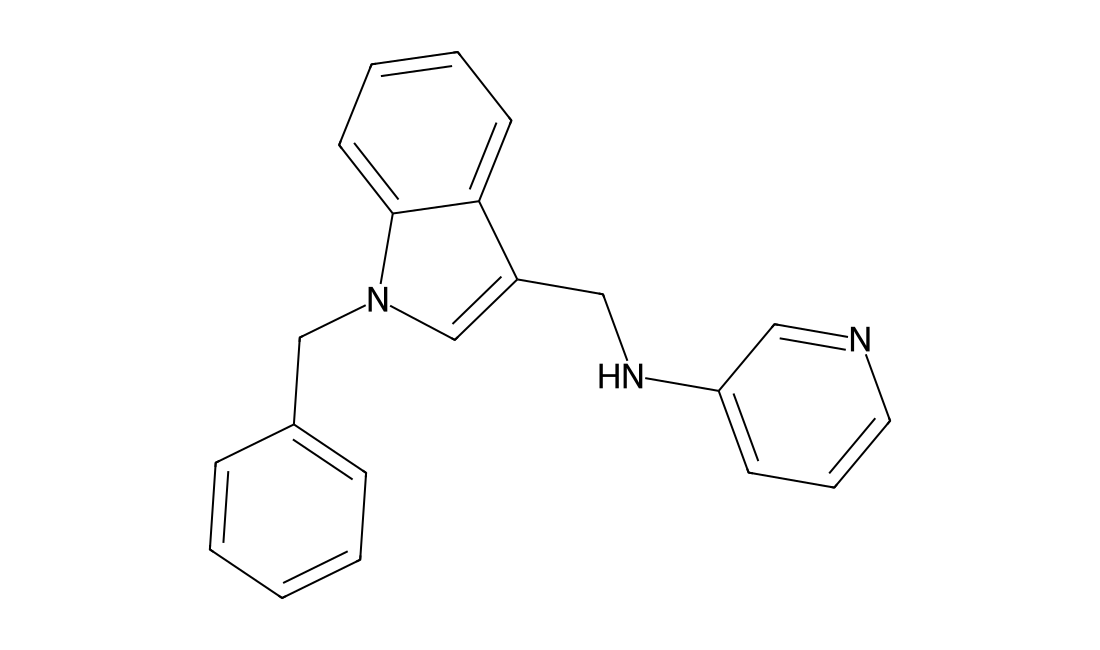
A3AR antagonist 5Featured
A3AR antagonist 5 (Compound 16) is a selective antagonist for human adenosine A3 receptor with an affinity pC of 4.542 μM.
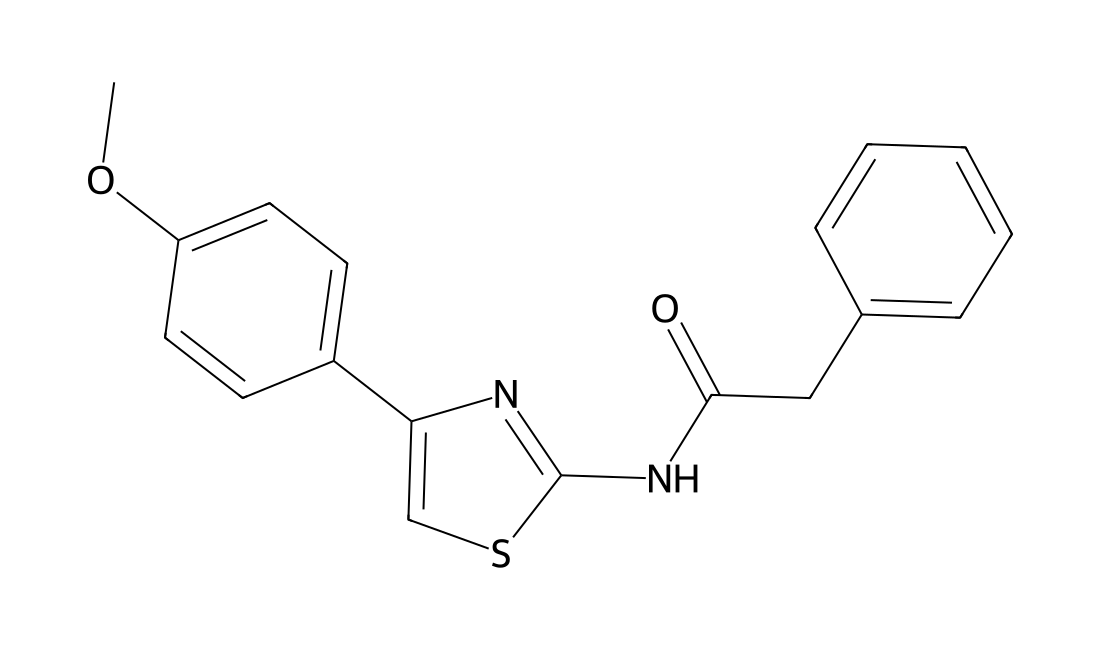
NQTrpFeatured
NQTrp, an aromatic naphthoquinone-tryptophan hybrid molecule, an inhibitor of the aggregation of the tau protein with generic anti-amyloidogenic effects. NQTrp inhibits the in vitro aggregation of hexapeptide (41GCWMLY46 within the N-terminus of γD-crystallin) as well as full-length γD-crystallin.
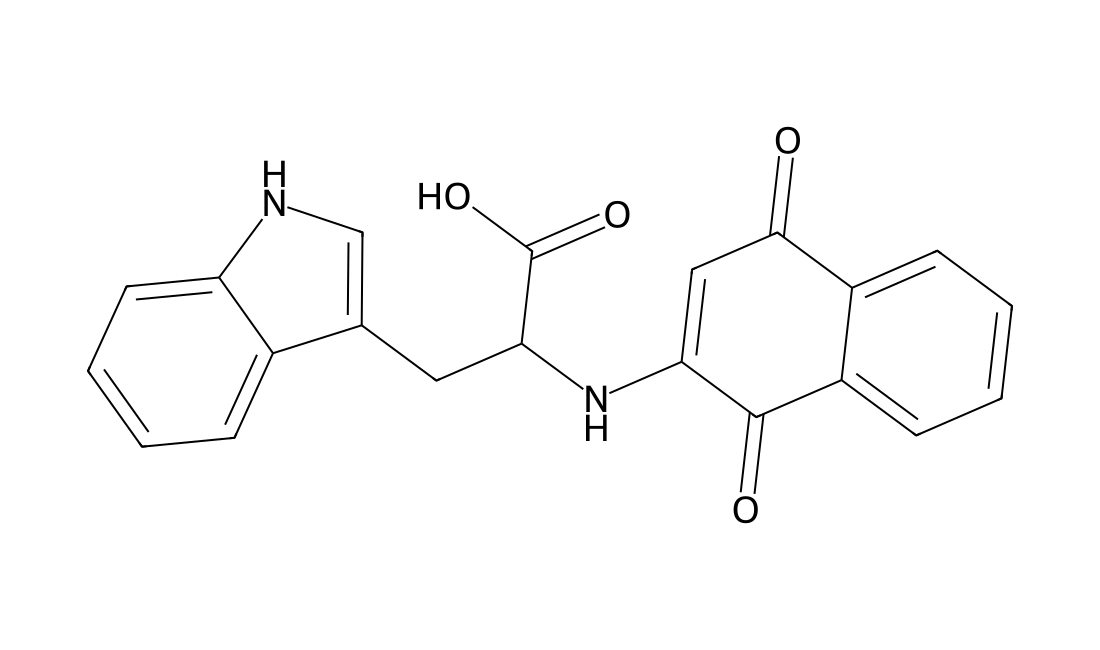
GPR183-IN-2Featured
GPR183-IN-2 (compound 23) is a potent GPR183 inhibitor. GPR183-IN-2 inhibits Ca2+ mobilization with an IC50 value of 39.45 nM. GPR183-IN-2 has the potential for the research of cancer, autoimmune diseases, pain, and osteoporosis.
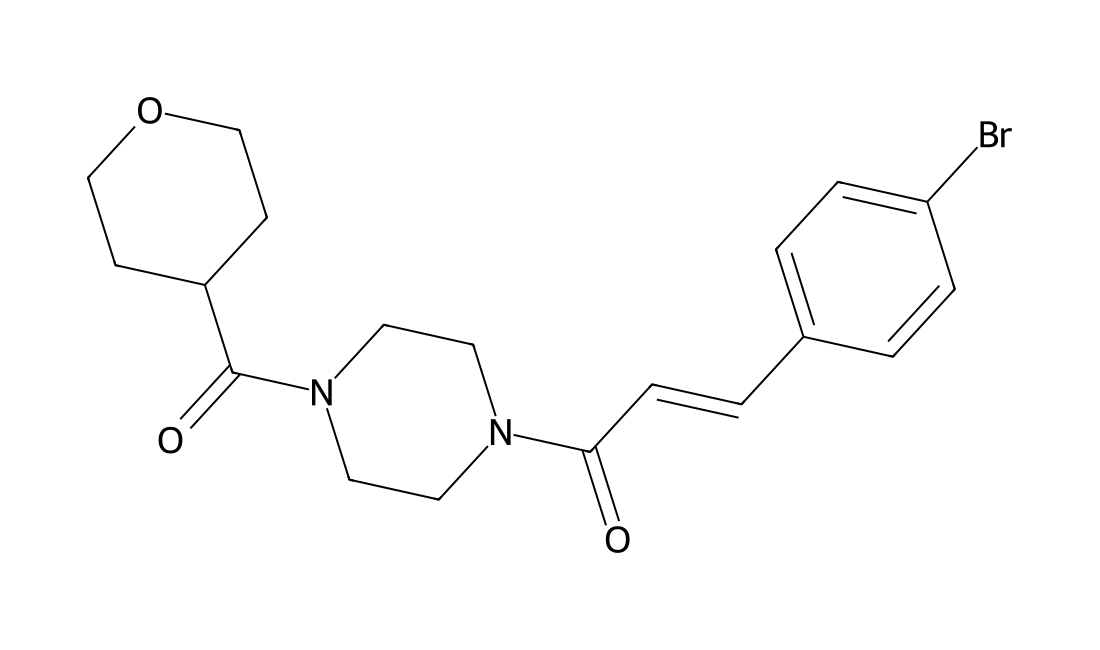
MS0124Featured
MS-0124 is a potent and selective inhibitor of G9a-like Protein (GLP) lysine methyltransferase with IC50 of 13 nM, shows >30-fold selectivity for GLP over G9a and other methyltransferases..
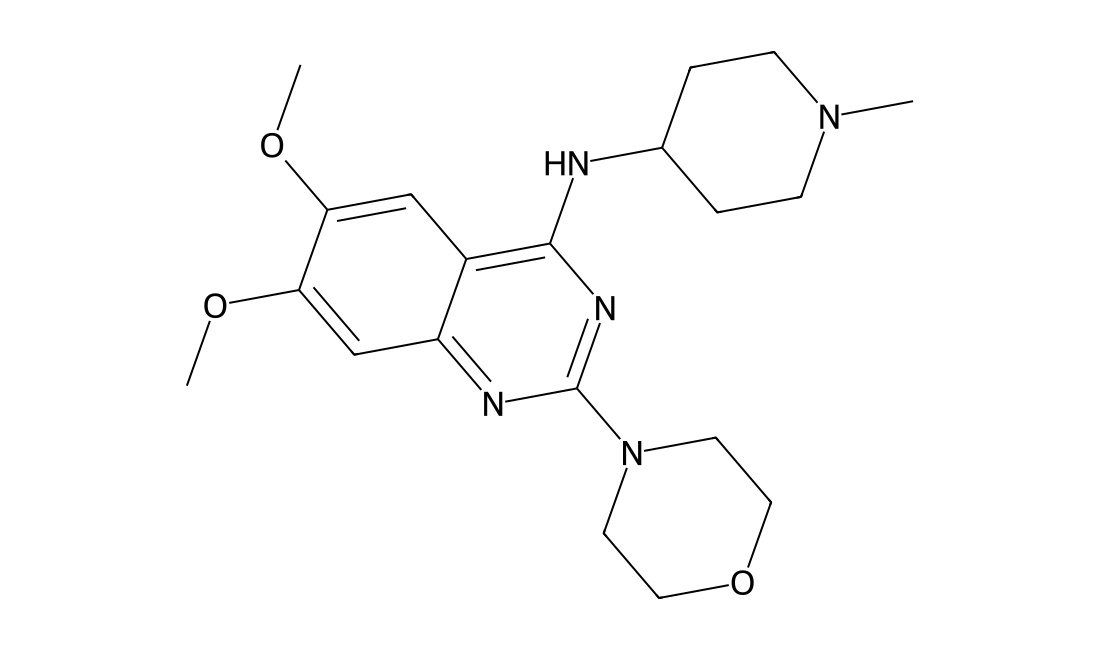
Aromatase-IN-2Featured
Aromatase-IN-2 is a potent aromatase inhibitor with an IC50 value of 1.5 µM.
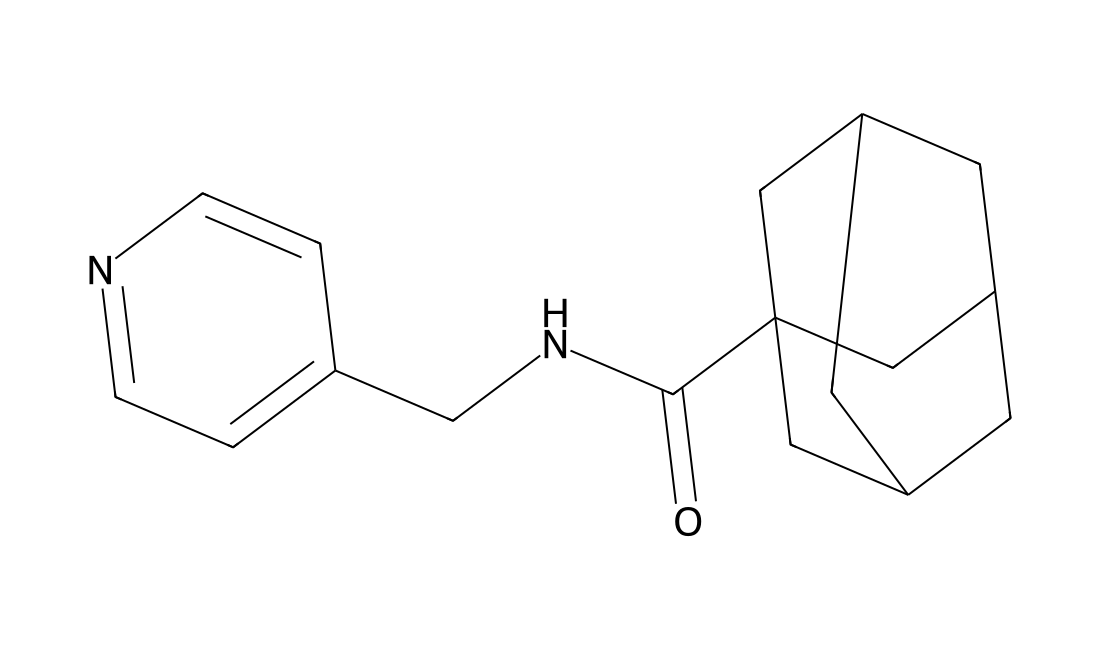
SIRT1-IN-1Featured
SIRT1-IN-1 is a selective SIRT1 inhibitor with an IC50 of 0.205 μM. SIRT1-IN-1 inhibits SIRT2 with an IC50 of 11.5 μM. SIRT1-IN-1, a indole, is a cytomegalovirus (CMV) inhibitors and has antiviral activity.
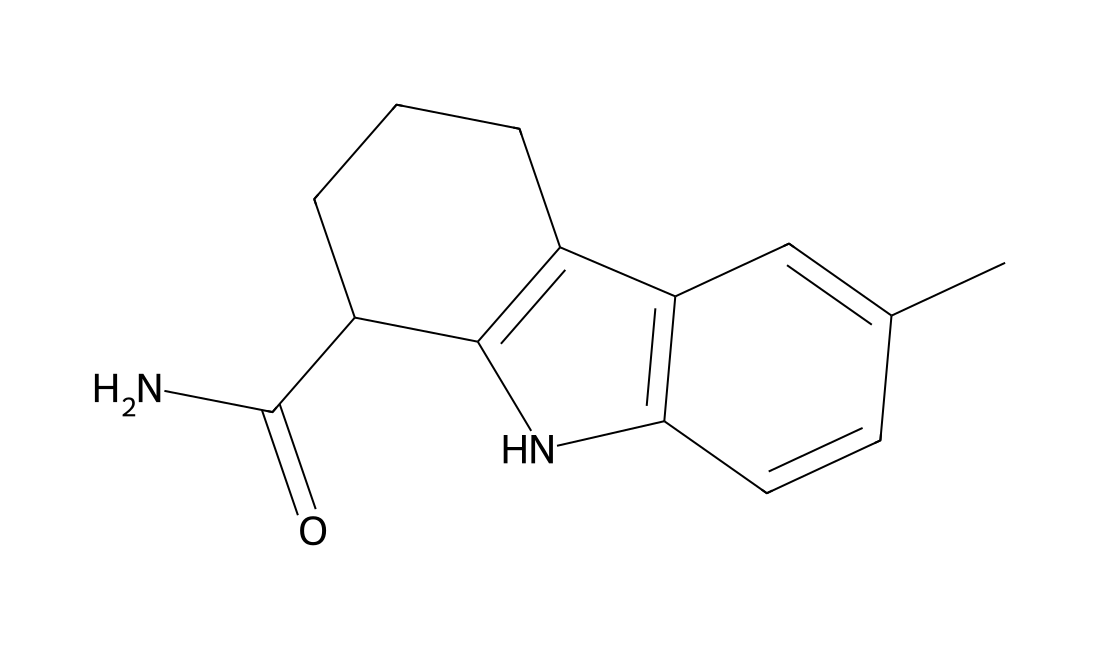
SulfaethoxypyridazineFeatured
Sulfaethoxypyridazine is a sulfonamide antibacterial agent. Sulfaethoxypyridazine is a sulfonamide that is used in veterinary medicine as feedstuffs.
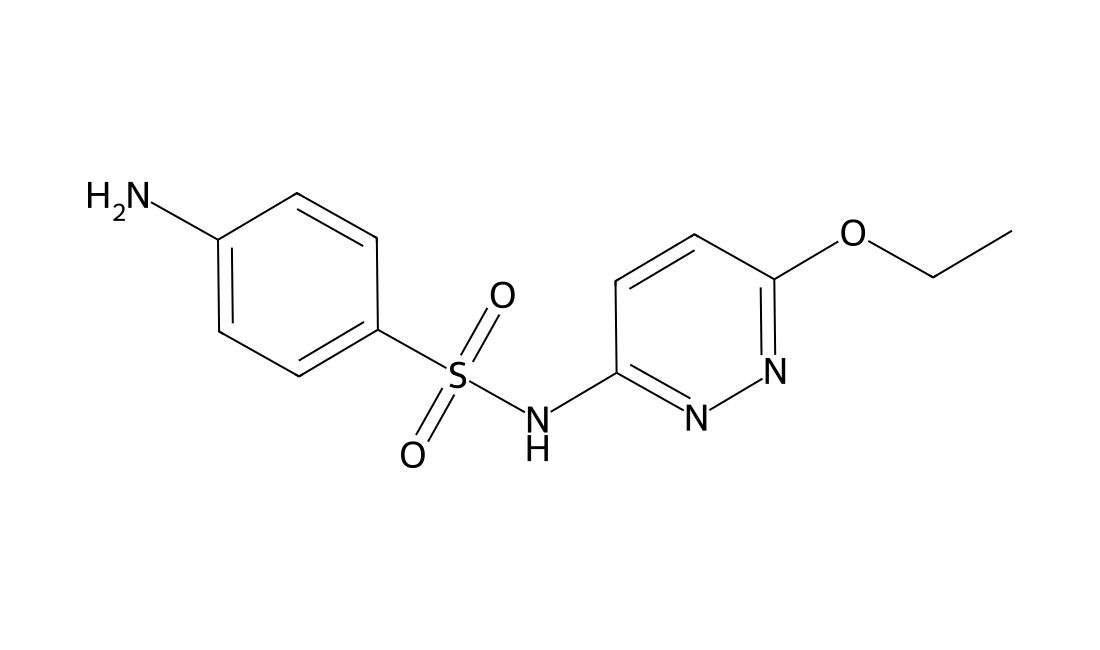
BBTFeatured
BBT is an enhancer of impaired glucose-stimulated insulin secretion (GSIS). BBT exhibits anti-hyperglycemia activity, and protects β-cells from cytokine- or streptozotocin (STZ (HY-13753))-induced cell death in type 2 diabetes models. BBT acts function via cAMP/PKA and long-lasting (L-type) voltage-dependent Ca2+ channel/CaMK2 pathway.
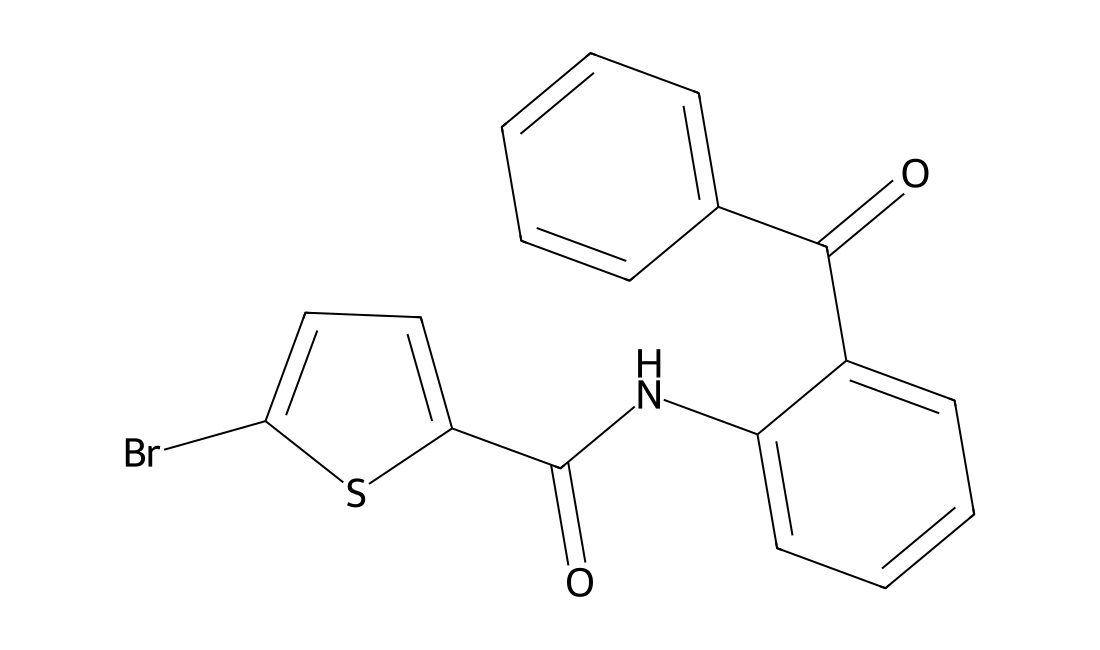
IL-4-inhibitor-1Featured
IL-4-inhibitor-1 (compound 52) is an IL-4 inhibitor, with an EC50 of 1.81 µM.
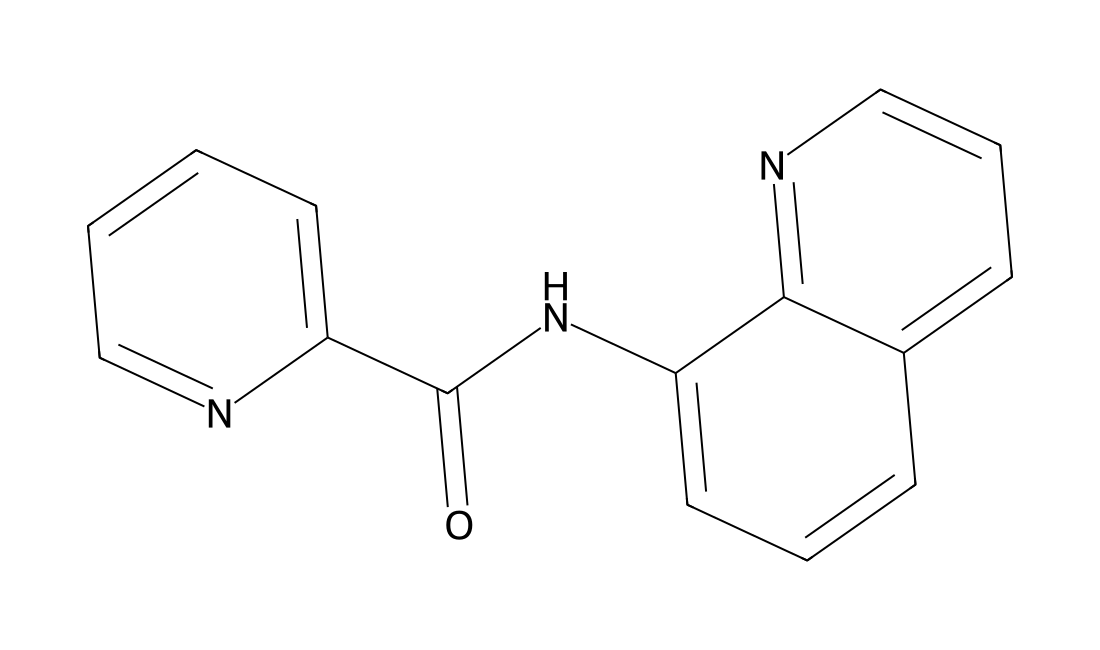
UM4118Featured
UM4118 is a copper ionophore that can initiate a mitochondrial-based noncanonical form of cell death known as cuproptosis. UM4118 exhibits high sensitivity in SF3B1-mutated and adverse risk acute myeloid leukemia (AML), and can be used for AML research.
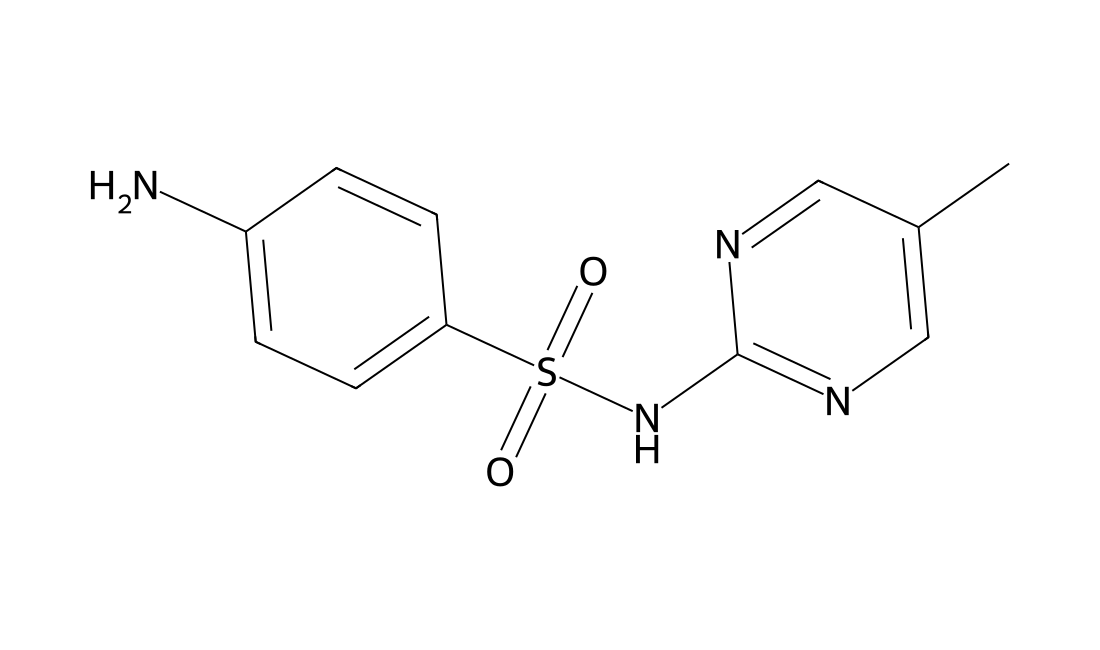
SulfaperinFeatured
Sulfaperin (Methylsulfadiazin) is an antibacterial agent.
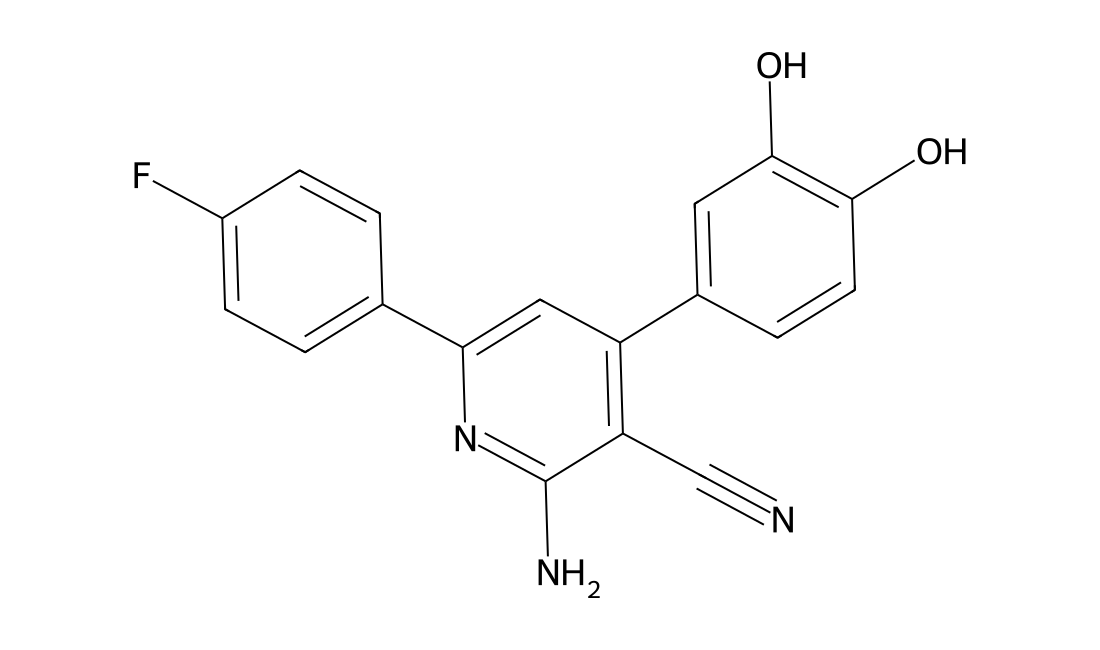
(E/Z)-DMU2139Featured
(E/Z)-DMU2139 (Compound 180) is the E/Z isomer of DMU2139 (HY-101285). (E/Z)-DMU2139 is a potent and specific CYP1B1 inhibitor (IC50: 4 nM).
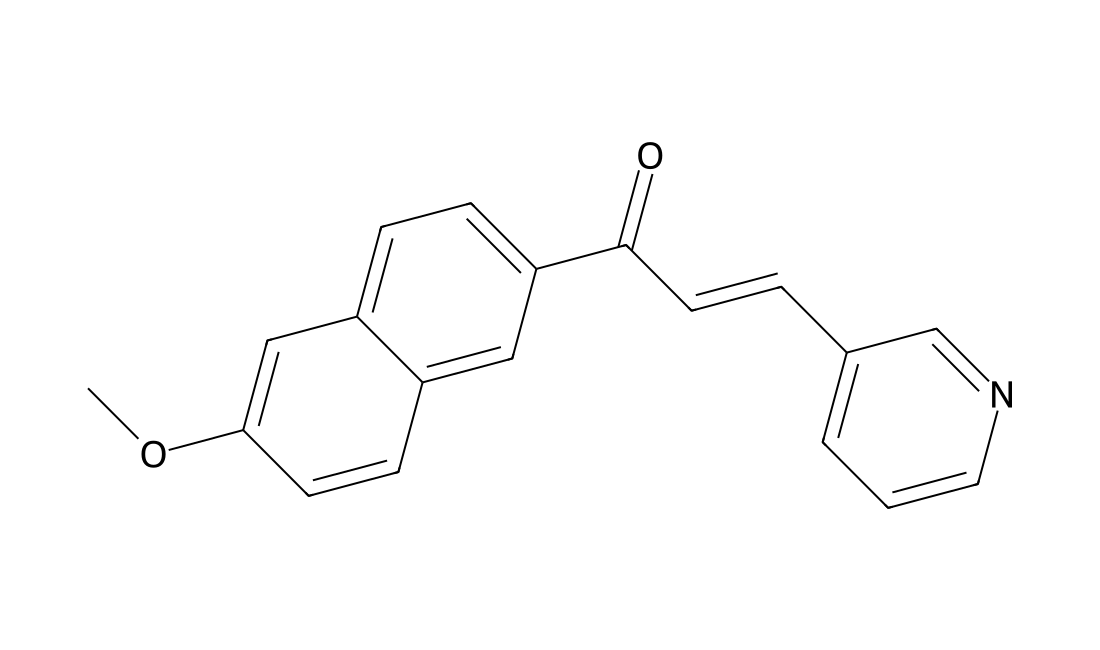
ORIC-944Featured
ORIC-944 is a selective, orally active, allosteric inhibitor targeting the EED subunit of polycomb repressive complex 2 (PRC2). ORIC-944 is synergistic with androgen receptor pathway inhibitors (ARPIs) for the study of metastatic prostate cancer.
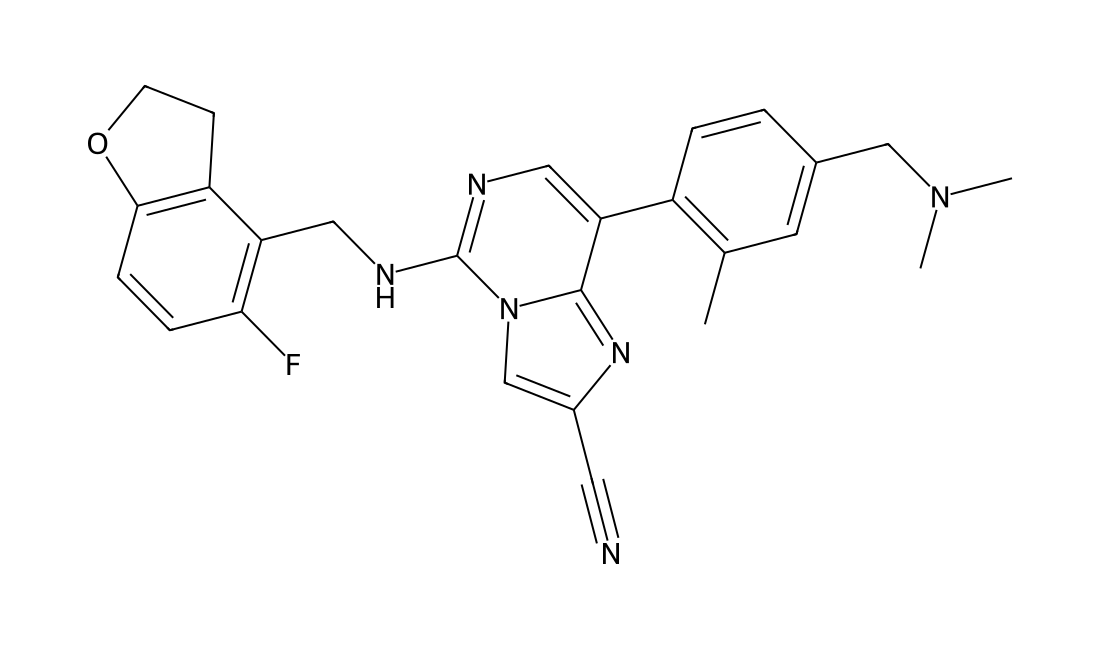
M3541Featured
M3541 (M 3541) is a novel potent, selective and ATP-competitive ATM kinase inhibitor with IC50 of 0.25 nM (ATP, 10 uM).M3541 displays a good margin of selectivity (>60-fold) against the closely related PIKK family members with DNA-PK, PI3K isoforms, mTOR, and ATR.M3541 inhibits the phosphorylation of ATM as well as its cellular substrates CHK2, KAP1, and p53 in a concentration-dependent manner in A549 cells.M3541 inhibits double strand break repair and sensitizes cancer cells to radiation.M3541 suppresses ATM pathway activity and potentiates radiation efficacy in xenograft models of human cancer, synergizes with topoisomerase and PARP inhibitors.
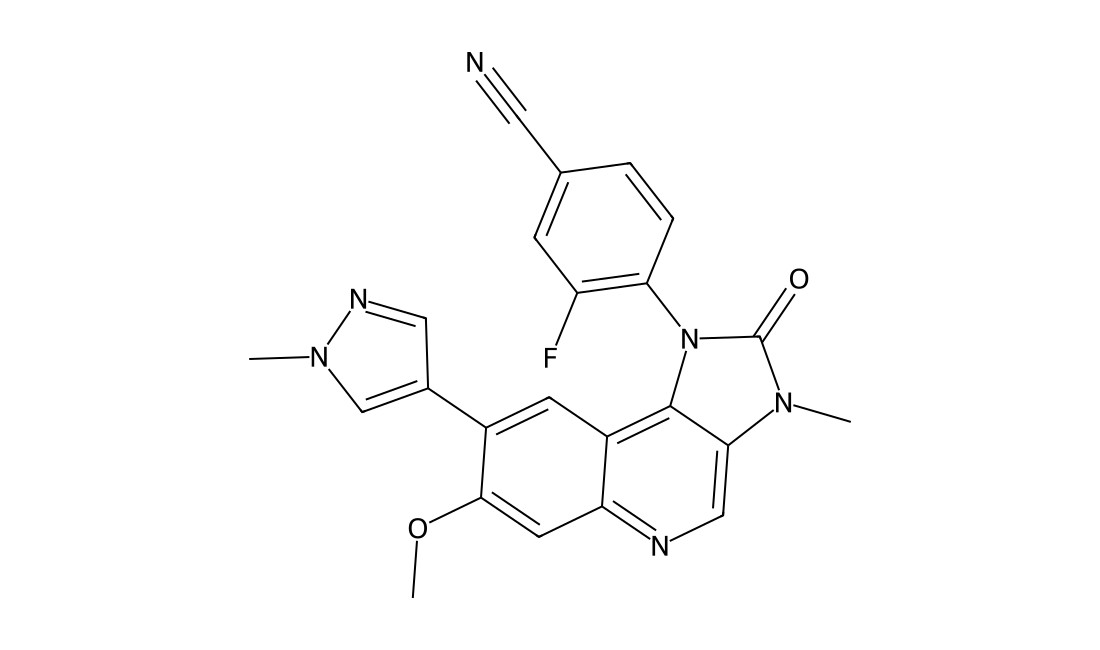
AZ13705339Featured
AZ13705339 is a potent, selective PAK1 inhibitor with IC50 of 0.33 nM, displays 14-, 470-, 4100- and 2600-fold selectivity over Src, FGFR1, KDR and PAK4.
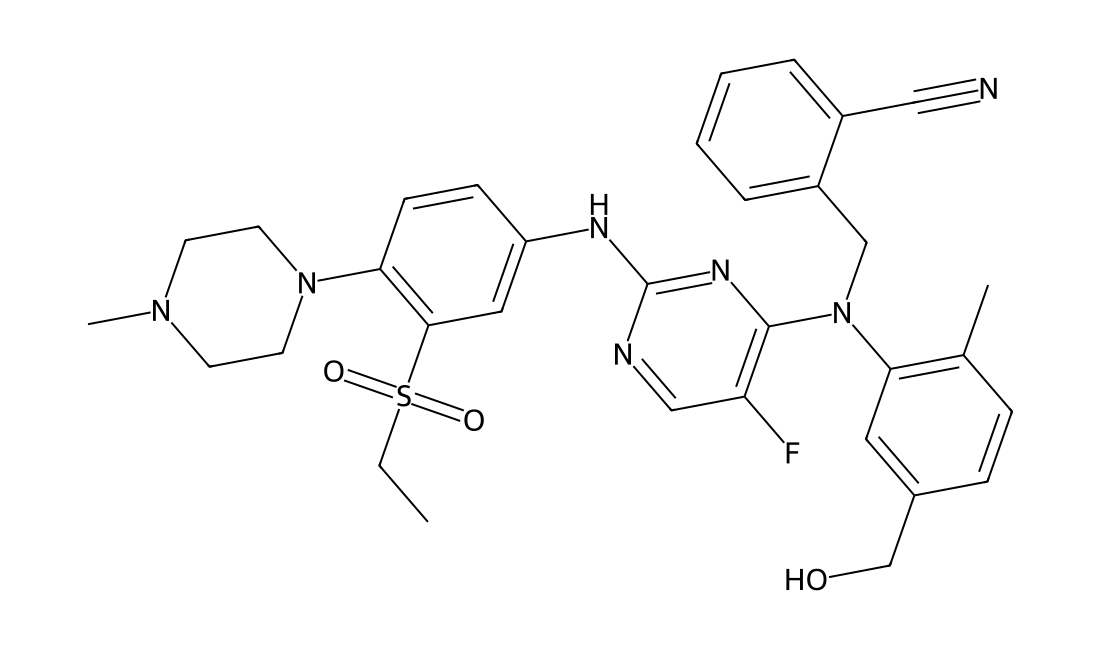
No products match this search.
Page 226 of 234 · Browse all 4677 products
Jump to a product page
Featured literature product: HX1 · DCL0028
HX1 is a hydroxyzine-derived ionizable lipid with acetal-containing tails, studied in lipid nanoparticles for brain mRNA delivery and CRISPR–Cas9 delivery. It was the lead in the reported in vivo brain-delivery screen; evidence is preclinical and formulation-dependent.
Read full formulation and performance →