
Research lipid catalog
Ionizable Lipid Products
Explore 848 lipid and RNA delivery products. Search the full catalog or browse by research category.
Search covers product name, catalog number, synonyms, available CAS numbers and categories. Spaces, hyphens and common punctuation are ignored. Duplicate legacy records are consolidated under one canonical product result.
4677 products · Showing 4181–4200 · 20 per page
DC Chemicals lipid expertise
Built for ionizable-lipid discovery and RNA delivery research
DC Chemicals supports formulation and delivery research with a broad, searchable portfolio of cationic and ionizable lipids. The current directory brings together 848 unique research-use products, with product specifications, pricing, chemical structures and literature-linked formulation data added as each record is verified.
Our experience spans complex lipid synthesis, purification, analytical release and process development. For custom molecules or larger-scale requirements, our team can discuss route development, technical specifications and scale-up options for the intended research workflow.
Learn about cationic and ionizable lipids →Proprietary innovation · Co-development · GMP
From proprietary lipid design to GMP-grade custom synthesis
DC Chemicals has independently developed ionizable-lipid structures supported by company-owned intellectual property, and selected proprietary lipid programs have advanced to GMP-stage development.
We welcome joint development with customers—from molecular design and lipid synthesis through route and process development. We can also support custom synthesis of GMP-grade ionizable lipids to agreed technical specifications and quality requirements.
Discuss a co-development project →Proprietary ionizable-lipid structuresCollaborative molecular designCustom lipid synthesisProcess development and scale-upGMP-grade project support
Product quick links
Explore New ionizable lipids
Explore our five most recently added ionizable lipids, with specifications, pricing and literature-linked product information.
DCL0028HX1Brain RNA delivery researchView product →DCL0024A1I4R13C18-2Spleen-targeted RNA delivery researchView product →DCL0023A1I4R2C18-2Spleen-targeted RNA delivery researchView product →DCL0022FS01Local joint RNA delivery researchView product →DCL0020Lipid-392Lung RNA delivery and gene editing researchView product →
Cat. No.Product NameField of ApplicationChemical Structure
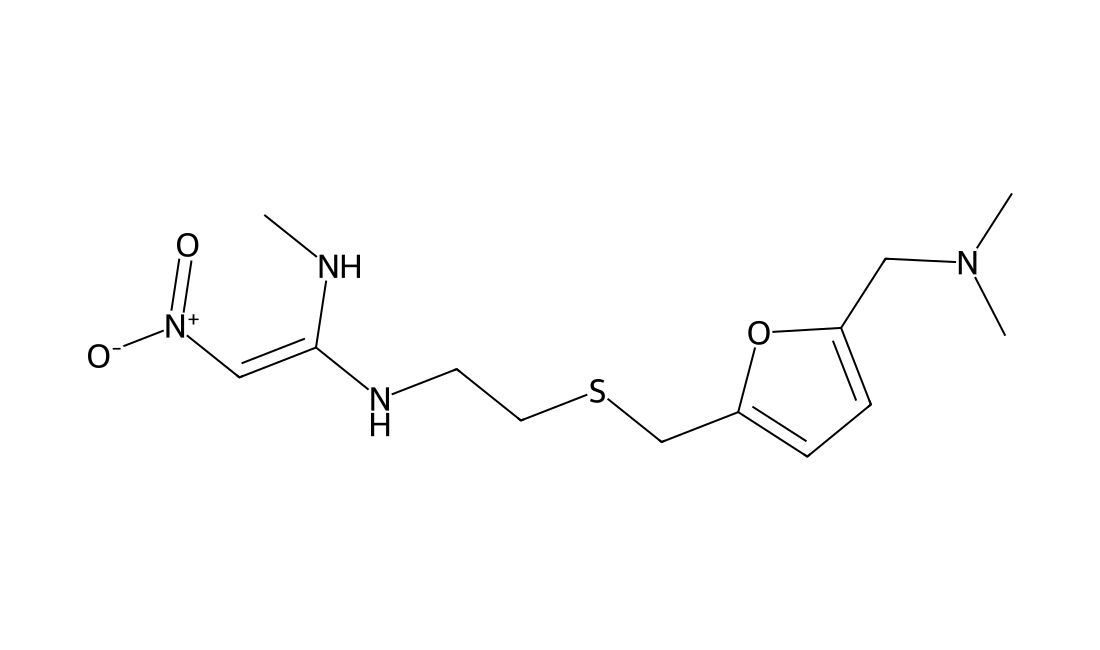
RanitidineFeatured
Ranitidine is a non-imidazole blocker of those histamine receptors that mediate gastric secretion (H2 receptors). It is used to treat gastrointestinal ulcers. It is commonly used in treatment of peptic ulcer disease, gastroesophageal reflux disease, and Zollinger–Ellison syndrome.
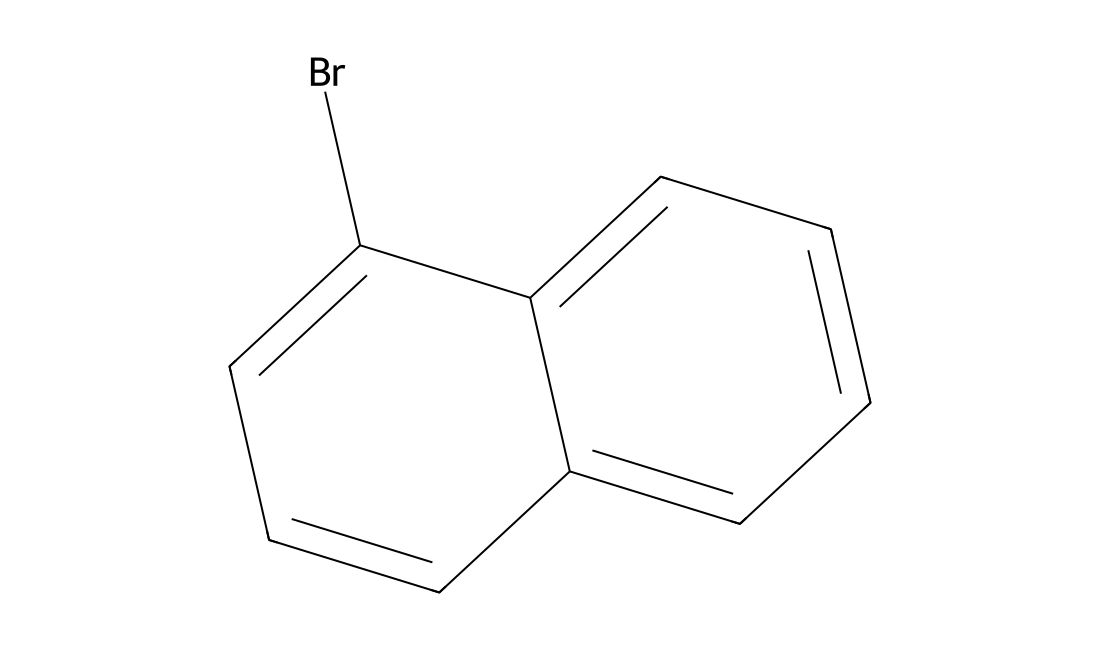
1-BromonaphthaleneFeatured
1-Bromonaphthalene is an organic compound with the formula C10H7Br. It is one of two isomeric bromonaphthalenes, the other being 2-bromonaphthalene. Under normal conditions, the substance is a colorless liquid.
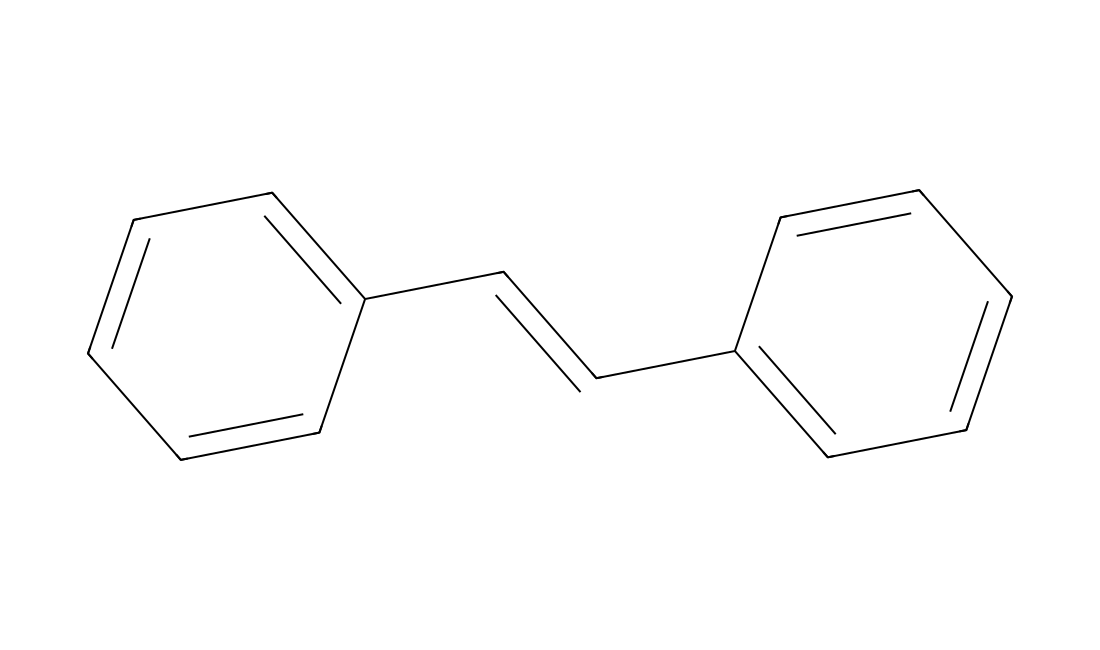
trans-StilbeneFeatured
trans-Stilbene ((E)-Stilbene) is used in the manufacturing of dye lasers, optical brighteners, non-steroidal synthetic estrogens.
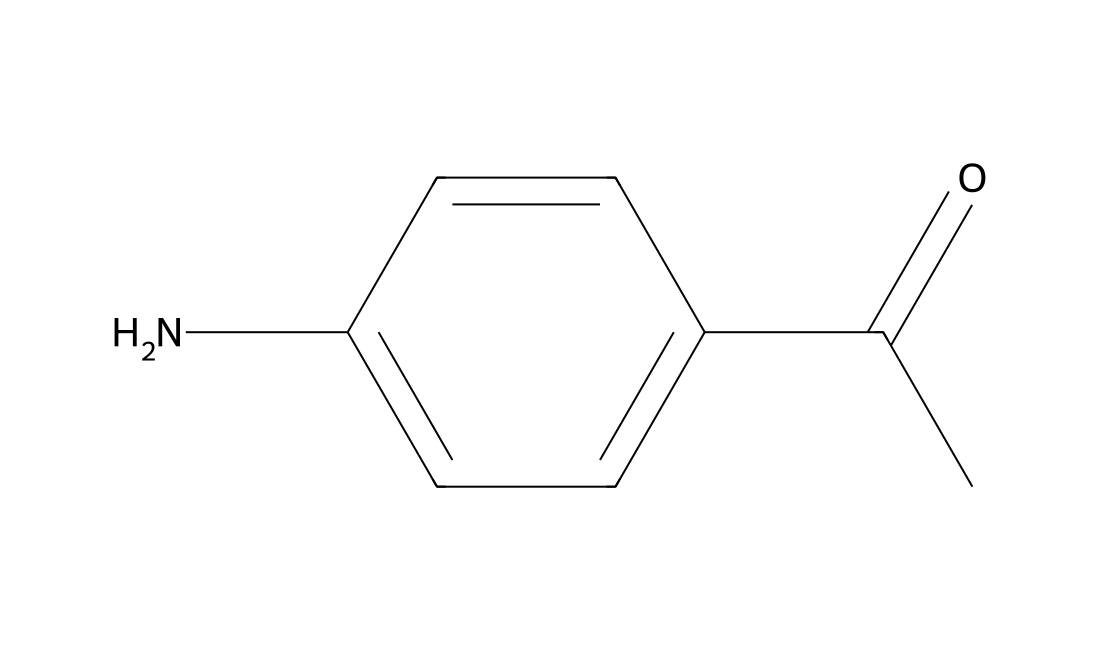
4'-AminoacetophenoneFeatured
1-(4-Aminophenyl)ethanone is a biochemical reagent that can be used as a biological material or organic compound for life science related research.
Diazolidinyl ureaFeatured
Diazolidinyl urea, a broad spectrum preservative, is a formaldehyde-releasing compound that releases formaldehyde through its decomposition. Diazolidinyl urea is effective against most contaminating microorganisms, especially Pseudomonas.
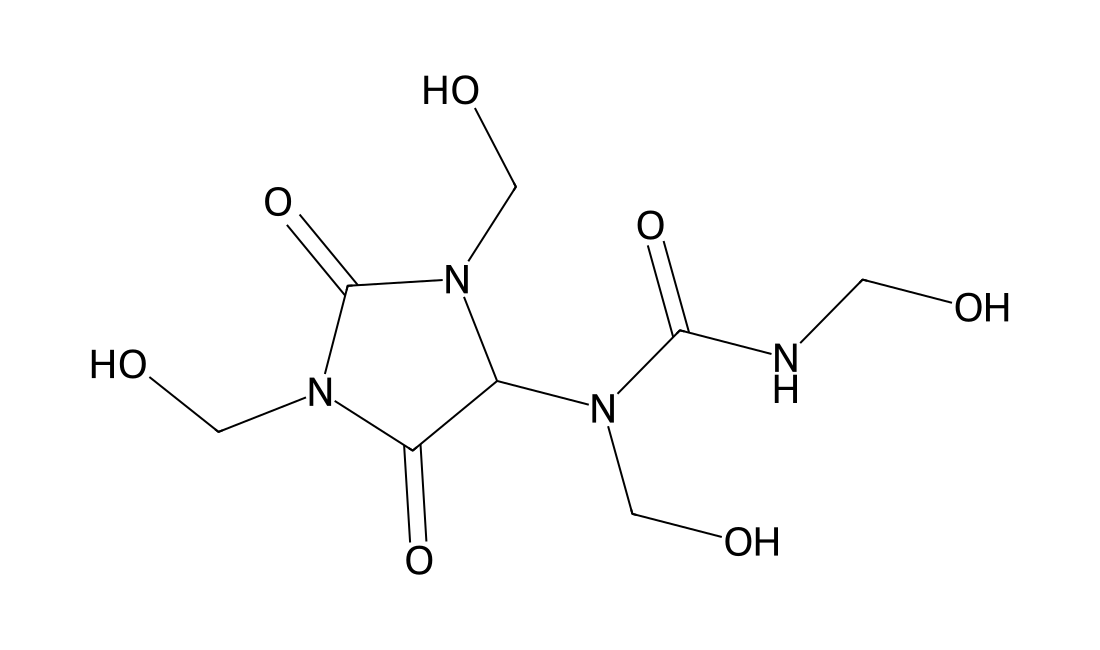
(1R)-α-PineneFeatured
(1R)-α-Pinene is a volatile monoterpene with antimicrobial activities. (1R)-α-Pinene reduces Bacillus cereus population growth, and exhibits repellent effects.
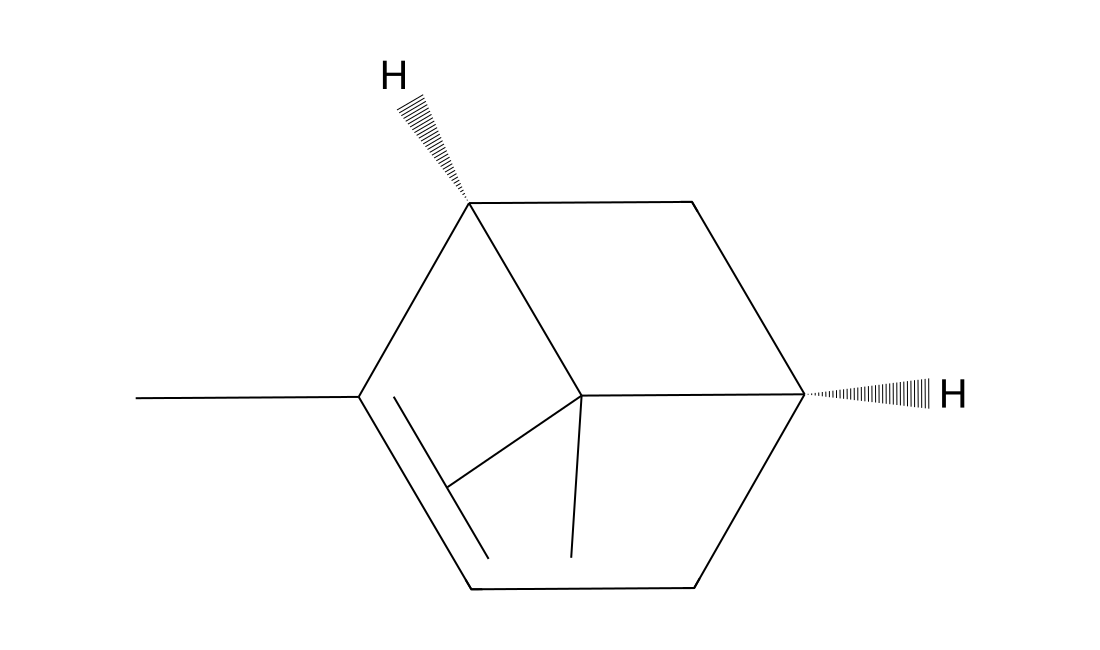
DideoxyadenosineFeatured
Dideoxyadenosine is konwn as 2′,3′-Dideoxyadenosine (ddA), a specific adenylyl cyclase inhibitor, is useful in biological process and pathway studies involving adenylyl cyclase activity and cAMP pool modulation.
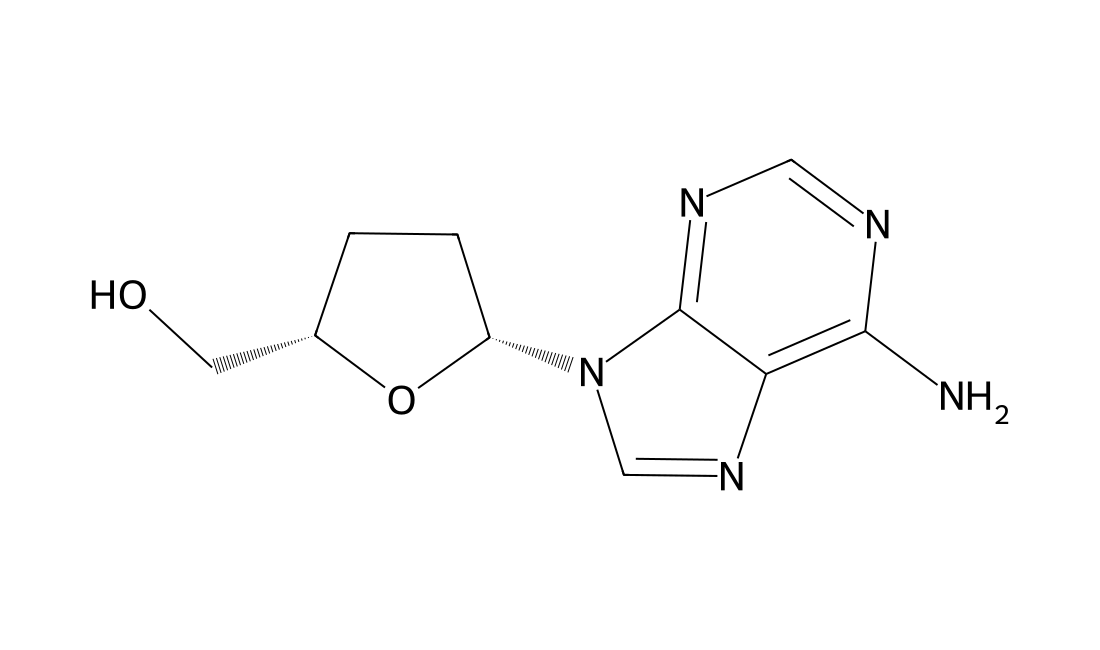
Brivanib (bms-540215)Featured
Brivanib is an ATP-competitive inhibitor against human VEGFR2 and FGFR with IC50 of 25 nM and 148 nM, respectively.
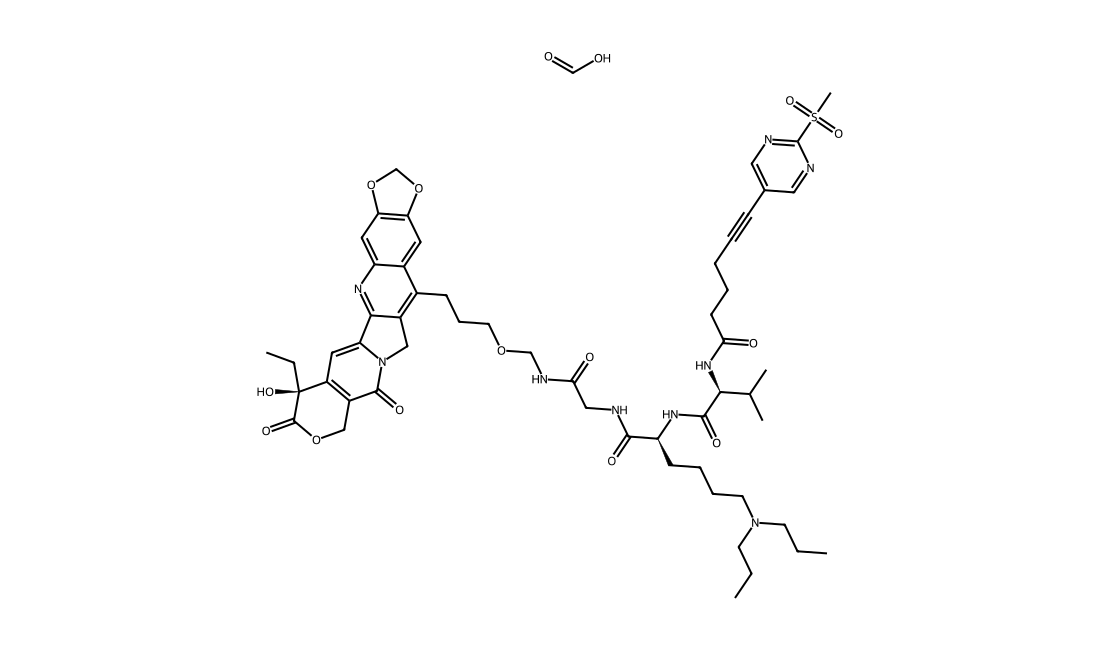
DL-01 formicFeatured
DL-01 formic is a drug-linker conjugates for ADC that can be used for the synthesis of ADCs.
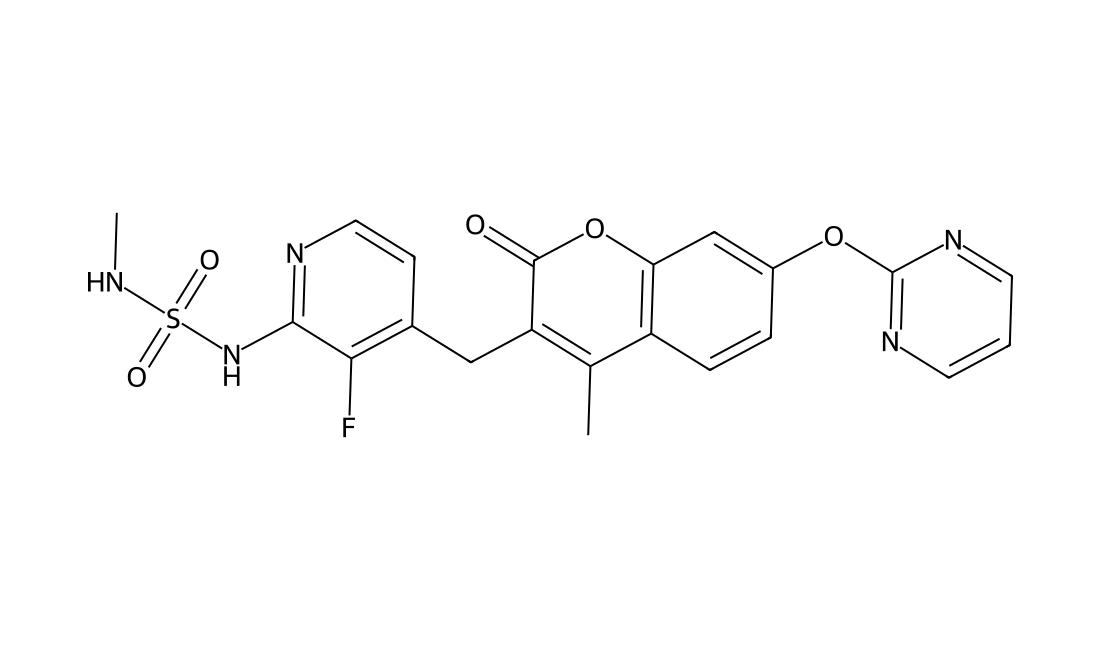
RO5126766(CH5126766)Featured
RO5126766(CH5126766) is a Raf/MEK dual kinase inhibitor.
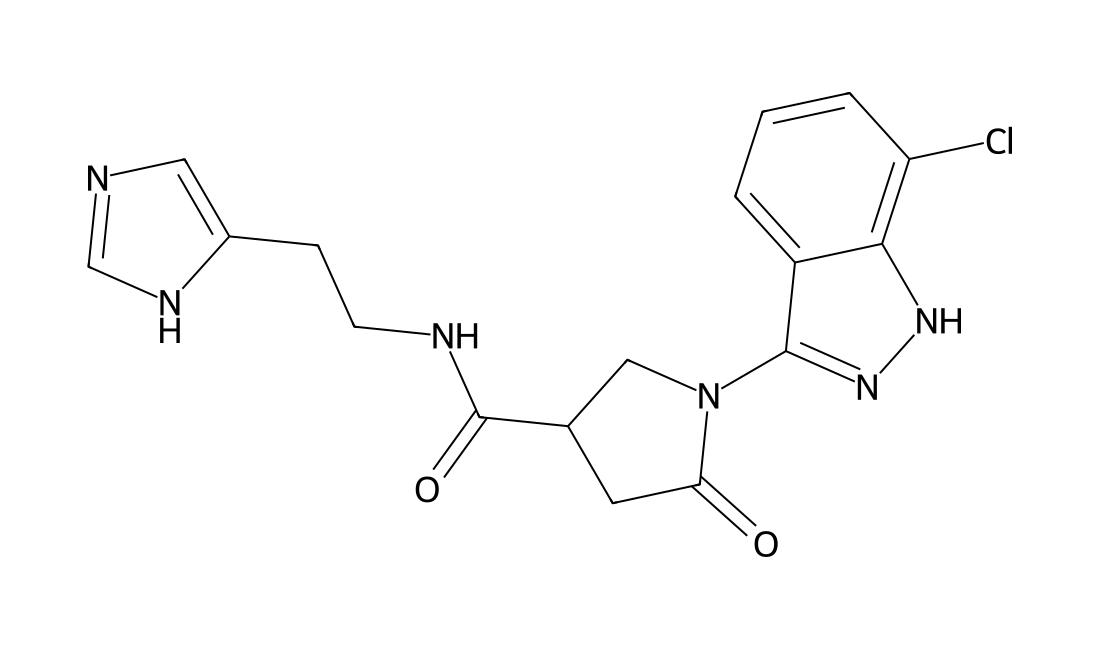
PA-915Featured
PA-915 (PA915) is a small-molecule, non-peptide antagonist of the PACAP type I (PAC1) receptor, inhibits PACAP (1 nM)-induced phosphorylation of CREB in PAC1/CHO cells with IC50 of <10 pM.
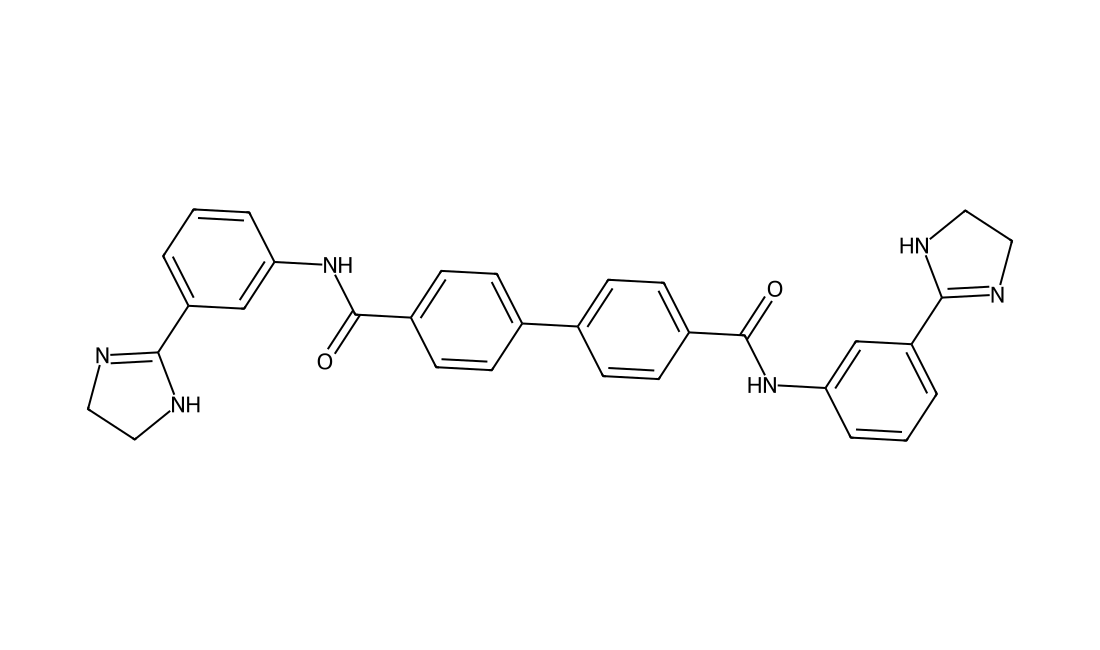
BPH-1358 free baseFeatured
BPH-1358 free base (NSC50460 free base) is a potent human farnesyl diphosphate synthase (FPPS) and undecaprenyl diphosphate synthase (UPPS) inhibitor with IC50s of 1.8 μM and 110 nM, respectively, and is active against S. aureus in vitro (MIC ~250 ng/mL).
T0080Featured
T0080 is a FPR-1 antagonist. T0080 reduces the cell apoptosis, inhibits ROS production and pro-inflammatory cytokines (TNF-α and IL-1β) from plaque macrophages, which attenuates atherosclerotic progression in ApoE−/− mice.
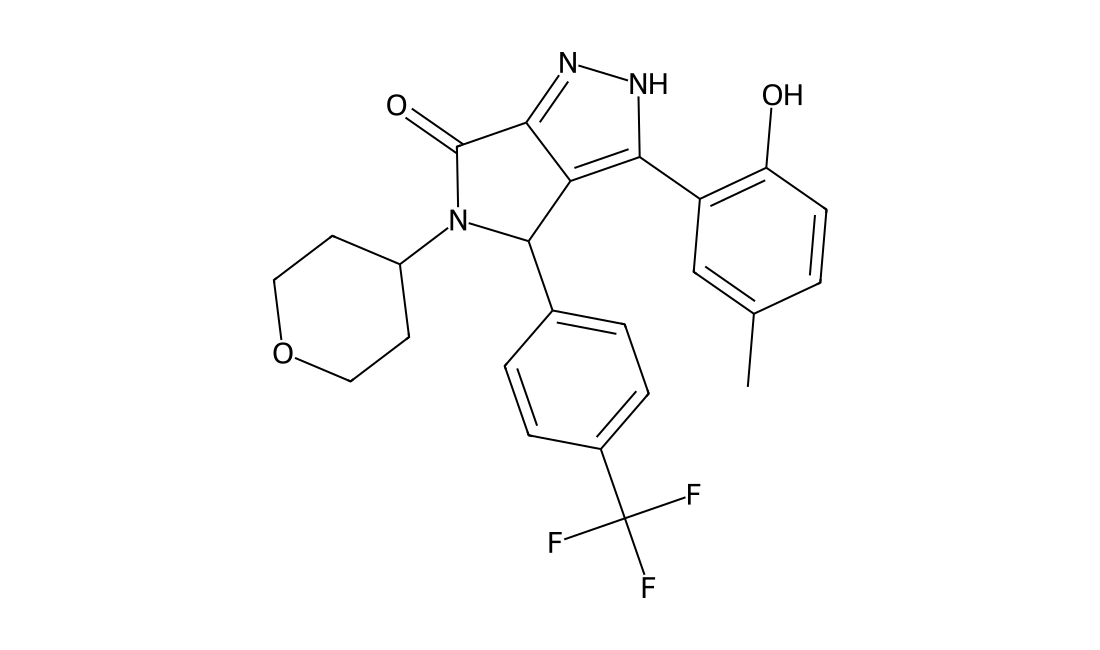
KRAS inhibitor-9Featured
KRAS inhibitor-9, a potent KRAS inhibitor (Kd=92 μM), blocks the formation of GTP-KRAS and downstream activation of KRAS. KRAS inhibitor-9 binds to KRAS G12D, KRAS G12C and KRAS Q61H protein with a moderate binding affinity. KRAS inhibitor-9 causes G2/M cell cycle arrest and induces apoptosis. KRAS inhibitor-9 selectively inhibits the proliferation of NSCLC cells with KRAS mutation but not normal lung cells.
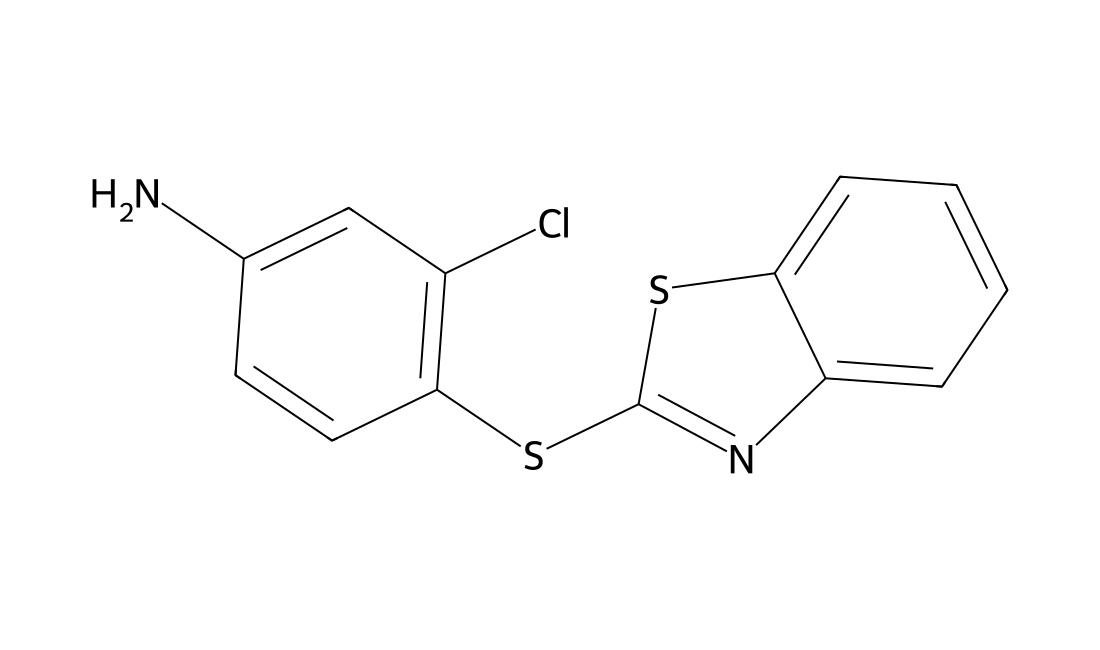
FAS-IN-1Featured
FAS-IN-1 is a potent inhibitor of fatty acid synthase (FAS) wtih IC50 of 10 nM..
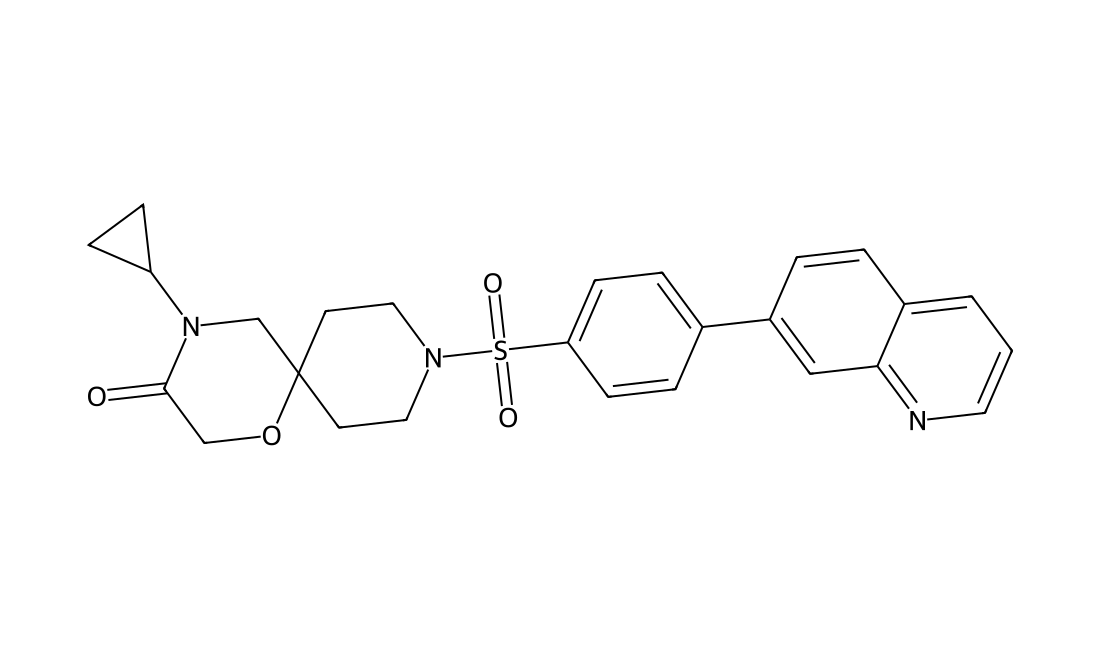
GPR40 Activator 2Featured
GPR40 Activator 2 is a potent GPR40 activator from patents WO 2012147516 A1, WO 2012046869A1 and WO 2011078371 A1.
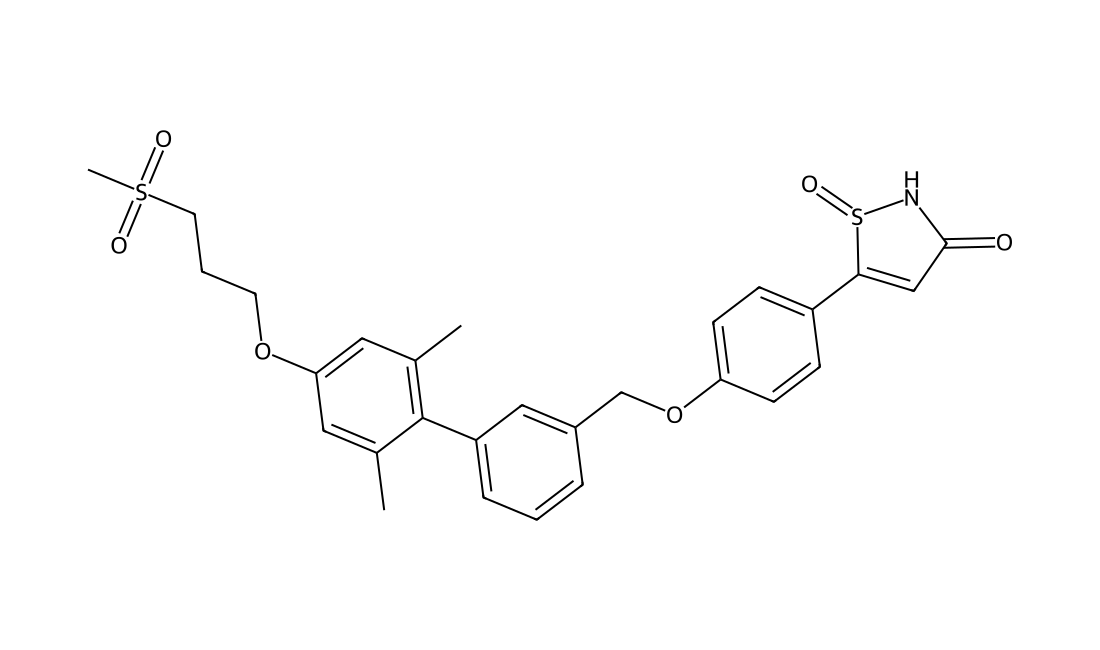
SafranalFeatured
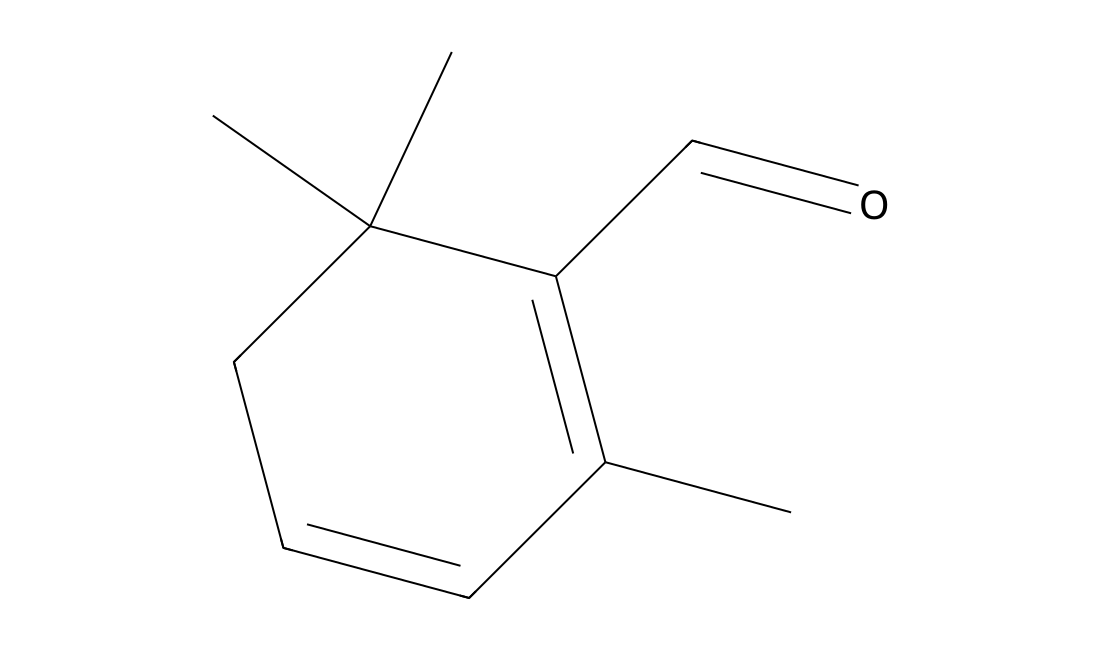
Safranal is an orally active main component of Saffron (Crocus sativus) and is responsible for the unique aroma of this spice. Safranal has neuroprotective and anti-inflammatory effects and has the potential for Parkinson’s disease research.
UNC0224Featured
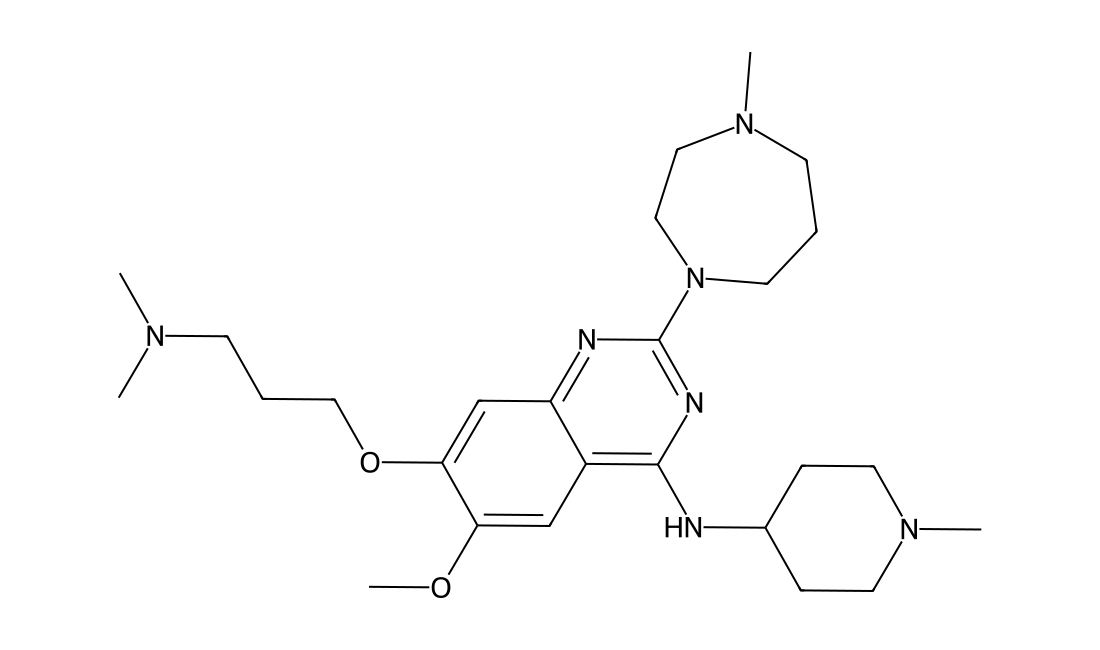
UNC-0224 is a potent inhibitor of G9a histone lysine methyltransferase (IC50 = 15 nM).
PyrantelFeatured
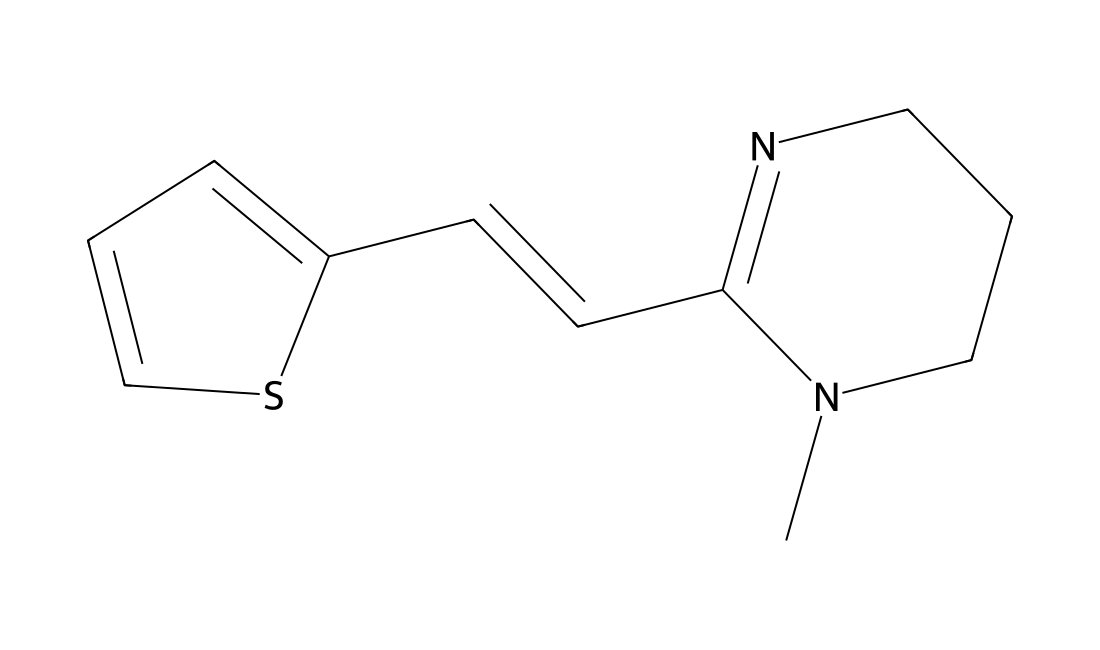
Pyrantel is an orally active anthelmintic and an agonist of the nicotinic acetylcholine receptor (nAChR). Pyrantel can cause spasmodic muscle paralysis in parasites. Pyrantel can be used in the study of parasitic infections such as ascariasis, hookworm infections, intestinal worms (pinworm infections), trichinosis and trichinosis.
AnandamideFeatured
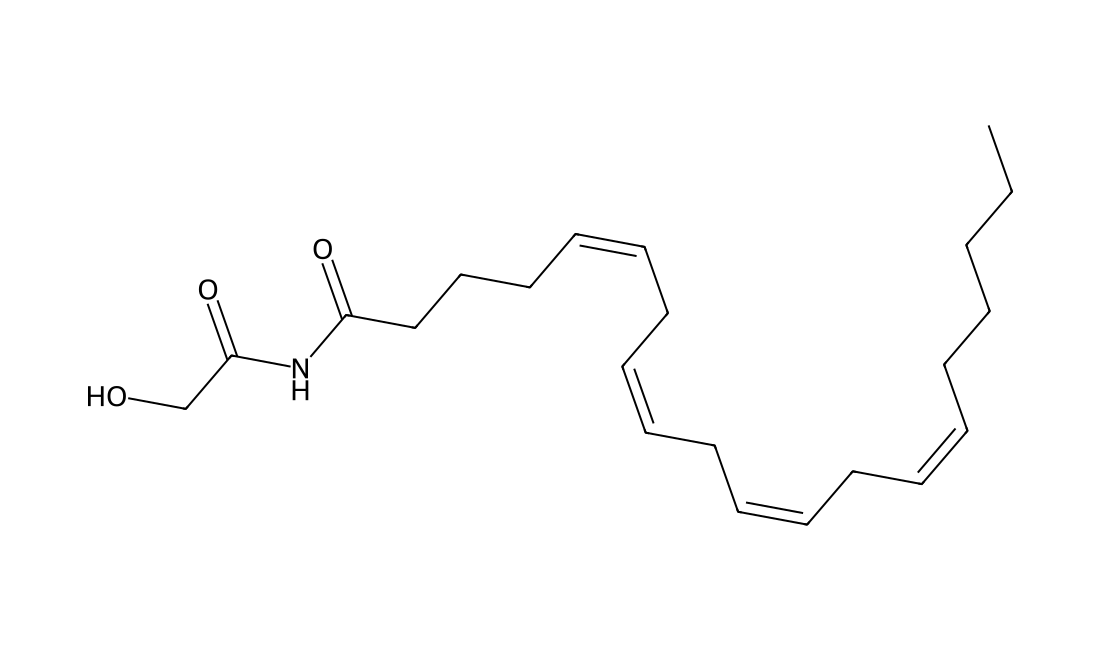
Anandamide, also known as N-arachidonoylethanolamine or AEA, is a fatty acid neurotransmitter derived from the non-oxidative metabolism of eicosatetraenoic acid (arachidonic acid) an essential ω-6 polyunsaturated fatty acid. The name is taken from the Sanskrit word ananda, which means "joy, bliss, delight", and amide. It is synthesized from N-arachidonoyl phosphatidylethanolamine by multiple pathways. It is degraded primarily by the fatty acid amide hydrolase (FAAH) enzyme, which converts anandamid.
No products match this search.
Page 210 of 234 · Browse all 4677 products
Jump to a product page
Featured literature product: HX1 · DCL0028
HX1 is a hydroxyzine-derived ionizable lipid with acetal-containing tails, studied in lipid nanoparticles for brain mRNA delivery and CRISPR–Cas9 delivery. It was the lead in the reported in vivo brain-delivery screen; evidence is preclinical and formulation-dependent.
Read full formulation and performance →