
Research lipid catalog
Ionizable Lipid Products
Explore 848 lipid and RNA delivery products. Search the full catalog or browse by research category.
Search covers product name, catalog number, synonyms, available CAS numbers and categories. Spaces, hyphens and common punctuation are ignored. Duplicate legacy records are consolidated under one canonical product result.
3666 products · Showing 1181–1200 · 20 per page
DC Chemicals lipid expertise
Built for ionizable-lipid discovery and RNA delivery research
DC Chemicals supports formulation and delivery research with a broad, searchable portfolio of cationic and ionizable lipids. The current directory brings together 848 unique research-use products, with product specifications, pricing, chemical structures and literature-linked formulation data added as each record is verified.
Our experience spans complex lipid synthesis, purification, analytical release and process development. For custom molecules or larger-scale requirements, our team can discuss route development, technical specifications and scale-up options for the intended research workflow.
Learn about cationic and ionizable lipids →Proprietary innovation · Co-development · GMP
From proprietary lipid design to GMP-grade custom synthesis
DC Chemicals has independently developed ionizable-lipid structures supported by company-owned intellectual property, and selected proprietary lipid programs have advanced to GMP-stage development.
We welcome joint development with customers—from molecular design and lipid synthesis through route and process development. We can also support custom synthesis of GMP-grade ionizable lipids to agreed technical specifications and quality requirements.
Discuss a co-development project →Proprietary ionizable-lipid structuresCollaborative molecular designCustom lipid synthesisProcess development and scale-upGMP-grade project support
Product quick links
Explore ionizable lipids
Browse specifications, pricing and literature-linked product information.
Cat. No.Product NameField of ApplicationChemical Structure
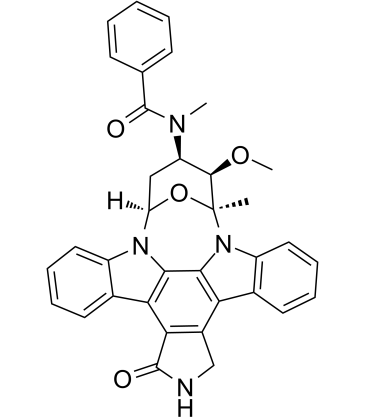
PKC-412 (Midostaurin)Featured
100 mg USD 650 · 250 mg USD 1,300 · 1 g USD 2,700 · 10 mM * 1 mL in DMSO USD 220Midostaurin (CGP41231; PKC412) is a multi-targeted protein kinase inhibitor which inhibits PKCα/β/γ, Syk, Flk-1, Akt, PKA, c-Kit, c-Fgr, c-Src, FLT3, PDFRβ and VEGFR1/2 with IC50 ranging from 16-500 nM.
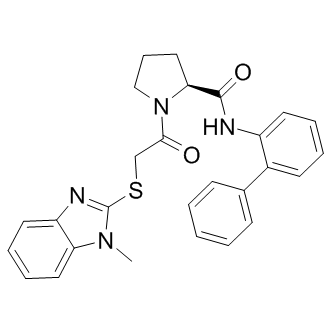
TCS 1102Featured
100 mg USD 325 · 250 mg USD 650 · 1 g USD 1,300 · 10 mM * 1 mL in DMSO USD 150TCS 1102 is a potent, dual orexin receptor antagonist (Ki values are 0.2 and 3 nM for OX2 and OX1 receptors respectively).TCS-1102 (10 and 20 mg/kg, i.p.) were found to decrease fear and anxiety in rats 14 days after exposure to footshock.Furthermore, TCS-1102 (10 mg/kg, i.p.) was found to have anxiolytic effects that were specific for HR when tested in the elevated T-maze. [2]
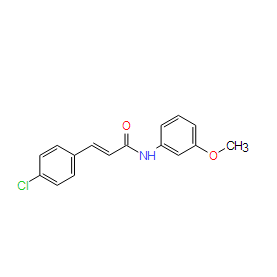
SB-366791Featured
100 mg USD 450 · 250 mg USD 800 · 1 g USD 1,600 · 10 mM * 1 mL in DMSO USD 220SB-366791 is a potent , competitive and selective vanilloid receptor (VR1/TRPV1) antagonist with IC50 of 5.7±1.2 nM. SB-366791 produced a concentration-dependent inhibition of the response to capsaicin with an apparent pKb of 7.74±0.08. Schild analysis indicated a competitive mechanism of action with a pA2 of 7.71.[1] SB-366791 showed a concentration-dependent potentiation of pH 5-induced 45Ca2+uptake in CHO cells expressing rat TRPV1 but not in untransfected cells[2]
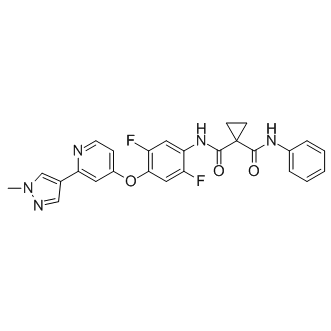
c-Kit-IN-1(DCC-2618)Featured
100 mg USD 550 · 250 mg USD 1,100 · 1 g USD 2,200 · 10 mM * 1 mL in DMSO USD 220c-Kit-IN-1 is a potent inhibitor of c-Kit and c-Met with IC50s of <200 nM.
A-674563Featured
100 mg USD 500 · 250 mg USD 900 · 1 g USD 1,900 · 10 mM * 1 mL in DMSO USD 220A-674563 is a potent selective Akt1 (Protein Kinase B) inhibitor (IC50 = 14 nM). A-674563 also shows inhibitory activity against PKA and Cdk2 (IC50’s: PKA = 16 nM; Cdk2 = 46 nM). A-674563 has been shown to have a significant effect on depolarization of purkinje fiber in an in vitro assay, and severe CV toxicity (e.g. hypotension) in vivo. The X-ray structure of A-674563 bound to protein kinase A, which exhibits 80% homology with Akt in the kinase domain, suggested the phenyl group is not tightly bound in the ligand-protein complex. The Akt inhibitor A-674563 displayed proliferation of tumor cells (EC50: 0.4 μM). When given in combination, A-674563 enhanced the efficacy of paclitaxel in a PC-3 xenograft model.For the detailed information of A-674563, the solubility of A-674563 in water, the solubility of A-674563 in DMSO, the solubility of A-674563 in PBS buffer, the animal experiment (test) of A-674563, the cell expriment (test) of A-674563, the in vivo, in vitro and clinical trial test of A-674563, the EC50, IC50,and Affinity of A-674563, Please contact DC Chemicals.
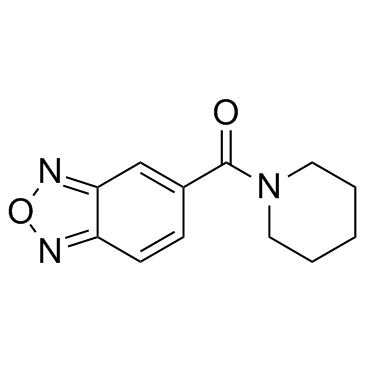
FarampatorFeatured
100 mg USD 500 · 250 mg USD 1,000 · 1 g USD 2,000 · 10 mM * 1 mL in DMSO USD 220Farampator (CX-691;Org24448) is an AMPA receptor positive modulator.
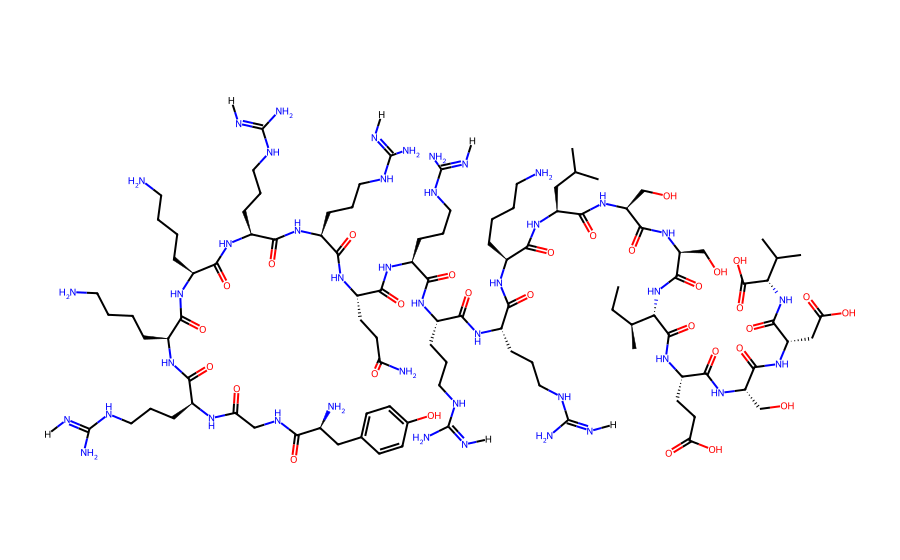
Tat-NR2B9cFeatured
100mg USD 750 · 10 mM * 1 mL in DMSO USD 220Tat-NR2B9c is a 20-aa peptide, which acts as a postsynaptic density-95 (PSD-95) inhibitor, with an EC50 of 6.7 nM for PSD-95d2 (PSD-95 PDZ domain 2), and 670 nM for PSD-95d1; Tat-NR2B9c also reduces NMDA-induced p38 activation, and possesses neuroprotective efficacy.
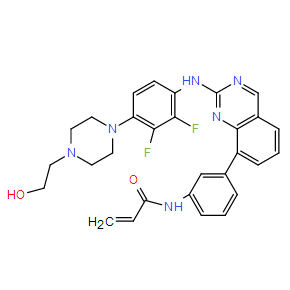
RX518(CK-101:EGFR-IN-3)Featured
100 mg USD 800 · 250 mg USD 1,500 · 1 g USD 3,000 · 10 mM * 1 mL in DMSO USD 220RX518(CK-101:EGFR-IN-3) is an orally available third-generation and selective inhibitor of certain epidermal growth factor receptor (EGFR) activating mutations, including the resistance mutation T790M, and the L858R and exon 19 deletion (del 19) mutations, with potential antineoplastic activity.
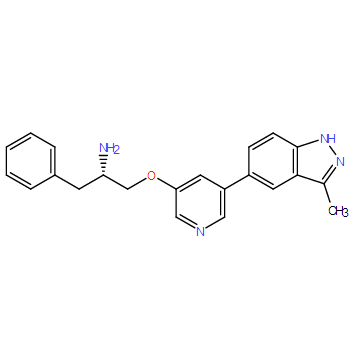
KI8751Featured
100 mg USD 300 · 250 mg USD 600 · 1 g USD 1,200 · 10 mM * 1 mL in DMSO USD 150Ki8751 is a potent VEGFR2 inhibitor with an IC50 of 0.9 nM.
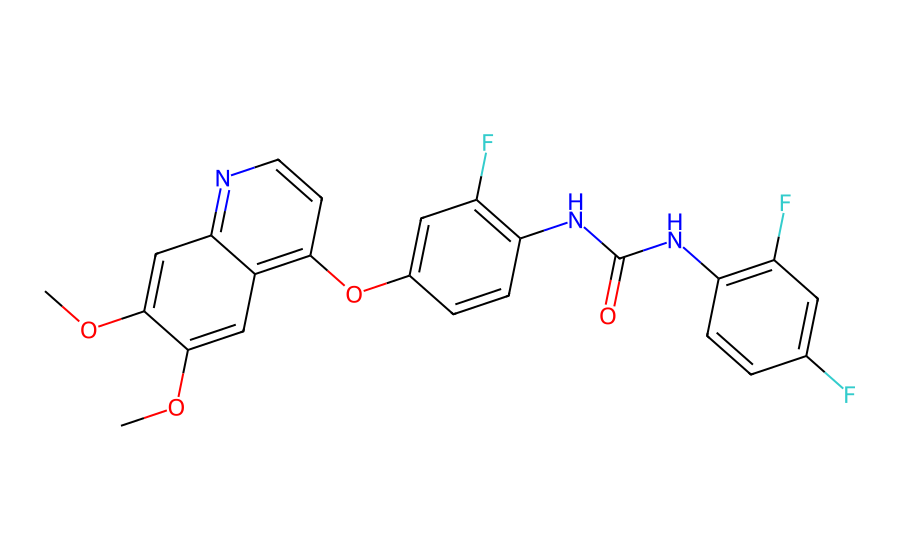
Coenzyme Q9Featured
100 mg USD 500 · 250 mg USD 1,000 · 1 g USD 2,000 · 10 mM * 1 mL in DMSO USD 220Coenzyme Q9, a nine isoprenyl group-containing member of the ubiquinone family, is a normal constituent of human plasma.
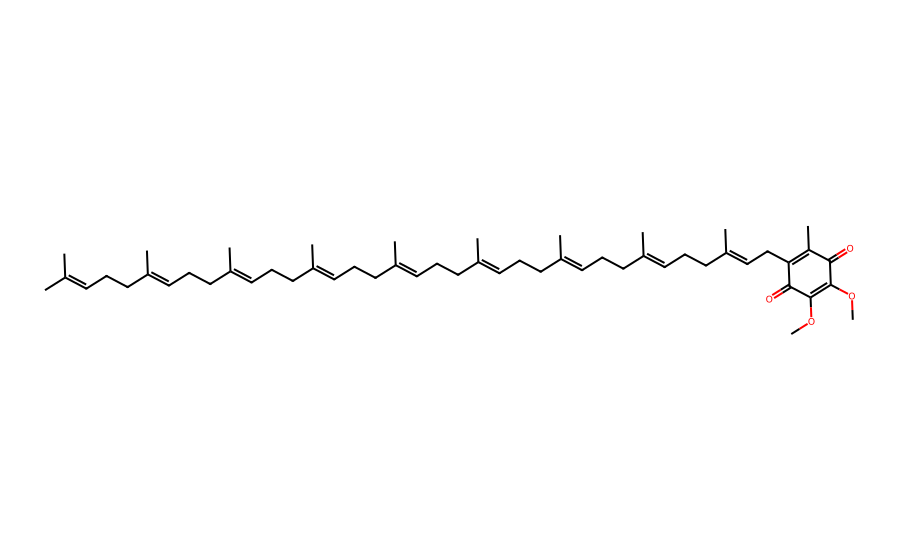
STING agonist-1 trihydrochlorideFeatured
25 mg USD 850diABZI STING agonist-1 (trihydrochloride) is a selective stimulator of interferon genes (STING) receptor agonist.
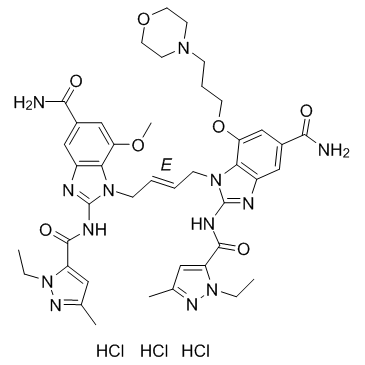
Cilengitide (TFA salt)Featured
100 mg USD 450 · 250 mg USD 900 · 1 g USD 1,800 · 10 mM * 1 mL in DMSO USD 220Cilengitide is a potent and selective integrin inhibitor for αvβ3 and αvβ5 receptor, with IC50 values of 4 nM and 79 nM, respectively.
Structure information available on request
DS-1971aFeatured
100mg USD 900 · 250mg USD 1,700 · 1g USD 3,400 · 10 mM * 1 mL in DMSO USD 220DS-1971a is a potent, selective, and orally active NaV1.7 inhibitor, with IC50s of 22.8 and 59.4 nM for hNaV1.7 and mNaV1.7, respectively. DS-1971a exerts analgesic effects[1].
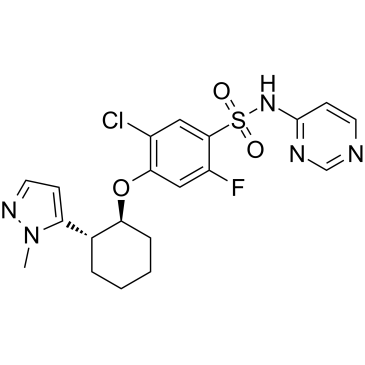
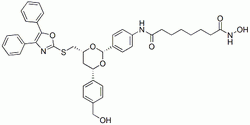
Tubacin (BML-GR362)Featured
5 mg USD 500Tubacin is a potent and selective inhibitor of HDAC6, with an IC50 value of 4 nM and approximately 350-fold selectivity over HDAC1.
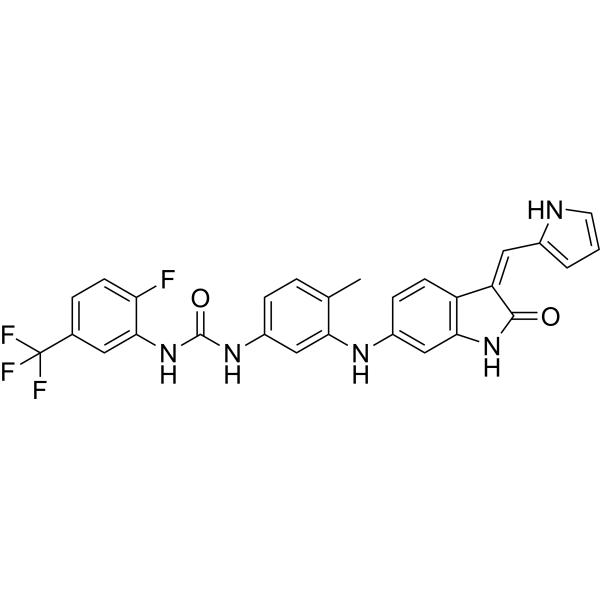
GNF-5837Featured
100 mg USD 350 · 250 mg USD 600 · 1 g USD 1,200 · 10 mM * 1 mL in DMSO USD 150GNF-5837 is a potent pan-Trk inhibitor which display antiproliferative effects in cellular Ba/F3 assays (IC50 values are 7, 9 and 11 nM for cells containing the fusion proteins Tel-TrkC, Tel-TrkB and Tel-TrkA, respectively).IC50 Value: 7/9/11 nM (Tel-TrkC/Tel-TrkB/Tel-TrkA) [1]Target: pan-TrkGNF-5837 is an orally bioavailable oxindole compound that and acts as a potent, reversible and type II DFG-out inhibitor of pan-Trk activity (IC50 = 8 and 12 nM for TrkA and TrkB). Shown to target Trk (tropomyosin receptor kinase) ATP binding cleft and an immediately adjacent hydrophobic pocket. Preferentially arrests the proliferation of Ba/F3 cells fused with Tel-TrkA, Tel-TrkB and Tel-TrkC (IC50 = 11, 9 and 7 nM, respectively) and in Ba/F3 and RIE cells expressing both TrkA and NGF (IC50 = 42 and 17 nM, respectively) over Mo7e-c-Kit and Rat-A10-PDGFR (IC50 = 1 and 0.5 μM) and Ba/F3-Tel-KDR and wt-Ba/F3 cells (IC50 = 3.0 and 5.6 μM). GNF-5837 displays ~100-fold greater selectivity among a panel of 59 closely related kinases and in 33 cellular kinase assays. GNF-5837 weakly antagonize relevant cytochrome P450 isozymes and hERG channel, and exhibit adequate microsomal stability, pharmacokinetic profile and efficacy in mice and rats. GNF-5837 suppresses tumor growth in a mouse RIE-TrkAmNGF xenograft model (50 mg/kg, p.o.) [1].
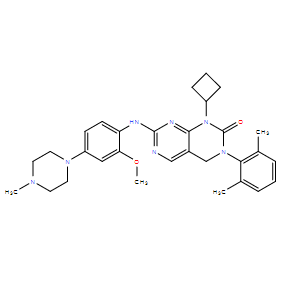
YKL-06-061Featured
100 mg USD 550 · 250 mg USD 950 · 1 g USD 1,900 · 10 mM * 1 mL in DMSO USD 220YKL-06-061 is a potent, selective, second-generation salt-inducible kinase (SIK) inhibitor with IC50 values of 6.56 nM/1.77 nM/20.5 nM for SIK1/2/3, respectively[1].
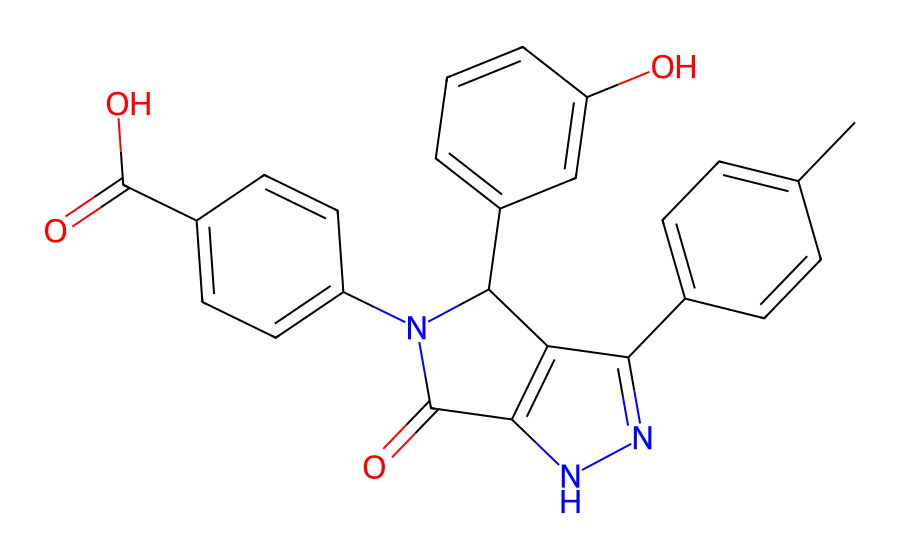
CID16020046Featured
100 mg USD 500 · 250 mg USD 900 · 1 g USD 1,800 · 10 mM * 1 mL in DMSO USD 220CID 16020046 is a potent and selective GPR55(LPI receptor) antagonist; inhibitsGPR55 constitutive activity with IC50 of 0.15 uM
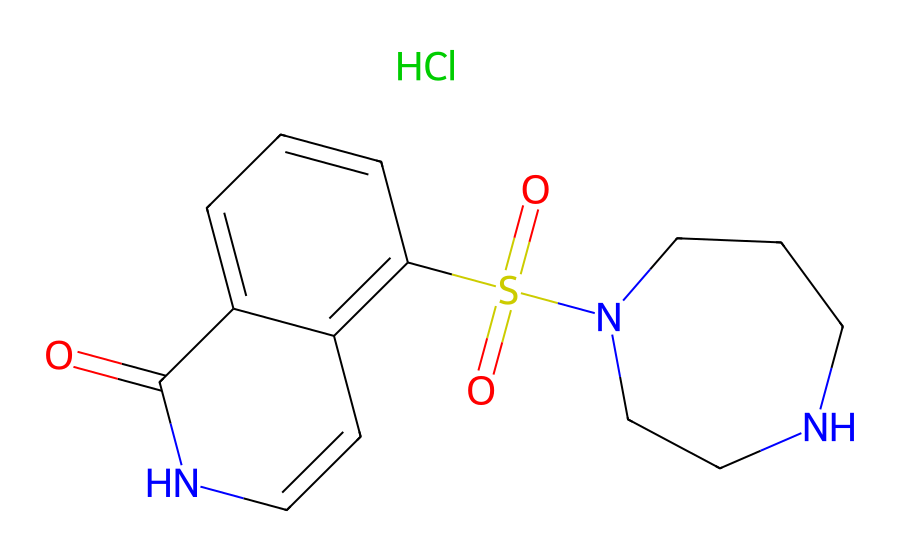
Hydroxyfasudil (hydrochloride)Featured
100 mg USD 400 · 250 mg USD 750 · 1 g USD 1,350 · 10 mM * 1 mL in DMSO USD 150Hydroxyfasudil hydrochloride is a ROCK inhibitor, with IC50s of 0.73 and 0.72 μM for ROCK1 and ROCK2, respectively.
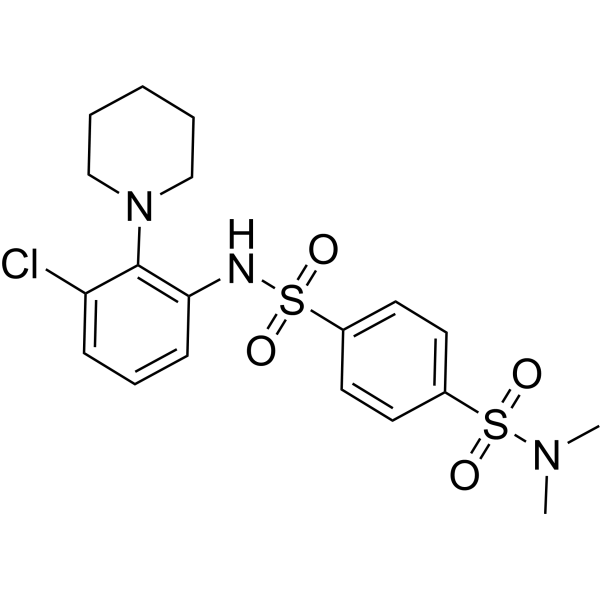
ML-SA5Featured
100 mg USD 650 · 250 mg USD 1,300 · 1 g USD 2,600 · 10 mM * 1 mL in DMSO USD 220Novel mucolipin 1 (ML1) agonist, inducing lysosomal Ca2+ release, ameliorating muscular dystrophies and activating TFEB to correct lysosomal insufficiency in mdx mice
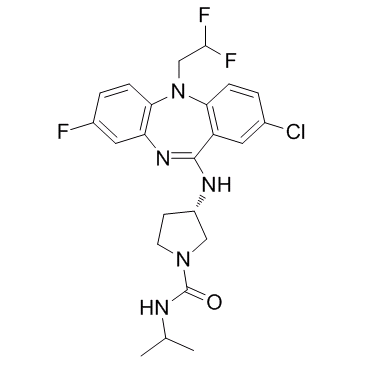
NVS-PAK1-1Featured
100 mg USD 650 · 250 mg USD 1,200 · 1 g USD 2,400 · 10 mM * 1 mL in DMSO USD 220NVS-PAK1-1 is a potent and selective allosteric PAK1 inhibitor with an IC50 of 5 nM.
No products match this search.
Page 60 of 184 · Browse all 3666 products